Search Suggestions
Menu
Results for in

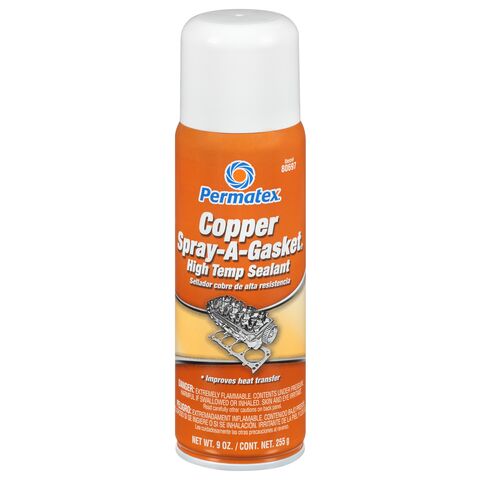
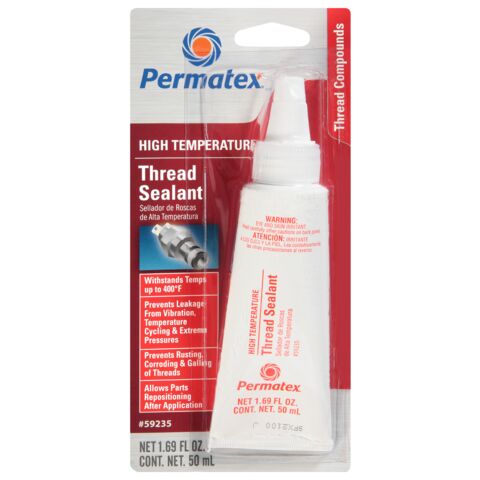
Engine Gasket Sealant
6Products
Filter 0 Sort By
You may also like
Engine Gasket Sealant
On this page...

  • What is engine gasket sealant used for?
  • How do I choose the right engine gasket sealant?
  • Can engine gasket sealant be used in high-temperature applications?
  • Are there different types of engine gasket sealants?
  • What should I consider when applying engine gasket sealant?
  • Can engine gasket sealant be used on all engine types?
  • How long does engine gasket sealant take to cure?
  • Is engine gasket sealant permanent?
  • Can I use engine gasket sealant on a leaking gasket?

Frequently Asked Questions For Engine Gasket Sealant
Engine gasket sealant is used to create a reliable seal between engine components, preventing leaks of oil, coolant, and other fluids. It is especially important in areas where traditional gaskets may not provide a sufficient seal or where gaskets are not used at all. This sealant helps maintain engine performance and longevity by ensuring that all fluids remain contained within the engine.

When choosing an engine gasket sealant, consider factors such as the type of materials being sealed, the temperature and pressure conditions, and whether the application requires a flexible or rigid seal. Additionally, look for sealants that are compatible with the fluids in your engine, such as oil or coolant. Reading product specifications and user reviews can also help guide your decision.

Yes, many engine gasket sealants are specifically formulated to withstand high temperatures. It's essential to select a sealant that is rated for the temperature range of your engine to ensure it performs effectively without breaking down. Always check the manufacturer's specifications to confirm that the sealant is suitable for high-temperature applications.

Yes, there are several types of engine gasket sealants, including silicone-based, anaerobic, and high-performance synthetic options. Each type has unique properties suited for different applications, such as flexibility, curing time, and resistance to various chemicals. Understanding the specific needs of your engine will help you select the most appropriate type of sealant.

When applying engine gasket sealant, it's crucial to ensure that the surfaces are clean and free of old gasket material or contaminants. Follow the manufacturer's instructions regarding application thickness and curing time. Additionally, consider the environmental conditions, such as temperature and humidity, as these can affect the curing process and overall effectiveness of the sealant.

While many engine gasket sealants are versatile and can be used on a variety of engine types, it's important to check compatibility with specific materials and engine designs. Some sealants may not be suitable for certain applications, such as those involving fuel or specific types of plastics. Always refer to the product guidelines to ensure proper usage.

The curing time for engine gasket sealant can vary significantly depending on the type of sealant used and environmental conditions. Some sealants may cure within a few hours, while others may take up to 24 hours or more to fully set. It's important to allow adequate curing time before starting the engine to ensure a proper seal.

Engine gasket sealant is designed to create a strong bond, but it may not be permanent in all cases. Over time, exposure to heat, pressure, and engine fluids can degrade the sealant. Regular maintenance and inspections can help identify any leaks early, allowing for timely repairs and reapplication of sealant if necessary.

Engine gasket sealant can be used as a temporary fix for a leaking gasket, but it is not a substitute for replacing the gasket itself. While sealant can help seal minor leaks, it is best to address the root cause by replacing worn or damaged gaskets for a long-term solution. Always evaluate the condition of the gasket before deciding on the best course of action.

Engine Gasket Sealant

Engine gasket sealant is essential for ensuring a reliable and leak-free seal in your motorcycle's engine. Designed to withstand high temperatures and pressures, these sealants provide excellent adhesion and flexibility, making them ideal for various engine components. Whether you're working on a complete rebuild or a simple repair, our selection of gasket sealants will help you achieve a durable and long-lasting seal.

Our engine gasket sealants are formulated to resist oil, coolant, and other fluids, ensuring optimal performance in demanding conditions. Easy to apply and compatible with a wide range of materials, these sealants are perfect for both professional mechanics and DIY enthusiasts. Trust in our quality products to keep your engine running smoothly and efficiently, preventing costly leaks and ensuring peace of mind on the road.