Exhaust Gas Sensor
Filters
On this page...
- What is an exhaust gas sensor and how does it work?
- What are the different types of exhaust gas sensors?
- Why is it important to have a functioning exhaust gas sensor?
- Can exhaust gas sensors be used in all types of motorcycles?
- How do I know if my exhaust gas sensor needs to be replaced?
- What factors can affect the performance of an exhaust gas sensor?
- Are there any specific maintenance tips for exhaust gas sensors?
- What role does an exhaust gas sensor play in emissions control?
- Can I upgrade my exhaust gas sensor for better performance?
Frequently Asked Questions For Exhaust Gas Sensor
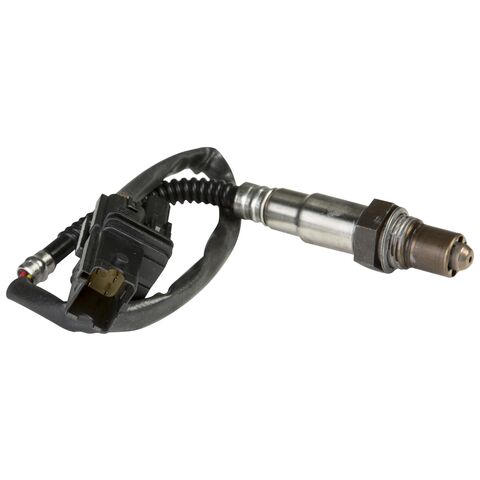
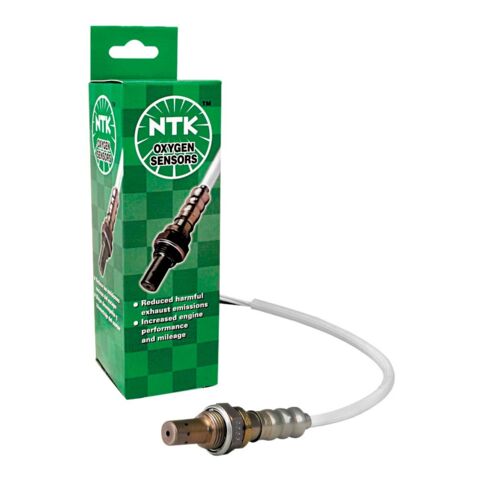
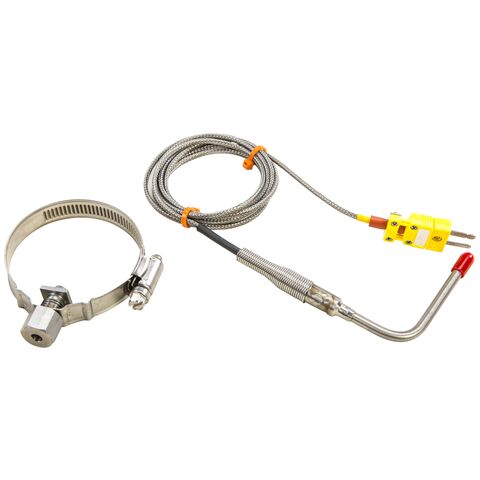
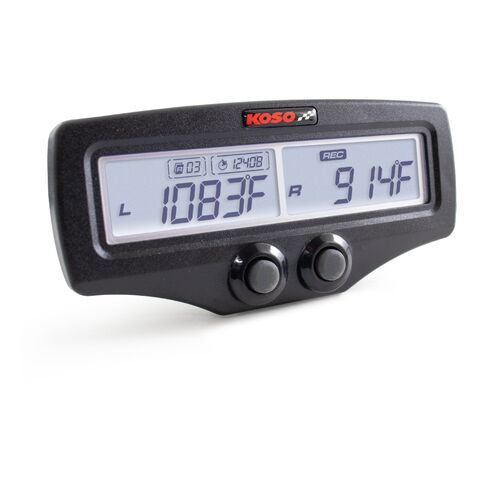
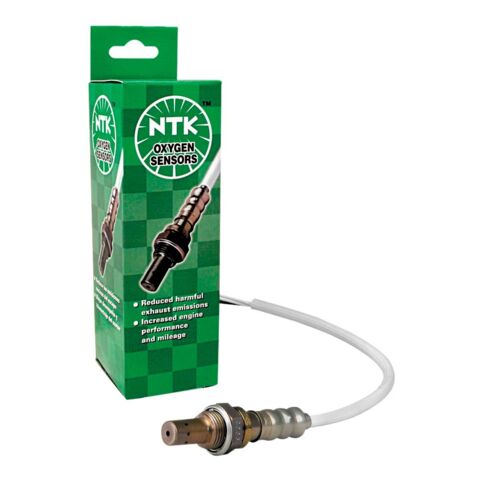
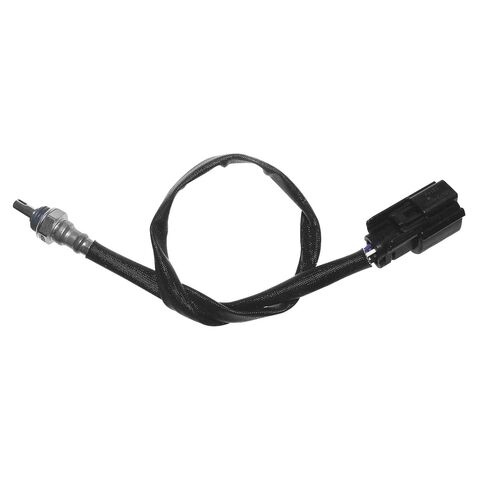
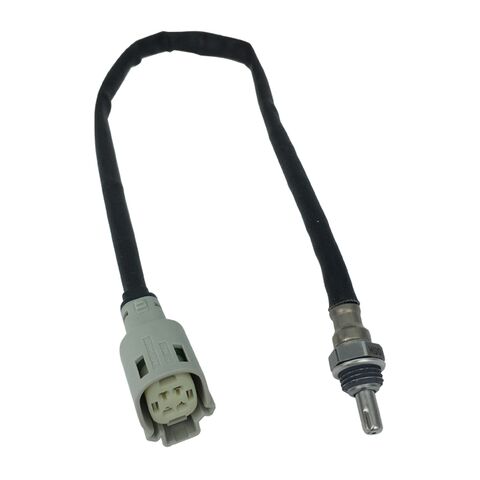
An exhaust gas sensor, commonly known as an oxygen sensor, measures the level of oxygen in the exhaust gases of an engine. This information is crucial for the engine control unit (ECU) to optimize the air-fuel mixture for efficient combustion. By providing real-time data, the sensor helps improve fuel efficiency and reduce emissions.
Exhaust gas sensors can be categorized mainly into narrowband and wideband sensors. Narrowband sensors provide a simple on/off signal to the ECU, while wideband sensors offer a more precise measurement of the air-fuel ratio. Each type serves different applications and can be chosen based on the specific tuning needs of a motorcycle.
A functioning exhaust gas sensor is essential for maintaining optimal engine performance and efficiency. It ensures that the engine runs with the correct air-fuel mixture, which can lead to better fuel economy and lower emissions. Additionally, a faulty sensor can trigger warning lights and affect overall engine health.
Exhaust gas sensors are commonly used in a variety of motorcycles, including cruisers, sport bikes, and touring models. However, compatibility may vary based on the engine type and exhaust system design. It's important to check the specifications of your motorcycle to ensure proper fitment and functionality.
Signs that an exhaust gas sensor may need replacement include poor fuel economy, rough engine performance, and the illumination of the check engine light. Additionally, if you notice increased emissions or a failed emissions test, it could indicate a malfunctioning sensor. Regular diagnostics can help identify issues early.
Several factors can impact the performance of an exhaust gas sensor, including temperature, contamination from fuel additives, and exhaust system modifications. Environmental conditions, such as extreme heat or cold, can also influence sensor readings. Regular maintenance and monitoring can help mitigate these issues.
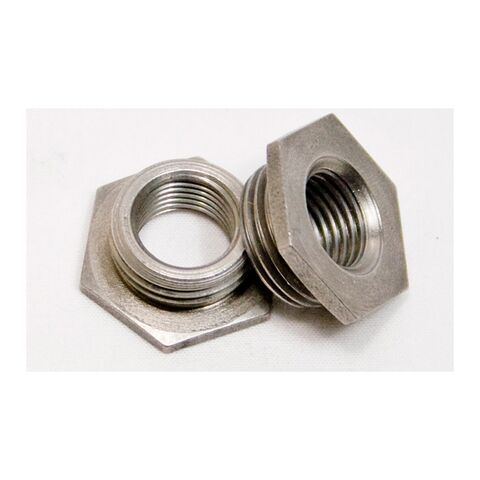
While exhaust gas sensors generally require minimal maintenance, it's important to keep the exhaust system clean and free from leaks. Regularly checking for any signs of wear or damage can help prolong the life of the sensor. If modifications are made to the exhaust system, ensure that the sensor is still compatible.
An exhaust gas sensor plays a critical role in emissions control by providing the ECU with data to adjust the air-fuel mixture. This adjustment helps ensure that the engine operates efficiently, reducing harmful emissions released into the atmosphere. Proper functioning of the sensor is vital for meeting environmental regulations.
Upgrading to a high-performance exhaust gas sensor can enhance the accuracy of air-fuel ratio readings, which may lead to improved engine performance and efficiency. However, it's essential to ensure that any upgrades are compatible with your motorcycle's existing systems and are suitable for your specific riding needs.
Similar Categories
Exhaust Gas Sensor
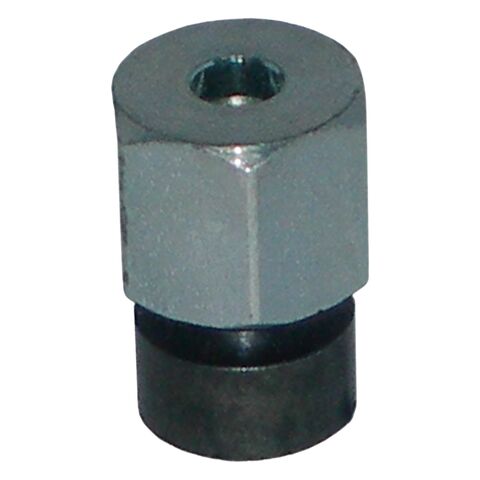
Exhaust gas sensors play a vital role in monitoring and optimizing your vehicle's emissions and performance. Designed to accurately measure the levels of gases in the exhaust system, these sensors help ensure that your engine runs efficiently while minimizing harmful emissions. With precise readings, they contribute to improved fuel economy and overall engine health.
Our selection of exhaust gas sensors is built to withstand extreme temperatures and harsh conditions, ensuring long-lasting reliability. Easy to install and compatible with a variety of vehicles, these sensors are essential for maintaining compliance with environmental regulations. Upgrade your vehicle's performance and reduce its environmental impact with our high-quality exhaust gas sensors.