


 Riders Preferred Membership
 Shop by Vehicle
 Track Order
 Contact Us
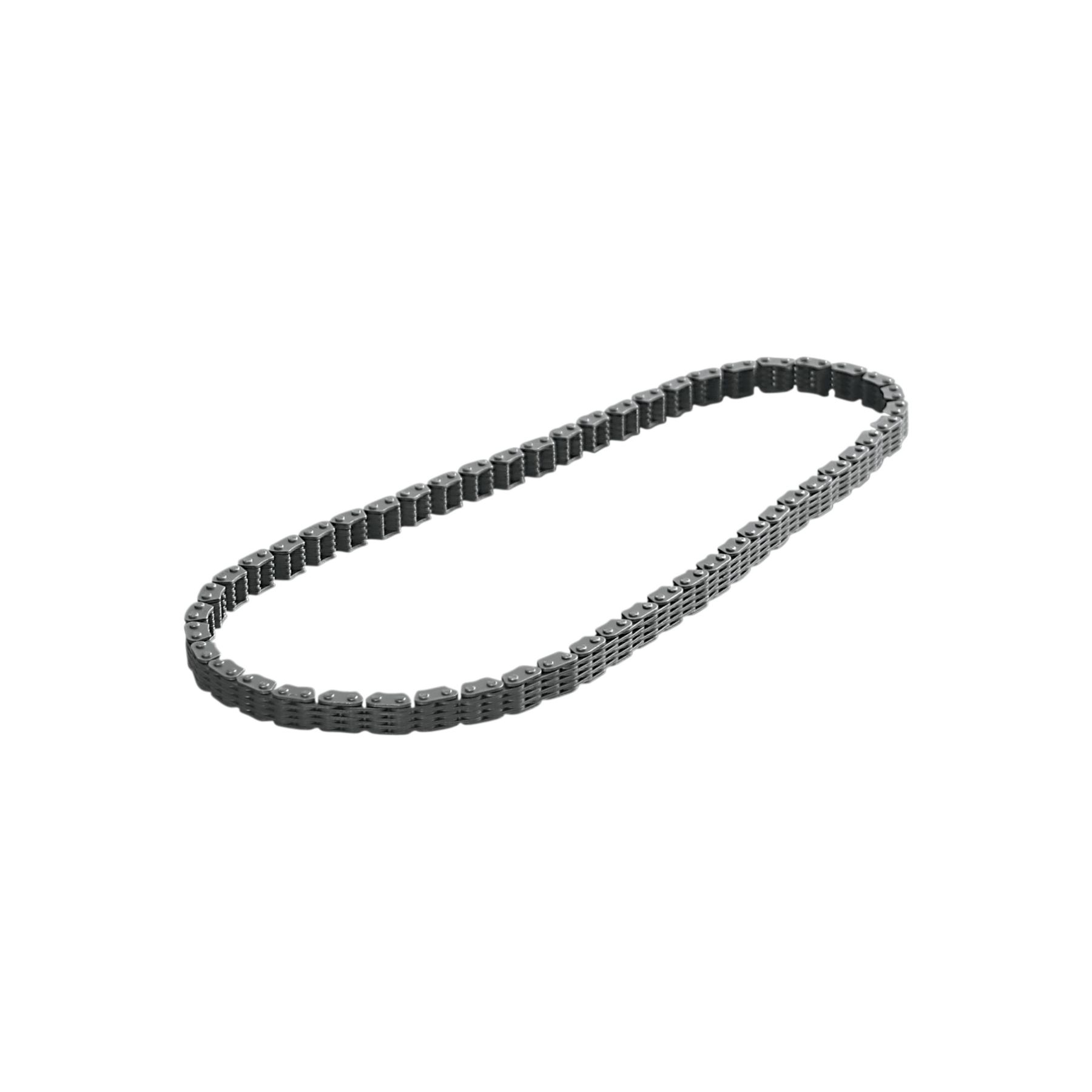
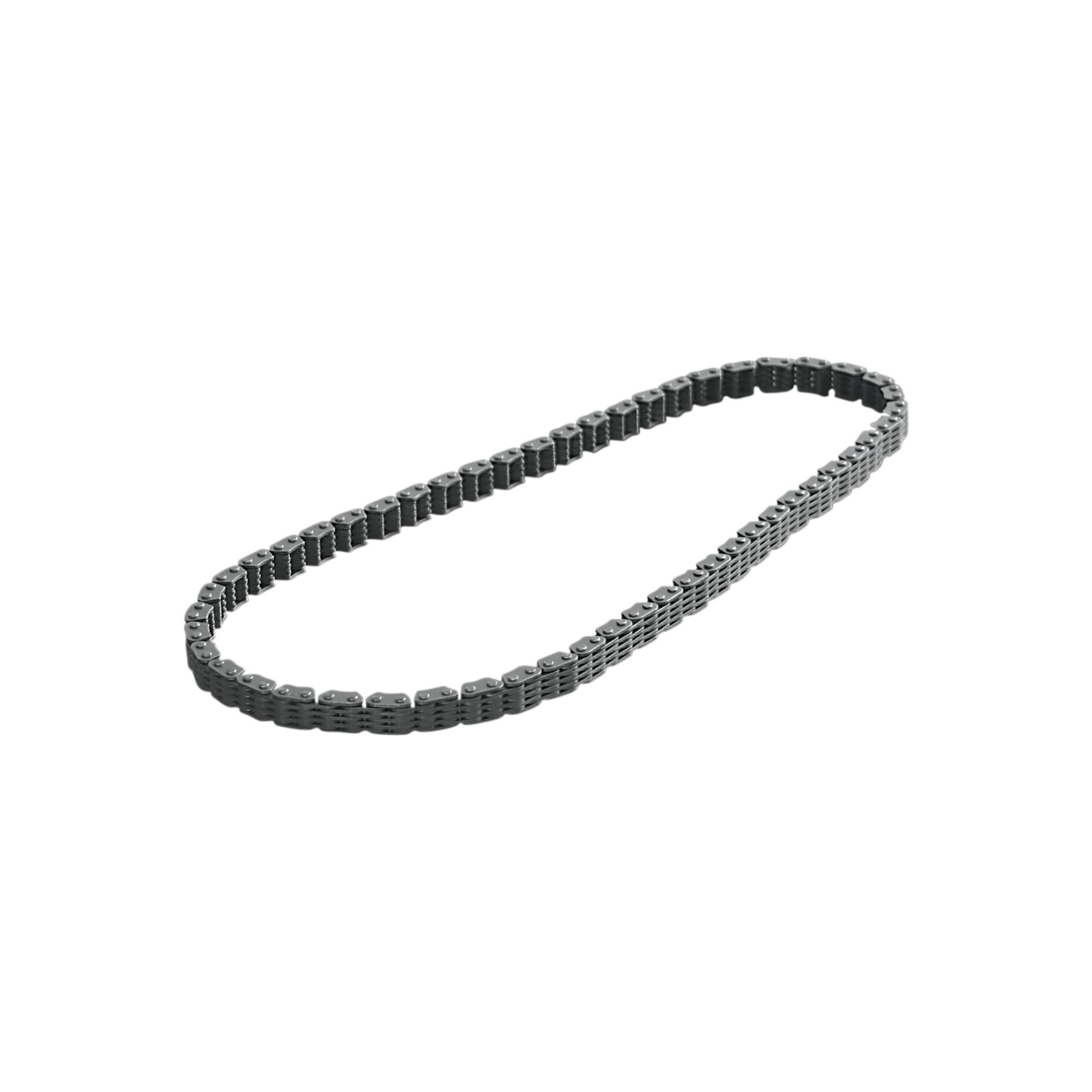
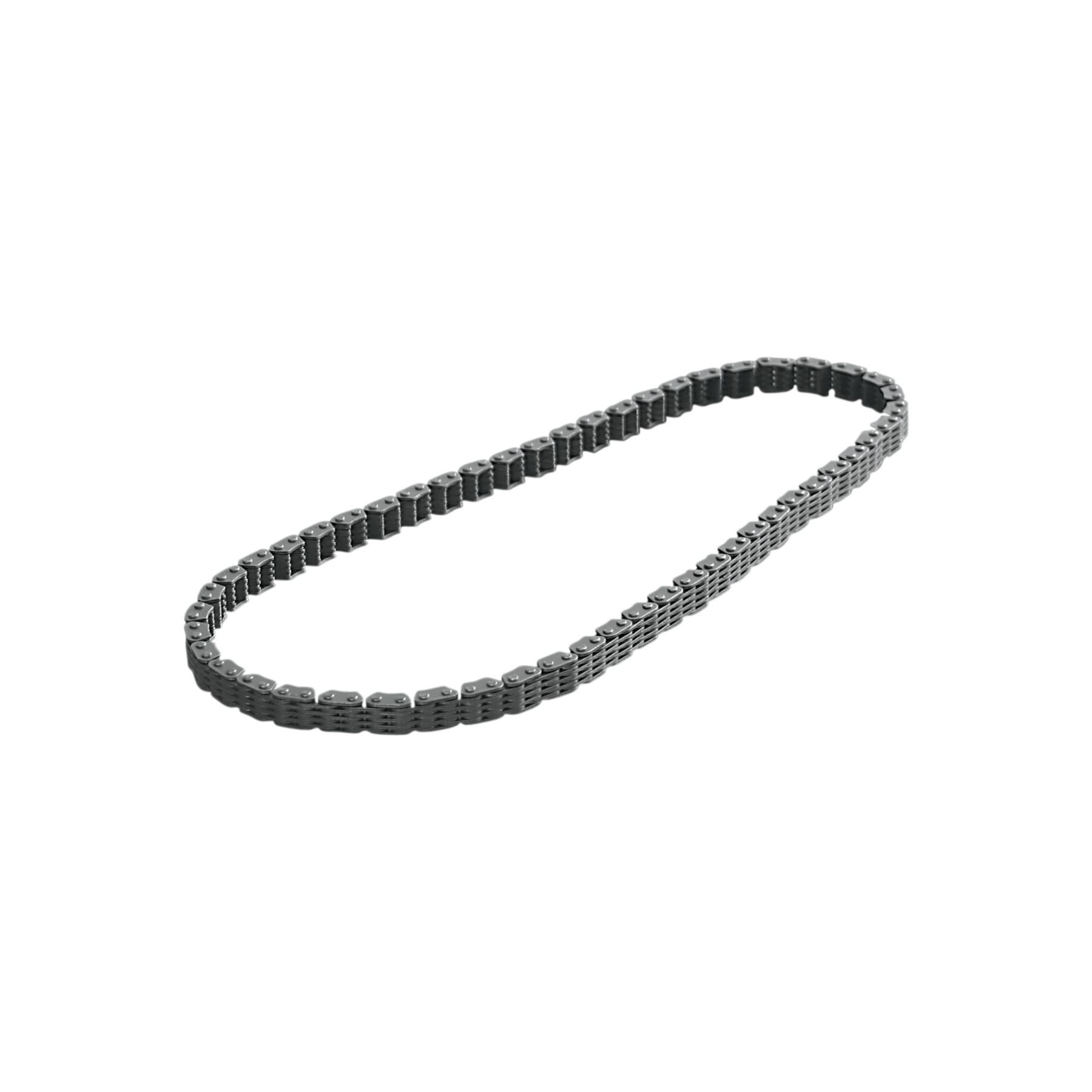
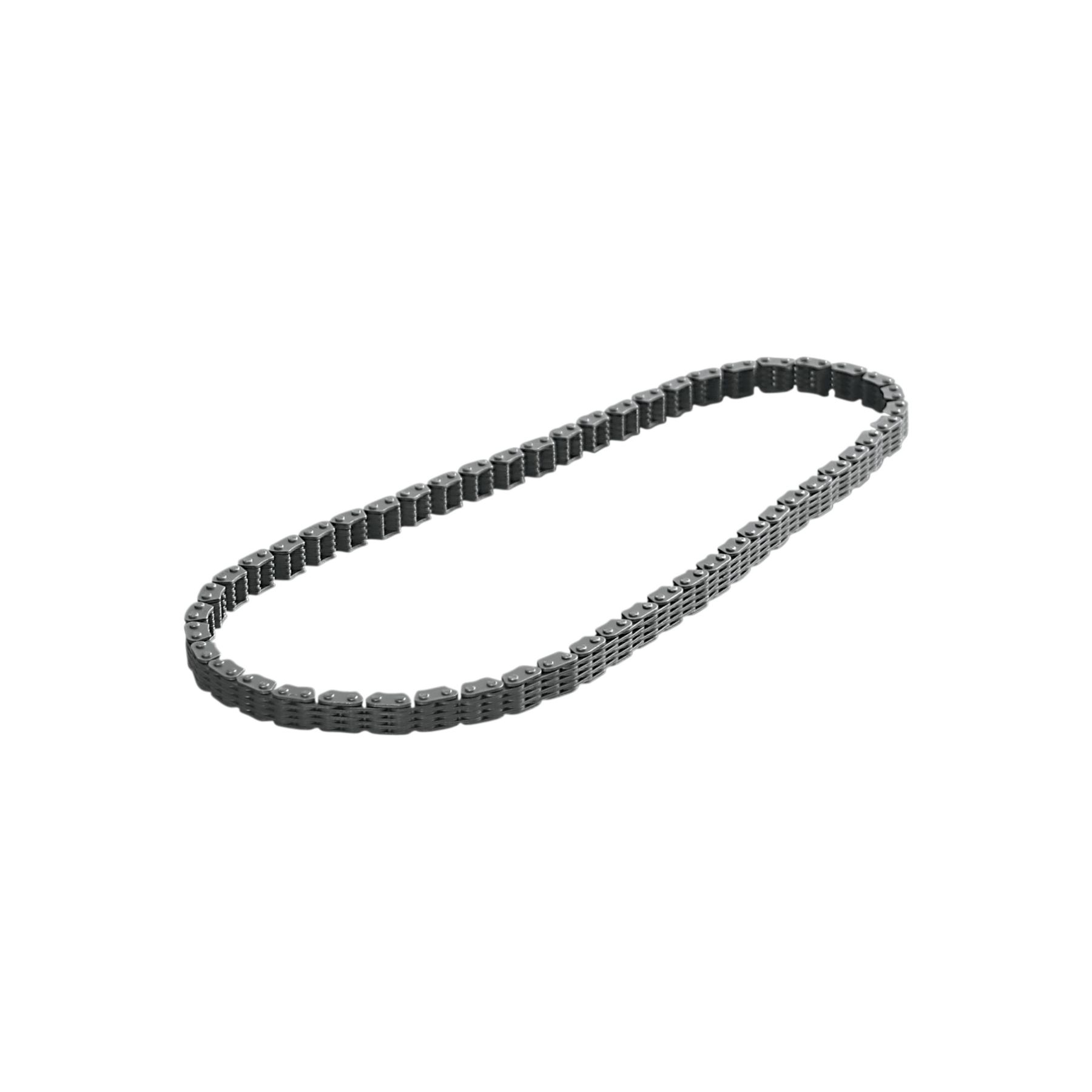
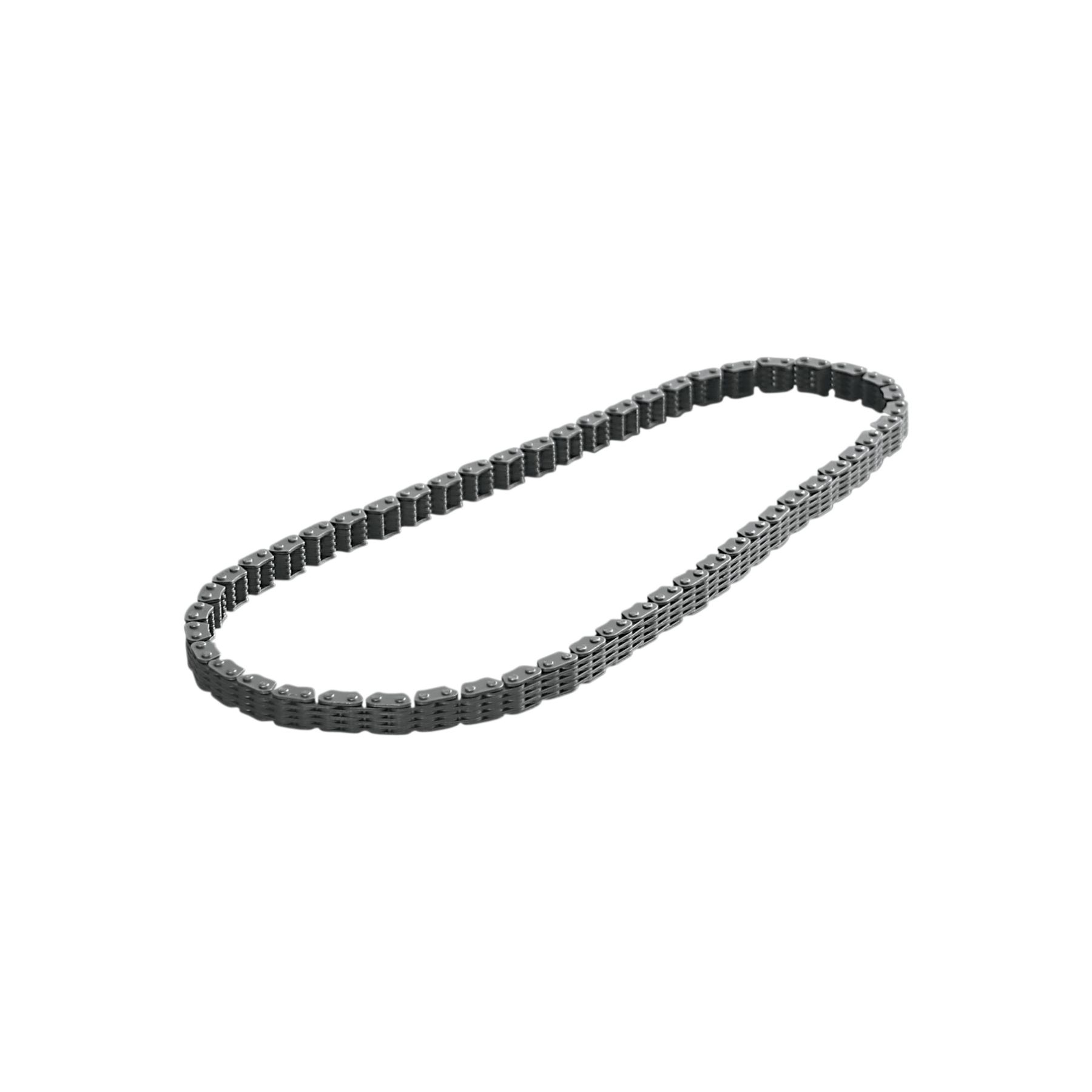
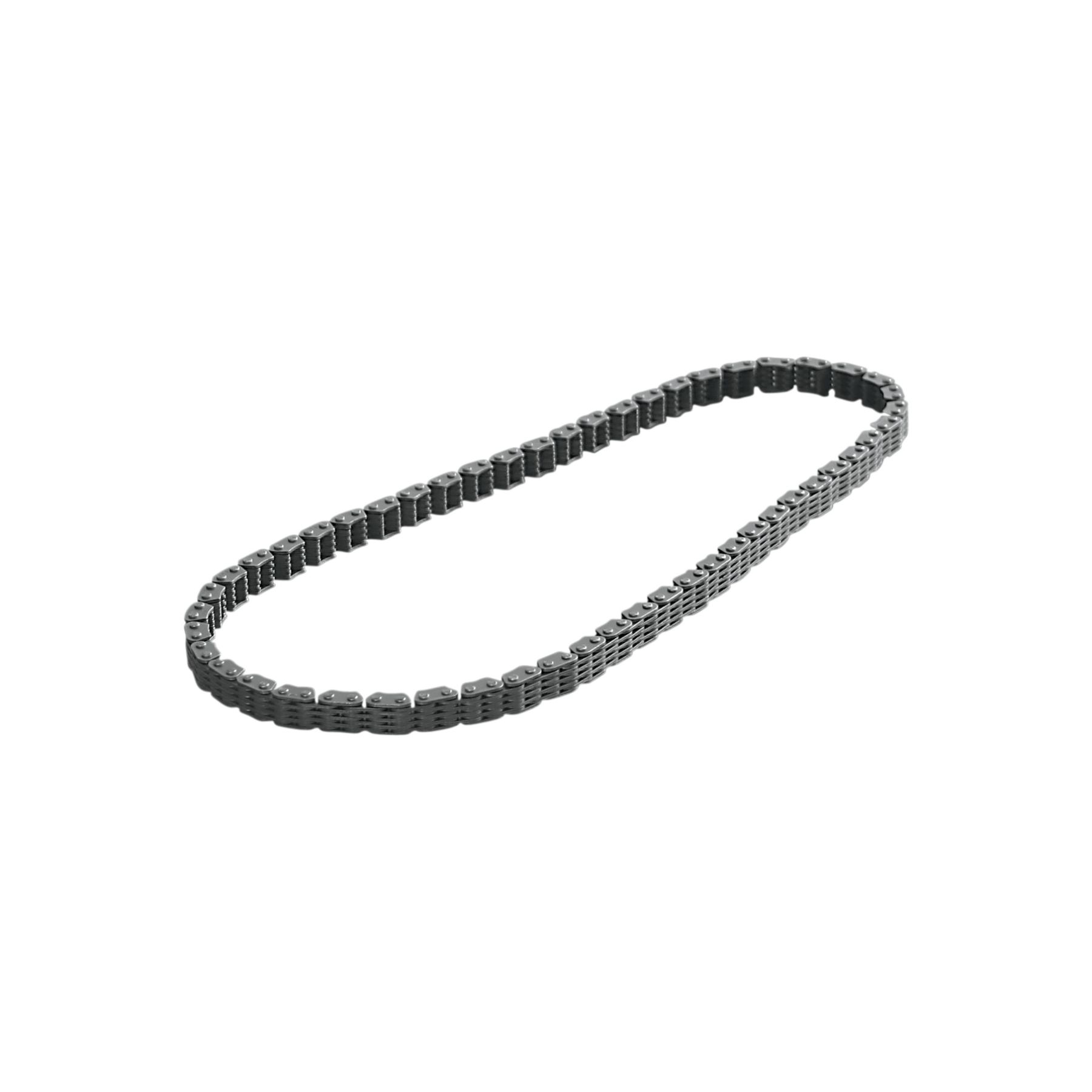
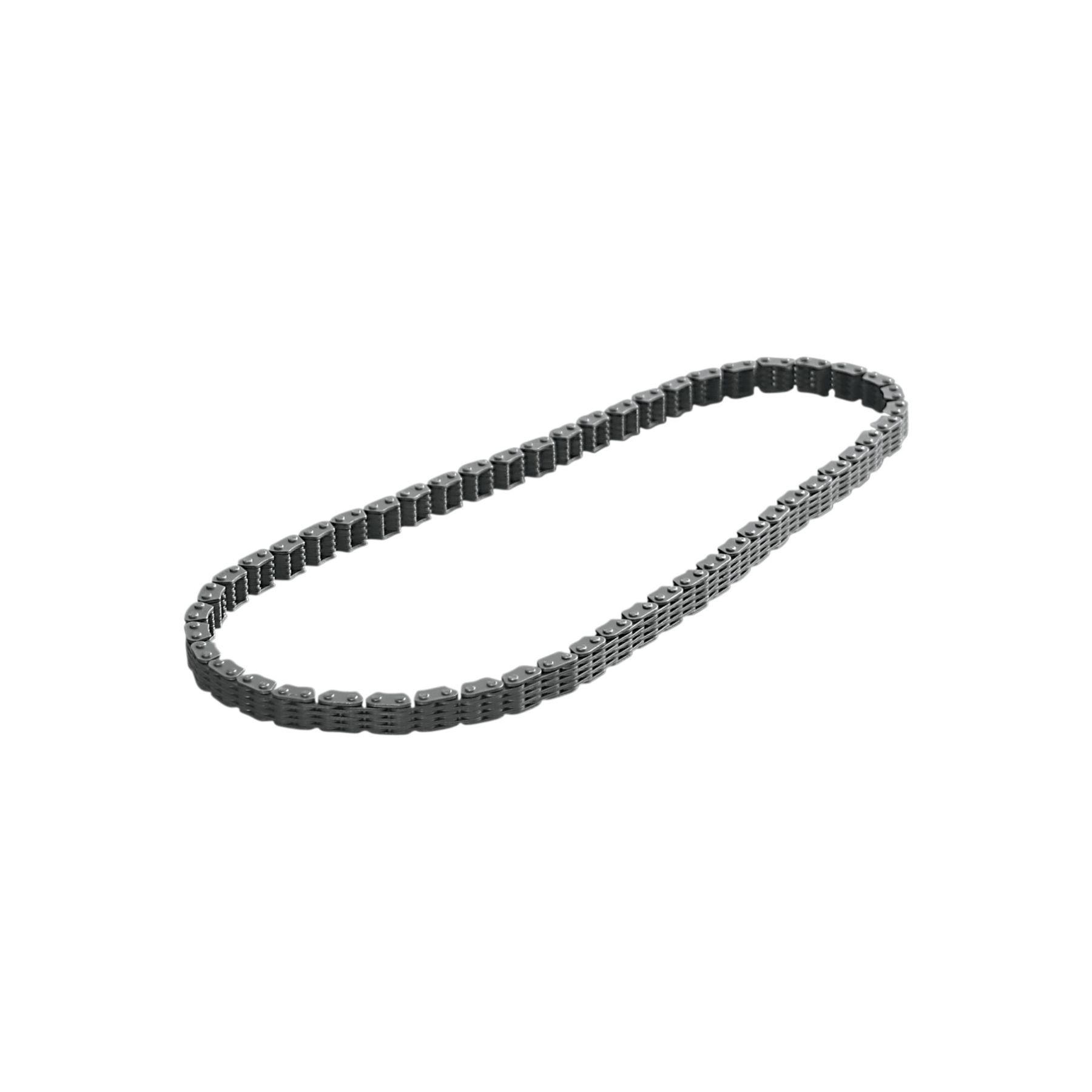
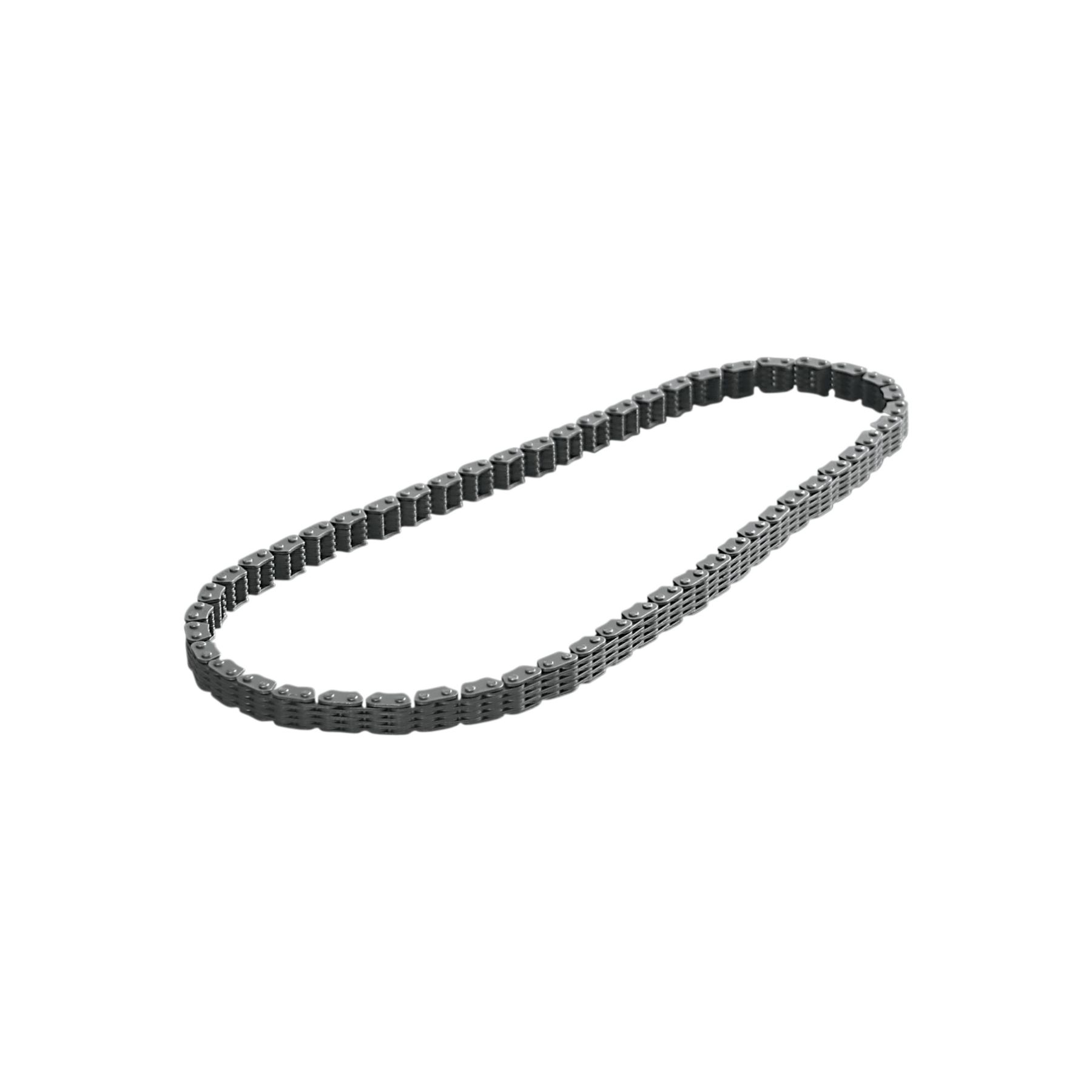
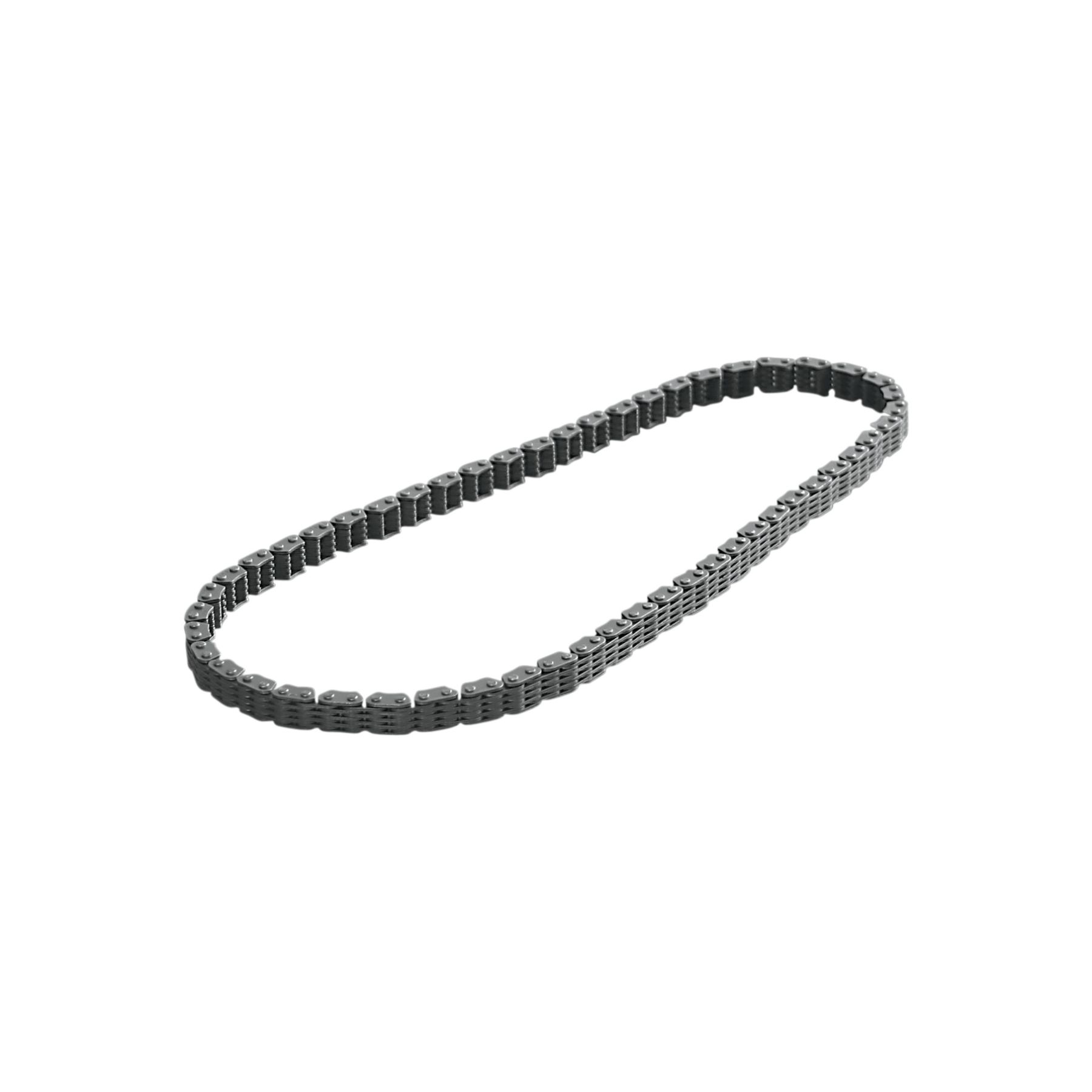
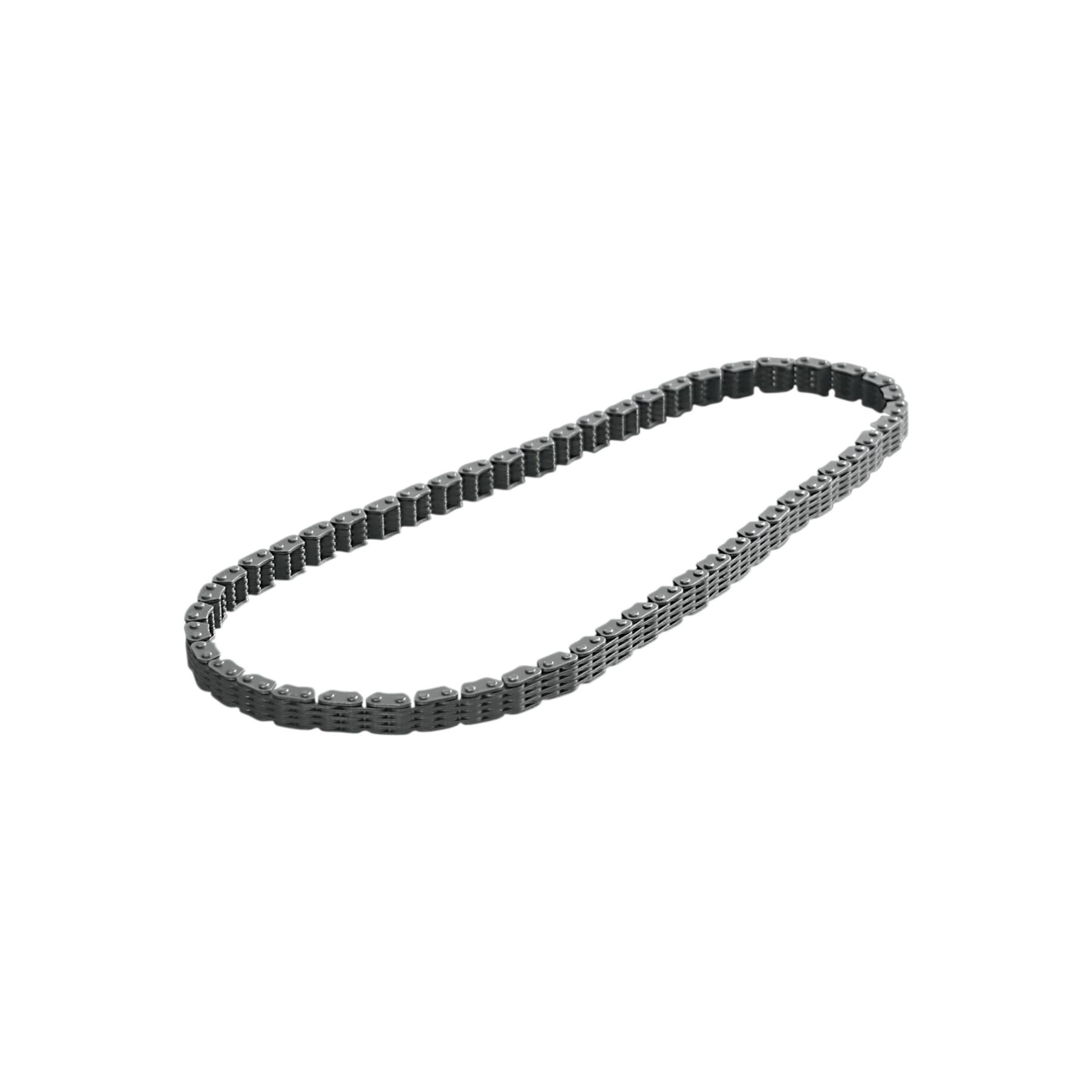
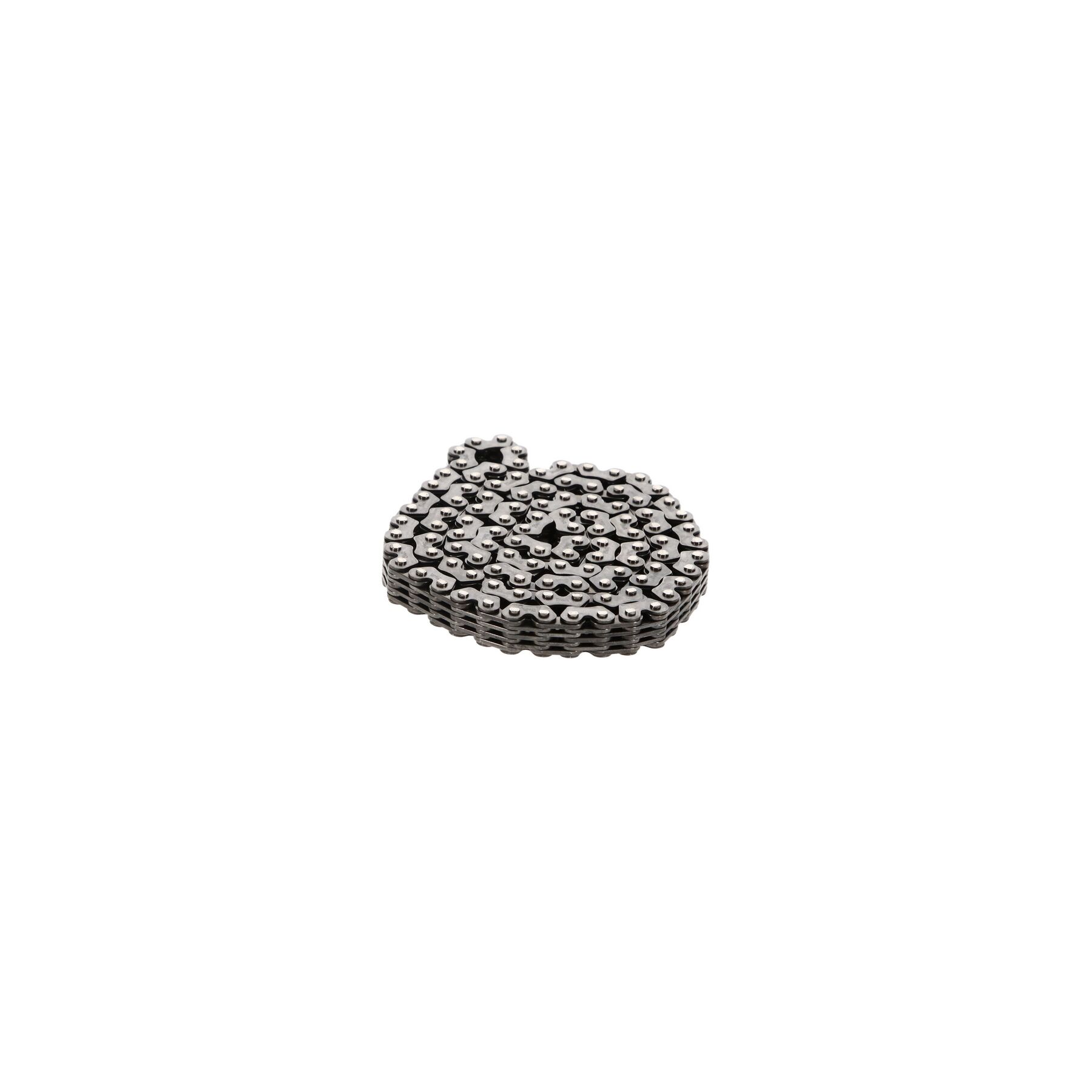
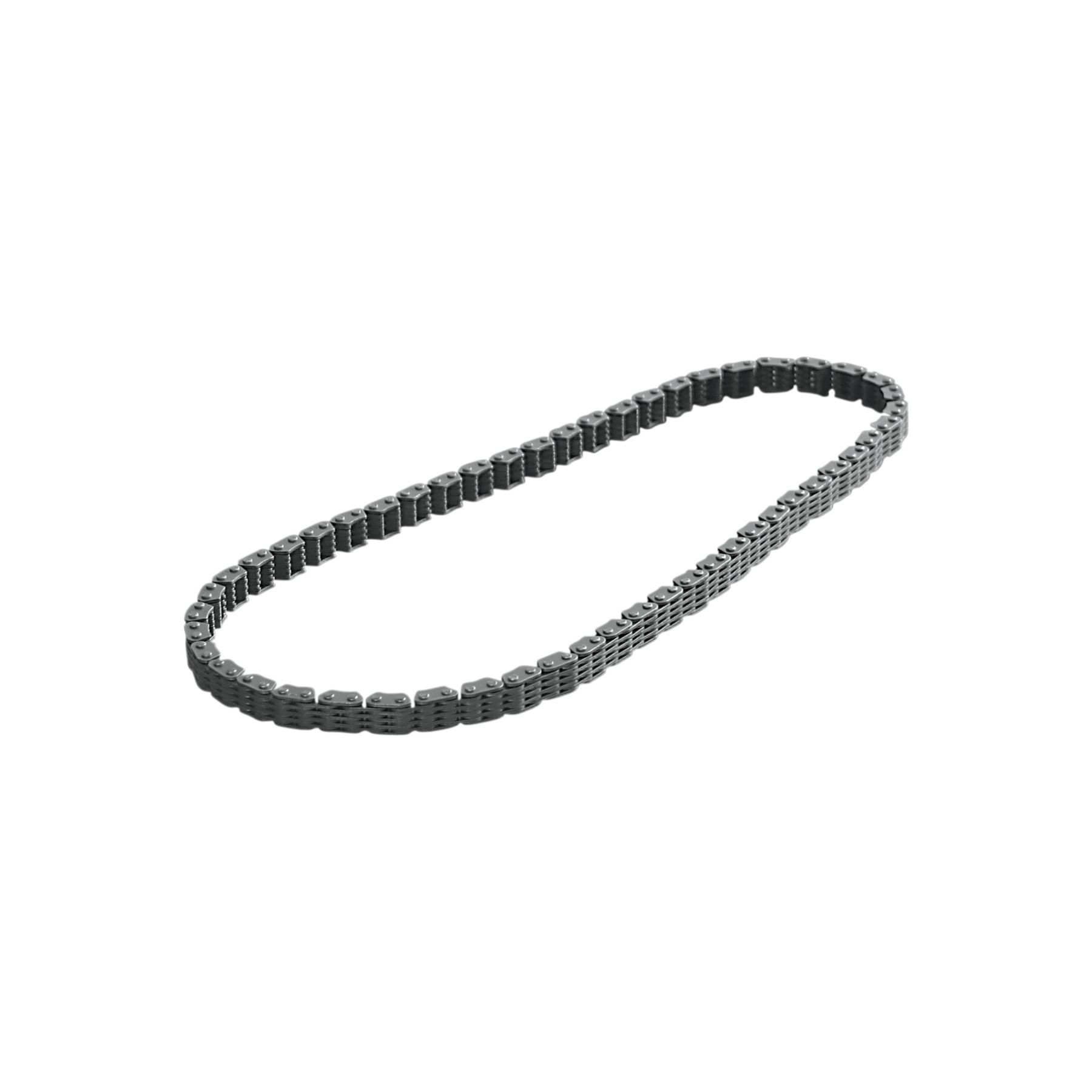
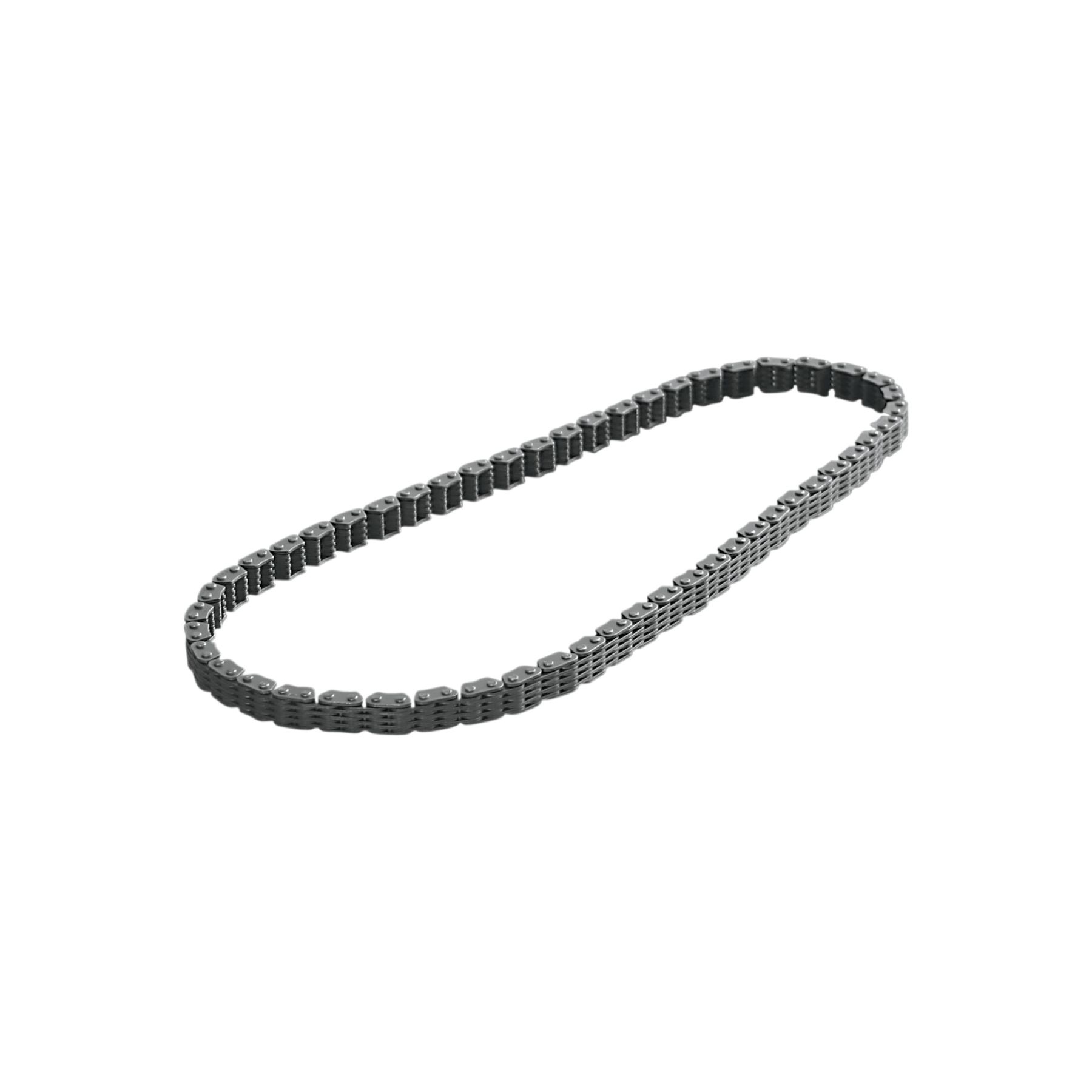
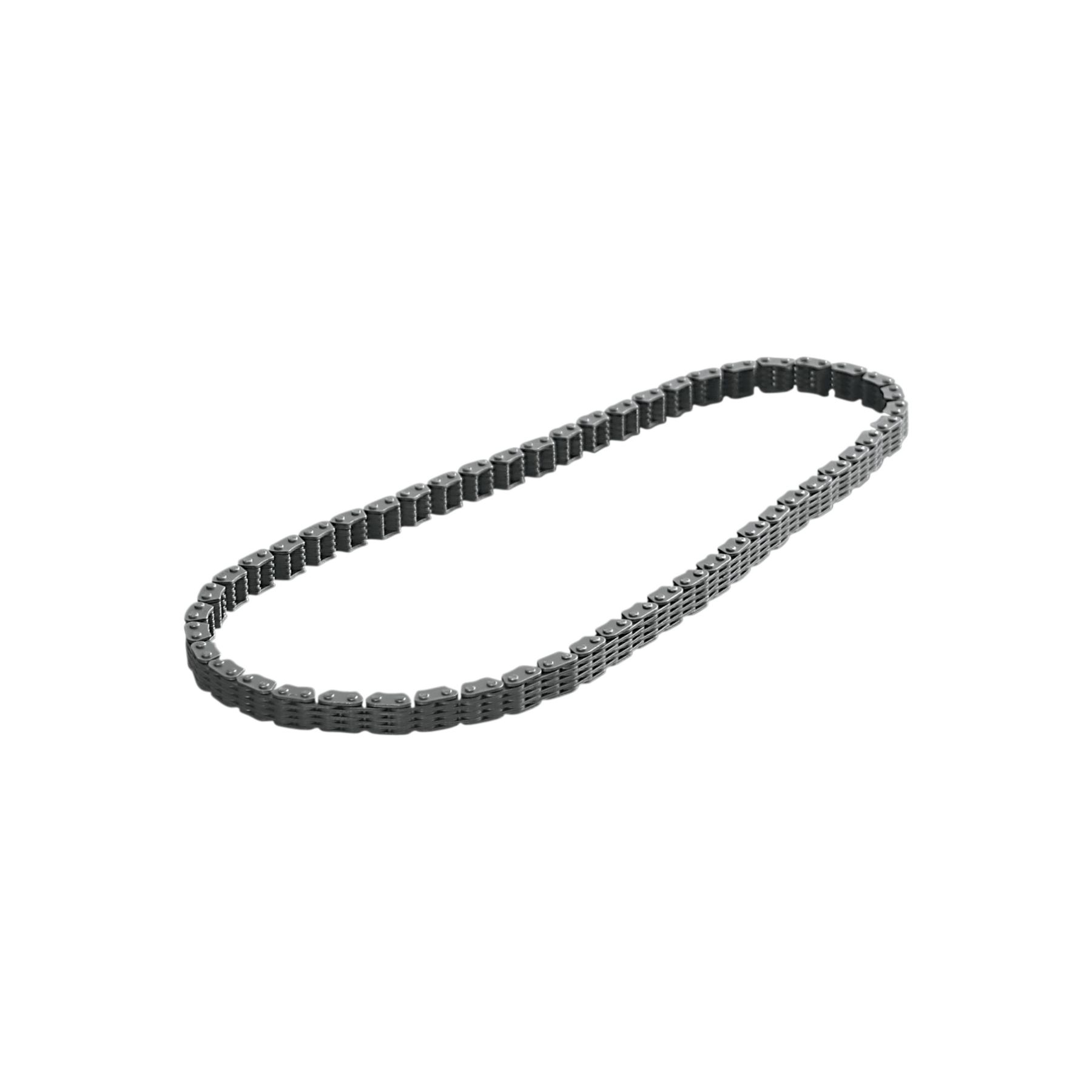
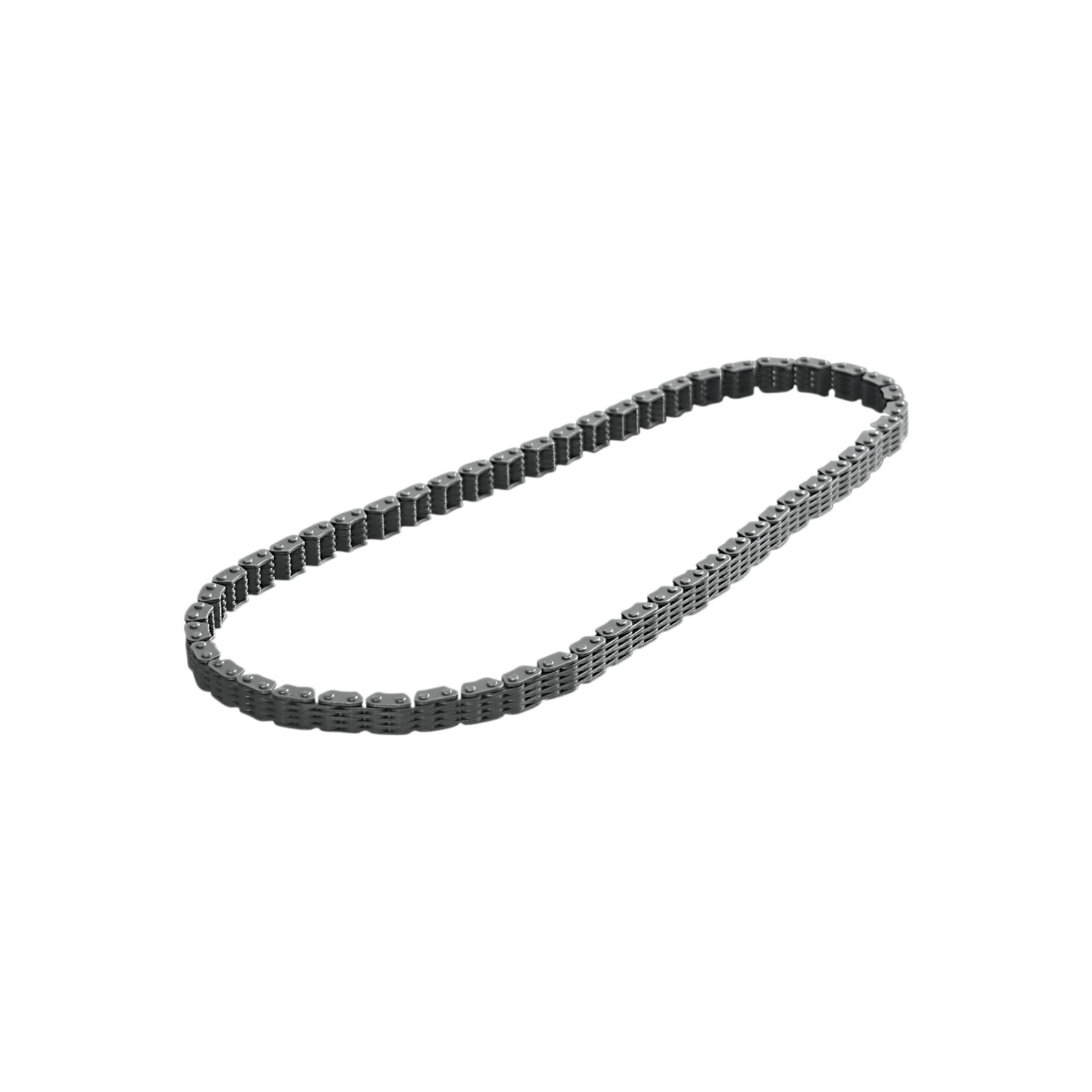
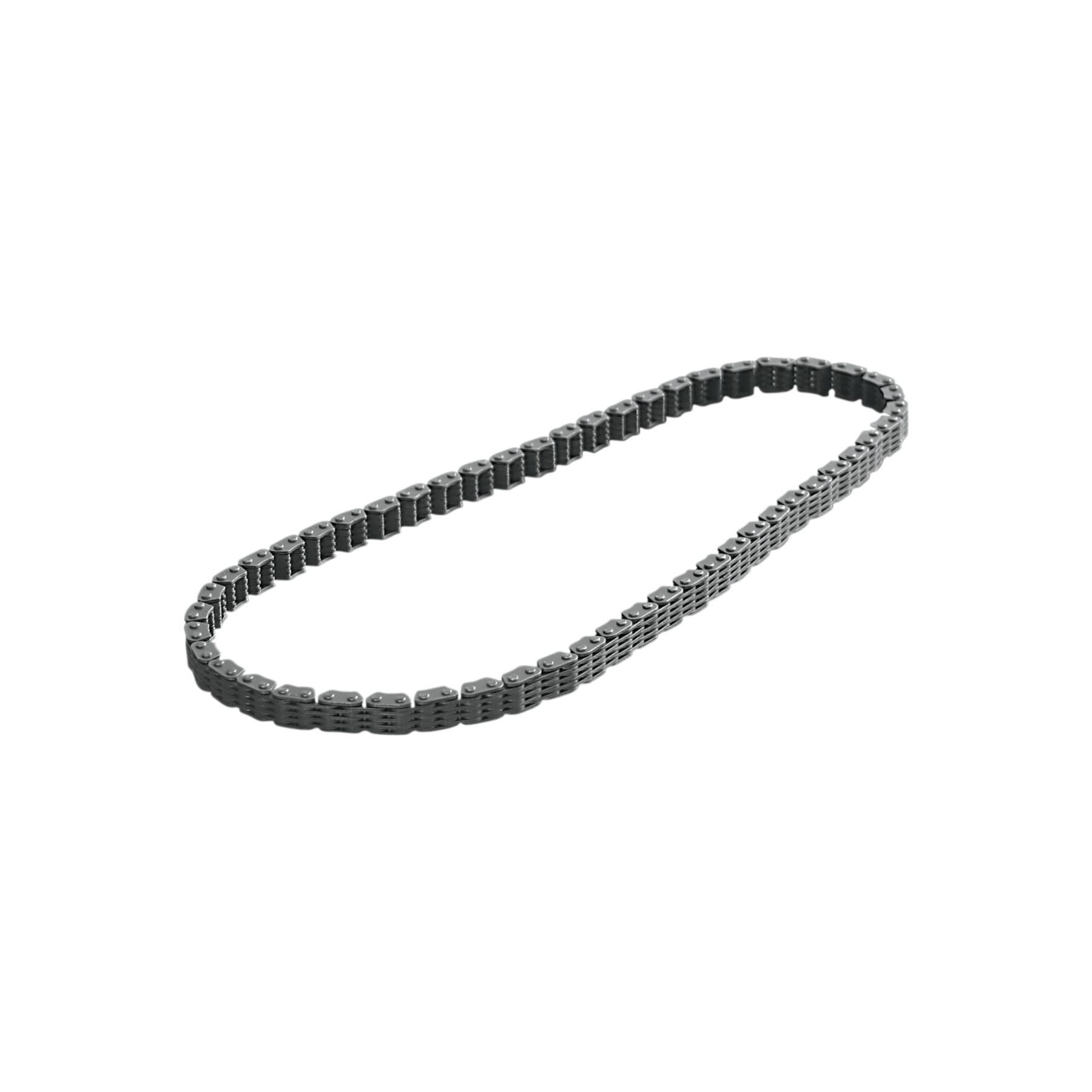
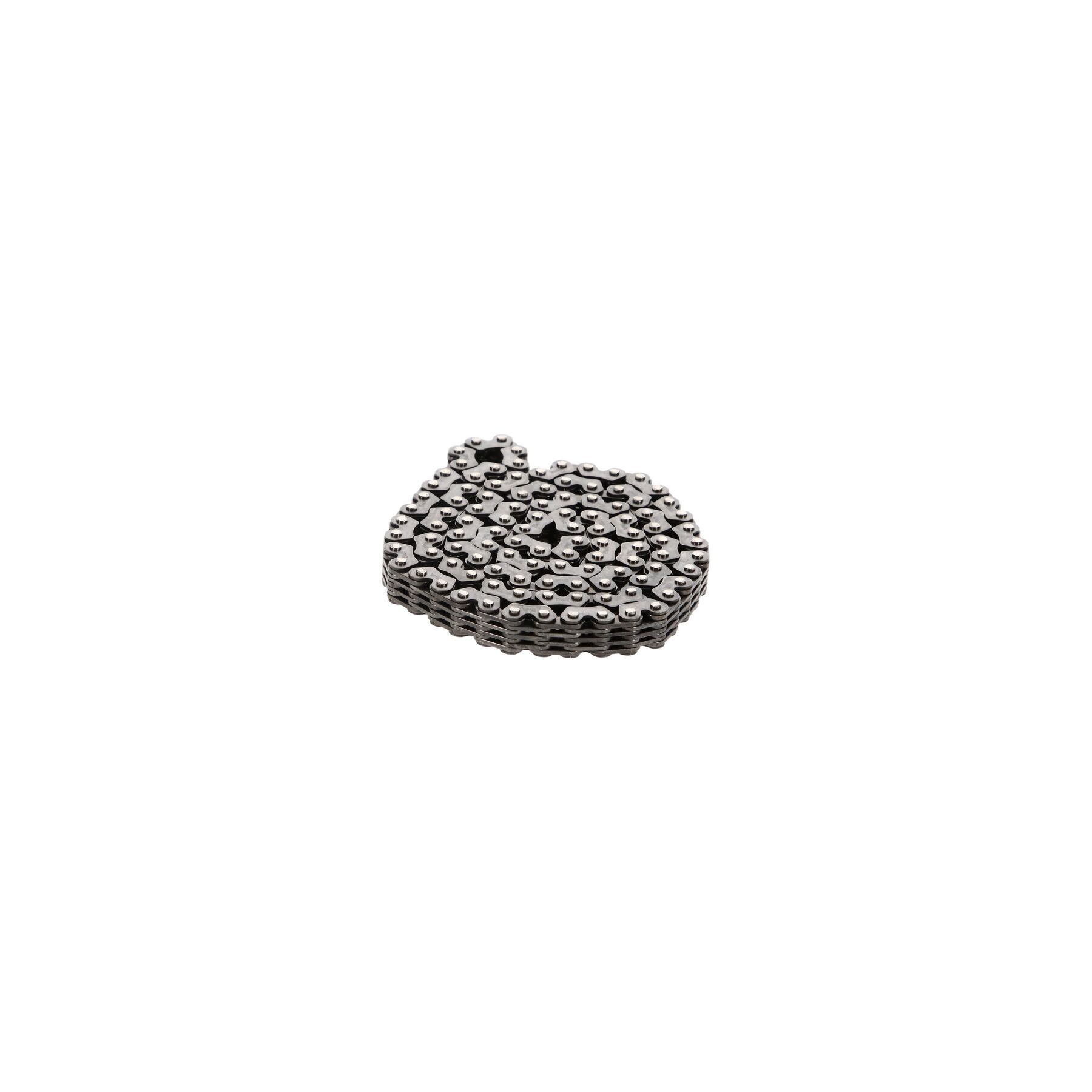
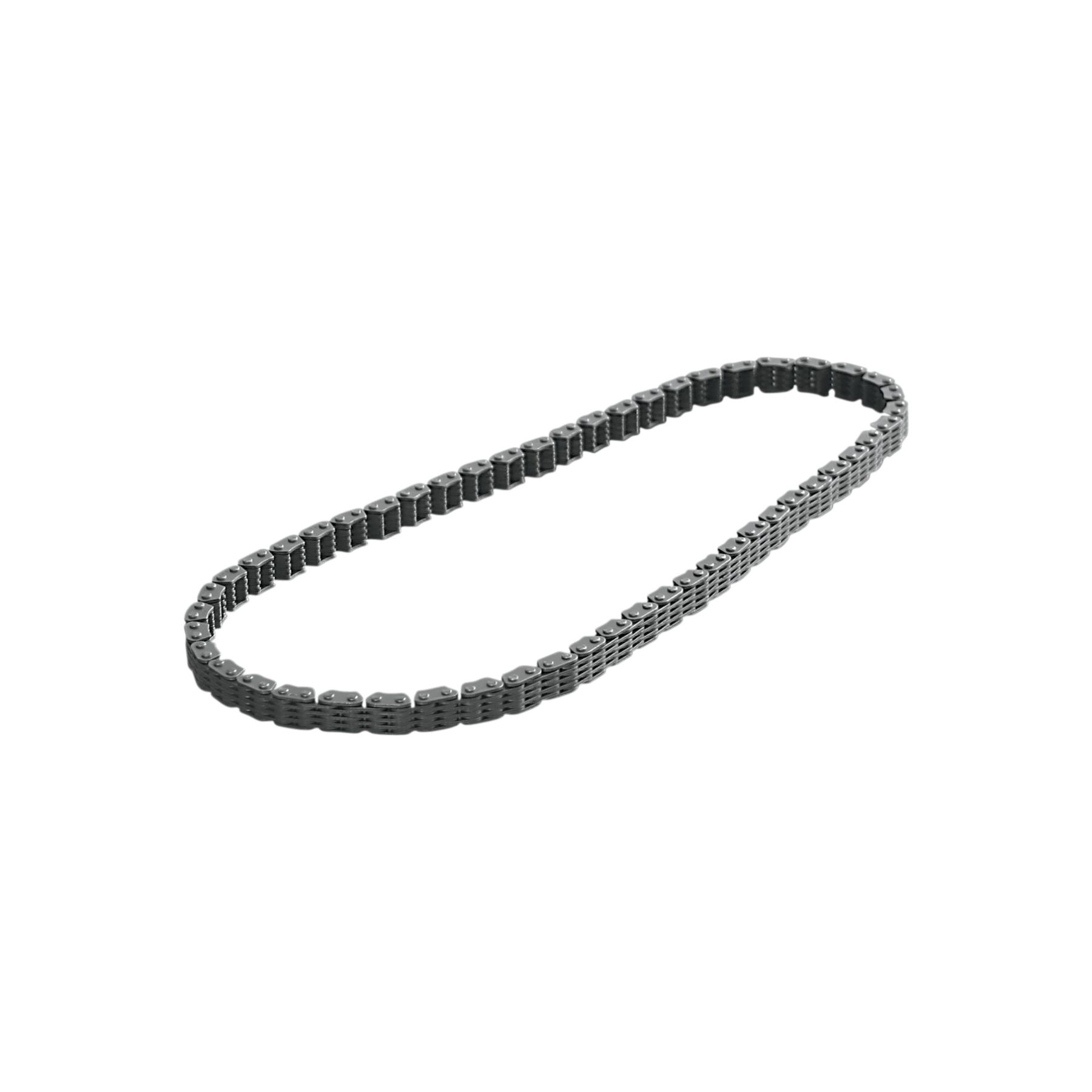
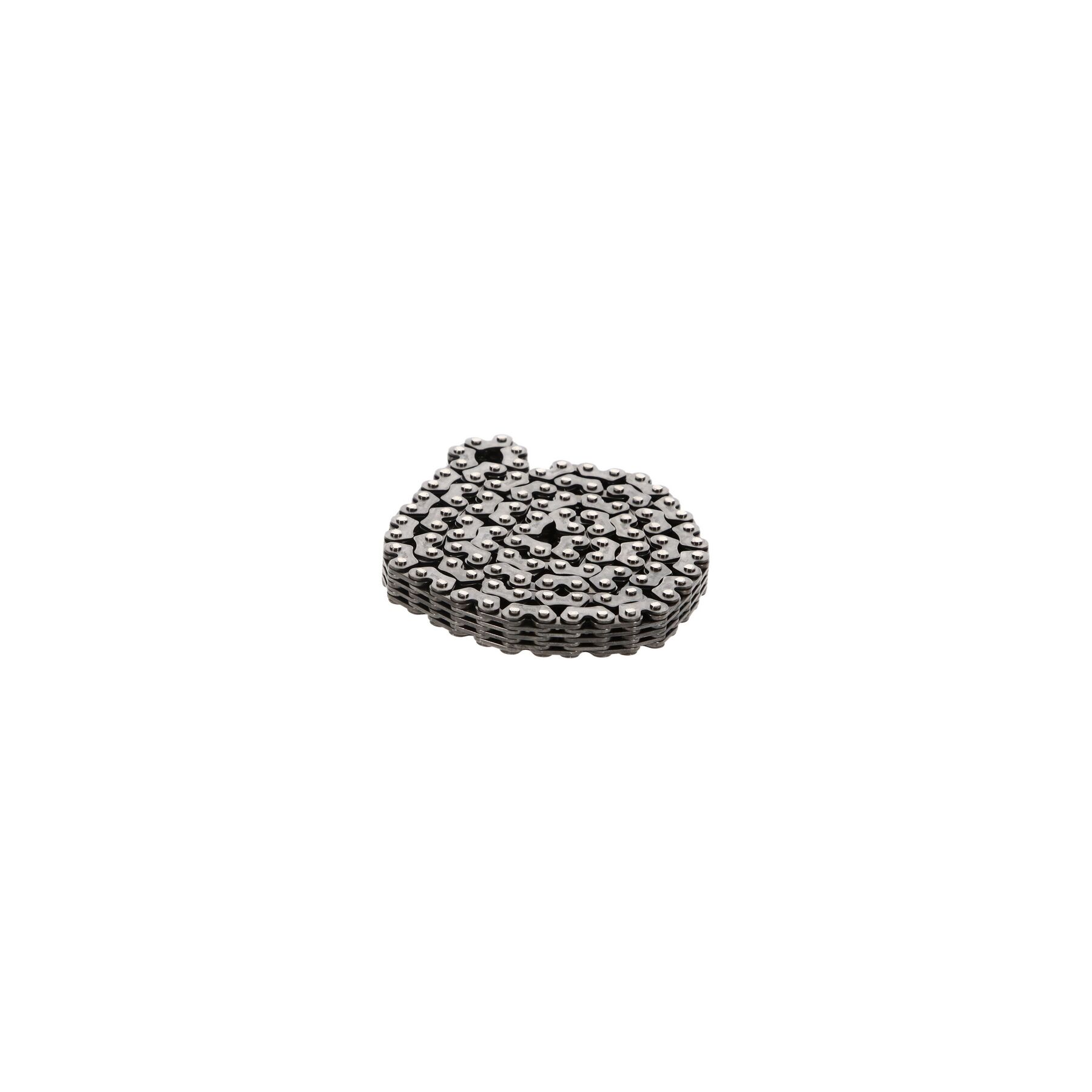
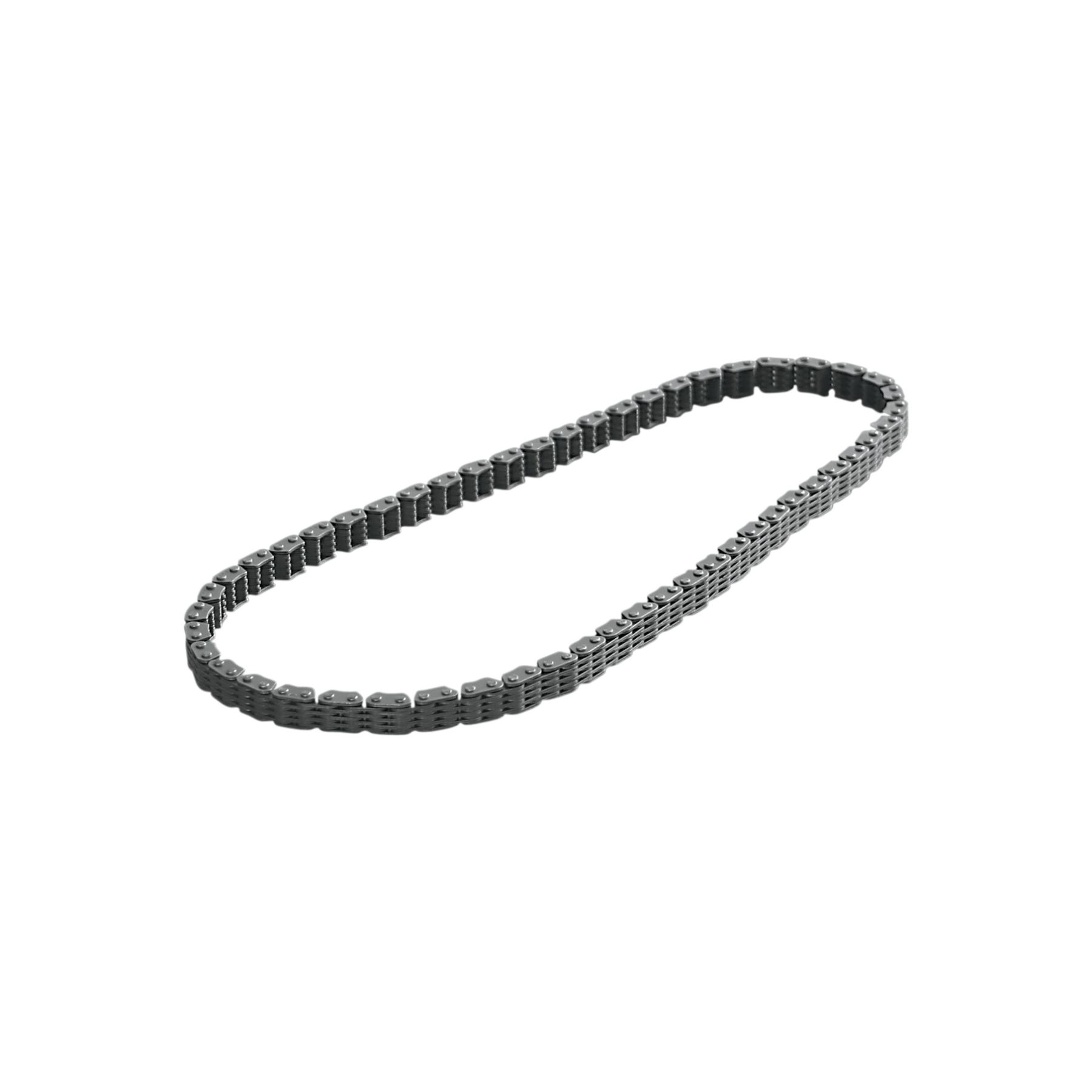
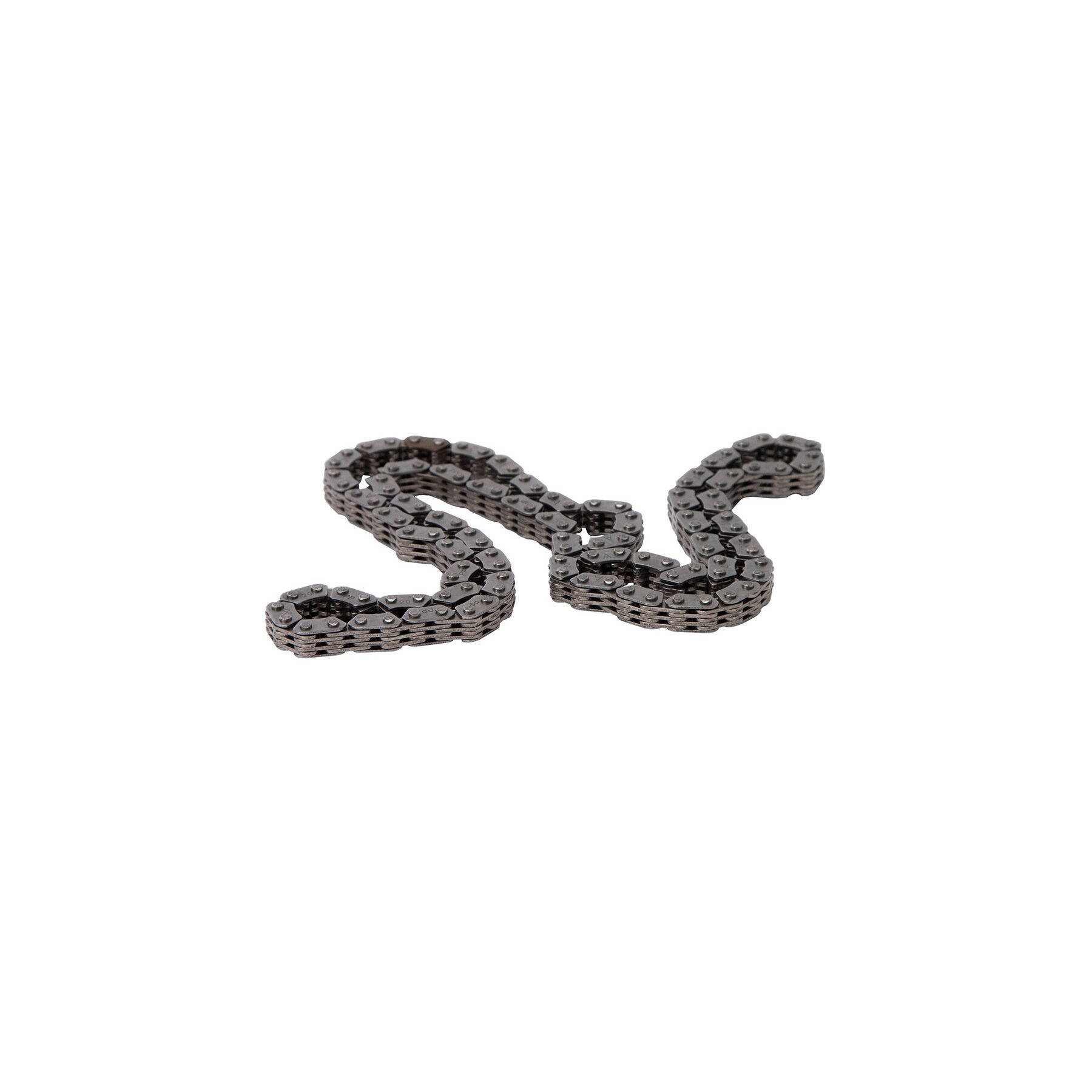
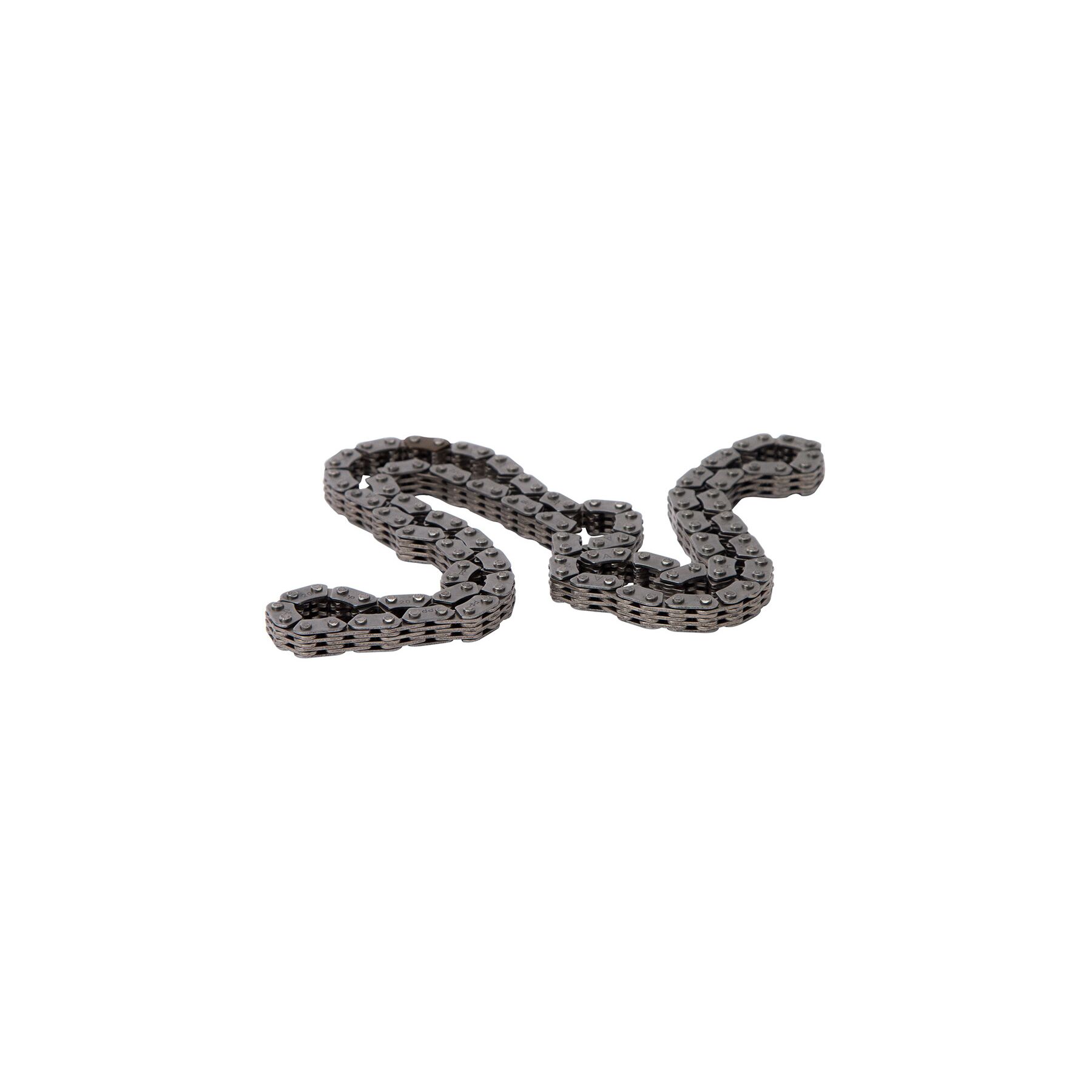
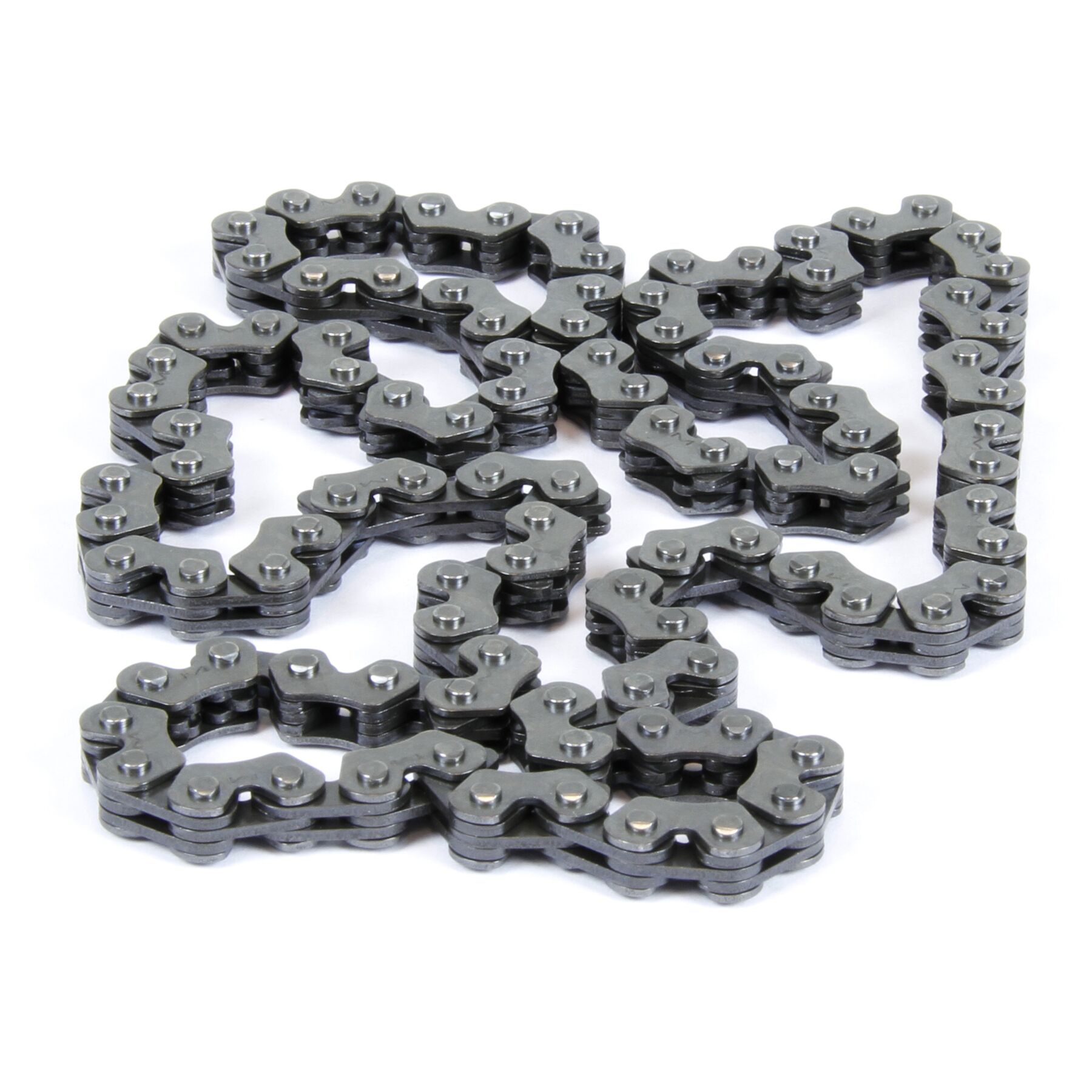
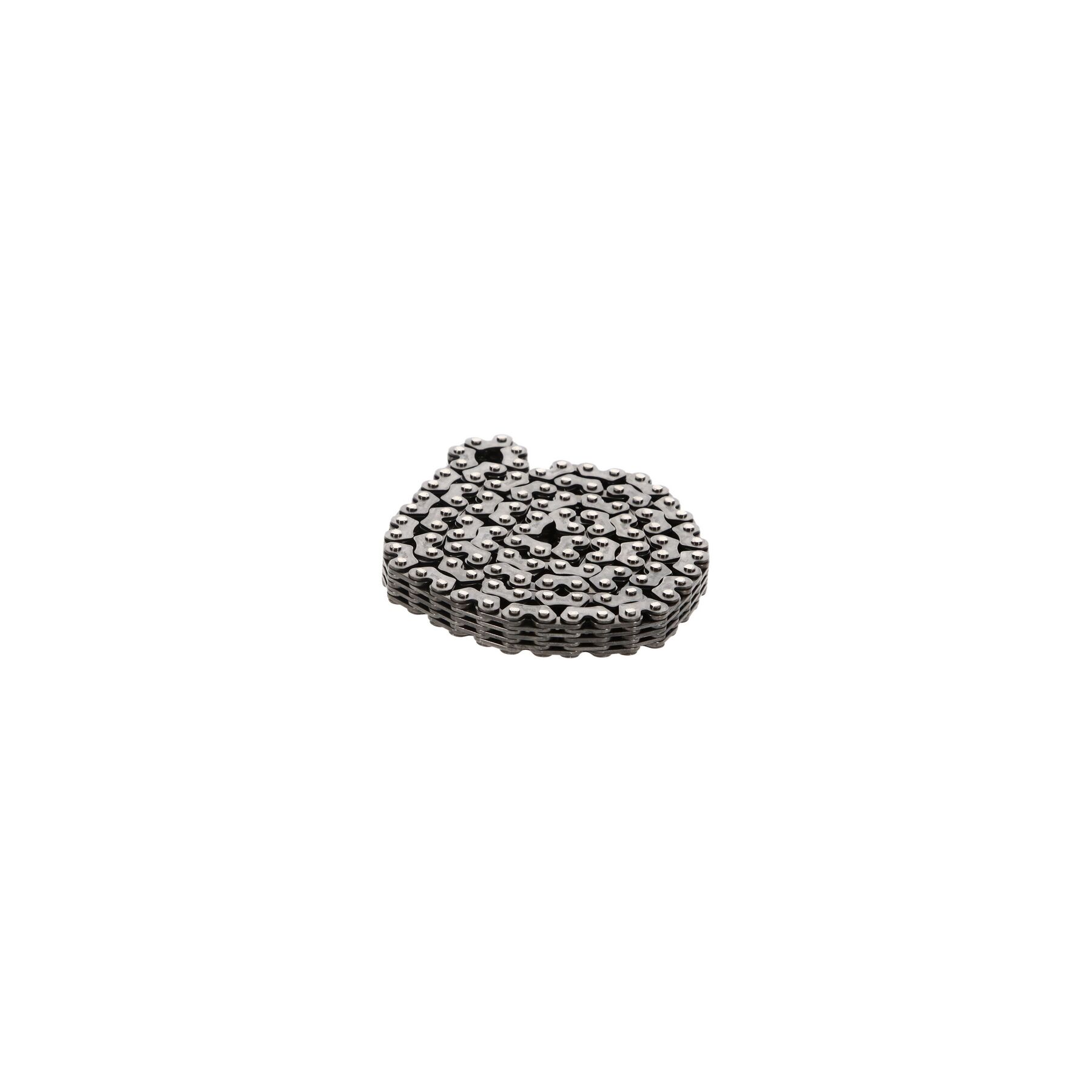
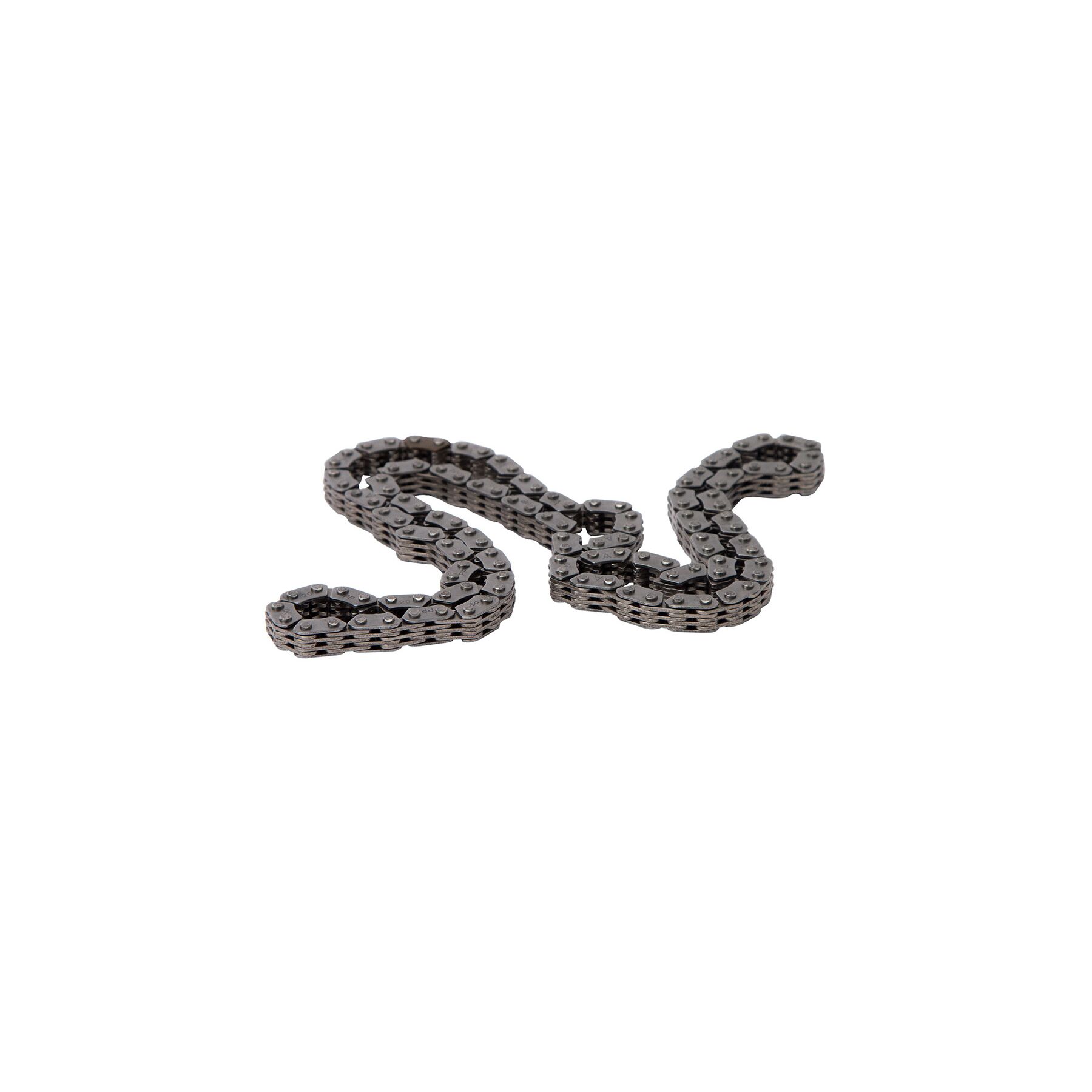
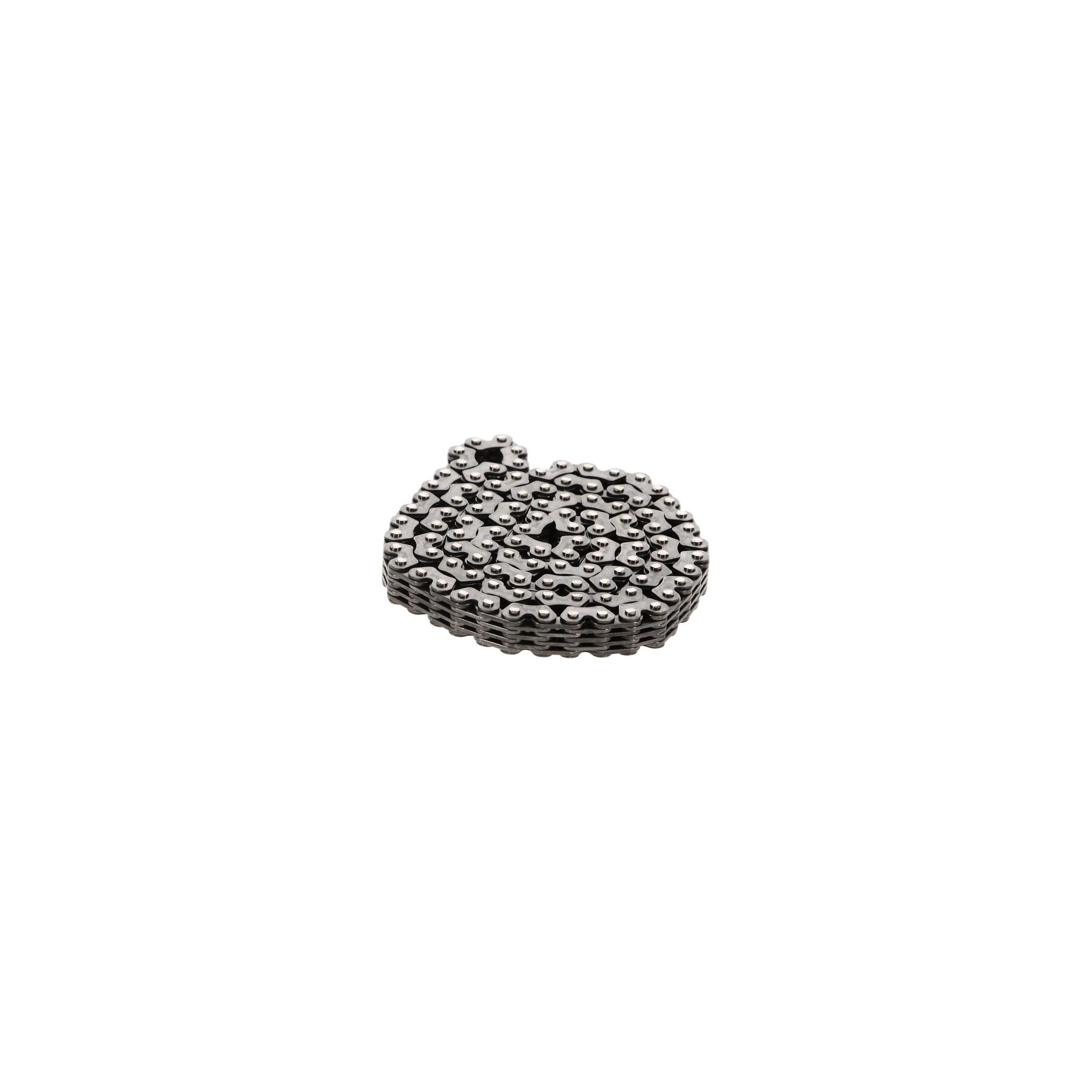
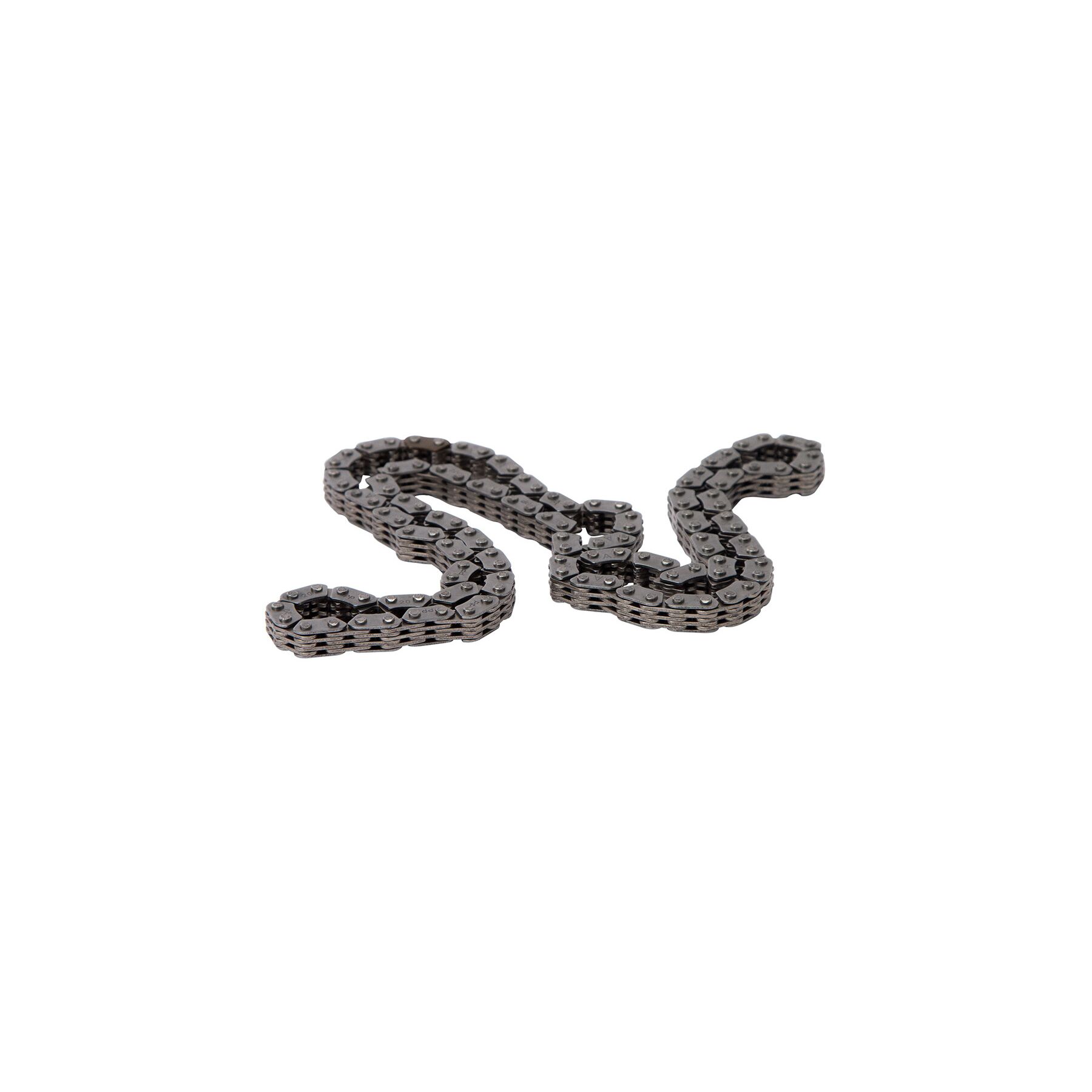
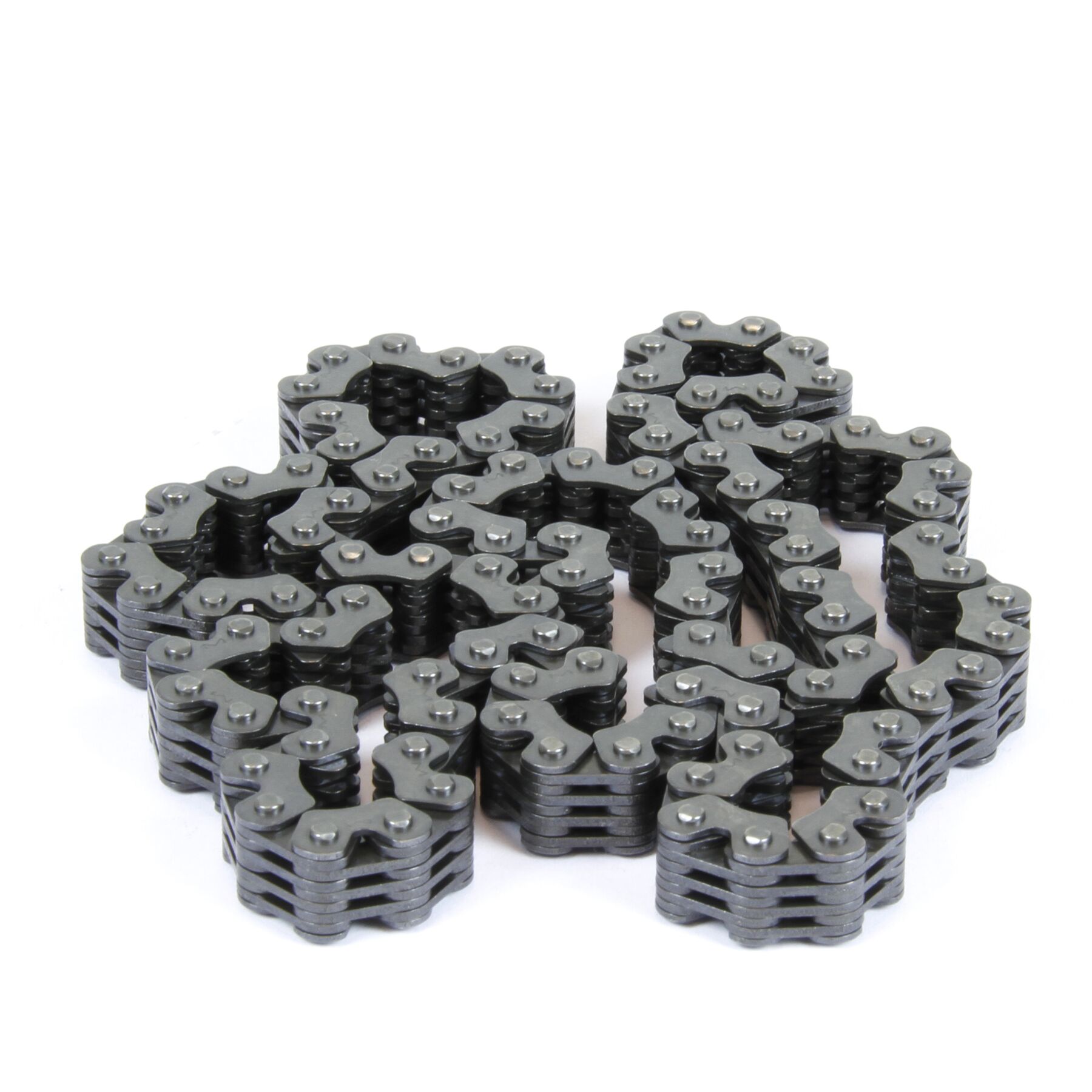
Engine Timing Chain







On this page...
- What is an engine timing chain and what role does it play in an engine?
- How do I know if my engine timing chain needs replacement?
- What are the advantages of using a timing chain over a timing belt?
- Can an engine timing chain affect fuel efficiency?
- What should I consider when choosing a replacement timing chain?
- Are there different types of timing chains for various engine configurations?
- What maintenance is required for an engine timing chain?
- Can a timing chain issue lead to engine damage?
- What is the typical lifespan of an engine timing chain?
Frequently Asked Questions For Engine Timing Chain
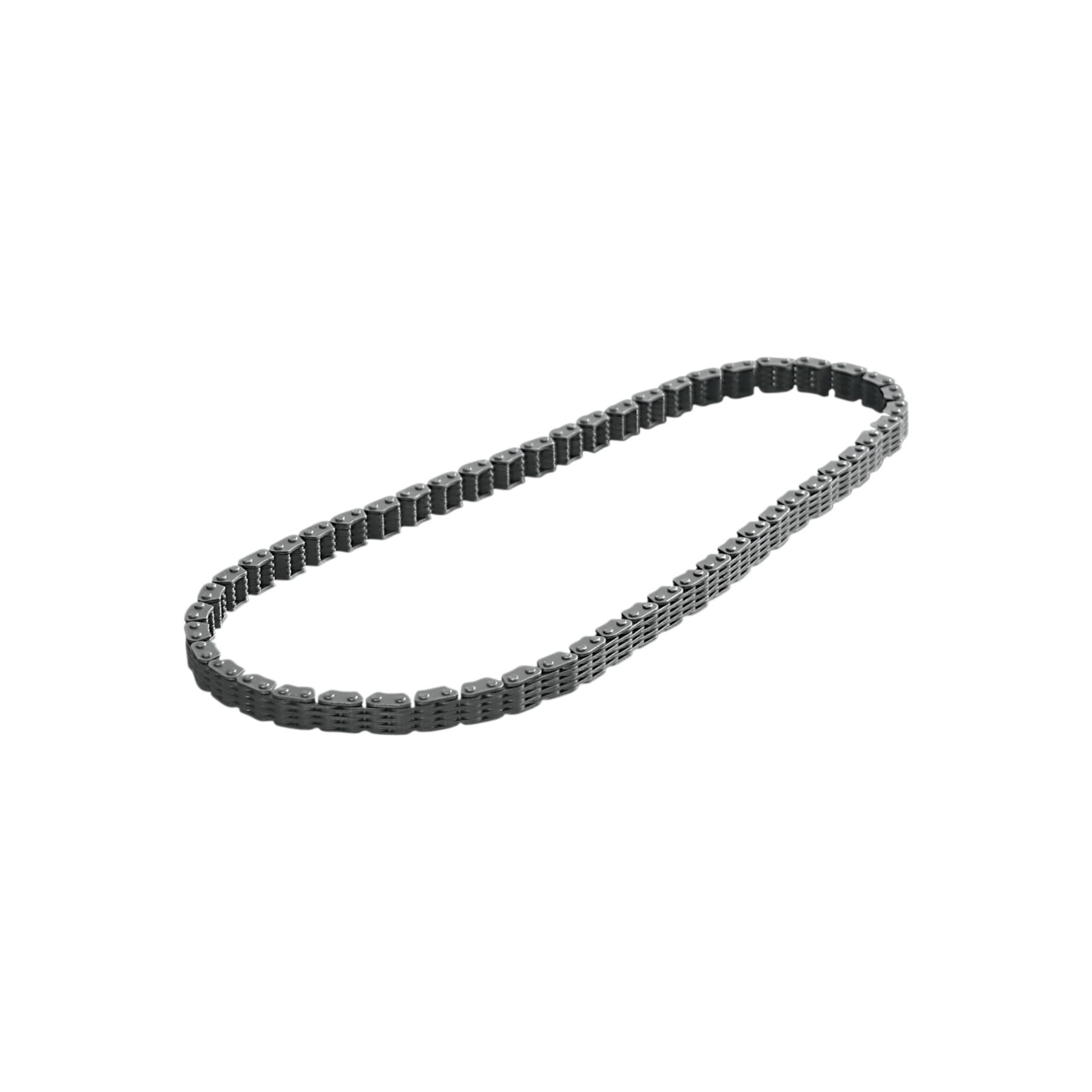
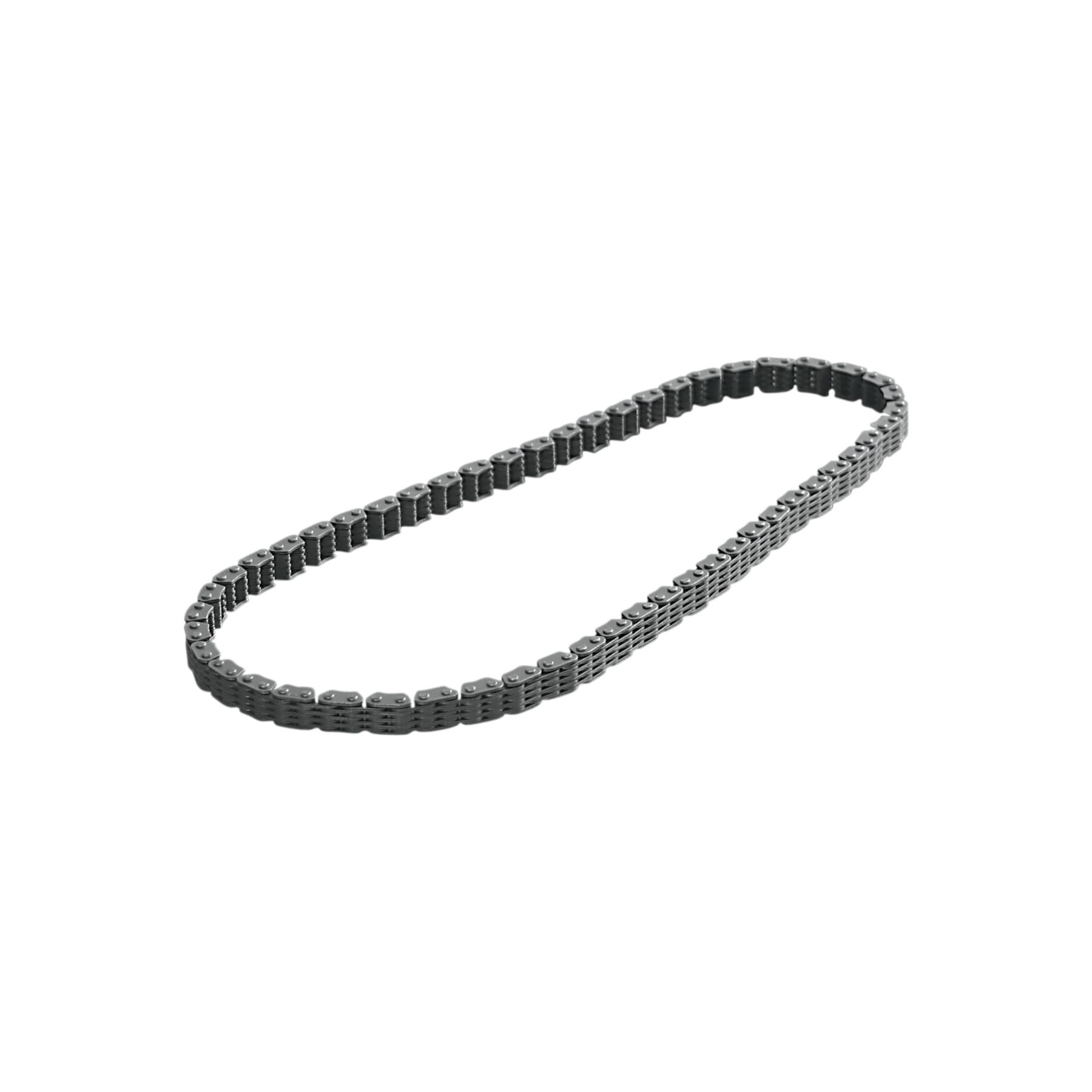
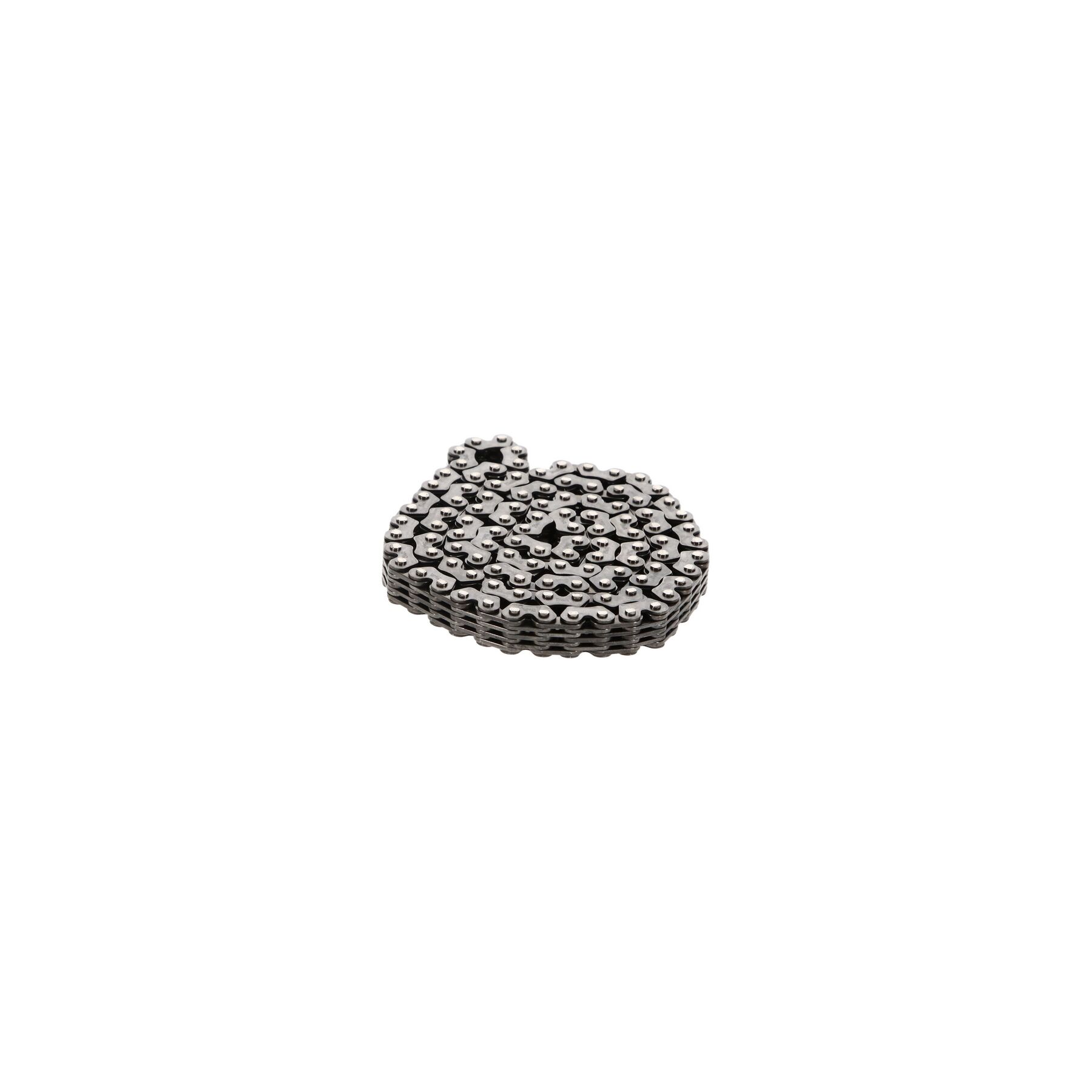
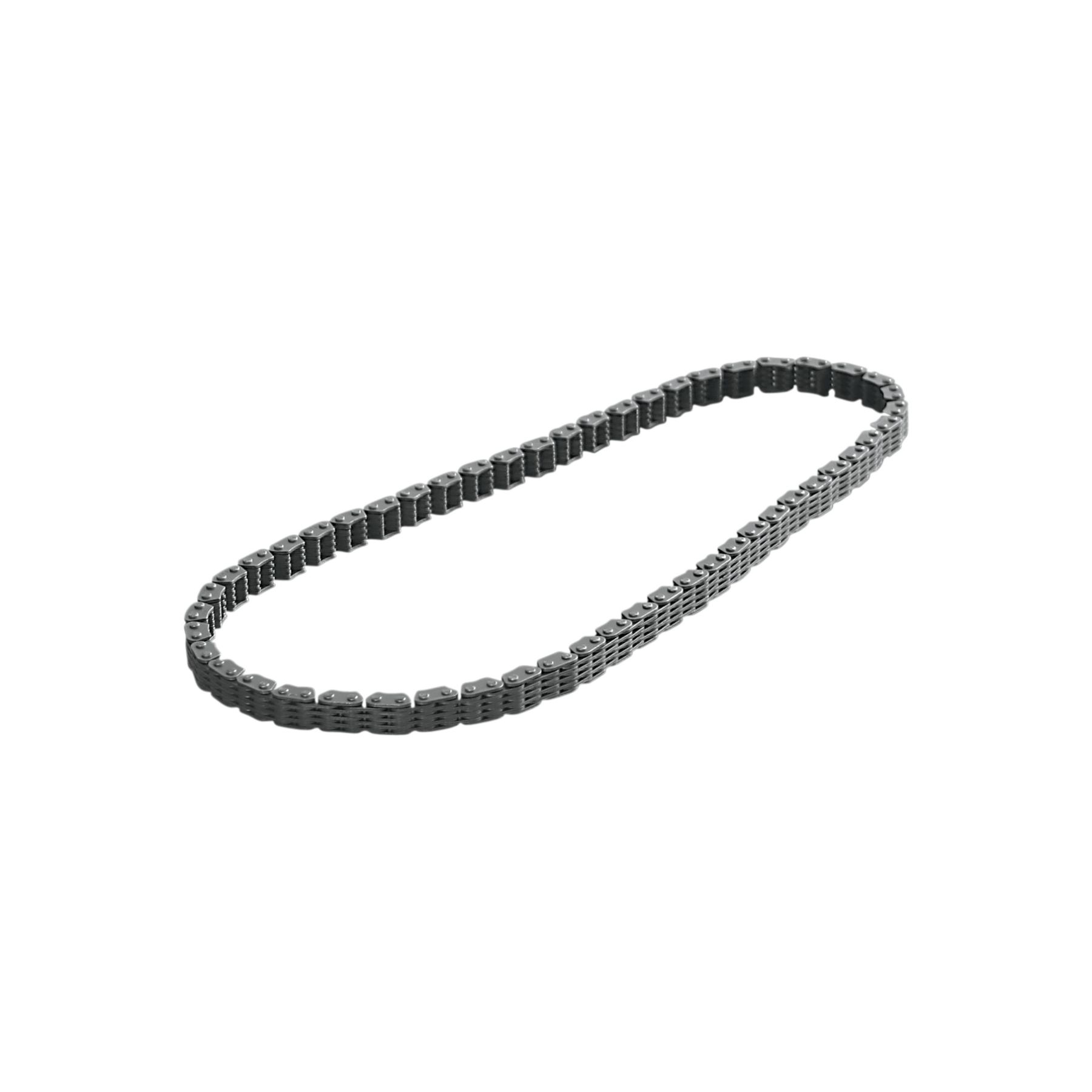
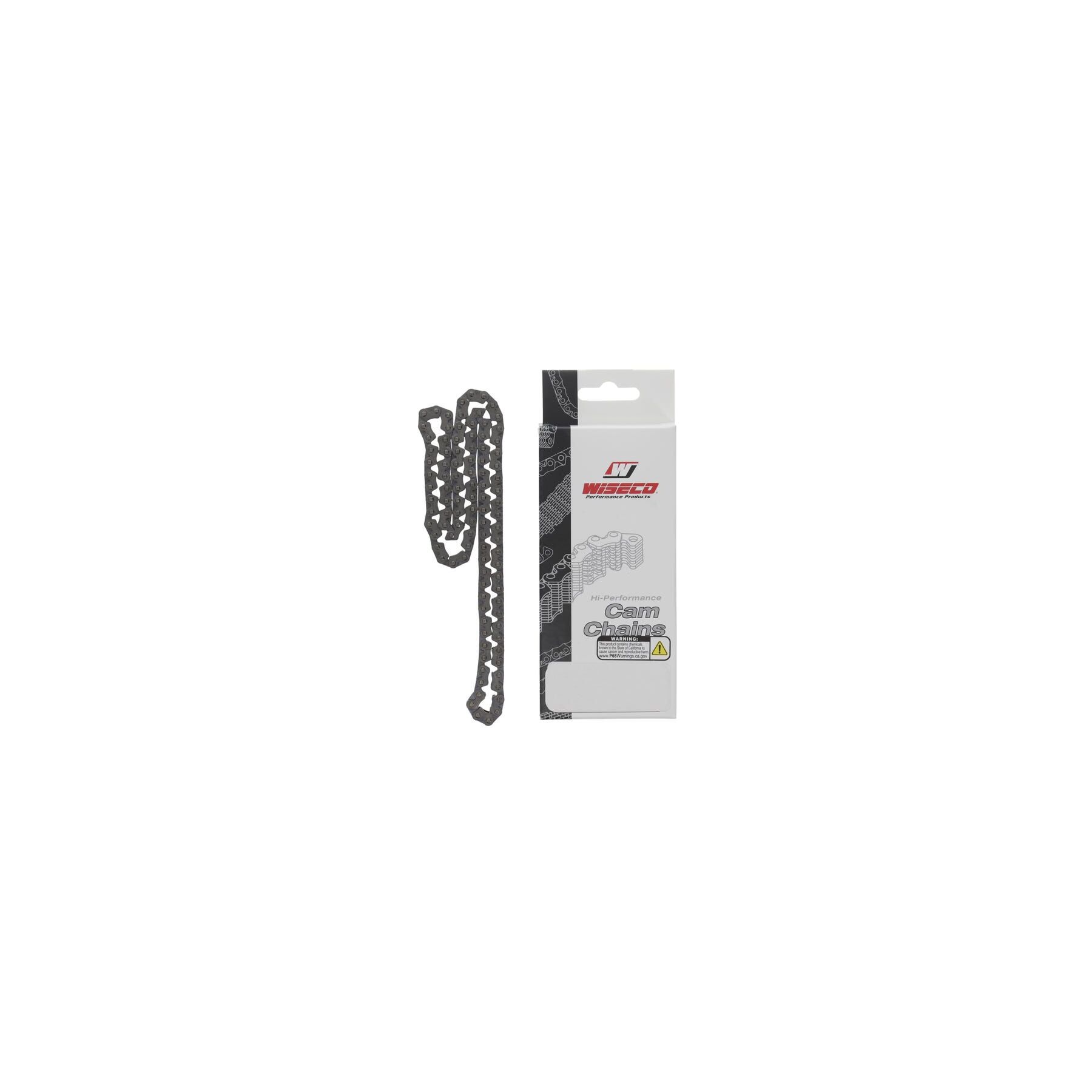
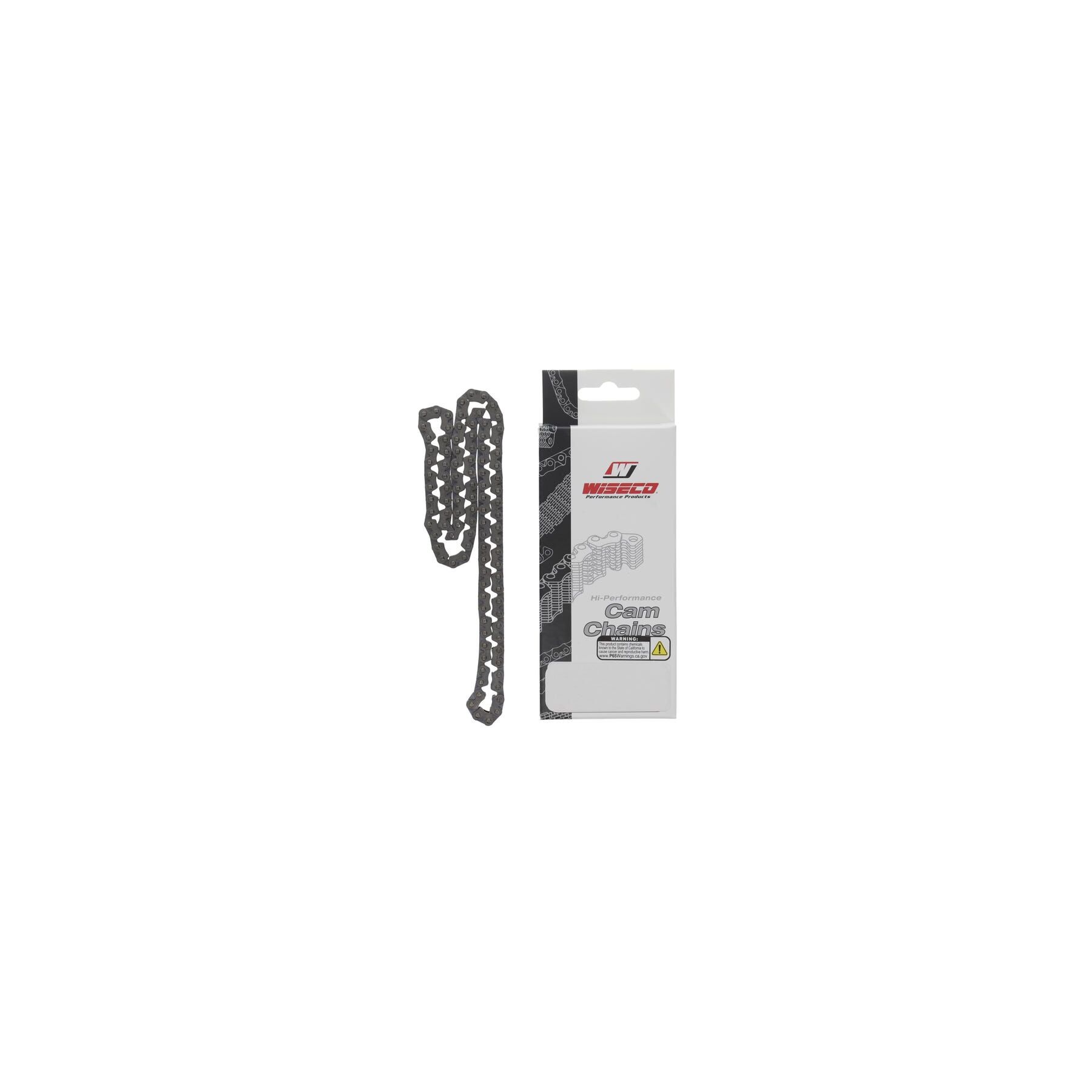
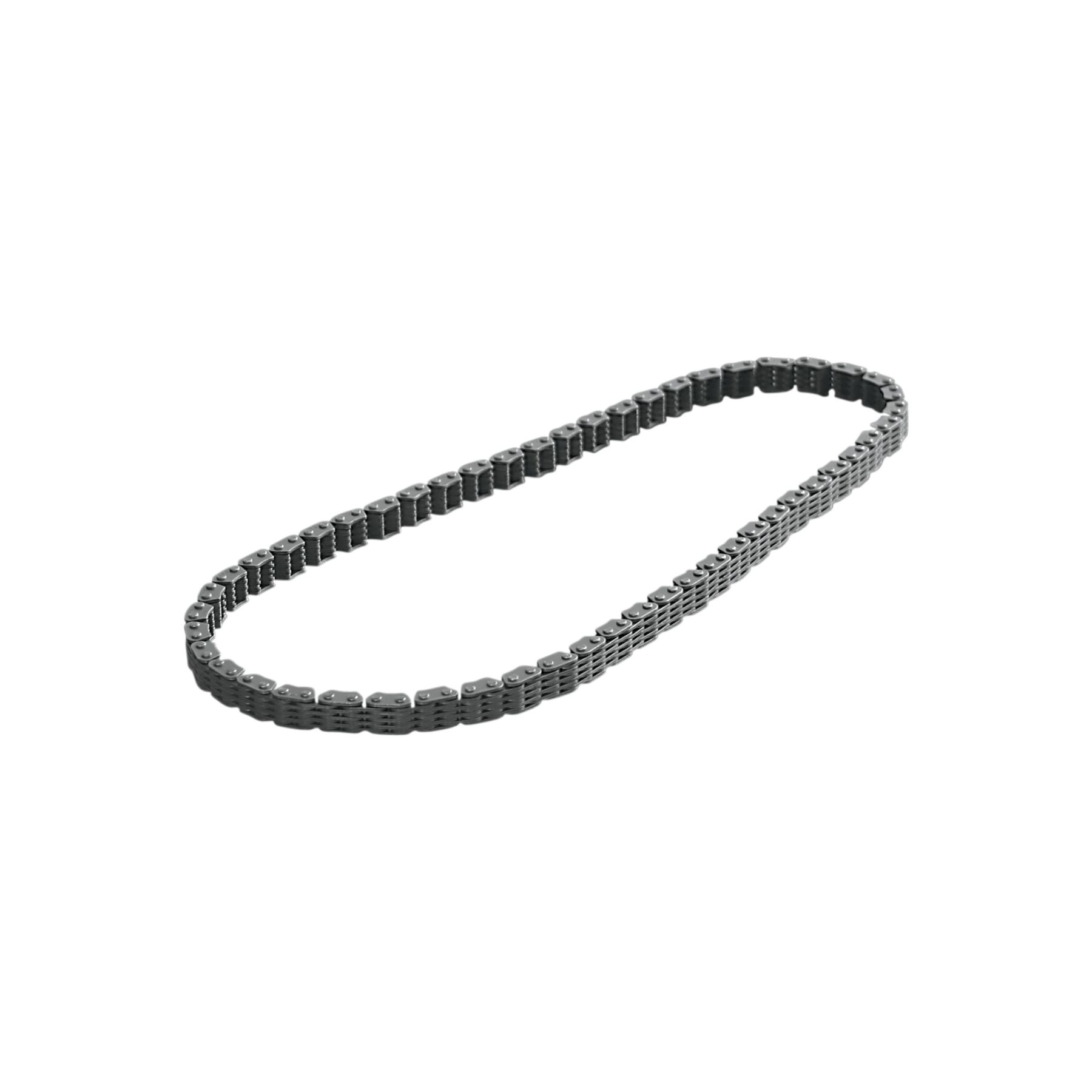
An engine timing chain is a crucial component that connects the crankshaft to the camshaft, ensuring that the engine's valves open and close at the correct times during the combustion cycle. This synchronization is vital for optimal engine performance and efficiency. Unlike timing belts, timing chains are typically more durable and can last longer, but they still require maintenance to prevent issues.
Signs that your engine timing chain may need replacement include unusual noises from the engine, such as rattling or ticking, especially at startup. Additionally, if you experience poor engine performance, misfires, or a check engine light, it could indicate timing chain issues. Regular inspections and maintenance can help identify problems before they lead to serious engine damage.
Timing chains generally offer several advantages over timing belts, including increased durability and longevity. They are made of metal, which allows them to withstand higher temperatures and stresses, making them less likely to stretch or break. Additionally, timing chains do not require regular replacement like belts do, although they still need to be inspected and maintained.
Yes, an engine timing chain can significantly impact fuel efficiency. If the timing chain is worn or stretched, it can cause the engine's timing to be off, leading to inefficient combustion and increased fuel consumption. Keeping the timing chain in good condition ensures that the engine runs smoothly and efficiently, optimizing fuel economy.
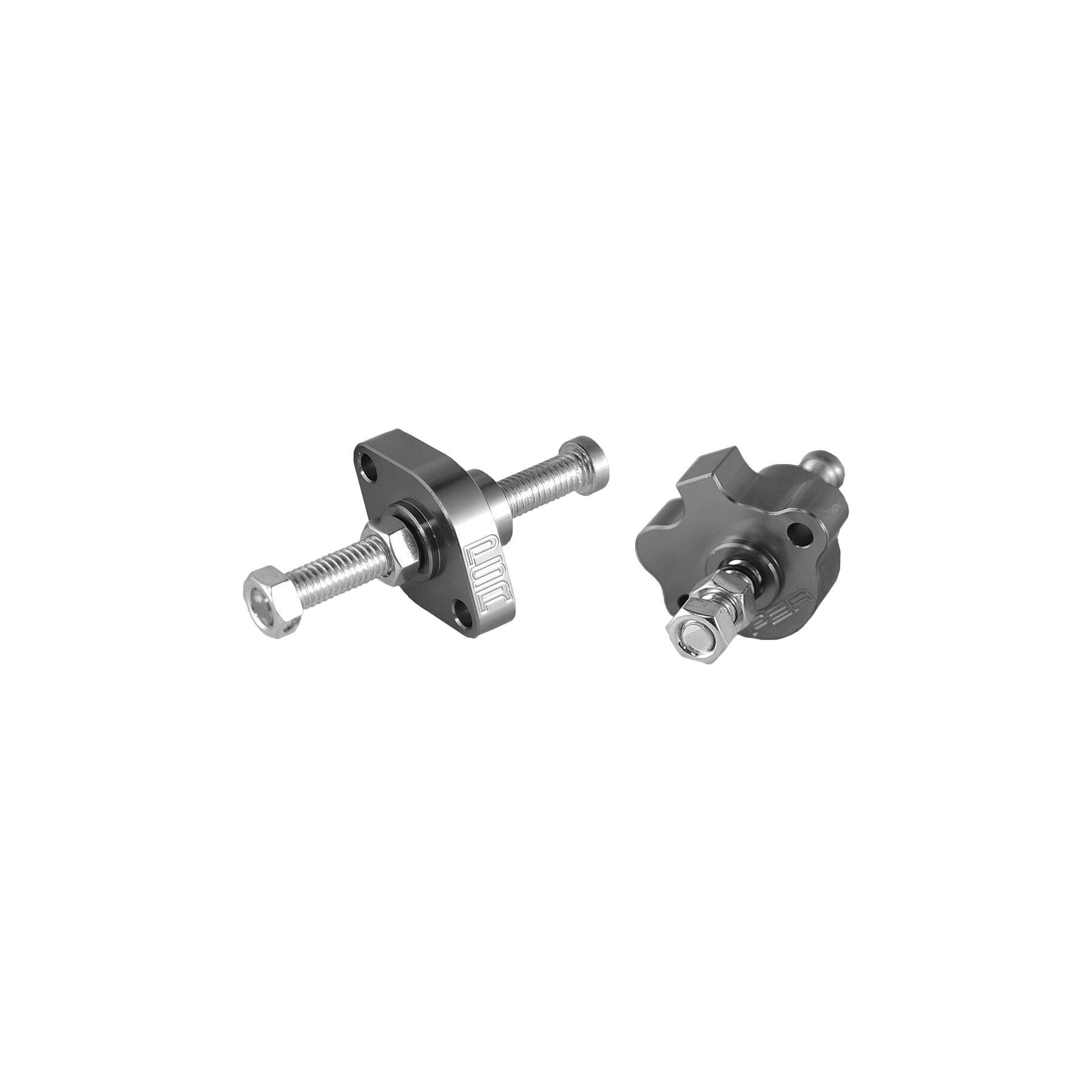
When selecting a replacement timing chain, consider factors such as compatibility with your engine model, the material used in the chain, and any included components like guides or tensioners. It's also important to look for chains that meet or exceed OEM specifications to ensure reliability and performance. Consulting with a mechanic or expert can help you make the best choice for your specific needs.
Yes, there are different types of timing chains designed for various engine configurations, including single-row and double-row chains. The choice depends on the engine's design and performance requirements. Some engines may also use specific chain designs to accommodate unique features, such as variable valve timing, which can affect how the timing chain interacts with other components.
While timing chains are generally more durable than belts, they still require maintenance to ensure proper function. Regular oil changes and using the correct oil type can help reduce wear on the timing chain. It's also advisable to have the timing chain and related components inspected during routine maintenance to catch any potential issues early.
Yes, a timing chain issue can lead to significant engine damage if not addressed promptly. If the timing chain fails, it can cause the engine's valves and pistons to collide, resulting in bent valves, damaged pistons, and costly repairs. Regular inspections and timely replacements are essential to prevent such catastrophic failures.
The lifespan of an engine timing chain can vary widely depending on the engine type, driving conditions, and maintenance practices. Generally, timing chains can last anywhere from 100,000 to 200,000 miles or more. However, it's important to follow the manufacturer's recommendations for inspections and replacements to ensure optimal engine performance.
Similar Categories
Engine Timing Chain
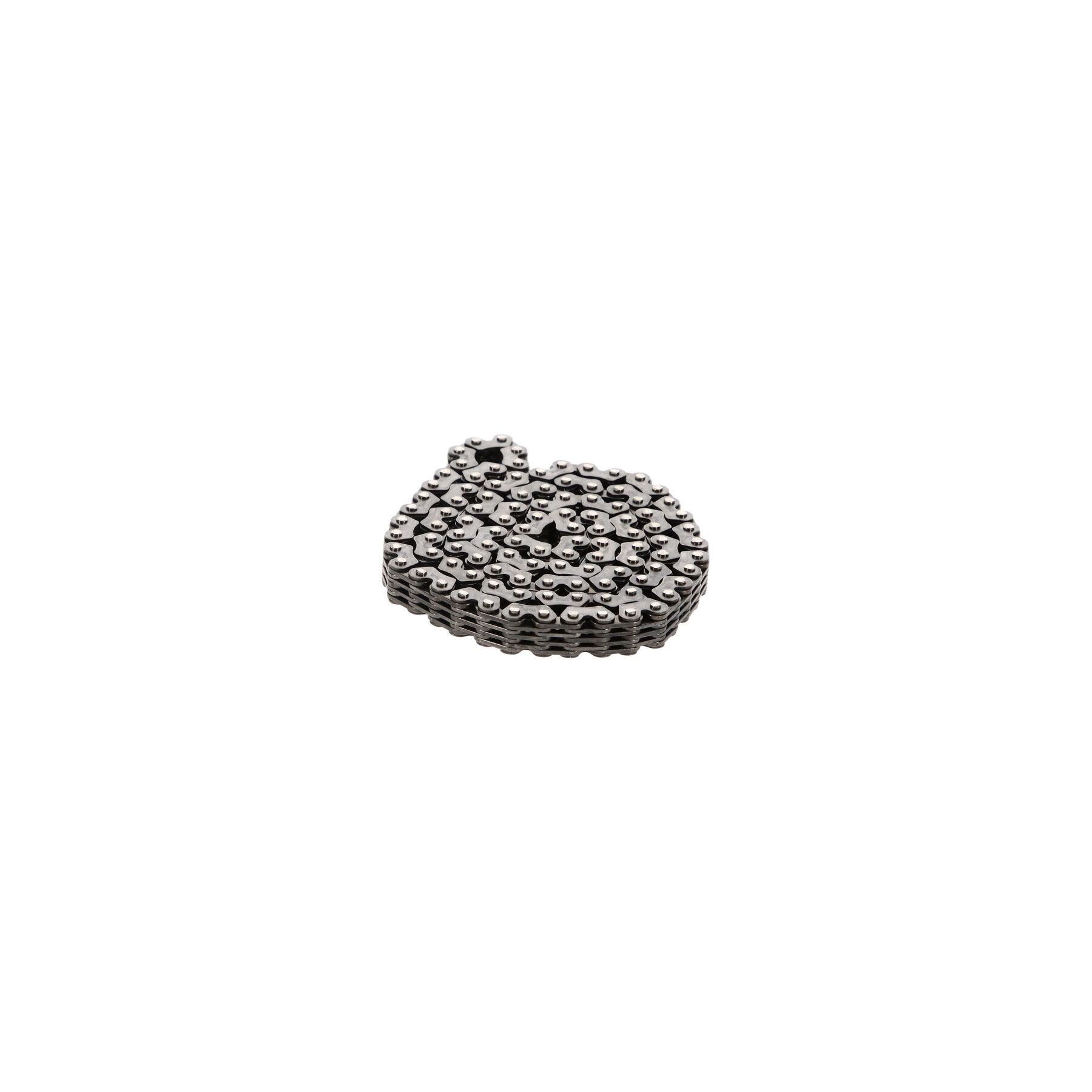
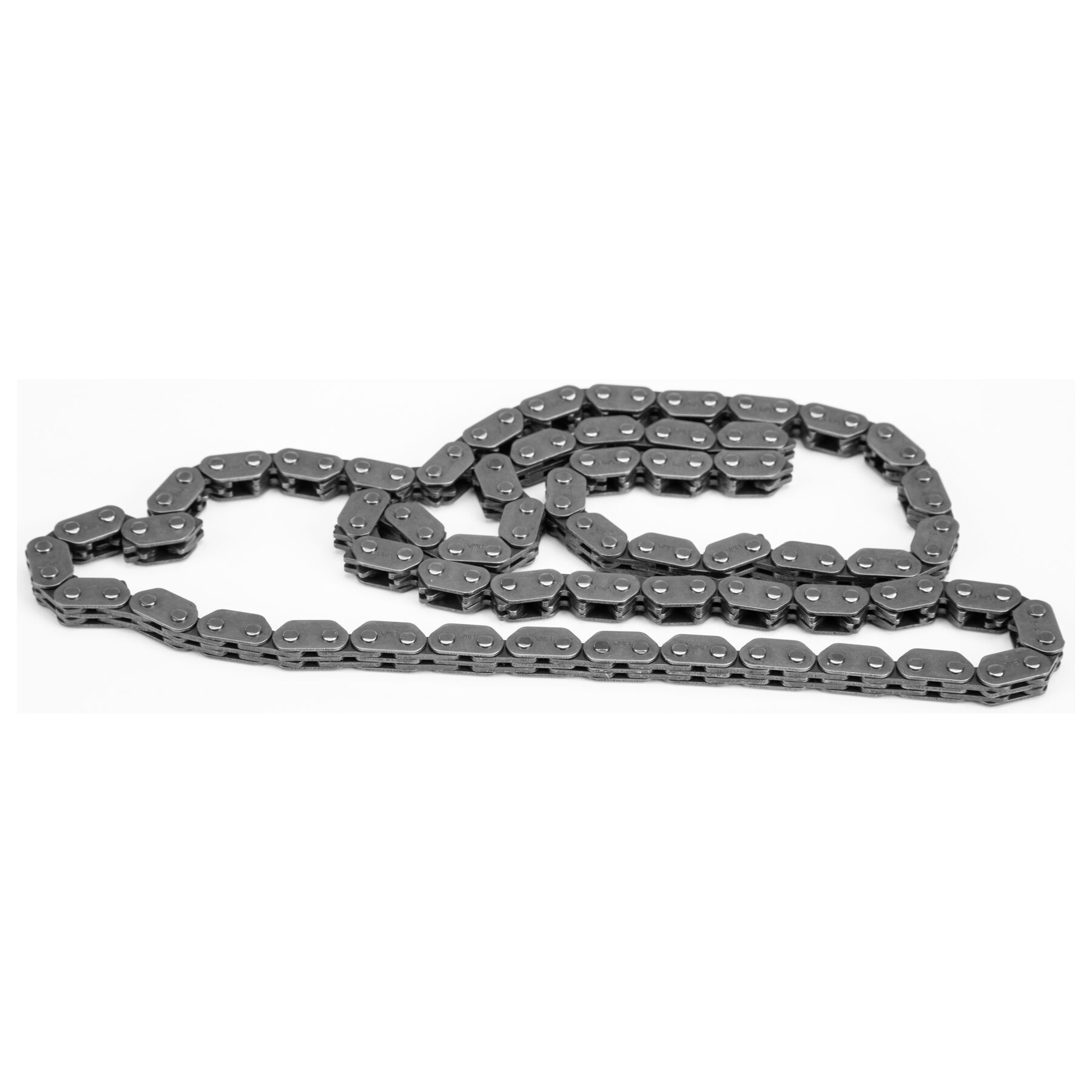
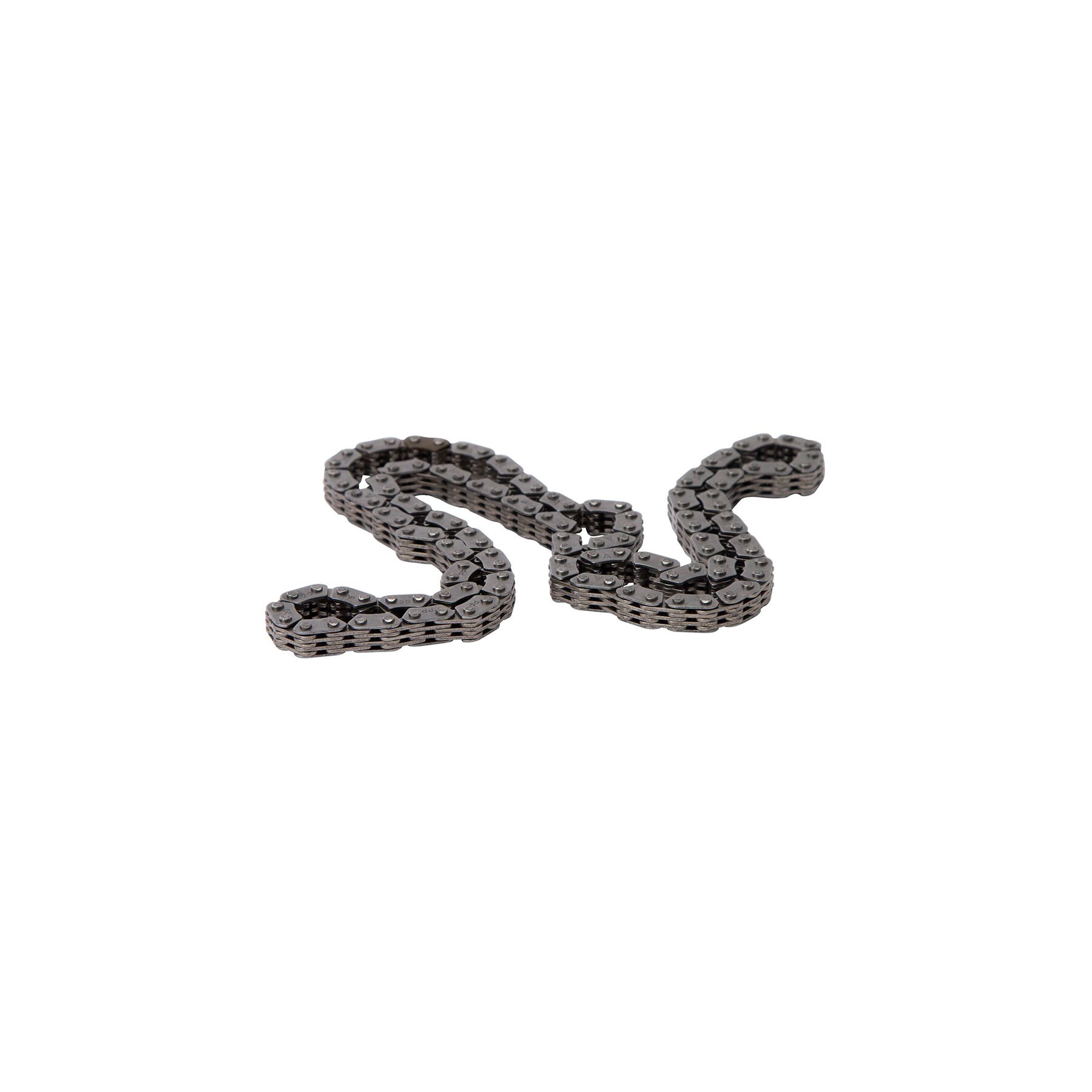
The engine timing chain is a vital component that ensures the synchronization of your engine's camshaft and crankshaft. Designed for durability and precision, these chains are engineered to withstand high-stress conditions while providing reliable performance. With features such as enhanced tensile strength and resistance to wear, our timing chains help maintain optimal engine timing, contributing to improved efficiency and power delivery.
Our selection of engine timing chains is crafted to meet the demands of various engine types, ensuring a perfect fit and seamless operation. Each chain undergoes rigorous testing to guarantee longevity and reliability, reducing the risk of failure and costly repairs. Upgrade your engine's performance with a high-quality timing chain that supports smooth operation and enhances overall engine health.