Engine Block Sealants
On this page...
- What are engine block sealants used for?
- How do you choose the right engine block sealant?
- Are there different types of engine block sealants?
- Can engine block sealants be used in high-temperature environments?
- What should you consider when applying engine block sealants?
- Can engine block sealants be used on all types of engines?
- How long do engine block sealants last?
- Are engine block sealants effective for temporary repairs?
Frequently Asked Questions For Engine Block Sealants
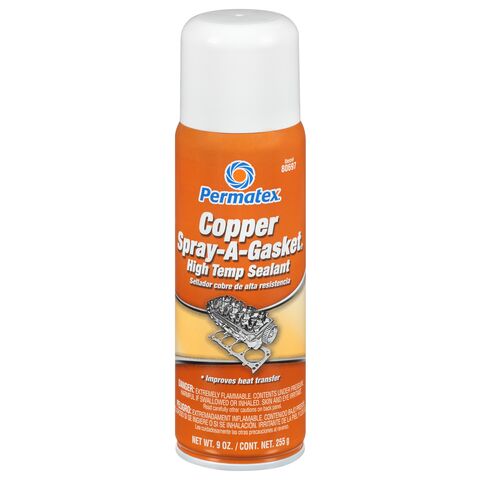
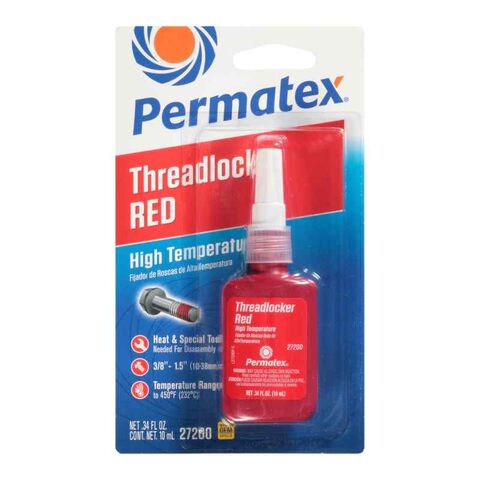
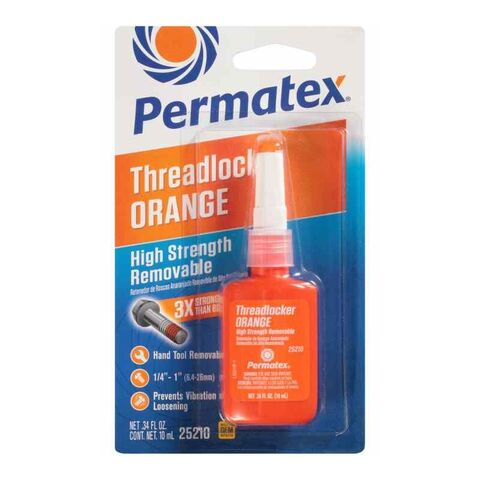
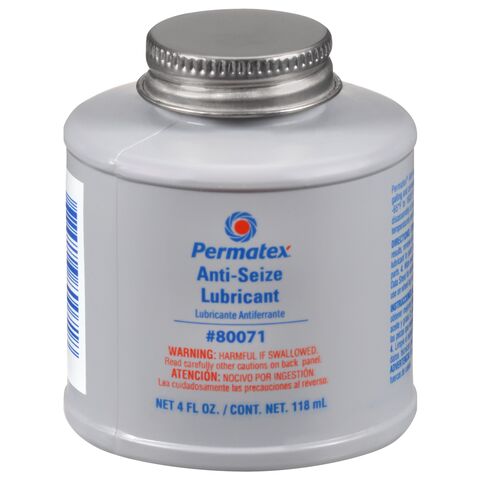
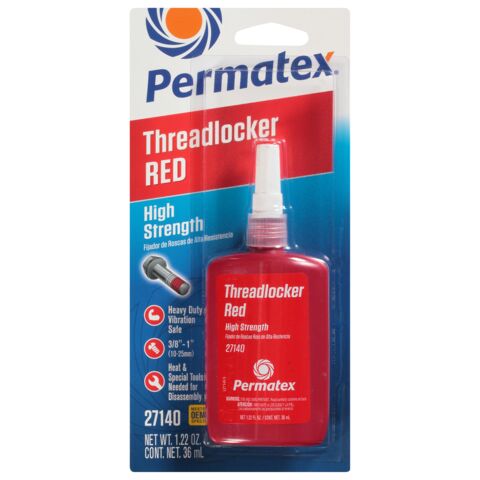
Engine block sealants are designed to create a reliable seal between engine components, preventing leaks of oil, coolant, and other fluids. They are essential for maintaining engine integrity and performance, especially in high-stress environments. These sealants can fill gaps and imperfections in surfaces, ensuring a tight fit that withstands the rigors of engine operation.
Choosing the right engine block sealant involves considering the specific application and the materials being sealed. Factors such as temperature resistance, curing time, and compatibility with engine fluids are crucial. It's also important to select a sealant that can handle the pressures and conditions of your engine type, whether it's for a daily commuter or a high-performance vehicle.
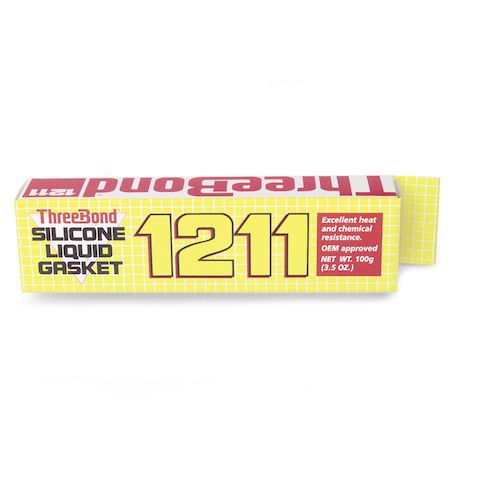
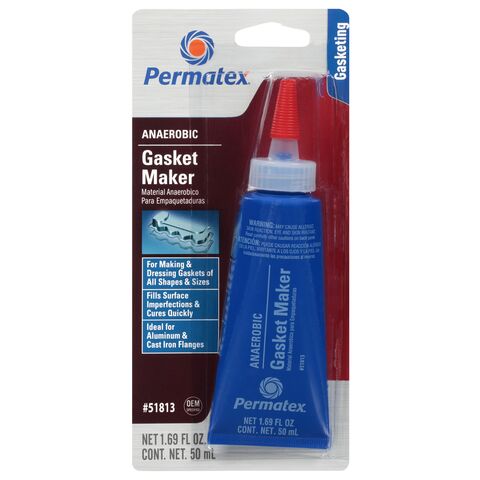
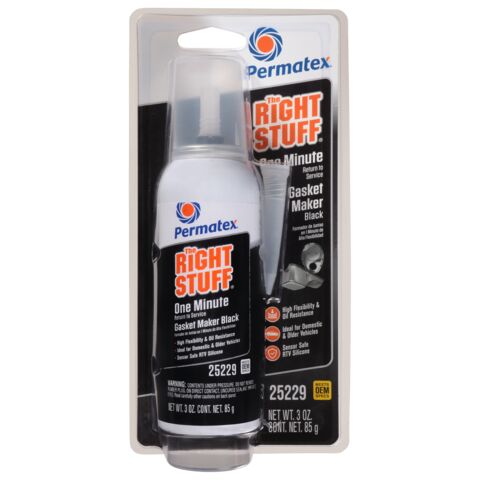
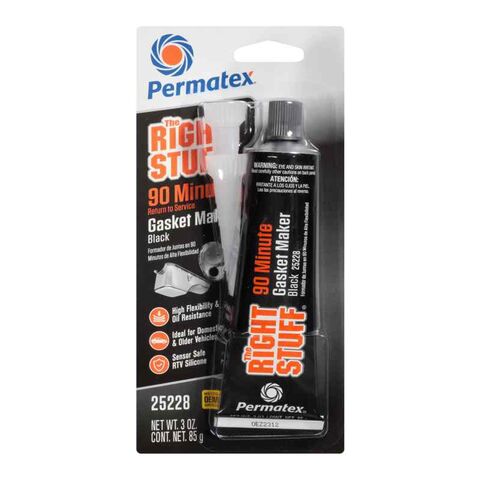
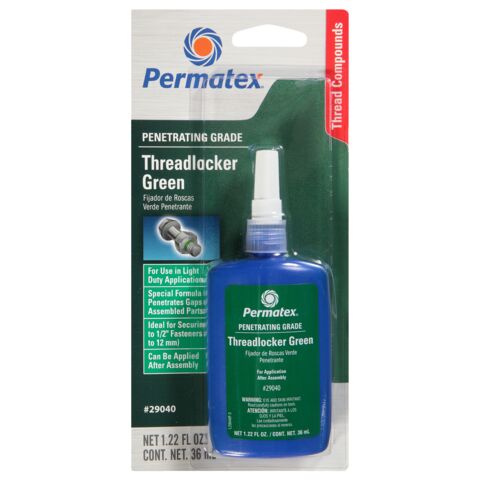
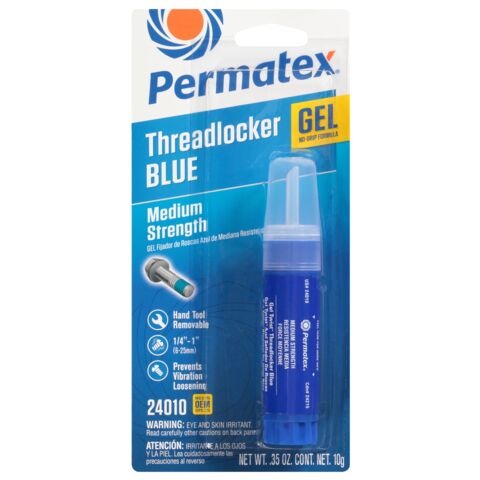
Yes, there are various types of engine block sealants, including silicone-based, anaerobic, and gasket maker formulations. Each type has unique properties suited for different applications, such as high-temperature resistance or flexibility. Understanding the differences can help you select the best sealant for your specific engine repair or maintenance needs.
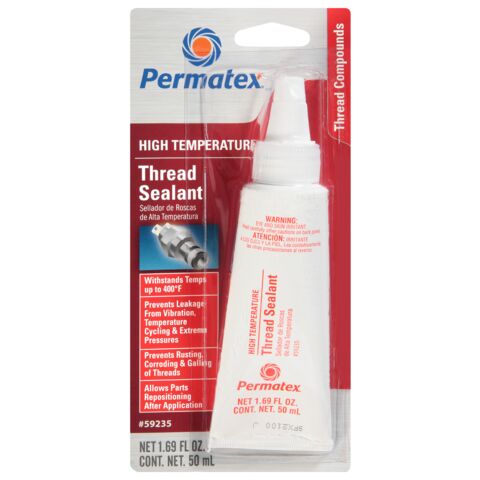
Many engine block sealants are formulated to withstand high temperatures, making them suitable for use in performance engines and extreme conditions. It's essential to check the specifications of the sealant to ensure it can handle the temperature ranges your engine may encounter. Using a sealant rated for high temperatures helps maintain a secure seal and prevents breakdown over time.
When applying engine block sealants, surface preparation is key. Ensure that the surfaces are clean, dry, and free of old gasket material or debris. Additionally, follow the manufacturer's instructions regarding curing time and application thickness to achieve the best results. Proper application can significantly enhance the effectiveness of the sealant.
While many engine block sealants are versatile, not all are suitable for every type of engine. It's important to consider the engine's material, whether it's aluminum or cast iron, and the specific fluids involved. Always check compatibility to avoid any adverse reactions that could compromise the seal or engine performance.
The longevity of engine block sealants can vary based on the type of sealant used, environmental conditions, and the specific application. Generally, high-quality sealants can last several years if applied correctly and under optimal conditions. Regular maintenance checks can help identify any potential leaks early, ensuring the seal remains effective.
Engine block sealants can be effective for temporary repairs, especially in emergency situations where a quick fix is needed to prevent leaks. However, it's important to remember that these sealants are not a substitute for proper repairs and should be used as a stopgap until a more permanent solution can be implemented. Always assess the situation and plan for a thorough repair when possible.
Similar Categories
Engine Block Sealants
Engine block sealants are essential for ensuring a reliable and leak-free seal in your engine assembly. Designed to withstand high temperatures and pressures, these sealants provide superior adhesion and flexibility, making them ideal for various engine applications. Whether you're dealing with oil leaks or coolant seepage, our selection of engine block sealants offers the durability and performance you need to keep your engine running smoothly.
These high-performance sealants are formulated to cure quickly and create a robust bond that resists cracking and shrinking over time. With excellent chemical resistance, they protect against oil, coolant, and other fluids, ensuring long-lasting performance. Choose from our range of engine block sealants to find the perfect solution for your repair needs and maintain the integrity of your engine.