Engine Crankcase Ventilation Valves
On this page...
- What is the purpose of engine crankcase ventilation valves?
- How do engine crankcase ventilation valves work?
- What are the signs of a failing crankcase ventilation valve?
- Can engine crankcase ventilation valves affect engine performance?
- What materials are commonly used in engine crankcase ventilation valves?
- Are there different types of engine crankcase ventilation valves?
- How often should engine crankcase ventilation valves be inspected or replaced?
- Can engine crankcase ventilation valves be used in different riding conditions?
Frequently Asked Questions For Engine Crankcase Ventilation Valves
Engine crankcase ventilation valves are designed to regulate the flow of gases in and out of the crankcase. They help to maintain optimal pressure within the engine, allowing for the proper expulsion of blow-by gases and preventing oil leaks. This ensures that the engine runs efficiently and reduces the risk of harmful emissions.
Engine crankcase ventilation valves operate by opening and closing in response to pressure changes within the crankcase. When the pressure exceeds a certain level, the valve opens to release excess gases, while closing when the pressure normalizes. This dynamic operation helps to maintain a balanced environment within the engine.
Signs of a failing crankcase ventilation valve may include increased oil consumption, oil leaks, or a noticeable decrease in engine performance. Additionally, you might observe excessive pressure buildup in the crankcase, which can lead to oil blowing out of seals or gaskets. Regular inspection can help identify these issues early.
Yes, engine crankcase ventilation valves can significantly impact engine performance. A malfunctioning valve can lead to improper pressure regulation, resulting in reduced efficiency and increased emissions. Ensuring that the ventilation system is functioning correctly is crucial for optimal engine operation.
Engine crankcase ventilation valves are often made from durable materials such as aluminum, rubber, or high-quality plastics. These materials are chosen for their ability to withstand the harsh conditions within the engine environment, including exposure to oil, heat, and pressure.
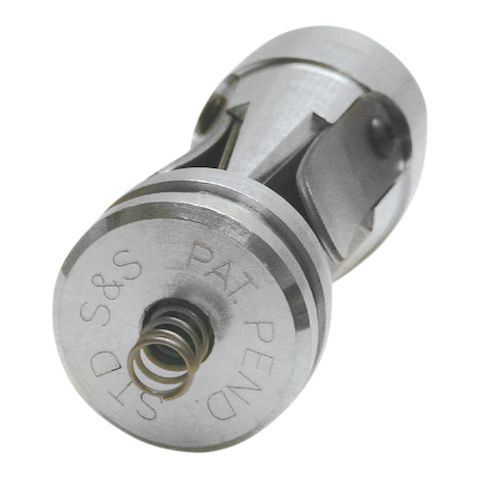
Yes, there are various types of engine crankcase ventilation valves designed for different engine configurations and applications. Some valves may use a reed design, while others might employ a diaphragm mechanism. The choice of valve type often depends on the specific requirements of the engine and its intended use.
It is generally recommended to inspect engine crankcase ventilation valves during regular maintenance intervals, such as oil changes. Depending on the engine's usage and conditions, replacement may be necessary if signs of wear or malfunction are detected. Following the manufacturer's guidelines can help ensure optimal performance.
Engine crankcase ventilation valves are designed to function effectively in a variety of riding conditions, including both city commuting and long-distance touring. However, extreme temperatures or high-performance scenarios may require specific valve types to ensure optimal operation. It's important to choose a valve that suits your riding style and conditions.
Similar Categories
Engine Crankcase Ventilation Valves
Engine crankcase ventilation valves play a vital role in maintaining optimal engine performance by regulating the flow of gases and preventing pressure buildup. Our selection of high-quality valves is designed to enhance the efficiency of your motorcycle's crankcase ventilation system, ensuring that harmful gases are effectively expelled while allowing fresh air to enter. This helps to improve engine longevity and performance.
Crafted from durable materials, these valves are engineered for reliability and precision fitment across various motorcycle models. With features that reduce oil consumption and minimize emissions, our crankcase ventilation valves are essential for any rider looking to optimize their engine's functionality. Upgrade your motorcycle's ventilation system today for a smoother and more efficient ride.