Design Engineering Exhaust Wrap
Filters
On this page...
- What is exhaust wrap and what is its purpose?
- What materials are commonly used in exhaust wraps?
- How does exhaust wrap affect engine performance?
- Can exhaust wrap be used in all weather conditions?
- What should you consider when choosing exhaust wrap?
- Is exhaust wrap easy to install?
- How long does exhaust wrap typically last?
- Are there any safety considerations when using exhaust wrap?
Frequently Asked Questions For Design Engineering Exhaust Wrap
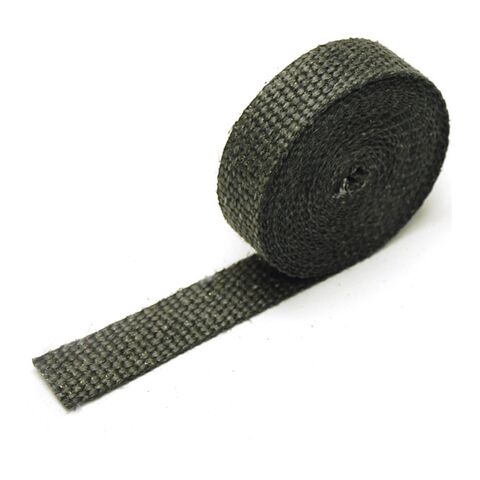
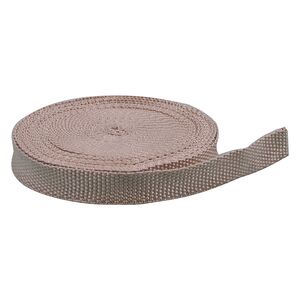
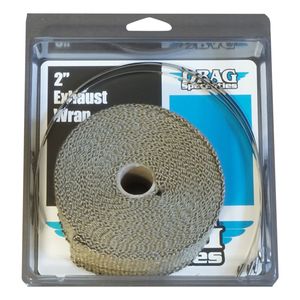
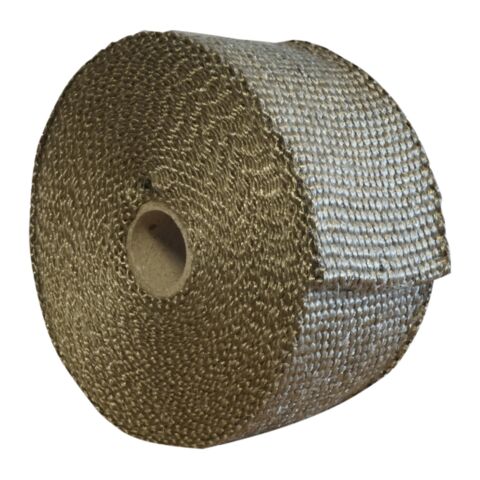
Exhaust wrap is a heat-resistant material used to cover exhaust pipes and headers. Its primary purpose is to retain heat within the exhaust system, which can improve exhaust flow and efficiency. By keeping the heat inside the pipes, it can also help reduce under-hood temperatures, protecting other components from heat damage.
Exhaust wraps are typically made from materials like fiberglass, titanium, or a combination of both. Fiberglass wraps are known for their affordability and effectiveness, while titanium wraps offer higher heat resistance and durability. The choice of material can impact the performance and longevity of the wrap.
Using exhaust wrap can enhance engine performance by improving exhaust gas flow and reducing back pressure. By keeping the exhaust gases hotter, it helps them exit the system more quickly, which can lead to better engine efficiency. However, the overall impact can vary based on the specific setup and riding conditions.
Exhaust wrap is designed to withstand high temperatures, making it suitable for various weather conditions. However, it's important to consider that prolonged exposure to moisture can affect the wrap's integrity over time. For riders in wet climates, ensuring proper installation and maintenance can help prolong the life of the wrap.
When selecting exhaust wrap, consider factors such as the material, thickness, and length needed for your specific application. It's also important to think about the heat resistance of the wrap, especially if you're using it in high-performance scenarios. Additionally, ensure that the wrap is compatible with your exhaust system's size and configuration.
Exhaust wrap installation can be straightforward, but it requires careful preparation and attention to detail. Properly cleaning the exhaust surface and using the right tools, such as stainless steel ties or clamps, can make the process easier. Following the manufacturer's instructions will help ensure a secure and effective installation.
The lifespan of exhaust wrap can vary based on the material used and the conditions it is exposed to. High-quality wraps made from durable materials like titanium may last longer than standard fiberglass options. Regular inspection and maintenance can help extend the life of the wrap, especially in harsh environments.
When using exhaust wrap, it's important to ensure that it is installed correctly to avoid any potential hazards. Improper installation can lead to loose ends or fraying, which may pose a risk. Additionally, always wear protective gear during installation to prevent irritation from the materials used in the wrap.
Similar Categories
Design Engineering Exhaust Wrap
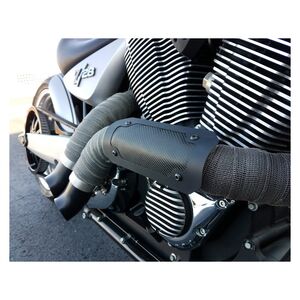
Enhance your motorcycle's performance and aesthetics with our premium design engineering exhaust wrap. Engineered to withstand high temperatures, this wrap effectively reduces heat radiating from your exhaust system, improving overall efficiency and protecting nearby components. Its durable construction ensures longevity, making it an essential addition for any serious rider looking to optimize their bike's performance.
Our exhaust wraps are available in various colors and styles, allowing you to customize your motorcycle while benefiting from reduced heat soak and improved exhaust flow. Easy to install, these wraps provide a sleek, professional look while minimizing the risk of burns and heat damage. Upgrade your ride with our design engineering exhaust wrap and experience the difference in performance and style.