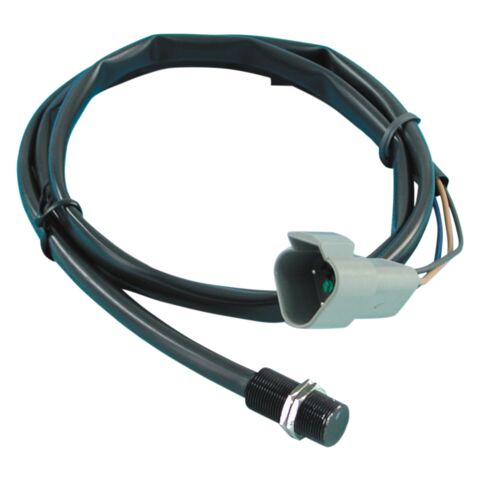
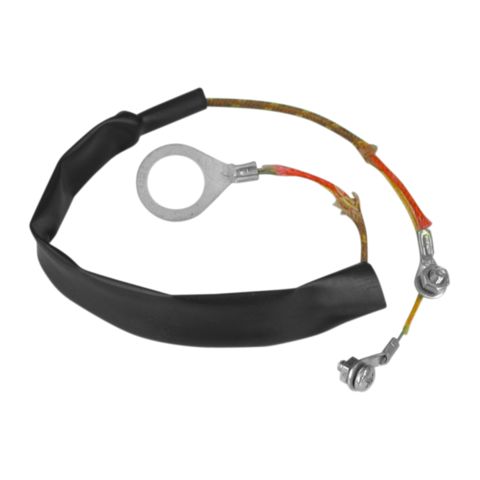
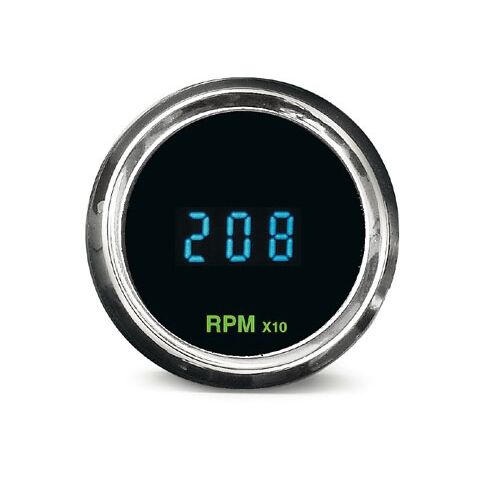
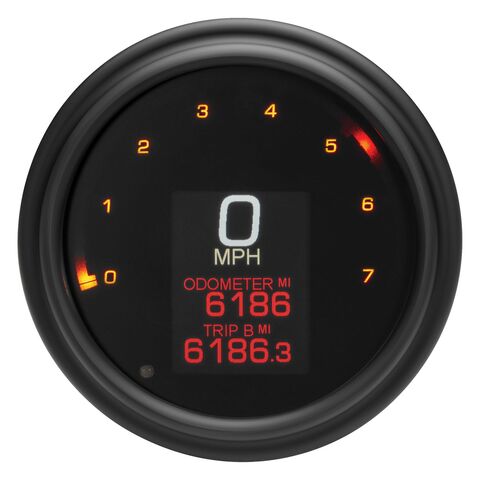
Dakota Digital Speed Sensor
On this page...
- What is a speed sensor and how does it work?
- What are the different types of speed sensors available?
- How do I know if my speed sensor needs to be replaced?
- Can speed sensors be used in different types of motorcycles?
- What should I consider when choosing a speed sensor for my motorcycle?
- Are speed sensors affected by weather conditions?
- What role does a speed sensor play in motorcycle performance?
- Can I install a speed sensor myself, or should I seek professional help?
- What maintenance do speed sensors require?
Frequently Asked Questions For Dakota Digital Speed Sensor
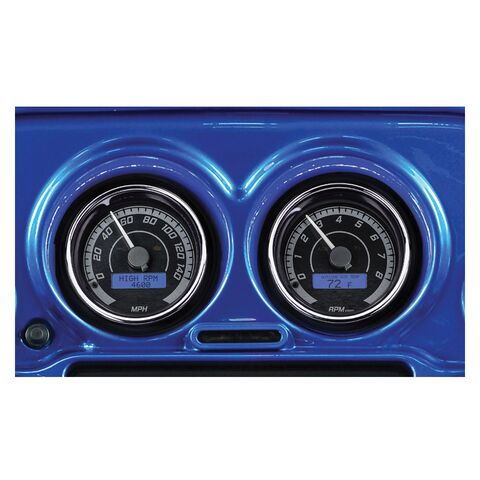
A speed sensor is a device that measures the rotational speed of a vehicle's wheels or transmission components. It typically generates an electrical signal that corresponds to the speed, which is then sent to the vehicle's speedometer or electronic control unit. This information is crucial for accurate speed readings and helps in various functions like cruise control and odometer calculations.
Speed sensors can vary in design and function, including mechanical, inductive, and electronic types. Mechanical sensors often use a cable connection, while inductive sensors rely on magnetic fields to detect speed. The choice of sensor type can depend on the specific application, vehicle type, and the desired accuracy of speed readings.
Signs that a speed sensor may need replacement include erratic speedometer readings, a malfunctioning odometer, or warning lights on the dashboard. Additionally, if you experience issues with cruise control or the vehicle's performance, it may indicate a problem with the speed sensor. Regular diagnostics can help identify these issues before they lead to more significant problems.
Yes, speed sensors can be designed for various types of motorcycles, including cruisers, touring bikes, and sport bikes. However, it's essential to select a sensor that is compatible with your motorcycle's specific make and model to ensure proper functionality. Compatibility can affect the accuracy of speed readings and the overall performance of the motorcycle.
When selecting a speed sensor, consider factors such as compatibility with your motorcycle's make and model, the type of sensor (mechanical vs. electronic), and the installation process. Additionally, look for sensors that meet relevant safety and performance standards to ensure reliability. Understanding your riding style and conditions can also help in making the right choice.
Speed sensors can be affected by weather conditions, particularly if they are exposed to moisture or extreme temperatures. Proper installation and protection from the elements can help mitigate these effects. Additionally, some sensors are designed with weather-resistant features to ensure consistent performance in various riding conditions.
A speed sensor plays a critical role in motorcycle performance by providing accurate speed readings that influence various systems, including the speedometer, odometer, and electronic control units. Accurate speed data is essential for optimizing fuel efficiency, enhancing safety features, and improving overall ride quality. A malfunctioning sensor can lead to performance issues and inaccurate readings.
Installing a speed sensor can often be a straightforward process, especially for those with basic mechanical skills. However, if you're unfamiliar with motorcycle electronics or the specific installation requirements for your bike, seeking professional help is advisable. Proper installation is crucial for ensuring the sensor functions correctly and integrates seamlessly with your motorcycle's systems.
Speed sensors generally require minimal maintenance, but it's important to periodically check for any signs of wear or damage. Keeping the sensor clean and ensuring that all connections are secure can help maintain its performance. If you notice any issues with speed readings or related systems, it's wise to inspect the sensor and surrounding components for potential problems.
Similar Categories
Dakota Digital Speed Sensor
Enhance your motorcycle's performance with our premium Dakota Digital speed sensors, designed to provide accurate and reliable speed readings. These sensors are engineered to seamlessly integrate with various motorcycle models, ensuring precise data transmission for optimal performance. With robust construction and weather-resistant features, they are built to withstand the rigors of the road while delivering consistent results.
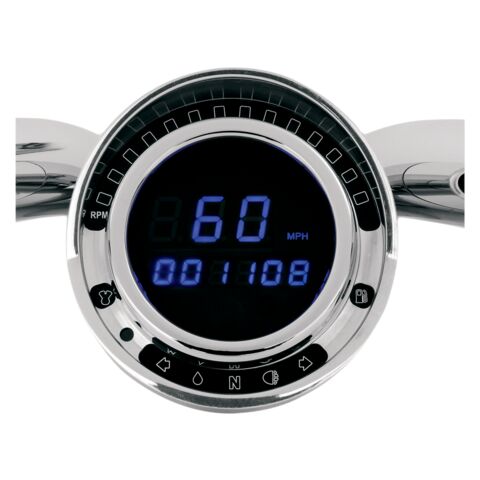
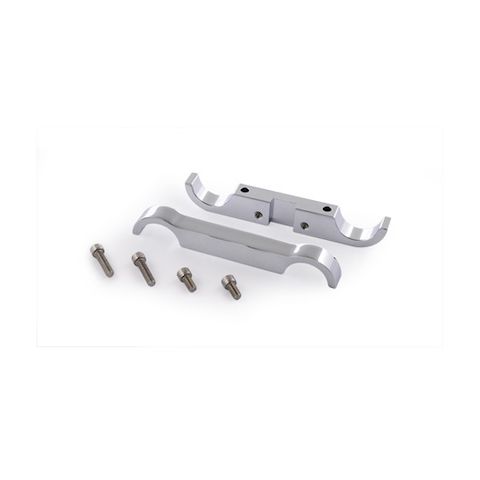
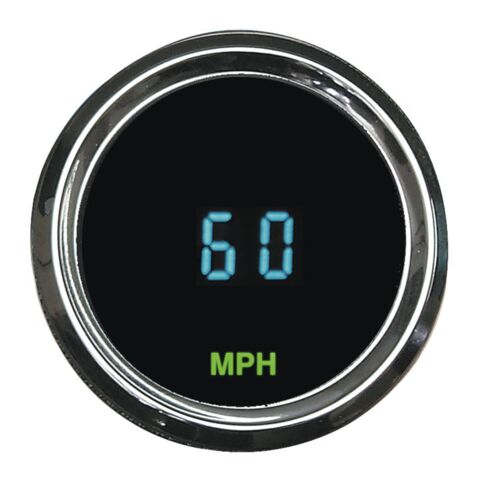
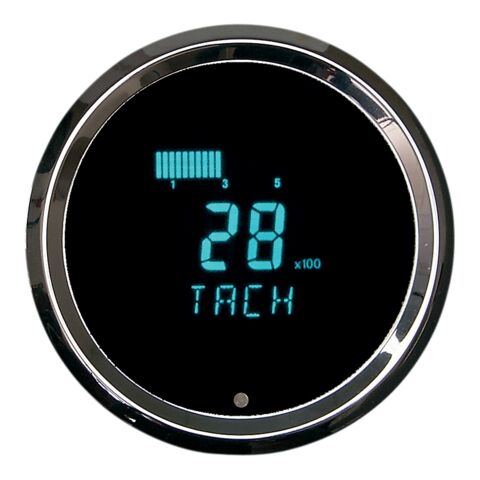
Our Dakota Digital speed sensors offer easy installation and compatibility with a range of aftermarket gauges, making them a versatile choice for any rider. Experience improved speed accuracy and responsiveness, allowing you to monitor your bike's performance with confidence. Upgrade your ride today with a speed sensor that combines durability and precision for an enhanced riding experience.