


 Riders Preferred Membership
 Shop by Vehicle
 Track Order
 Contact Us
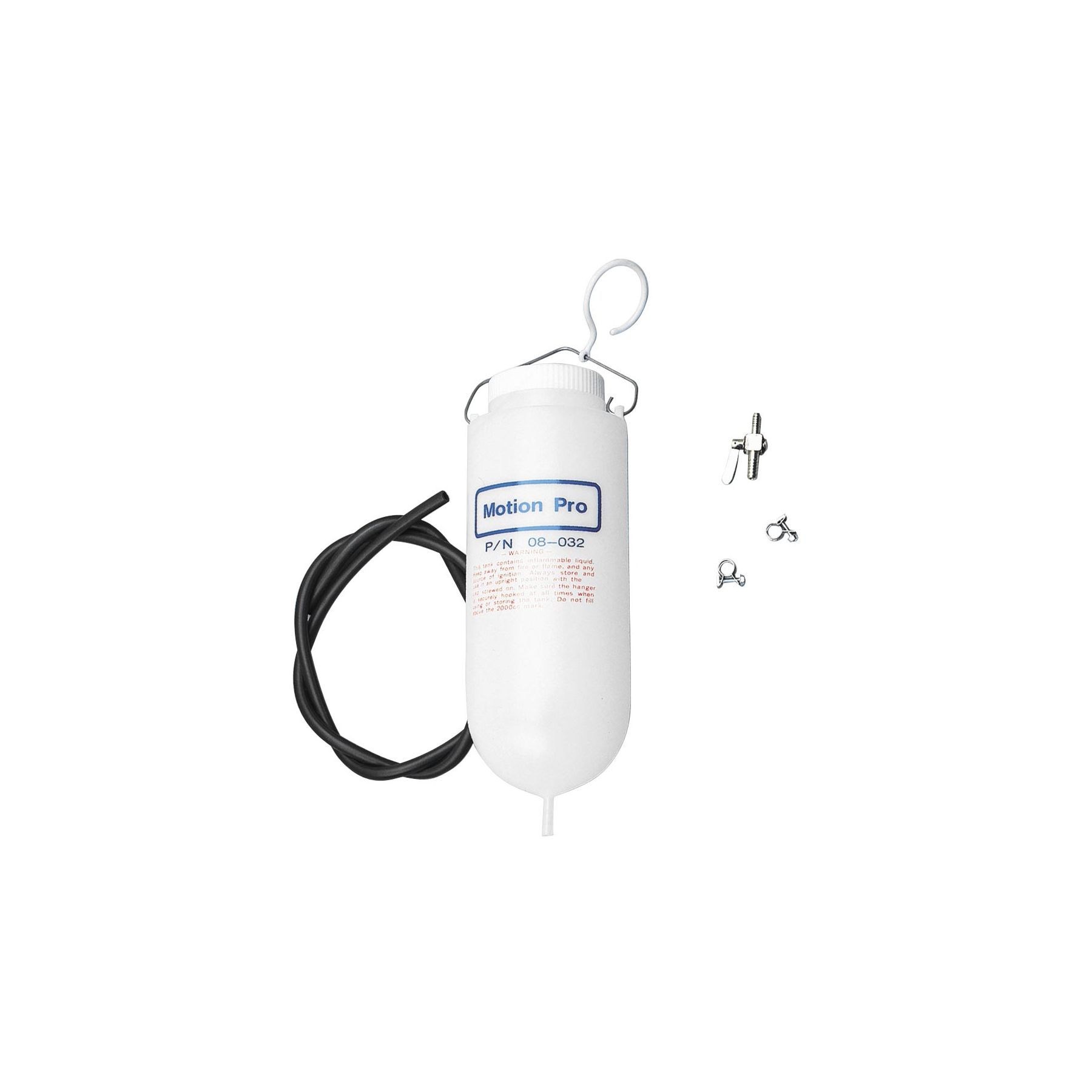
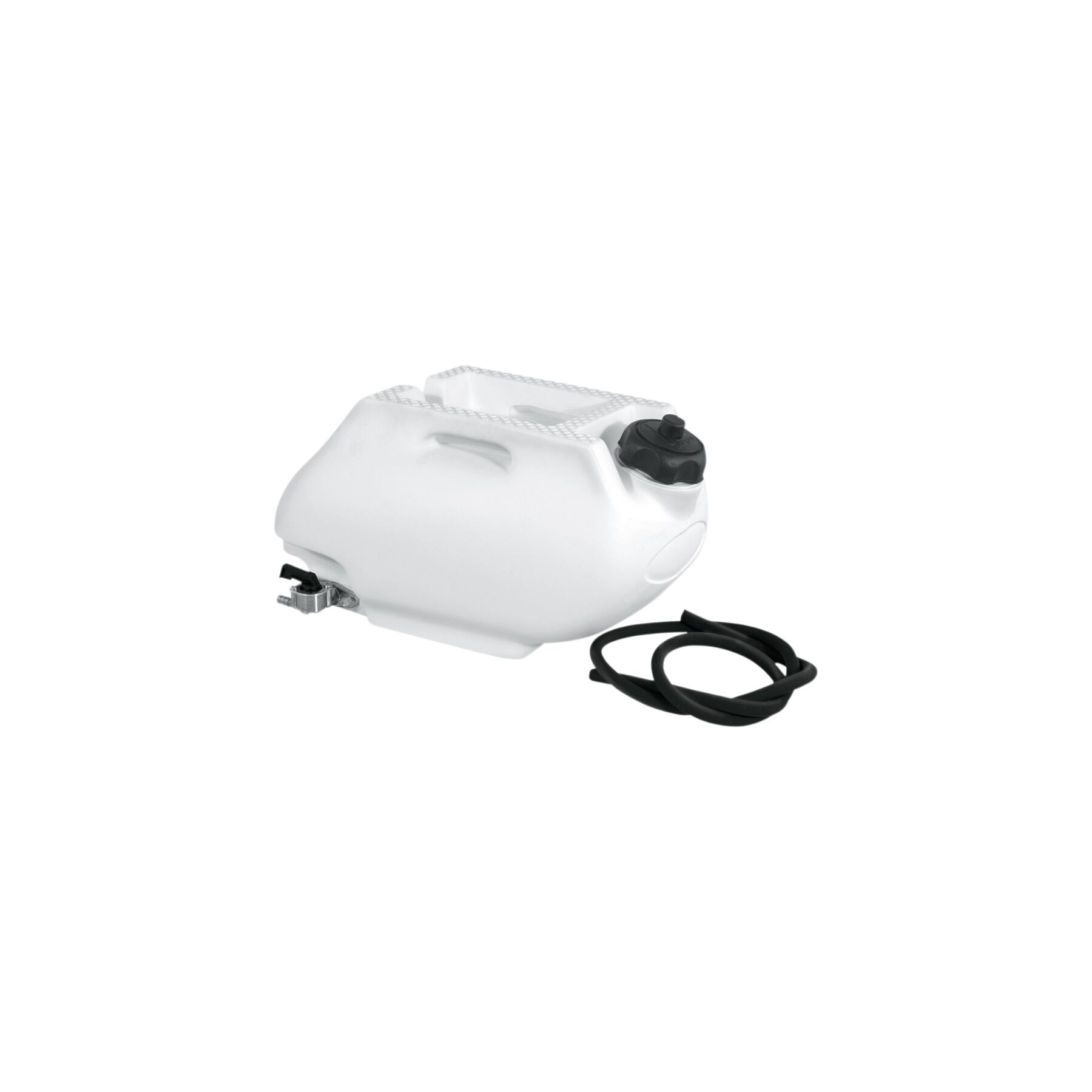
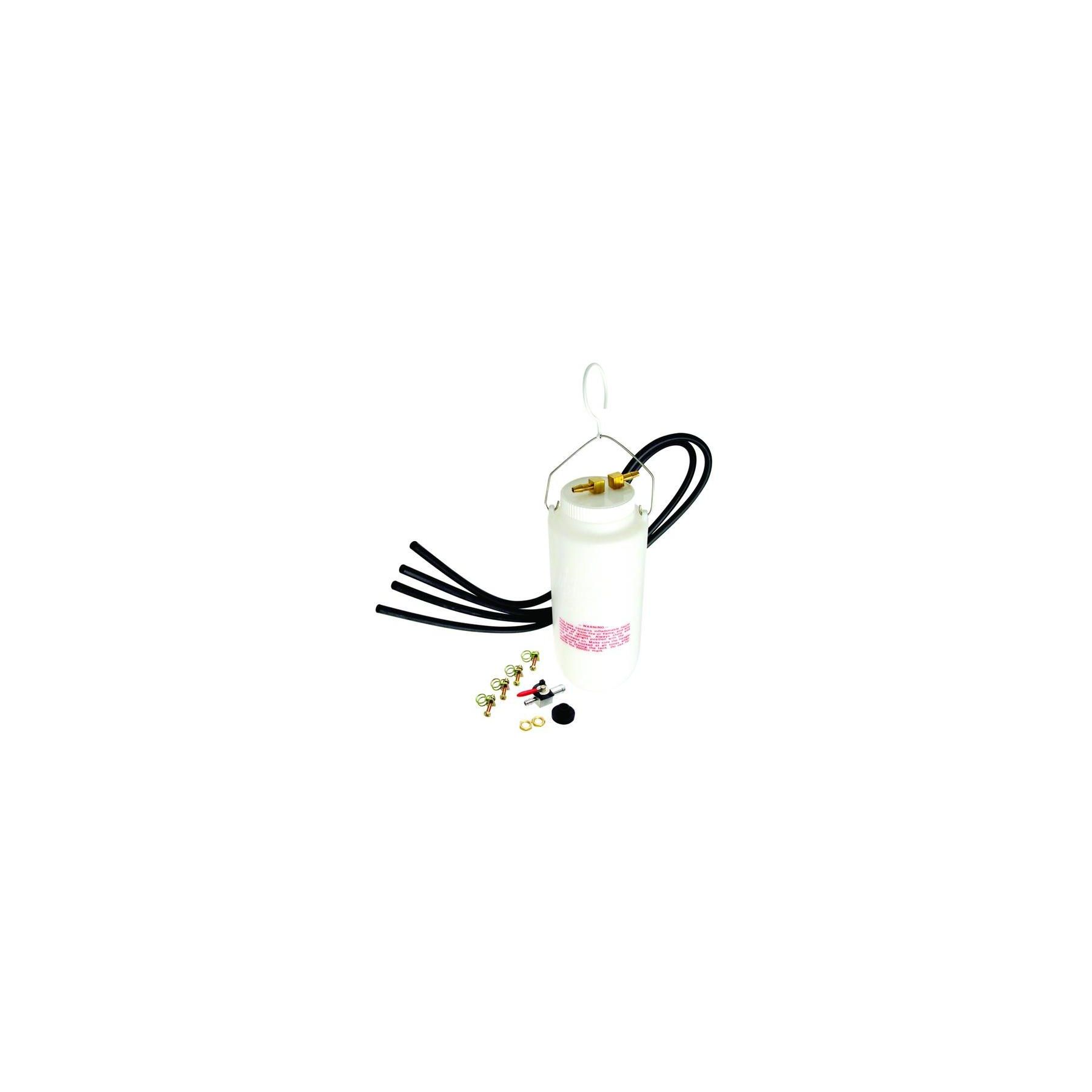
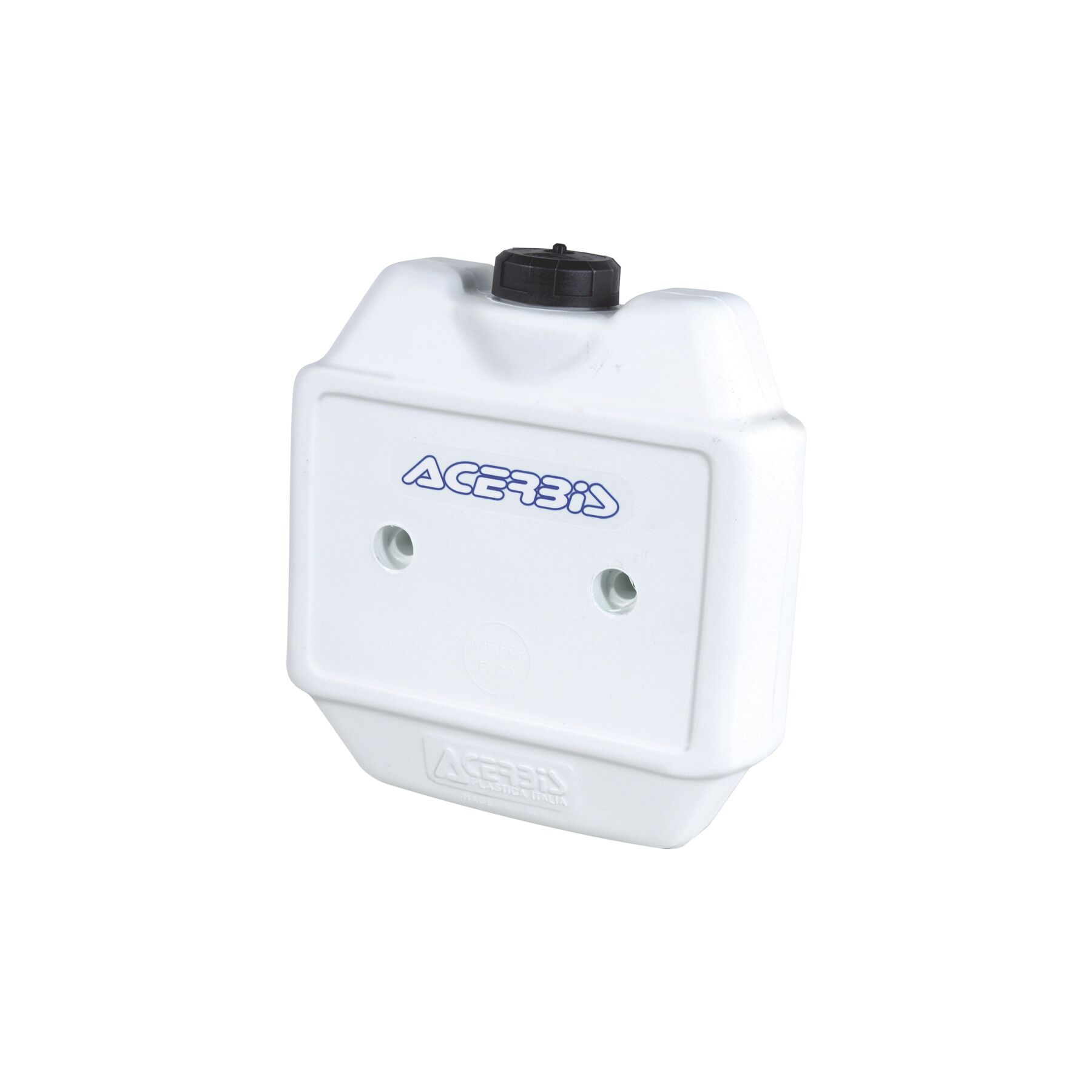
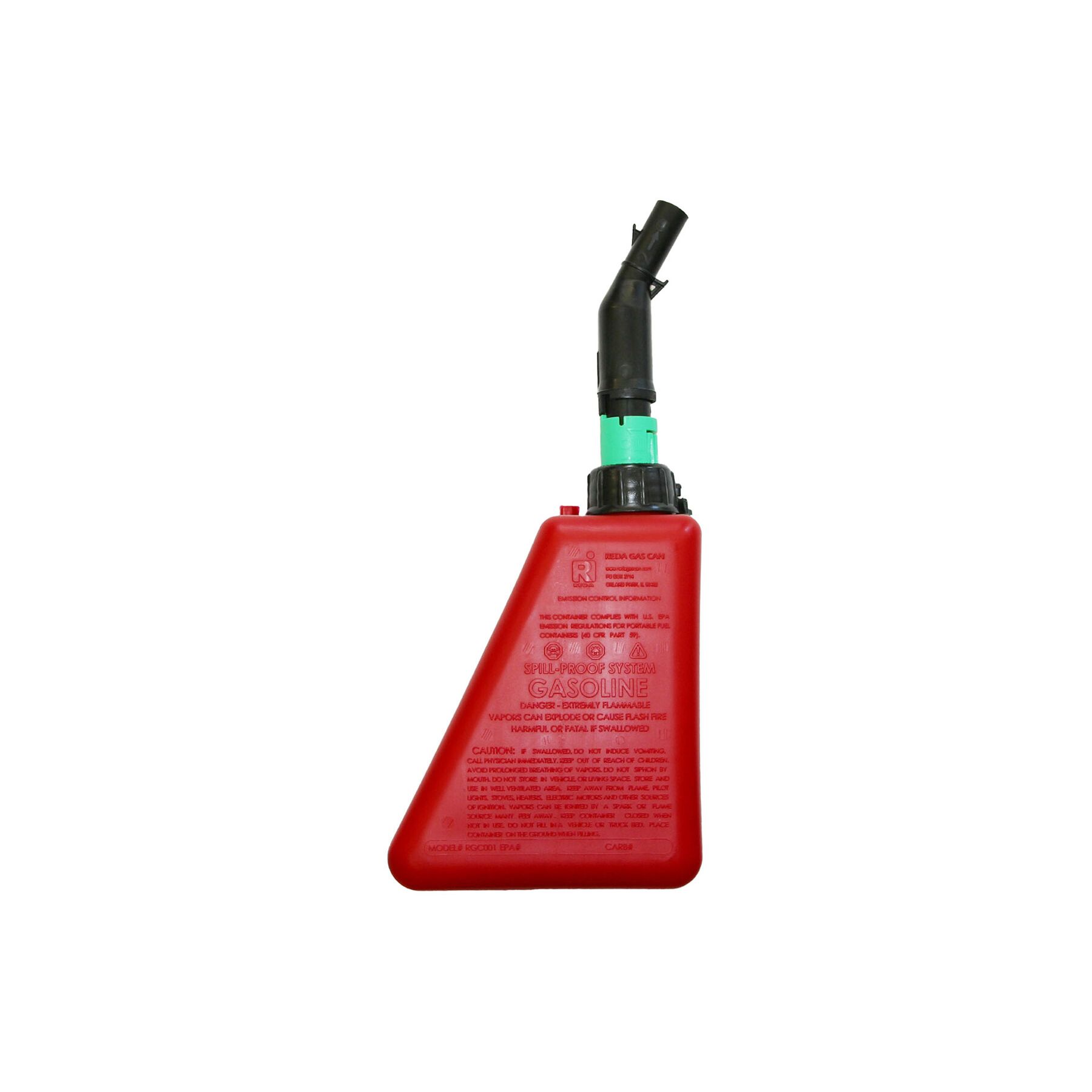
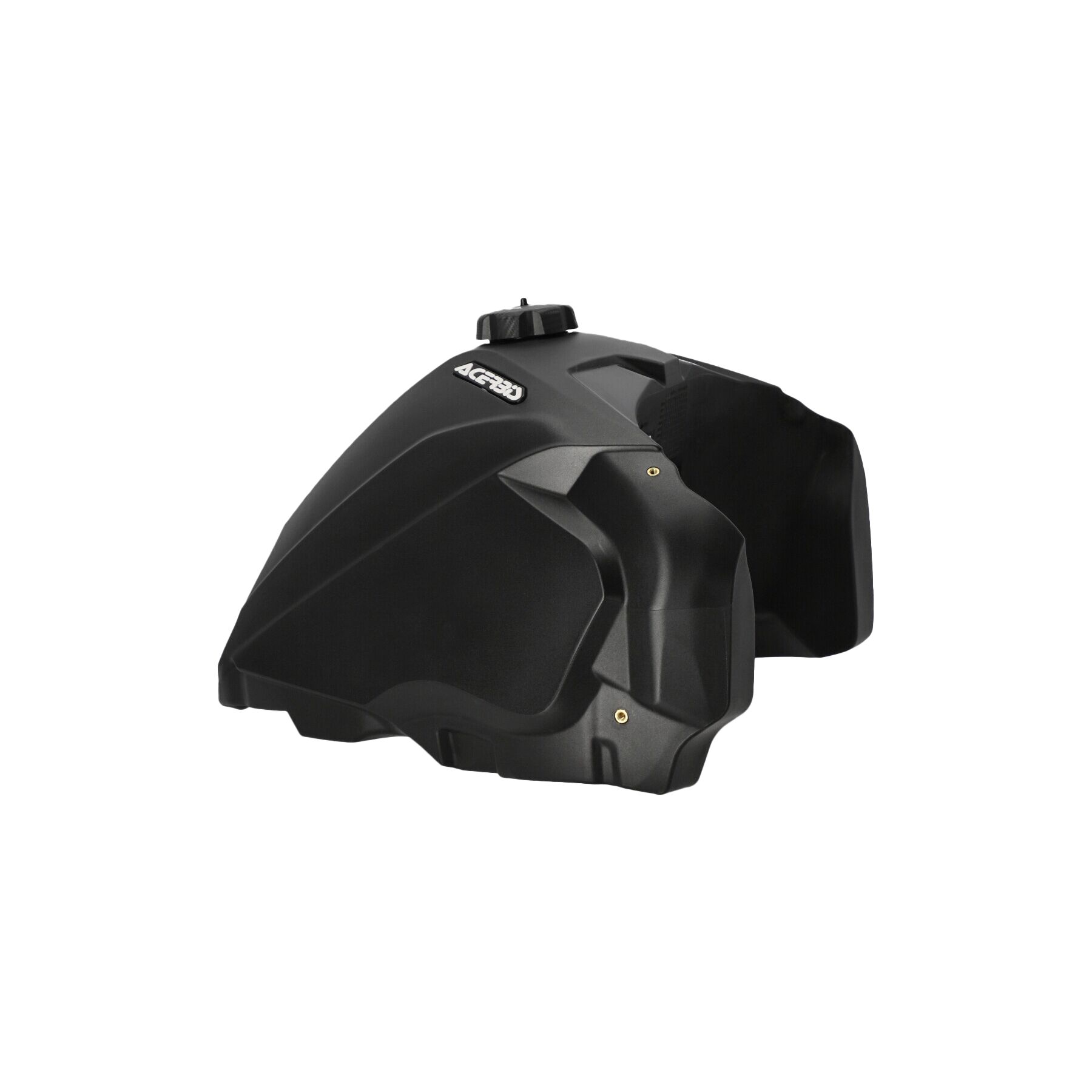
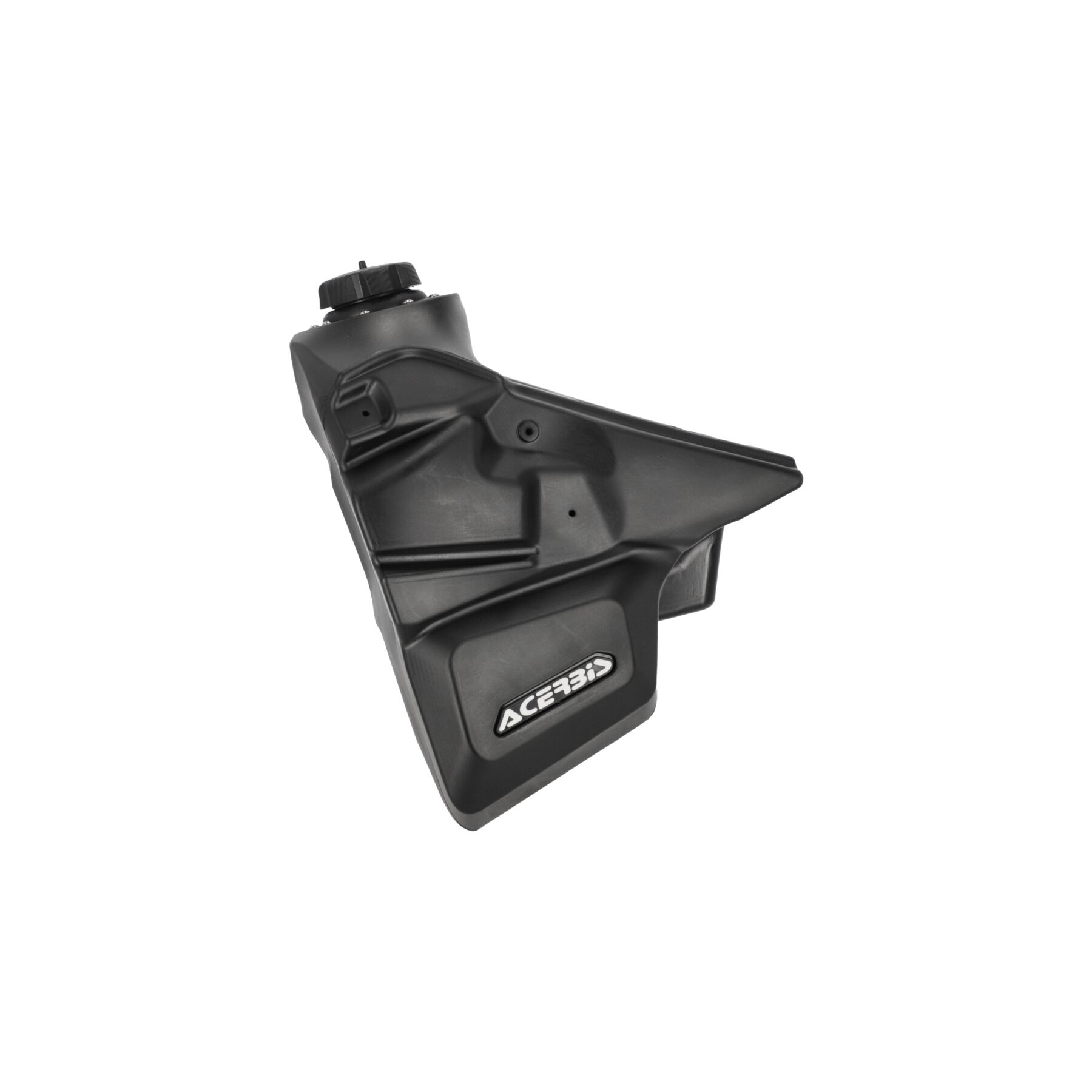
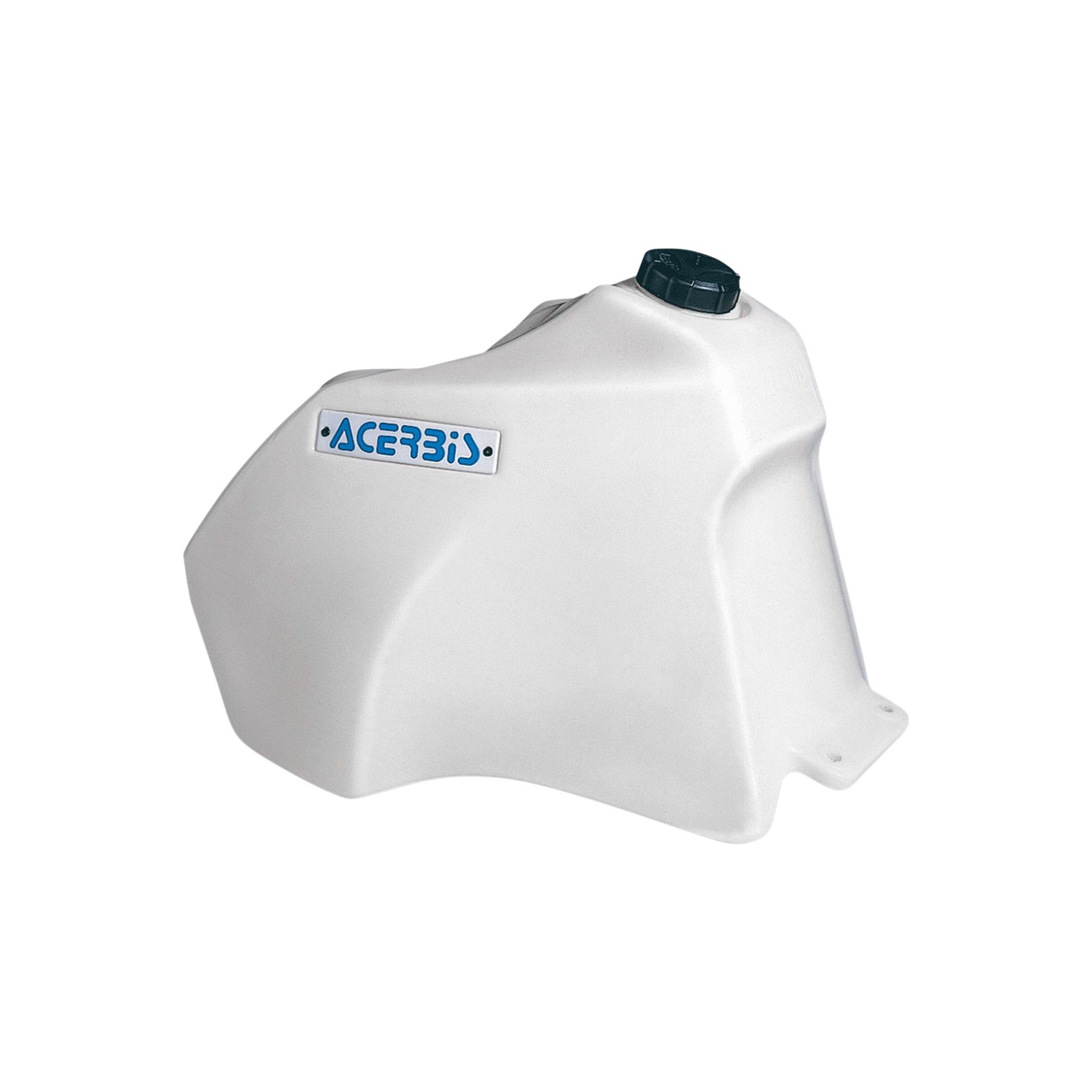
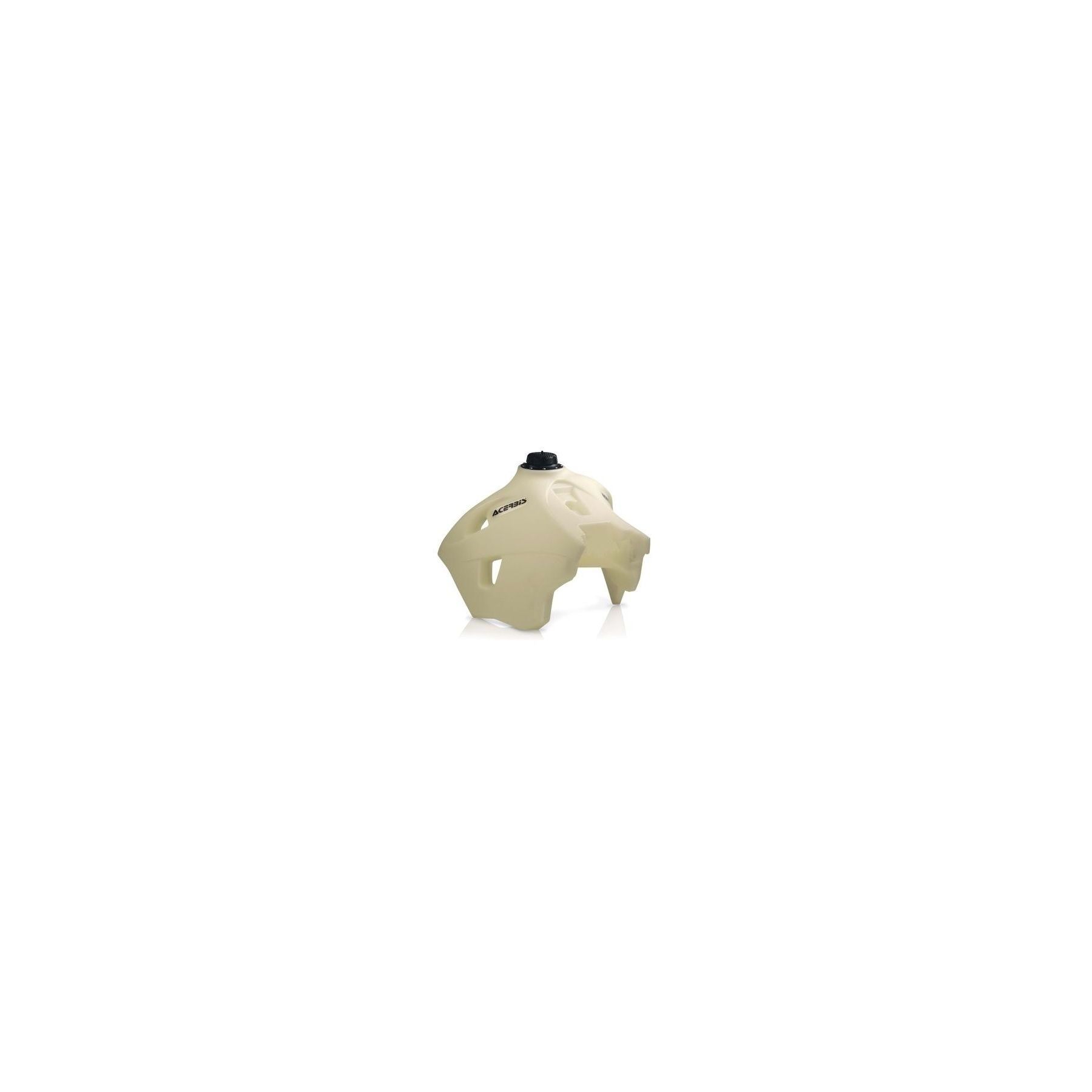
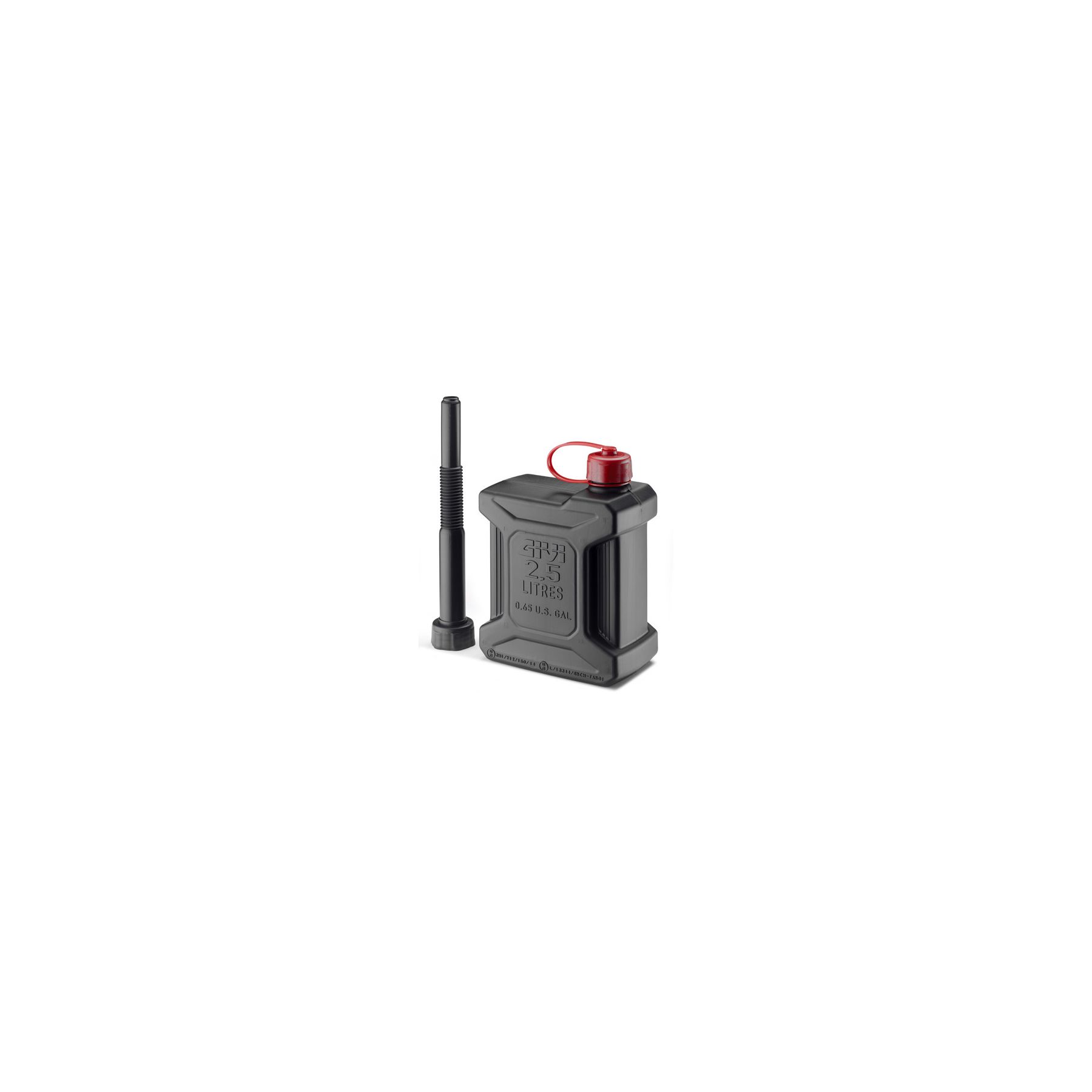
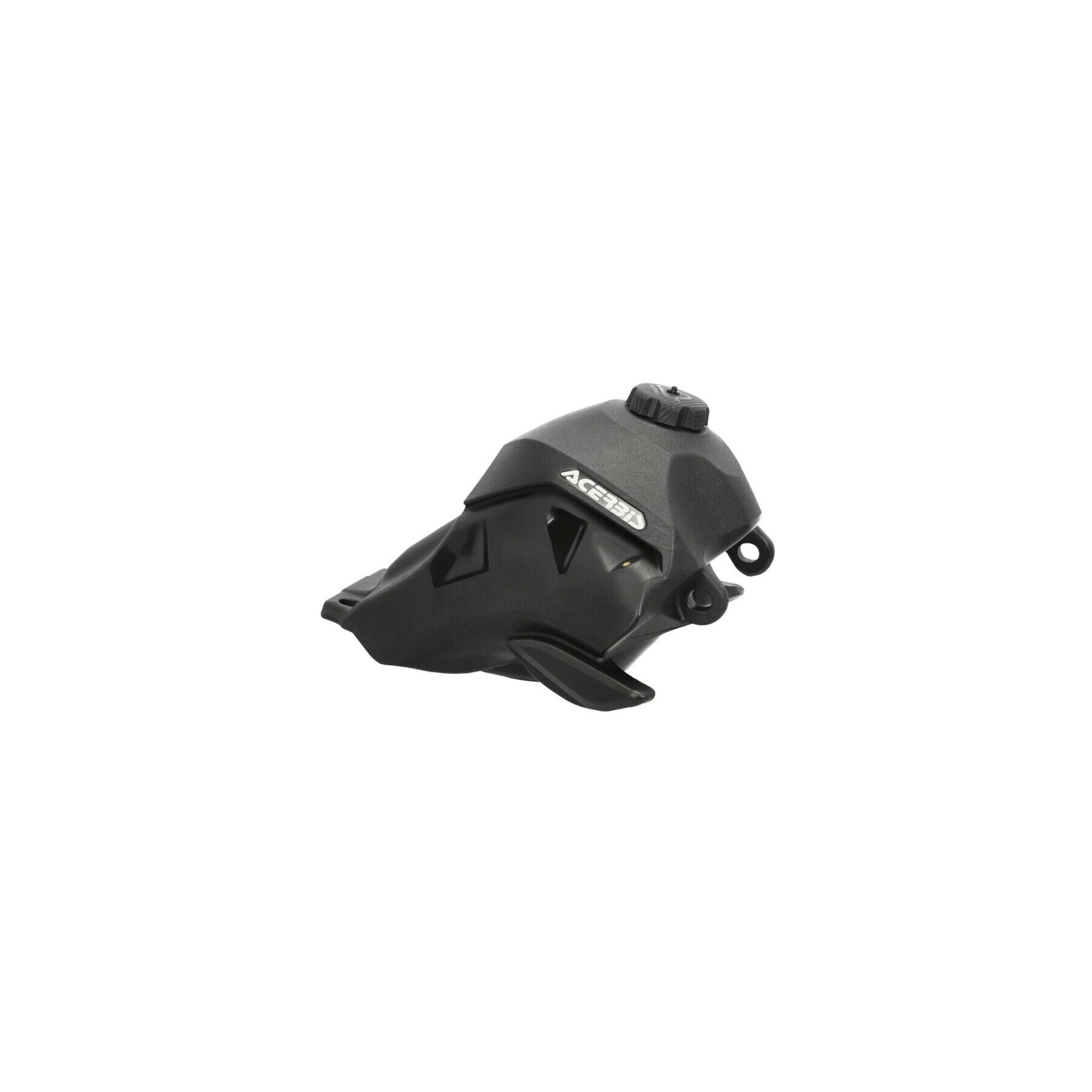
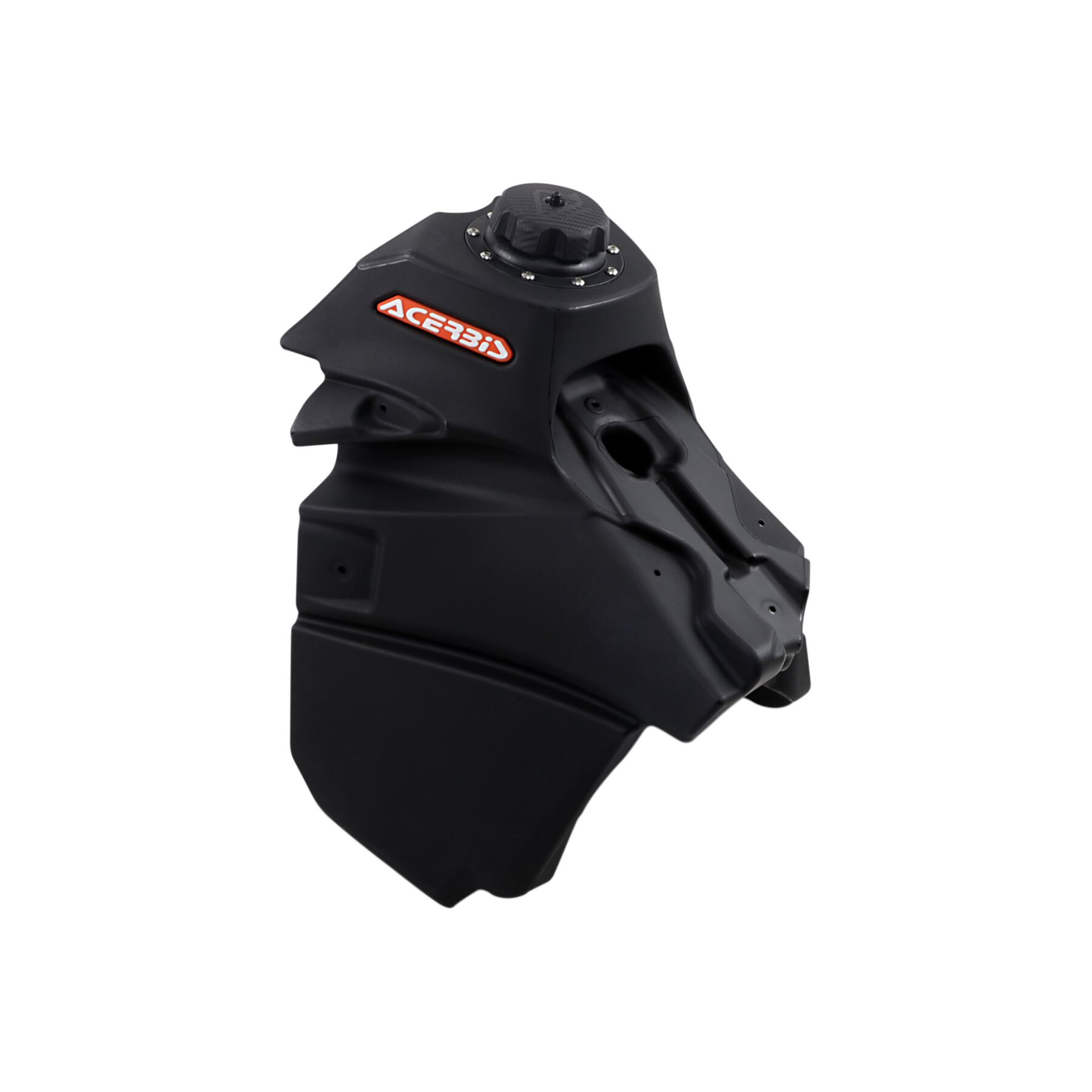
Auxiliary Gas Tanks
Filters
- Brand
- Colors
- Size
- OS (6)
- 0.8 Gallons (1)
- 1.6 Gallons (1)
- 1.3 Gallons (1)
- 2.7 Gallons (6)
- 2.2 Gallons (1)
- 2.9 Gallons (5)
- 2.8 Gallons (1)
- 2.5 Liters (1)
- 2.6 Gallons (1)
- 2.3 Gallons (1)
- 3.1 Gallons (7)
- 3.4 Gallons (2)
- 3.25 Gallons (1)
- 3.2 Gallons (8)
- 3.6 Gallons (2)
- 3.9 Gallons (3)
- 3.7 Gallons (2)
- 3.0 Gallons (3)
- 4.0 Gallons (2)
- 4.1 Gallons (1)
- 4.5 Gallons (1)
- 5.5 Gallon (1)
- 6.3 Gallons (2)
- 6.6 Gallons (2)
- 6 Gallons (1)
- 6.1 Gallons (2)
- 3.9 Gallons (Quick Fill Compatible) (1)
- 3.9 Gallons (Quick Fill Compatible) (1)
- 4.0 Gallons (4 (1)
- 2.9 Gallons (Non (1)
- 2.9 Gallons (Quick Fill Compatible) (1)
- 2.9 Gallons (Quick Fill Compatible) (1)
- Shop By
- Price Range

















On this page...
- What are auxiliary gas tanks used for?
- How do you choose the right auxiliary gas tank for your motorcycle?
- Are auxiliary gas tanks easy to install?
- Can auxiliary gas tanks be used in different weather conditions?
- What materials are commonly used in auxiliary gas tanks?
- What safety features should I look for in an auxiliary gas tank?
- How much additional fuel capacity can auxiliary gas tanks provide?
- Can auxiliary gas tanks be used for off-road riding?
- What are the benefits of using an auxiliary gas tank?
Frequently Asked Questions For Auxiliary Gas Tanks
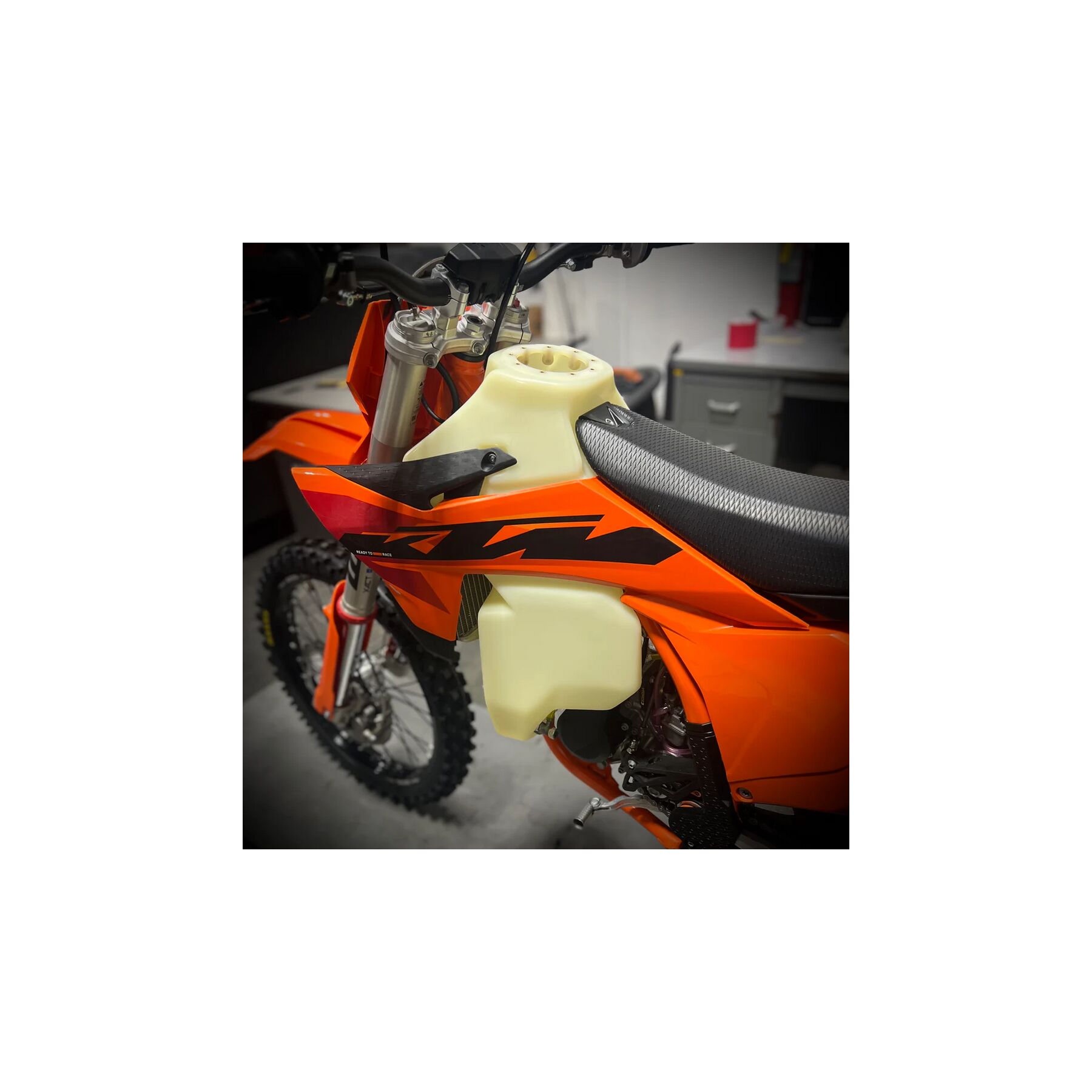
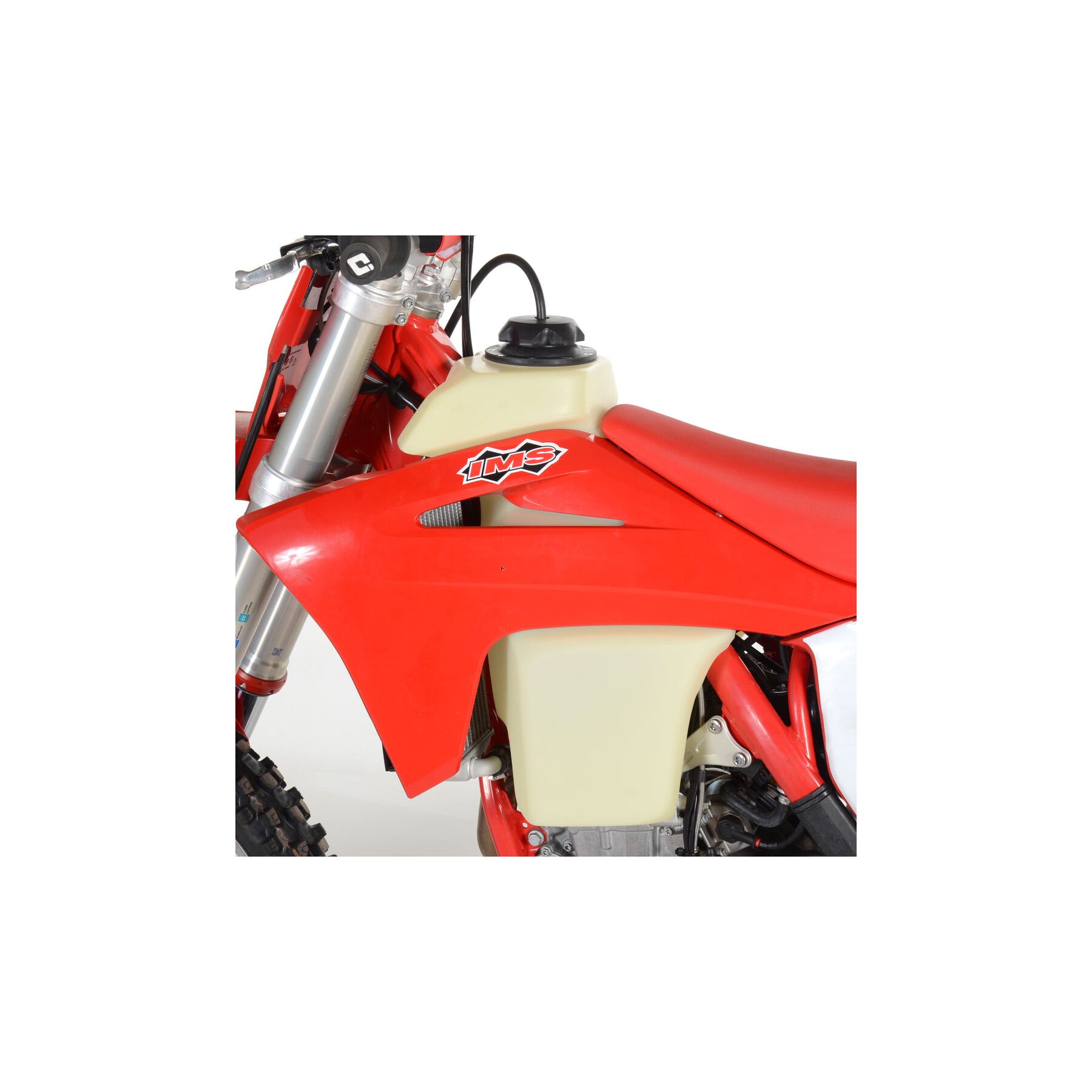
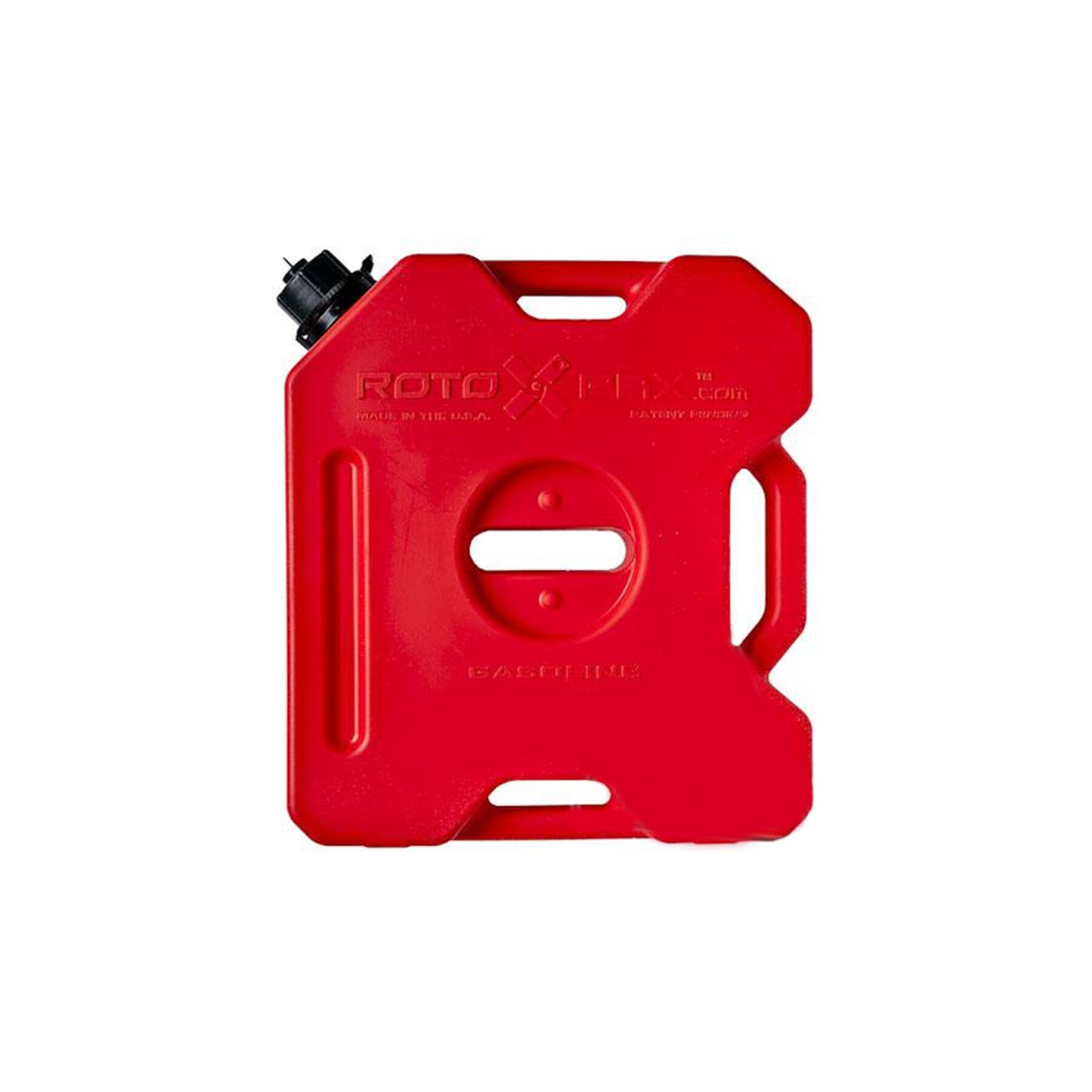
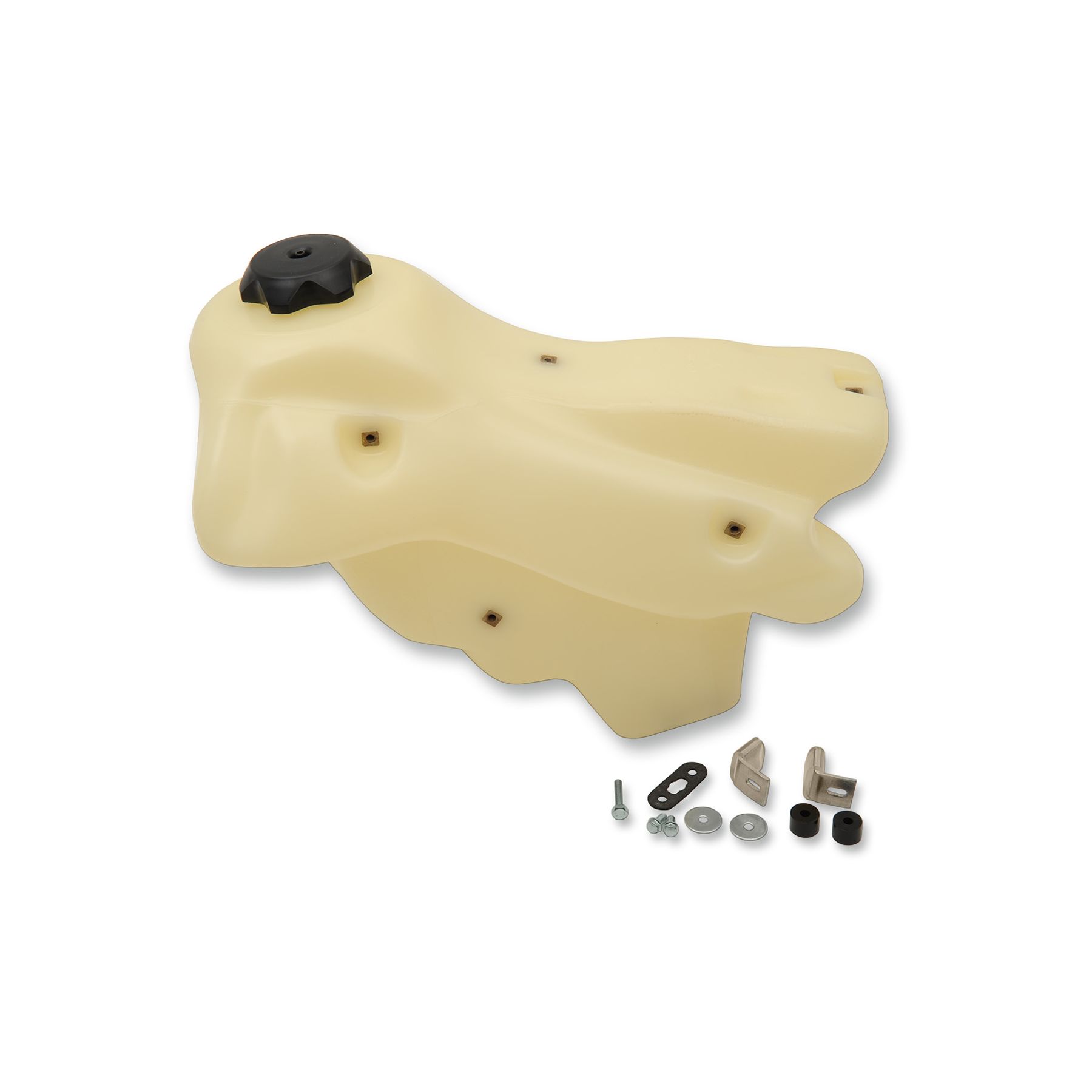
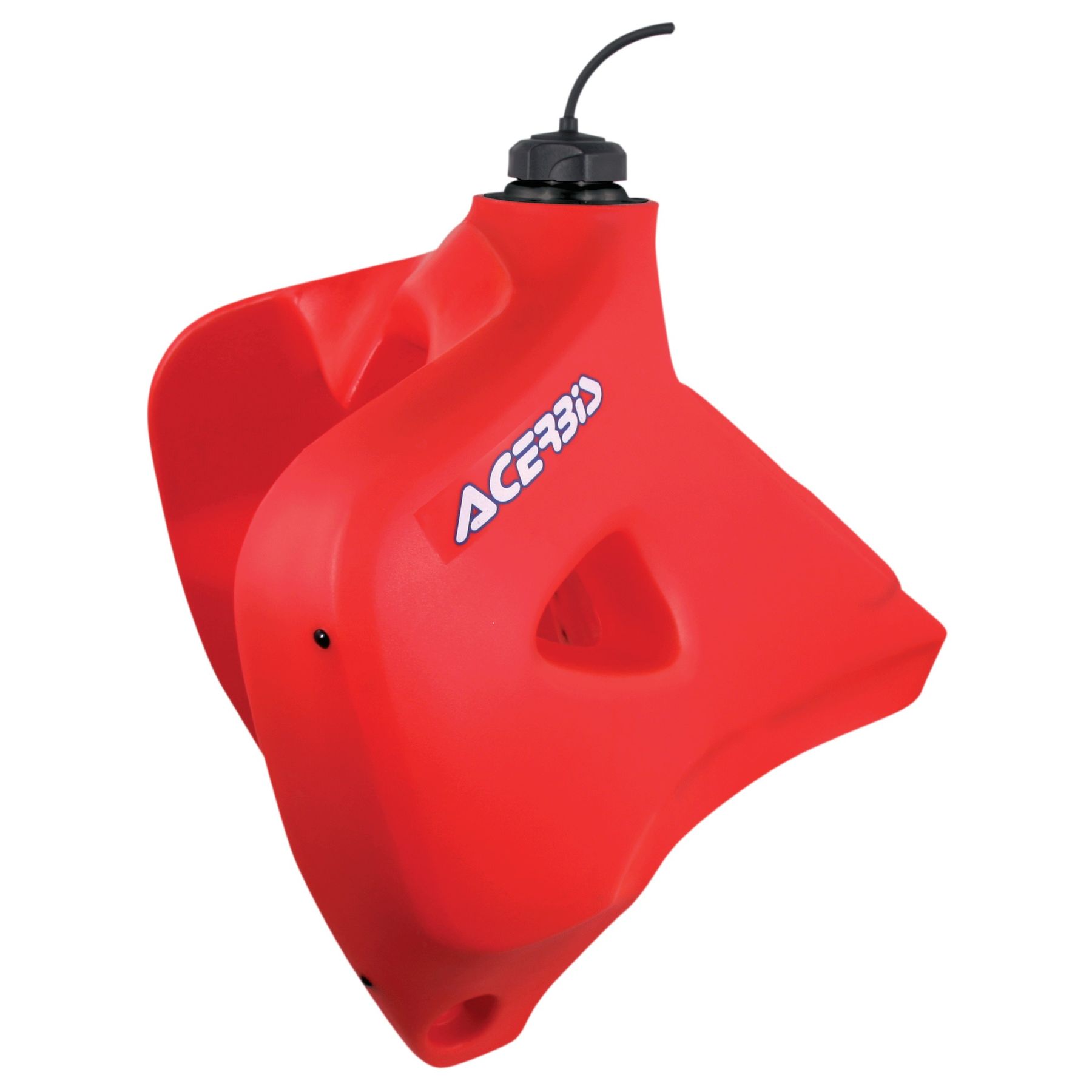
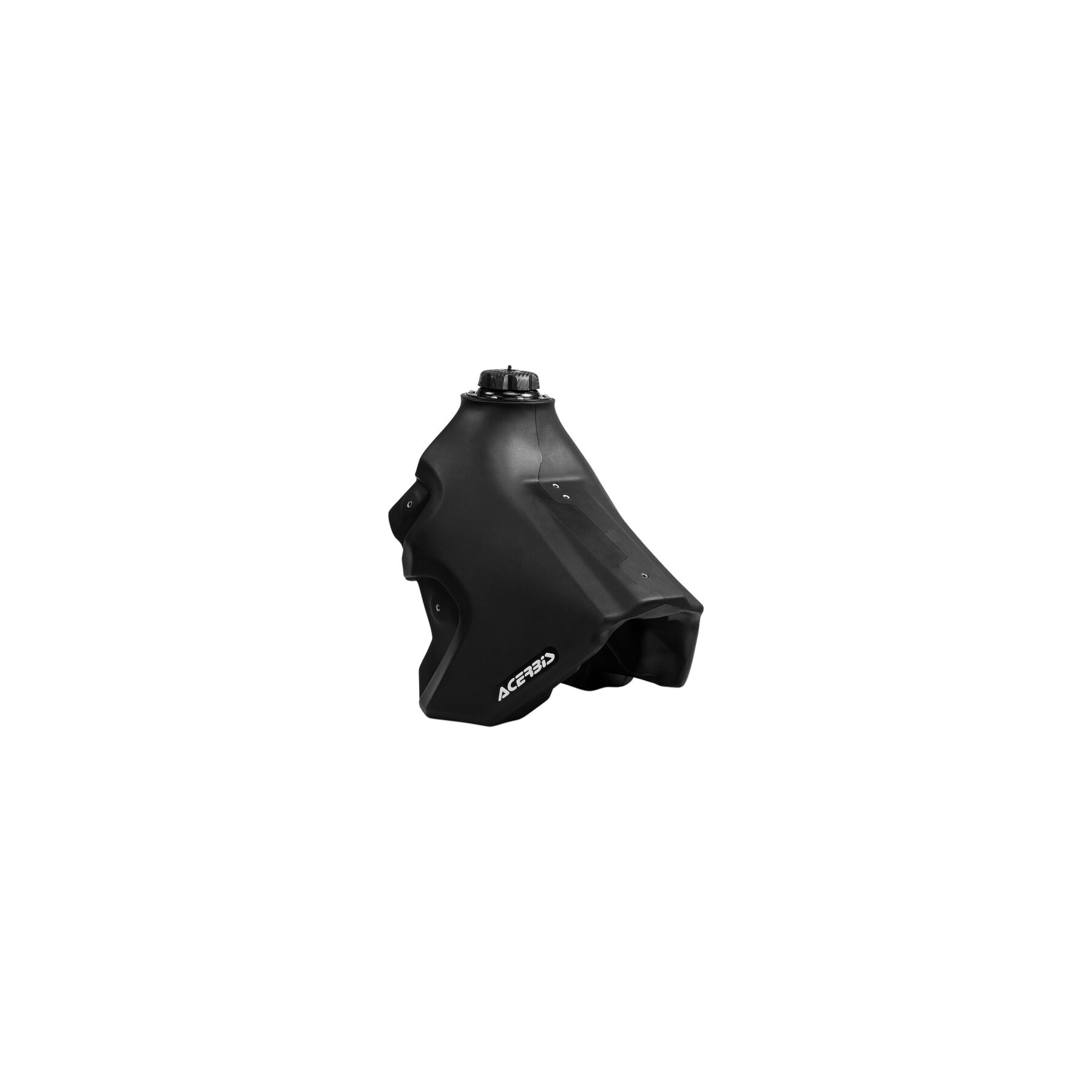
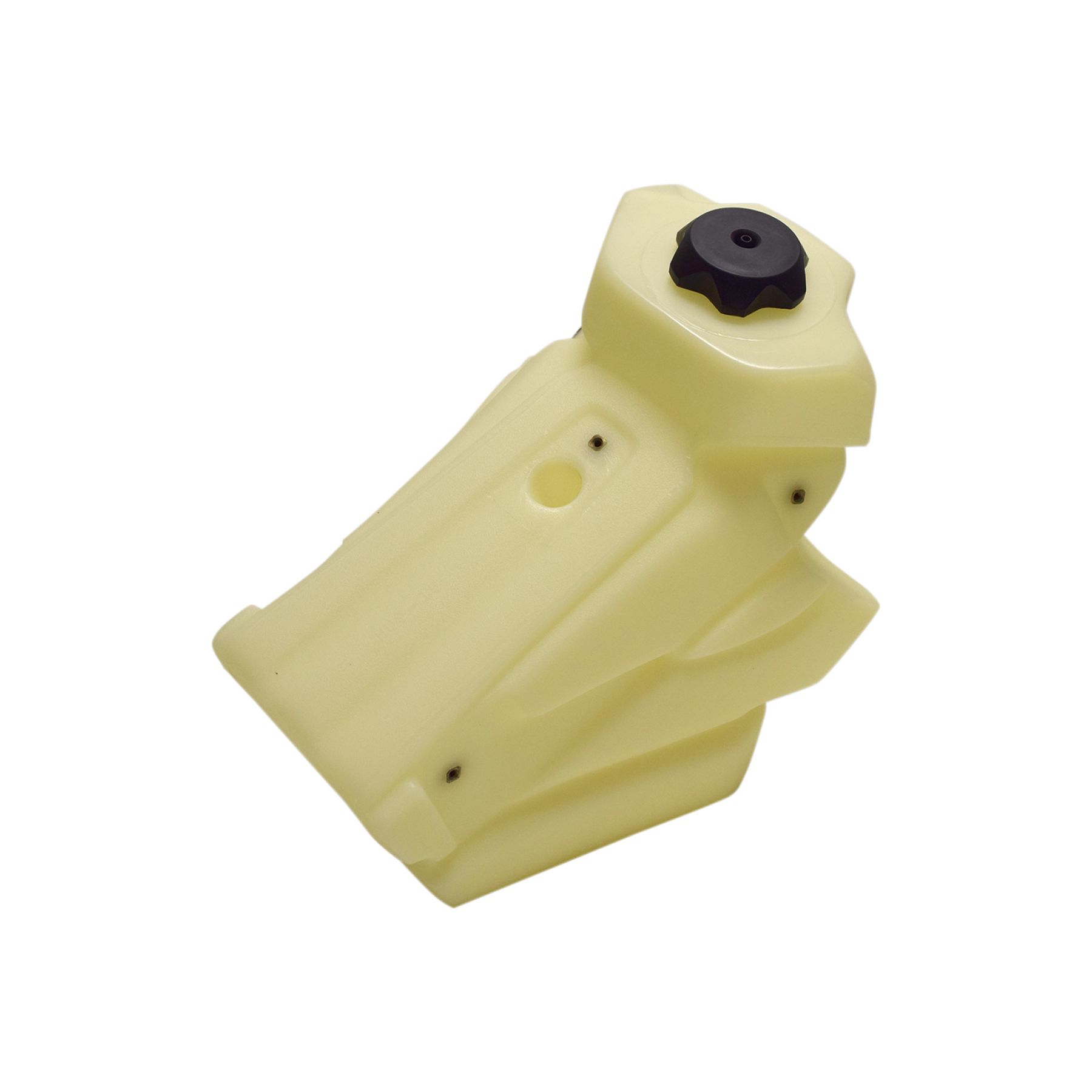
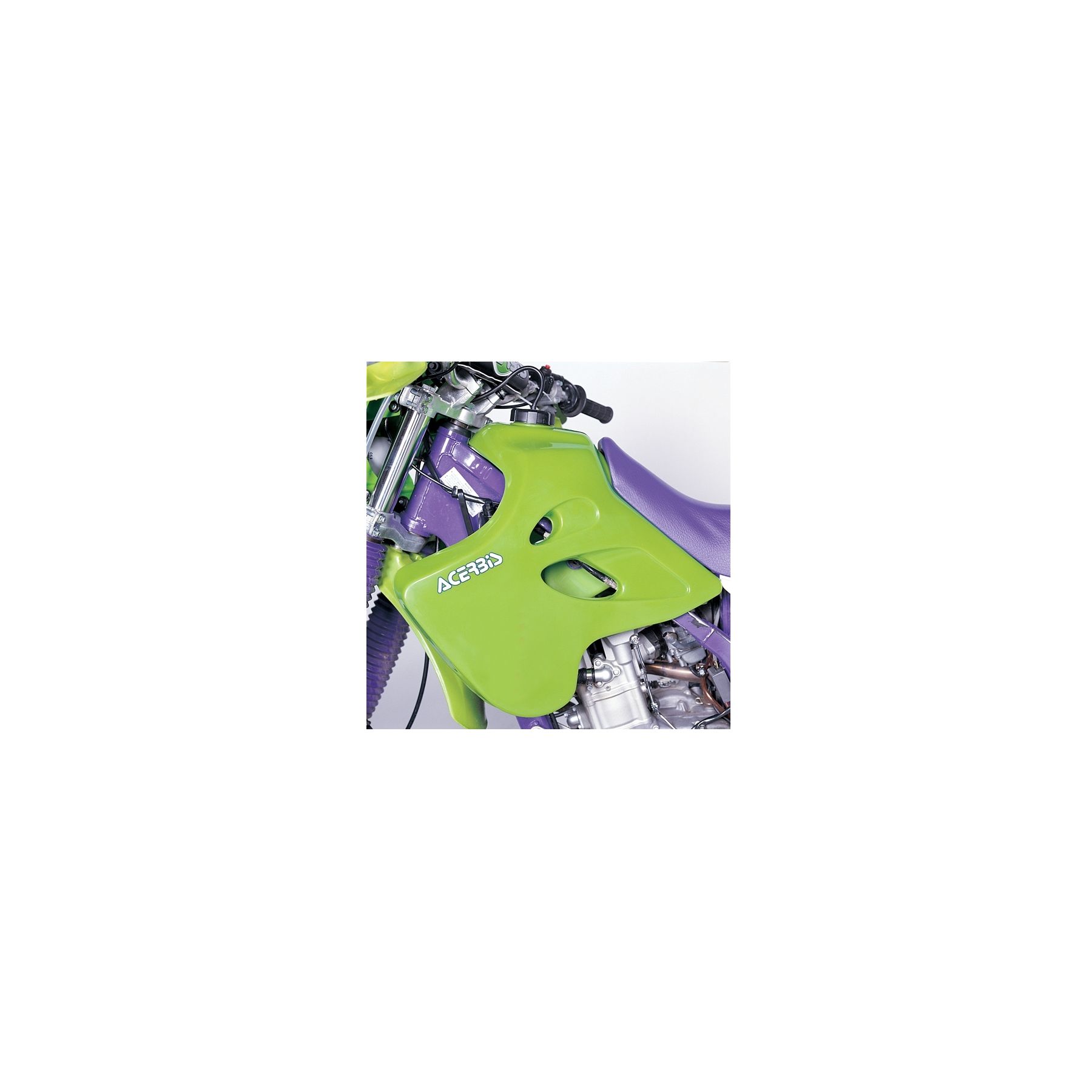
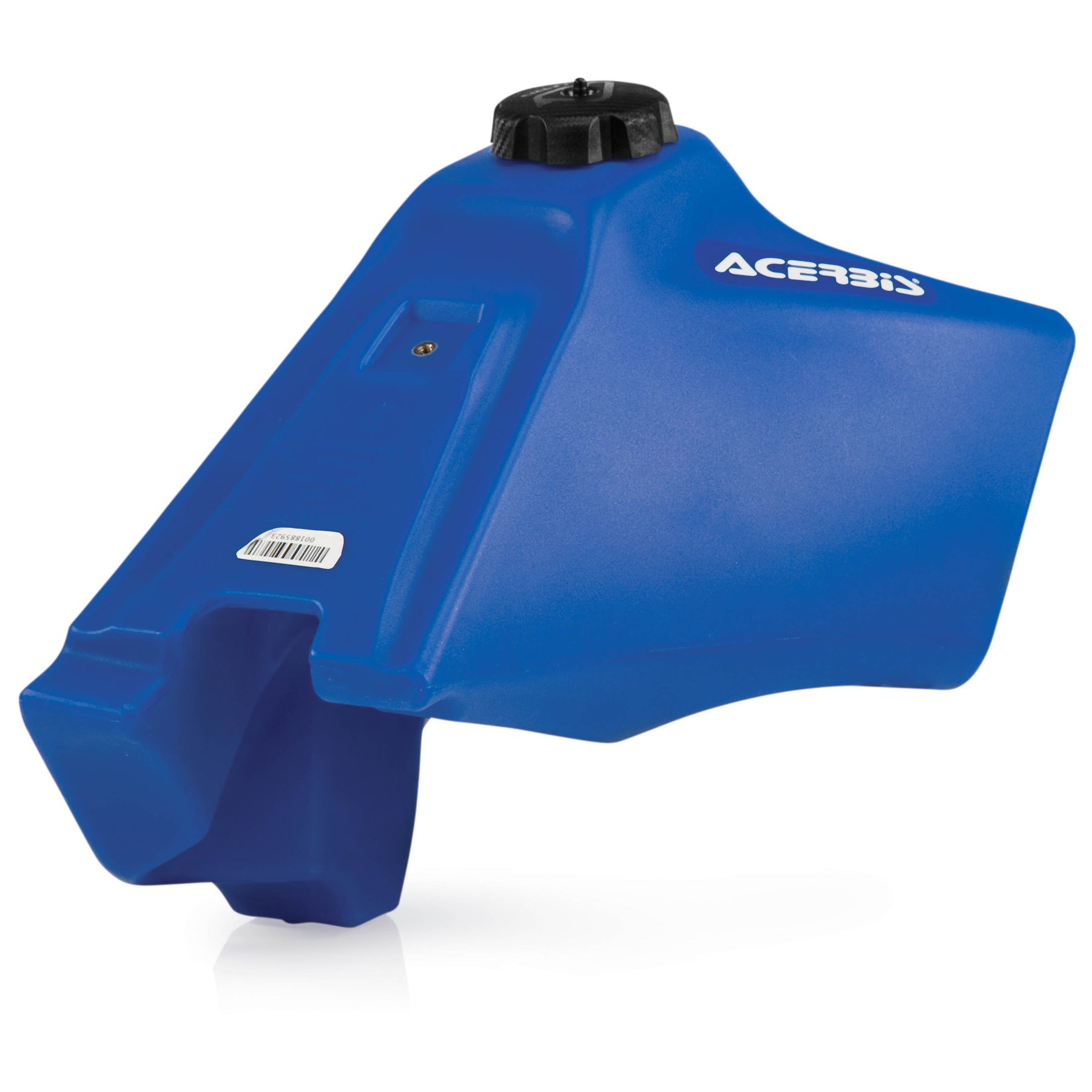
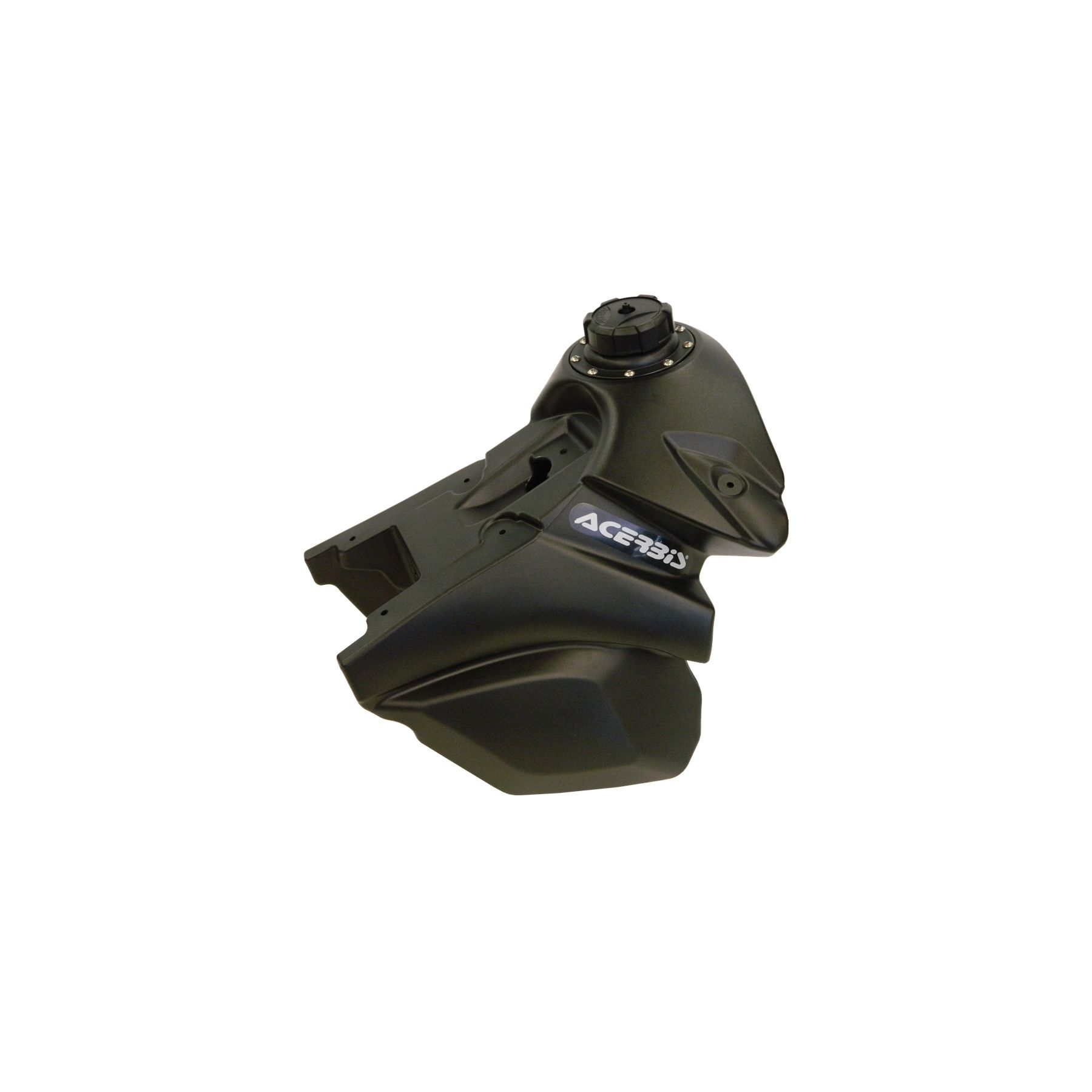
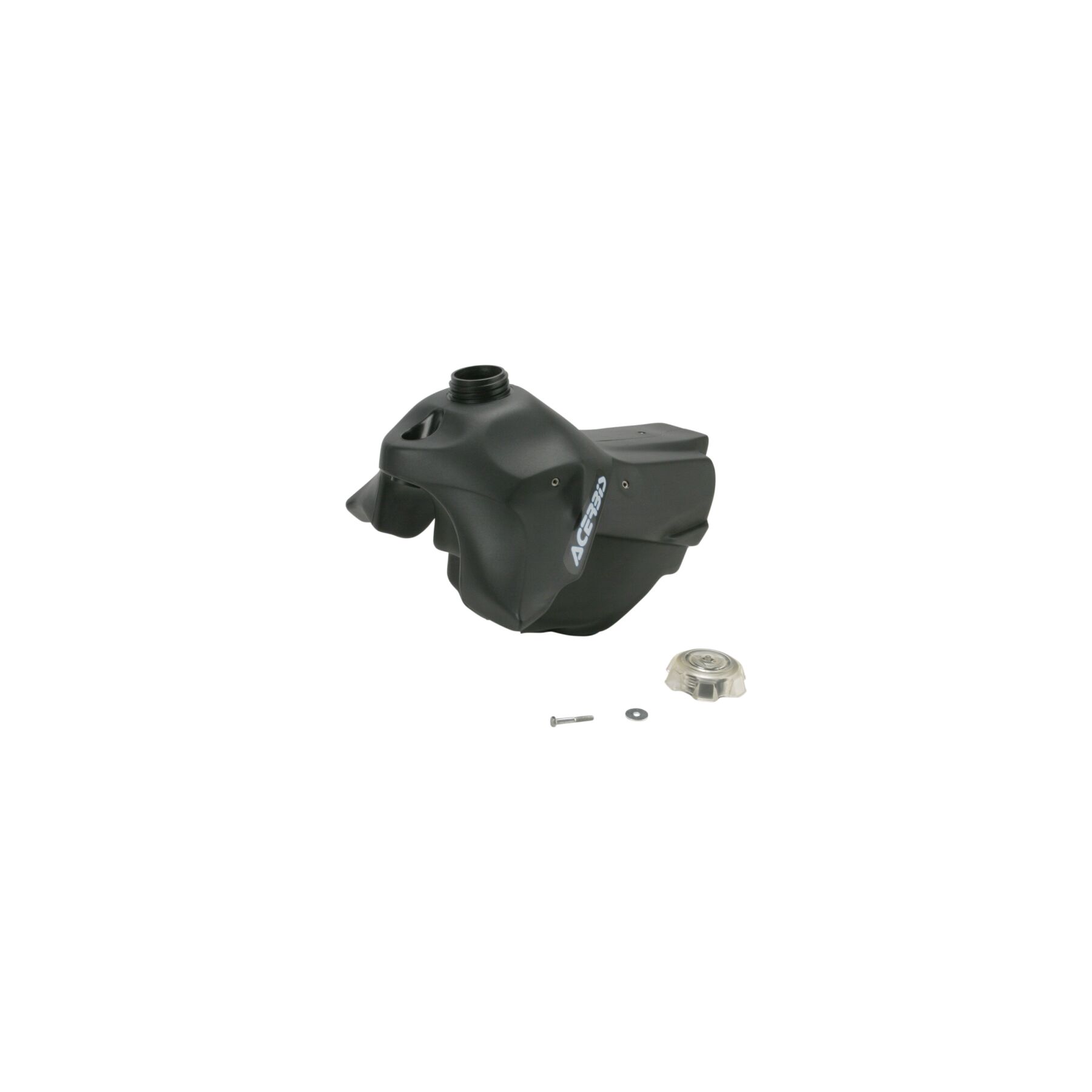
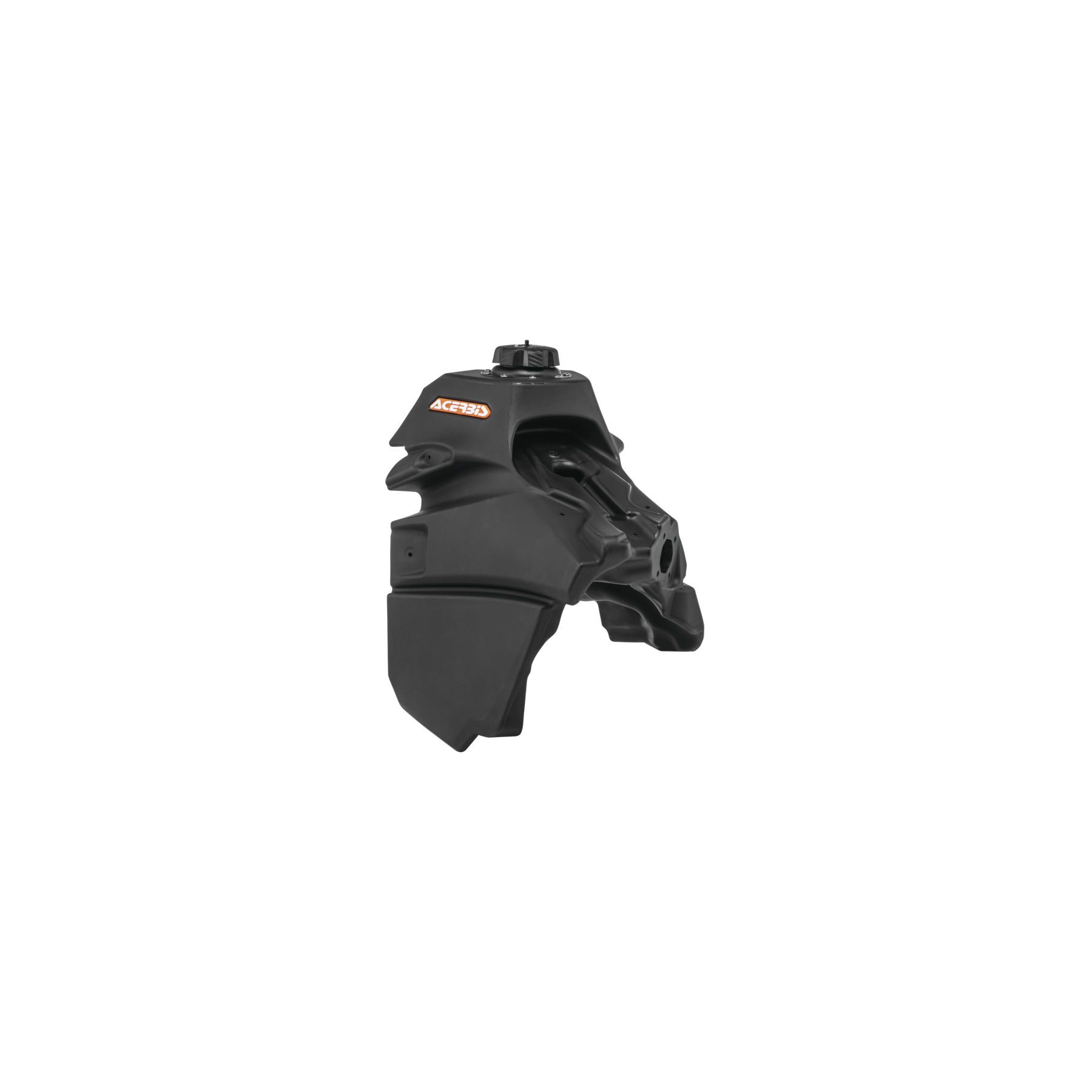
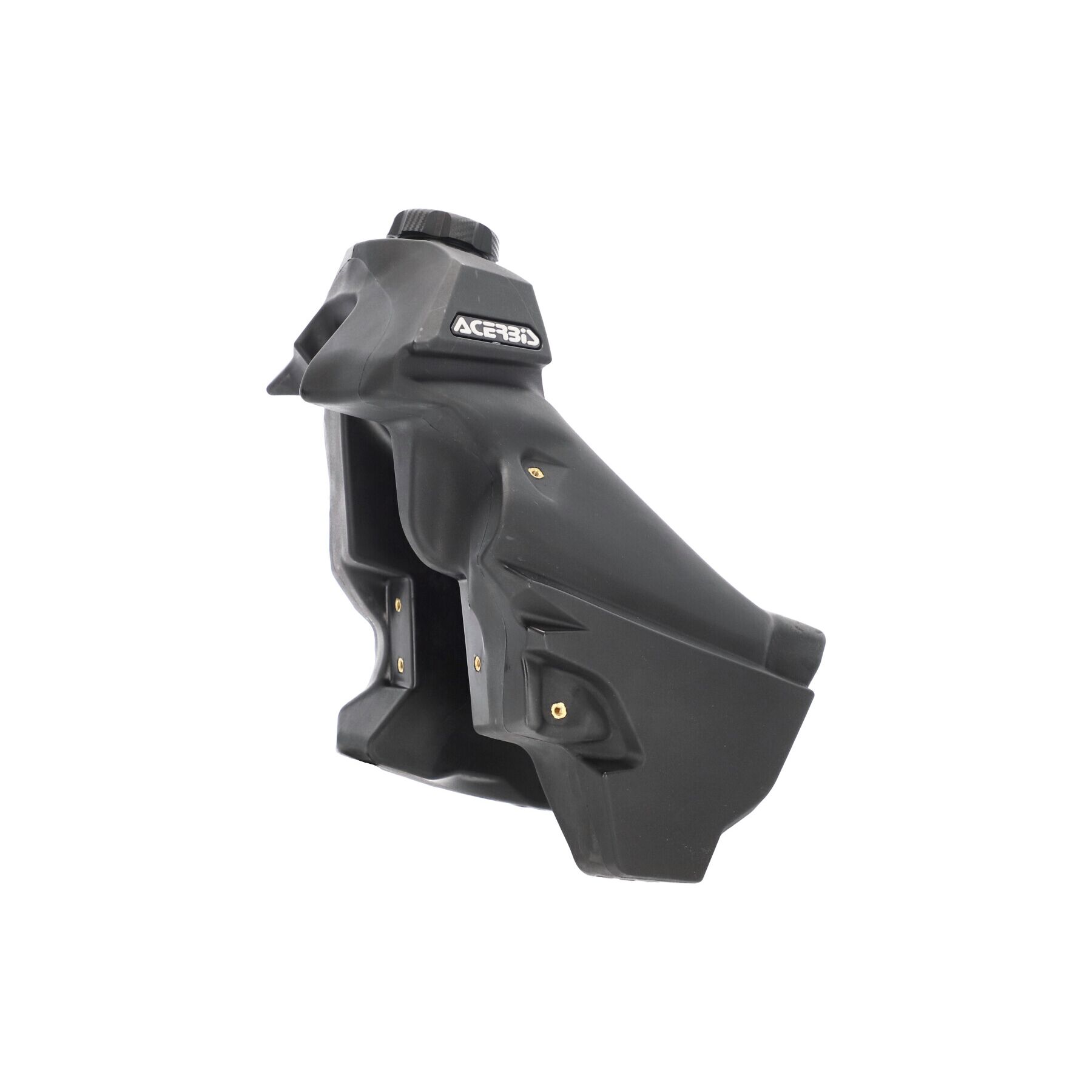
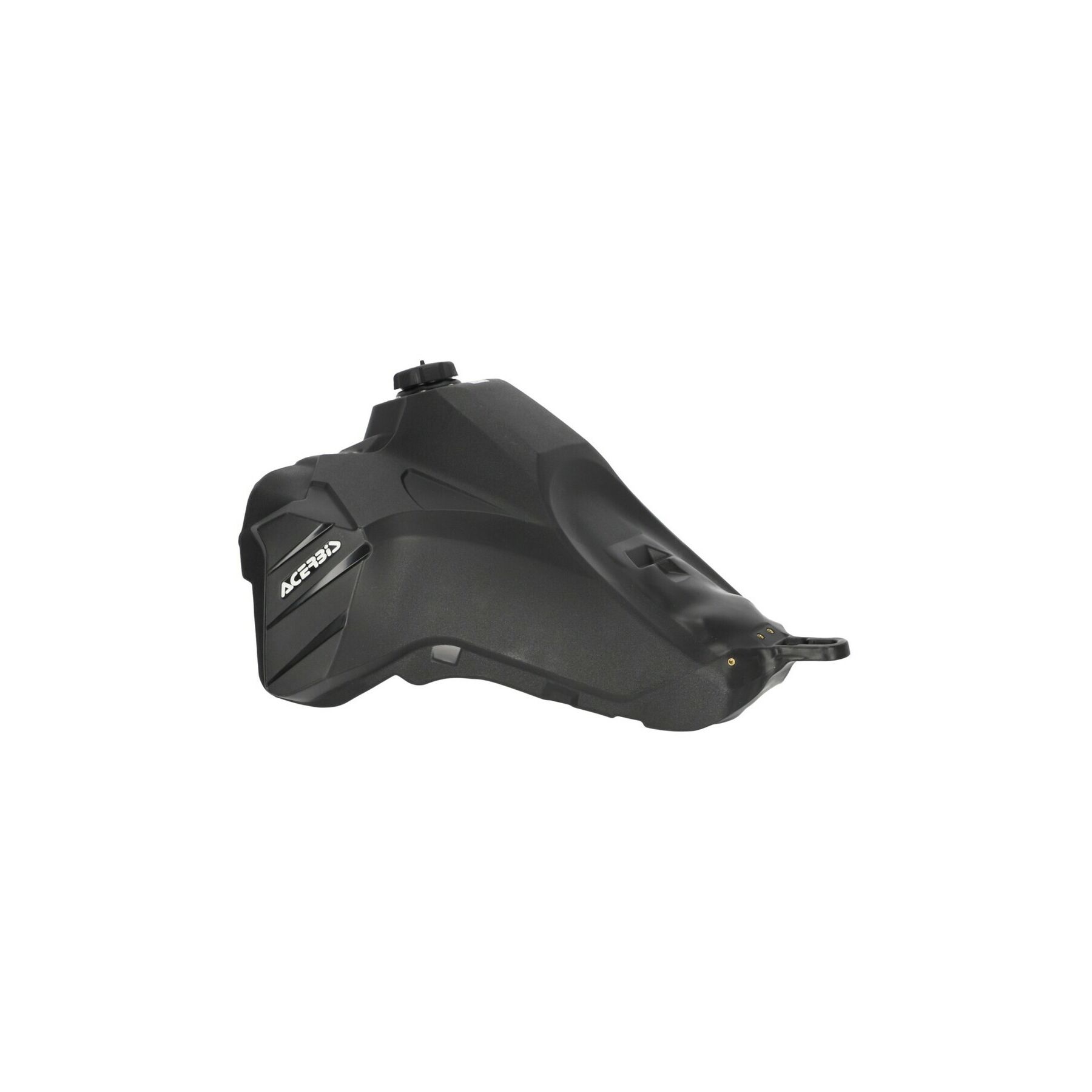
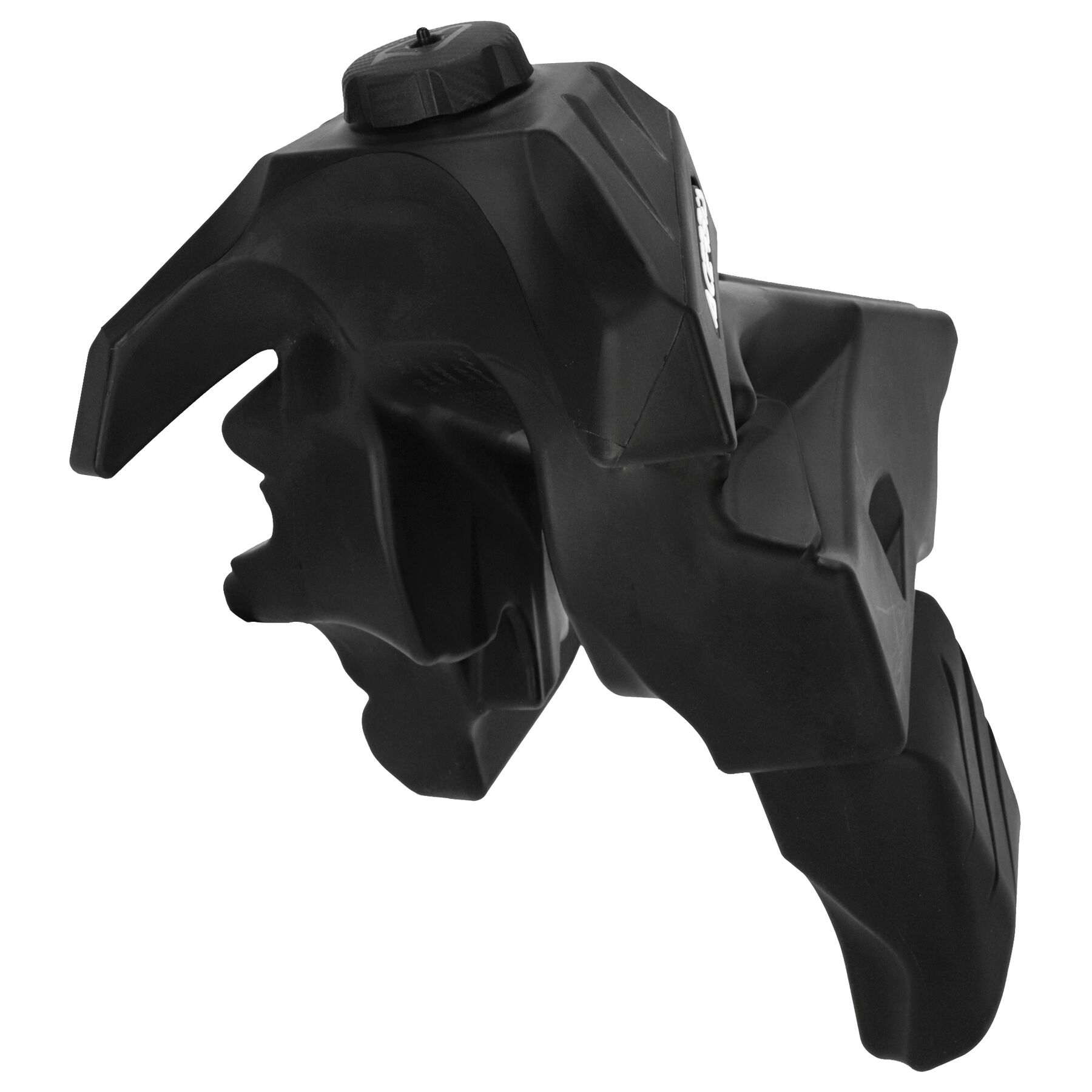
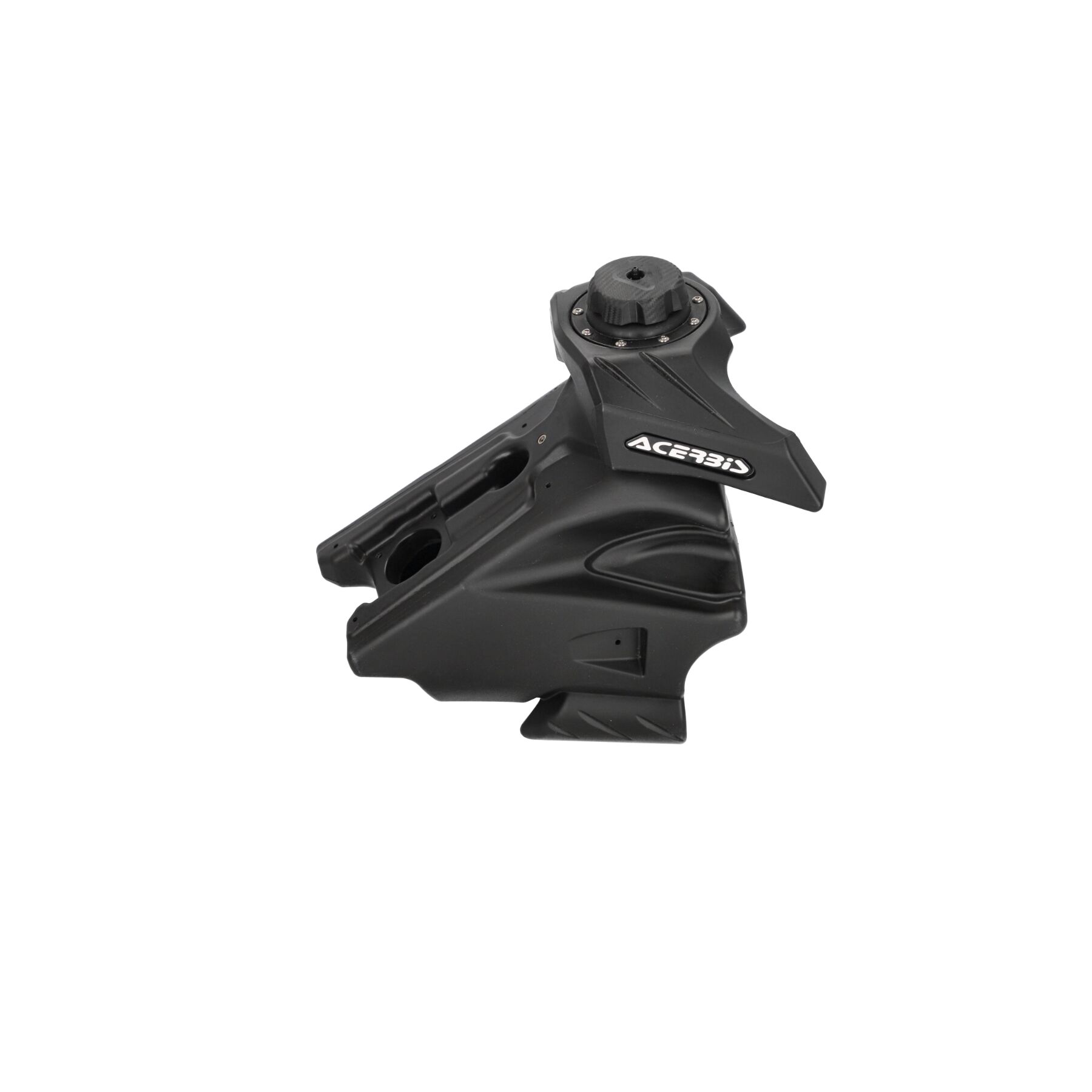
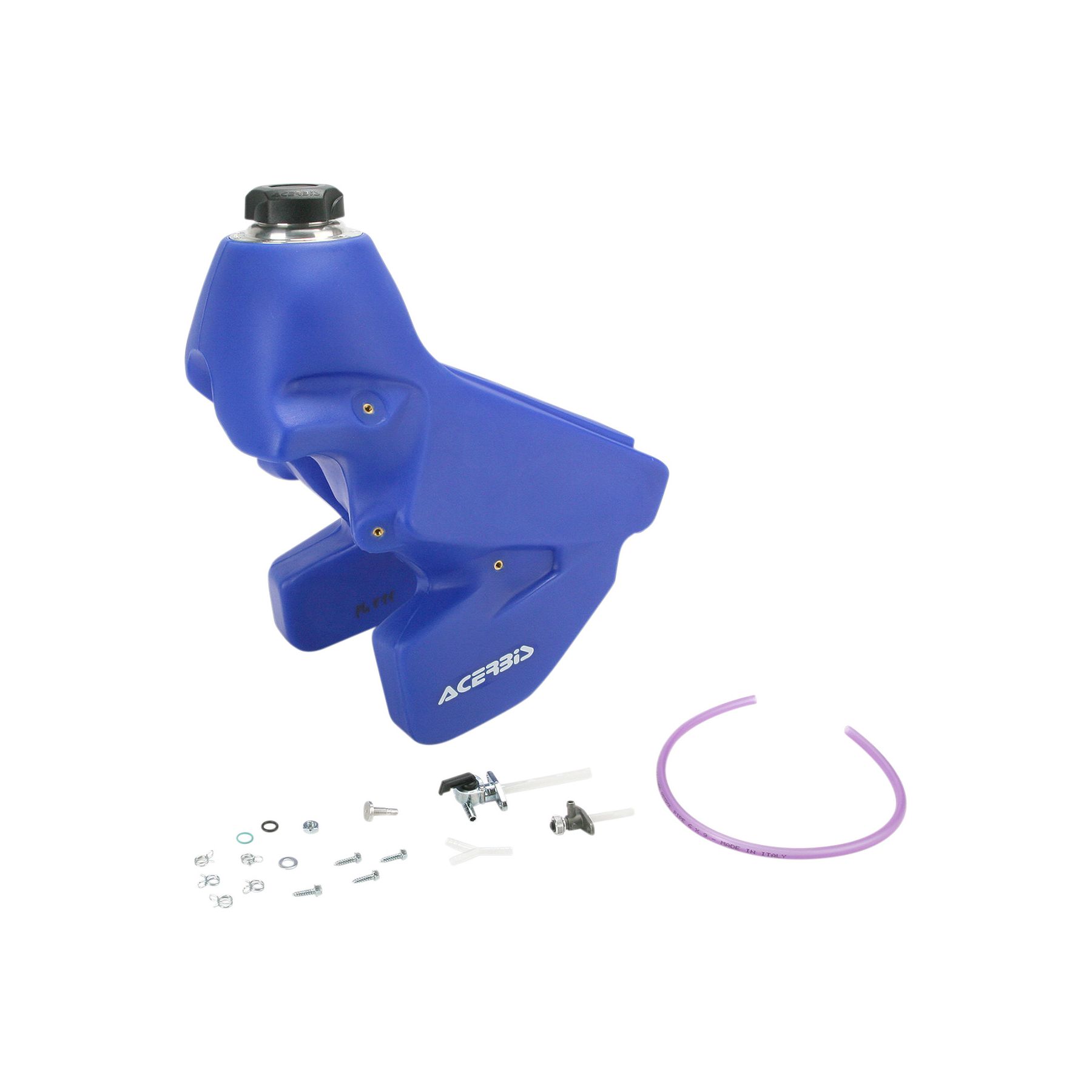
Auxiliary gas tanks are designed to provide additional fuel capacity for motorcycles, allowing riders to extend their range without needing to stop for fuel. They are particularly useful for long-distance rides, off-road adventures, or in areas where fuel stations are sparse. By increasing the fuel capacity, these tanks help ensure that riders can complete their journeys without running out of gas.
When selecting an auxiliary gas tank, consider factors such as compatibility with your motorcycle model, the tank's capacity, and the mounting options available. It's also important to evaluate the materials used in the tank's construction, as this can affect durability and weight. Additionally, think about how the tank will be used—whether for commuting, touring, or off-road riding—to ensure it meets your specific needs.
Installation of auxiliary gas tanks can vary depending on the design and your motorcycle model. Many tanks come with mounting hardware and instructions, making the process straightforward for those with basic mechanical skills. However, some installations may require more advanced tools or modifications to your bike, so it's important to assess your comfort level with DIY projects before proceeding.
Yes, auxiliary gas tanks can be used in various weather conditions, but it's essential to ensure that the tank is made from materials that can withstand the elements. For example, tanks made from durable plastics or metals are generally more resistant to temperature changes and moisture. When riding in extreme conditions, make sure the tank is securely mounted and that fuel is stored safely to prevent leaks.
Auxiliary gas tanks are typically made from durable materials such as high-density polyethylene, aluminum, or fiberglass. High-density polyethylene is lightweight and resistant to corrosion, making it a popular choice for off-road applications. Aluminum tanks offer strength and durability, while fiberglass can provide a lightweight option with good resistance to impact.
When choosing an auxiliary gas tank, look for safety features such as secure mounting systems, fuel shut-off valves, and pressure relief mechanisms. Additionally, ensure that the tank meets relevant safety certifications, which can indicate a level of quality and reliability. Proper installation and maintenance are also crucial for ensuring safe operation.
The additional fuel capacity of auxiliary gas tanks can vary significantly, typically ranging from one to several gallons, depending on the design and intended use. Some tanks are designed for minimal extra capacity to maintain a lightweight setup, while others offer larger volumes for extended range. It's important to choose a tank that balances additional capacity with your motorcycle's weight and handling characteristics.
Yes, auxiliary gas tanks are often used for off-road riding, as they allow riders to carry extra fuel for longer trails and remote areas. When selecting a tank for off-road use, consider factors such as durability, weight, and how well it can be mounted to withstand rough terrain. Ensuring that the tank is securely attached will help prevent any issues during your ride.
The primary benefit of using an auxiliary gas tank is the extended range it provides, allowing riders to travel further without frequent fuel stops. This is especially advantageous for long-distance touring or off-road adventures where fuel stations may be limited. Additionally, having extra fuel on hand can provide peace of mind during rides in remote areas.
Similar Categories
Auxiliary Gas Tanks
Enhance your motorcycle's fuel capacity with our premium selection of auxiliary gas tanks. Designed for durability and efficiency, these tanks provide an easy solution for extending your riding range on long journeys. With a variety of sizes and styles available, you can find the perfect fit for your bike, ensuring seamless integration and optimal performance.
Our auxiliary gas tanks are built from high-quality materials, offering resistance to corrosion and wear. Each tank features secure mounting options and convenient fuel transfer systems, making refueling hassle-free. Whether you're an adventure seeker or a daily commuter, our auxiliary gas tanks are the ideal accessory to keep you on the road longer without frequent stops for fuel.