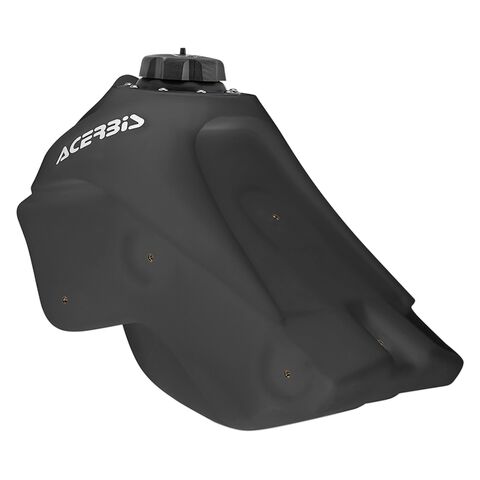
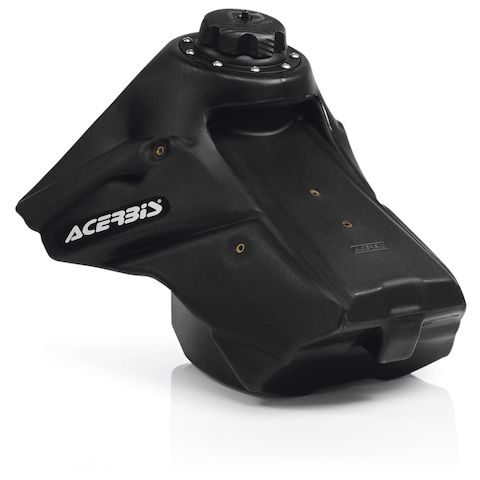
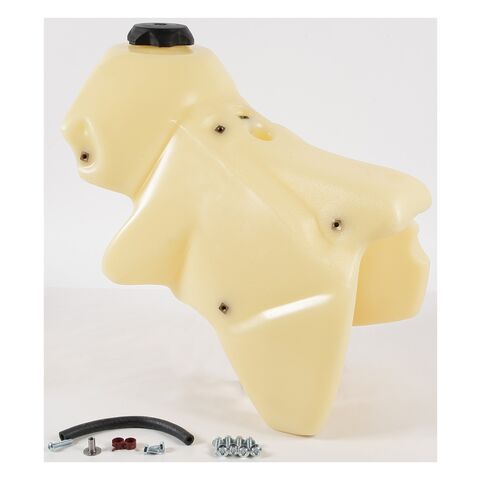
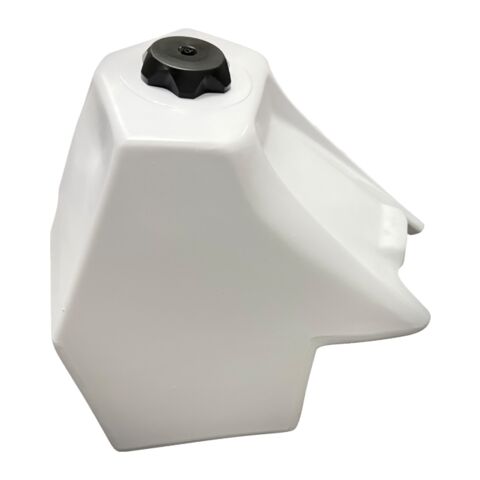
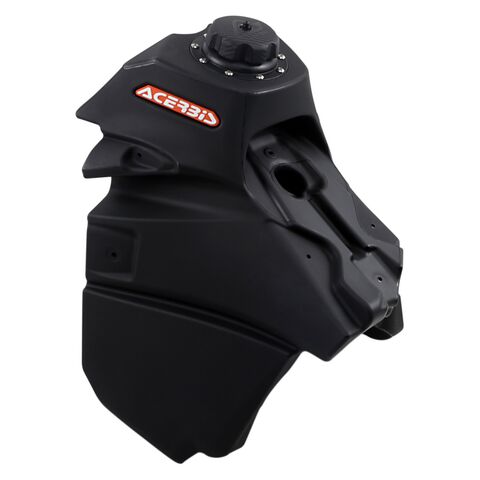
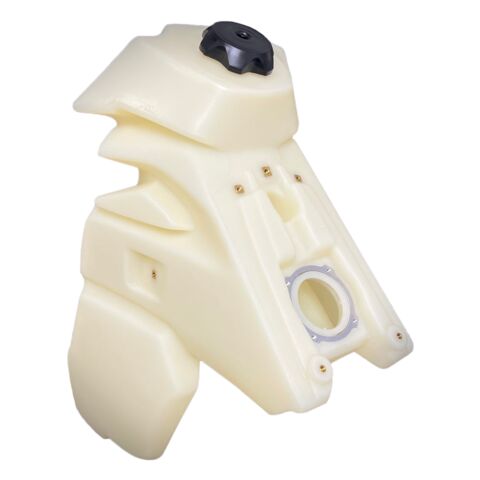
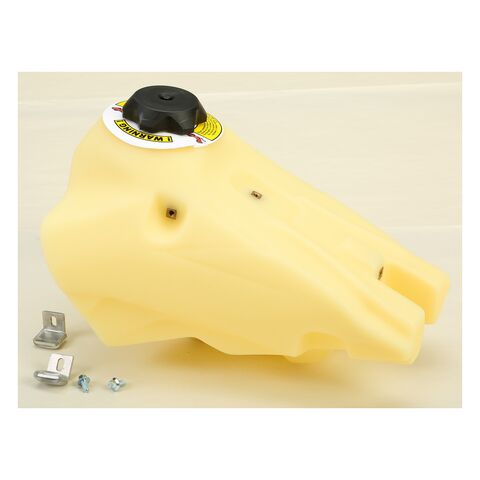
Aftermarket Fuel Tank
Filters
- Brand
- Colors
- Size
- Gallon (1)
- 0.8 Gallons (1)
- OS (61)
- 1.3 Gallons (1)
- 1.8 Gallons (1)
- 1.6 Gallons (1)
- 2.0 Gallons (1)
- 2.25 Gallon (1)
- 2.3 Gallons (2)
- 2.9 Gallons (10)
- 2.4 Gallons (4)
- 2.5 Gallons (3)
- 2.6 Gallons (5)
- 2.7 Gallons (10)
- 2.9 Gallon (5)
- 2.8 Gallons (6)
- 2.2 Gallons (3)
- 3.8 Gallons (1)
- 3.2 Gallons (18)
- 3.5 Gallon (2)
- 3.3 Gallons (3)
- 3.4 Gallons (6)
- 3.6 Gallons (7)
- 3.9 Gallons (3)
- 3.1 Gallons (16)
- 3.0 Gallons (15)
- 3.5 Gallons (4)
- 3.25 Gallons (2)
- 3.7 Gallons (5)
- 4.9 Gallons (1)
- 4.1 Gallons (2)
- 4 Gallons (3)
- 4.3 Gallons (1)
- 4.5 Gallons (5)
- 4.0 Gallons (8)
- 5.5 Gallon (1)
- 6.6 Gallons (4)
- 6 Gallons (1)
- 6.1 Gallons (1)
- 6.3 Gallons (1)
- 8 NPT (1)
- 22MM (1)
- 2.9 Gallons (Quick Fill Compatible) (1)
- 3.9 Gallons (Quick Fill Compatible) (1)
- 4.0 Gallons (4 (1)
- 2.9 Gallons (Non (1)
- 3 Gallons (Fits YZ250 ONLY) (1)
- Shop By
- Price Range
On this page...
- What are the benefits of upgrading to an aftermarket fuel tank?
- How do you choose the right aftermarket fuel tank for your motorcycle?
- Are aftermarket fuel tanks compatible with all motorcycle models?
- Can aftermarket fuel tanks improve the performance of my motorcycle?
- What materials are commonly used in aftermarket fuel tanks?
- Are there any safety certifications I should look for in aftermarket fuel tanks?
- Can aftermarket fuel tanks be used in various riding conditions?
- What should you look for in terms of capacity when choosing an aftermarket fuel tank?
- Do aftermarket fuel tanks require special installation considerations?
Frequently Asked Questions For Aftermarket Fuel Tank
Upgrading to an aftermarket fuel tank can provide several advantages, including increased fuel capacity, improved weight distribution, and enhanced aesthetics. Many aftermarket options are designed to fit specific models, allowing for a better fit and finish. Additionally, these tanks may offer features like better fuel flow and compatibility with different fuel types.
When selecting an aftermarket fuel tank, consider factors such as compatibility with your motorcycle model, desired capacity, and material. Common materials include plastic and metal, each offering different durability and weight characteristics. It's also important to evaluate the tank's design to ensure it meets your riding needs, whether for commuting, touring, or off-road use.
Not all aftermarket fuel tanks are universally compatible; they are often designed for specific motorcycle models or types. It's crucial to check the specifications and compatibility of the tank with your bike's make and model before purchasing. Additionally, some tanks may require modifications or additional components for proper installation.
Aftermarket fuel tanks can potentially enhance performance by allowing for a larger fuel capacity, which can extend your riding range. Some tanks are designed to optimize fuel flow, which may improve engine efficiency. However, the overall impact on performance will also depend on other factors, such as the motorcycle's tuning and overall setup.
Aftermarket fuel tanks are typically made from materials like high-density polyethylene, aluminum, or steel. Each material has its own benefits; for example, plastic tanks are lightweight and resistant to corrosion, while metal tanks can offer durability and a classic look. When choosing a tank, consider the material's impact on weight, durability, and maintenance.
Yes, it's important to look for safety certifications when selecting an aftermarket fuel tank. Certifications such as DOT (Department of Transportation) or ECE (Economic Commission for Europe) indicate that the tank meets specific safety and performance standards. Ensuring that the tank has these certifications can provide peace of mind regarding its quality and reliability.
Many aftermarket fuel tanks are designed to perform well in a variety of riding conditions, including on-road and off-road scenarios. However, it's essential to consider the tank's material and design, as some may be better suited for specific environments. For instance, tanks designed for off-road use may be more durable and resistant to impacts.
When selecting an aftermarket fuel tank, consider your riding habits and how far you typically travel. Tanks with larger capacities can be beneficial for long-distance touring or off-road adventures, reducing the need for frequent refueling. However, be mindful of how the increased weight may affect handling and balance.
Yes, installing an aftermarket fuel tank may require specific considerations, such as ensuring proper fitment and alignment with existing components. Some tanks might need additional hardware or modifications to the motorcycle. It's advisable to consult installation guides or seek professional assistance to ensure a safe and effective installation.
Similar Categories
Aftermarket Fuel Tanks
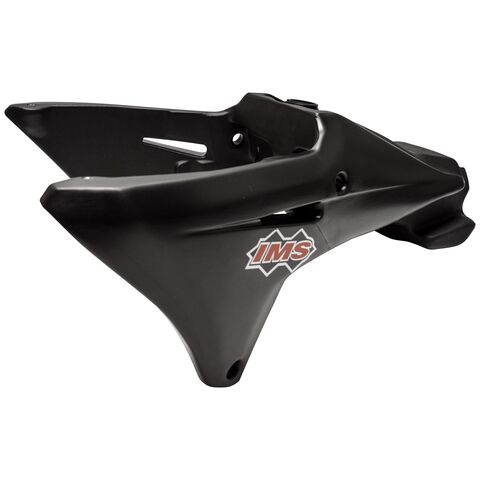
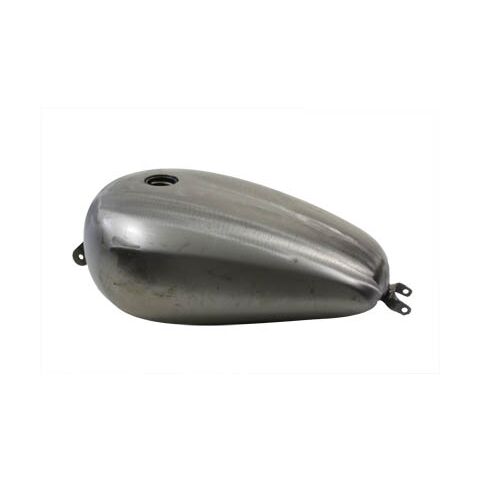
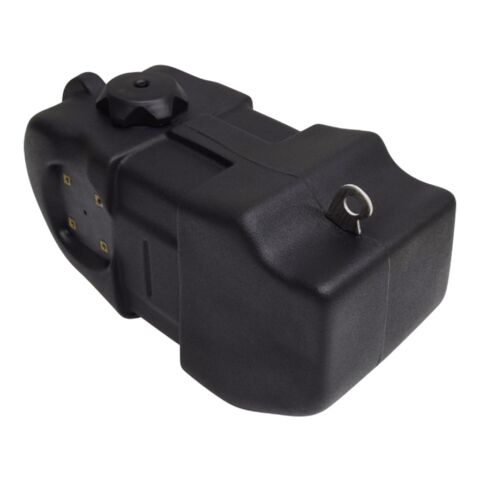
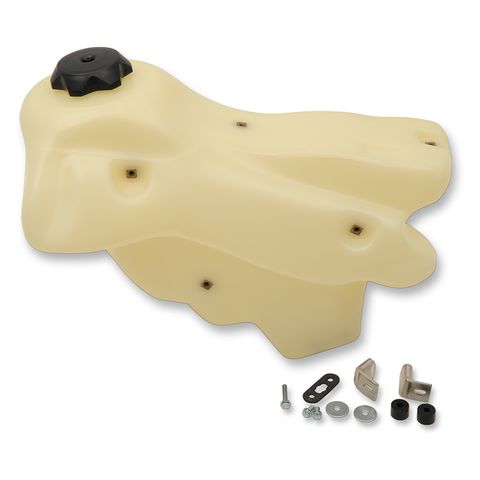
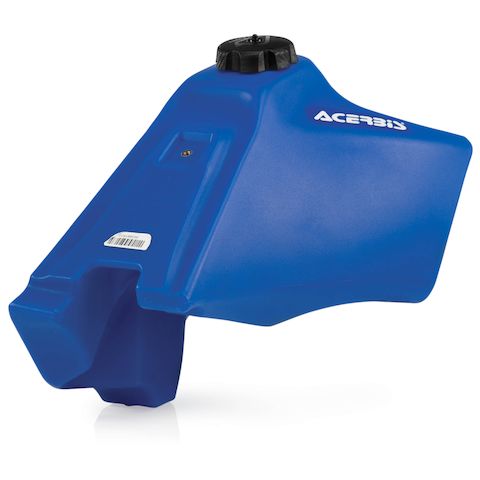
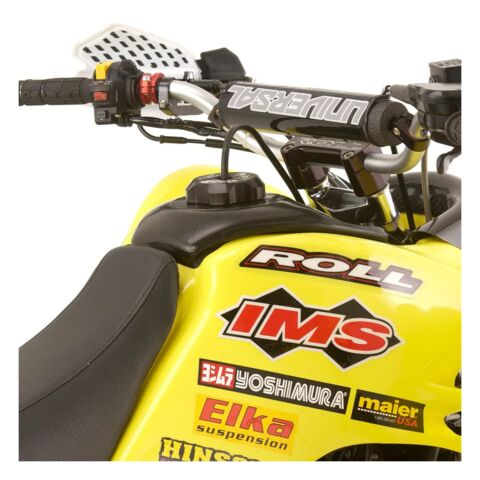
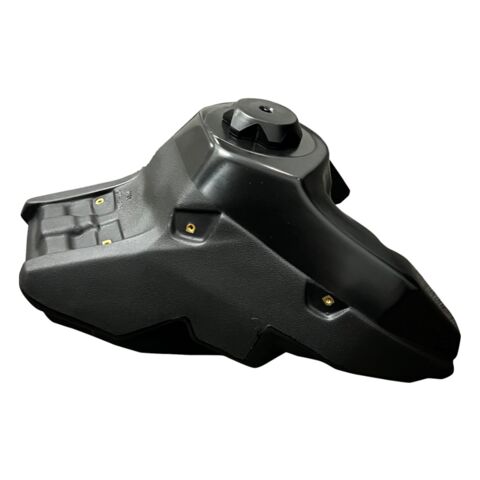
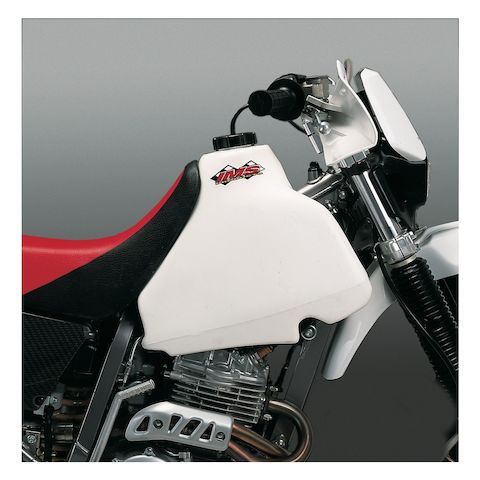
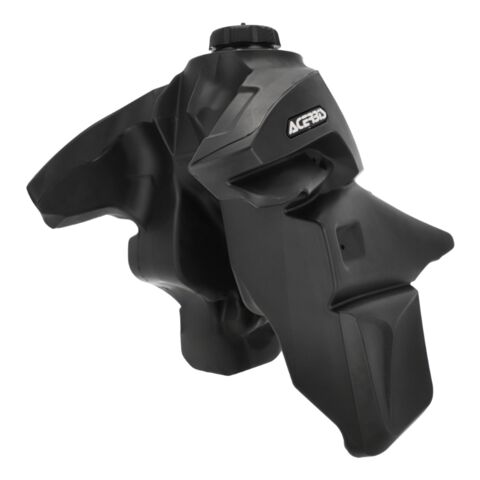
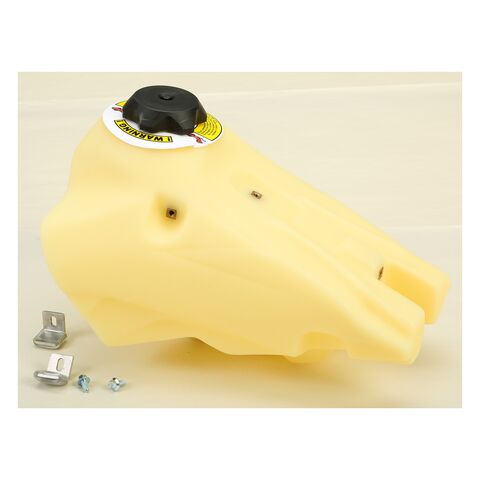
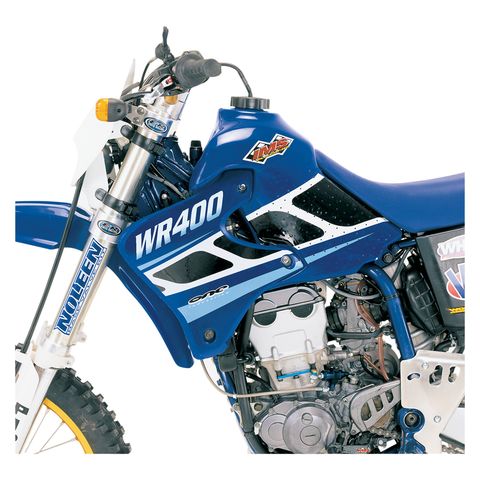
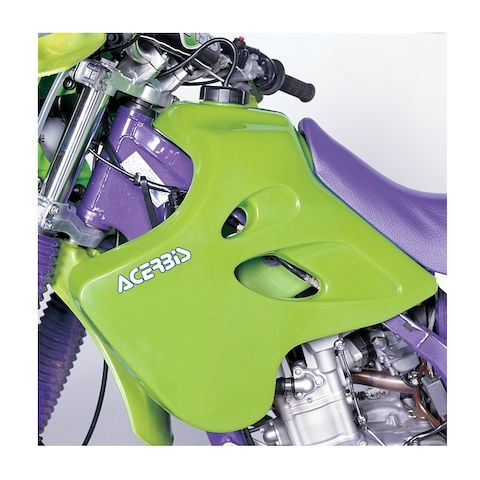
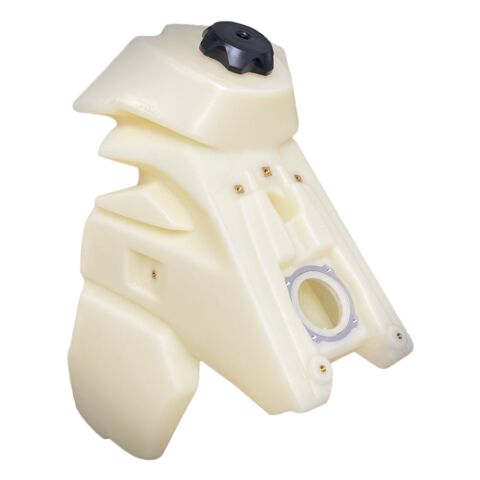
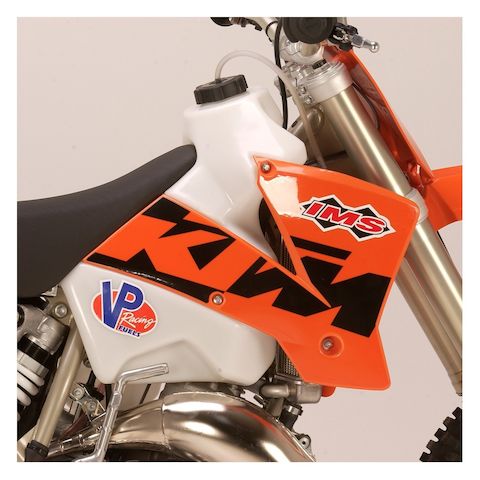
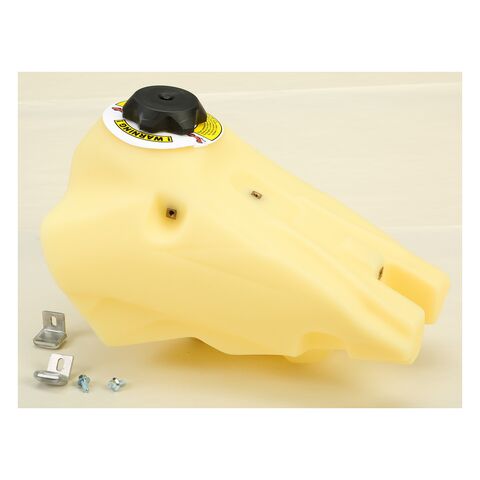
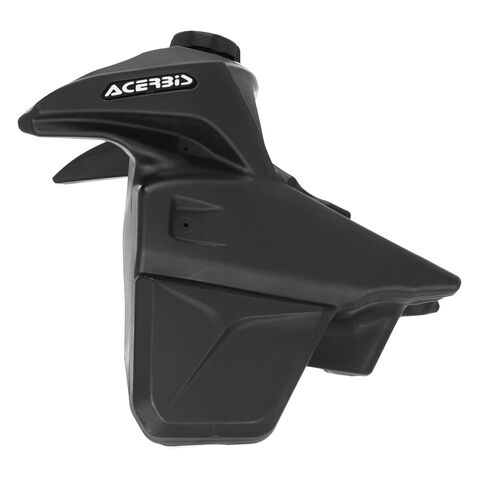
Upgrade your motorcycle with our premium aftermarket fuel tanks, designed to enhance both performance and aesthetics. These tanks are crafted from durable materials to withstand the rigors of the road while providing a reliable fuel supply. With various styles and capacities available, you can find the perfect fit for your bike, ensuring optimal fuel efficiency and range for your rides.
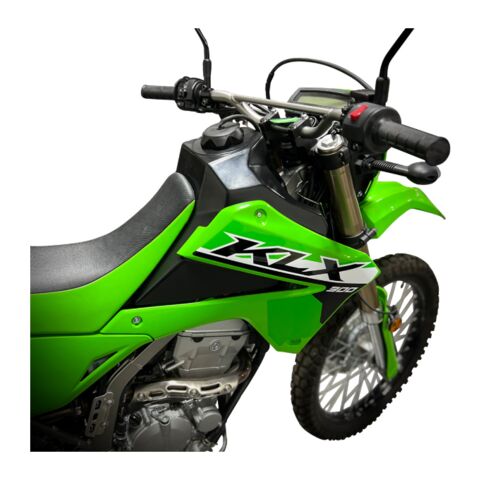
Our aftermarket fuel tanks feature innovative designs that allow for easy installation and compatibility with a wide range of motorcycle models. Many options come with additional features such as integrated fuel gauges and venting systems, enhancing functionality and convenience. Elevate your riding experience with a fuel tank that not only meets your needs but also complements your motorcycle's style.