Automotive Diagnostic Equipment
On this page...
- What is automotive diagnostic equipment?
- What are the benefits of using automotive diagnostic equipment?
- How do you choose the right automotive diagnostic equipment?
- Can automotive diagnostic equipment be used on all vehicle types?
- What features should you look for in automotive diagnostic equipment?
- Are there specific types of automotive diagnostic equipment for different issues?
- How does automotive diagnostic equipment improve vehicle maintenance?
- Can automotive diagnostic equipment help with emissions testing?
- What is the role of software in automotive diagnostic equipment?
Frequently Asked Questions For Automotive Diagnostic Equipment
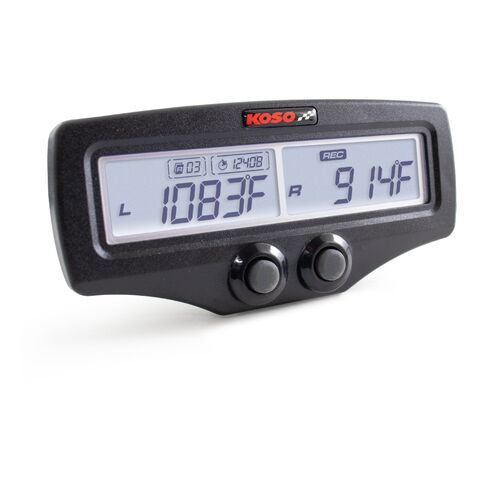
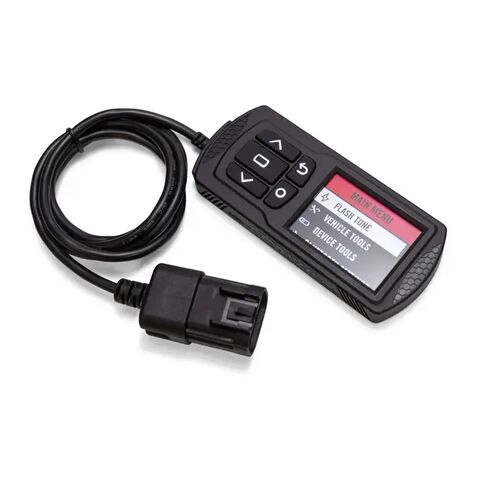
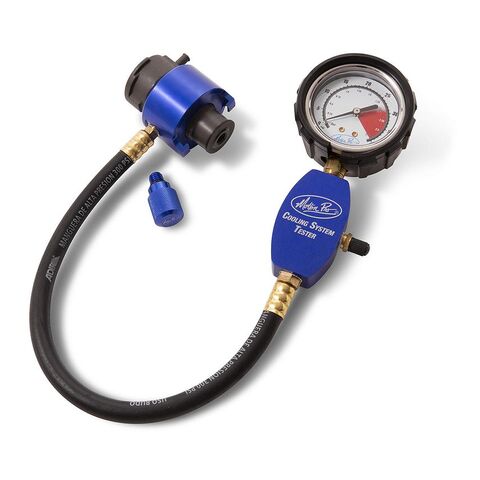
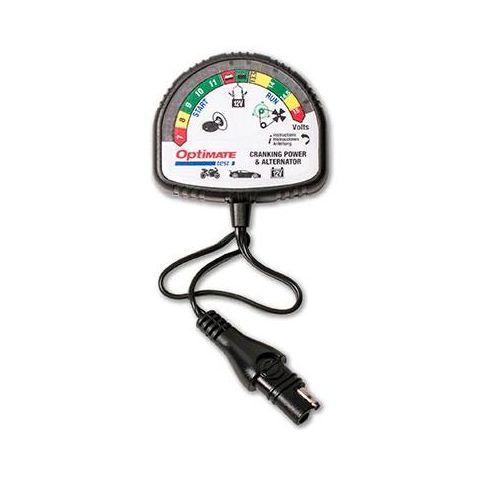
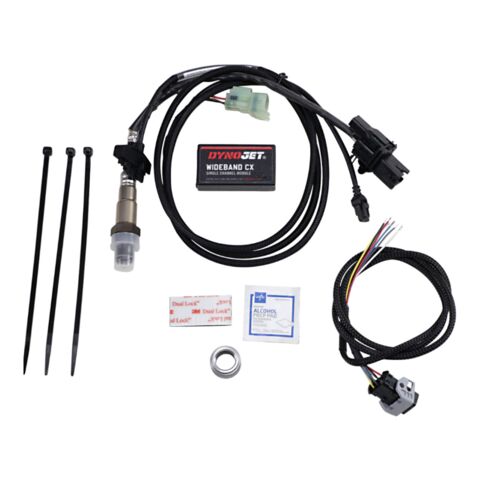
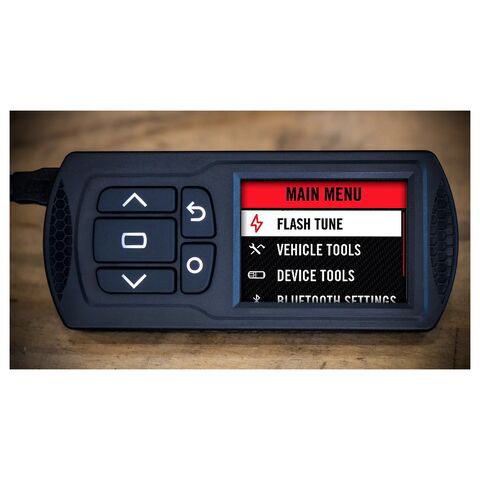
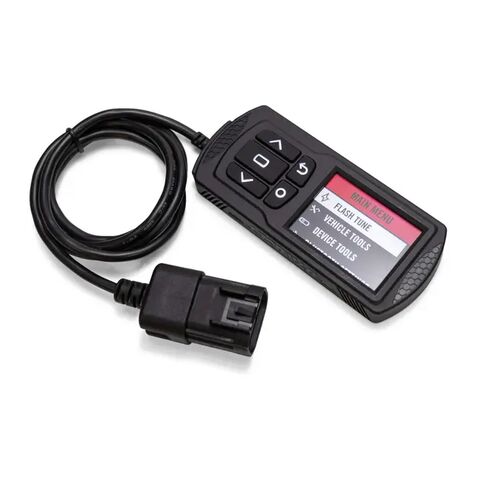
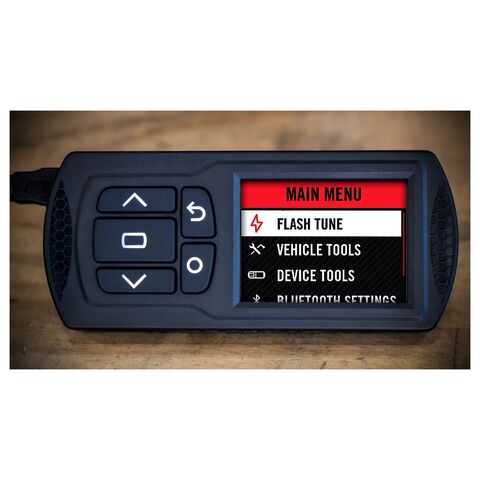
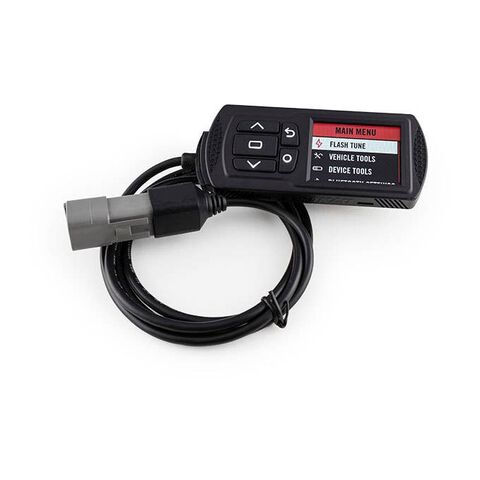
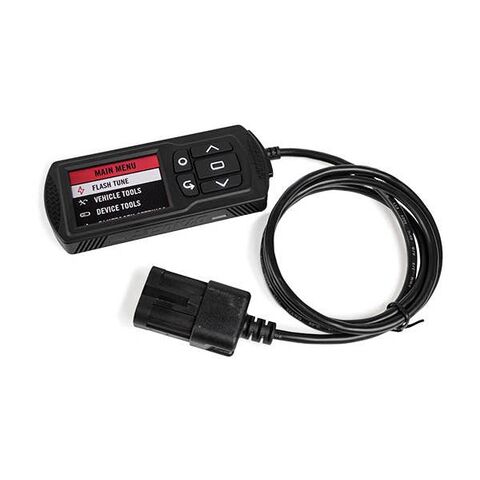
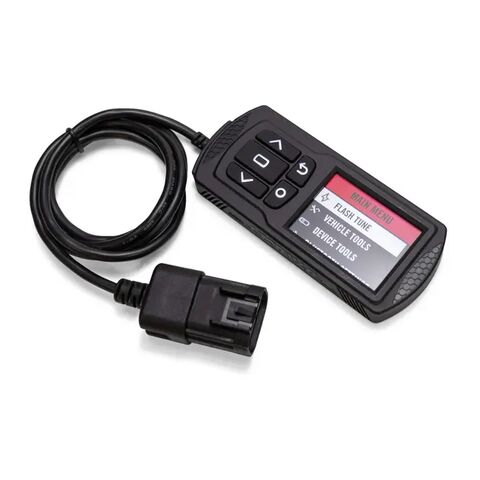
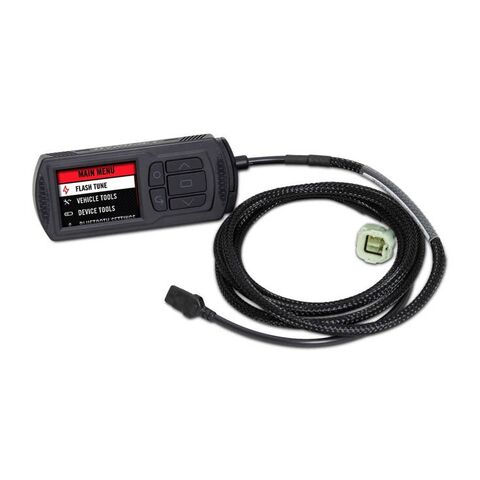
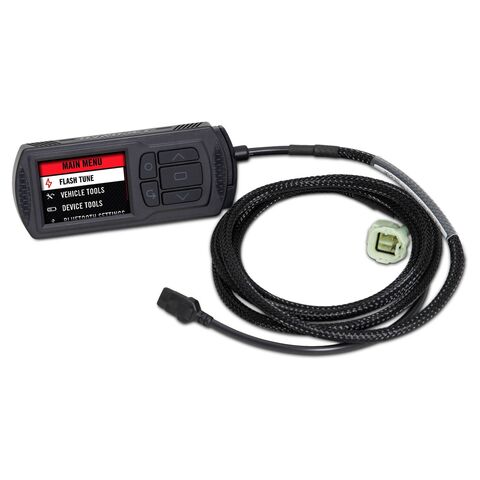
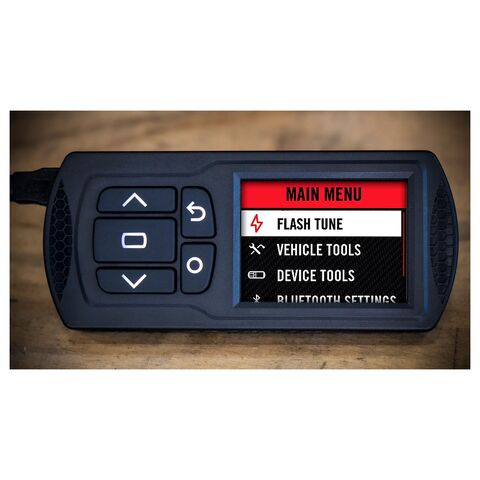
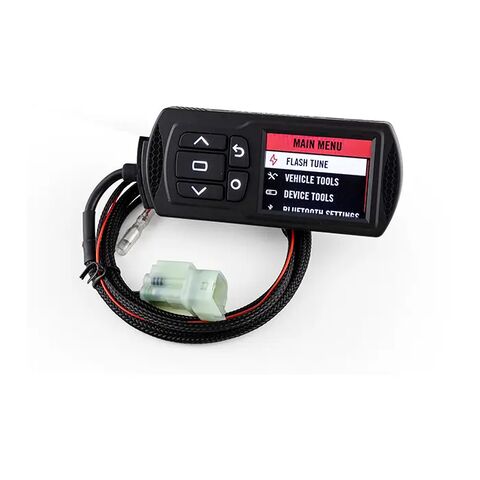
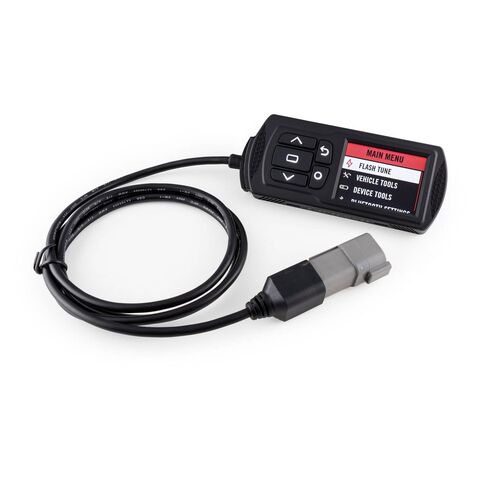
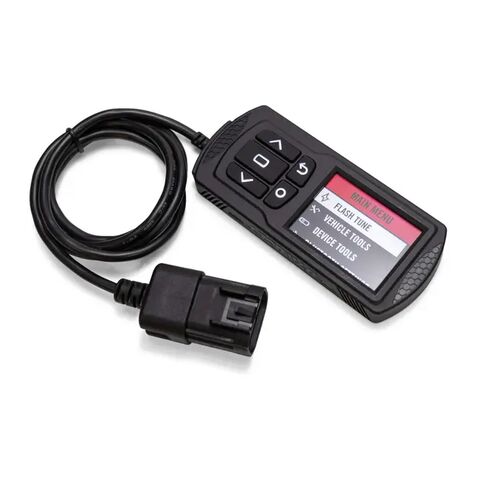
Automotive diagnostic equipment refers to tools and devices used to identify and troubleshoot issues within a vehicle's systems. These tools can range from simple handheld testers to complex computer-based systems that interface with a vehicle's onboard diagnostics. They help mechanics and technicians assess engine performance, electrical systems, and other critical components.
Using automotive diagnostic equipment allows for quicker and more accurate identification of vehicle problems. This can lead to more efficient repairs, reducing the time a vehicle spends in the shop. Additionally, these tools can help in monitoring vehicle performance, ensuring that all systems are functioning optimally.
Choosing the right automotive diagnostic equipment depends on the specific needs of your vehicle and the types of issues you commonly encounter. Consider factors such as compatibility with your vehicle's make and model, the types of diagnostics you need to perform, and whether you prefer handheld tools or more comprehensive systems. It's also important to look for equipment that offers user-friendly interfaces and reliable accuracy.
Most automotive diagnostic equipment is designed to work with a wide range of vehicles, but compatibility can vary. It's essential to check if the equipment supports the specific make and model of your vehicle, especially for older or less common models. Additionally, some tools may be tailored for specific types of vehicles, such as motorcycles or heavy-duty trucks.
When selecting automotive diagnostic equipment, look for features such as real-time data monitoring, compatibility with various vehicle systems, and the ability to read and clear trouble codes. Advanced features like graphing capabilities, live data streaming, and the ability to perform specific tests can also enhance the diagnostic process. User-friendly interfaces and comprehensive manuals are also beneficial.
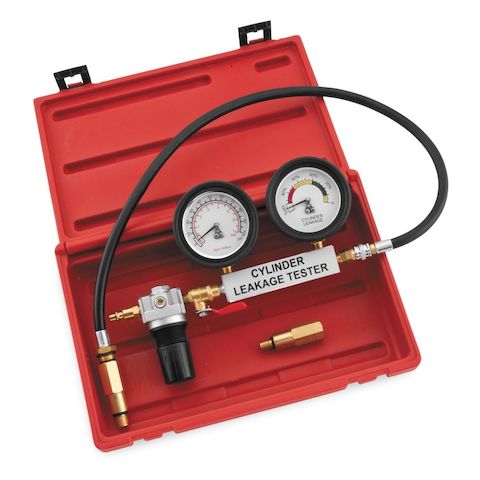
Yes, there are various types of automotive diagnostic equipment designed for specific issues. For example, some tools focus on electrical systems, while others may specialize in engine performance or emissions testing. Understanding the common problems you encounter can help you select the most appropriate diagnostic tool for your needs.
Automotive diagnostic equipment improves vehicle maintenance by providing detailed insights into the health of various systems. Regular use of diagnostic tools can help identify potential issues before they become serious problems, allowing for proactive maintenance. This can lead to enhanced vehicle longevity and performance, as well as improved fuel efficiency.
Yes, many automotive diagnostic tools are equipped to assist with emissions testing by monitoring exhaust systems and identifying issues that may cause increased emissions. These tools can read data related to the vehicle's emissions control systems and help ensure compliance with environmental regulations. Proper diagnostics can also contribute to better fuel efficiency and reduced environmental impact.
Software plays a crucial role in automotive diagnostic equipment by enabling communication between the diagnostic tool and the vehicle's onboard systems. It processes data from various sensors and modules, allowing technicians to interpret the information effectively. Many diagnostic tools also receive software updates to ensure compatibility with newer vehicle models and to enhance functionality.
Similar Categories
Automotive Diagnostic Equipment
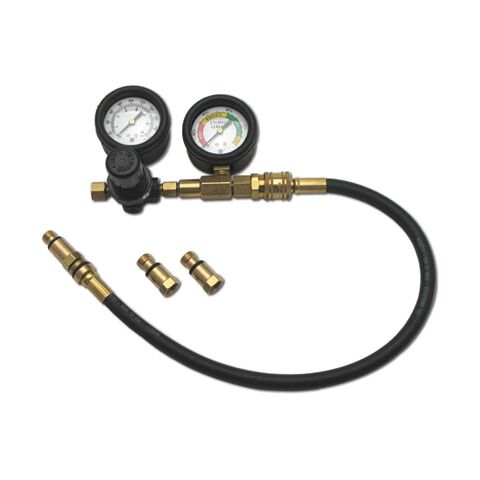
Automotive diagnostic equipment is essential for accurately identifying and troubleshooting vehicle issues. Our comprehensive selection includes advanced tools designed to read and clear trouble codes, monitor real-time data, and perform system diagnostics. With user-friendly interfaces and compatibility with a wide range of vehicles, these tools empower both professionals and DIY enthusiasts to maintain optimal vehicle performance.
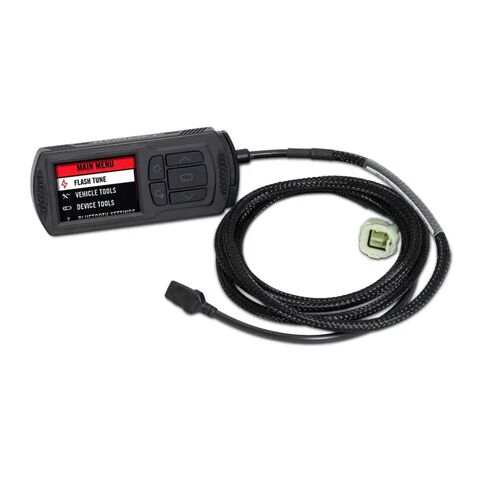
Equipped with features such as live data streaming, freeze frame data, and enhanced diagnostic capabilities, our automotive diagnostic equipment ensures you can quickly pinpoint problems and implement effective solutions. Whether you're dealing with engine performance issues, electrical system faults, or emissions failures, our diagnostic tools provide the reliability and precision needed to keep your vehicle running smoothly.