


 Riders Preferred Membership
 Shop by Vehicle
 Track Order
 Contact Us
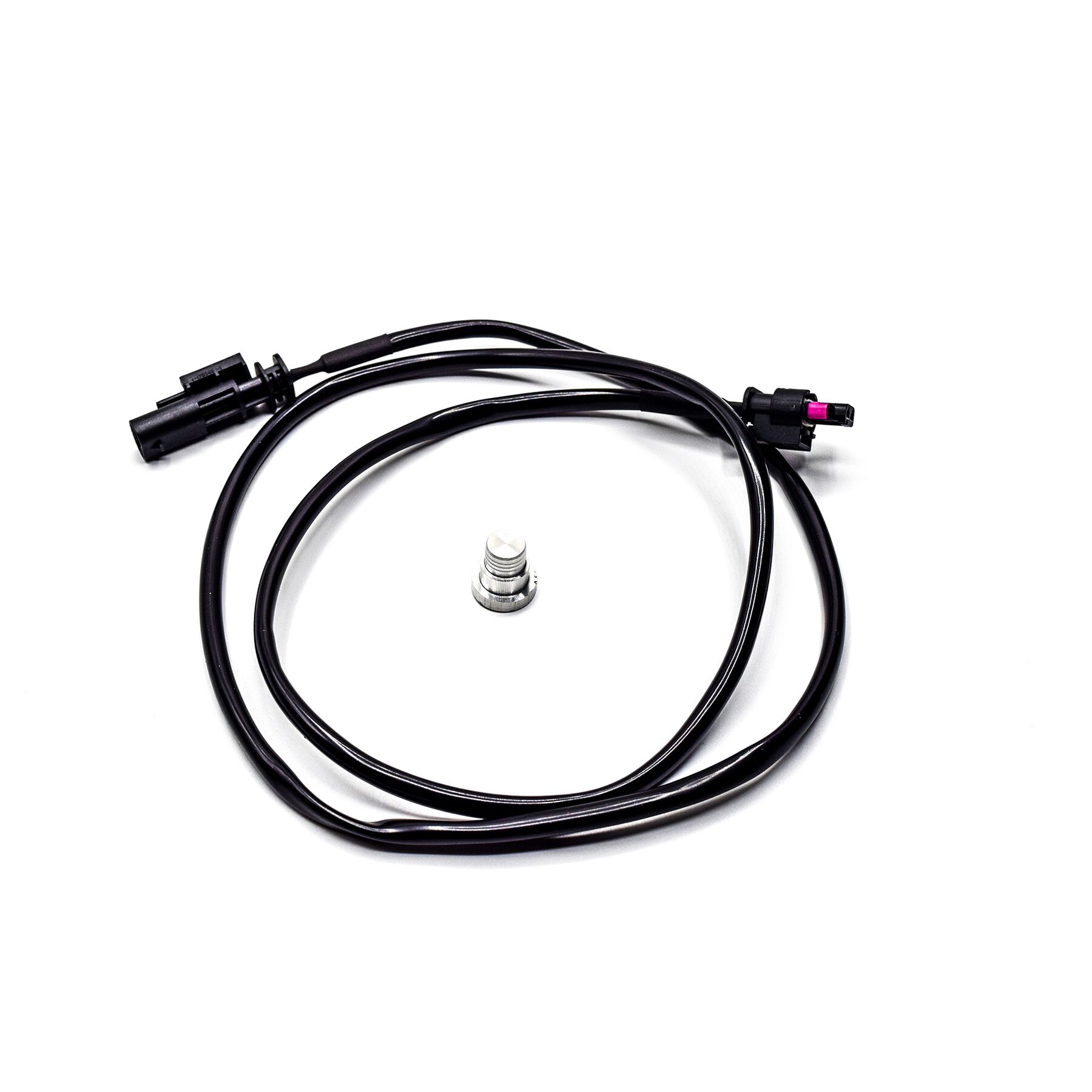
Air Intake Temperature Sensor






On this page...
- What is an air intake temperature sensor and why is it important?
- How does an air intake temperature sensor affect engine performance?
- What are common signs that an air intake temperature sensor may be failing?
- Can an air intake temperature sensor be replaced easily?
- What factors can affect the accuracy of an air intake temperature sensor?
- Are there different types of air intake temperature sensors?
- How does the location of an air intake temperature sensor impact its readings?
- Can an air intake temperature sensor be used in different weather conditions?
Frequently Asked Questions For Air Intake Temperature Sensor
An air intake temperature sensor measures the temperature of the air entering the engine. This information is crucial for the engine management system, as it helps optimize fuel injection and ignition timing based on air density. Accurate readings can lead to improved performance, better fuel efficiency, and reduced emissions.
The air intake temperature sensor plays a vital role in engine performance by providing real-time data to the engine control unit (ECU). When the sensor detects cooler air, the ECU can adjust the fuel mixture for optimal combustion, which can enhance power output and efficiency. Conversely, higher temperatures can lead to less efficient combustion and potential power loss.
Common signs of a failing air intake temperature sensor include poor engine performance, erratic idling, and increased fuel consumption. Additionally, you may notice a check engine light illuminated on your dashboard. If the sensor is malfunctioning, it may provide inaccurate temperature readings, leading to improper fuel-air mixture adjustments.
Replacing an air intake temperature sensor can vary in difficulty depending on the vehicle model. In many cases, it is a straightforward process that involves disconnecting the old sensor and installing a new one. However, some vehicles may require more extensive disassembly to access the sensor, so it's advisable to consult a service manual or a professional mechanic.
Several factors can influence the accuracy of an air intake temperature sensor, including dirt or debris on the sensor, electrical connection issues, and extreme environmental conditions. Additionally, heat soak from the engine or exhaust can lead to inaccurate readings if the sensor is not properly insulated. Regular maintenance and checks can help ensure accurate sensor performance.
Yes, there are various types of air intake temperature sensors, including thermistor-based sensors and thermocouple sensors. Each type operates on different principles and may vary in response time and accuracy. The choice of sensor often depends on the specific requirements of the engine management system and the vehicle's design.
The location of an air intake temperature sensor can significantly impact its readings. Sensors placed too close to the engine may pick up heat from the engine block, leading to inaccurate temperature measurements. Ideally, the sensor should be positioned in a location where it can accurately reflect the temperature of the incoming air without interference from engine heat.
Yes, air intake temperature sensors are designed to function in a variety of weather conditions. However, extreme temperatures can affect their performance and accuracy. For instance, very hot or very cold air can influence the sensor's readings, which may impact engine performance. It's important to ensure that the sensor is properly calibrated for the specific conditions in which the vehicle will be operated.
Similar Categories
Air Intake Temperature Sensor
The air intake temperature sensor is a vital component for optimizing your vehicle's performance. By accurately measuring the temperature of the incoming air, it helps the engine control unit (ECU) adjust the air-fuel mixture for improved efficiency and power. Our selection of high-quality sensors ensures precise readings, contributing to better throttle response and overall engine performance.
Designed for durability and reliability, these sensors are built to withstand harsh conditions and provide consistent performance over time. Easy to install and compatible with a wide range of vehicles, our air intake temperature sensors help maintain optimal engine operation, enhance fuel efficiency, and reduce emissions. Upgrade your vehicle's performance with our trusted selection of air intake temperature sensors.