Air-Fuel Mixture Sensors
On this page...
- What are air-fuel mixture sensors and how do they work?
- Why is the air-fuel mixture important for engine performance?
- What are the common types of air-fuel mixture sensors?
- How do I know if my air-fuel mixture sensor is failing?
- Can air-fuel mixture sensors be used in different types of engines?
- What factors can affect the accuracy of air-fuel mixture sensors?
- Are there any safety certifications associated with air-fuel mixture sensors?
- How do air-fuel mixture sensors impact fuel efficiency?
- Can air-fuel mixture sensors be used in performance tuning?
Frequently Asked Questions For Air-Fuel Mixture Sensors
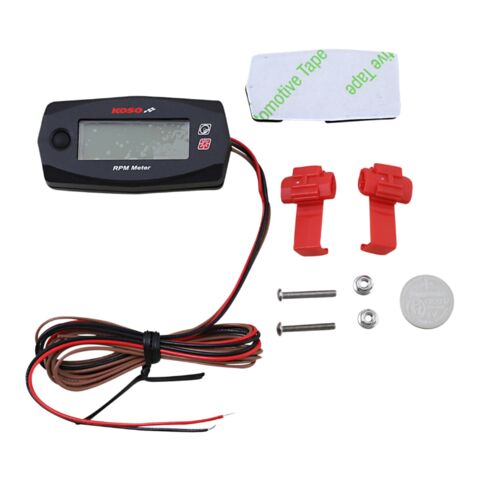
Air-fuel mixture sensors are devices that measure the ratio of air to fuel in an engine's combustion chamber. They provide critical data to the engine control unit (ECU), allowing it to adjust fuel injection and optimize performance. By ensuring the correct mixture, these sensors help improve fuel efficiency and reduce emissions.
The air-fuel mixture is crucial for optimal engine performance as it directly affects combustion efficiency. A balanced mixture ensures that the engine runs smoothly, produces maximum power, and minimizes harmful emissions. An incorrect mixture can lead to poor performance, increased fuel consumption, and potential engine damage.
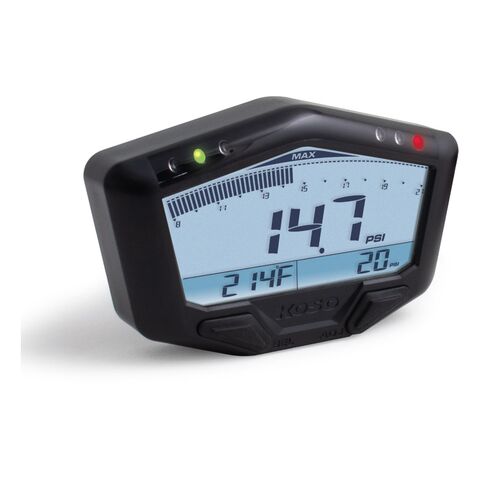
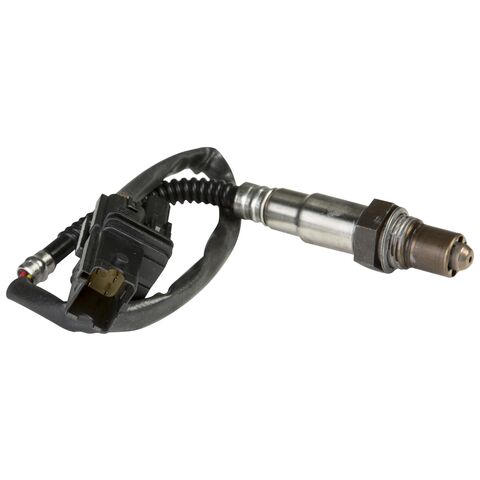
Common types of air-fuel mixture sensors include wideband oxygen sensors and narrowband sensors. Wideband sensors provide a broader range of air-fuel ratio readings, making them suitable for performance tuning, while narrowband sensors are typically used in standard applications for basic monitoring. Each type serves different purposes depending on the engine's requirements.
Signs of a failing air-fuel mixture sensor can include poor fuel economy, rough idling, and a decrease in engine performance. Additionally, the check engine light may illuminate, indicating an issue with the sensor or the air-fuel mixture. Regular diagnostics can help identify sensor problems before they lead to more significant engine issues.
Yes, air-fuel mixture sensors can be used in various types of engines, including motorcycles, cars, and trucks. However, the specific type of sensor and its calibration may vary depending on the engine design and manufacturer. It's essential to choose a sensor compatible with your engine for accurate readings and optimal performance.
Several factors can affect the accuracy of air-fuel mixture sensors, including temperature, exhaust gas composition, and sensor placement. Contaminants in the exhaust system or improper installation can also lead to inaccurate readings. Regular maintenance and ensuring proper sensor function are vital for reliable performance.
While air-fuel mixture sensors themselves may not have specific safety certifications, they are often designed to meet industry standards for automotive components. It's essential to ensure that any sensor you choose complies with relevant regulations and quality standards to ensure reliability and safety in your vehicle.
Air-fuel mixture sensors play a significant role in optimizing fuel efficiency by ensuring the correct ratio of air to fuel during combustion. By providing real-time data to the engine control unit, these sensors help adjust fuel delivery to match engine demands, reducing waste and improving overall fuel economy.
Yes, air-fuel mixture sensors are often used in performance tuning to monitor and adjust the air-fuel ratio for enhanced engine performance. Wideband sensors, in particular, provide precise readings that allow for fine-tuning of the engine's fuel delivery system, helping to achieve optimal power and efficiency.
Similar Categories
Air-Fuel Mixture Sensors
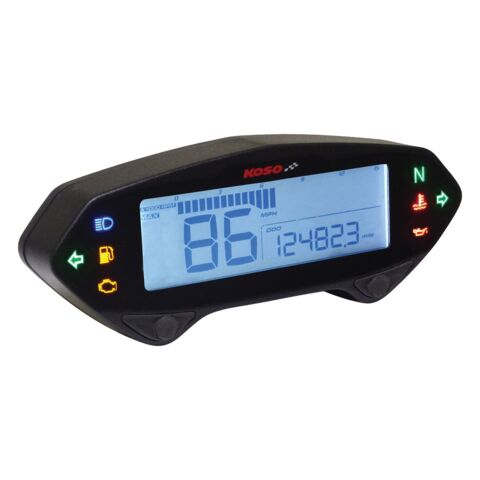
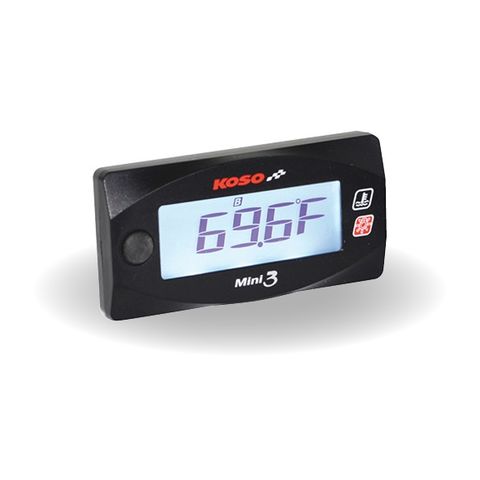
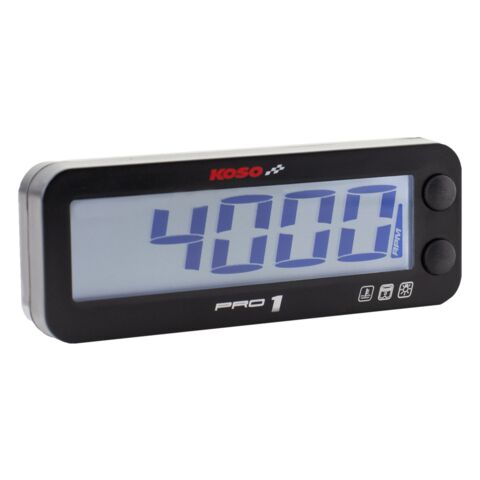
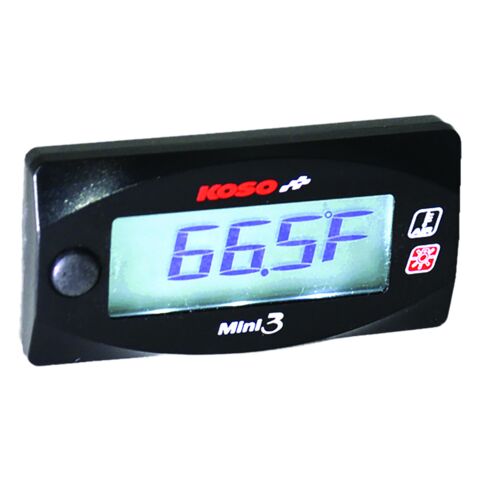
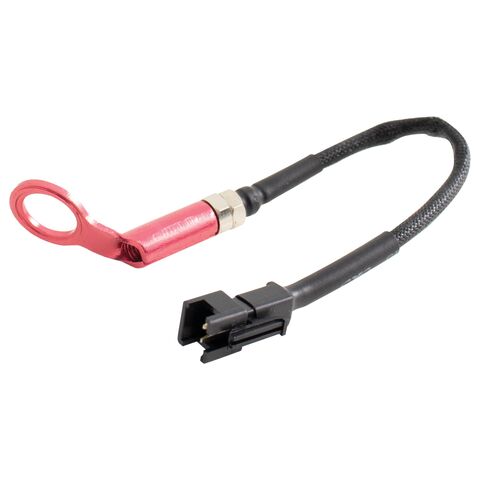
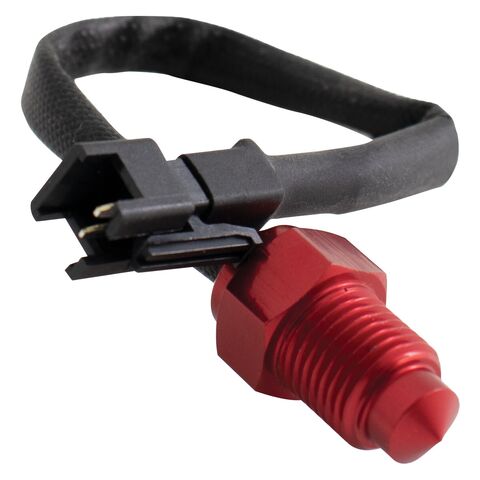
Air-fuel mixture sensors are essential components for optimizing engine performance and efficiency. These sensors accurately measure the ratio of air to fuel in your engine, ensuring that it runs smoothly and efficiently. By providing real-time data, they help maintain the ideal combustion process, leading to improved power output and reduced emissions.
Designed for durability and precision, our selection of air-fuel mixture sensors is compatible with a variety of motorcycle models. With features such as fast response times and high accuracy, these sensors enhance your engine's performance while promoting fuel economy. Upgrade your ride with reliable air-fuel mixture sensors to achieve the best possible performance on the road.