
Free Shipping over $49.99
ZillaCash: $5 for every $100
Customer Service From Riders
Free Shipping over $49.99
ZillaCash: $5 for every $100
Customer Service From Riders
Free Shipping over $49.99
ZillaCash: $5 for every $100
Customer Service From Riders
Free Shipping over $49.99
ZillaCash: $5 for every $100
Customer Service From Riders
Free Shipping over $49.99
ZillaCash: $5 for every $100
Customer Service From Riders
Aero Helmets
Filters
- Brand
- Colors
- Size
- Helmet Shape
- Helmet Type
- Helmet Family
- Agv Ax 9 Helmets (1)
- Agv K1 S Helmets (12)
- Agv K3 Helmets (9)
- Agv K7 Helmets (1)
- Agv Pista Gp Rr Helmet (4)
- Arai Contour X Helmets (4)
- Arai Corsair X Helmets (1)
- Bell Lithium Helmets (12)
- Bell Race Star Flex Dlx Helmets (5)
- Bilt Apex Helmets (1)
- Hjc C71 Helmets (2)
- Hjc F70 Helmets (3)
- Hjc I10 Helmets (1)
- Hjc I11 Helmets (4)
- Hjc I31 Helmets (2)
- Hjc I80 Helmets (2)
- Hjc Rpha 12 Helmets|hjc Rpha 12n Helmets (2)
- Hjc Rpha 12n Helmets (6)
- Hjc Rpha 12n Helmets|hjc Rpha 12 Helmets (2)
- Hjc Rpha 1n Helmets (1)
- Hjc Rpha 1n V2 Helmets (2)
- Hjc Rpha 31 Helmets (2)
- Hjc Rpha 71 Helmets (2)
- Hjc Rpha 72 Helmets (3)
- Hjc Rpha 91 Helmets (4)
- Hjc V10 Helmets (2)
- Icon Airframe Pro Helmets (4)
- Kabuto Aeroblade F Mips Helmets (1)
- Kabuto F 17 Gp Mips Helmets (9)
- Kabuto Geosys Gt Mips Helmets (3)
- Klim F3 Helmets (1)
- Ls2 Assault Iii Helmets (3)
- Ls2 Blaze Ii Helmets (2)
- Ls2 Stream Ii Helmets (5)
- Nexx X.lifecountry Helmet (3)
- Nexx X.lifetour Helmet (3)
- Nexx X.rally Helmets (6)
- Nexx X.tr Helmets (4)
- Nexx X.wst2 Helmets (1)
- Nexx X.wst3 Helmets (5)
- Nexx Xr3r Helmets (5)
- Nexx Y.100r Helmets (3)
- Nexx Y.travl Helmet (2)
- Schuberth C3 Pro Helmets (1)
- Schuberth C4 Pro Helmets (2)
- Schuberth C5 Helmets (8)
- Schuberth E1 Helmets (1)
- Schuberth M1 Pro Helmets (1)
- Schuberth S3 Helmets (3)
- Scorpion Exo St1400 Helmets (1)
- Sedici Sistema 3 Helmets (2)
- Shark Evo Es Helmets (1)
- Shoei Gt Air 3 Helmets (2)
- Shoei Hornet X2 Helmets (2)
- Shoei J Cruise 3 Helmet (1)
- Shoei Neotec 3 Helmets (5)
- Shoei Rf1400 Helmets (6)
- Shoei X 15 Helmets (8)
- Shop By
- Gender
- Price Range













Similar Categories
Aero Helmets
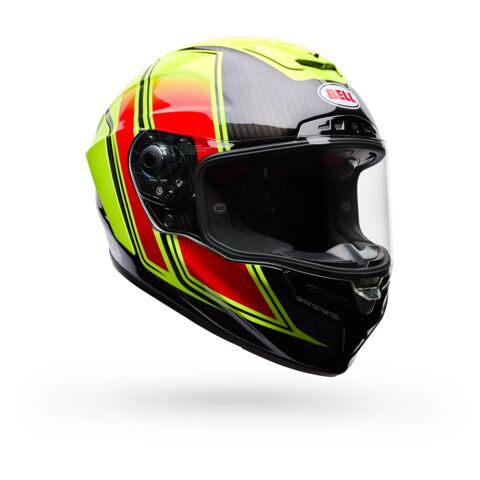
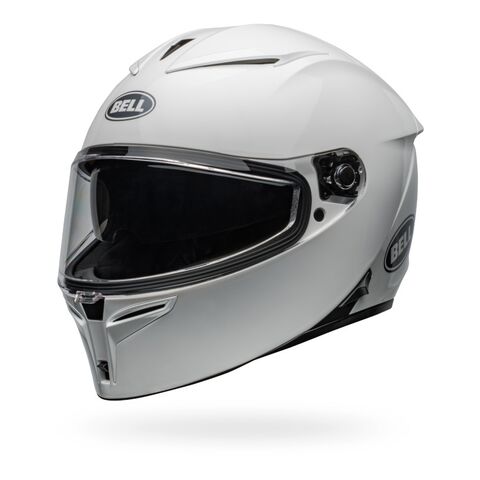
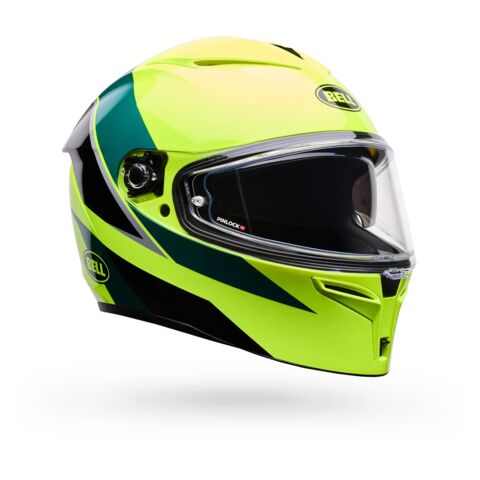
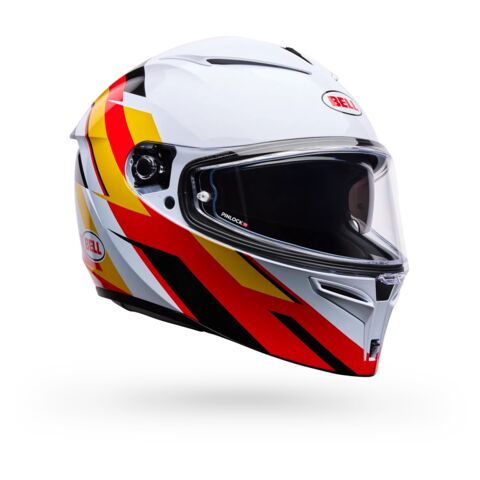
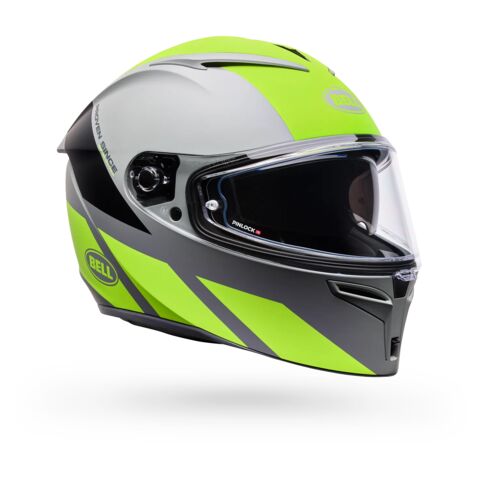
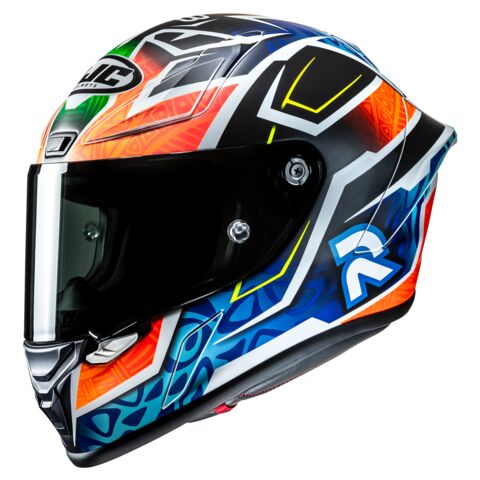
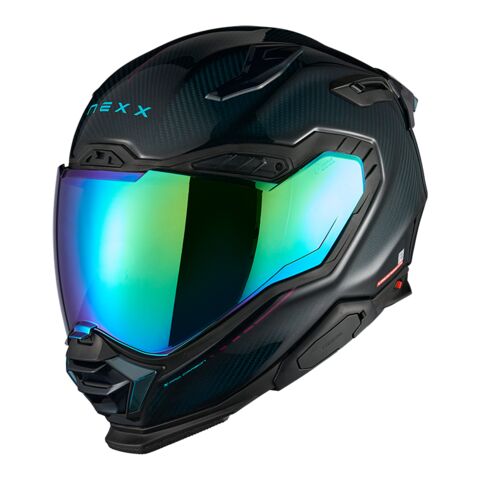
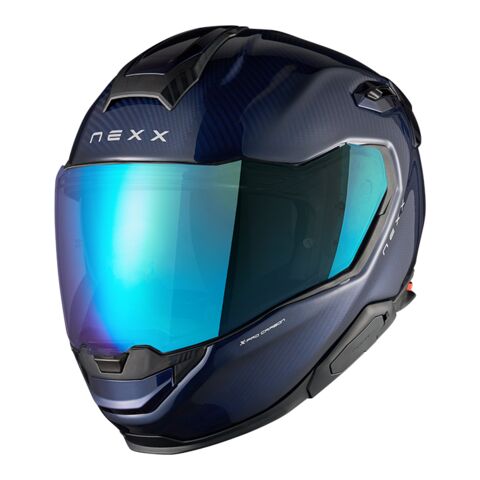
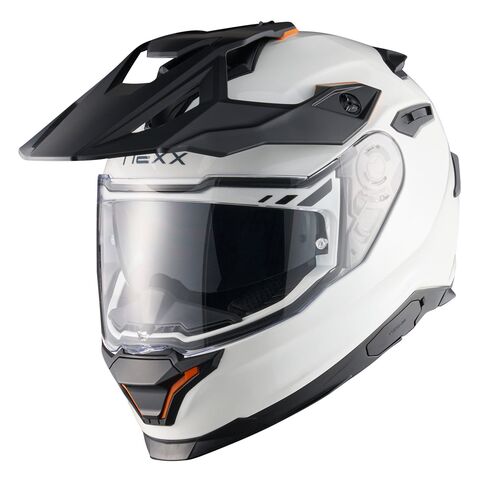
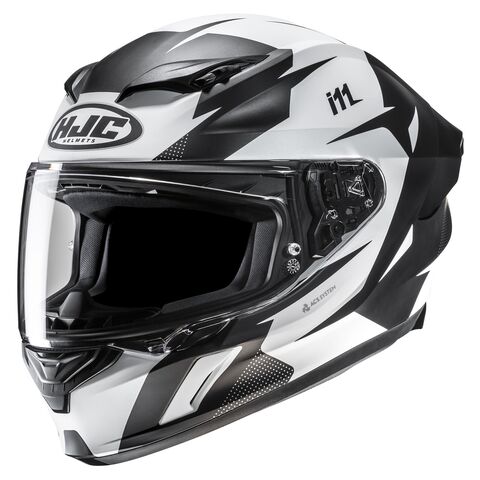
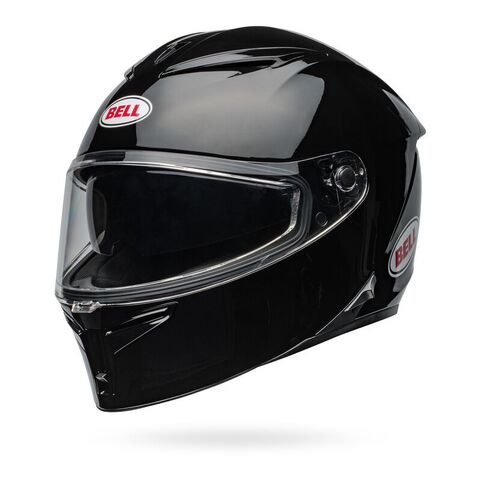
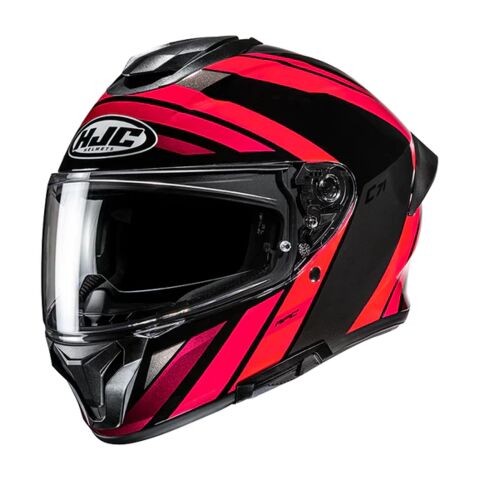
Aero helmets are designed for riders who prioritize speed and performance without compromising safety. Featuring a streamlined shape, these helmets reduce drag and enhance aerodynamics, making them ideal for competitive racing and long-distance rides. With advanced ventilation systems, they ensure optimal airflow, keeping you cool and comfortable even at high speeds.
Constructed with lightweight materials, aero helmets provide a snug fit while maintaining durability and protection. Many models include features such as removable liners for easy cleaning and integrated visors for improved visibility. Elevate your riding experience with our selection of aero helmets, engineered to help you achieve your best performance on the road.