Shop by Vehicle
 Track Order
 Contact Us
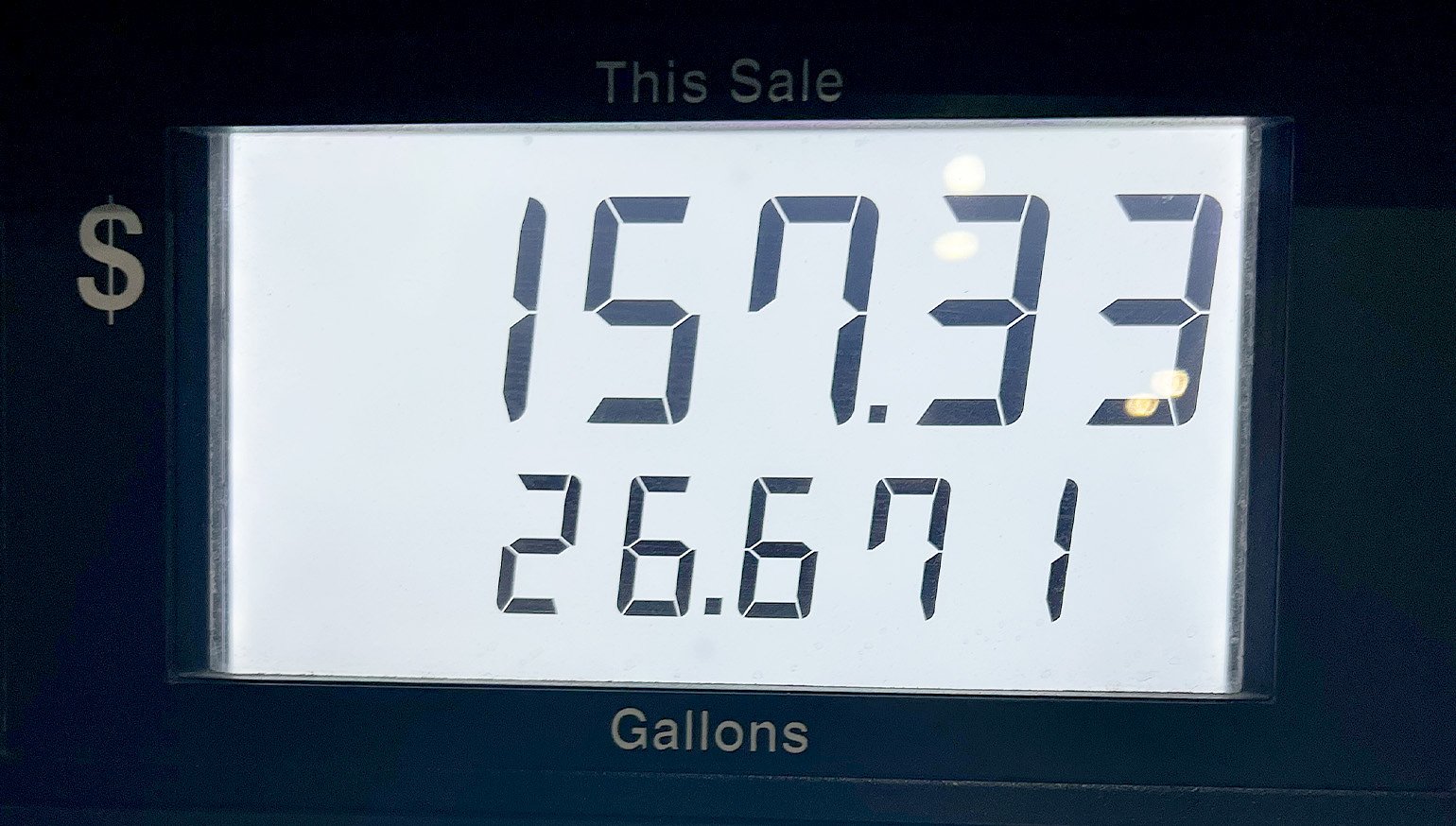
Fifty-five. Sixty.
It’ll stop soon.
Sixty-five. Seventy.
Any day now.
Seventy-five. Eighty.
Pretty. Please. Stop.
Eighty-five dollars. That’s what the meter read when the pump finally stopped. That’s what it cost to fill up my Toyota Tacoma. I’ll be more specific. That’s what it cost to put a little over 14 gallons of gas into my Tacoma's 18-gallon tank.
There was only one conclusion to draw from my pain at the pump: I need to ride the bike more.
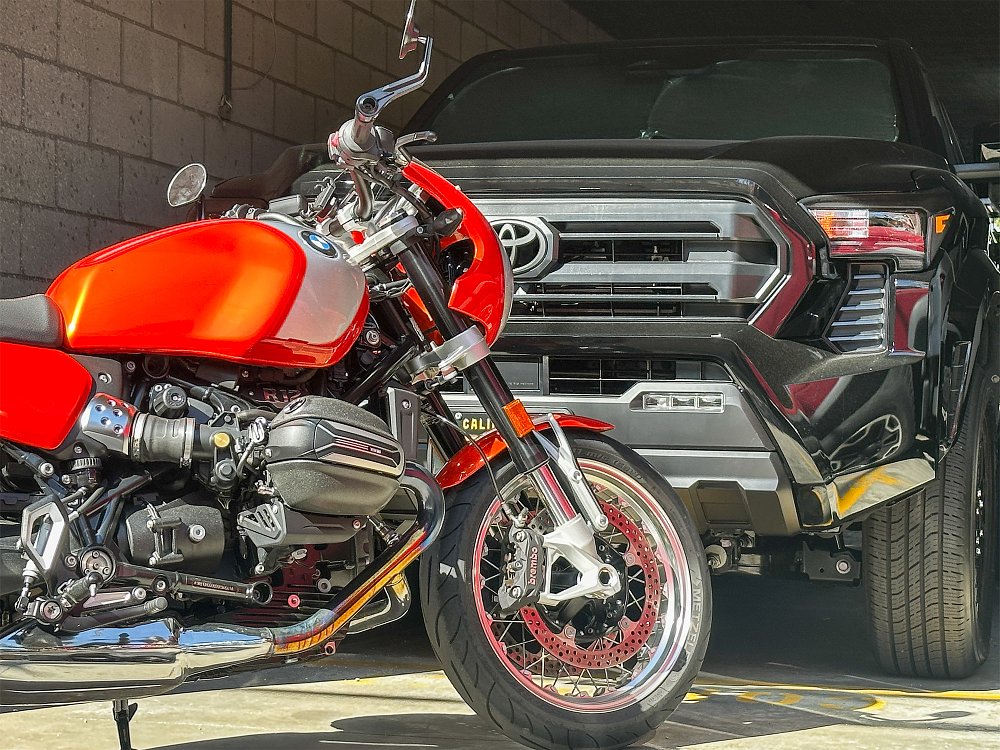
The cost of fuel is approaching record highs. There’s no getting around it. With global oil supplies disrupted by the ongoing war in Iran and the summer driving season now underway, fuel prices are likely to stay above where they were at the beginning of the year for quite some time.
In response, I find myself being much more selective with the vehicle I choose for each errand, outing, or road trip. I’m not alone, either. To better understand how mounting fuel prices are shaping the habits of motorcyclists, I reached out to riders from California to New Jersey, from Colorado to Mumbai. The common thread weaving through their tapestry of stories is one of adaptability.
Jacob the commuter
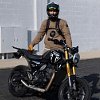
Meet Jacob.
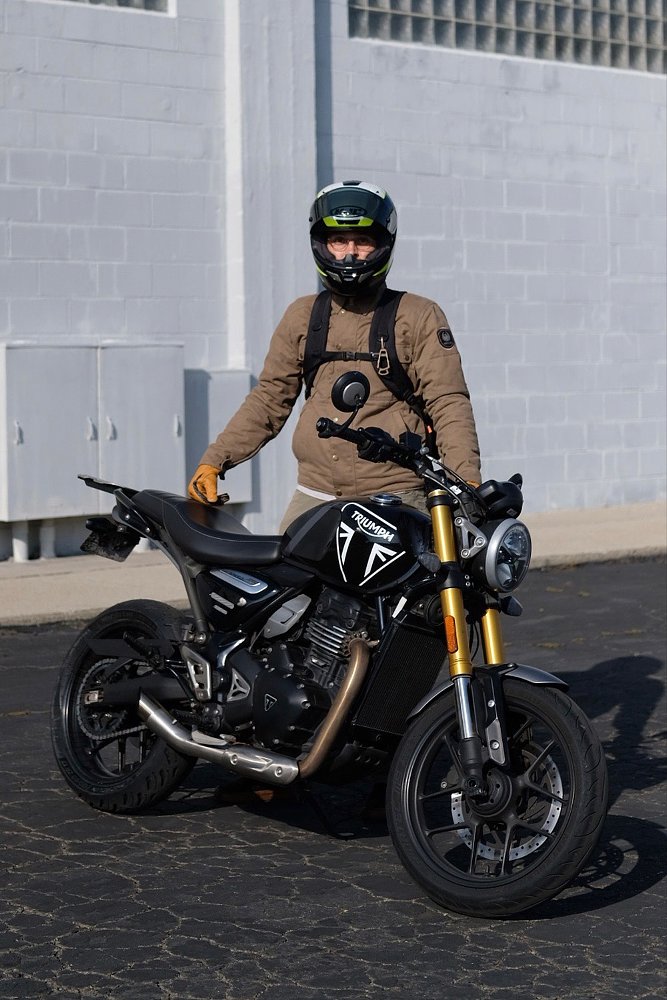
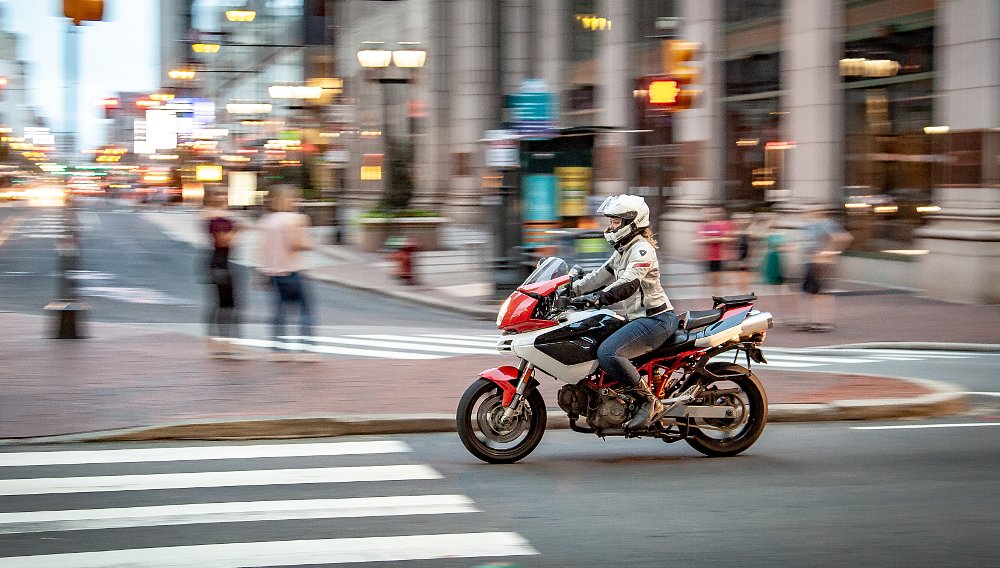
Jacob commutes from Pomona, California, to Long Beach on his Triumph Speed 400. For those unfamiliar with Southern California geography, that's a 90-mile round trip. Commuting five out of seven days, Jacob racks up nearly 500 weekly miles. He originally purchased the Speed 400 two years ago to help cut down on commuting costs, but those benefits have dwindled as of late.
“I was able to fill up for $13 to $14,” Jacob recollected, “Now, it's like $19 or $20 pretty consistently.”
Jacob’s experience is consistent with the statistics, too. In early May, AAA data reflected a 52% rise in gasoline prices since the beginning of the war in Iran. Such hikes can have a cumulative effect, especially for commuters like Jacob, who fills up two or three times per week. Those considerations don’t just occur at the pump, either. They also influence Jacob’s habits in the saddle.
“I would love to ride a little bit more aggressively here and there, but I find myself watching my [gas] gauge and trying to keep it under a certain speed to optimize my mileage,” he recognized. “If I get a little happy with the throttle, maybe I'm getting 160 to 170 miles out of my tank, versus if I'm really babying the throttle, I can get like 190 to 200" miles.
Jacob’s only mode of transportation is his motorcycle. He also operates it on a budget. For riders like him, an escalation in costs can reduce other forms of riding. More specifically, joy rides.
“Every now and then I'll do a little [ride] around town, maybe just run to the store or something, but I'm definitely not doing a day trip to Angeles Crest (Highway) or something,” Jacob acknowledged. “I have the time, but it's like, ‘This is going to impact my ability to get to work'.”
Commuters aren’t the only ones adjusting to rising gas prices. Those who ride for pleasure are also feeling the pinch.
Jaime the racer
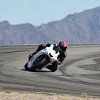
Meet Jaime.
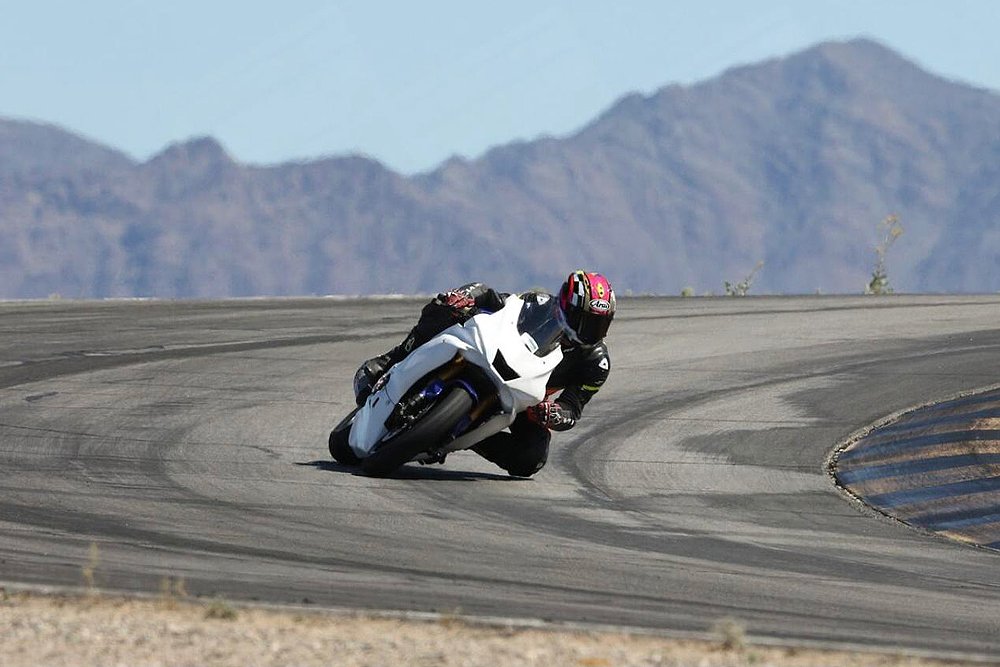
Jaime is an avid track rider. So much so that he purchased a year’s worth of track passes ahead of time. That’s why he attends at least one track day per month, sometimes more. His aspirations don’t end there. Jaime also earned his racing license recently. In an ideal world, he would attend all his prepaid track days and any upcoming races.
“Do I go to my track days that I’ve already paid for?” Jaime pondered. “But I have this elated high of just wanting to race now, so now I want to pay for racing.”
Unfortunately, circumstances won’t allow for both. Chief among them is the price of gas, which in Los Angeles, where Jaime lives, already averages above $6 per gallon.
“I filled up my truck and my two five-gallon [fuel] containers, and I was at about $160,” Jaime recounted. “And I’m like, ‘OK, well, this is new'.”
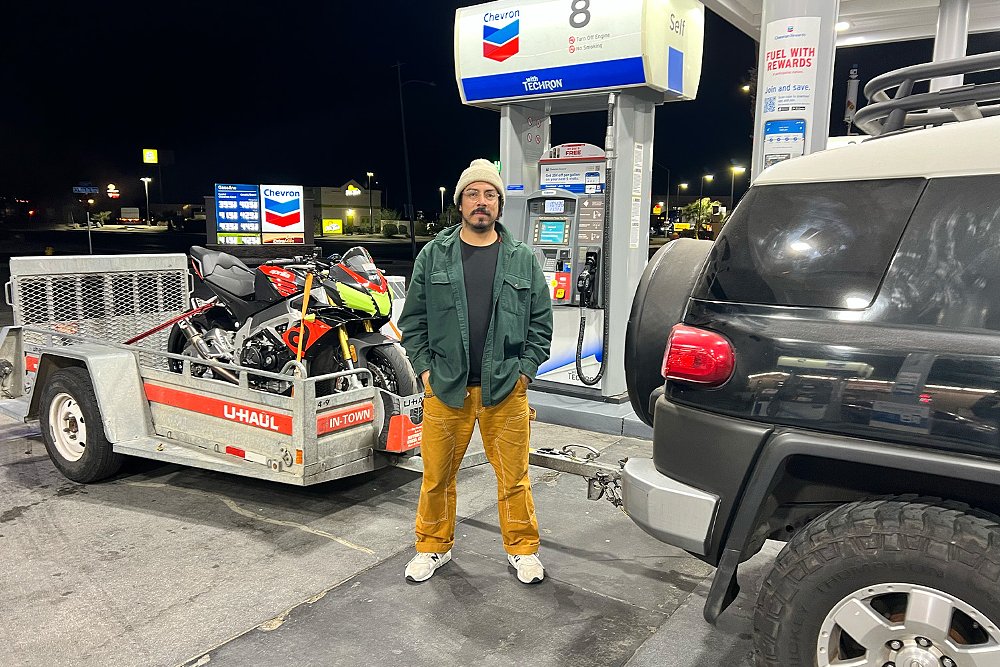
He later added that the return trip also necessitates another $40 at the pump, bringing the total cost of fuel to $200. That’s on top of the cost of track admission as well as food and drinks. The extra expense has forced Jaime to reassess his priorities for the year.
“So now the game plan is kind of changed because we’re not even talking about tires,” he noted. “I’m going to hit every track day I’ve already booked, and then if I can hit any race rounds in between that, I’ll give it a shot, you know."
Of course, California higher than average gas prices aren’t doing Jaime any favors, but the costs can be just as impactful across the country.
James the hauler
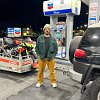
Meet James.
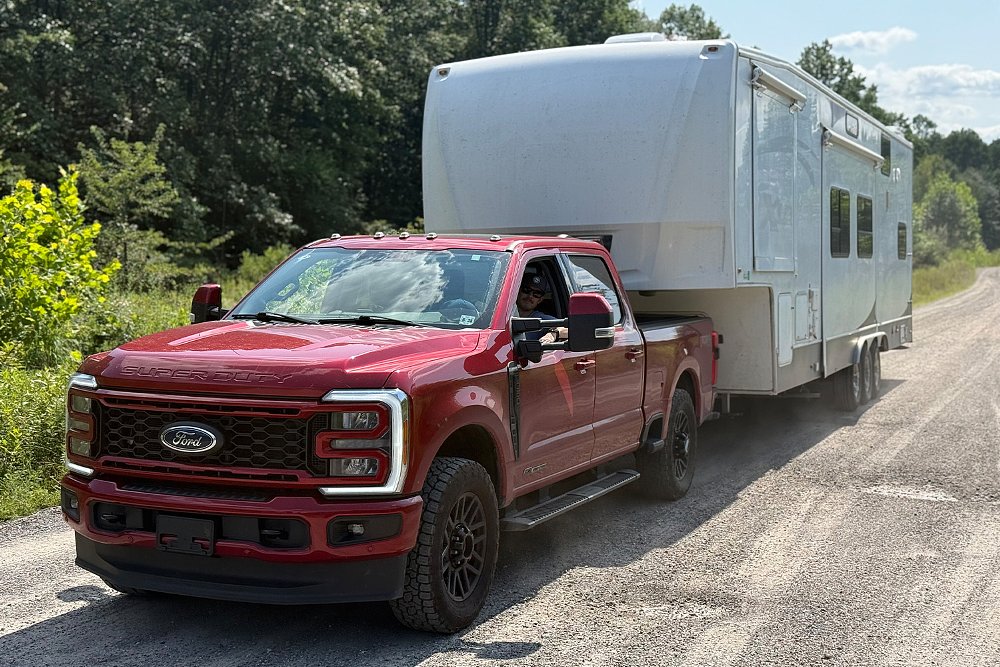
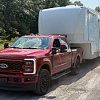
James races in several enduro series. The problem is, doing so takes him far from where he lives in central New Jersey. Traveling to each event, James either loads his bikes into his 14-foot enclosed trailer or his 40-foot toy hauler, which includes a fully functional 12-foot garage. Towing either setup falls to his Ford F-350 Super Duty, but with diesel prices outpacing gasoline prices, filling the truck’s tank is becoming increasingly expensive.
“To tow [the toy hauler] I use an auxiliary diesel tank, so I’m not stopping every 200 miles,” James explained. “It was $420 just to get 80 gallons in this thing.”
At the time of speaking with James, diesel in his area hovered around $5.69 (versus $4.23 for regular gas). Those prices seem even more substantial when James’ F-350 is pulling his 40-foot camper, as it nets nine miles per gallon in that configuration. That’s now forcing him to re-evaluate which race weekends he attends, as he attempts to maximize his riding opportunities while minimizing the financial burden.
“I’m more cherry-picking those longer weekends,” he admitted. “If I’m racing Sunday, I leave after work on Friday just to get my money’s worth, if that makes sense.”
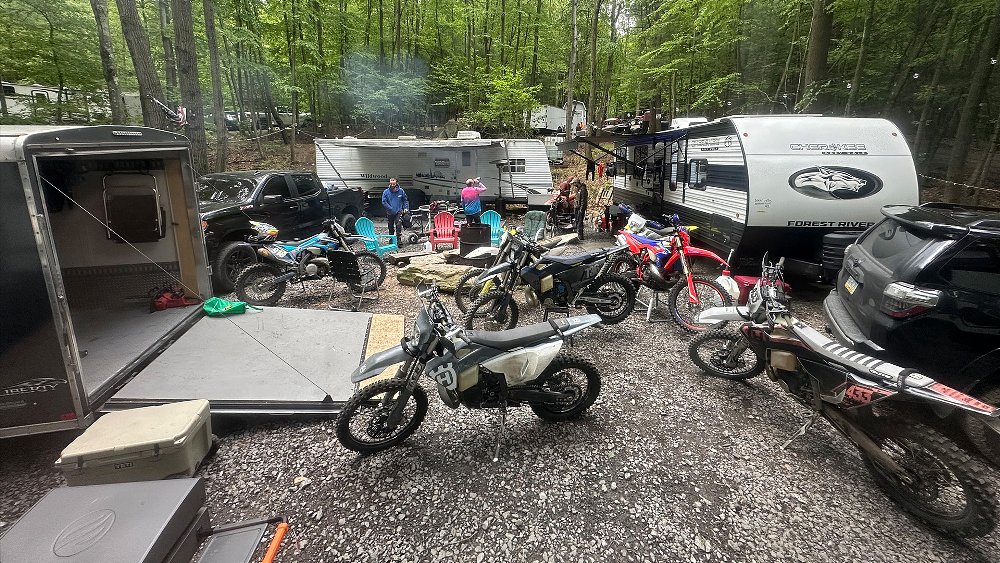
It’s worth noting that James’ situation is unique. After all, a select few are hauling their dirt bikes in a 40-foot toy hauler pulled by a diesel-burning truck. One member of James’ riding group actually takes the opposite approach, and the contrast is stark.
Ricky the minimalist
Meet Ricky.
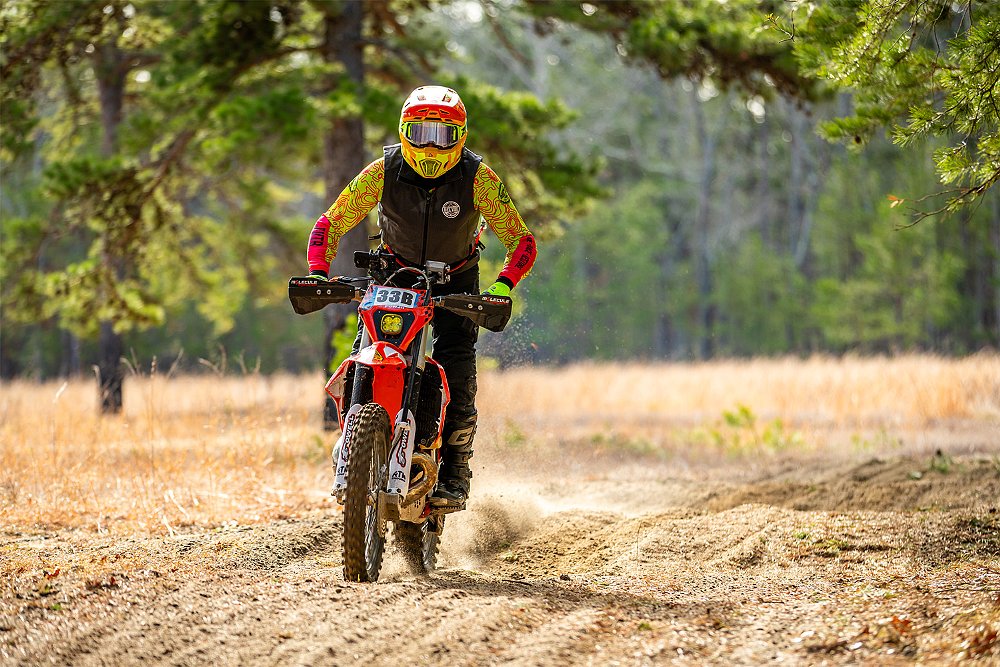
Ricky competes in the same enduro series as James, but it’s how he gets to those races that makes the difference. Ricky drives a Toyota Highlander, not a big truck. He loads his dirt bike on a hitch carrier, not a trailer.
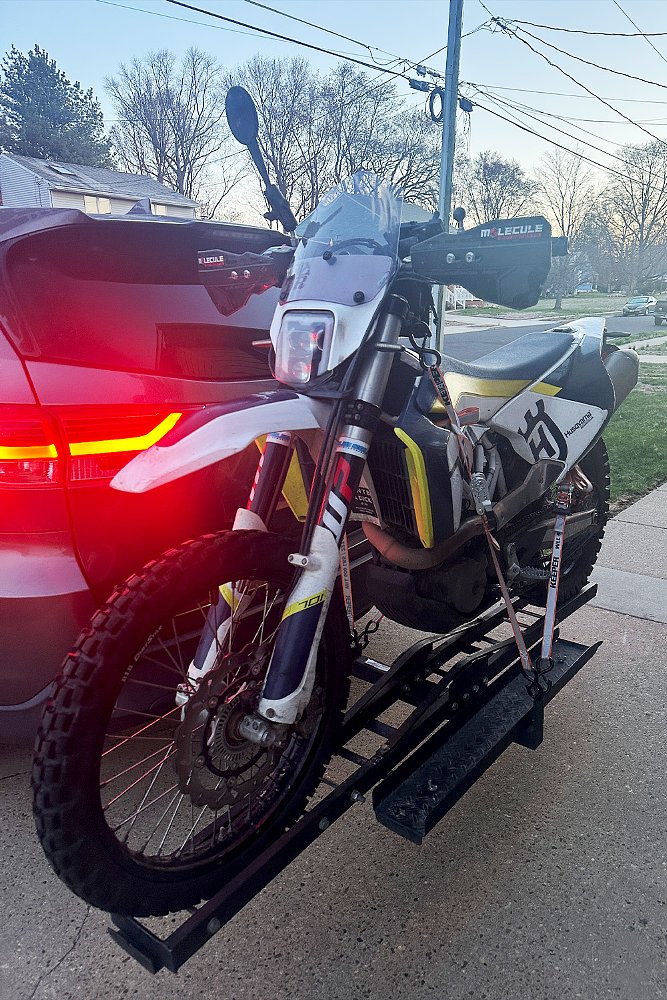
That minimalist setup reduces the amount of fuel Ricky burns on his way to the trail. That, in turn, shapes his outlook on fuel prices.
“The price of gas doesn’t really affect what I’m going to do. If I have the ability to go ride, I’m going to go ride,” he stated. “I don’t do much aside from ride my motorcycle and ride my dirt bike, so the gas is the cost of doing business.”
Ricky’s mindset isn’t informed by his cost-effective rig alone. It’s also based on data. Ricky tracks his annual fuel costs, which totaled around $3,500 in each of the last few years. He remains on schedule with that average through the first five months of the year, spending around $1,500 on gas.
In the end, riding and racing motorcycles is a priority for Ricky. He’s willing to foot the gas bill for that reason, even if it requires some additional accounting. He isn’t the only one, either.
Brenden the proprietor
Meet Brenden.
Brenden owns MotoQuest, a guided tour and motorcycle rental company. With locations in Alaska, Oregon, and California, and tours in Asia, North America, and South America, MotoQuest is a global operation. Considering everything from a gallon of gas to a gallon of milk continues to increase in price, one could reason that riders have less disposable income to spend on guided tours and multi-day rentals. That’s far from the truth, though.
“Honestly, it's felt like business as usual,” Brenden said. “We're actually up a little bit over last year.”
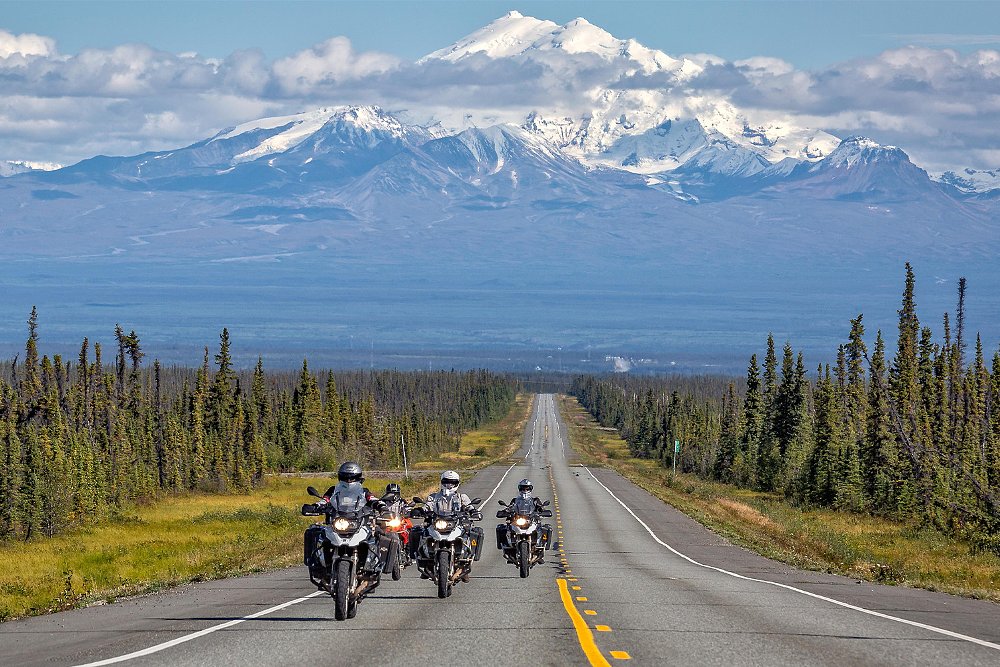
Part of the reason MotoQuest can navigate these times so successfully is that its customers cover their own fuel expenses. Brenden explained that by excluding fuel costs he ensures MotoQuest rates don’t fluctuate along with the fuel prices. That doesn’t mean that he's completely immune to those fluctuations. MotoQuest still needs to transport motorcycles to different destinations around the globe.
“In the grand scale of what we're doing, the difference between $200 and $400 in diesel isn't going to sink the ship,” Brenden clarified. “You know, these are the normal ups and downs of any economy, and a proper motorcycle touring operation has a little slush [fund] built into any project because things go sideways quickly in this world.”
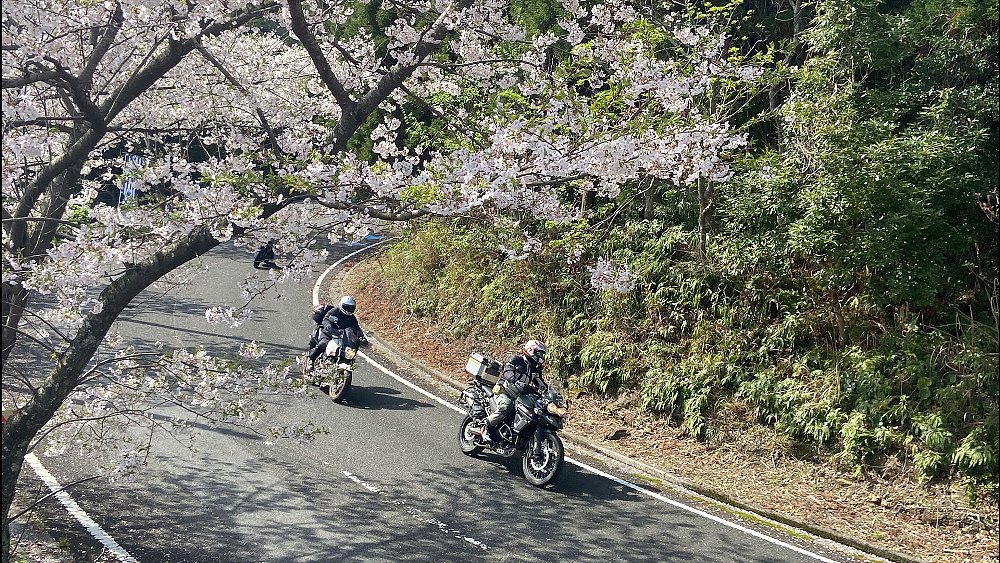
That’s not a luxury that all entrepreneurs can claim, especially when they're operating with much slimmer margins.
Avinash the delivery rider
Meet Avinash.
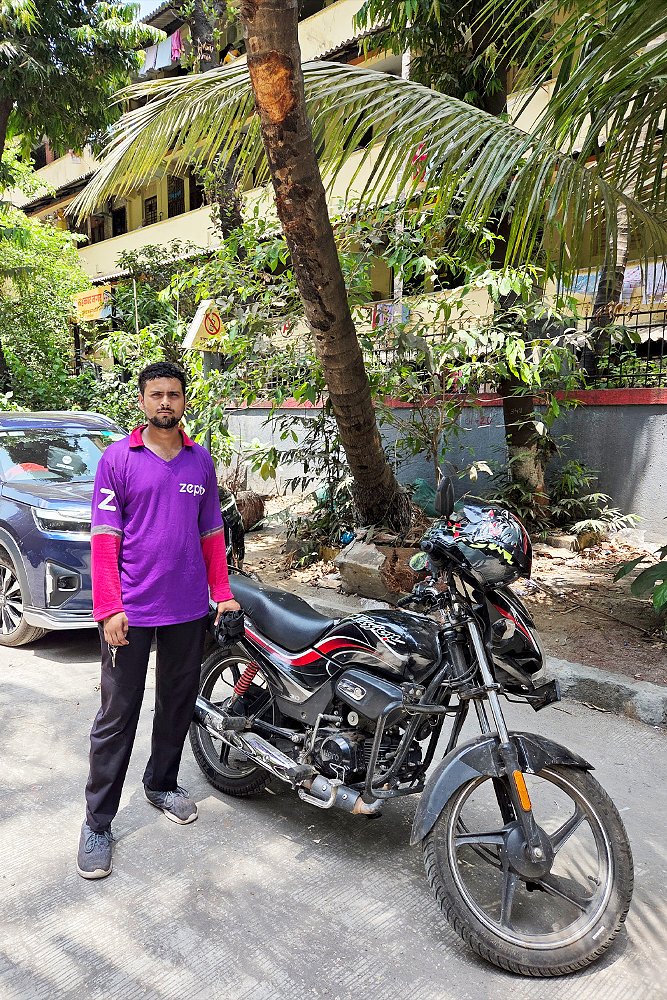
Avinash is a full-time Zepto delivery rider in Mumbai, India. He spends 12 to 14 hours on his 100 cc Hero Passion each workday, which often includes Sundays. Avinash covers around 100 to 120 kilometers (62 to 74 miles) during those days, and fuel is, by far, his biggest work expense, accounting for roughly ₹5,000 to ₹7,000 ($50 to $70) each month.
Our correspondent in India, Amey Tawte, reports that prices there haven't risen as much as they have in the United States, but that's partly because they were higher to begin with. The increases still hold sway over working riders.
India is one of the world's largest importers of oil, and while the government doesn't directly control prices, it does influence them. In recent years, retail petrol in Mumbai held steady at around ₹103.54 per liter (about $3.92 per U.S. gallon). Today it sits around ₹106 per liter (about $4.02 per U.S. gallon). On paper, a ₹3 increase may not sound dramatic, but it cuts into razor-thin profit margins for someone in Avinash’s profession.
"No one understands the value of those ₹3 better than a delivery rider," he said.
Avinash has since adjusted by working overtime and more weekends. He’s even changed the way he rides, accelerating more gently and shifting his lunch break to avoid heavy traffic. Avinash may be half a world away, but delivery riders here in the States can probably relate to his struggles.
The riding collective
The accounts provided by Jacob, Jaime, James, Ricky, Brenden, and Avinash represent just a snapshot of the motorcycling community. Their individual experiences are diverse, but they don’t encompass everyone’s experience. Few riders share the same financial situation, vehicle mix, and riding priorities, all factors that determine how one reacts to higher fuel prices.
With the summer travel season and the riding season in full swing here in North America, more and more folks will be hitting the road. They’ll also be hitting the pumps. Whether they do so in their car or on their motorcycle will come down to their individual circumstances.