Shop by Vehicle
 Track Order
 Contact Us

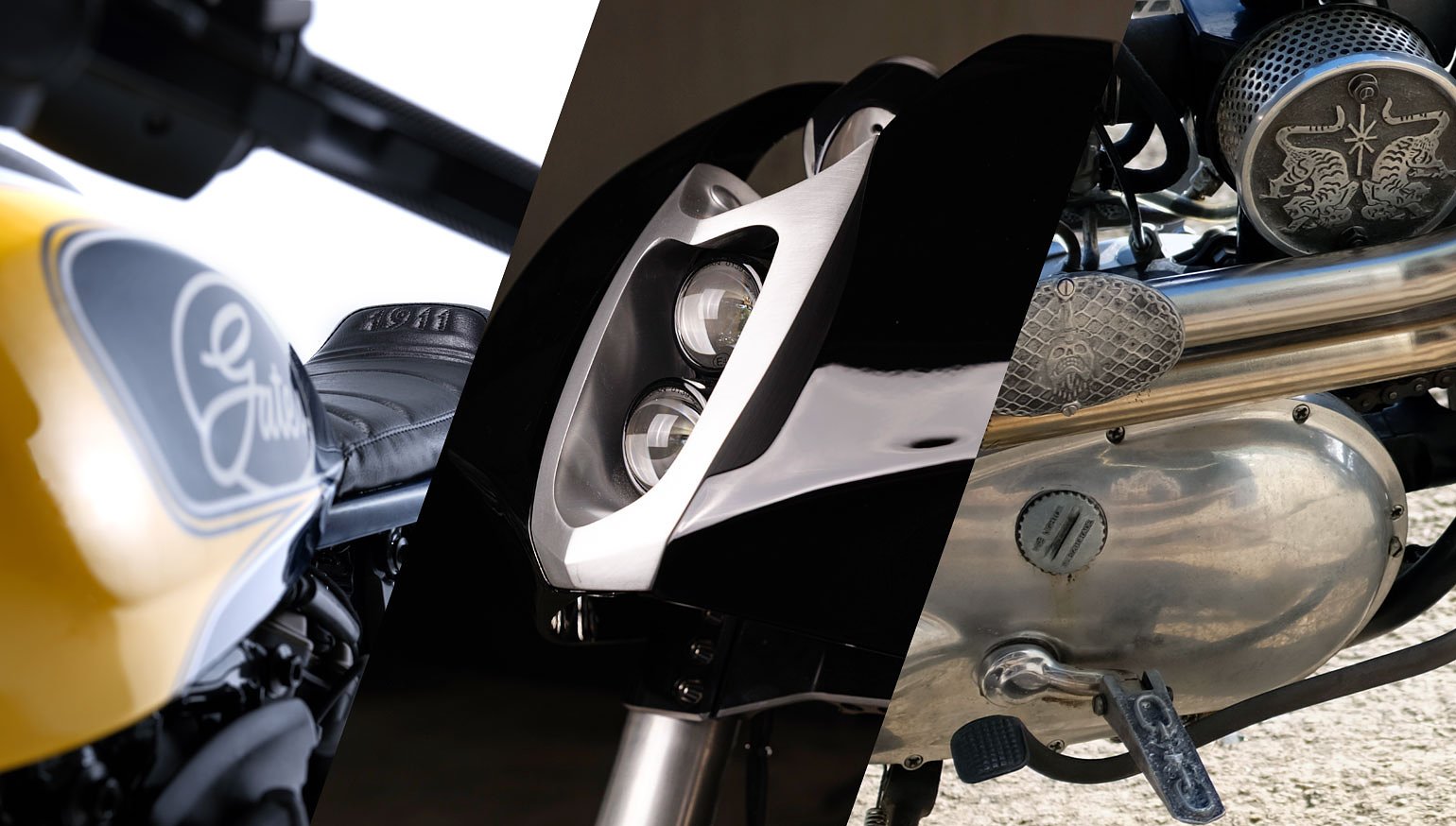
In this month's custom roundup, we have three very different approaches to bike building.
First, Thor Drake of Portland's See See Motorcycles has made a Harley-Davidson Sportster that could have rolled straight off the Milwaukee production line. Our second bike, by French builder Cédric Trenquir, turns Ducati's highly accessible Scrambler into a sleek, sculptural work of art. And wrapping up the trifecta is a rough-and-ready pre-unit Triumph embellished with hand-sculpted artwork by British builder Robbie Palmer.
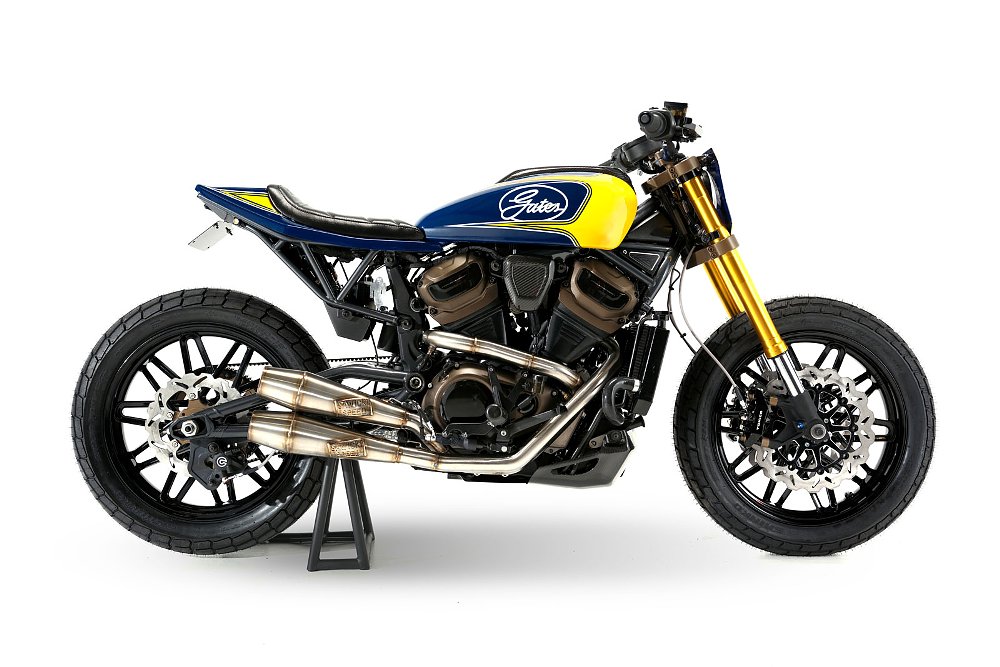
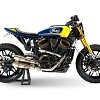
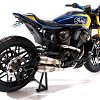
Thor Drake's "Gates Super Tracker" H-D Sportster S
In the custom motorcycle world, Thor Drake needs no introduction. Along with running Portland-based See See Motorcycles (Instagram), he’s the founder of one of the most influential custom motorcycle events in the western world, the One Moto Show. Born in Norway and raised in Arizona, Thor has been pulling things apart and modifying them his whole life. Since launching See See, he's built more than 25 customs spanning all manner of styles and genres. As he puts it, "I have ants in my pants and can't sit still," so he's always looking for a new project.
While hunting for a donor for a build with a "very tight budget," Thor visited his go-to dealership, where his buddy, Scott, had just taken a promising prospect on trade. The bike was a 2023 Revolution Max-powered Harley-Davidson Sportster S that had been damaged in a drop, which positioned it well within his budget.
Thor has an amusing ritual every time he buys a bike from Scott: He physically lifts it off the ground. "I try to put meaning behind going and 'picking up a new bike'," he says. But with the Sportster weighing in at a little over 500 pounds, he only got the front end off the ground before his back cried uncle.
Despite its heft, the Sportster S was the perfect bike for this build. The project was commissioned by Gates, who wanted a showpiece for their center-mount belt drive system. The brief called for a Harley-Davidson, thanks to the brand's broad following, and Thor chose the Sportster S since so few custom builders had tackled one. To make a splash, the finished bike would debut at the 2026 Mama Tried Show in Milwaukee, right on Harley's doorstep and in front of its design and engineering team.
Thor's attraction to street trackers is equal parts form and function. "They are the most fun bike to ride around," he says. "Usually offering lots of ground clearance, plenty of power, and a more upright stance, and they just look tough." It's a recipe he knows well. He's built and raced his share of trackers over the years, including a Super Hooligan race-winning Harley-Davidson 750, and that race-bred approach shaped every decision on the Sportster S.
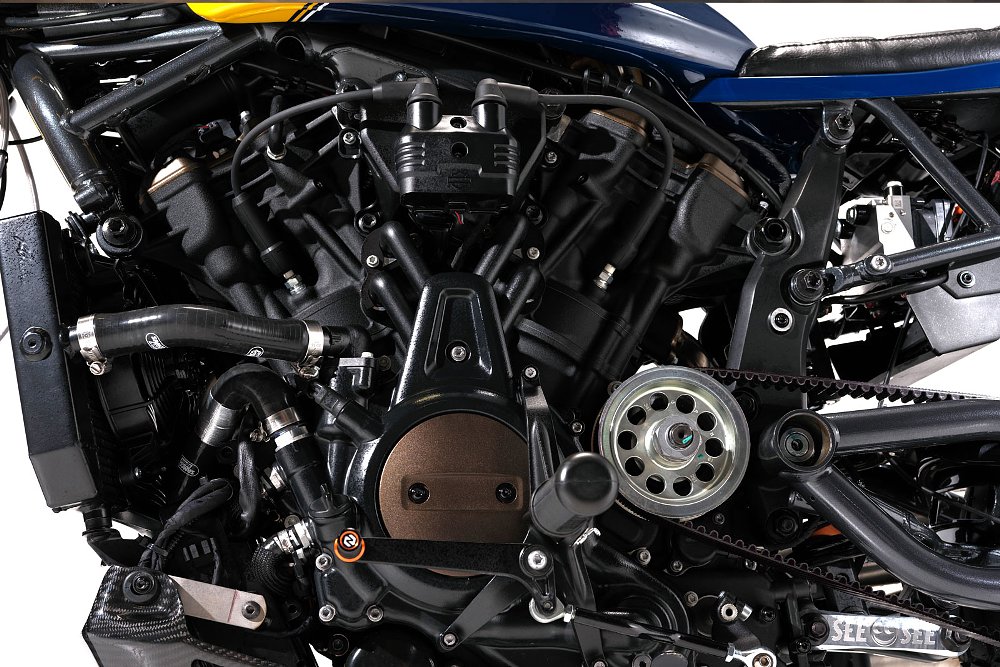
"I love to make things look cool, and function better, or at least better according to my style. Probably worse in the long run," Thor jokes, but his Sportster S Super Tracker has plenty going for it.
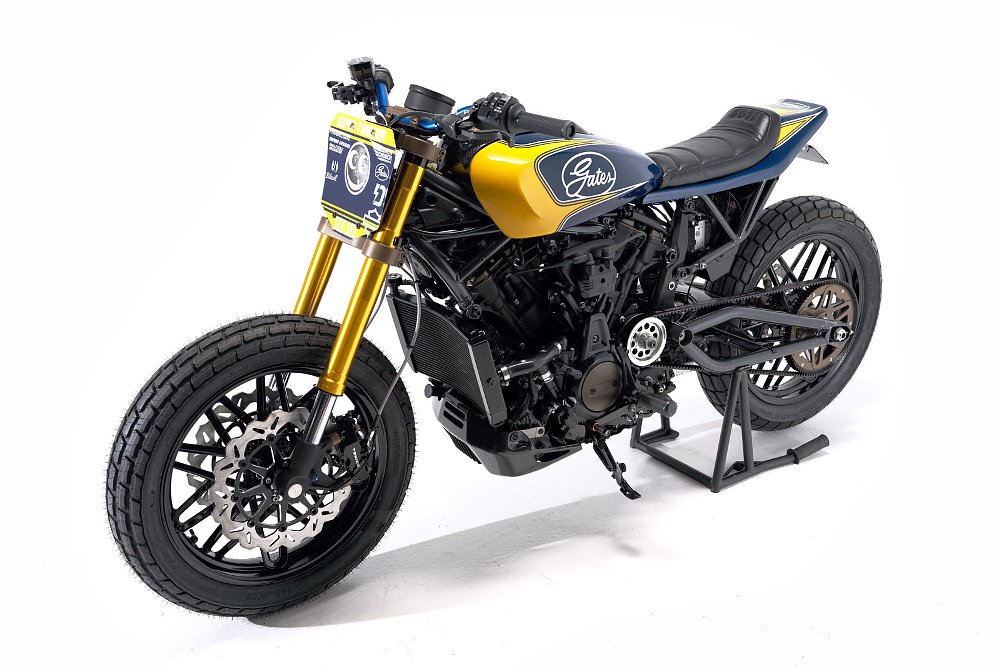
Starting with the suspension, the front end now features a repurposed Suzuki GSX-R fork, which is much lighter than stock and raises the front by two inches. Giga State Garage helped make the swap possible, fabricating custom triple trees and a twin-rotor brake setup. The rear sits much higher, too, thanks to a See See-built linkage and a Sean Brown-built rear kit that adds around six inches. Rolling stock is a matched pair of 19-inch H-D "Paperclip" rims. Together, the changes put the Super Tracker at the ideal height for Thor's six-foot, one-inch frame.
"I have built and raced enough trackers to understand how to set up the stance and ergonomics," Thor explains. "It's not perfect, but it's pretty close to what you would want on a tracker."
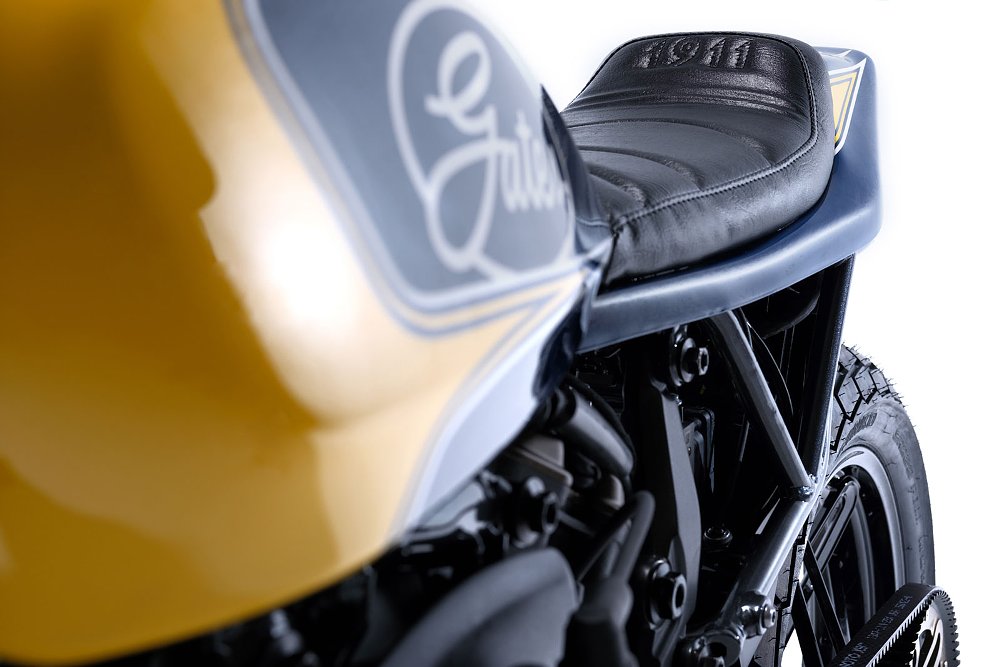
To complement the changes in geometry and height, Thor has revised the Sportster's chassis and bodywork. A custom-made subframe flattens things out in the rear, while a Gopher Glass tail unit and New Church Moto seat embody the street-tracker style. The bike still runs the stock fuel tank. Thor would prefer it sat about 1.5 inches farther forward, but that would have meant fabricating an all-new tank and compromising the look to clear the fork. The restrictive CAN bus electronics also meant the stock switch blocks and speedometer were retained. However, the electronics Thor did replace helped complete his street-tracker styling brief. Discreet LED turn signals and an LED headlight, integrated into the race plate front end, amplify the track-ready aesthetic. Renthal CR-HI fat bars, Biltwell Pan America grips, H-D mid-controls, Shinko flat track tires, a carbon fiber belly pan, and paintwork by Andy Dibrino complete the look.
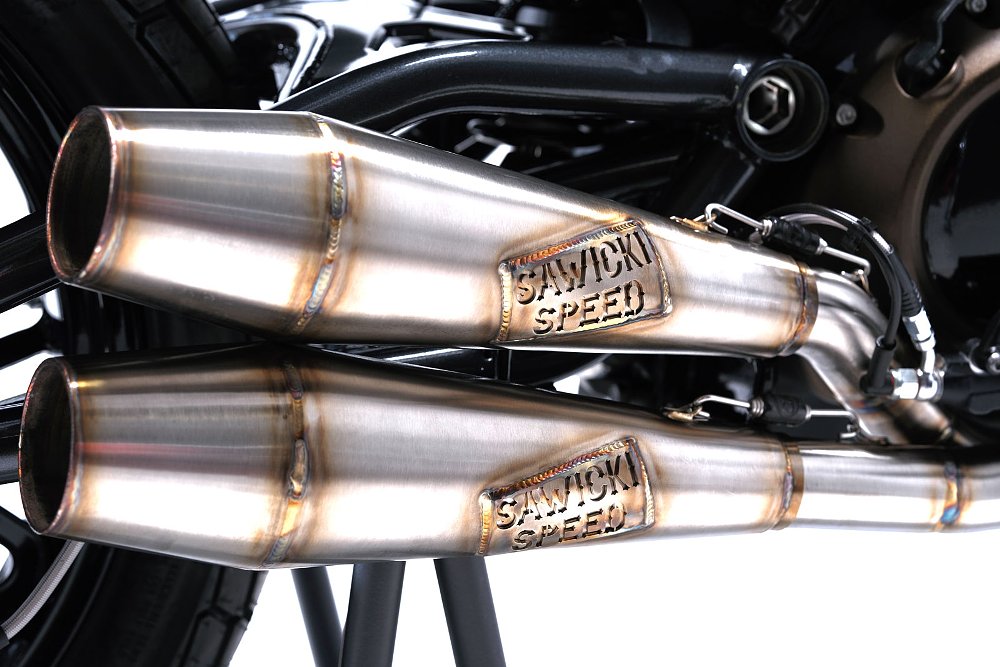
As the heart of the most powerful Sportster ever made, the Revolution Max 1250T V-twin is no slouch, but Thor isn't one to settle for stock. To dispense with any undesirable power restriction, he spent two weeks putting together a two-into-two stainless exhaust system with the help of Sawicki Speed. A Dynojet tuner was also installed to remap the fueling and achieve more than 120 horsepower at the rear wheel.
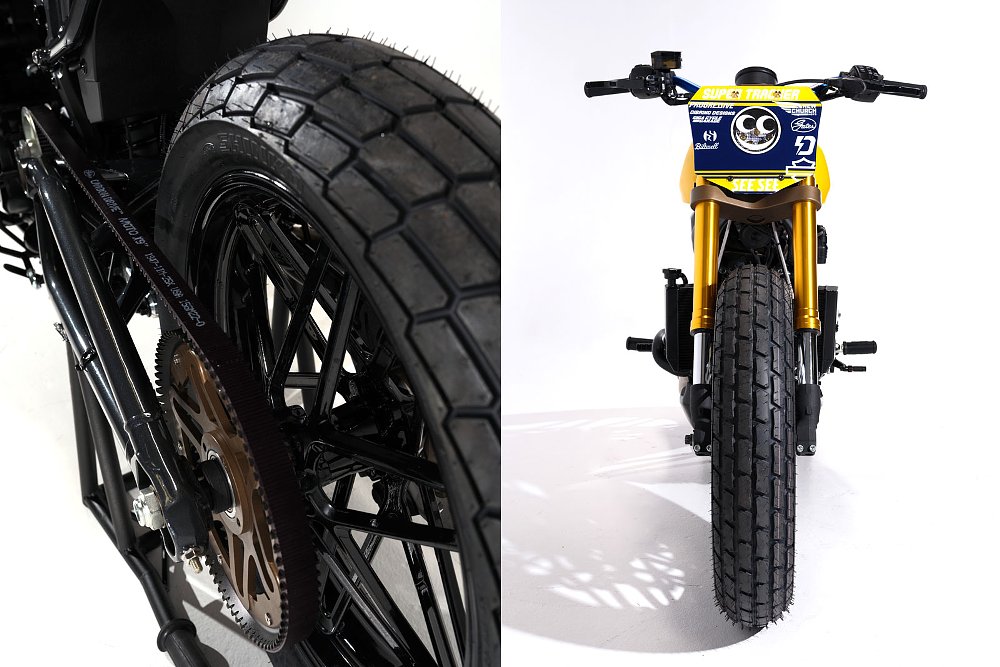
To keep things cool and shed more pounds, Thor swapped the stock radiator for an aluminum alternative by CNCPT. And, as per his agreement with Gates, the Super Tracker is running an all-in-one Gates Carbon Drive Moto X9 belt drive system. Featuring stainless components and a carbon fiber-reinforced belt, it's narrower, lighter, and requires less maintenance than the stock setup.
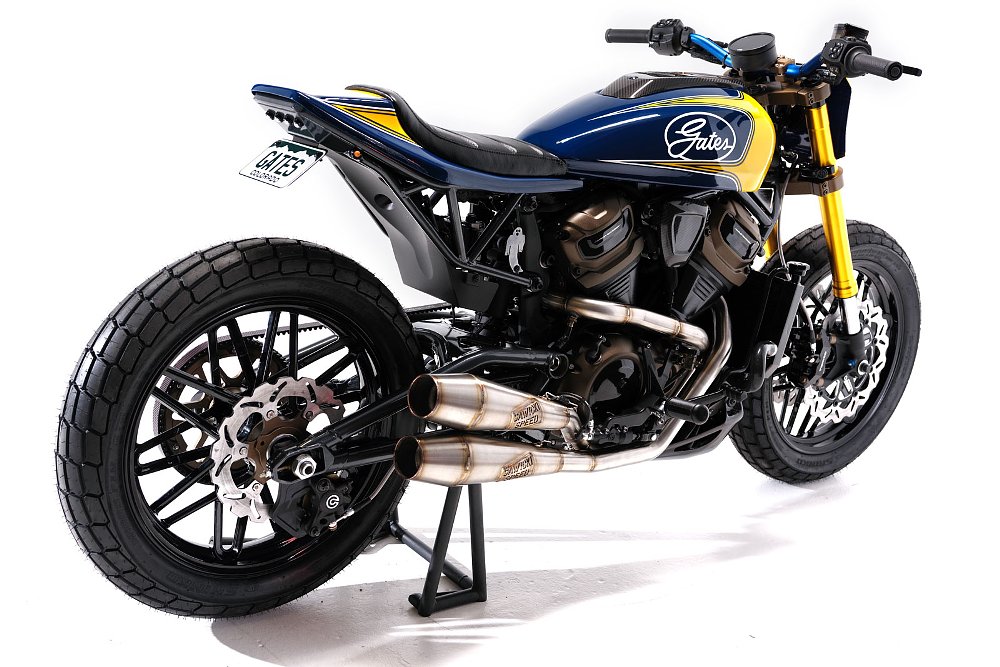
After Thor completed the Gates Super Tracker, it debuted, as planned, at the Mama Tried Show, where it was well received. "I'll be honest, the bike came out way better than I expected," he admits, before posing the question: "Why can't Harley just produce this as a model?"
Considering the brand's long-running involvement in flat-track racing, it's an idea many Harley fans would surely get behind.
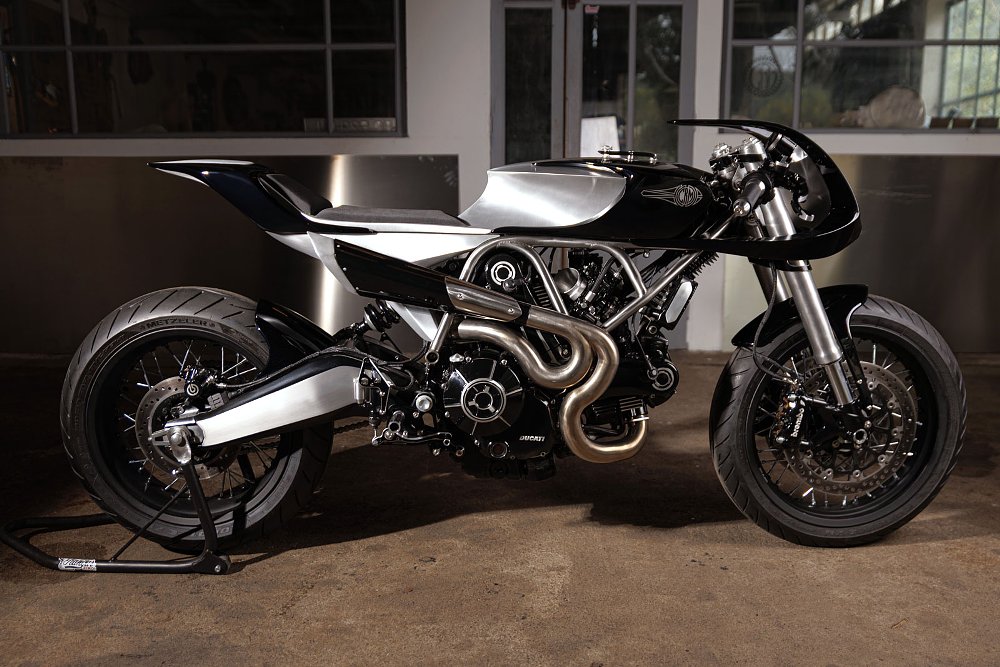
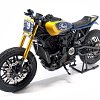
Cévennes Retro Motors "Shibumi" Ducati Scrambler
Back in 2014, during the peak of the "new wave" custom motorcycle scene, Ducati unveiled the Scrambler. Borrowing styling cues from the brand's own scrambler of the 1960s, it was a bold new venture for the Italian marque. Pitched as a bike accessible to all motorcyclists and an easier entry into Ducati ownership, the Scrambler went on sale in 2015 with an 803 cc L-twin engine and a starting price under $9,000. It came in a range of different-spec models and a huge catalog of dealer accessories promised "virtually unlimited" personalization options. Ducati had struggled to win buyers in the modern retro market with its SportClassic range a decade earlier, but the Scrambler became an instant hit. A mere seven years after its release, the company celebrated delivering its 100,000th Scrambler.
The Scrambler range grew to include 400 cc and 1,100 cc variants in a variety of specs, styling and color options. With the Scrambler pitched as a platform for personalization, custom workshops around the world soon got to work on it, and Ducati even ran its own Custom Rumble contest for Scrambler builders. However, while the 800 became a familiar sight in custom circles, the other versions were a far rarer starting point. That makes French builder Cédric Trenquir's latest work all the more special.
At his workshop, Cévennes Retro Motors, in southern France, Cédric builds motorcycles using traditional metal-shaping techniques. Aluminum is his muse, and from it he creates striking shapes and forms that transform run-of-the-mill factory machines into one-of-a-kind pieces of rolling art. Shibumi is one such creation. Built from a 2018 Scrambler 1100, it took nearly three years to complete, and it's easy to see why.
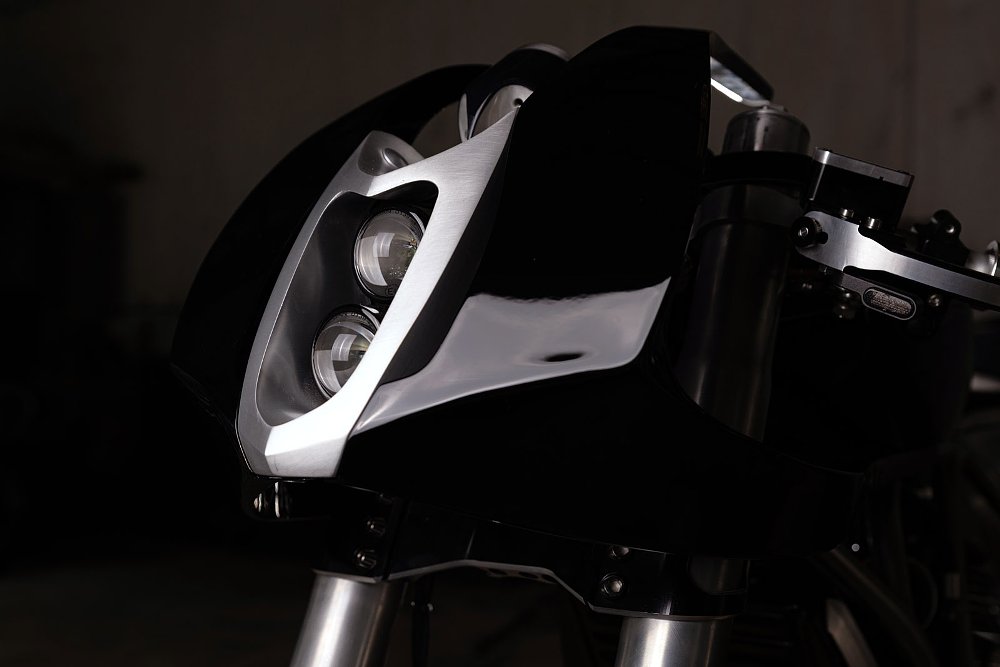
"The goal was to create taut, dynamic lines that convey movement while maintaining fluidity," Cédric explains. "Something between a sculpture and a functional vehicle." Achieving that outcome took many hours of research and contemplation and led to some drastic changes.
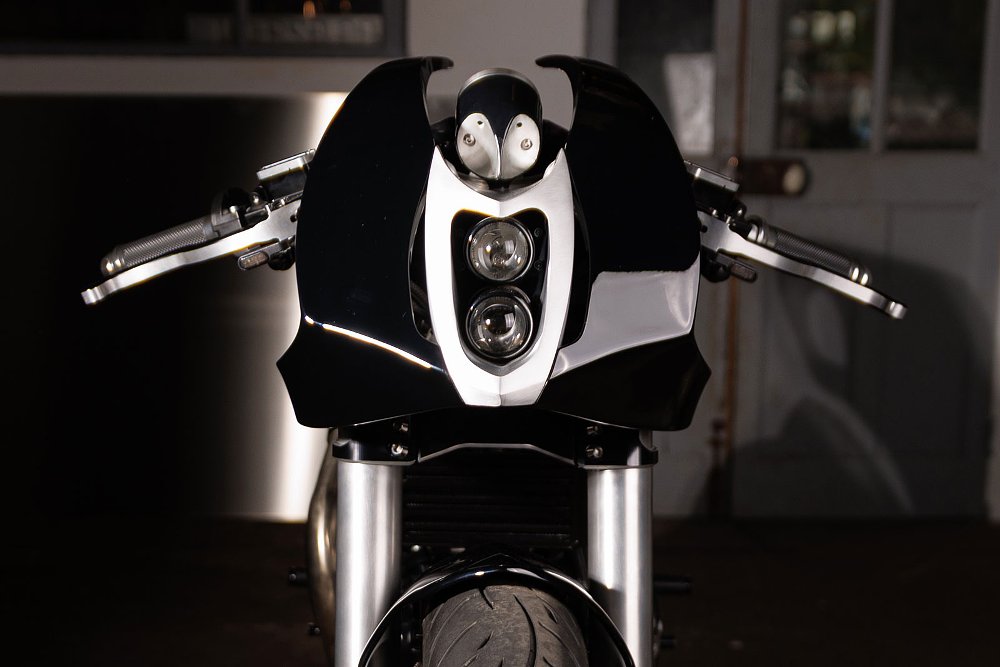
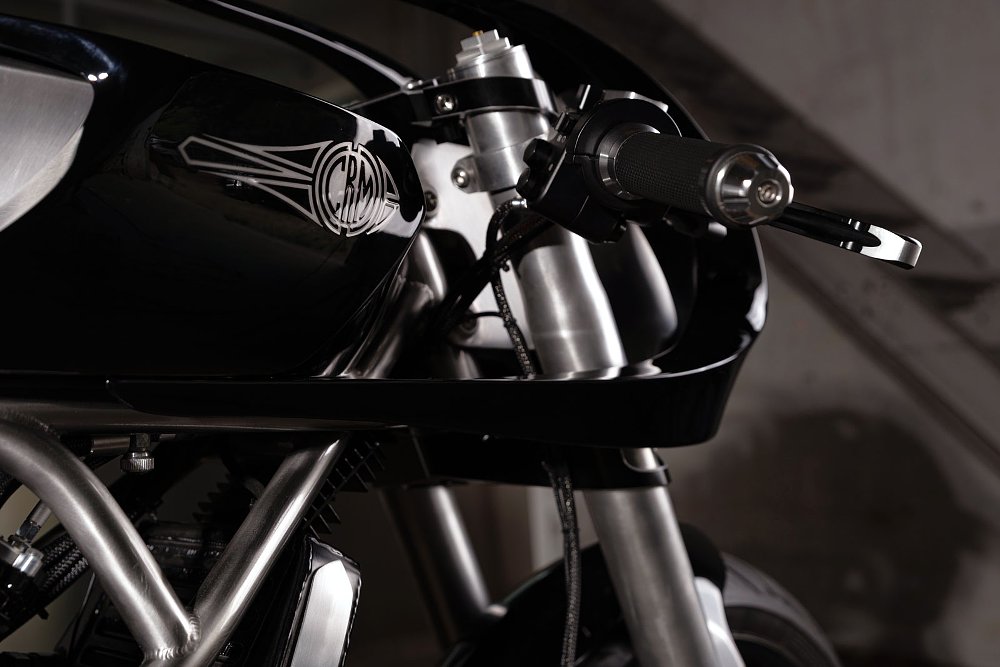
"Ultimately, not much of the original remains," he says. "I kept only the engine, wheels, swingarm, and braking system." Everything else was stripped away to make room for his vision, starting with the frame. Rather than modify the Scrambler's steel trellis chassis, Cédric fabricated a completely new chromoly tube version. It replaces the original frame's sharp intersecting lines with fluid curves. Up front, an MV Agusta Brutale 800 fork gives the bike a sharper and more aggressive stance.
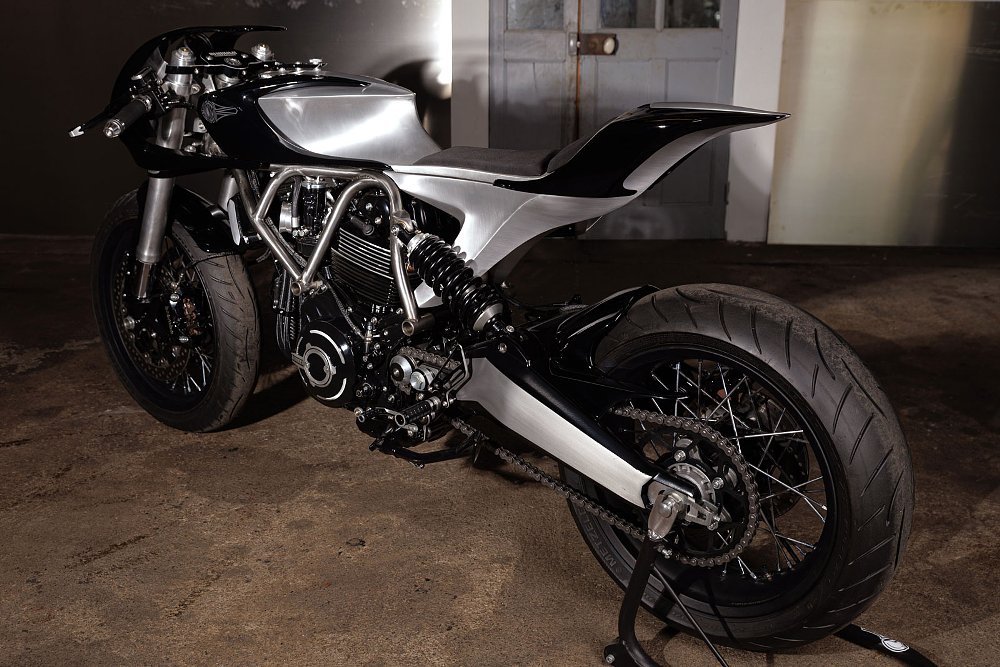
With the rolling chassis sorted, Cédric turned his attention to the bodywork. Much like a car manufacturer's design team, he first sculpted the bodywork in Plastiline modeling clay, refining every curve and surface until he was happy. After that, he began hand-forming each individual component from aluminum. Once the parts were built, he joined them to one another with hidden screws, keeping things looking as clean as possible. Each part was then meticulously finished in either a deep gloss black or a raw brushed aluminum that leaves no room for imperfections.
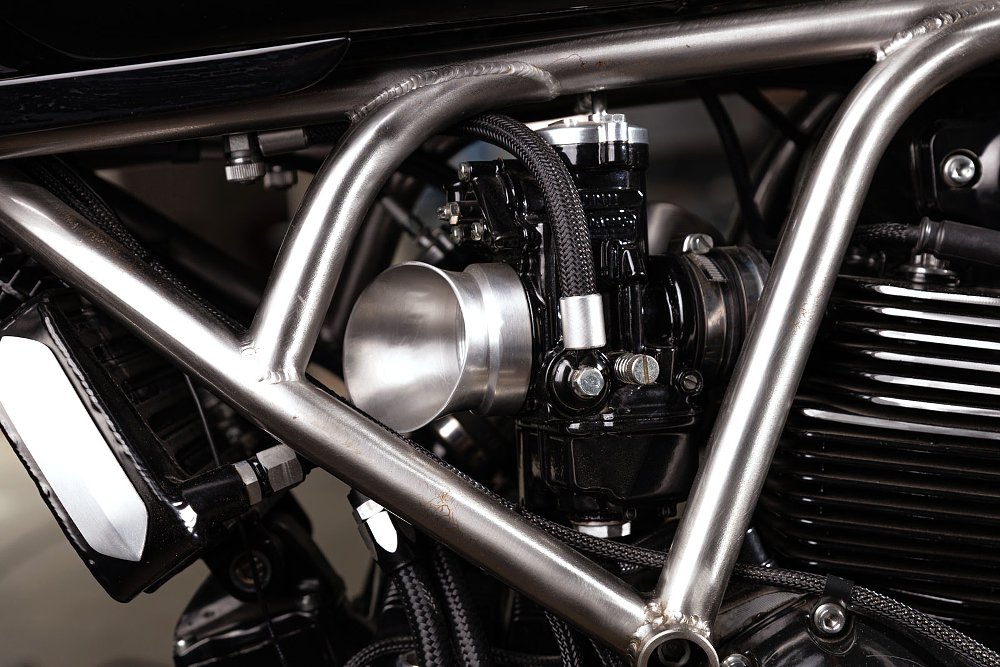
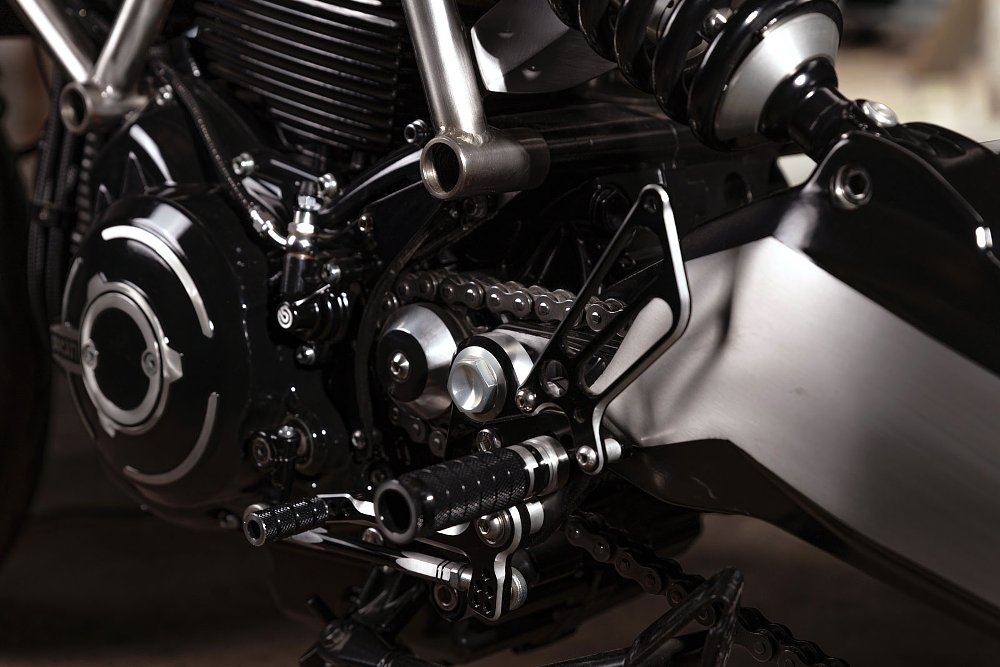
Mechanically, Cédric kept things somewhat simple. The Scrambler’s 1,079 cc L-twin was given a thorough inspection to ensure its reliability, and rather than chasing more power, he focused on improving its character. After ditching the engine's modern fuel injection system, he replaced it with a pair of Dell'Orto PHM carburetors, adding a truly old-school touch to this modern classic. A sculptural two-into-one exhaust complements the bike's look and adds an aggressive tone to match.
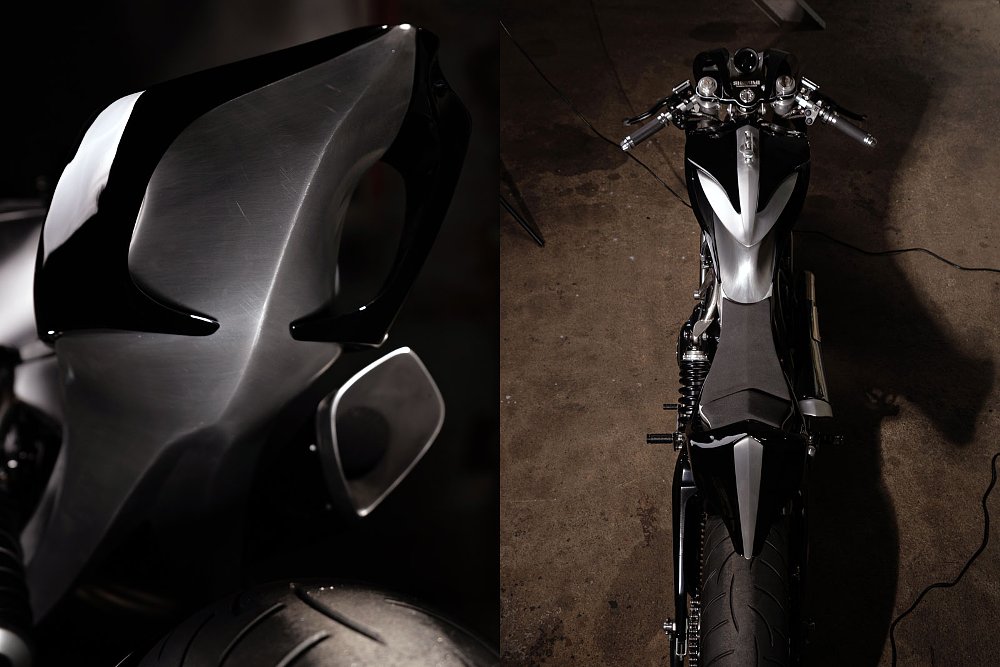
Cédric named the bike Shibumi, after Trevanian's 1979 novel. For him, it stands for "humility, understated elegance, and the beauty of simple, subtle things." It's a philosophy you can see throughout the build, from the hand-shaped bodywork to the hidden hardware, with nothing added that doesn't need to be there.
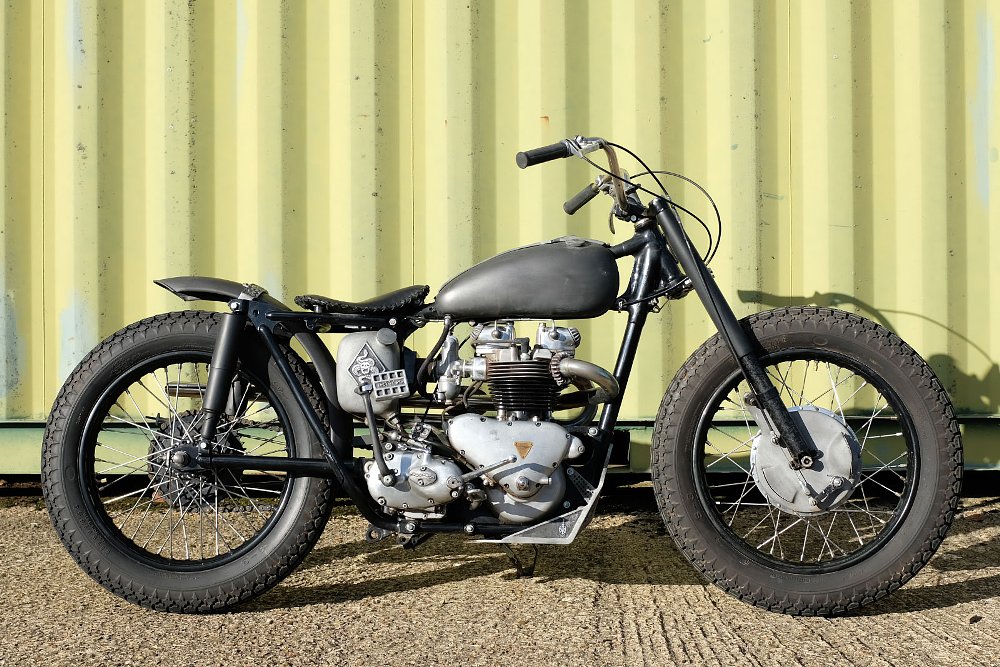
Robbie Palmer’s '54 Triumph Desert Sled
Why is it that some of us can't draw to save our lives, while others seem to have enough creativity to build a one-of-a-kind motorcycle without ever putting pen to paper? Robbie Palmer is one such individual, but his talents go well beyond having a bit of mechanical know-how. Along with building custom motorcycles for the past decade, Robbie is also a filmmaker, fabricator, and artist who turns household trash into sand-cast sculptures.
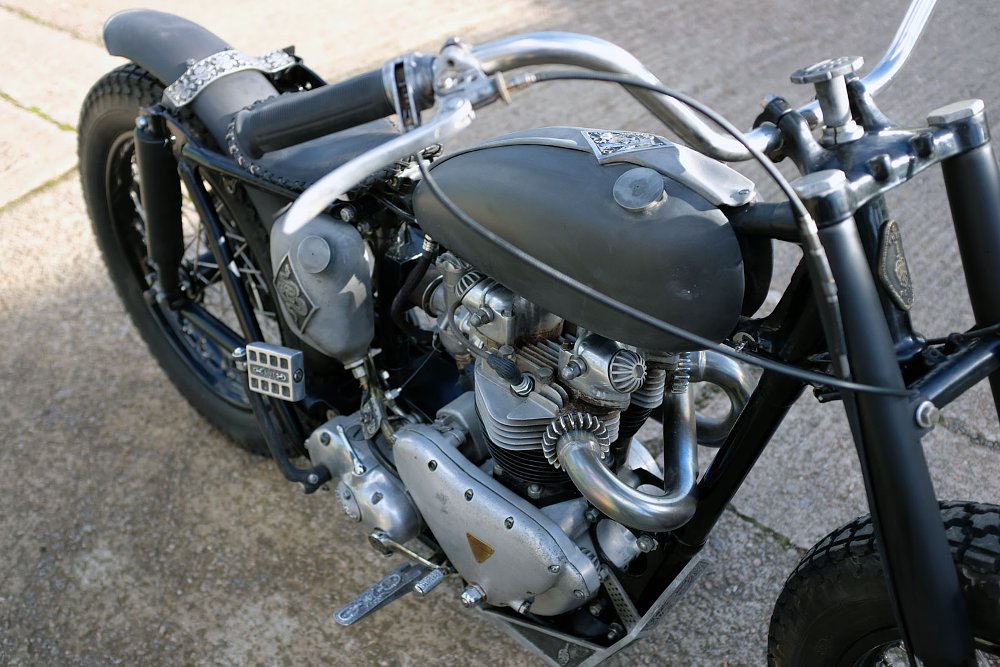
Robbie lives in the Midlands of central England and has a background in film production. His love of filmmaking runs as deep as his passion for bike building, and with this project, a 1954 pre-unit Triumph, he merged the two. Throughout the build process, he produced videos documenting each stage, which you can find on his Instagram.
Like many custom builds based on old motorcycles, this one started with a basket case. "The donor bike came as a pre-unit engine and a selection of unit parts," Robbie recalls. "The guy I bought it from was a proper Triumph legend. A faded Triumph Tiger tattoo on his arm and racing trophies everywhere. He was building bikes in his spare bedroom and had about six Triumphs in a tiny flat in Coventry."
Once he had the parts home, Robbie sorted through everything and decided to stick with a pre-unit theme. After sourcing what he could to make it work, he started planning exactly what it was he was going to create. "I don't really design a bike before I start; I just have a theme and a feeling for what I'm after and try to let it develop naturally. I don't like being tied to a drawing or something I did a year ago," he says. "My inspiration comes from bold, traditional tattoo design, 1950s and '60s choppers, vintage racing bikes, and art exhibitions. I'm also a history nerd, so I spend a bit of time in museums looking at old pieces of jewelry, armor, and design."
The style of motorcycle Robbie gravitated towards was that of a desert sled, a motorcycle stripped of all non-essential equipment with the intention of taking part in desert racing events. This theme also defined the overall look of the bike, which was to have a rougher finish than his past builds. "I was a little apprehensive to leave everything so rough," he admits. "But now that it's done, it's easily my favorite style of motorcycle finish. I'm not sure I'll go back to polishing everything to a show bike finish ever again."
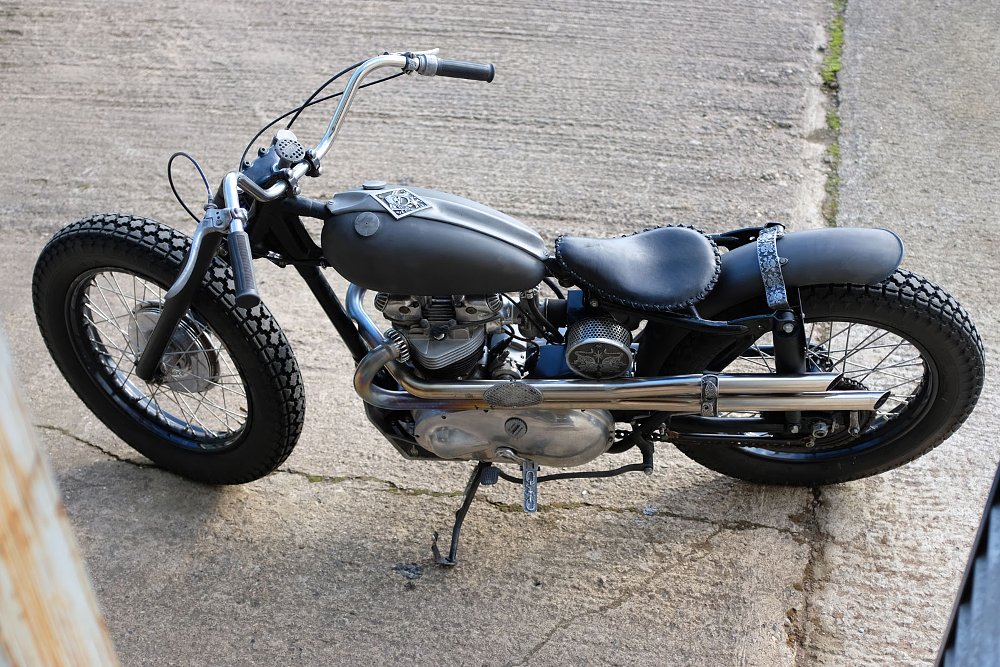
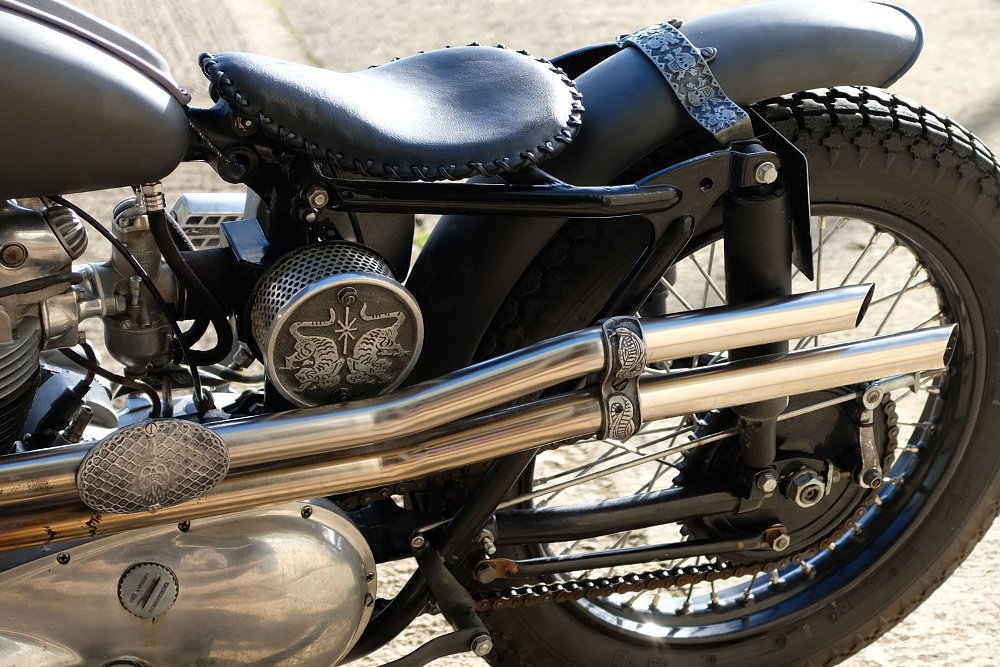
Robbie carried his rough and raw philosophy through this entire build. For the fuel tank, he purchased a Lowbrow Customs banana tank, which he split in half and narrowed. A quick coat of matte black sealed the steel before Robbie fitted a sand-cast strip along its spine. A reaper inlay design sets the gothic tone of the build, and he cleverly integrated the engine's kill switch into the structure.
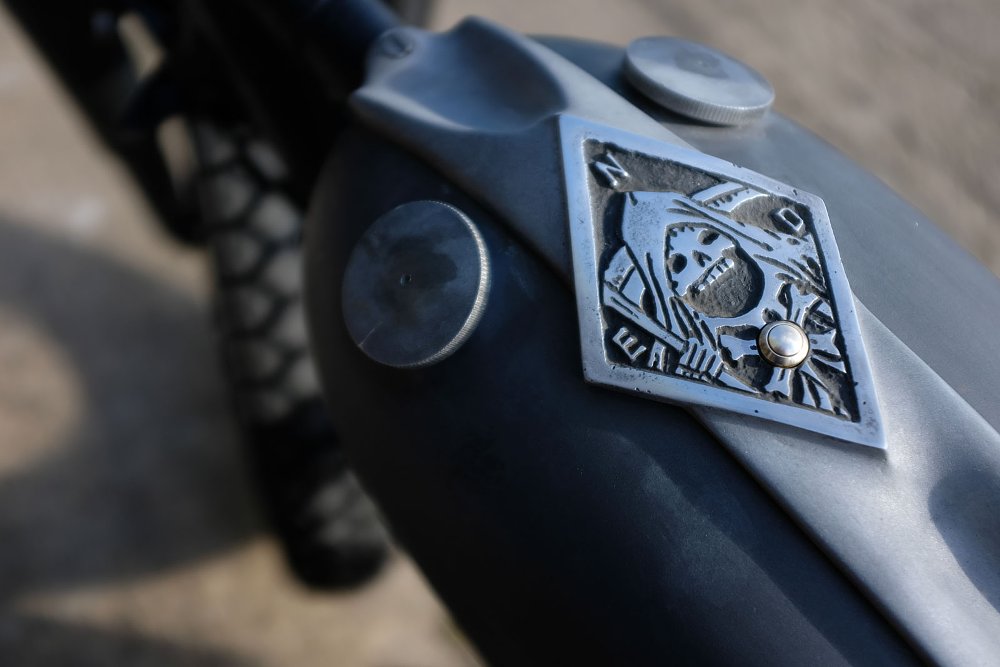
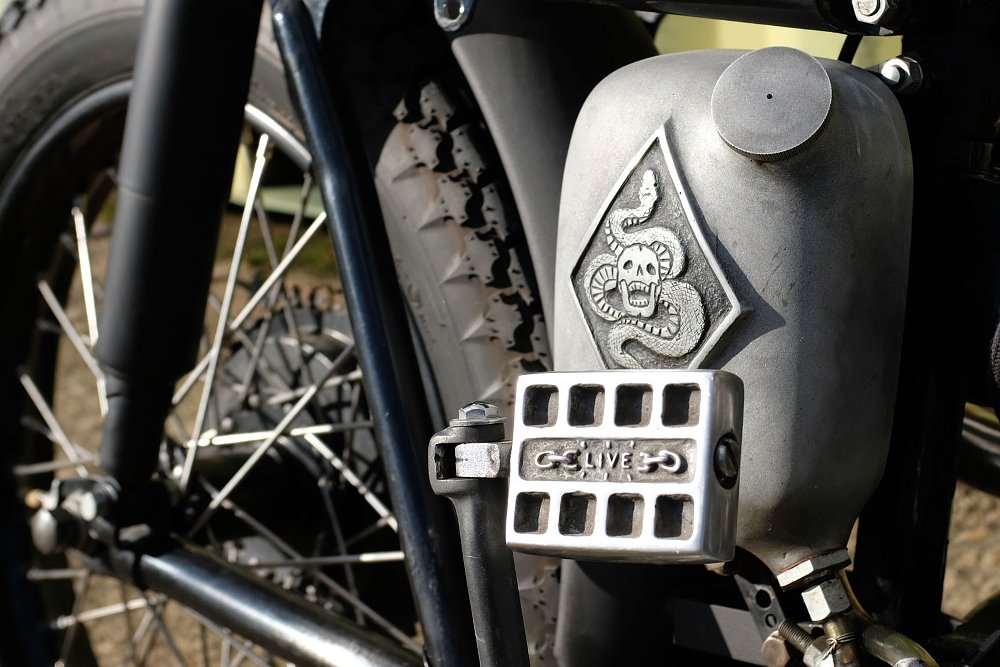
The sand-cast parts are what make Robbie's work stand out, and his method of creating them is as unconventional as the results. Instead of carving his patterns from a single material, such as wood, he builds them from a combination of clay, body filler, wax, and bits of household waste, such as plastic lids, paper, or even chicken bones from a past meal. "I often shape the parts I want in situ, on the bike, and then prise them off for casting," he says. In keeping with his unintentionally sustainable approach, the finished designs are sand cast in recycled aluminum.
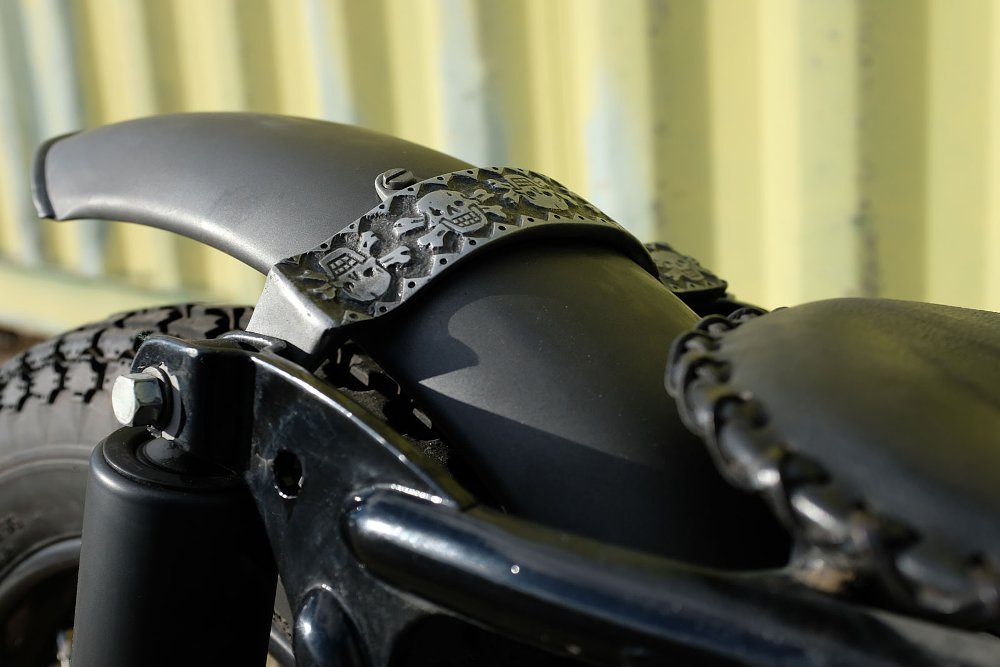
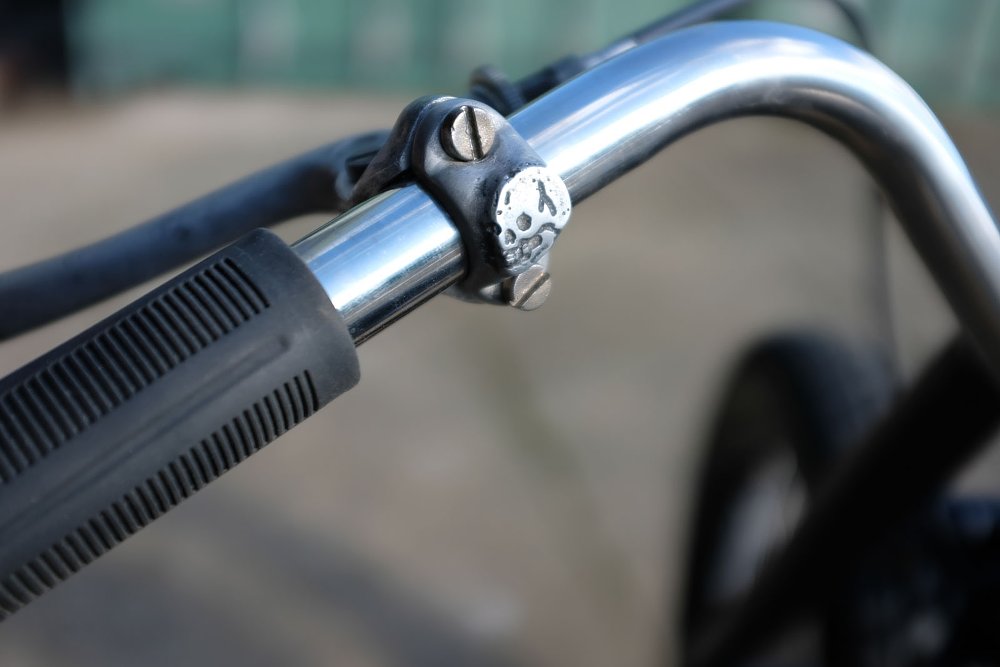
Using that same method, Robbie cast the Triumph's air filter cover, footpegs, kicker pedal, oil tank, exhaust clamp, and a host of other smaller parts on this bike. "This approach feels quite organic and, when they work, the pieces can look like they belong there," he says. As a result, the whole theme ties together nicely.
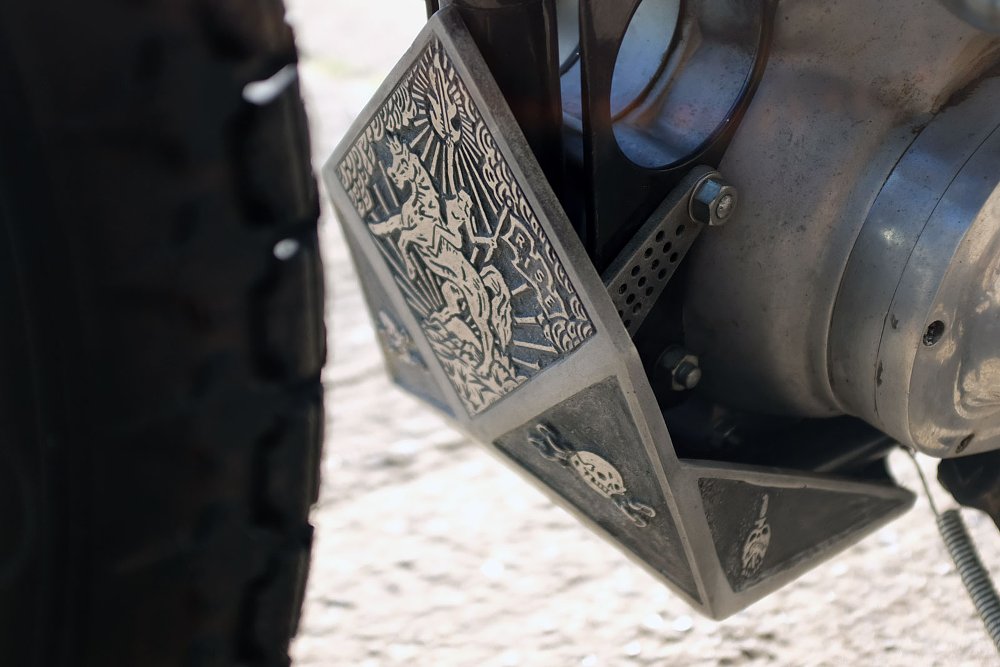
Along with casting all the sculptural elements of this project, Robbie fabricated the exhaust pipes and seat and laced up a pair of wheels with 19-inch rims to get the bike back on the road.
After completing his desert sled, Robbie set off on a two-hour ride north to Grimsthorpe Castle in Lincolnshire for the Malle Mile festival, where all manner of custom and classic motorcycles take part in quirky and unconventional race events. "It performed really well at Malle," he says. "I raced it in the antique class and even won a race!" After all was said and done, Robbie piloted the bike two hours home again without it skipping a beat. "There's no better feeling than riding down the road on a motorcycle that, just a few months before, was a pile of parts, a lump of clay, and some plastic scraps from the recycling bin!"