
 Shop by Vehicle
 Track Order
 Contact Us
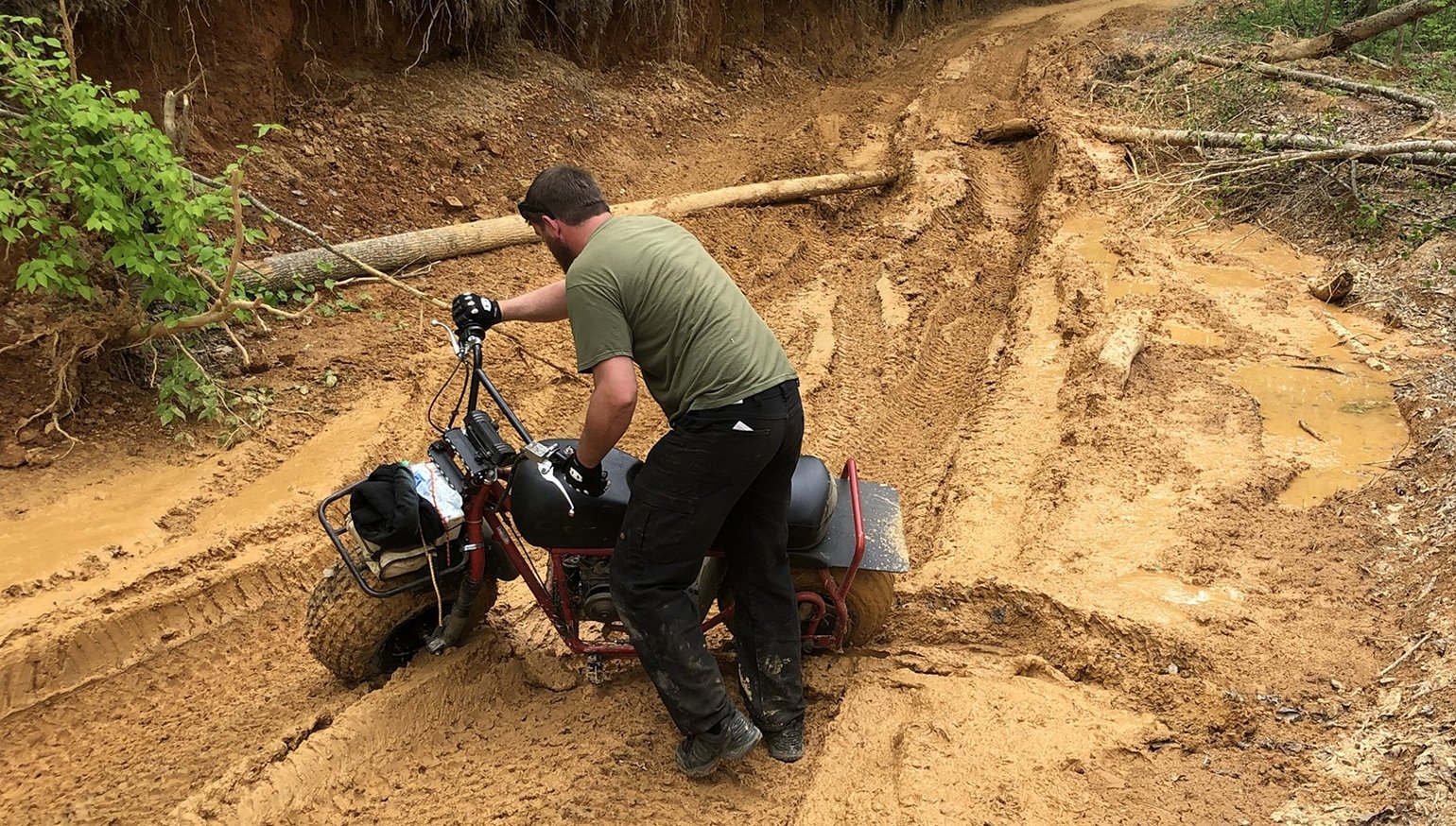
A number of years ago, CTXP hosts Zack Courts and Ari Henning made an episode on a now-defunct platform, building apocalypse bikes out of literal junk. If you haven’t seen it, I'll sum it up: hilarious, resourceful, and it seems extremely hard to hit a moving target while on a Yamaha YZ80. A few years prior to that, Common Tread staff writer Lemmy, a very funny guy, put together a rad, off-the shelf minibike, which to me was highly entertaining. Methinks we can merge those two concepts together and create a masterpiece. Or a horror show.
Are you afraid of being chased by a horde of zombies or Mohawk-spiked people wearing only butt-less chaps? Girl, same. Are your couch cushions full of enough change to buy the latest and greatest $24,000 two-wheeled Bavarian TFT screen? Mine either. I'm married and have children, and they be thieves. Let me show you how the Bengineer, (my friend Ben, the engineer — see previous article involving this mad scientist) and I built not one, but two of the ultimate low-buck apocalypse motorcycles. By my calculations, you should have about $22,000 leftover for beer and anatomically correct inflatable sheep. Sinner.
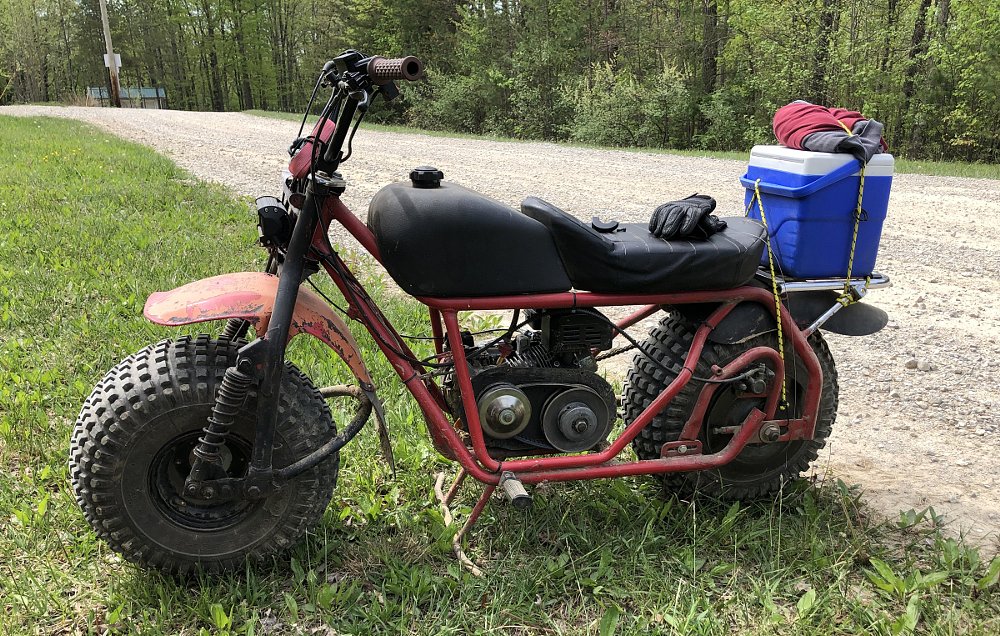
The custom build, Version 1.0
Enter the Manco Big Cat. For the uncultured, it was a very large minibike made in Fort Wayne, Indiana. Some people mistakenly call these "Fat Cats" and those people… well, bless their little hearts. Everything was massive and robust. Except what wasn't: The single mechanical brake disc and bicycle-style front fork are woefully inadequate to "safely" operate a 250-pound machine. They also have a wide center stand that hangs low under a frame that sits about as high off the ground as a nightcrawler's nutsack. Most importantly for post-apocalypse duty, in my "relative expert" opinion, they have a 3.5-gallon fuel tank, and they run a magneto-style ignition coil. Impervious to EMPs, yo!
You can build this one of a few different ways, and we have now done two of them. We can call them Version 1.0 and 2.0, for the sake of the internet peoples. Version 1.0 we built as cheaply as possible, as quickly as possible. We used subpar-quality bolts, speaker wire, and Fentanyl Frank's navel effluence as an adhesive. (Don't ask how we got it, the statute of limitations hasn't been reached quite yet.) You’ll see why I do not recommend this route unless you're, 1) super desperate and the people in chaps are knocking at your door, or 2) you're one of John Tunstall's Regulators and you're handy with the steel, if ya know what I mean.
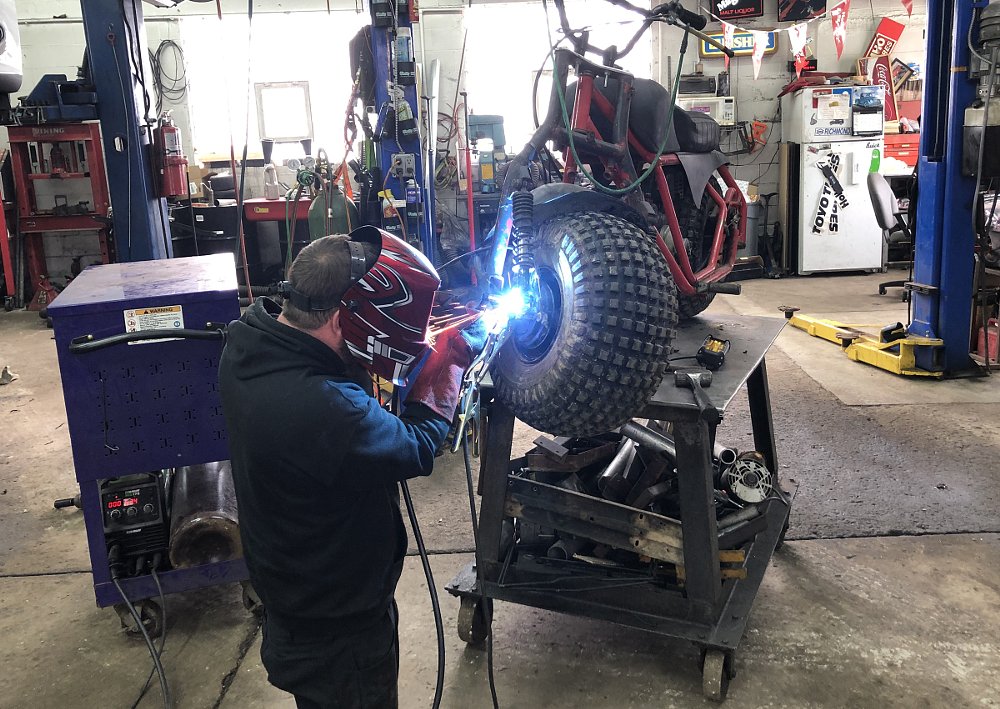
What we did right in Version 1.0 was address two of the previously aforementioned weak links. We sourced some Amazonian generic hydraulic brake systems and some secondhand three-wheeler forks. Both fork sets were adapted in various ways to the bikes and both included front brakes. Some of Harbor Freight's finest engines were mounted on the bikes when we got them, along with the factory Comet 30-series converters. Also done correctly, we got some flywheels and lighting coils to run actual "legal" lighting. And this is where "done correctly" stops.
While the lights and coils were right, the bikes were wired with a combination of trailer wire and speaker wire, just like the 1997 Plymouth Neon stereo you did in high school. For whatever reason, we drew the line at the thought of using wire nuts. I guess we were pansies, or someone consulted an attorney. Of all the hackery, that's the hill we chose to die on, you know, like fully functional adults. We were only a week or so away from taking these to Royal Blue, Tennessee to beat the absolute dog crap out of them. And ourselves.
Have you noticed me talking about the front fork, brakes, and "safety?" Notice what I haven't mentioned: rear suspension. It's the tire. Only the tire.
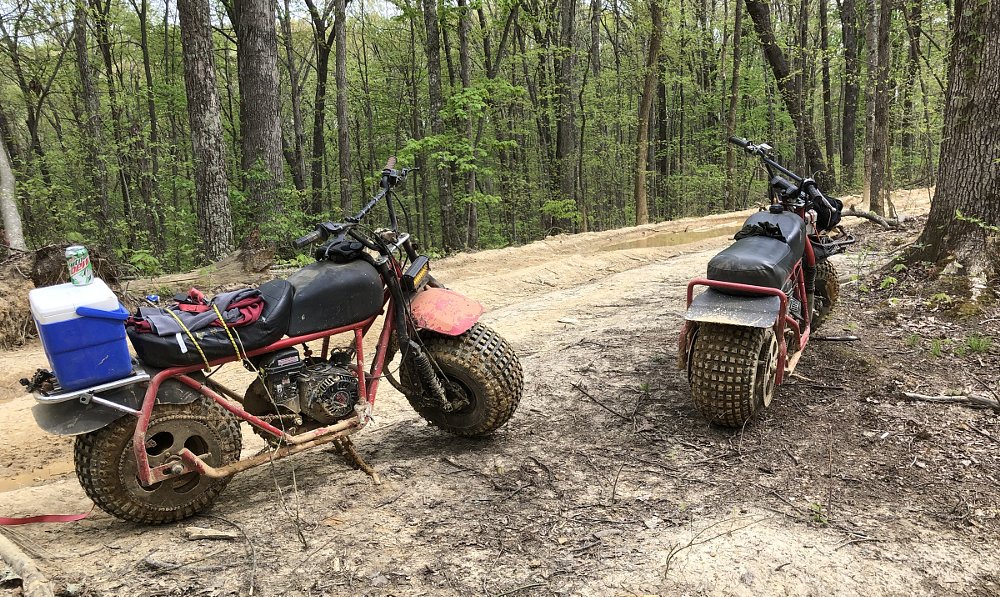
After traversing miles upon miles of mountain trails, rocks, mud, and logs in Tennessee, a few very visible faults were apparent. Both of us had broken off one of the feet of the center stand. Those needed to go. We also each broke off a footpeg, resulting in many miles of riding back with a Vise-Grip clamped to the frame as a replacement. And my seat. Holy cow, my seat was a problem. Someone in the bike's history ran two four-inch wood screws through the mount and into the seat's wood base. Those were spaced perfectly to poke each butt cheek enough times to end up on a list managed by the local sheriff's department. Pounding through the woods, those two tetanus-laden demons attempted to give me lockjaw coupled with PTSD. By the end of the ride, even after rolling up a hoodie and sitting on it, both cheeks were dimpled like Henry Cavill's chin.
If the Mohawk-spiked assless-chaps people aren't pounding on the door and you have time, do Version 2.0.
The custom build, Version 2.0
First, take stock of the things done right in my Version 1.0, and do those. Then, yank the bone-stock Predator 212 engine and follow these steps:
- Buy a headlight shroud for your fork from eBay.
- Buy a light (that is in the general shape and size) of said shroud.
- Buy electric start, pit bike battery, generic kickstand, brake cable, master cylinder, actual wiring/connectors, friction tape, and steel pegs from your favorite jungle website.
- Mount seat with hardware that does not insert itself into your starfish. Unless you explicitly consent. Do you, boo.
- Flip frame over and grind center stand mounts off.
- Fill holes you just ground into the frame with metal, JB Weld, or goo from grandpa’s weird coffee can you found in his attic.
- Wire things. Sans wire nuts if you’re fancy.
- Install engine and converter.
- Mount electric start and button thingy that makes the engine go vroom.
- Flip bike back over.
- Buy a Predator 224 from Harbor Freight.
- Install brakes before test ride. Or don’t. Prove Darwin right.
Since the lawyers are reading, that list is in no way, shape, or form in logical order or sound advice. But by all means, make it weird.
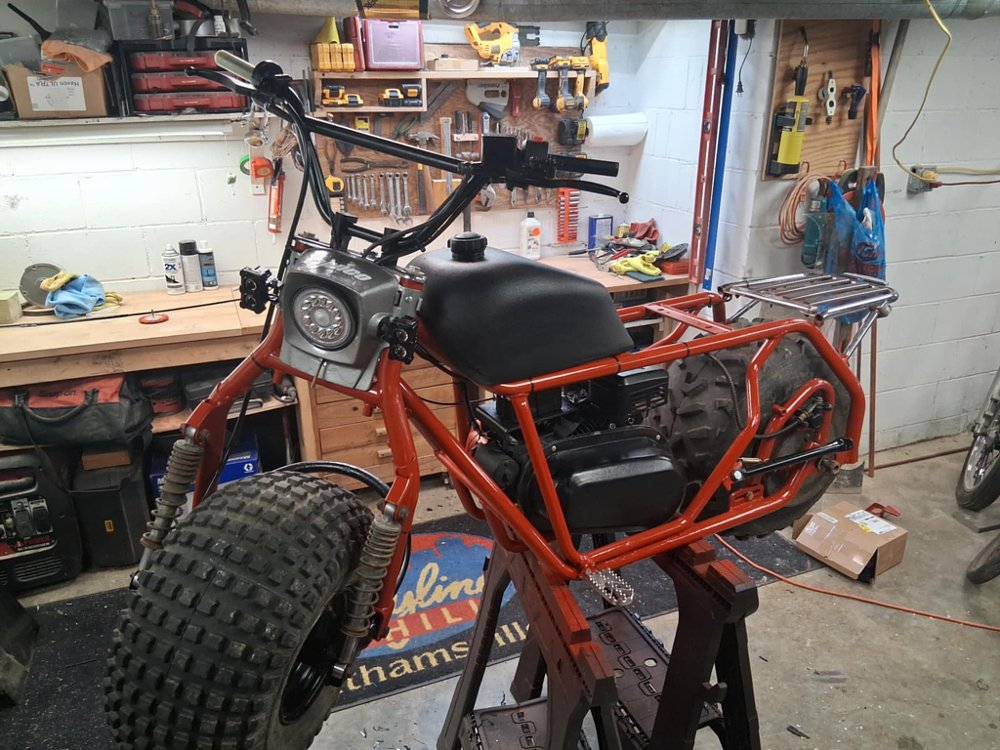
Your next step (and this is arguably more crucial than your parts selection) is drop it off at Ben's shop. Do a weird mating dance, sprinkle salt around the bike, sacrifice a chicken nugget, then leave. It's bizarre how this works. You'll check your messenger and pictures of progress show up from about 7:30 a.m. the next morning until completion. I'm not sure what level of Wicca or Dungeons & Dragons sorcery is afoot there, but this works. The engine gets painted and mounted. The kickstand gets mounted to the side of the frame, leaving the bottom smooth to slide over that alligator snapping turtle, bearings get installed, and a new Kevlar drive belt gets put on. In the Navy we called this PFM. Pure Freaking Magic.
After the wiring is done, but before you have an actual seat mounted, you must test ride. During this break-in period, it's important to test the bike at all angles, i.e. 12 o'clock wheelies (SEE LEGAL DISCLAIMER BELOW). This ensures proper oil circulation to the valvetrain while simultaneously testing the limits of your tire bead seating. Economy of motion. You're going to want to break this in the way it's going to be used. At this point, beat it like you're a teenager whose parents are never home.
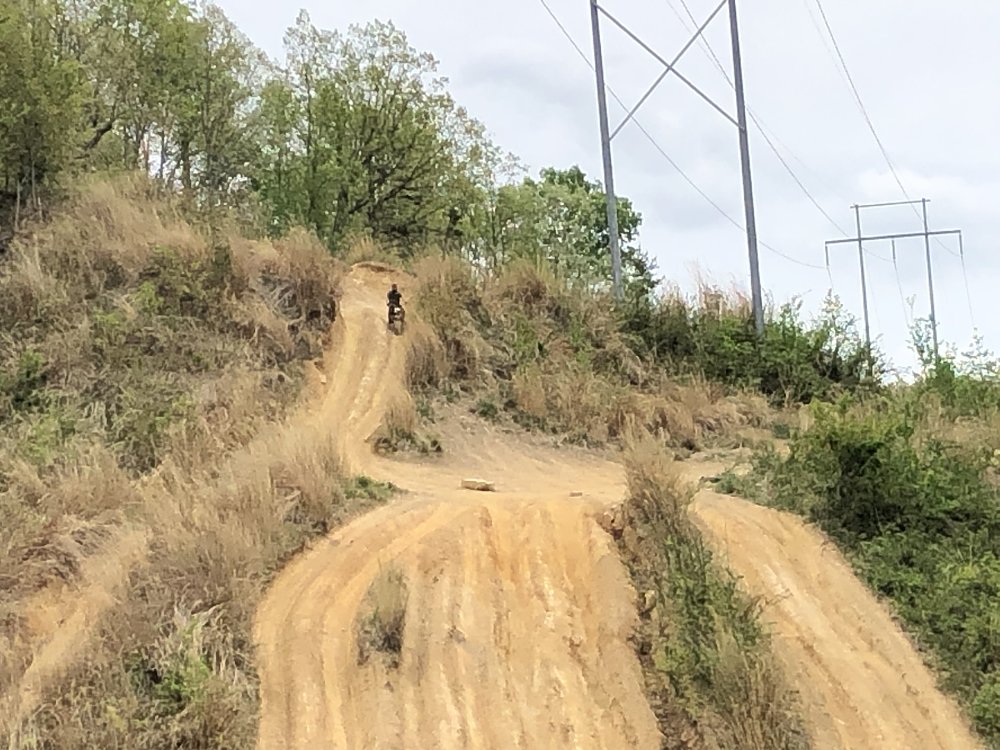
You now have a bike that will perform well in sand, snow, mud, rocks, cornfields, grocery parking lots, and zombie escapes. Is it as fast as a BMW R 1300 GS Adventure? Not even close. You have 6.6 horsepower with a 10-tooth front sprocket and an 80-tooth rear. You can climb a tree with it, but 42 mph is as fast as it's going to go. If you have never traveled 42 mph on unbalanced balloon tires inflated to five psi, then you are in for a treat. Suffice to say it's fast enough.
Will you be as comfortable on it as a GS? Also no. You will, however, intimidate everyone you pass. Between the awkward peg placement and weird handlebar, your riding posture will look eerily similar to an orangutan fornicating with a coconut, and literally no one wants to mess with something that looks like that, because everyone knows that's how you contract coconut flu. It's specifically mentioned in the Treaty of Versailles. You're welcome.
The efficiency should be somewhere above 70 miles per gallon, giving you north of 200 miles of "get-the-eff-away-from-me." You will likely be limited by the endurance of the newly arthritic knees you were blessed with after the test ride. Remember, you don't have to be the fastest when escaping the hordes, you just have to be faster than your friend who only did Version 1.0.
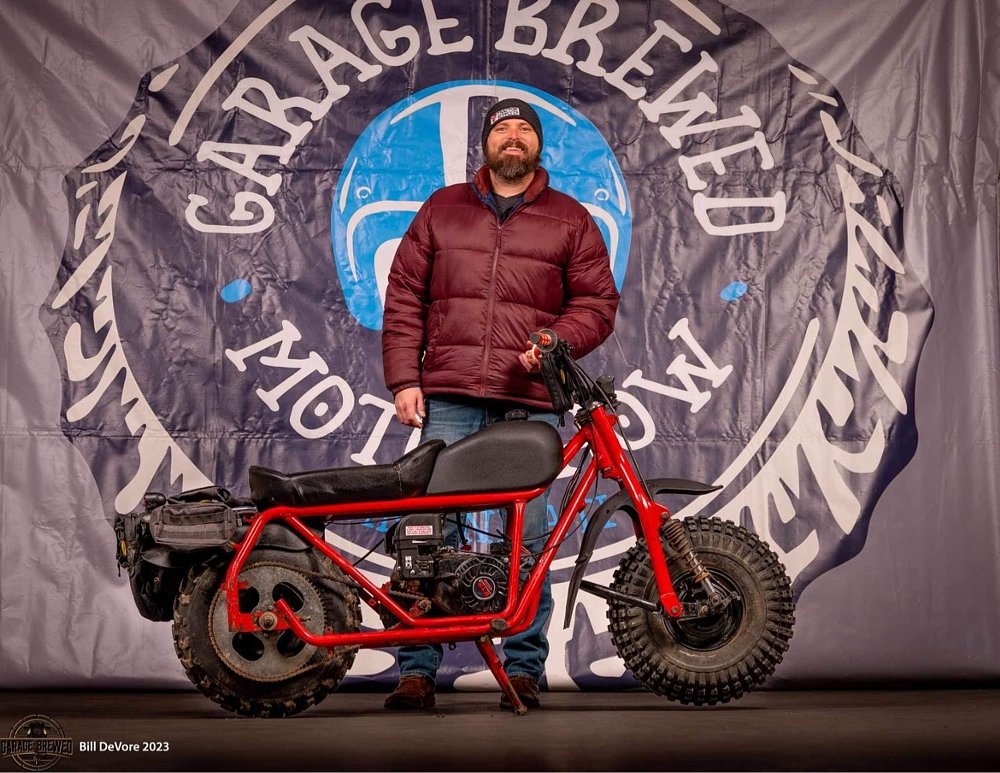
Also, to satisfy any legal counsel reading this: Your Results May Vary. Do Not Try This At Home. Also: Your Mom.
| 199-something Manco Big Cat, Version 2.0 | |
|---|---|
| Price (MSRP) | Priceless |
| Engine | 224 cc, air-cooled, two-valve, single |
|
Transmission, final drive |
27:1 to 9:1. Maths. Your mom. |
| Claimed horsepower | 6.6 @ 5,250 rpm |
| Claimed torque | 10 foot-pounds @ 5,000 rpm |
| Frame | Steel stronger and lighter than your mom |
| Front suspension | Leading-link fork. Your mom also leads with her fork. |
| Rear suspension | Whatever your chiropractor co-pay is. |
| Front brake | ATC 185 drum. Adequate. |
| Rear brake | Hydraulic rear disc |
| Rake, trail | Is this millimeters? What's that? I'm from Florida. We measure in grams. |
| Wheelbase | 51 inches |
| Seat height | Half a Peter Dinklage… millimeters unknown. Because America. |
| Fuel capacity | 3.5 gallons. Not Imperial. That would be weird. |
| Tires | 22x11-8… you know… Magnums |
| Claimed weight | 250 pounds. Less than you know who. |
| Available | Yes. Facebook Marketplace. For sale by Fetanyl Frank. |
| Warranty | You are the warranty |
Image Gallery
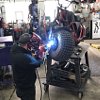
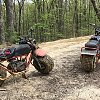
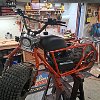
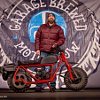
Image Gallery
