Shop by Vehicle
 Track Order
 Contact Us
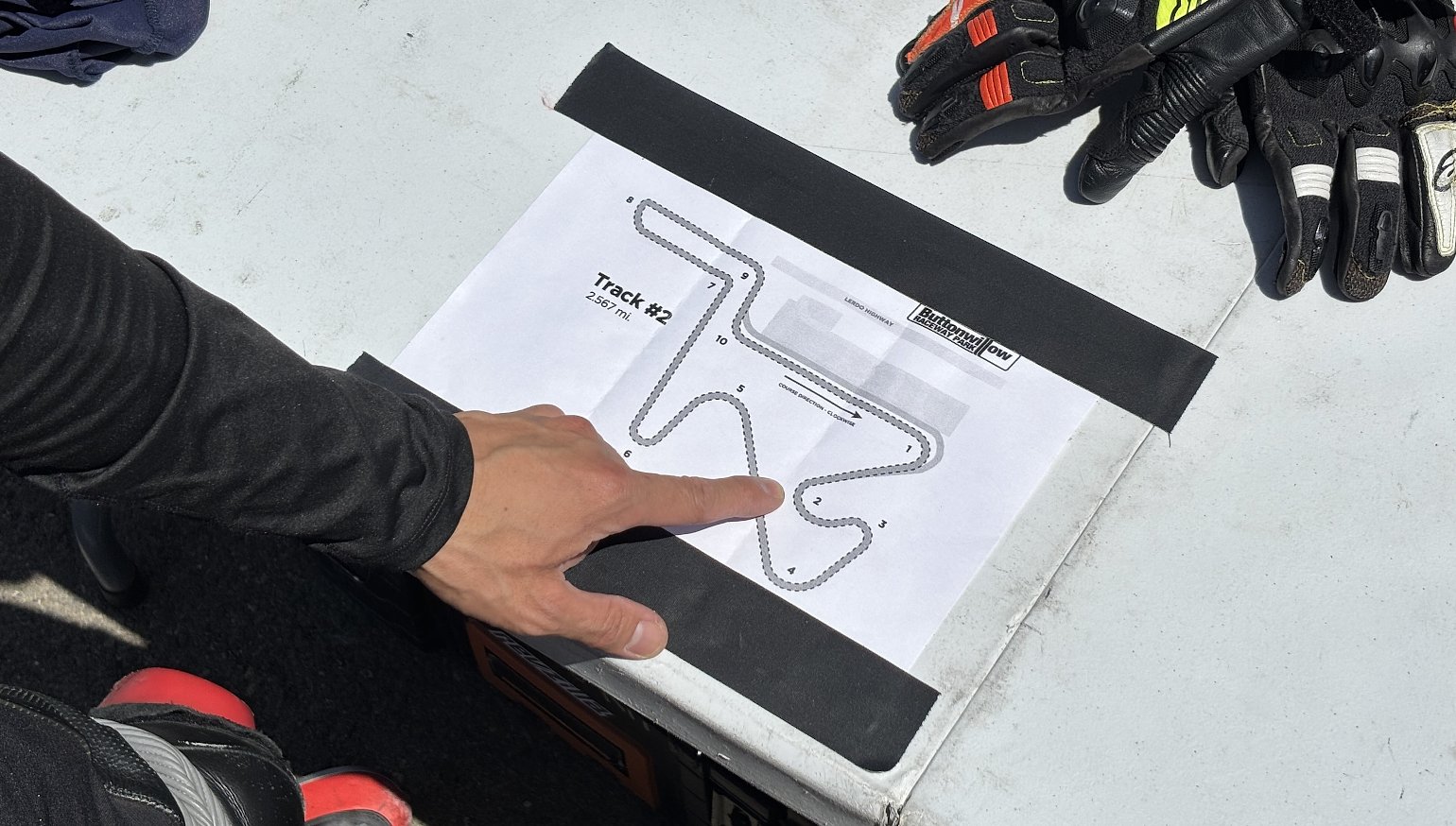
I don’t know much about dancing so that metaphor ends here, but I’ve learned over 40 road courses to date, and a few strategies have proven reliable in unraveling a circuit’s secrets. Some of the methods can be applied before you head to the venue, while others need to be implemented on site.
Before you go
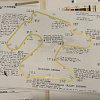
As soon as you’ve signed up for the track day or race, print out a track map and study it. Knowing the sequence and approximate character of each turn is the foundation of a decent lap, so stare at the map until you can close your eyes and envision the configuration.
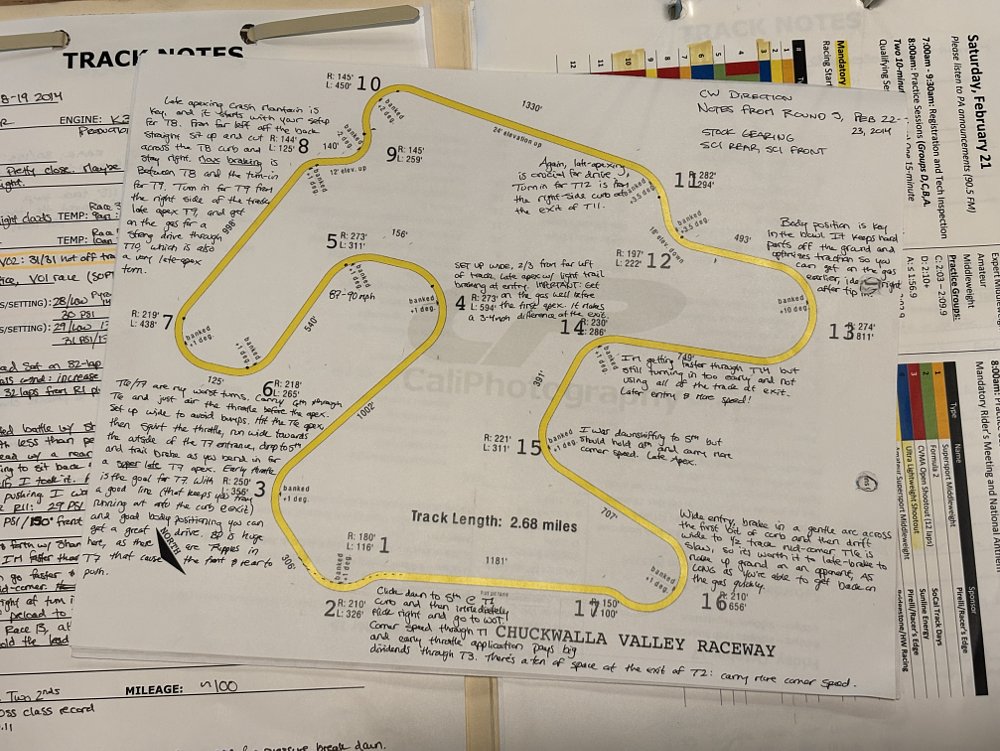
Once you’re at the track, the map is a valuable reference when digesting turns, and serves as a place to make notes about braking points, gear position, pavement anomalies, and more. For me, putting things in writing is one of the best ways to commit it to memory, and the annotations help you get up to speed quickly the next time you ride that circuit.
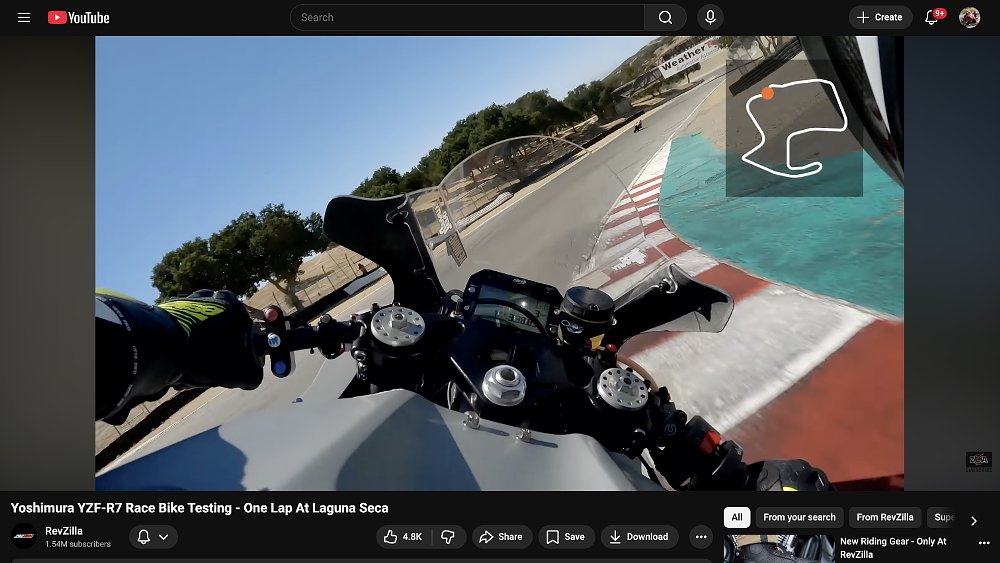
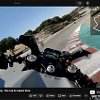
Onboard videos are another fantastic resource, and something I’ve turned to many times when cramming for a press launch or race at an unfamiliar track. Quality POV puts you on the race line, and being right in the cockpit lets you see engine rpm, speed, brake and throttle application, and more. As a rider your brain will absorb that peripheral info, and that provides perspective and insights as you’re trying to digest a new track.
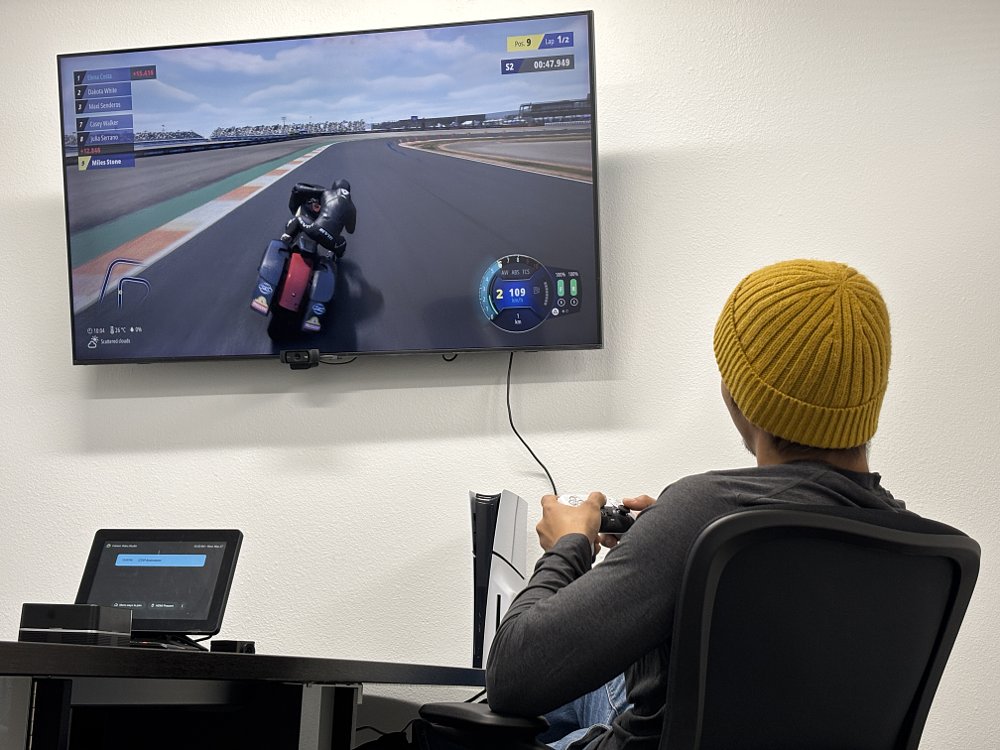
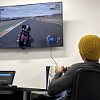
Speaking of videos, I’ve heard that video games are an effective way to learn a track, although your local 10-turn circuit isn’t likely to be in the latest edition of Ride 6®. I’ve never utilized this technique myself, but I recall Zack mentioning it when he first started going to Europe for press launches, and I know that pro racers like Valentino Rossi and others will use advanced simulators to practice. Considering how lifelike modern games are, and the fact that they’re interactive, I bet this is a great way to commit a track to memory.
When you’re there
Even with all the prep work in the world, tracks take on a whole new character when you see them in person.
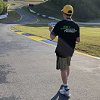
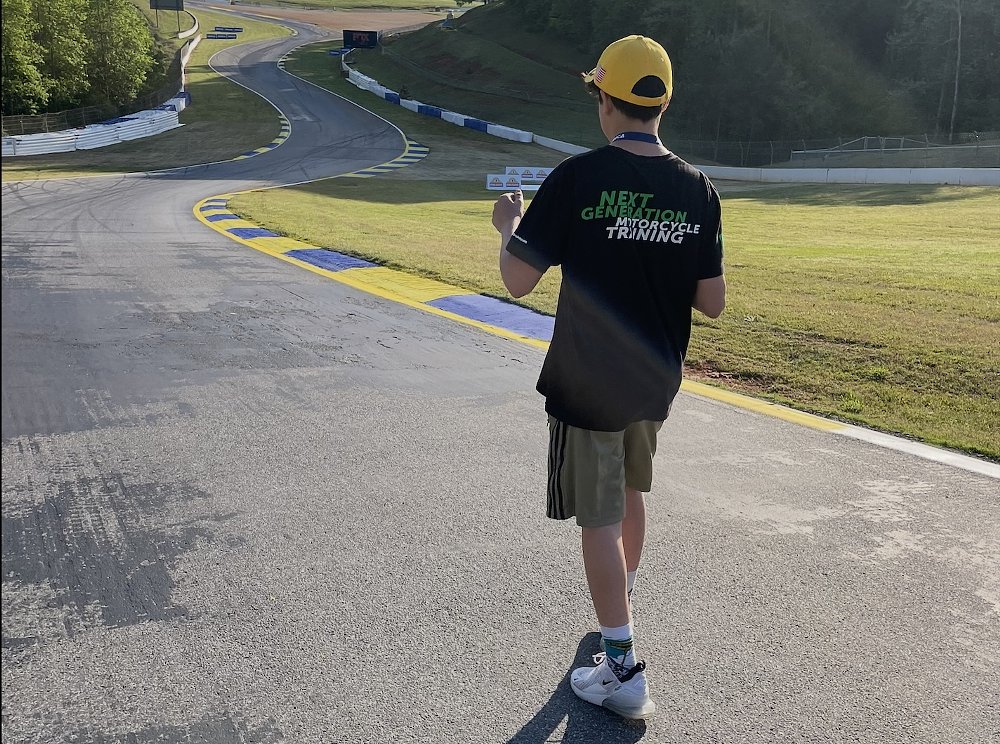
Many riders travel from afar and arrive the day before an event, which provides the opportunity to do an evening track walk. Besides stocking up on spare hardware (it’s amazing what you’ll find), a track walk helps establish reference points and provides insights into the track surface.
If you’re in the B or C groups at a track day, then the schedule typically begins with sighting laps behind a control rider. Try to slot in right behind the coach, since the race line will disintegrate the farther down the conga line you go. Even if you’re in the A group, track-day organizers should allow you to audit the sighting lap in one of the slower groups.
As you’re lapping the track, you’ll likely see a constellation of traffic cones around each corner. Those are entry, apex, and exit reference markers, and they’re your waypoints as you’re learning to string a lap together. Some venues will also have braking boards or cones. All this trackside instruction is incredibly helpful, so make sure to use it.

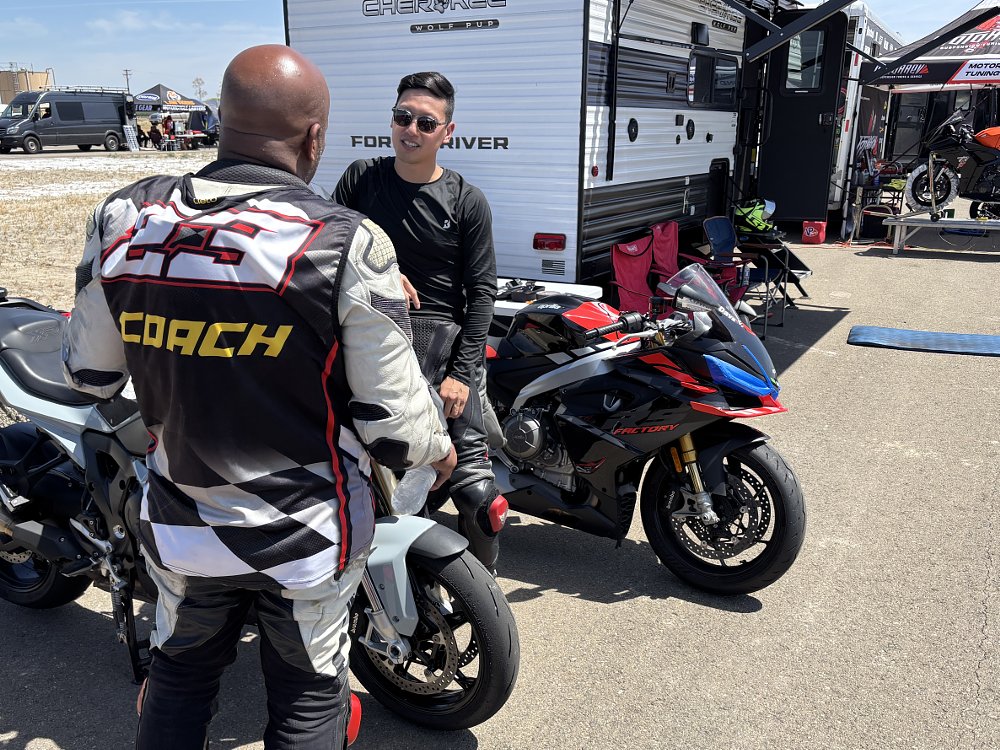
If you’ve logged some seat time and you’re still feeling lost or simply struggling with a section of track, you can always ask a control rider for advice or even a tow. They’ll lead you around on the proper line and should have some tips or feedback to help you progress.
Track days and race weekends have a lot of down time, so why not do some spectating? I find it helpful to study riders in different sections of the track. It’s pretty obvious who’s fast and has the track dialed, which gives you something to emulate. If you’re a racer, another important thing to observe is the starting official. Everyone waves a flag differently, and some starters have a tell (such as a head or shoulder jerk before their arm moves) that can give you an advantage over your competition.
Whether you’re a racer or a track-day rider, you’ll know you’re gelling with a track once your riding becomes relaxed and smooth. At that point it’s choreography, and for me it’s one of the most satisfying feelings I can experience, and as close as I’ll ever get to being a good dancer.