Shop by Vehicle
 Track Order
 Contact Us

Imagine this: You’re the owner of a nationally renowned racetrack. One that’s hosted races for decades. Now, imagine a new housing development springs up in the surrounding area. With these new neighbors in earshot of the track, noise complaints and lawsuits pour in, ultimately impacting your future business decisions.
If that sounds like an injustice to you, you’re not alone.
Last week, Kansas Governor Laura Kelly signed HB 2416 into law. The so-called “Right-to-Race” regulation protects racetracks throughout the state from nuisance complaints filed by nearby residents, so long as the facility predates the local property development. The Sunflower State is just the latest to pass such legislation.

Iowa Governor Kim Reynolds approved HF 645 last May, granting similar immunity to racecourses in the 29th state. Months later, North Carolina tracks also earned “Right-to-Race” protections when Governor Josh Stein ratified HB 926 in October. Encouraging as those enactments may be for raceway owners, progress doesn’t come without its setbacks.
Last Wednesday, Wisconsin Governor Tony Evers vetoed AB 880, even after both chambers of Wisconsin’s legislature previously passed the bipartisan-supported bill. In a statement released by the Office of the Governor, Evers revealed that he rejected the bill because it introduced “unfair and unnecessary hurdles for people pursuing legal avenues,” while also “removing control from local authorities.”
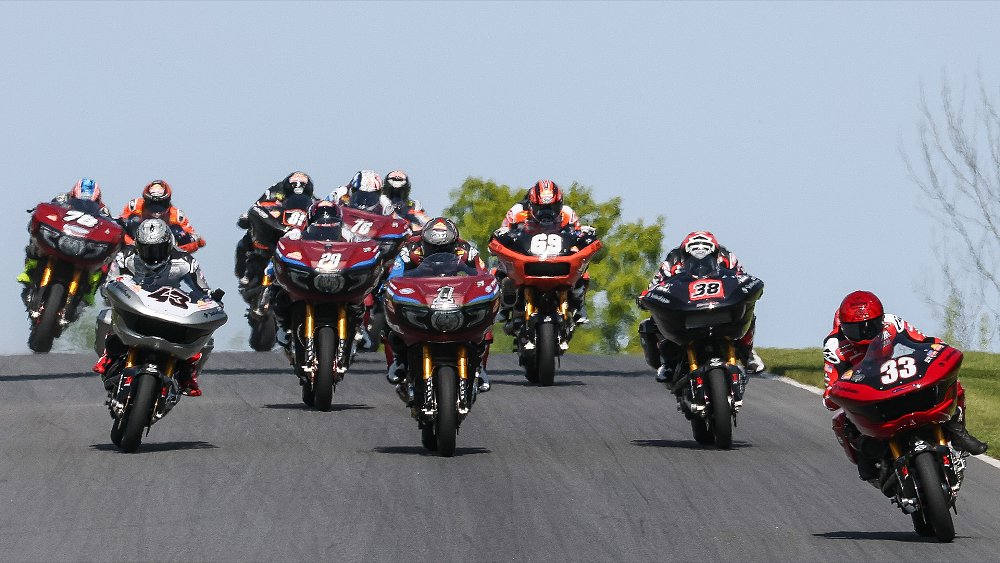
Still, industry advocates continue to push similar proposals in other states. Championed by the American Motorcyclist Association (AMA), Specialty Equipment Market Association (SEMA), and Performance Racing Industry (PRI), “Right-to-Race” bills remain under consideration in Georgia, Kentucky, Michigan, Missouri, Nebraska, Ohio, Oklahoma, South Carolina, Tennessee, and West Virginia.
As suburban expansion pushes housing developments further into rural areas — rural areas where raceways are commonly located — legal run-ins between the NIMBY (Not In My Backyard) crowd and track owners are all the more likely. The AMA hopes that “Right-to-Race” laws can help settle future disputes. Whether or not those laws are adopted in a sweeping manner remains to be seen.
Image Gallery