Shop by Vehicle
 Track Order
 Contact Us
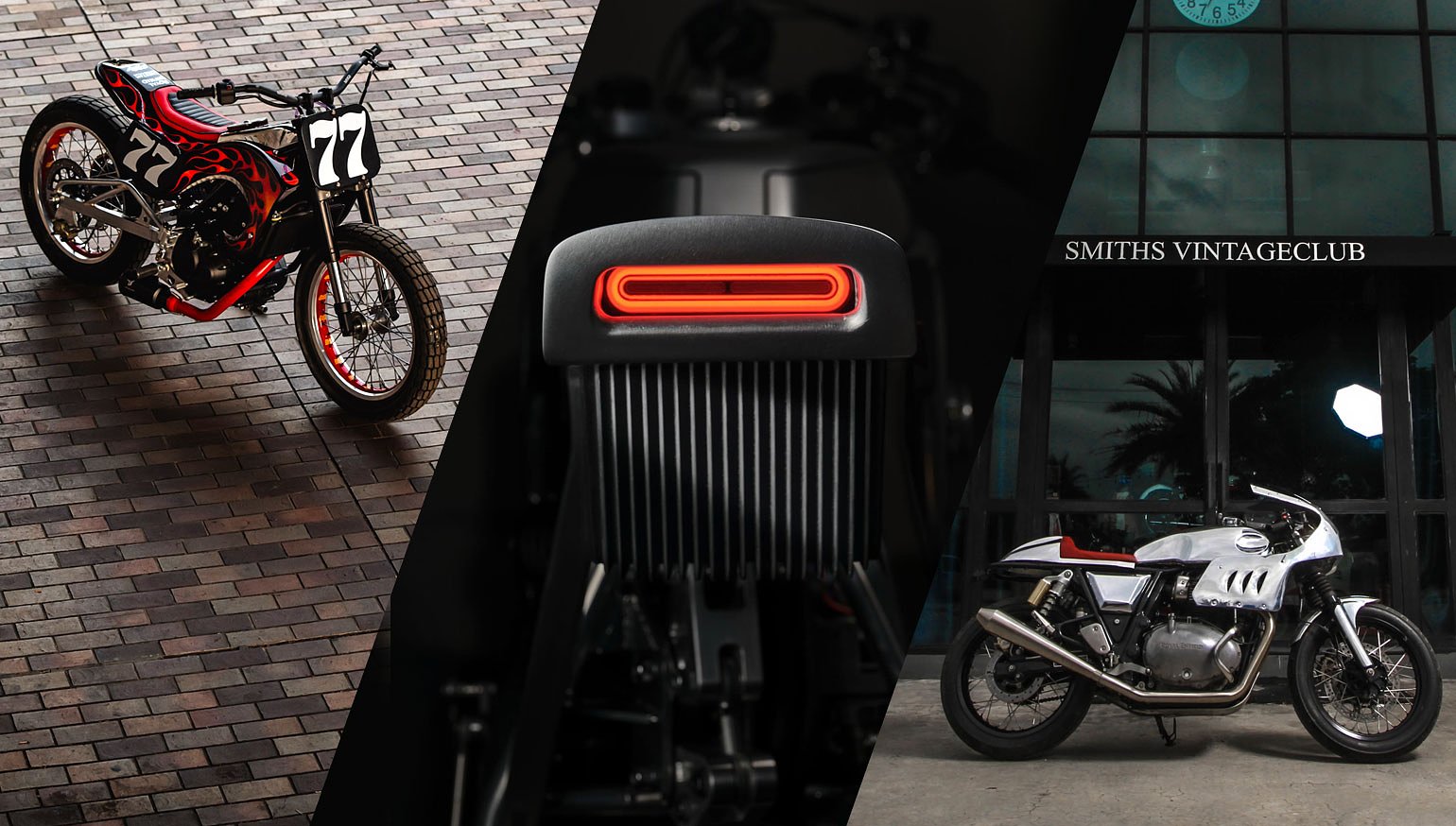
To kick off the new year, our first 2026 edition of the custom roundup showcases a triad of creations from Asia. Leading the lineup is "Magami," a Buell White Lightning-based café racer by Japan's Sure Shot workshop. We'll then head to Thailand for a look at Omega Racer's alloy-bodied Royal Enfield GT650. Then it's back to the land of the rising sun to see another custom Royal Enfield by Tokyo's Cheetah Custom Cycles.
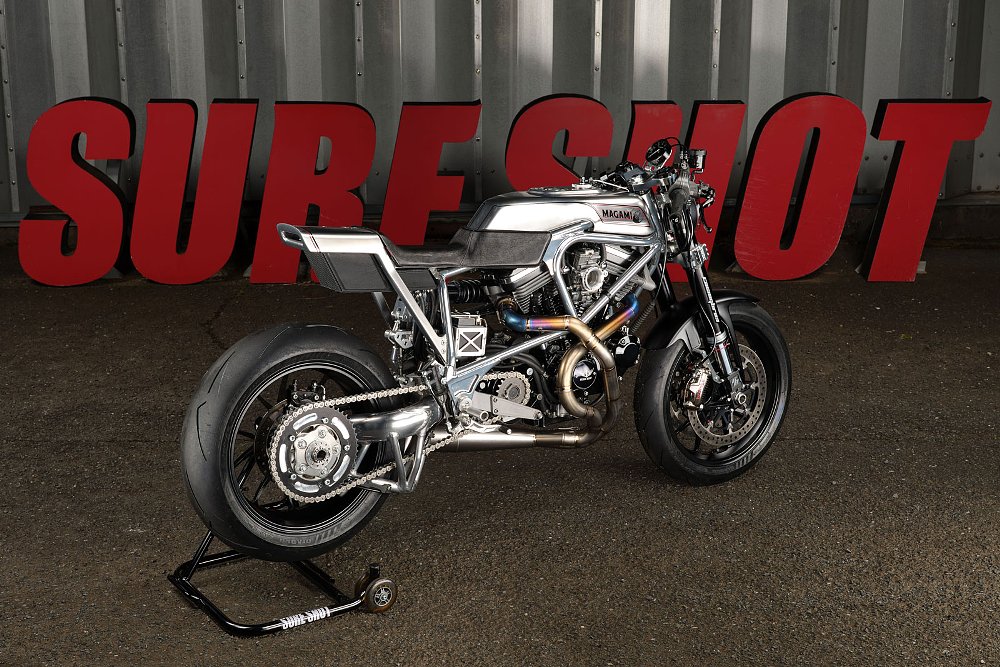
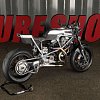
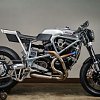
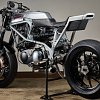
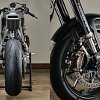
Sure Shot Buell White Lightning
Erik Buell's time working in partnership with Harley-Davidson left an indelible mark on the motorcycling world and on the all-American manufacturer's tumultuous history. Erik's creations were innovative, performance-focused sport bikes that challenged many fans' perception of the Harley-Davidson brand. Unfortunately, the partnership that produced them ended all too soon.
Much like Erik Buell's approach, Japanese custom bike builder Takuya Aikawa likes his machines to be more than simply eye candy. When building a motorcycle, his priority above all else is to deliver a pleasurable riding experience. So, it will come as no surprise that the highly acclaimed owner of Sure Shot Motorcycles (Instagram) would himself own a Buell.
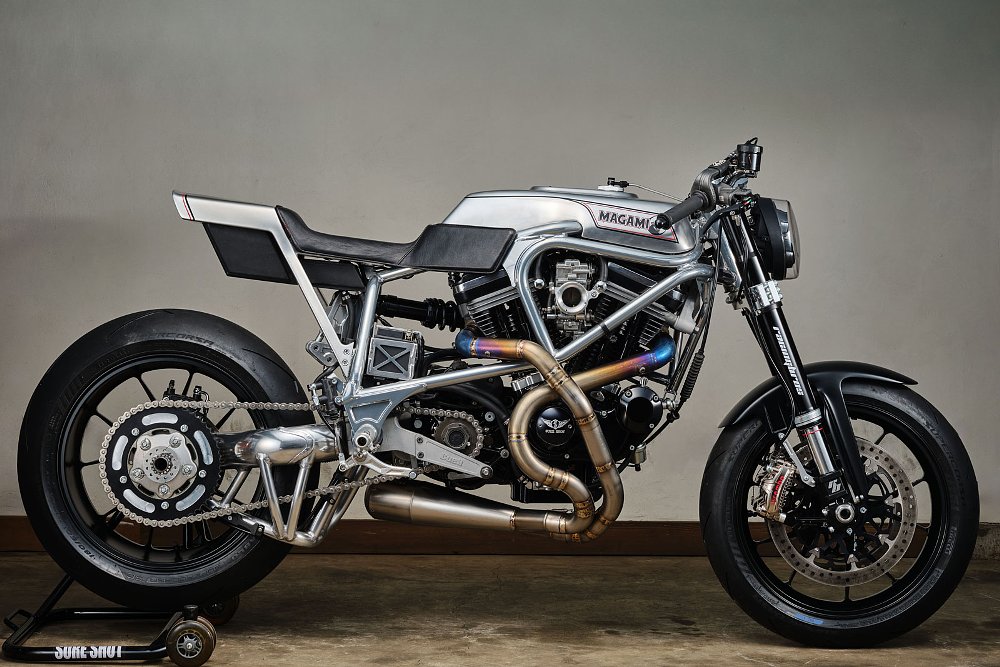
"I bought my Buell S1W White Lightning 15 years ago and loved riding it, but about eight years ago, I blew the motor during a police chase on the highway," confesses Aikawa-san. "Then I decided to bring it back to life to race and to enter it in the Mooneyes Yokohama Hot Rod Custom Show."
Aikawa-san is no stranger to the Mooneyes show. He has entered 18 of his creations into the event since 2008 and has walked away with several trophies, including a coveted Best in Show. So from the outset, it was clear that this build would be nothing short of spectacular.
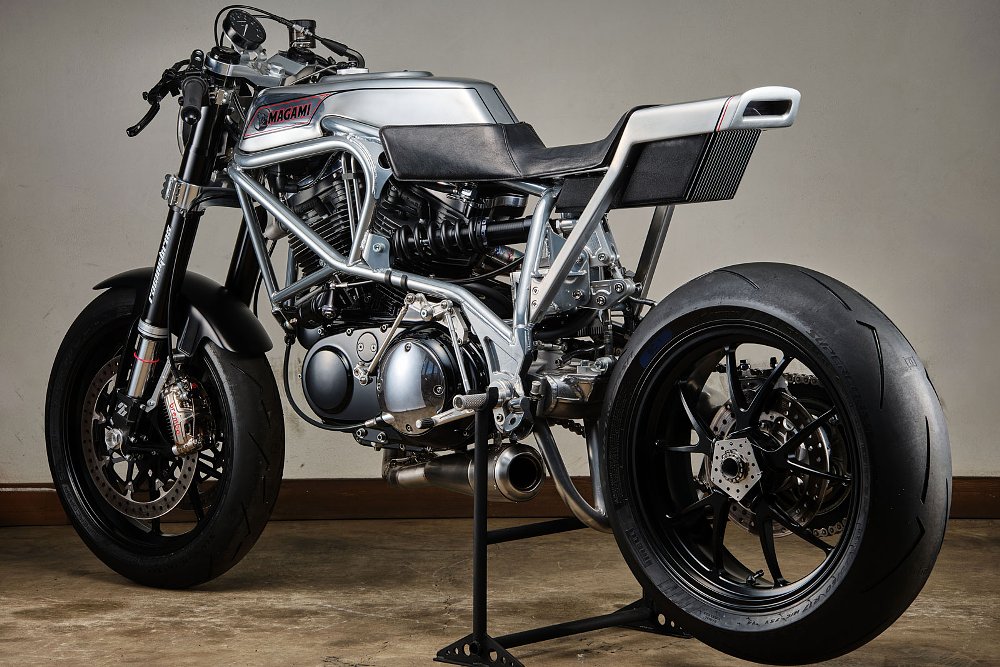
Nicknamed "Magami," which translates to "Goddess" in English, Aikawa-san's goal with this build was to improve upon Buell's original design. The transformation began with a complete engine overhaul. "First and foremost, the standout feature of this bike is its engine tuning," he says. "While maintaining the original bore and stroke, we installed a high-lift camshaft, ported the cylinder head, and balanced the engine." To take full advantage of the engine upgrades, a custom titanium exhaust with equal-length pipework was fitted, and the engine was tuned on Sure Shot's in-house dyno.
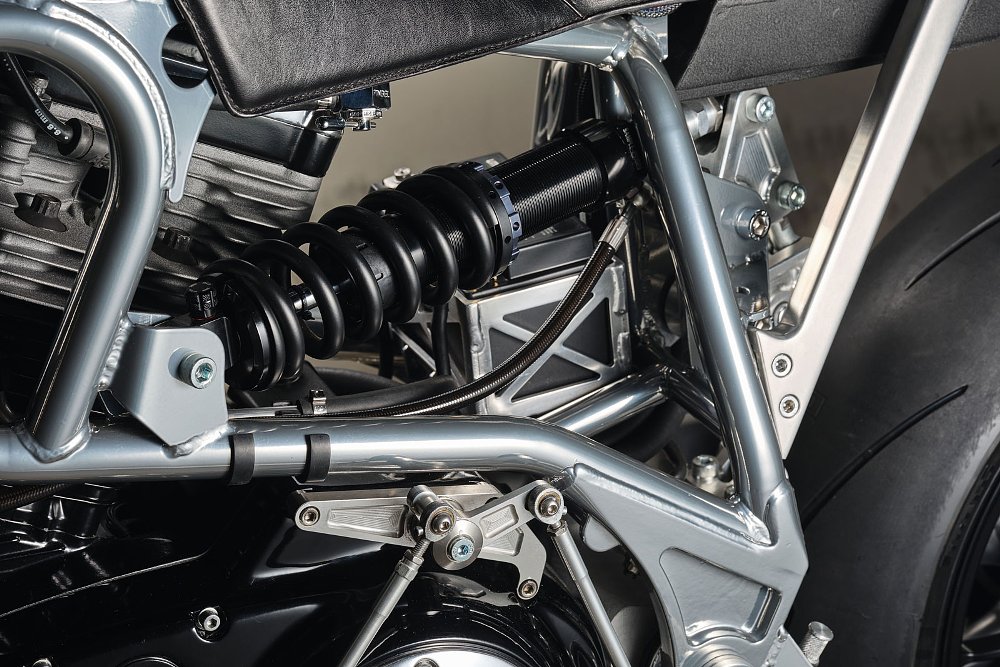
Next, the Buell's handling was addressed by replacing what Aikawa-san considered its weakest point, the rear suspension. To remedy this, he swapped the stock shock with a monoshock from Racing Bros suspension, specially tuned for this application. Additionally, the shock mounts have been revised to position it diagonally within the frame, and it's connected to a complex linkage system that eliminates stress on the crankcase. The swingarm is new too, based on a Ducati S4R single-sided unit that's 30 millimeters (1.2 inches) longer and mounted upside down.
Complementing the rear-end upgrades is a specially tuned Racing Bros lightweight fork, paired with custom-made triple clamps to increase front-end rigidity.
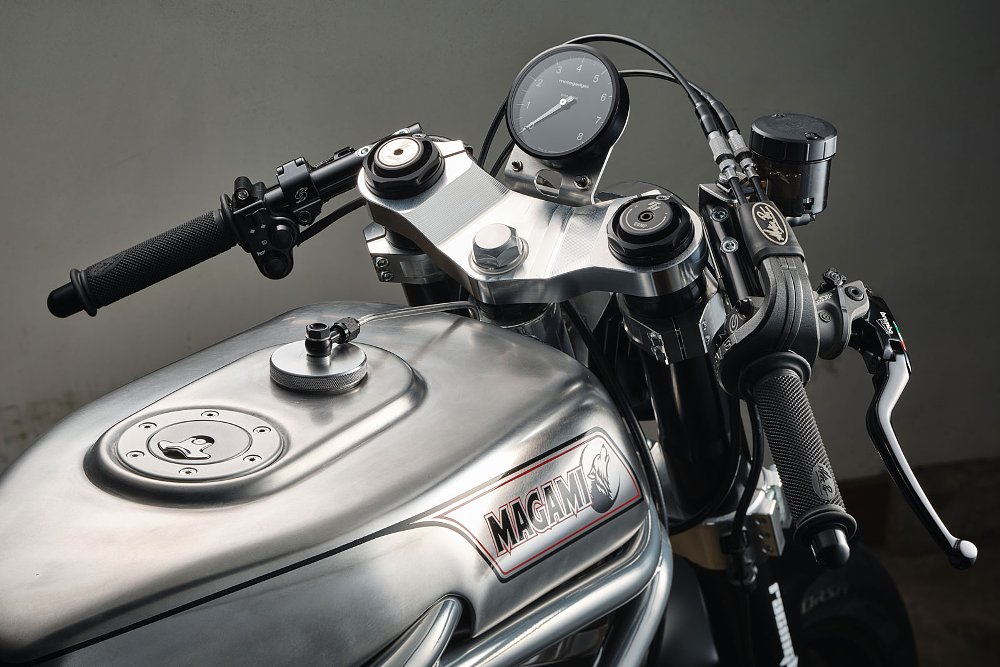
After addressing his performance concerns, Aikawa-san turned his attention to the Buell's styling. The sleek new look gives the White Lightning modern-classic vibes, thanks to a hand-built aluminum fuel tank and a 7N01 alloy subframe. Sitting beneath the subframe is an air-cooled oil tank, also fabricated from aluminum, and there's LED lighting built into the tail.
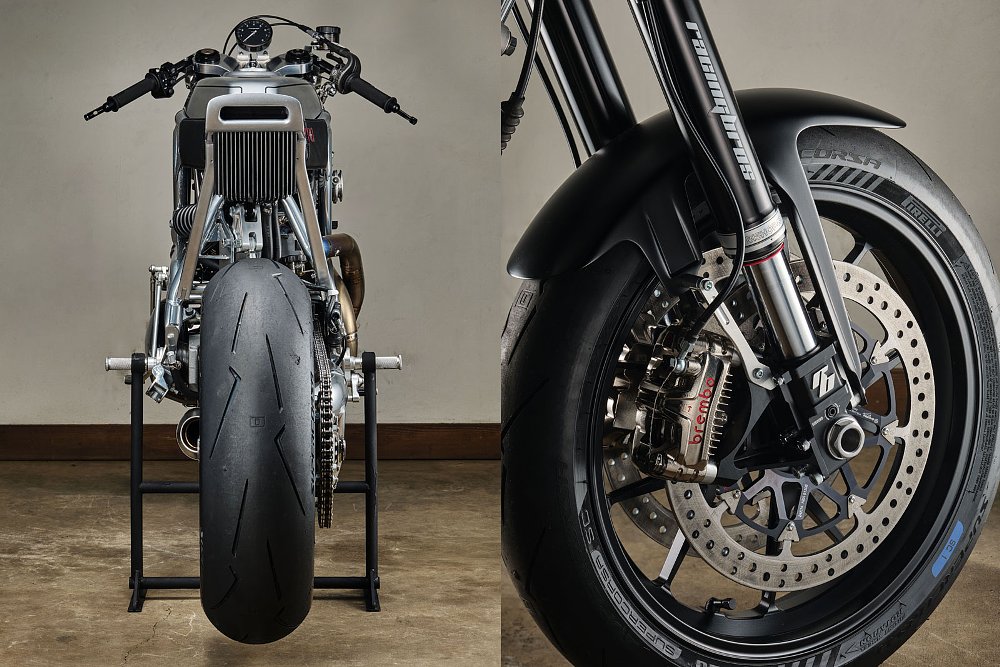
Keeping in mind the end goal here wasn't just to create a show pony, but a motorcycle capable of being raced, Aikawa-san finished things off with lightweight Marchesini forged aluminum wheels and Brembo GP4-MS monobloc calipers. The result is a carefully considered evolution of the White Lightning that Eric Buell himself would likely approve of.
Promethea by Omega Racer
Italian expat Markus Pintzinger founded his Thailand-based aftermarket motorcycle parts store, Omega Racer (Instagram), after falling in love with Yamaha's SR400. Markus' obsession with the Japanese thumper led him to build his own café racer version, which he documented online. After other SR owners began reaching out in search of similar parts, he launched his online store in 2011. It was an instant success. Today, the Omega Racer catalogue includes a wide range of handmade parts not only for the SR400, but also for other commonly customized motorcycles such as the Kawasaki W650 and W800, Triumph Modern Classics, BMW airheads, Harley-Davidsons, and Royal Enfields.
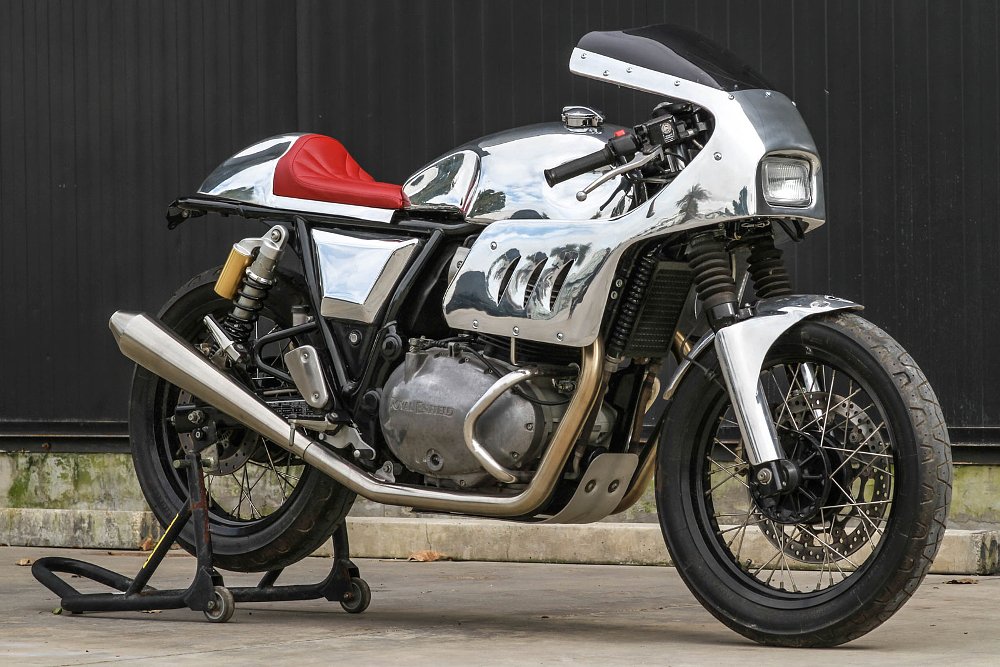
Since 2011, Markus and his Omega Racer team have built many workshop customs that function as rolling test beds for the parts they sell. Their latest work is this Royal Enfield Continental GT650, nicknamed "Promethea."
"The name Promethea is drawn from Alan Moore's visionary comic book series," Markus explains. "In it, Promethea's journey is both a personal awakening and a cosmic mission. She's tasked with bringing about the apocalypse, not as destruction, but as a shift in consciousness." With that in mind, Markus' goal with this build was not just to transform the GT650 aesthetically, but also to showcase the skill of the craftsmen he works with in Thailand.
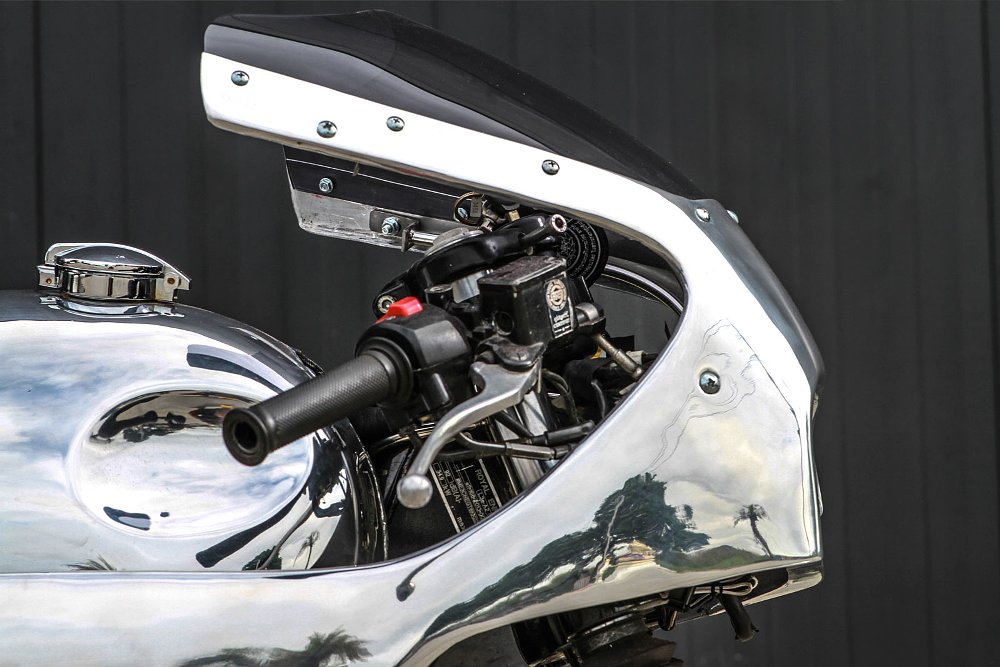
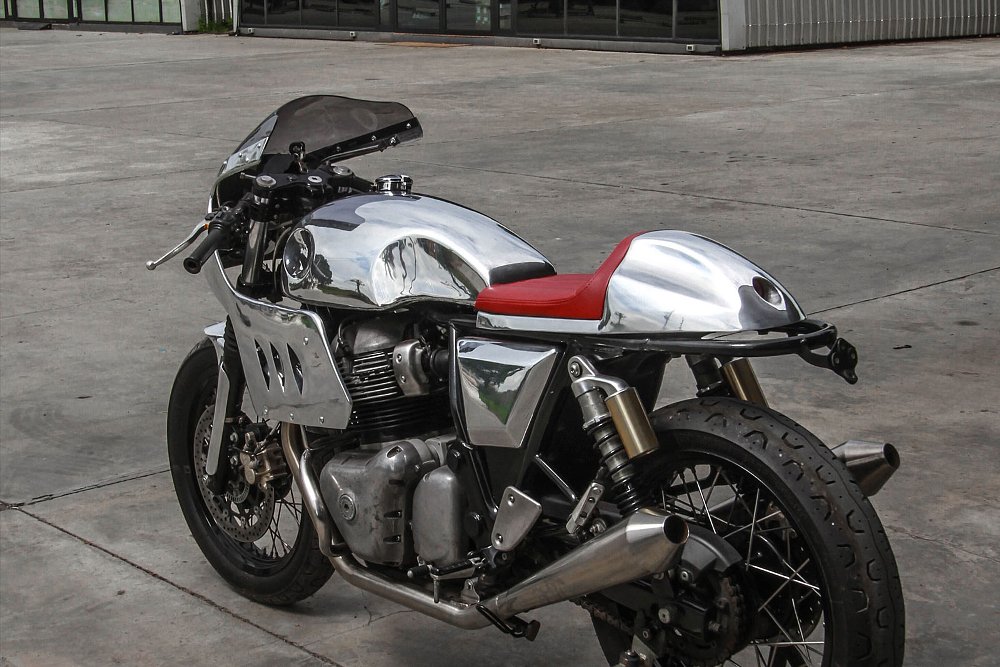
Taking cues from parts already offered by Omega Racer, Promethea's fuel tank was inspired by the "Mugello" tank range. Modified specially to fit the Enfield's chassis, its proportions are slightly longer than the GT650's stock tank. This necessitated the construction of a shorter seat pan, which Markus had upholstered by his go-to seat guy, Songsaeng Boonthong of The Sports. A wasp's-tail rear end of similar proportions to the tank sits flat on the subframe to create a classic café racer bone line.
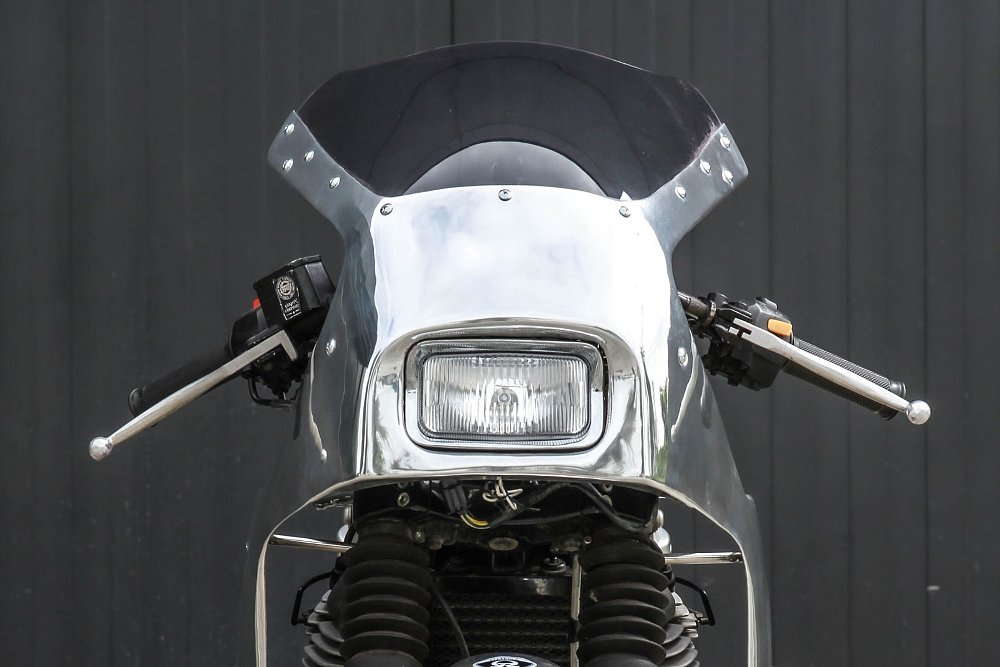
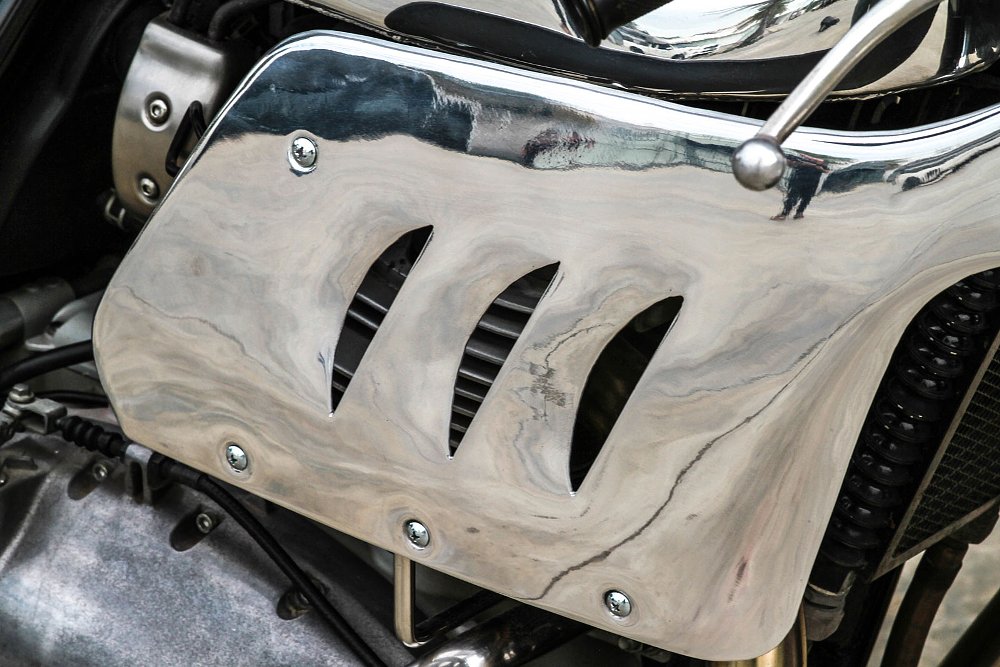
At the pointy end of the bike, Markus' team has installed a half fairing inspired by one of his bucket-list bikes, the 1990 Ducati 900SS. The Ducati's influence is most evident through the fitment of a rectangular headlight, while gill-like vents make it unique in its own right. Further influences from Markus' motorcycling past help to complete the front end. "The front fender pays tribute to my first 'big bike,' a 1990 Gilera SP02 — one of the most coveted 125 cc machines among throttle-happy teens in Italy," he says. For a cohesive finish, the GT650's stock side covers have been recreated using more hand-shaped aluminum.
Beneath its aluminum facade, Promethea remains essentially untouched. The engine, wheels, frame, and suspension are all stock, and the decision to do so was deliberate. Everything you see here is available in the Omega Racer store and is designed to be a direct plug-and-play solution, which can be installed without the need for any irreversible modifications to the bike. In fact, the only modification to this GT650 that has any effect on its performance is a custom exhaust system. Fabricated from stainless steel, it sheds more than 36 pounds from the bike while adding a slight performance boost and an aggressive soundtrack, and, like everything else, it's available from Omega Racer.
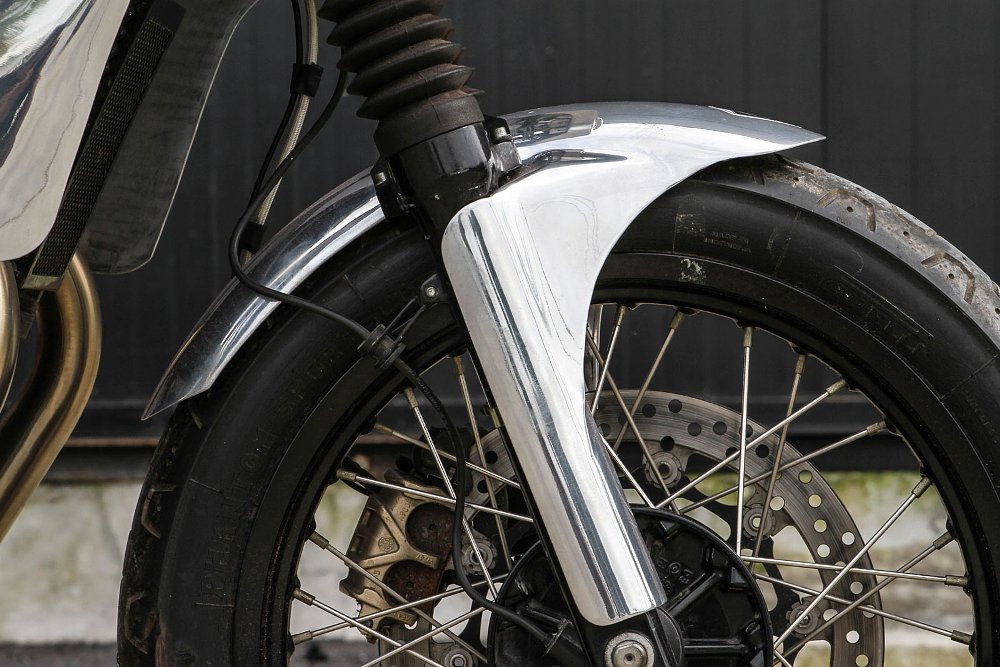
As you'd expect, building parts like these takes time. To create them, there was no digital involvement. No CAD software, no Photoshop renderings, just skilled craftsmen doing what they do best with their bare hands.
"This project is a reminder that in a world of cheap, disposable, mass-produced parts, craftsmanship still matters," says Markus. "Promethea celebrates the subtle irregularities, hand-shaped curves, and the textures created by innumerable hammer strikes. These are marks of skill, of struggle, of art, and of authenticity."
Cheetah's Royal Enfield Guerrilla 450
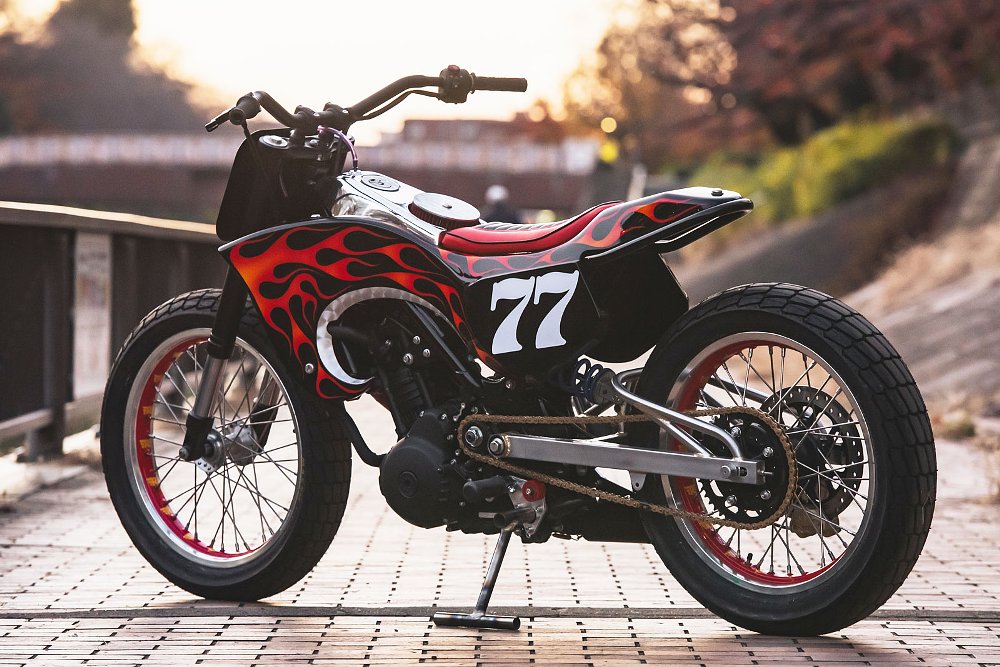
If I hadn't been told this eye-searing, race-ready, flat-tracker was once a Royal Enfield Guerrilla 450, I'd have never guessed it. Named the Carolina Reaper, after the world's hottest chili pepper, it's the work of Toshiyuki Osawa of Tokyo's Cheetah Custom Cycles.
"My concept is a fusion of retro and modern, and of pure racing performance and custom-bike creativity," says Osawa-san. "It's a motorcycle that carries the playful yet serious attitude of American racing culture from the 1970s."

Osawa-san is no stranger to the world of flat-track racing. Along with regularly competing in local events, he is also the driving force behind "Have Fun Flat Track," which, as the name suggests, is an initiative designed to attract new riders to the sport using a light-hearted, "run what ya brung" approach. Naturally, this means he builds his own race bikes, so when Royal Enfield approached him about participating in its Custom World project, he knew precisely what he was going to create.
"In Japan, flat-track is mostly run on short tracks," explains Osawa-san. "With that environment in mind, I aimed for a more compact chassis and geometry optimized specifically for short-track performance."
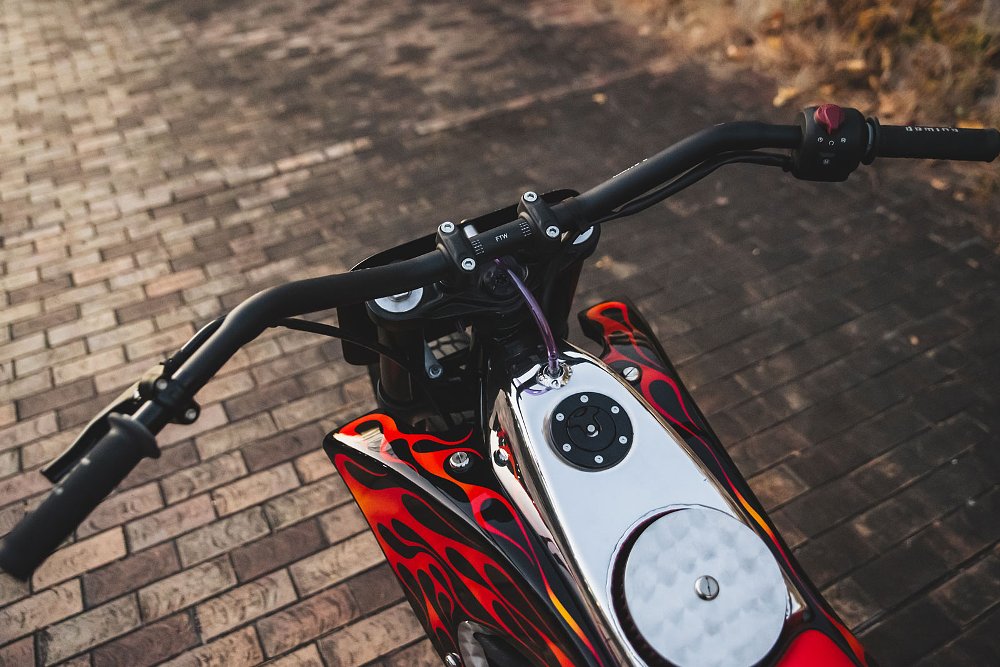
After taking ownership of his 2025 Guerrilla 450, Osawa-san stripped the roadster down and began its radical transformation by lowering the entire bike to get its center of gravity as close to the dirt as he could. With most of his race bikes, he would build a whole new chassis, but in this case, he opted to leave the front half of the GRR450 frame alone. He did, however, build a new subframe to tighten up the bike's proportions and revise the riding position to suit its intended purpose.
Beyond the front section of the frame and the engine, almost everything on the Carolina Reaper is custom. The front end sets the tone with a tuned WP fork clamped into KTM 390 Duke triple trees. A Mika Metals handlebar wears little more than a clutch lever, throttle sleeve, and engine cut-off switch. A race number plate replaces the headlight, while the stock 17-inch front wheel has been swapped for a 19-inch hoop wrapped in a Maxxis dirt-track tire. There's no front brake, headlight, or instrumentation, because none of it is required.
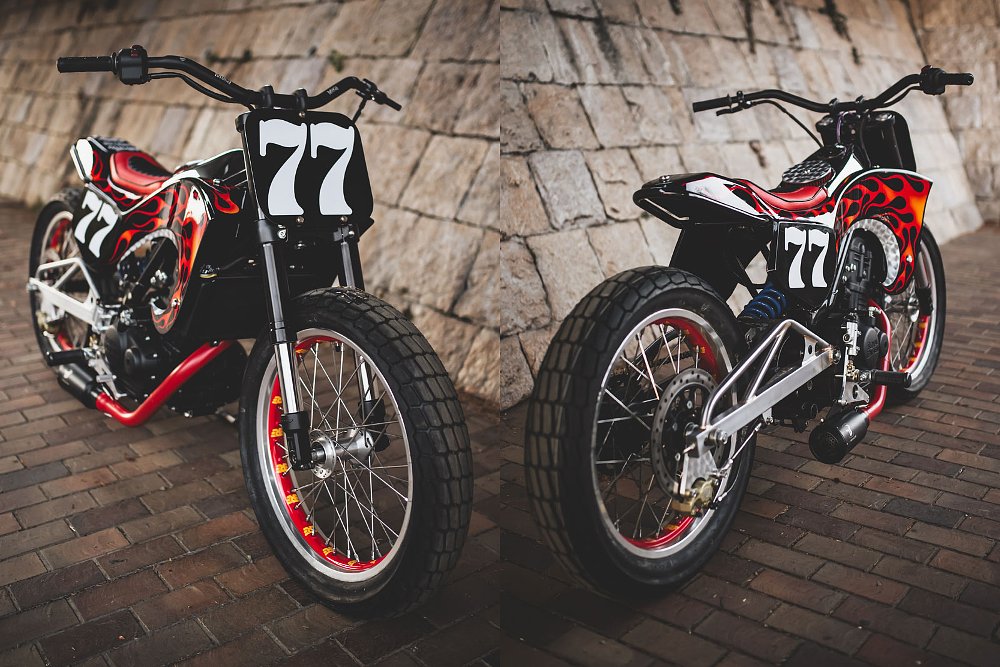
Out back, the custom work continues with a one-off brazed chromoly steel swingarm. "The swingarm was newly designed based on the stock unit," Osawa-san explains. "While the original GRR450 uses a linkage-type rear suspension, I converted the new swingarm to a direct-mount cantilever system for easier setup. It features three mounting positions for the rear shock, allowing adjustable ride height and fine-tuning of the geometry to suit varying track conditions." A matching 19-inch rear wheel, again wrapped in Maxxis rubber, completes the setup, with a Brembo brake providing all the stopping power.
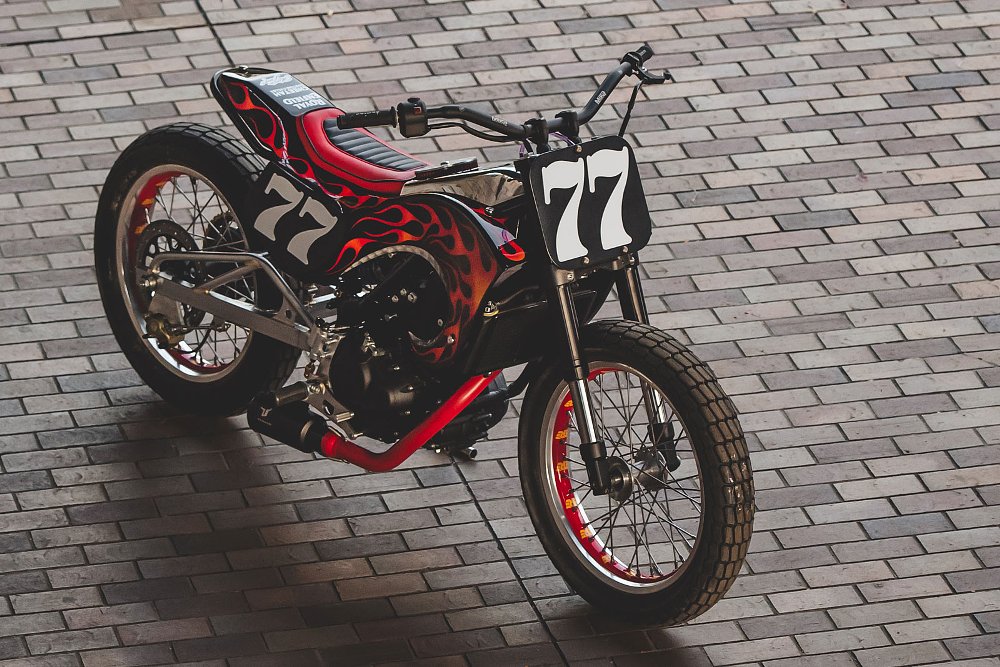
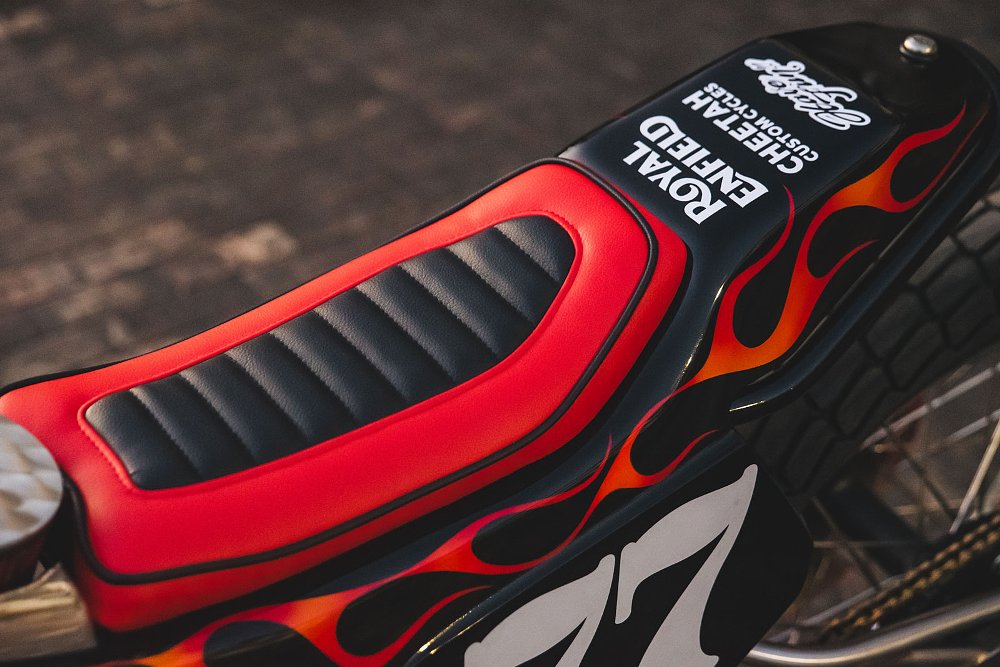
As for the outlandish bodywork, it's guaranteed to grab the attention of trackside spectators. Formed entirely from hand-shaped aluminum sheet, the unique fuel tank is a stand-alone structure from which the K&N air filter protrudes. From the radiator shrouds rearward, the rest of the bodywork is a single-piece unit. When designing it, Osawa-san drew inspiration from modern motocross-based DTX flat-trackers as well as machines from flat-track racing's American heyday. "I designed the bike to be exciting both to look at and to ride."
With its fiery, tongue-in-cheek paintwork and dramatically reduced weight, I'd say Cheetah's Carolina Reaper has well and truly delivered just that.