Shop by Vehicle
 Track Order
 Contact Us
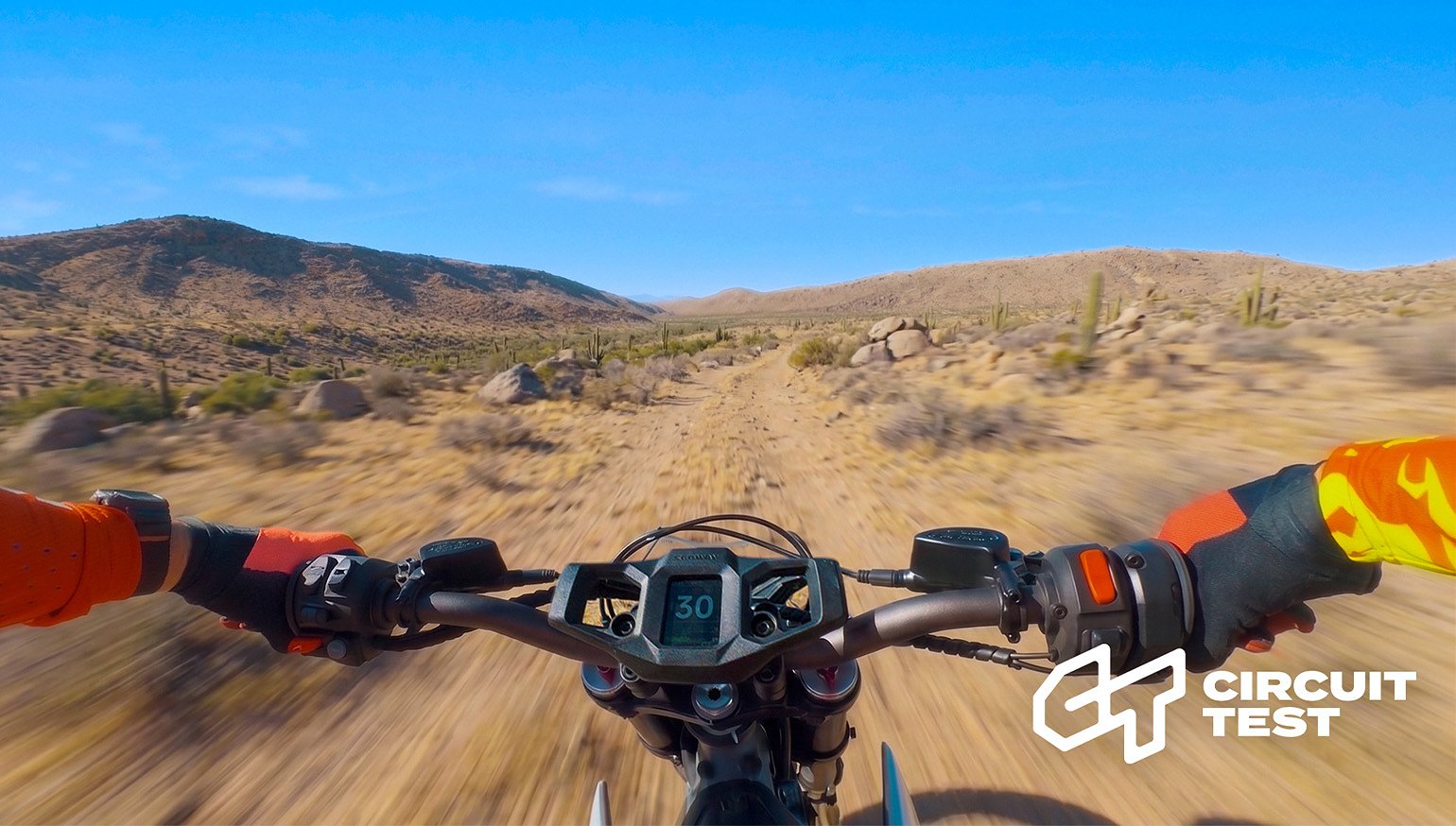
A week doesn’t go by without an e-moto story in the headlines — and for all the wrong reasons.
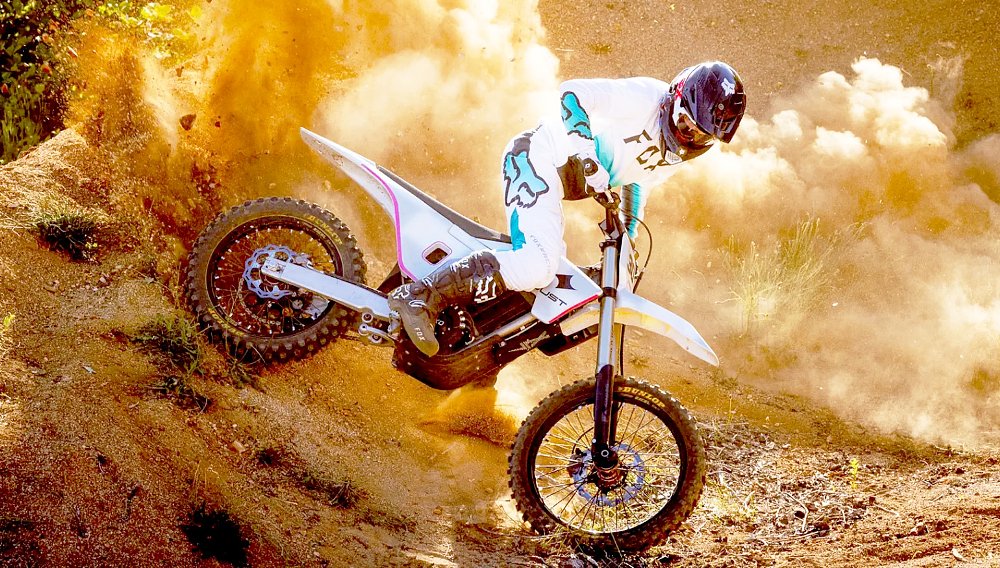
While outrage over police-fleeing pre-teens reigns supreme on news feeds, it’s important to remember the intended use of electric dirt bikes. Emphasis on the “dirt.”
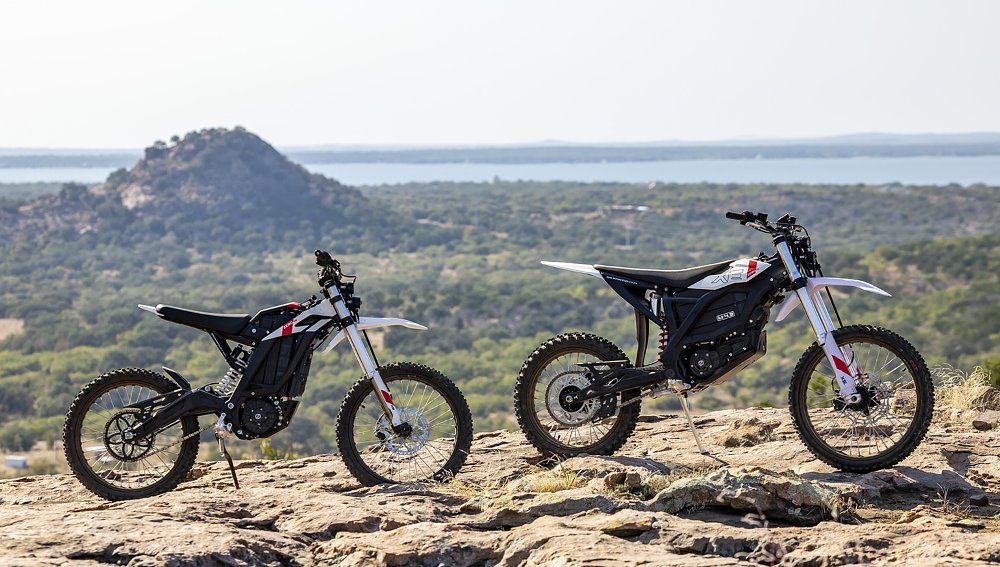
The e-moto segment isn’t just growing; it’s booming. New manufacturers pop up every other month. Even traditional OEMs are branching into the space. No matter the brand, all claim stunning performance figures — figures that lack real-world context. Purifying those muddy waters not only requires riding the bike, but riding the bike to its full potential.
That’s the sole objective of RevZilla’s latest YouTube series, Circuit Test.
To strip away the misleading spec sheets, the marketing hyperbole, the influencer spin, each e-moto is judged by one metric and one metric only: lap time. It’s simple. There’s one electric dirt bike, one professional rider, one off-road course, and one GPS-tracked and verified stopwatch. It isn’t opinionated. It isn’t biased. It’s pure data.
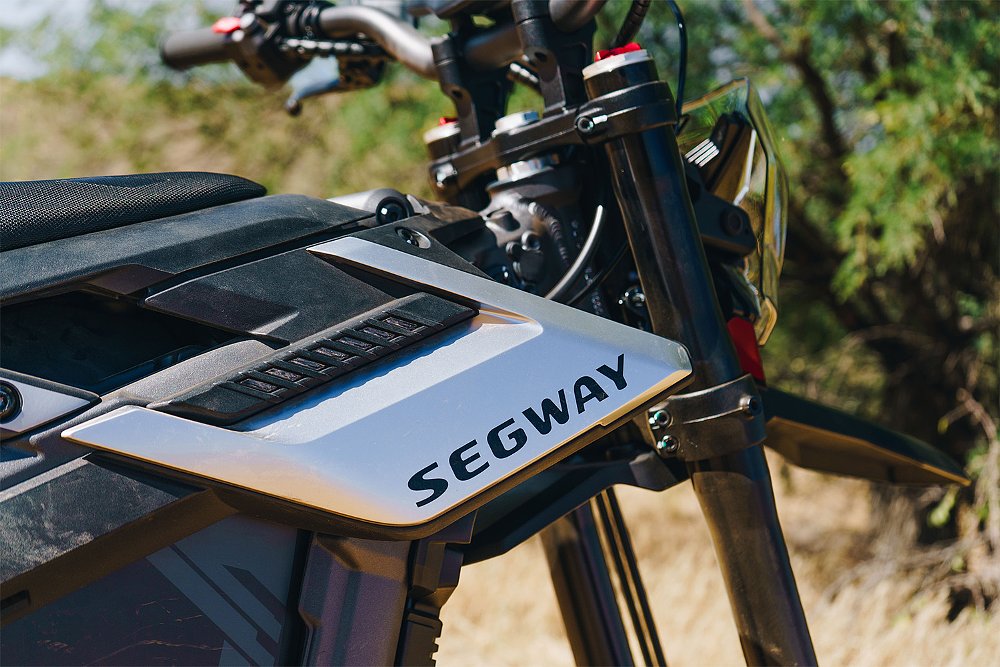
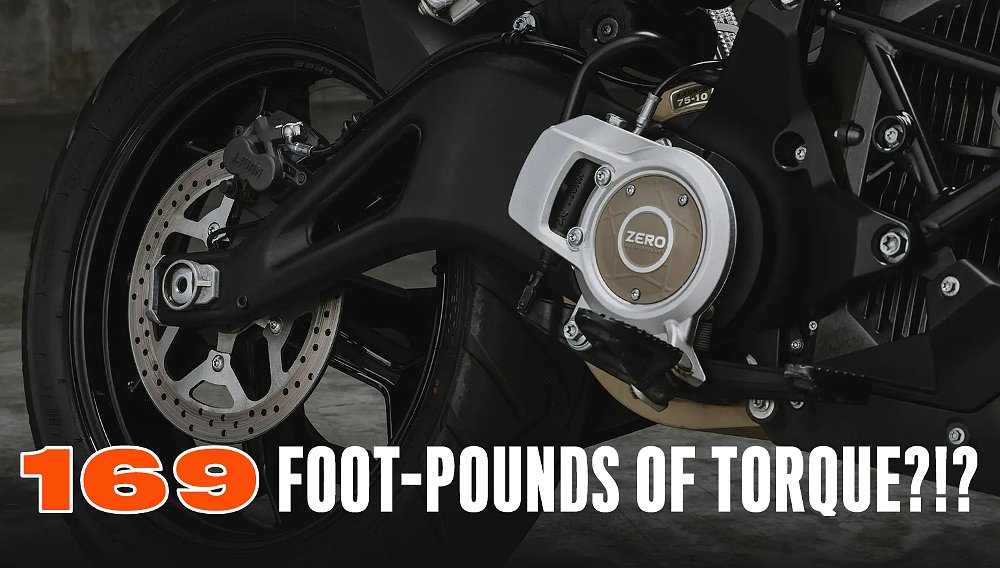
Each bike earns its spot on the Circuit Test leaderboard by the time it logs, not by the output listed on its webpage. Whether it produces 440 foot-pounds of torque or 1,000 newton-meters, whether its motor is rated in kilowatts or horsepower, all the listed specs are subordinate to the lap time recorded.

The purpose is to give people a way to understand modern e-motos, to contextualize the performance landscape in a way that wasn’t previously available. The electric dirt bike category is still in the Wild West stage of its development (a fact that’s only reinforced by the weekly headlines). As long as it helps riders uncross the wires in the e-moto market, Circuit Test will be a success.
Image Gallery