Shop by Vehicle
 Track Order
 Contact Us
Ducati is celebrating 100 years of existence this year (and 80 years since its first motorcycle engine), a milestone that gets people talking about heritage, racing glory, and design icons. Fair enough. But you don't make it a century on aesthetics and trophies alone. You stay in business by selling motorcycles to regular people and, apparently, to people like me, over and over again.
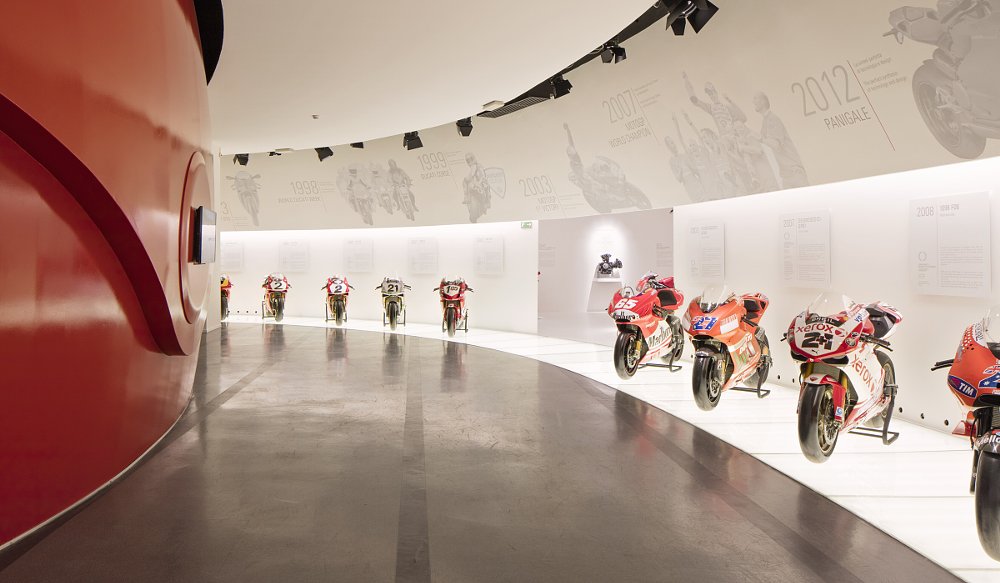
With eight Ducatis currently in the garage, and others in my past, I can't help but think about how my own history overlaps with the company's. None of my bikes would make the cut for the museum in Bologna, and that's kind of the point. My garage isn't a shrine to Ducati. It's a record of what it looks like to live with these bikes over time.
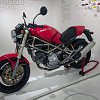
For me, it all began with the bike credited with saving Ducati: the Monster.
A few Ducatis I fell in love with
In the late 1990s, I first noticed Monsters on the streets of Rome, slipping through traffic with that dry clutch rattle that announced them before you saw them. I wasn't riding yet, though. When my now-husband and I watched riders on Monsters, they were often hunting for neutral, and my long legs didn't quite fit the back seat of the bike. Instead of the Ducati, we opted for a Honda CB500 when comfort and reliability trumped desire. Still, I was smitten.
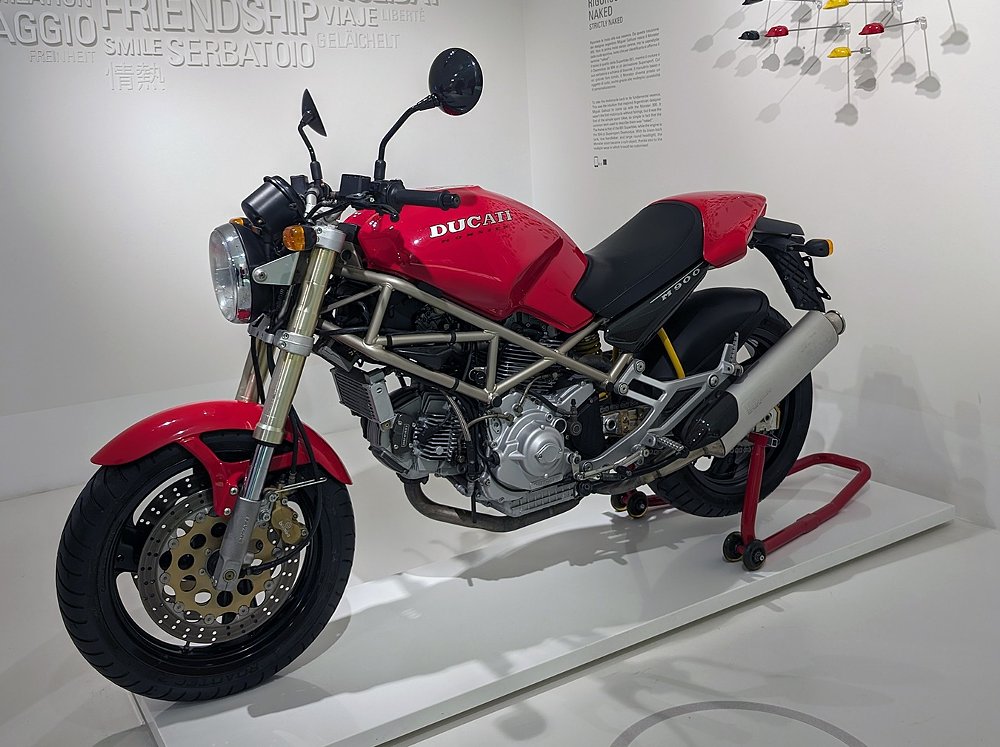
It's not surprising, then, that the first Ducati in my life was a 2010 Monster 696. I had been riding for about two years and was perfectly happy with my Suzuki Gladius. Then, one day, my husband spotted a used Monster in racing colors, fitted with Termignonis and sport mapping. That was it.
The second time I rode it, I ended up on the ground after braking on a manhole cover. Not exactly love at first ride. But we figured each other out. I sold the Gladius, and the Monster became my training bike for advanced rider courses. It has earned its place in the permanent collection.
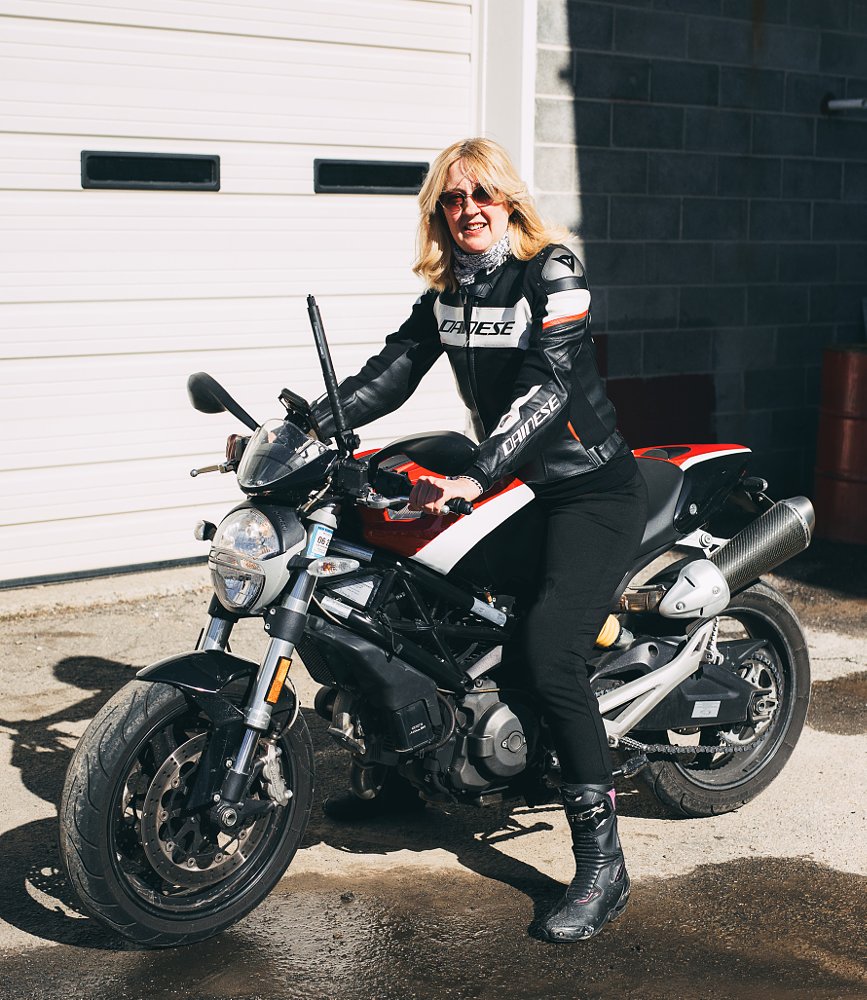
Call me a conservative in the ongoing Monster debate. I like the trellis frame. I don't care about shedding a few pounds because I'll never notice the difference. Desmodromic valves don't scare me. The newer Monsters leave me a bit cold: capable, yes, but less distinctive.
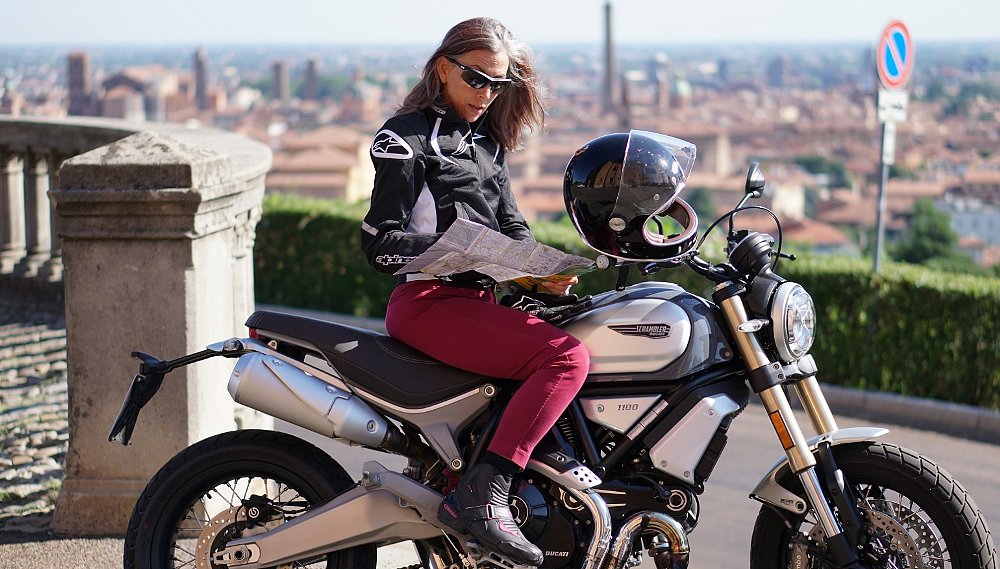
If the Ducati Monster represents the moment that arguably saved the brand, and first pulled me in, the Scrambler line is what brought Ducati to the attention of many Americans. The Berliner Bros. worked with the Italians to develop and import them from the early 1960s through the mid-’70s.
When Ducati re-released the Scrambler as a new brand in 2015, it blended retro styling with modern technology in a way that worked. After owning two Icons, I found my way to what I think of as my "go-to" Ducati: the Desert Sled. The Icons were easy, forgiving bikes that let me keep up with my group without having to think too much about the quirks of my old Honda CL200 scrambler.
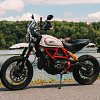
The Desert Sled, though, is where Ducati really got it right for me. The height, the spoked wheels, the wide handlebar. I love it! It's fun without being demanding, capable without being intimidating. It's also, not incidentally, very pretty.
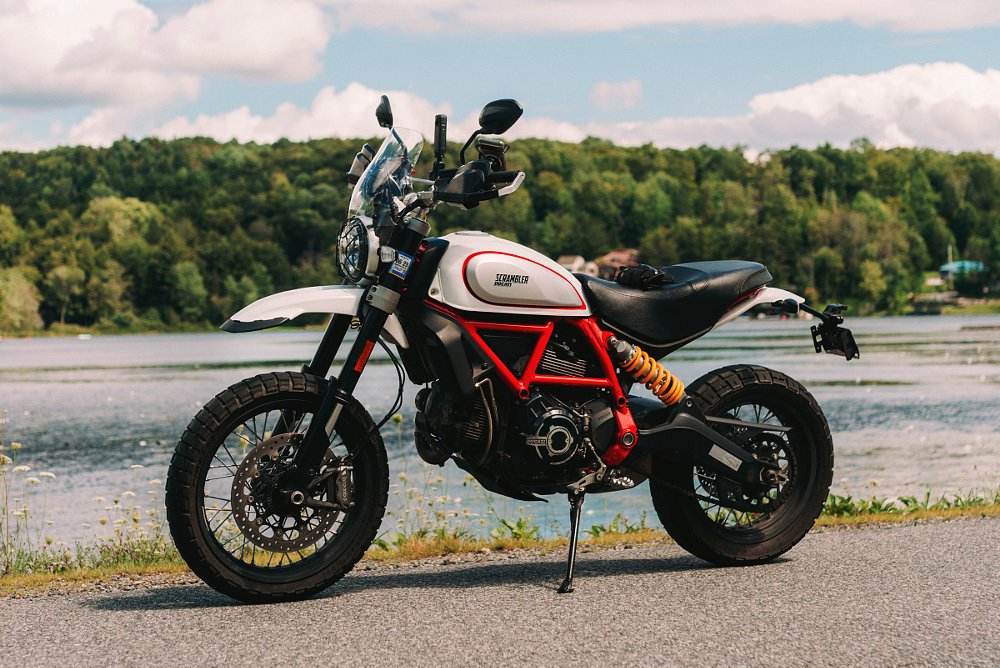
I'm still annoyed Ducati discontinued it. The DesertX may make sense strategically, but it doesn't fill the same role. Note to Ducati: Bring back the Sled.
Practical Ducatis, raw Ducatis
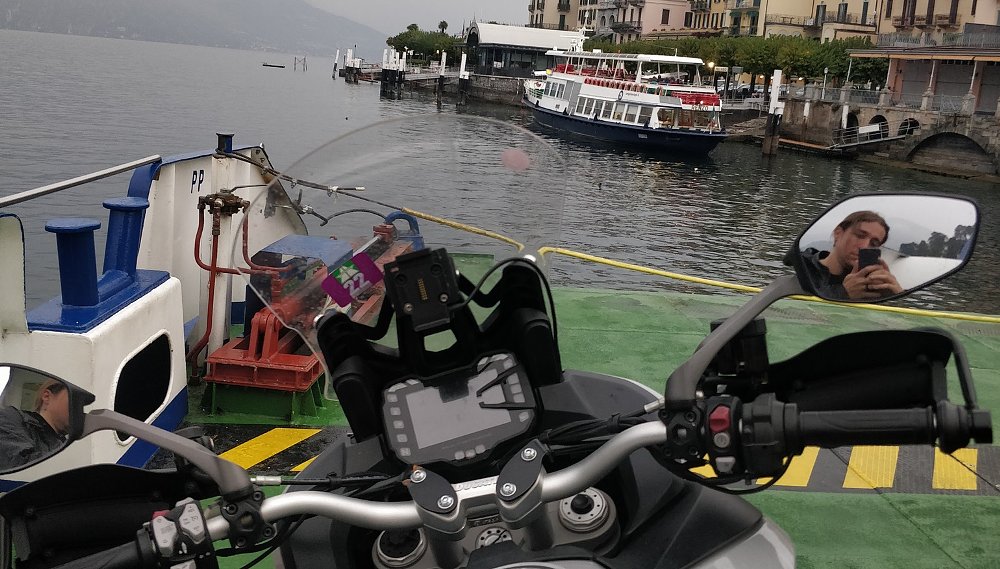
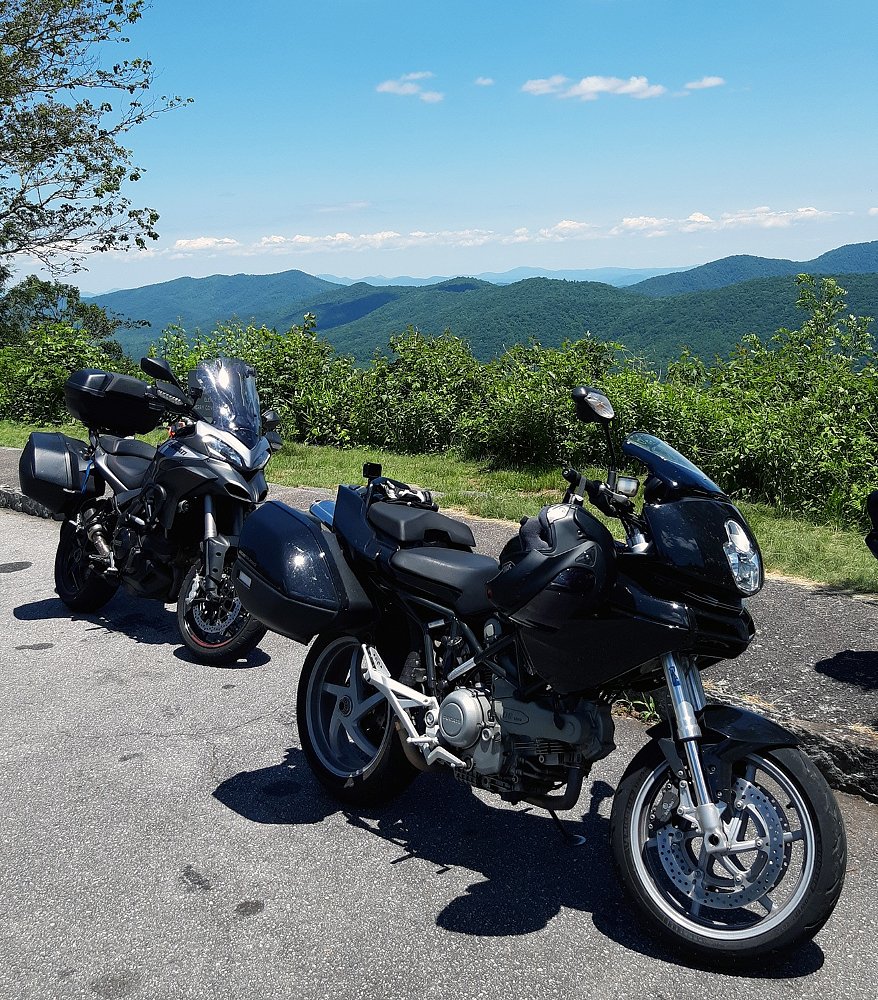
Our two Multistradas tell a different Ducati story, with practicality prevailing. We bought both in 2020 for long-distance travel, when the pandemic made motorcycling a great option for social distancing.
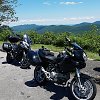
My 2005 1000 DS is a Terblanche "ugly duckling," which combines torque and comfort. In 2003, it was Ducati's cutting-edge contribution to a new sport-touring market, but it was not made from a sport bike. Mine was affordable, came with plenty of farkles, and has been consistently reliable. My husband's 2013 1200 S is from the redesign in 2010 and is a more modern, liquid-cooled, high-performance adventure-touring bike. It has more power, more tech, and is comfortable two-up.
If Ducati's history is told through performance breakthroughs, the various Multistradas remind me that versatility is just as important. If you could only have one motorcycle, a Multistrada might be a good choice. It's not surprising, then, that the Multi V4 is currently Ducati's best-selling motorcycle, including in Italy, where it came in ninth overall in 2025.
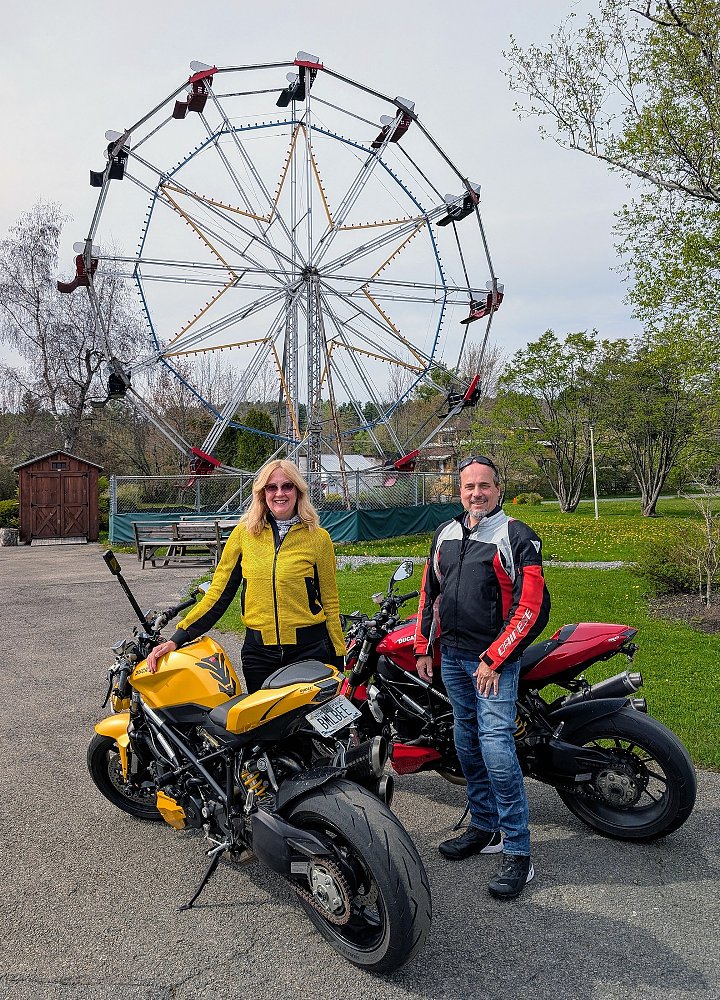
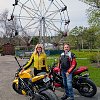
Some stories are emotional, of course. The Multistradas sometimes feel almost too good, too refined. My husband wanted something rawer, and the Streetfighter delivers. At a moment when heavily faired sport bikes were all the rage, Ducati stripped back its 1098 superbike in 2008 and launched its super naked, aggressive Streetfighter. His 2010 is a beauty, but for me, it is too much. The 1098 feels like work with a heavy clutch, aggressive geometry, and no safety net. Then came my 848. Same spirit, but manageable. And yellow. It fits me, it challenges me, but it doesn't overwhelm me.
Ducati's newer approach of splitting twins and fours into separate performance and price tiers makes sense given the market. But these older Streetfighters hit a balance that feels increasingly rare. They are analog enough to keep you fully engaged but less punishing than many sport bikes. They will stay with us.
When in Rome...
Our Hyperstrada 821 stays in a garage in Rome and entered the fleet for geographic reasons as much as preference. We split time between upstate New York and Italy, and renting bikes only goes so far.
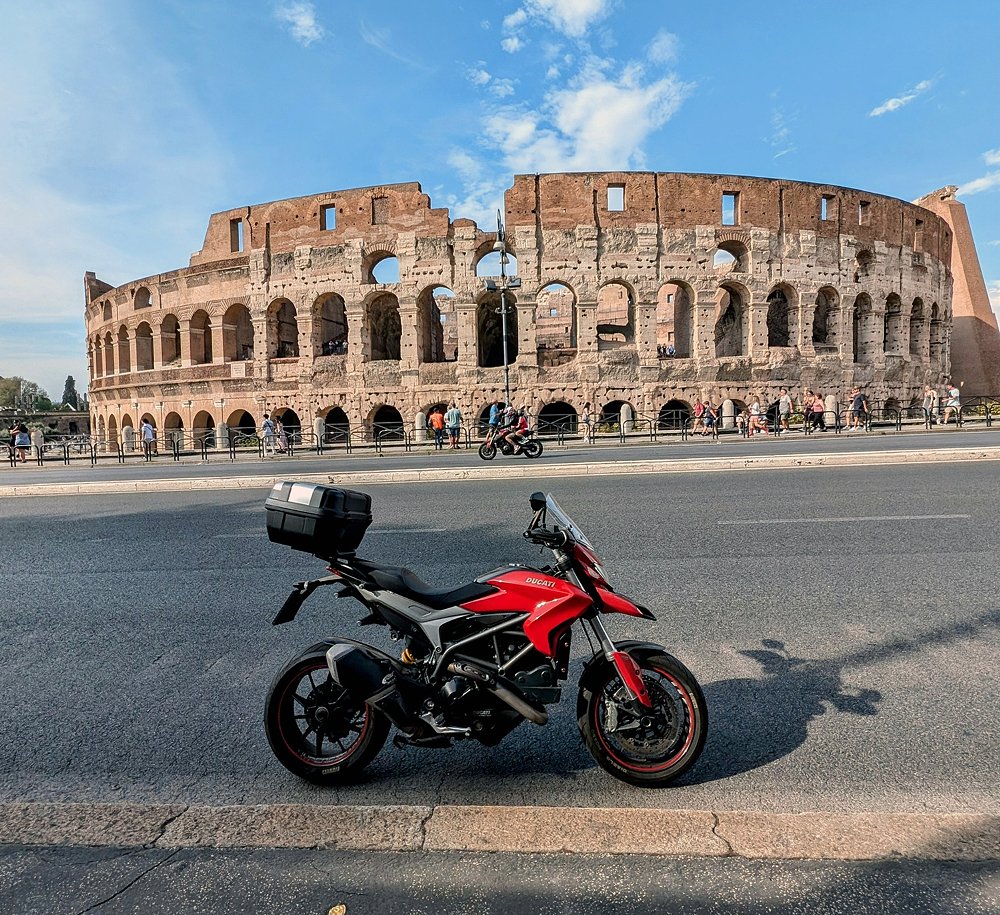
When Ducati unveiled the first Hypermotard at the EICMA show in 2005, it won "best in show" for good reason. Riders praised this Terblanche design and its aggressive, lightweight performance, 1,100 cc engine, and underseat exhaust. The Hyperstrada that followed is ideal for Rome. Light, nimble, and practical enough with its luggage and comfortable seat, it handles the chaos of city riding with ease. It's not a romantic bike in the way a Monster is, but it is a sort of functional hooligan bike. Newer versions are taller, more extreme, but tempting.
One Ducati for real history
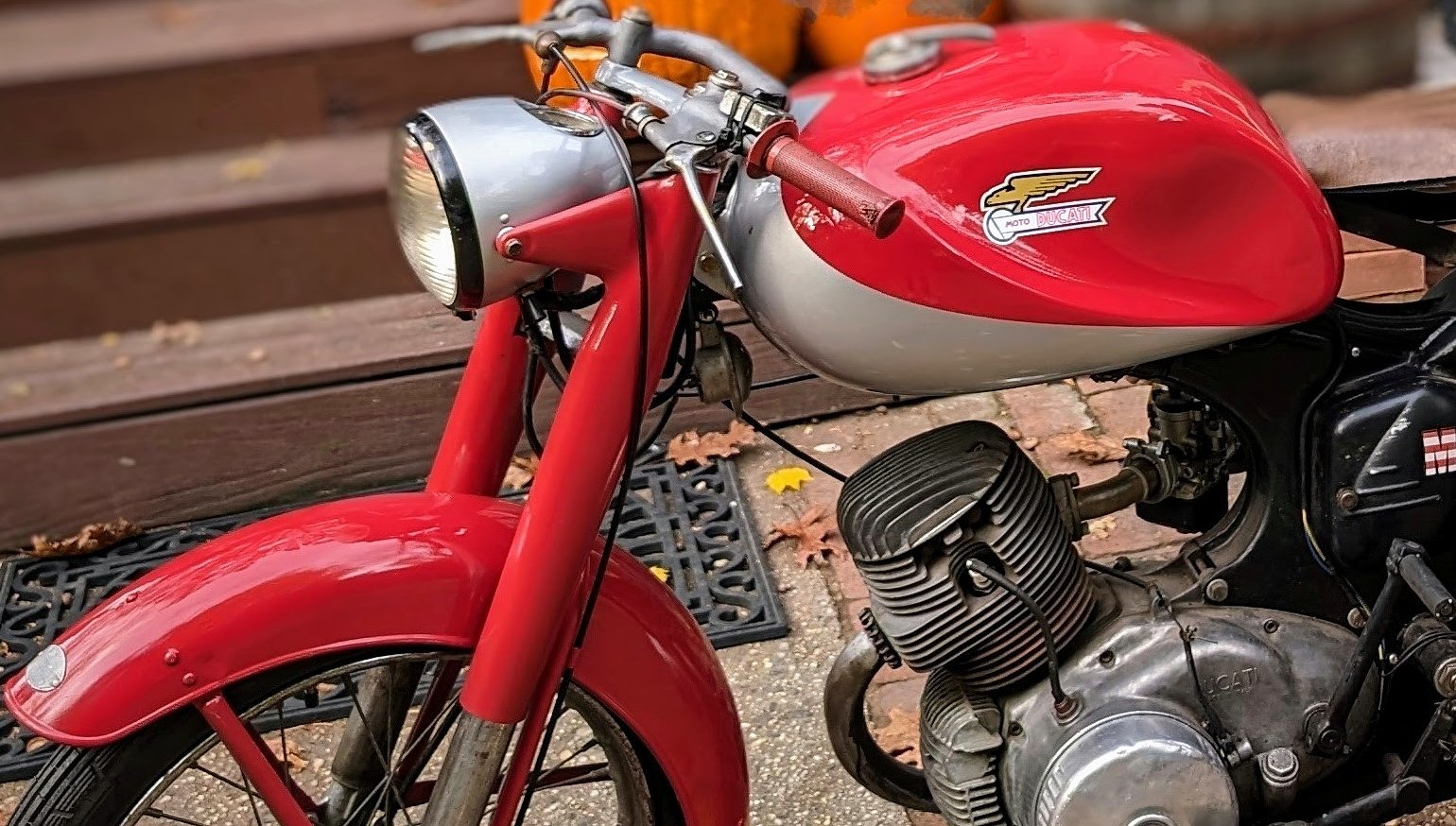
And then there's the outlier: a 1954 Ducati 98S, which still runs great, and connects us to the official story.
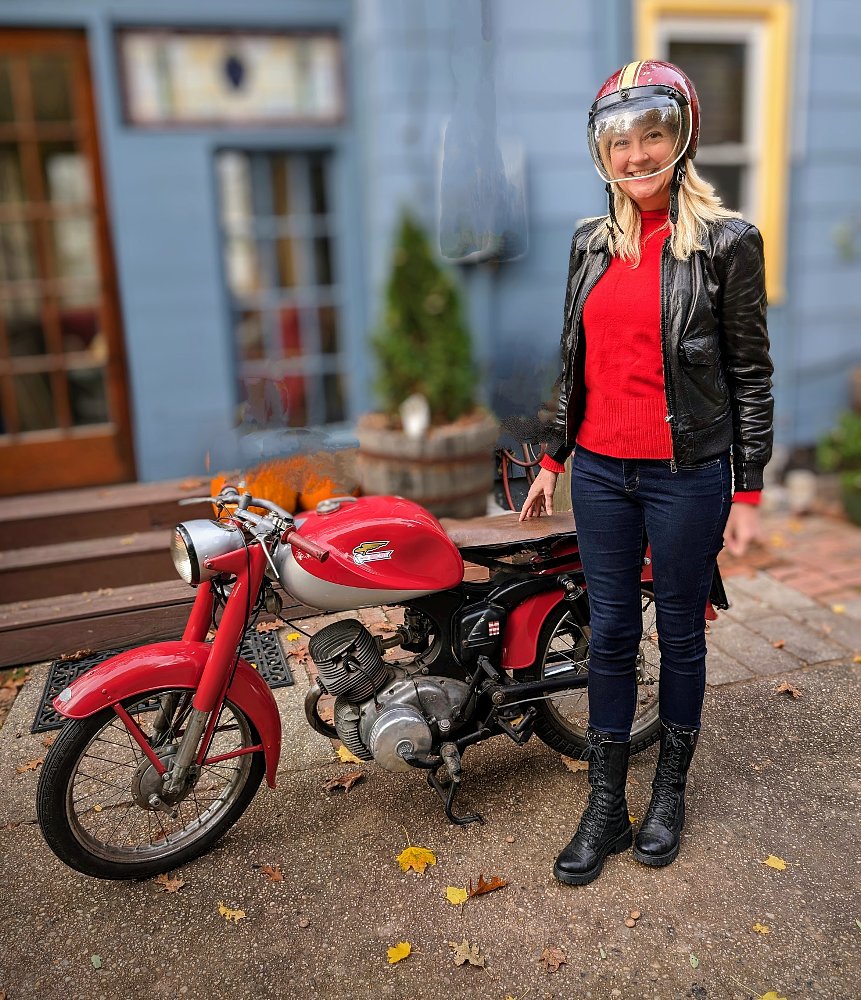
I've always wanted a Motogiro d'Italia bike, and the 98 is Ducati's first true motorcycle, designed as a complete machine. This model competed in races on Italy's streets as the country emerged from the ruins of World War II. The little single is simple and historically significant in a way that modern bikes, for all their capability, rarely are.
It's also a reminder that Ducati's origins were much closer to everyday riders than its current flagship motorcycles might suggest.
We have a garage, not a museum
When we toured the Ducati Museum in early 2024 with curator Livio Lodi, I noticed that none of our exact models were in the collection. Since space is limited, the focus is rightly on racing history. Still, it hit me.
Ducati's official history is about milestones and machines that changed the industry. Ours is about the bikes that stayed, the ones that worked for us.
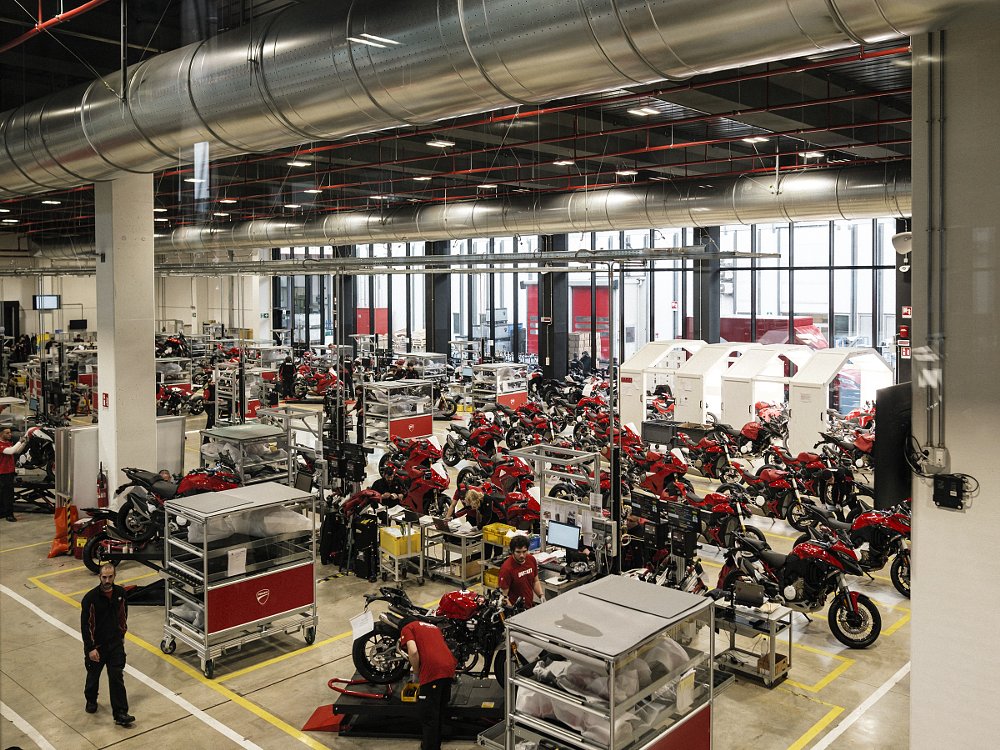
We may not have museum pieces. But if Ducati's first 100 years are worth celebrating, it's not just because of what's on display in Bologna. It's also because of what's out on the road.
For now, we'll keep riding our version of a lived Ducati history.