Shop by Vehicle
 Track Order
 Contact Us
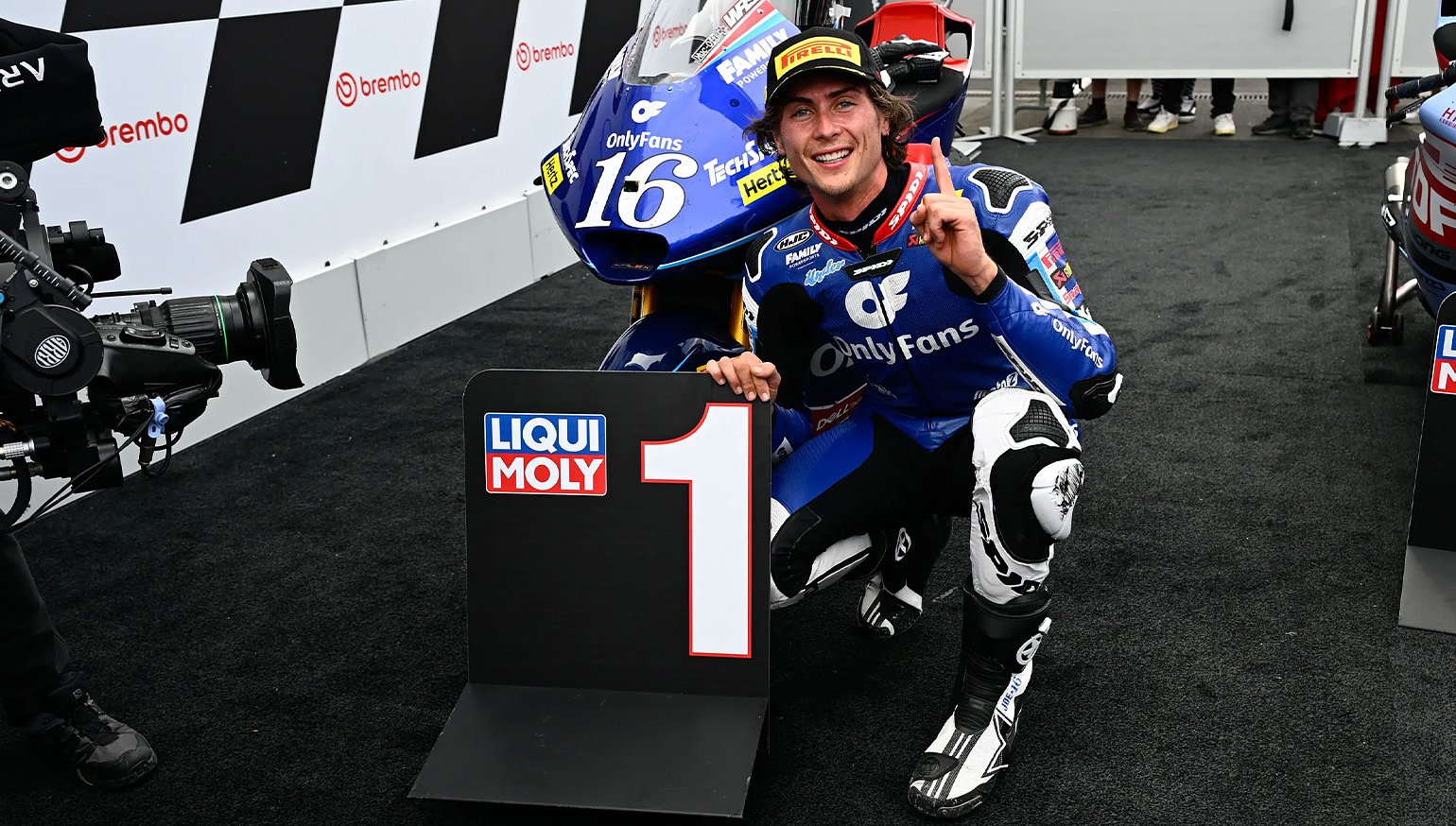
Racing isn’t for the faint of heart. The competition is cutthroat. The business is brutal. It’s a dog-eat-dog world, both on and off the track. Things only get tougher the higher a rider climbs. That’s why so few reach the pinnacle of the sport: grand prix racing.
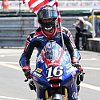
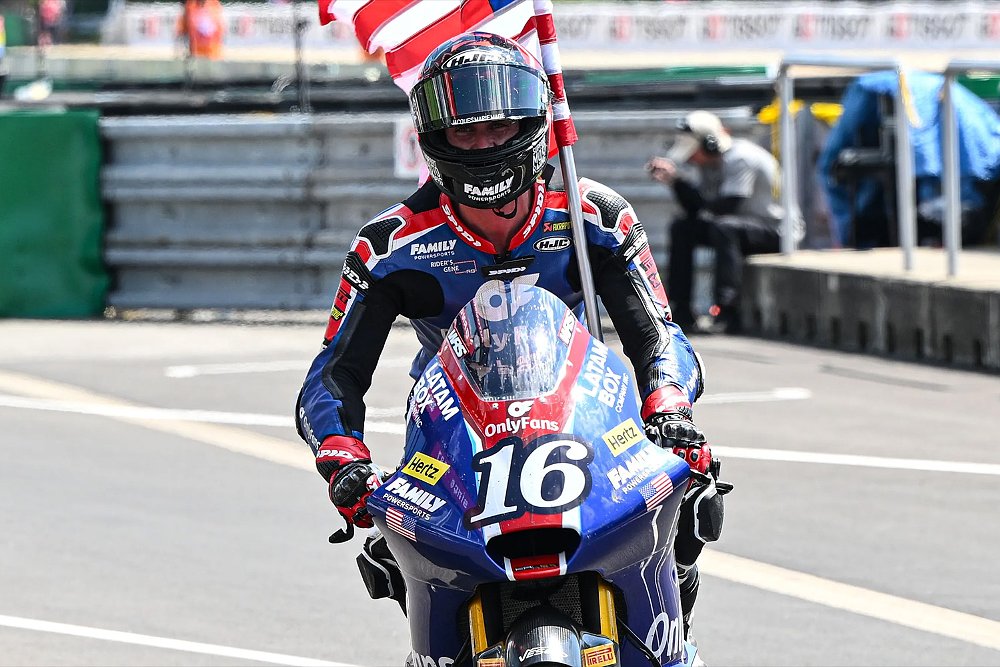
It’s true of riders from all countries. That includes those from the United States, and for the third consecutive season, the hopes of the nation rest on the shoulders of one rider, Joe Roberts.
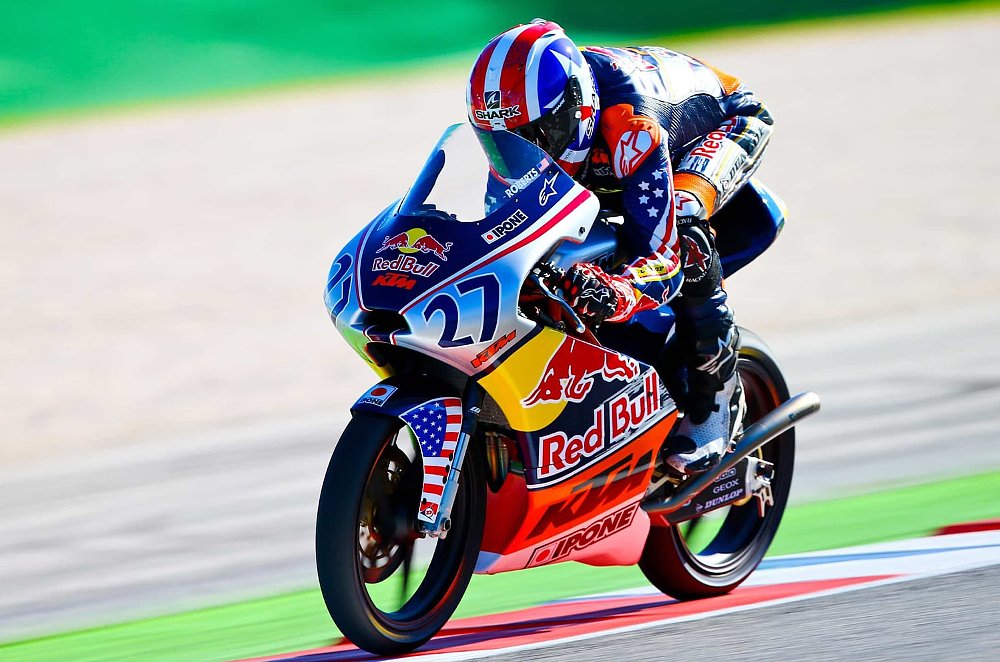
The Malibu native’s ascent to that lofty station was anything but conventional. Joe first raced abroad in the Red Bull Rookies Cup, nabbing a victory and several top-five finishes through three seasons (2011 through 2013). In 2014, he returned to racing full-time in the States. He seized the MotoAmerica Stock 600 title by 2015.
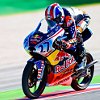
Roberts stepped back onto the world stage two years later, joining the 2017 Moto2 World Championship mid-season. He’s been a fixture ever since. Even with three Moto2 race wins under his belt, Roberts begins the 2026 season with the same drive that catapulted him to the pinnacle of the sport. He made that clear during a phone call just days before the Thailand Grand Prix.
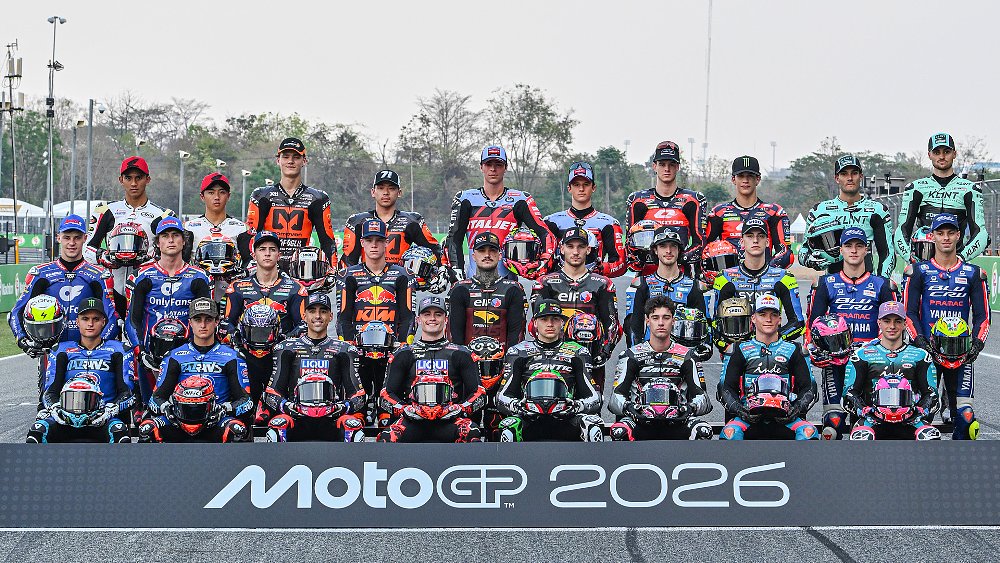
Common Tread: For the majority of your Moto2 career, you've been the only U.S. rider on the grid. What is it like to be the lone racer representing your country?
Joe Roberts: I, for a long time, felt like it was a responsibility in a way to be over here as the only American representing. I mean, it's very cool, honestly, to have been here racing as long as I have at the highest level in the world. Growing up as a kid, everyone I grew up with always revered MotoGP and wanted to be here. And I never knew if it was ever going to happen. And to think that I've now been here for eight seasons, it's an achievement in itself. I'm proud to be here and happy I'm racing again this year as well.
CT: The United States has a rich history of Grand Prix racers, from “King” Kenny, to Rainey and Schwantz, to Hayden. What do you think it will take to get more U.S. talent on the international level these days?
Joe: Everyone references the past, but it's such a different landscape now. It's not the same sport, almost, because it's just so much more refined, and there are so many people trying to get here. Not taking anything away from the past champions, but you used to see minute gaps in their races, whereas now, it's like point two of a second is separating the top 10. In my class, at least.
To kind of get down to it, I just think I grew up with a core group of fast riders, you know? I had a lot of competition as a kid, and it really pushed me. I look back on my career, and I made the right choices to elevate my skills. I went to the Rookies Cup when I was 13, came back to America for a bit, and then quickly back to Europe to race in Moto2. I always tried to raise my level every year. I guess I would say try to go to Europe, you know? That's what some of these kids need to do.
CT: Technology develops at breakneck speeds in all three MotoGP classes. What has been the most impactful motorcycle technology advancement during your time in Moto2?
Joe: When I first came to Moto2, it was on the Honda engine, and you'd still use the clutch to downshift, which just seems wild now. I would say the evolution of going from Honda to Triumph was the biggest upgrade I've seen.
Last year, they actually brought something that I've been wanting for years, which is the Superbike gearbox. So basically, first gear is at the bottom, and you have to put in the clutch to engage neutral. We used to have the street gearbox, so if you're at a track like Austin, where you have to use first [gear], you'd always have this panic that it's going to pop into neutral [when shifting to first], which happened to me on many occasions. That is a nice upgrade that they did last year.
CT: Similarly, riding gear has progressed at a similar pace. What has been the most impactful advancement in that area?
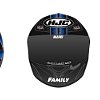
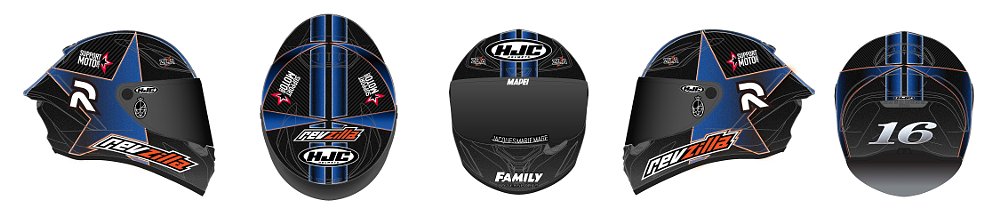
Joe: I think the main one is airbag technology. I mean, I grew up without that stuff, and having it now is life-saving, in a way. I would say helmets have definitely come a long way, as well. Just like the refined designs and aerodynamics, which are so key for my discipline in Moto2, you know? I need every chance I can get to be quick down the straight. HJC [Helmets] did a good job with that.
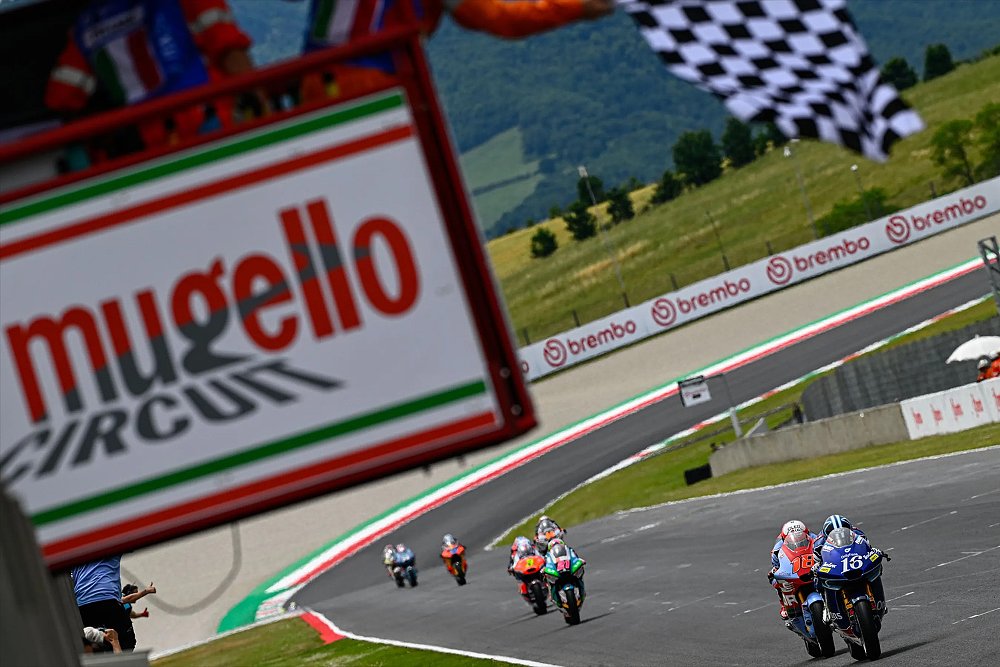
CT: This is a bit of a bonus question, but I saw your win at Mugello in 2024. How can you describe to someone like me, who's sitting in the stands, the feeling of winning a world championship race?
Joe: It's probably the best feeling in the whole world. There’s pretty much nothing that compares to winning a race. It feels like relief, plus this empowering feeling, and it’s just such a cool moment. I mean, that race in general was pretty awesome, you know? There are different types of race wins. It's kind of like the ones you just kind of get out front and just lead the whole time, and those are great because it’s less stressful. You're kind of just counting down the laps. But a race like Mugello, where you're battling and battling. Those types of wins, you just feel so [expletive] great after. That was the sickest thing ever, to win that.
With the Thailand Grand Prix already in the rearview, Joe Roberts will get 21 more chances to recapture that feeling. No, racing isn’t for the faint of heart. It’s cutthroat and brutal. But, it’s also rewarding. That’s especially true for riders like Joe Roberts, those who have reached the pinnacle of the sport and only continue to fight on.
Image Gallery