Shop by Vehicle
 Track Order
 Contact Us
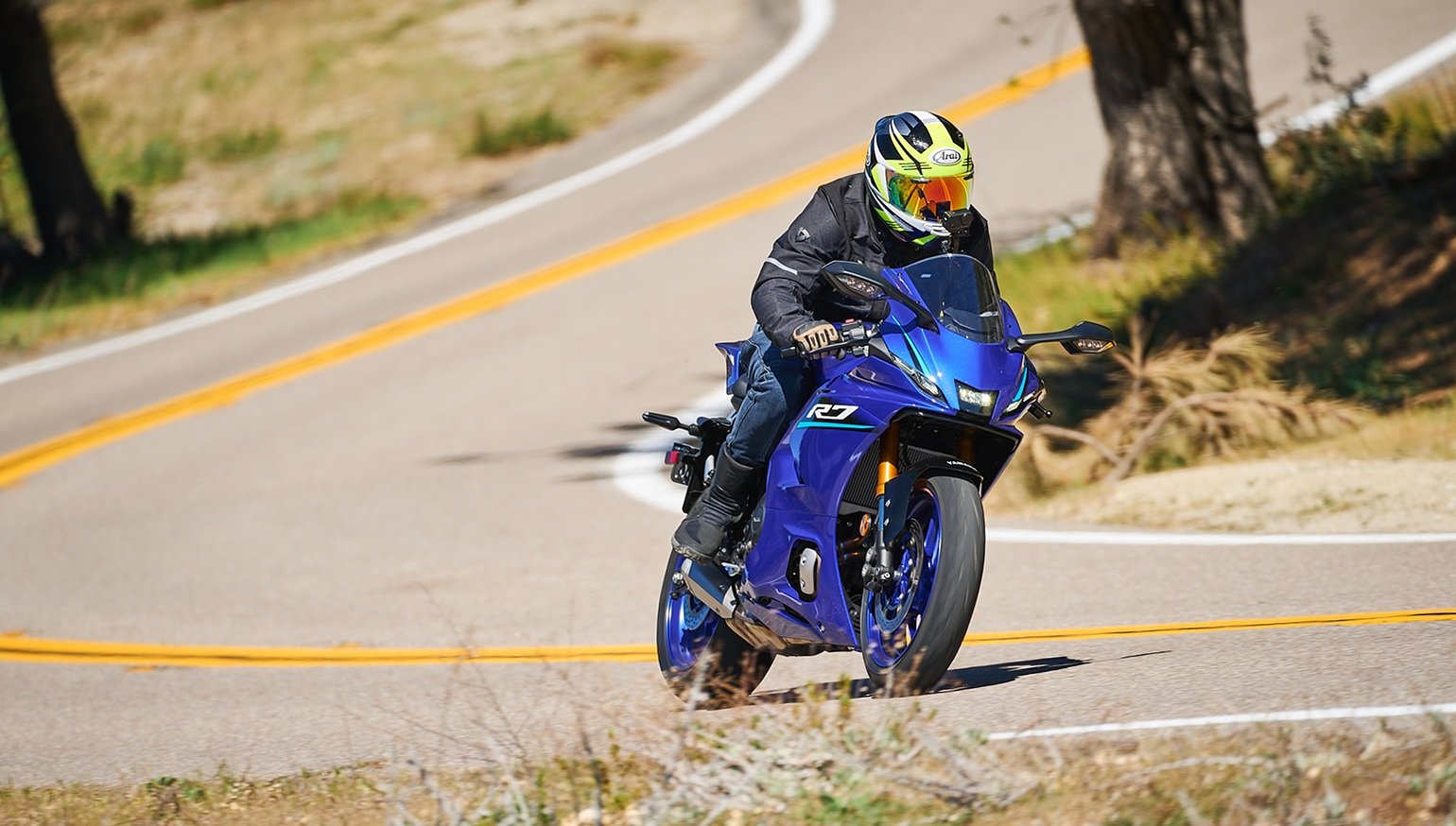
There's a concept in journalism known as Betteridge's law of headlines which states, "Any headline that ends in a question mark can be answered by the word 'no'." But what if you're a rule breaker? What if Yamaha's updates for its YZF-R7 middleweight sport bike really make it a better bike for you?
The success of the R7 and how we got here
After the global financial crisis of the late 2000s, young hooligan males found they no longer had the disposable income to splurge on flip flops, hair gel, and 600 cc sport bikes. Sales for the venerable Yamaha YZF-R6 fell steadily from their peak in 2008 until the model's demise in 2020. While Yamaha cited affordability as the main deterrent to R6 sales, it's difficult to ignore the emergence of more comfortable and easier-to-maintain middleweight naked bikes, including Yamaha's own MT-07 (dubbed FZ-07 in the States until 2018). Not only was the MT more agreeable to ride than a high-strung, track-focused machine like the R6, it also launched the 689 cc 270-degree-crank CP2 parallel-twin engine. This spunky mill provided more character than many of the middleweight motors on the market while also proving efficient, reliable, and powerful. With the decline of the R6 and the success of the CP2, the fully faired R7 couldn't have been a more obvious next step.
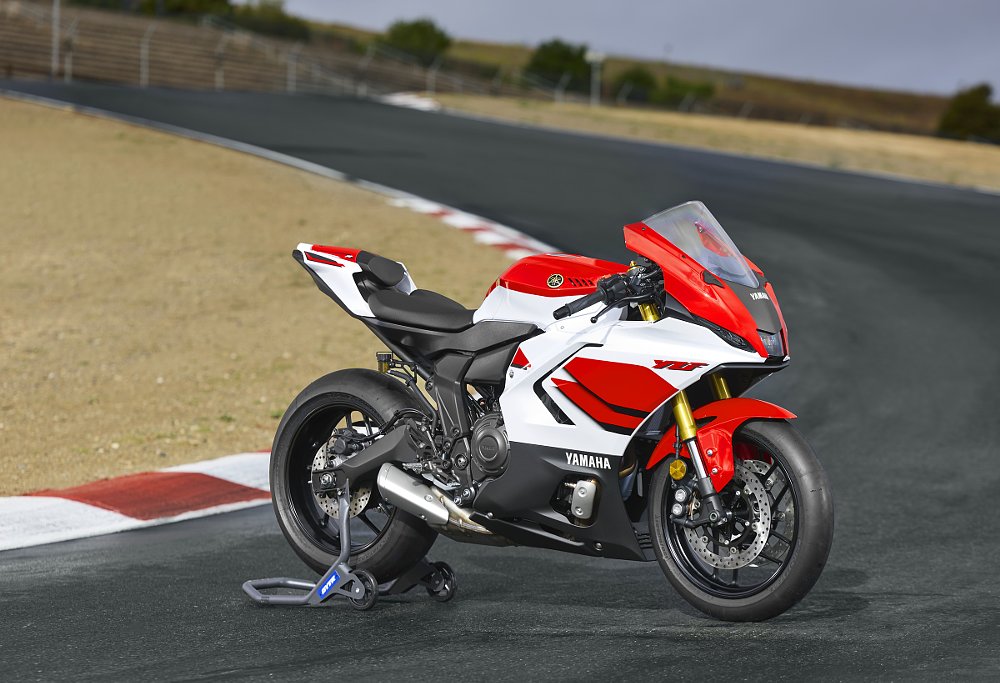
Much to Yamaha's pleasure, the YZF-R7 was a knockout success, quickly becoming its best-selling motorcycle in the U.S.A. Shoppers looking for a sport bike with a tuning fork logo had another option under $10,000 aside from the 300-class YZF-R3 (which, mind you, has yet to see an engine enhancement since 2015). Despite lacking the sound and peak performance of the R6, the R7 has pleased riders on the street and track alike.
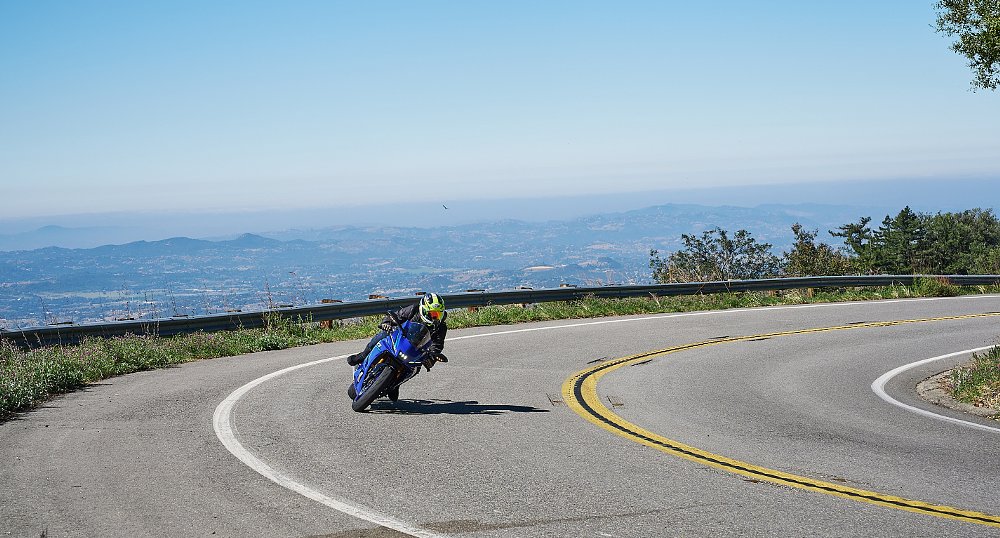
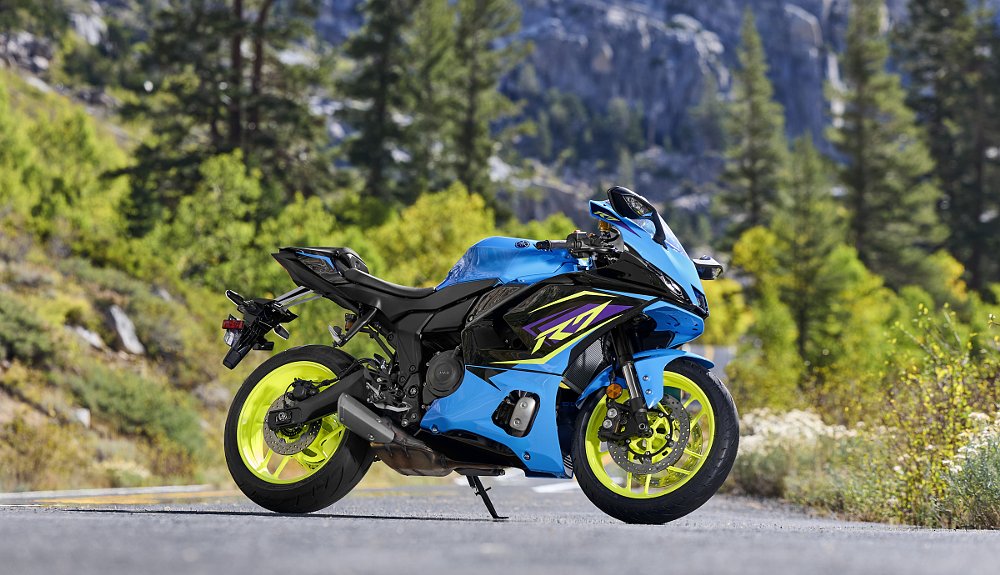
Despite, or perhaps in response to, the YZF-R7's immediate success, Yamaha felt inclined to improve upon its shiny new middleweight sport bike with a thorough 2026 refresh. Some of these improvements aim to improve the daily riding experience (navigation, cruise control, more relaxed riding position), while some aim to improve track performance (improved chassis, new front fork, lighter wheels, improved aerodynamics). And some changes should yield benefits everywhere (redesigned airbox, six-axis IMU, bidirectional quickshifter, new styling).
Better for the track
Our test ride on the R7, a weekday tour through northern San Diego County, didn't feature any track time, but some fantastic mountain roads did provide a test bed for the updated R7's performance benefits. A host of driveline changes refine the carryover CP2's character. The gearbox is updated to reduce clutch pull effort and improve shifting feel, and the airbox is redesigned to sound better and breathe more fully. Most noticeably for the "go" aspect of the bike is the introduction of throttle-by-wire. With Yamaha Chip Controlled Throttle (YCC-T), Yamaha was able to bless the R7 with four on-road ride modes (Street, Sport, Rain, and Custom) and four on-track modes (all fully customizable, including rear ABS disable). Paired with the six-axis IMU, riders can adjust traction control, slide control, lift control, brake control, quickshifting, engine brake management, and launch control. All on a $10,000 bike! Let's see your Craigslist R6 do that.
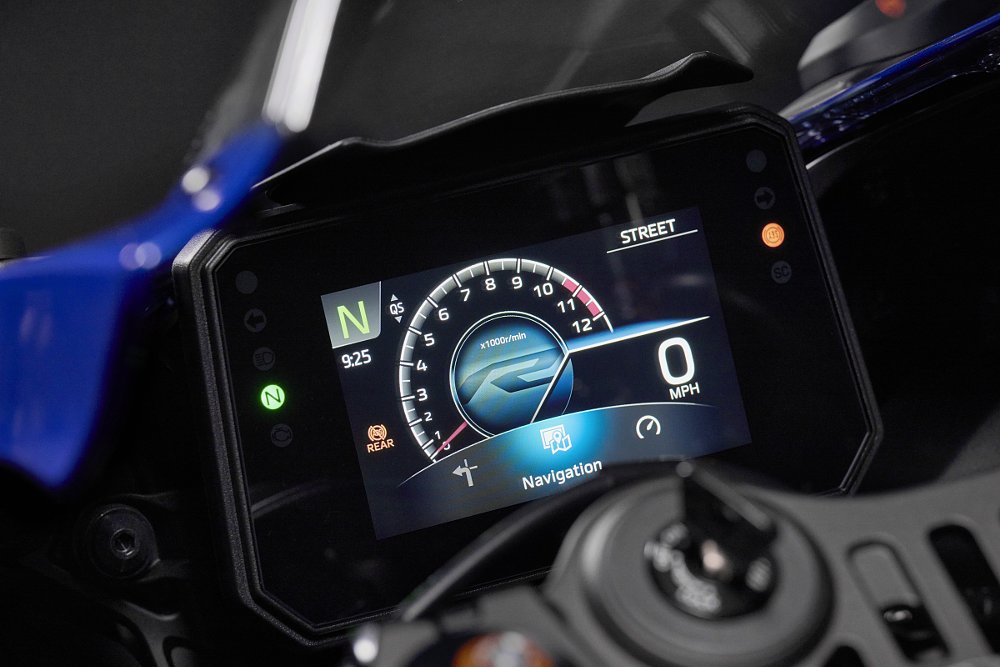
All of these electronics are managed through a five-inch TFT display, which, if I may make a bold claim, is class-leading. We'll get into more of the on-road functionality in the next section, but the screen is both easy to see and straightforward to control. Ride modes are quickly toggled via a button on the right handlebar, while the screen itself is controlled by a four-way rocker on the left. Furthermore, pairing the bike to the Yamaha Y-Connect app provides an easy means of loading preset ride modes for the track. And because you need even more apps on your phone, the Y-TRAC Rev app allows pit crew to send real-time messages to the bike's display, such as when to pit or simply, "GOOD JOB." I asked if riders can message back asking for a bathroom break — maybe we’ll see that on the next refresh. Race teams can, however, analyze in-depth bike data after lapping sessions, including all that juicy IMU information.
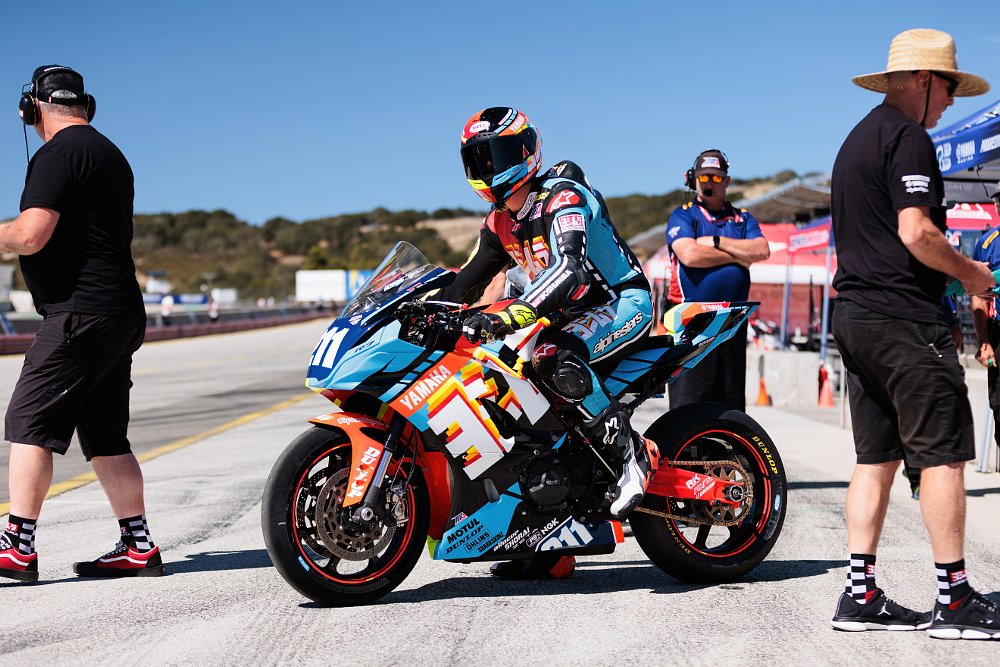
Throttle-by-wire also allowed Yamaha to add a pit-lane speed limiter to the R7. Just press the cruise control button twice and you get a speed limiter. Set it for your local track's pit-lane speed limit and even if you roll the throttle wide open, the bike gently settles in at the maximum speed. What you're more likely to appreciate is Yamaha's third-generation quickshifter, allowing for upshifts and downshifts at most speeds and rpm. You can even engage a GP shift pattern if you prefer to push down to shift up.
Aside from 1s and 0s, the R7 receives a new swingarm for better rigidity and easier maintenance. In fact, the bike has a whole new chassis with a stronger and more rigid steel frame. A new KYB 41 mm inverted front fork still provides full compression, rebound, and preload adjustments and aims to better mesh with the bike's revised chassis. On our spirited rides, I was thoroughly impressed with the R7's composure over cattle grates and road heaves. With my 170 pounds on board, the suspension was firm but comfortable. Yamaha claims that these improvements all work together to make the bike — you guessed it — faster and more confidence-inspiring on track. Their test riders were much faster than me, so I'm inclined to believe them.
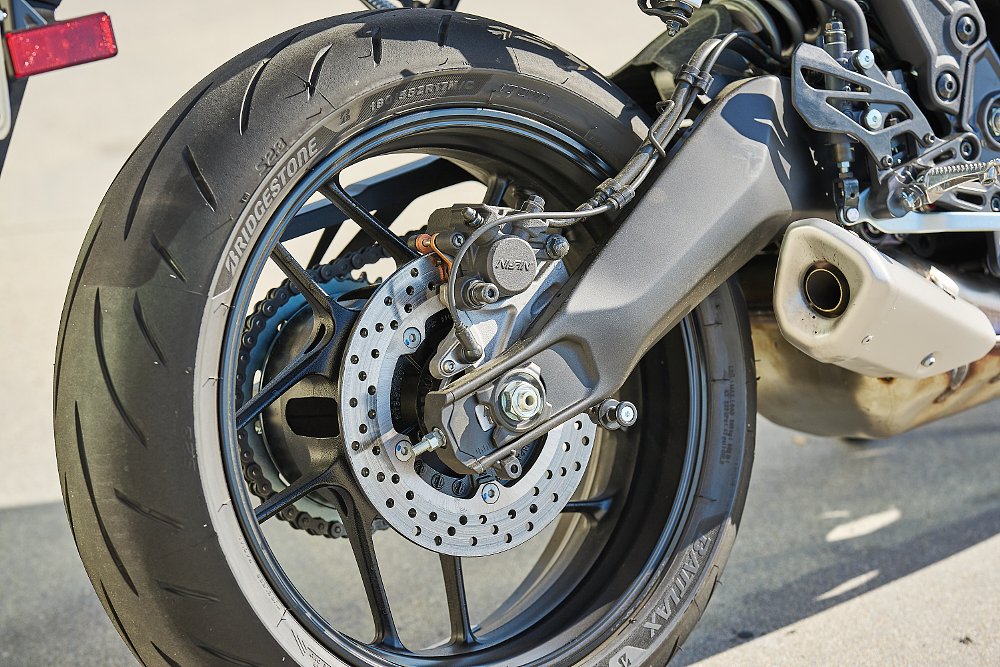
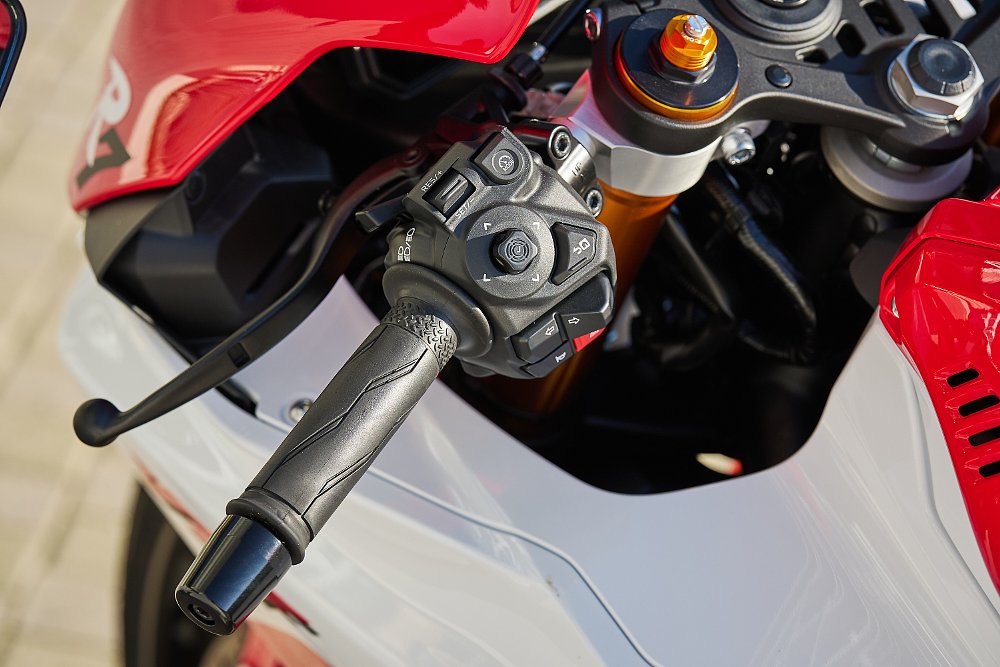
Keen to throw more proprietary equipment at the middleweight, Yamaha fits the new R7 with SpinForged wheels, which reduce weight (4% over the 2025 model) and inertial moment. These are wrapped in Bridgestone Battlax Hypersport S23 tires, which should provide enough performance for fun times at the track while still being safe on the streets. Updated clutch and brake levers provide 14 levels of adjustment via a nifty rotating knob.
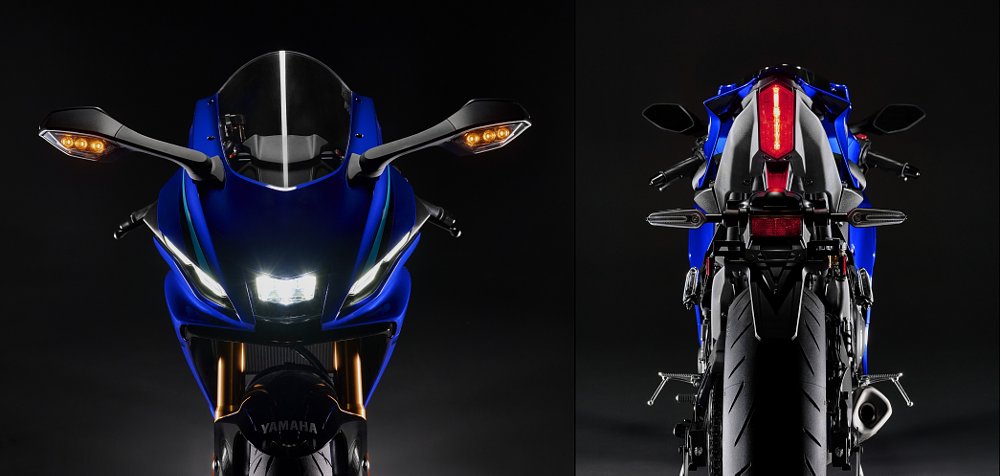
The new model is also more aerodynamic than the outgoing bike, which itself was already Yamaha's slipperiest R machine. New LED lighting will draw few complaints, but the new mirrors raise a few more eyebrows. The bike's front turn signals are built into the mirrors, which Yamaha was quick to mention results in a cleaner design and less work for track prep. I can't help but wonder, however, how much more will they cost to replace, and what do you do about your blinkers if you want to swap out these chunky arms for more compact mirrors?
Changes like lighter wheels and a crispy quickshifter are undeniable improvements over an already outstanding middleweight track machine. But Yamaha must have received feedback that riders spent more time on the street than on the circuit, because the bulk of the R7's changes improve daily life.
Better for the street
The 2026 R7's design is where we see concessions toward street use. The new bike sees subtle adjustments to the rider triangle, pulling hand grips up and back and dropping the seat. Comfort will vary from rider to rider, but I found my hands too close when leaning down and riding aggressively. Riders everywhere should appreciate the extra 0.3 gallons of fuel (3.7 gallons total), which nearly makes up for the two-pound weight gain — a claimed 417 pounds fully fueled for 2026.
Daily riding on the 2026 R7 begins before pressing the starter button. For me, it meant standing next to the bike for 15 minutes pairing my phone through both the Y-Connect and Garmin StreetCross applications. After performing the Bluetooth pairing dance, the bike connected seamlessly to my phone for the rest of the day. The benefits? Many.
Through the Yamaha app, riders can receive phone calls and text notifications, control audio, and view weather updates on the TFT display. In the other direction, your phone receives bike info, including maintenance alerts, fuel consumption, and riding logs. Coupled with the Garmin app, riders can view turn-by-turn navigation, something you might not expect on a sport bike. Personally, I prefer to disconnect while I ride, but that's the beauty of tech: If you don't want it, don't use it. The high-tech screen is there if and when you want it. And when you just want simple riding info, you have four distinct visual themes to choose from. Again, I cannot overstate how simple it was to toggle through menus and display options with no assistance or frustration.
What took more acclimation was, of all things, the turn signal controls. Rolling out of our hotel parking lot, I had to concentrate on where to press to toggle the blinkers. Part of this can be blamed on the nature of sport bike wrist ergos, but some of it falls on the design of the blinker switch. Yamaha gifted the R7 with self-cancelling turn signals (OK, neat) as well as a dual-function switch: Press softly for a three-blink merge, press hard for continuous blinkage. I suppose it might become more second nature after living with the bike, but the chunky control felt more fitting for an ADV bike than a svelte sport bike.
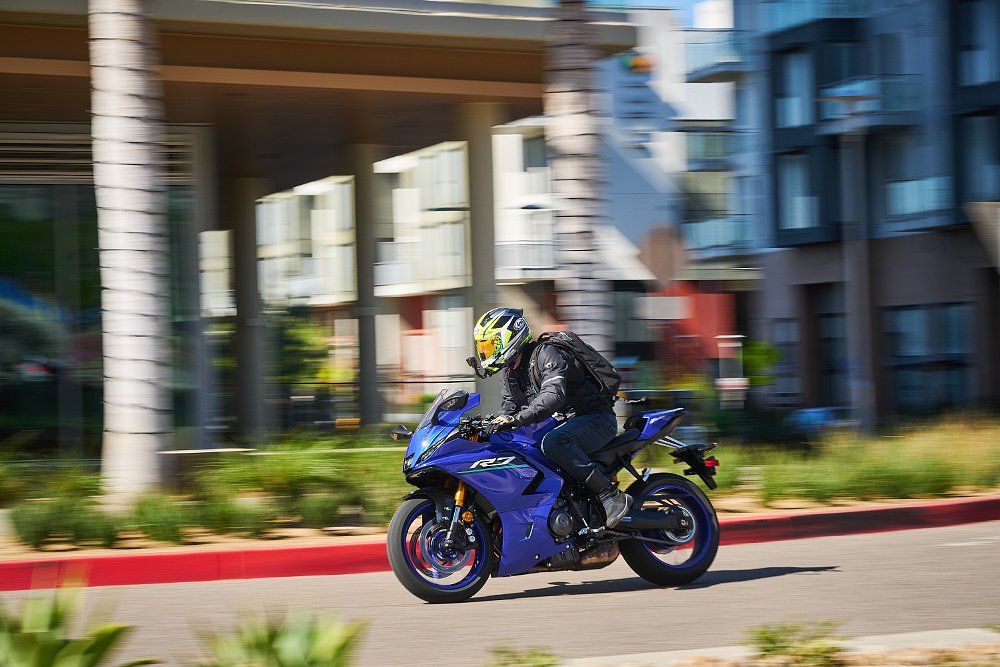
After overcoming the blinkers, I cruised along in Street ride mode. For all of about four minutes. In this mode, Yamaha dulled the throttle response to be less direct and more smoothed. Welcome, I suppose, for riders fresh out of the MSF course or for an early morning commute to the office. But if I'm crouched over 70 horsepower, I want immediate response from my right wrist. Sport mode felt more direct, and I spent nearly the rest of the day in this mode, as every time I switched to Street, engine response was lazy (Rain, expectedly, moreso). Sport mode also sharpens the quickshifter, so if I owned the R7, I'd set up the Custom mode for sporty throttle response and more relaxed shifting.
Out on the 15 freeway, engaging cruise control was delightfully simple. One press of the cruise button, one press of the set switch, and voilà, the R7 maintains speed. If you do choose to put big miles on your sport bike, cruise control gives your wrists and back much appreciated reprieve, and I give huge props to Yamaha for including it on this bike. I've climbed aboard too many throttle-by-wire motorcycles and asked myself, "Where's the cruise?" Looking at you, Honda Transalp.
A second press of the cruise button toggles the speed limiter. Sure, you can set it to 25 mph at your track day to make sure you don't violate the pit lane speed limit, but on the street I set it to 80 mph and rolled onto the accelerator from 70 to test it. The bike smoothly relaxed its acceleration to rest at 80. I could see this being hugely beneficial on an R1 or R9, but again, hard to complain about having it here on the R7.
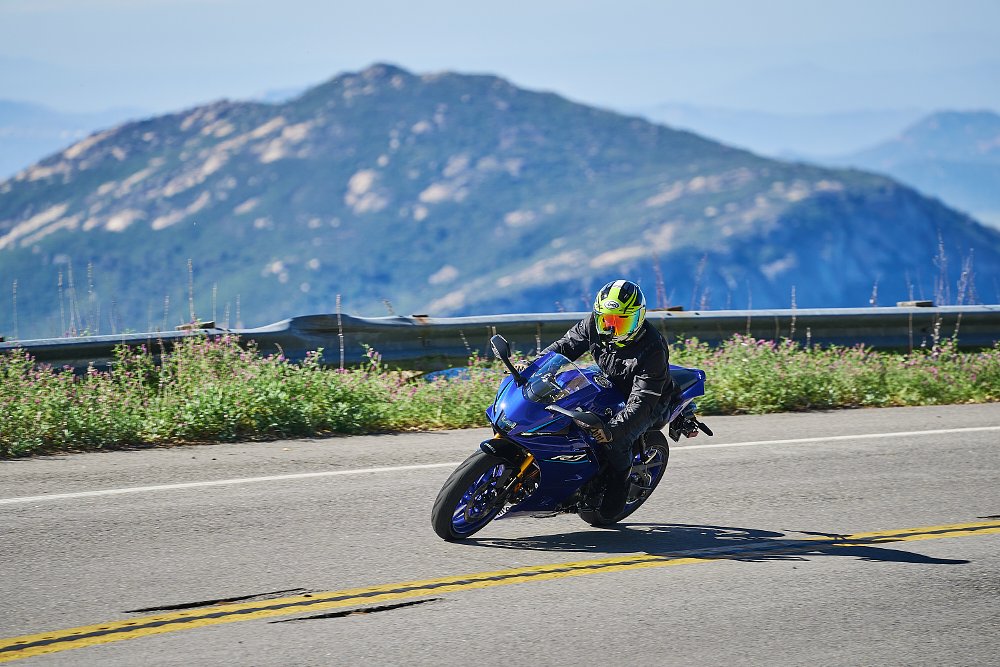
In the first few hours of the ride, the updated ergonomics lent themselves nicely to both highway miles and canyon twisties. After escaping traffic, we scooted our test bikes up Palomar Mountain, and the R7 felt right at home. On the tight corners, the 689 cc engine is happy to pull low out of third or sing out in second. It really just depends on how you want to ride. And with the quickshifter, it's a simple and smooth change from one to the other.
I also appreciated that the fuel cut was just high enough that I never found myself wishing for more revs. Both power and intake sound crescendo around 8,600 rpm, and you have about another 1,500 rpm to decide if you want to take the next gear. While the updated airbox sounds great, the exhaust is begging for a better sound. I'm not much of a "put a pipe on" sort of rider, but this engine has too much character to be muffled like it is from the factory.
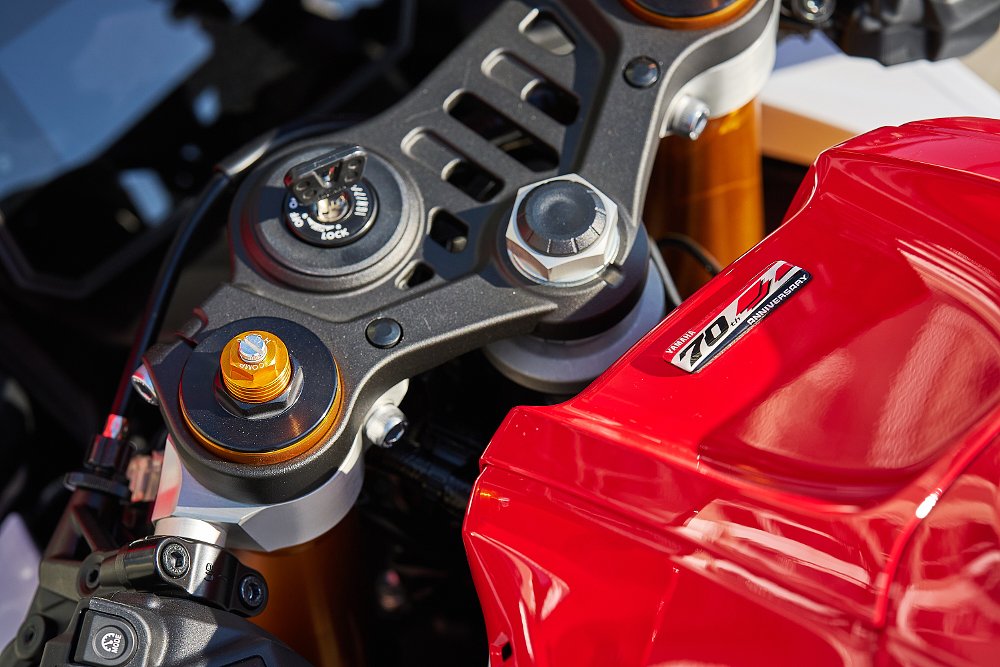
Aside from its muted tone, it's hard to pick fault with the R7's riding dynamics. In fact, I couldn't get enough of them. The chassis, the suspension, the brakes, the engine, and the gearbox all play together with finesse and joy. I could have played up and down that canyon road for hours, fine tuning each turn and straight like my own personal racetrack. And, since we're talking about a middleweight bike with middleweight power, I wasn't barreling into corners at speeds that weren't easily managed with a squeeze of the brakes. Could a rider get into trouble on the R7? Of course. But between the approachable power figures, top-shelf electronic aids, and superb mechanical design, the R7 welcomes riders of various skill levels to hop on and have a go. Not to mention, after all our hooting and hollering, I looked down at the screen to see 53 mpg.
It's one thing to read a sweeping list of changes to a bike, but feeling those changes work together to result in a cohesive riding experience is impactful. Even the rider aids are unintrusive enough to enhance the experience rather than get in your way.
So yes, Yamaha's engineers and designers have made a great-riding bike even better with the 2026 refresh. However, is it really better for you, the shopper?
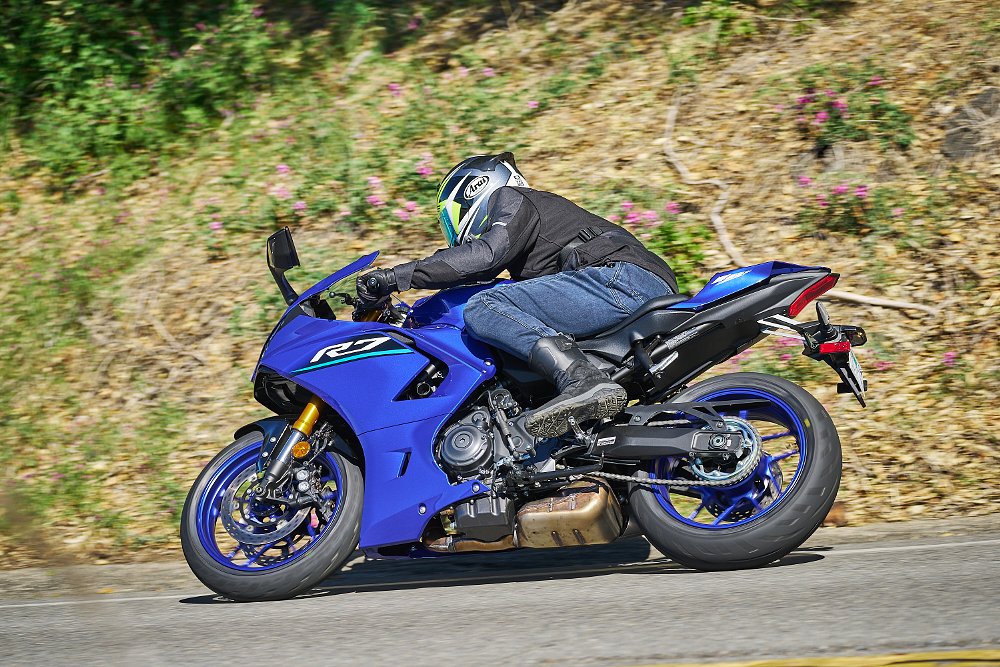
Can a compromise be better?
It's sharper on the track and it's more comfortable on the street? I can hear you saying, "Charlie, this must be the perfect motorcycle!" Well, here's the thing about reviewing bikes. They're often great, until they're not.
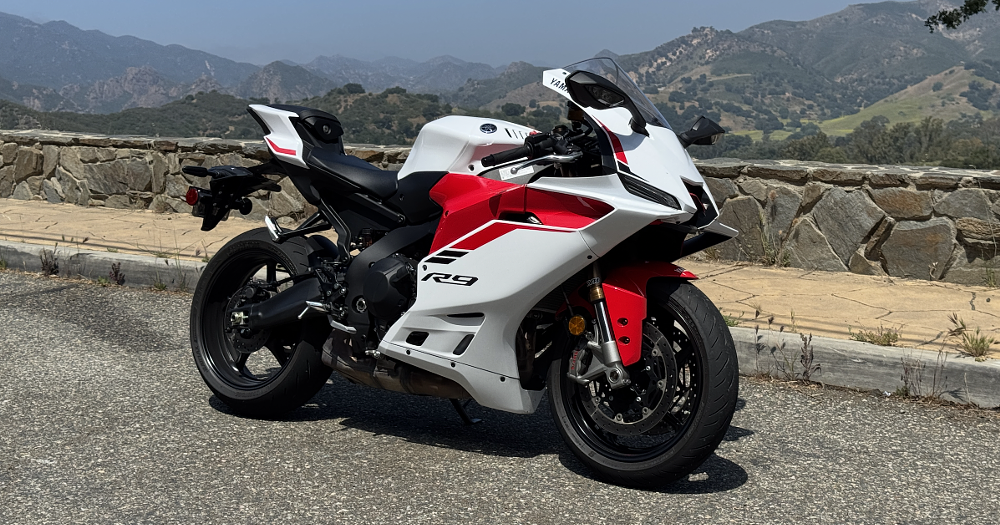
Yamaha clearly sees the YZF-R7 as a success and it's a fantastic bike to ride quickly. However, a replacement for the R6, it is not. The R6 had a retail price of $12,199 in 2020, its last year of production. Good luck finding a lightly used late-model R6 today for less than $13k. There's clearly still demand for an aggressive race replica, especially for track use. Making the R7 marginally more street friendly only pushed it further into a strange limbo between a committed bike ready for a Supersport race grid and a comfortable sport bike just right for the street.
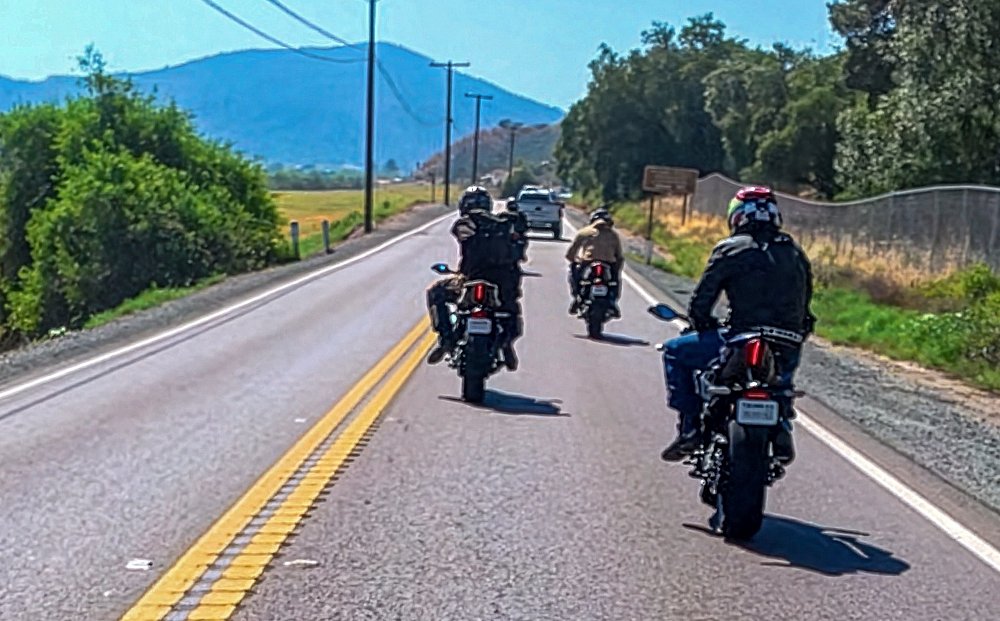
The riding position still places weight on your wrists, and the seat is still unforgiving after a number of hours. Take a look at the still shot below from my helmet camera on our ride back from the canyons. All three riders ahead are sitting awkwardly upright and tilted to the side, searching for reprieve from the clip-ons and plank seats. I was, too. We were tired and uncomfortable. Sure, the R7 is a little more comfortable on the street, but the compromises needed to make it superb around the corners impose limits on that comfort. And the reality is that it's hard to appreciate the man hours poured into this chassis when you're stuck behind a Toyota RAV4. I had a great time tossing the R7 through the twisties, but by the end of the day, I would have much preferred to be on the Yamaha staffer's MT-07. Or, dare I say it, the couch of sport bikes, the Kawasaki Ninja 650.
But OK, so what if you want uncompromising performance, comfort be damned? Then I want some thrill in return! Look, the CP2 is a great motor for bopping around town. But for many, a staple of the sport bike experience is hanging on for dear life as the engine rushes through its powerband. There should be a sacredness to the upper third of your rev range. And guess what? Yamaha now has an answer for that: the YZF-R9. While it's not going to scream like the old R6, it'll at least bug out your eyes at WOT. To me, that's worth an extra $3,000.
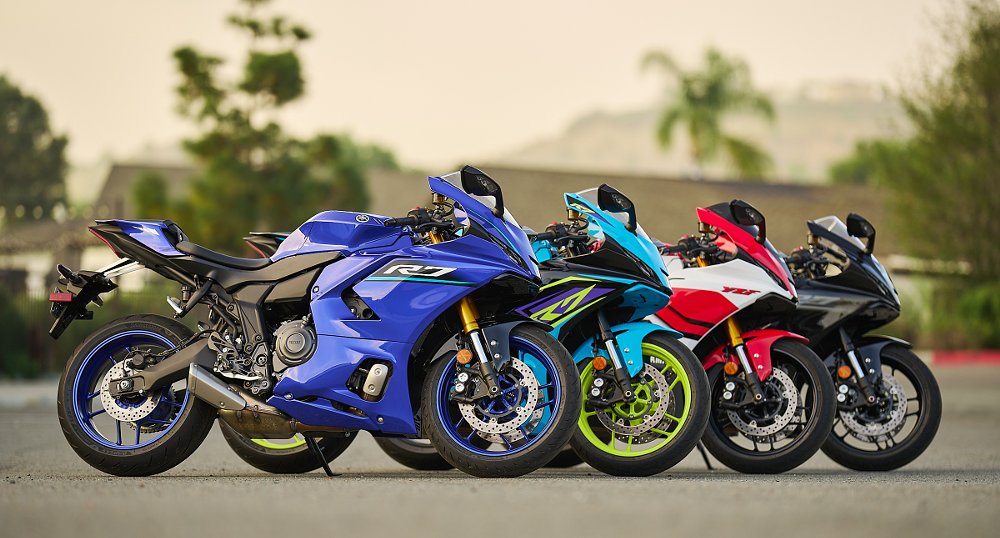
The R7 might be the best bike I've ridden that I would have trouble recommending to any of my friends. But it didn't feel right ending this review that way. I was wracking my brain, because I knew this bike had a place in someone's garage. It was actually my beloved wife who had the answer: If you only want, or can only have, one motorcycle to do both sport riding and daily duty, this is it. You really could rip the track on Sunday and ride into the office on Monday, and it would handle both tasks well enough. Running costs will be low, insurance will be reasonable, and with 2026's updates, you're not missing any must-have features. On top of that, it looks sweet, it rides great, and it has more tech than any four-figure bike has any right to feature. And despite all of this, Yamaha only bumped the price $200 and offers it in four engaging colors.
For the rider who only has a place for one bike, the R7 could be the golden ticket. If that's you, congratulations, you're the exception to the rule.
| 2026 Yamaha YZF-R7 | |
|---|---|
| Price (MSRP) |
$9,399 base $9,699 70th Anniversary edition |
| Engine | 689 cc, liquid-cooled, eight-valve, parallel twin |
|
Transmission, final drive |
Six-speed, chain |
| Claimed horsepower | NA |
| Claimed torque | NA |
| Frame | Steel tubular |
| Front suspension | KYB 41 mm inverted fork, adjustable for preload, rebound, and compression damping; 4.7 inches of travel |
| Rear suspension | Single shock adjustable for preload and rebound damping; 4.8 inches of travel |
| Front brake | Dual four-piston calipers, 298 mm discs with ABS |
| Rear brake | Single 245 mm disc with ABS |
| Rake, trail | 24 degrees, 3.6 inches |
| Wheelbase | 54.9 inches |
| Seat height | 32.7 inches |
| Fuel capacity | 3.7 gallons |
| Tires | Bridgestone Battlax Hypersport S23, 120/70ZR17 front, 180/55ZR17 rear |
| Claimed weight | 417 pounds wet |
| Available | Now |
| Warranty | 12 months |
| More info | yamahamotorsports.com |