Shop by Vehicle
 Track Order
 Contact Us
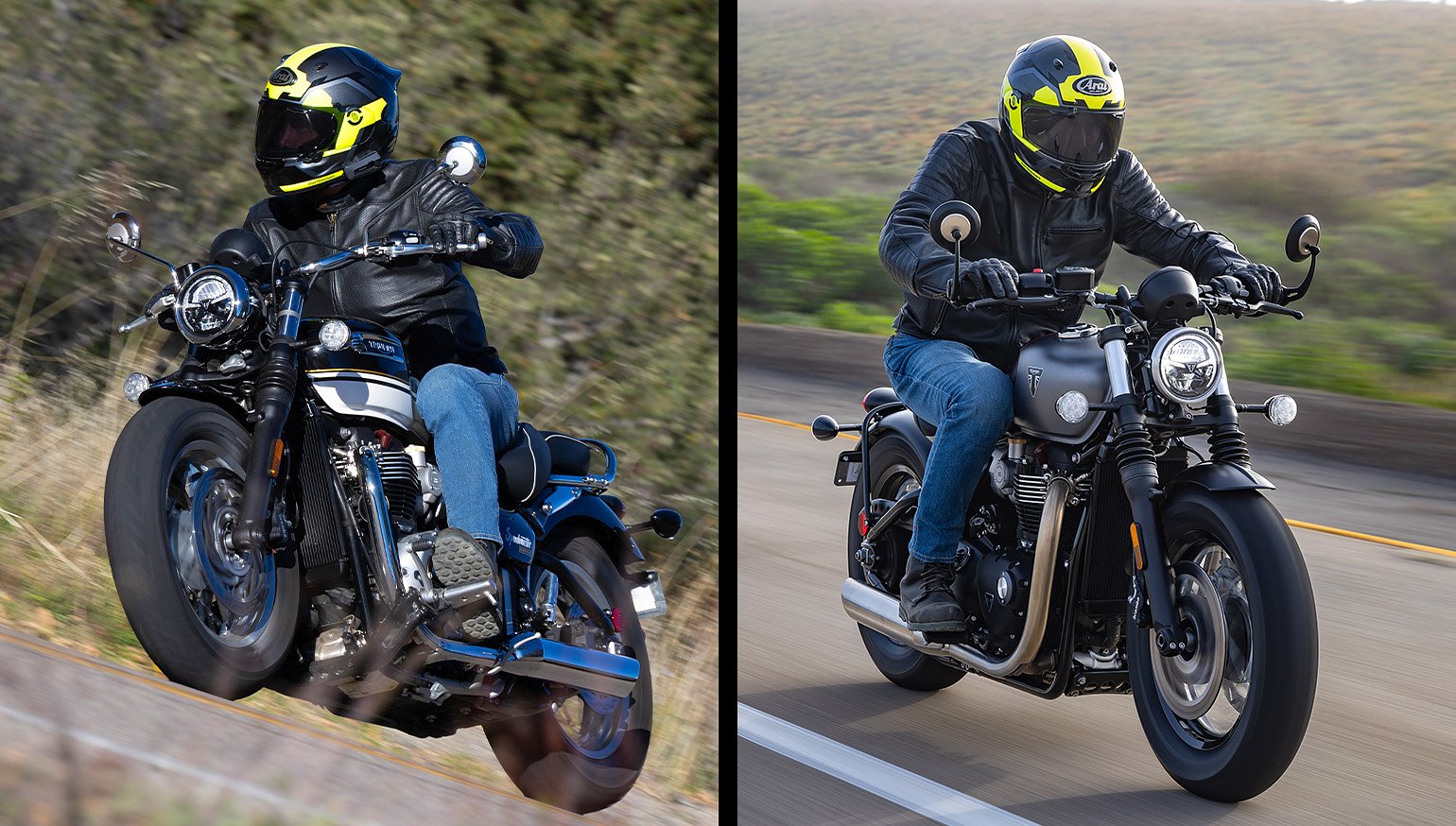
Mention “Triumph” to a motorcyclist, any motorcyclist, and cruisers are probably the last bikes that come to mind. Café racers, yes. Scramblers, sure. Modern classics, absolutely. But cruisers, not so much.
The road goes both ways, too. Mention “motorcycle” to a cruiser customer, any cruiser customer, and the Bonneville Bobber and Bonneville Speedmaster are probably the last bikes that come to mind. Indian Scout, yes. Honda Rebel, sure. Harley-Davidson Sportster, absolutely. But Bonnevilles, not so much.
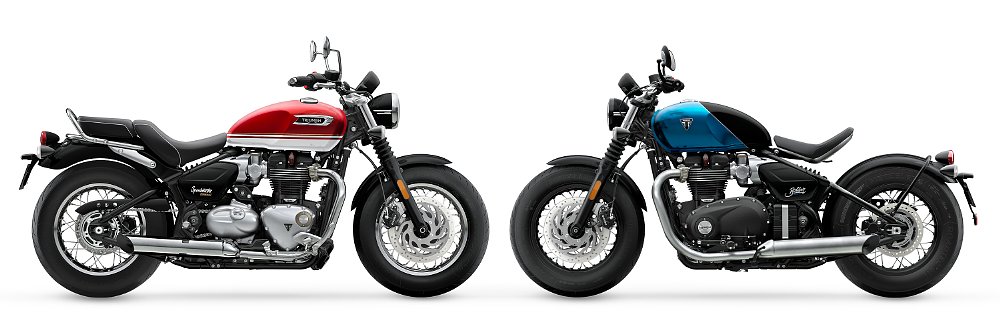
Still, the British marque isn’t throwing in the towel. It’s doubling down instead, outfitting both Bonnies with new hardware and software in 2026. Can those provisions improve the Bobber and Speedmaster’s standing in the segment? Can minor updates truly move the needle? Or is it a day late and a dollar short? Those were the questions careening around my cranium when I attended the press launch for Triumph’s Bonneville range in sunny Oceanside, California.
Select solutions
Mechanically speaking, there’s little to choose between this year’s Speedmaster and Bobber and last year’s. The outgoing models bore 3.2-gallon gas tanks. Those fuel cells measure 3.7 gallons in 2026. Both bikes roll on 16-inch wire-spoke wheels, but new aluminum rims lighten their rotating mass. And that’s the extent of the updates. Well, the mechanical ones, anyway.
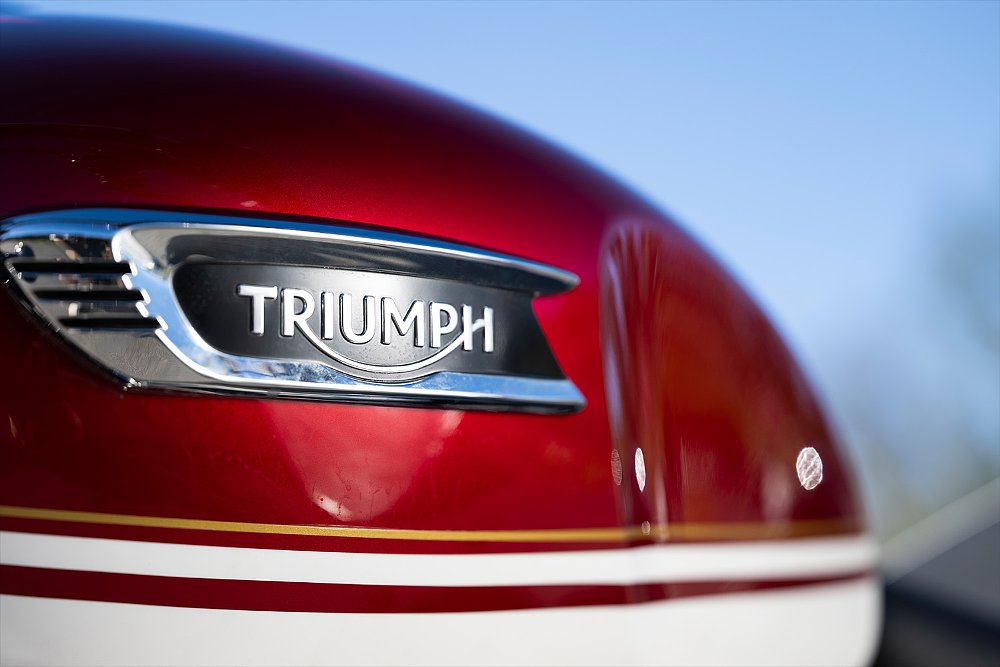
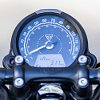
Much of the Speedmaster and Bobber’s upgrades come in the form of electronics. For the first time ever, Triumph’s middleweight cruisers offer cornering ABS and lean-dependent traction control, all thanks to a new IMU. An LED headlamp now illuminates the road ahead while a dash-mounted USB-C port keeps your devices charged on the go.
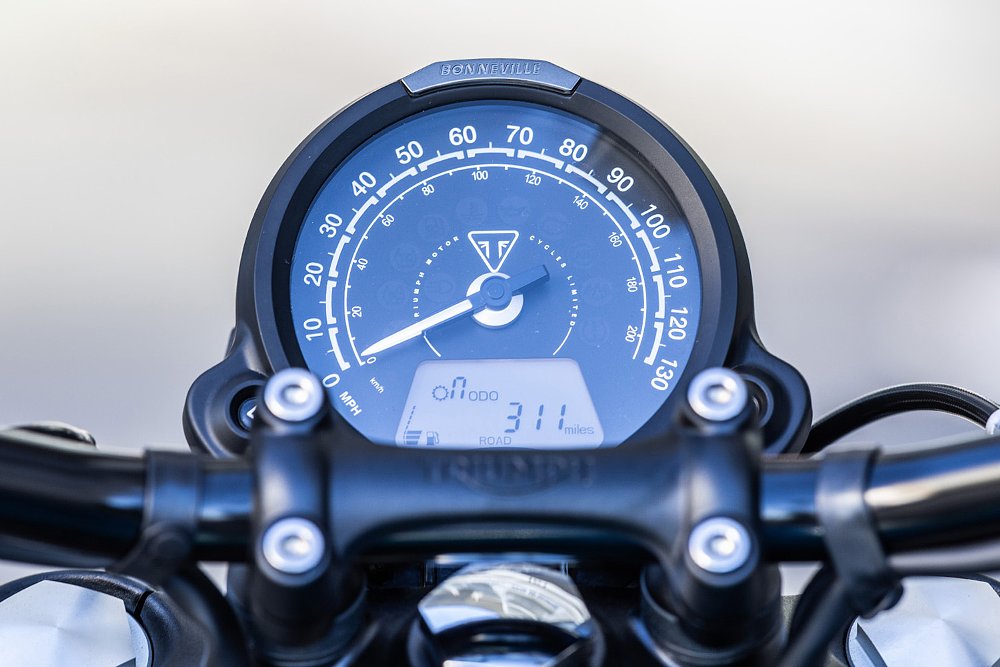
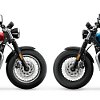
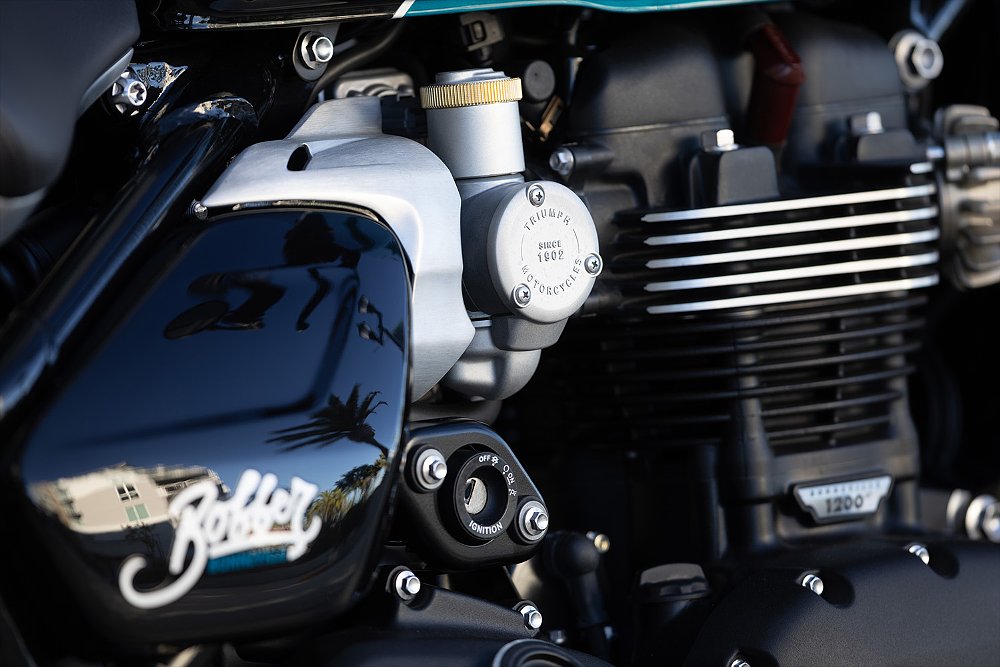
Long story short, not much separates the ‘25s from the ‘26s. There’s even less to choose between the two models. Triumph stuffs the same eight-valve, 1,200 cc parallel twin into the Speedmaster and Bobber. The state of tune remains consistent as well, with both bikes producing a claimed 77 horsepower (at 6,000 rpm) and 78.1 foot-pounds of torque (at 3,750 rpm).
The Bob and Speed share the same steel cradle frame, Showa 47 mm fork, and preload-adjustable shock. Their 32-spoke wheels and dual Brembo calipers are identical. Not even their trail, rake, or wheelbase varies. On paper, the two p-twin-powered cruisers are nearly indistinguishable. That couldn't be further from the truth in person.
‘Tis the season
There are three certainties in life: death, taxes, and Triumph press launches in mid-December. Last year, I bopped around the Andalusian mountains aboard the Speed Twin 900, humming “Feliz Navidad” all the way. The year prior, Common Tread contributor John Beck launched the Tiger 900 Rally Pro into Spanish airspace. Triumph kept the tradition going in 2025. The only exception was the location.
Oceanside is a coastal town located less than 40 miles north of San Diego. Meaning even in December, the climate is desirable. Daytime highs were in the mid-60s. By the time we reached our lunch stop further inland in Lake Elsinore, temps rose to the high 70s. In other words, the conditions were perfect for riding motorcycles — and there were several in the queue. Five, to be exact.
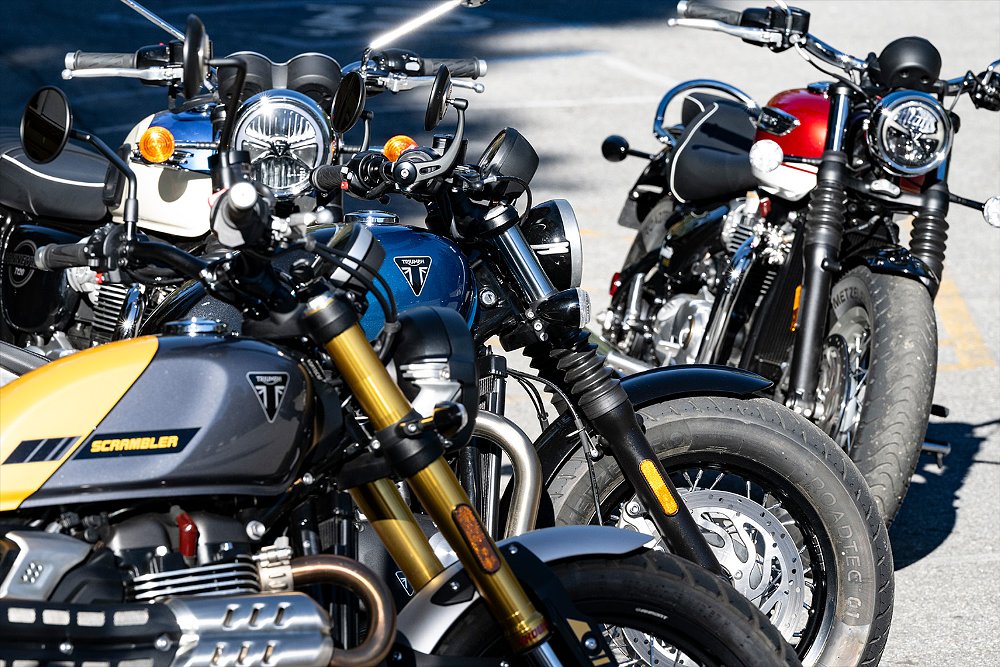
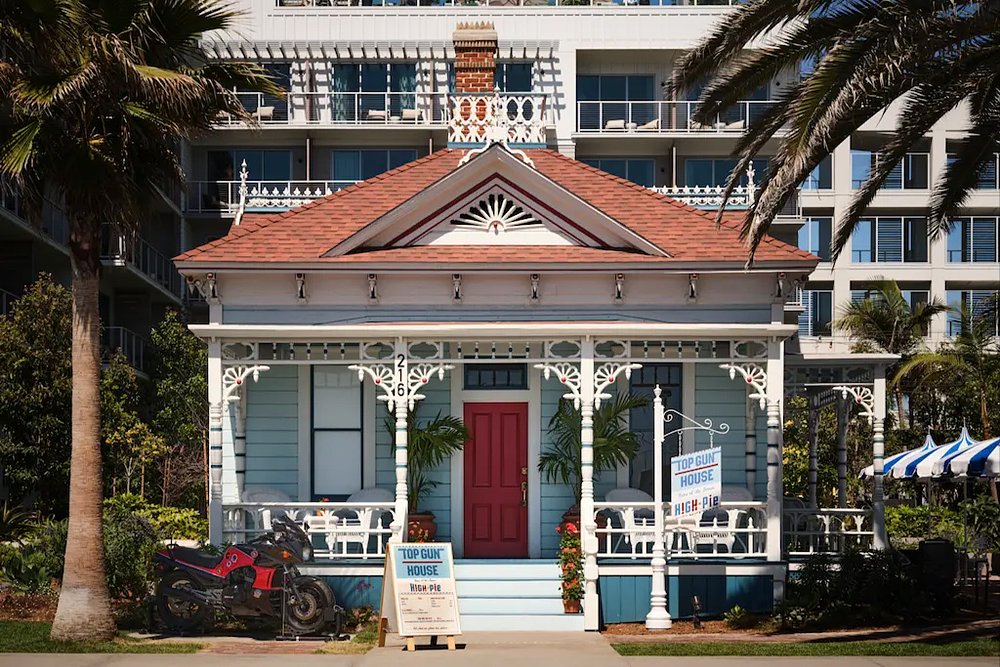
Taste testing all those Bonnevilles required two full days of riding (poor old me). Why is this pertinent, you ask? Well, because the first day heavily revolved around the Scrambler 900 and T100 (review to come next week). Only after returning to the resort (which was built around the house from the original “Top Gun,” oddly enough), did our collective throw our individual legs over the Bobber. The contrast was stark, and that’s before I ever fired up the engine.
Playing it cool
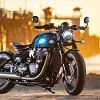
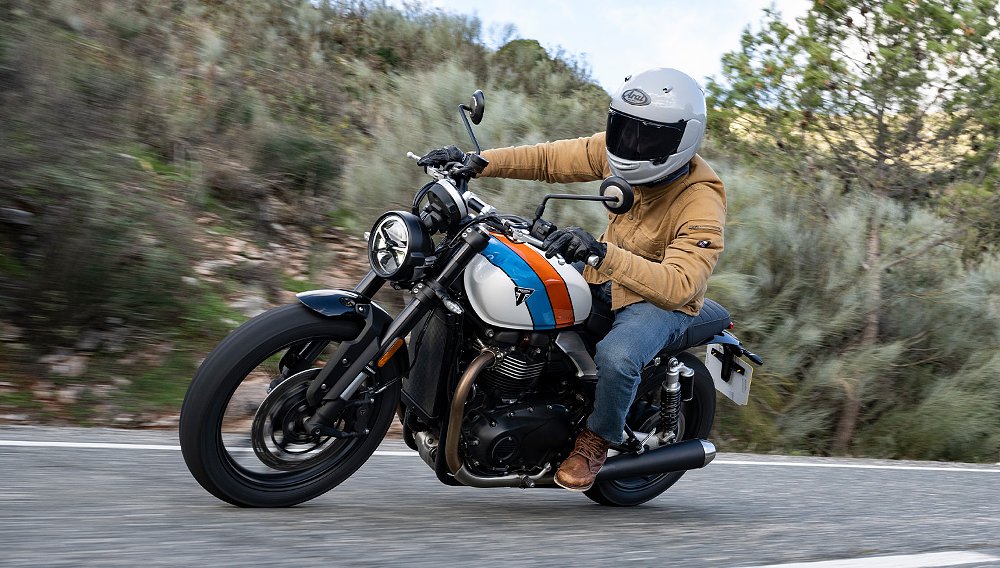
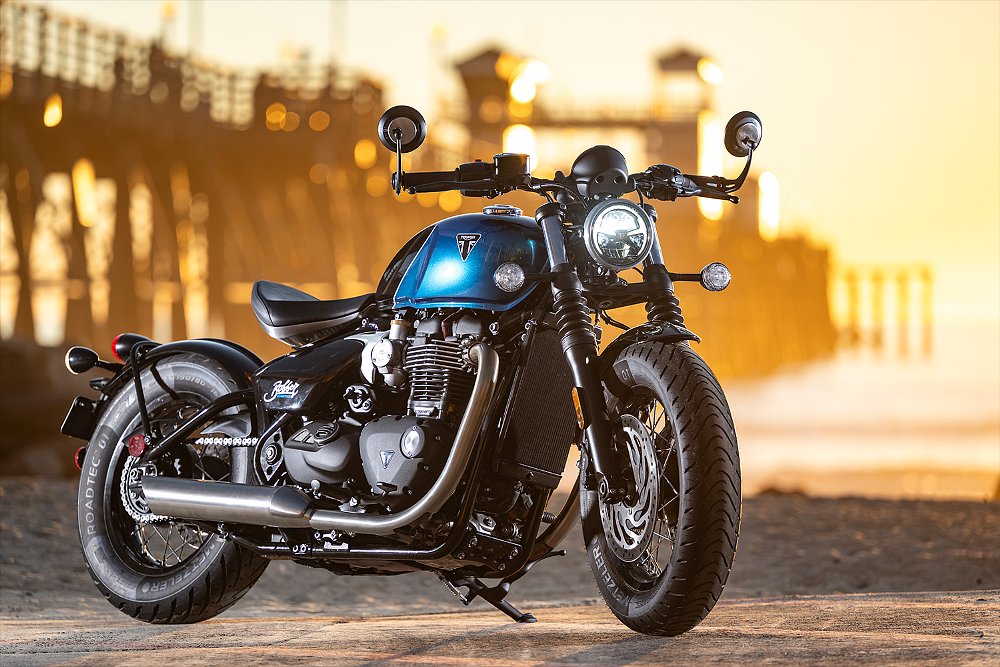
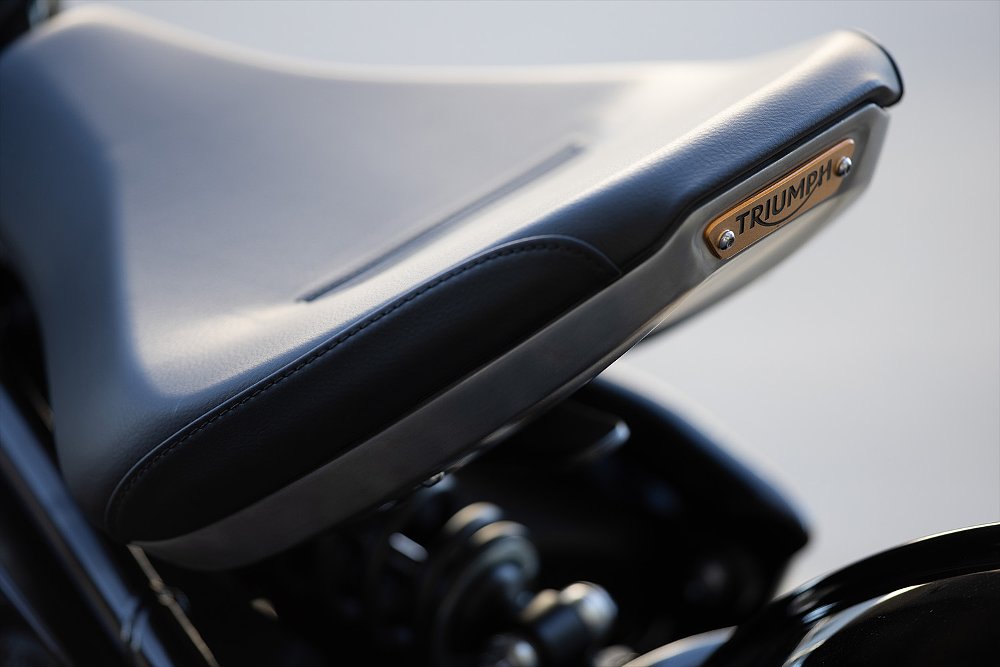
The Bobber looks cool. That’s undeniable. Its floating seat, its swingarm-mounted fender, its bar-end mirrors all make that abundantly clear — but those good looks come at a price. At 26.9 inches, the seat isn’t just low, it’s slammed. The handlebar is, stretching the rider over the bike’s peanut tank. That forward-hunching posture wouldn’t be disagreeable if it weren’t for the mid-mounted pegs positioning the rider’s knees as high and tight as a flat top. Think more clamshell, less flying-V.
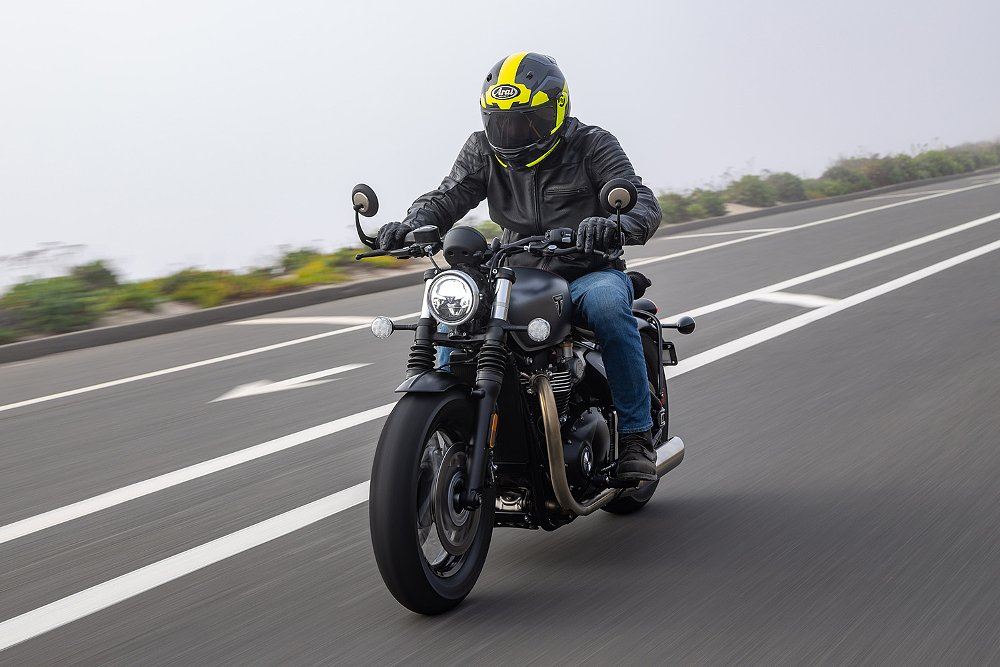
The Bobber isn’t luxurious. It isn’t cushy. If anything, the cockpit is slightly cramped, even for someone of my build (five feet, 10 inches tall and 160 pounds). But if turning heads is your primary objective, those compact ergos are worthwhile. At least, that’s what the model demonstrated on the street. Triumph’s planned route sent us down one of Oceanside’s main thoroughfares, but it might as well have been a catwalk for the Bobber.
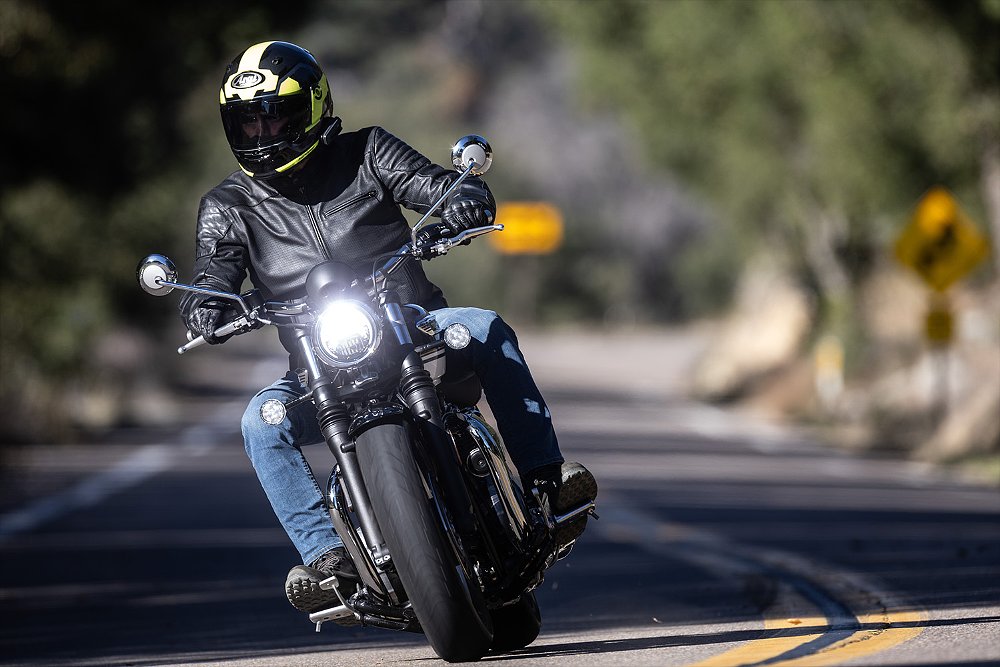
Pedestrians stared. Motorists gawked. Even the passenger in an adjacent car rolled down their window to ask about the bike. Triumph’s low-slung bar-hopper isn’t all show, though. It also packs more than enough go. After flogging the two aforementioned 900s through the twisties that link Fallbrook and Wildomar, Triumph’s 1,200 cc twin was a welcome change.
The factory bobber is quick off the line, with peak torque abundantly available down low. It’s just as engaging in the midrange, with each twist of the wrist showcasing its linear yet lively power delivery. That’s the case in Road mode, anyways. Southern California’s climate didn’t present the opportunity to test Rain mode in earnest, but pulling away from stoplights displayed its torque-curbing qualities, nonetheless. Despite a big-bore V-twin not resting at its core, the Bobber provides the experience cruiser loyalists have come to expect. That also includes its shortcomings, unfortunately.
Cruisers have never been known for suspension travel. The Bobber is no different. Its front end provides just 3.5 inches. That’s generous when compared to the 2.9 inches offered by its shock. The ride feels as harsh as those specs sound, too. With little between your tailbone and the road, each pothole delivers a pounding, every bump is jarring, if not outright painful. So much so that my back ached after just 17.2 miles in the saddle. Of course, Triumph furnishes the Speedmaster with the same amount of suspension travel, but it’s the surrounding components that make the difference.
Easy does it
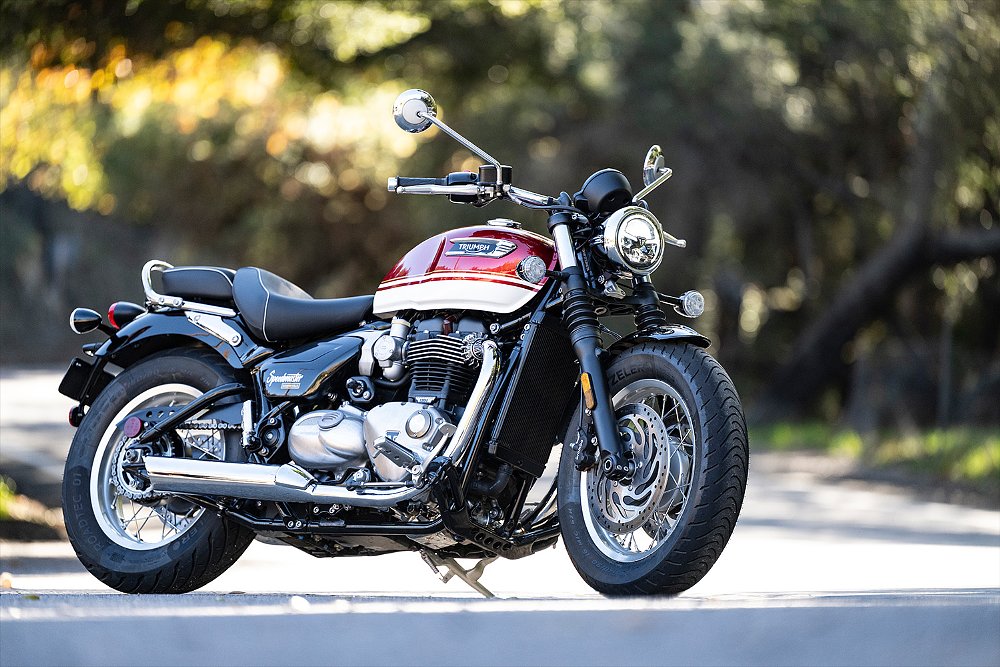
The Speedmaster’s nameplate doesn’t do it justice. Sure, Hinckley’s potent p-twin puts more than enough pep in the model’s step, but it’s the relaxed riding position that truly sets the tone. The handlebar sweeps back to the rider, placing the hands low with a generous bend in my elbows. The forward foot controls are just as comfort-oriented, opening the legroom without placing too much weight on the rider’s sit bones. Those easy-going ergos promote a placid pace, but so too do the cruiser’s handling characteristics.
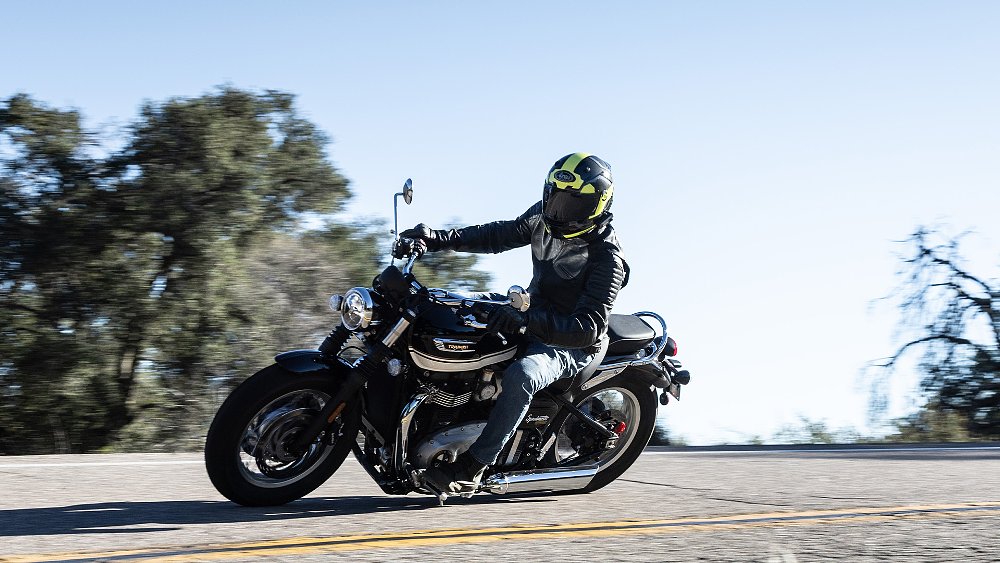
With a big, balloon, 130-section front tire up front, swift turn-ins aren’t the Speedmaster's forte. Neither is lean angle. The forward-mounted pegs are quick to touch pavement, often grinding before even reaching the corner's apex. Those limitations greatly informed how I approached the twists and turns aboard the Speedmaster. Instead of attacking the switchbacks leading up Palomar Mountain, I simply allowed the bike to glide through each second-gear hairpin. Slow and steady wins the race with the Speedmaster.
Riding in such a fashion left little opportunity for the new electronics to prove their worth. Neither cornering ABS nor TC activated throughout the ride. That’s because corner-entry speeds were often tepid and lean angles were invariably shallow. Ultimately, the IMU-based rider aids now found on Bonneville-based cruisers are nice-to-haves, not need-to-haves, but such offerings have practically become mandatory in the category.
Adapt or die
It’s no secret, Triumph bestowed limited updates upon the 2026 Speedmaster and Bobber. When it comes to the lineup’s new electronics, some doubt whether they’re necessary at all. Those detractors may have a valid argument, but they’re also ignoring the competition that the Hinckley cruisers face.
Indian’s Scout now touts traction control (only in Limited trims). Honda’s Rebel 1100 does, too. Harley-Davidson goes one step further, with a six-axis IMU driving the Cornering Rider Safety Enhancements on the Sportster S.
Without similar tech, the Bonneville Bobber and Speedmaster were in danger of falling behind the pack. No, lean-sensitive ABS and traction control won’t push the Bobber or Speedmaster to the front of the class, but Triumph hopes the two Bonnevilles are less of an afterthought for cruiser customers as a result.
| 2026 Triumph Bonneville Speedmaster | 2026 Triumph Bonneville Bobber | |
|---|---|---|
| Price (MSRP) | $14,795 | |
| Engine | 1,200 cc, liquid-cooled, eight-valve, parallel twin | |
|
Transmission, final drive |
Six-speed, chain | |
| Claimed horsepower | 77 @ 6,600 rpm | |
| Claimed torque | 78.1 foot-pounds @ 3,750 rpm | |
| Frame | Steel tubular cradle | |
| Front suspension | Showa 47 mm fork; 3.5 inches of travel | |
| Rear suspension | KYB shock, adjustable for spring preload; 2.9 inches of travel | |
| Front brake | Dual Brembo model two-piston calipers, 310 mm discs with ABS | |
| Rear brake | Nissin single-piston caliper, 255 mm disc with ABS | |
| Rake, trail | 25.3 degrees, 3.6 inches | |
| Wheelbase | 59.1 inches | |
| Seat height | 27.5 inches | 26.9 inches |
| Fuel capacity | 3.7 gallons | |
| Tires | Metzeler Roadtec 01, 130/90-16 front, 150/80-16 rear | |
| Claimed weight | 580 pounds | 553 pounds |
| Available | February | |
| Warranty | 24 months | |
| More info | triumphmotorcycles.com | triumphmotorcycles.com |