
Wilderness Gps
On this page...
- What features should I look for in a wilderness GPS?
- Can wilderness GPS devices be used for off-road navigation?
- Are wilderness GPS units compatible with other outdoor gear?
- How accurate are wilderness GPS devices?
- What is the importance of battery life in a wilderness GPS?
- Can wilderness GPS devices help in emergency situations?
- What types of maps are available for wilderness GPS devices?
- How do I maintain my wilderness GPS for optimal performance?
- Are there specific wilderness GPS devices for different outdoor activities?
Frequently Asked Questions For Wilderness Gps
When choosing a wilderness GPS, consider features such as topographic mapping, waypoint marking, and route planning capabilities. Look for devices with long battery life, durability to withstand harsh conditions, and waterproof ratings. Additionally, GPS units that support satellite communication can be beneficial for safety in remote areas.
Many wilderness GPS units can integrate with other outdoor gear, such as heart rate monitors, altimeters, and weather sensors. This compatibility enhances your outdoor experience by providing comprehensive data about your activities. Always check the specifications to ensure compatibility with your existing equipment.
Wilderness GPS devices are generally very accurate, often within a few meters, depending on satellite signals and environmental conditions. Factors such as dense forests, mountains, or urban areas can affect accuracy. Look for devices that utilize multiple satellite systems for improved precision.
Battery life is crucial in a wilderness GPS, especially for extended trips where recharging may not be possible. Look for units with long-lasting batteries or those that can be powered by solar energy. Some devices also offer power-saving modes to extend battery life during use.
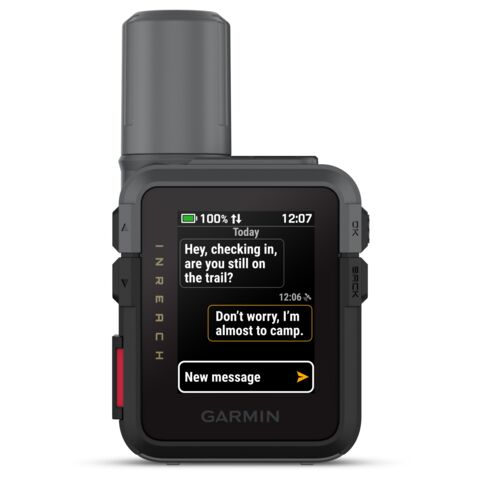
Yes, many wilderness GPS devices come equipped with emergency features such as SOS signals or two-way satellite communication. These features can be vital for alerting rescue services in case of an emergency. It's important to familiarize yourself with these functions before heading into remote areas.
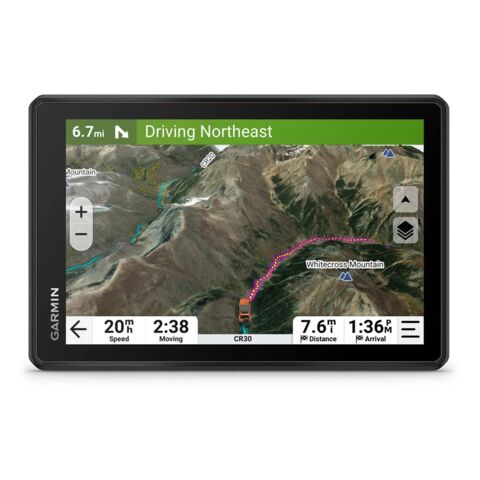
Wilderness GPS devices typically offer various map types, including topographic, satellite imagery, and trail maps. Some devices allow users to download additional maps or update existing ones for more detailed navigation. Ensure the GPS supports the map types that best suit your outdoor activities.
To maintain your wilderness GPS, keep the software updated and regularly check for map updates. Store the device in a protective case to prevent damage from the elements. Additionally, ensure the battery is charged before use and clean the screen and ports to avoid debris buildup.
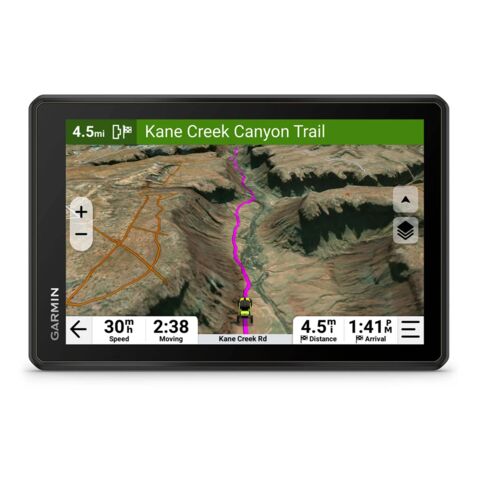
Yes, there are wilderness GPS devices tailored for specific activities such as hiking, biking, or off-roading. These devices may include features that cater to the unique needs of each activity, such as trail tracking for hikers or route planning for cyclists. Consider your primary outdoor activities when selecting a GPS.
Similar Categories
Wilderness GPS
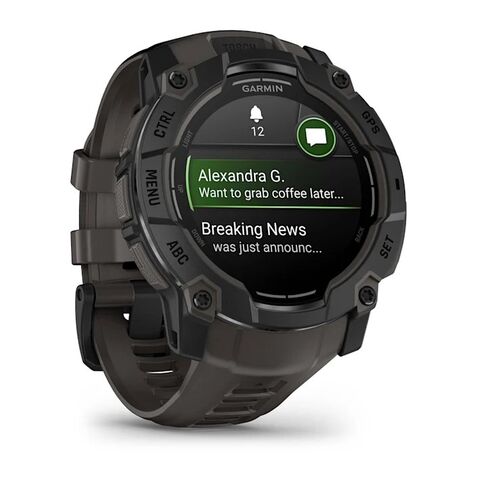
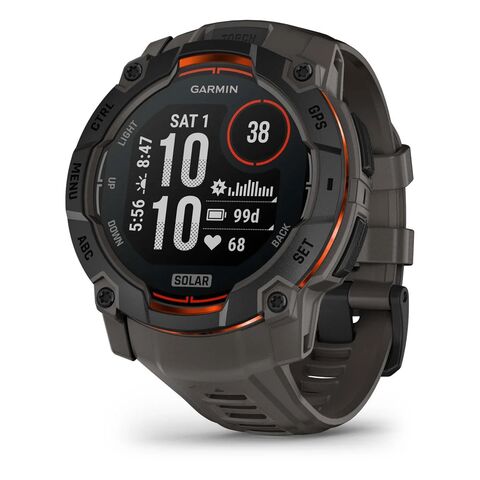
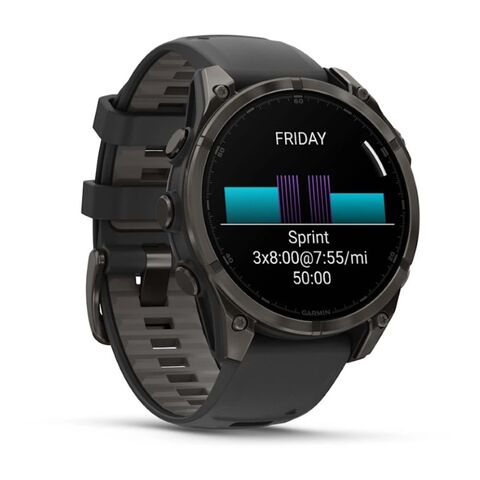
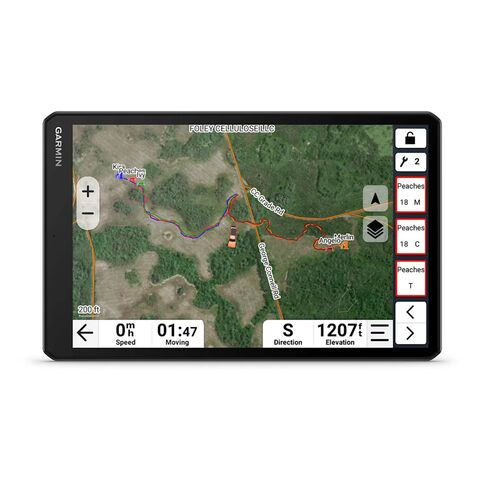
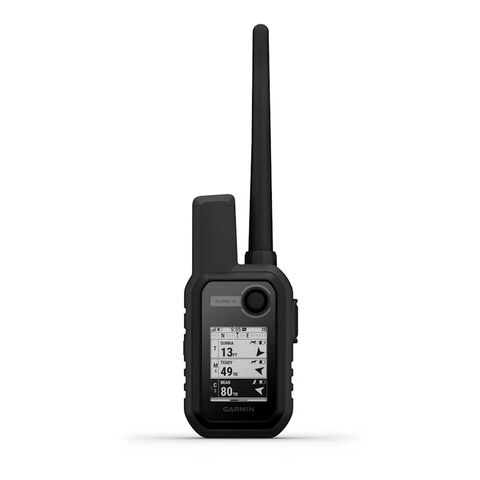
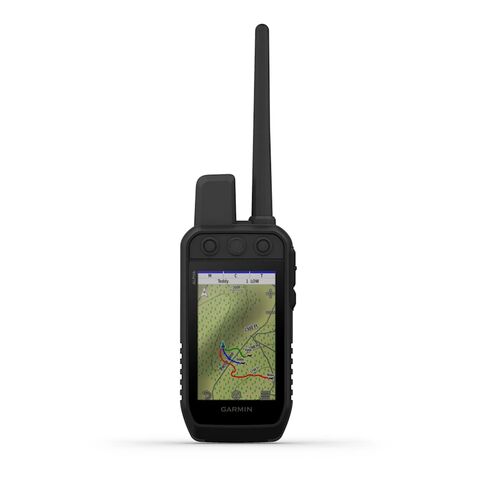
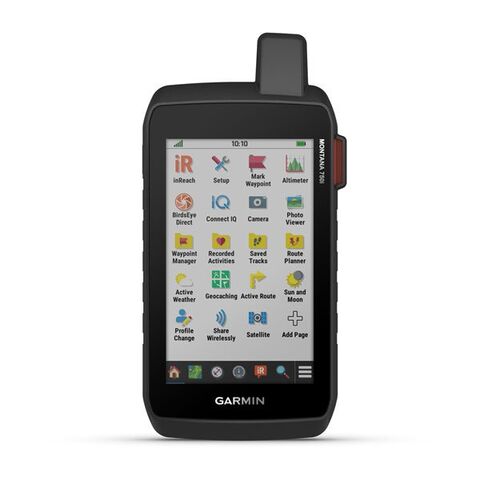
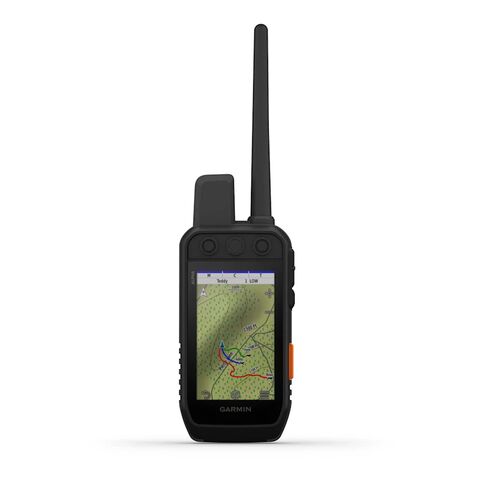
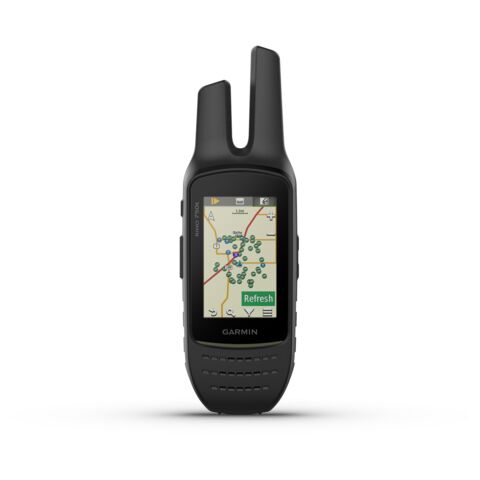
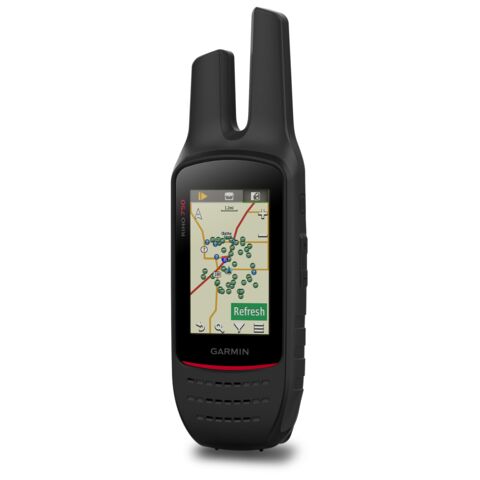
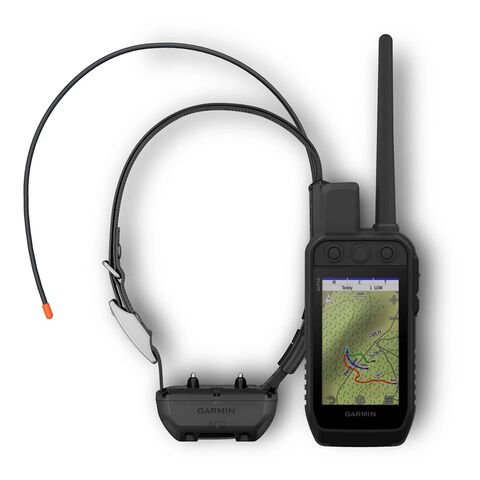
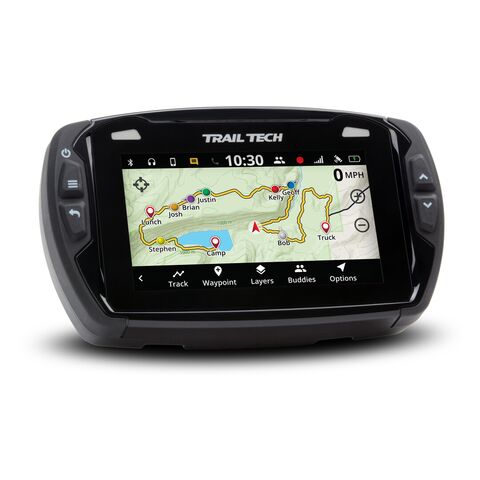
Explore the great outdoors with confidence using our selection of wilderness GPS devices. Designed for adventurers and outdoor enthusiasts, these GPS units provide accurate navigation and reliable tracking in remote areas where traditional maps may fall short. With features like topographic mapping, waypoint marking, and route planning, you can navigate through rugged terrains and discover new trails with ease.
Our wilderness GPS devices are built to withstand the elements, offering durability and water resistance for all your outdoor activities. Many models come equipped with long battery life and user-friendly interfaces, ensuring you stay connected and informed during your adventures. Whether you're hiking, camping, or exploring off-the-beaten-path locations, our wilderness GPS options will enhance your outdoor experience and help you find your way back home safely.


