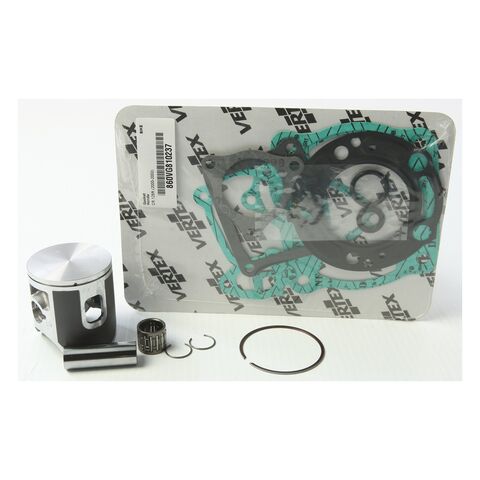
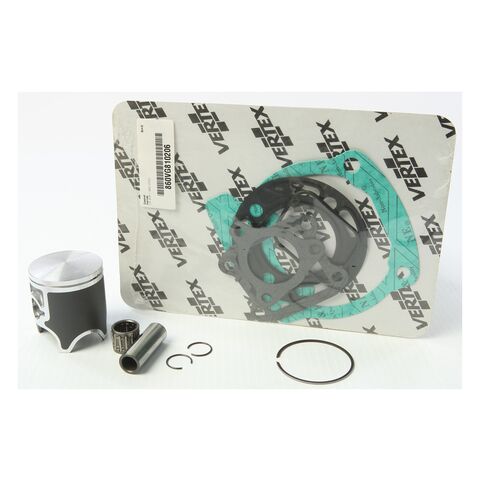
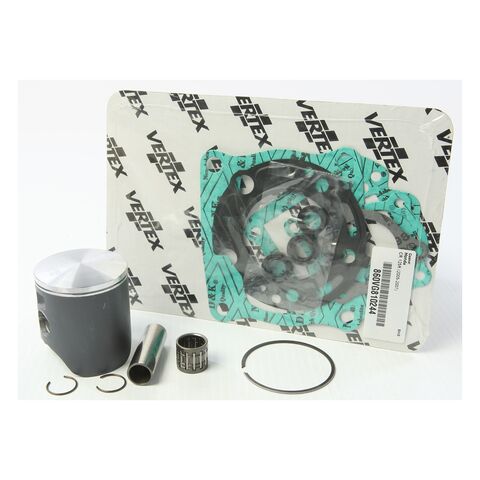
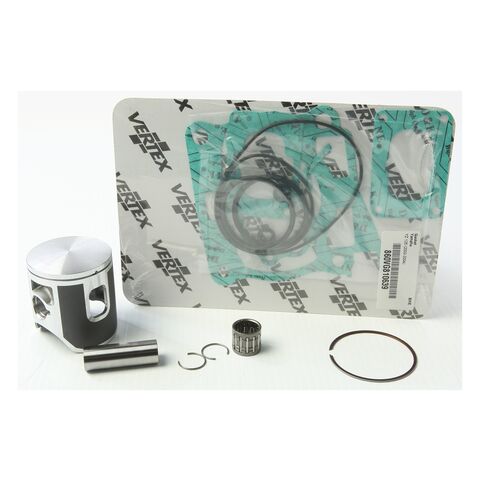
Two-Stroke Pistons
Filters
- Brand
- Size
- +.01mm Over (1)
- +.02mm Over (1)
- +0.50mm Over (2)
- +0.5mm Over (1)
- +0.75mm Over (1)
- +1.00mm Over (1)
- +1.0MM (1)
- +1.25mm Over (1)
- +1.50mm Over (1)
- +2.00mm Over (1)
- 1.00mm Over (1)
- 39.46mm (1)
- 39.47mm (2)
- 43.00 Stock Bore (1)
- 43.45mm (1)
- 43.46mm (1)
- 43.47mm (1)
- 44.45mm (1)
- 44.96mm (3)
- 44.97mm (4)
- 44.98mm (2)
- 46.94mm (3)
- 46.95mm (4)
- 46.96mm (4)
- 47.44mm (2)
- 47.45mm (5)
- 47.46mm (1)
- 47.5 (1)
- 47.95mm (2)
- 48.45mm (3)
- 48.46mm (1)
- 48.47mm (1)
- 48.5 (2)
- 49.0 (2)
- 50.0 (1)
- 51.95mm (1)
- 51.96mm (1)
- 53.94mm (17)
- 53.95mm (11)
- 53.96mm (13)
- 53.97mm (4)
- 53.98mm (3)
- 54.5 (3)
- 55.95mm (1)
- 55.96mm (1)
- 55.97mm (1)
- 57.0 (1)
- 57.94mm (4)
- 57.95mm (4)
- 63.94mm (1)
- 63.95mm (2)
- 63.96mm (1)
- 66.34mm (3)
- 66.35mm (7)
- 66.36mm (2)
- 67.0 (1)
- 67.95mm (1)
- 67.96mm (1)
- 67.97mm (1)
- 71.92mm (1)
- 71.93mm (2)
- 71.94mm (4)
- 71.95mm (4)
- 71.96mm (3)
- 71.97mm (1)
- L.0 (8)
- M.44mm (2)
- M.45mm (2)
- M.46mm (1)
- M.5 (1)
- OS (61)
- Standard (4)
- Stock Bore (51)
- XL.0 (2)
- Shop By
- Price Range
On this page...
- What are two-stroke pistons and how do they work?
- What should you consider when choosing two-stroke pistons?
- Are there different types of two-stroke pistons available?
- What materials are commonly used in two-stroke pistons?
- Can two-stroke pistons be used in different engine brands?
- What role do two-stroke pistons play in engine performance?
- How do two-stroke pistons affect engine maintenance?
- What are the signs that a two-stroke piston needs replacement?
- Can two-stroke pistons be modified for performance?
Frequently Asked Questions For Two-Stroke Pistons
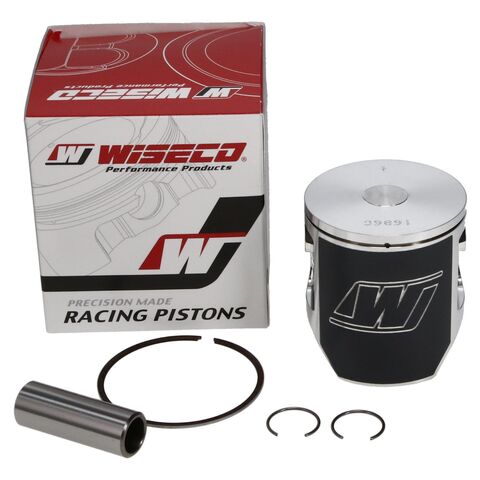
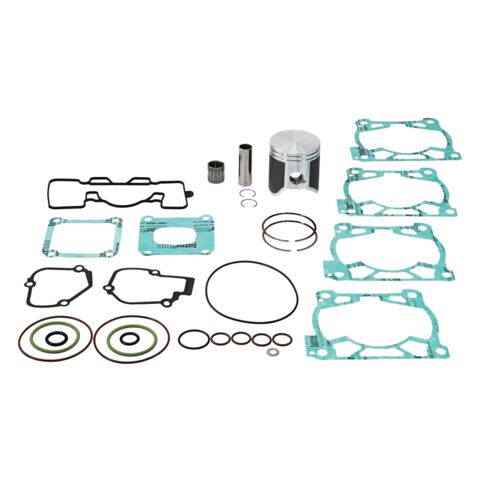
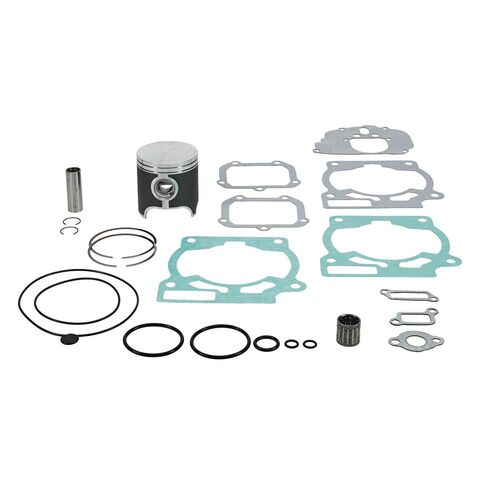
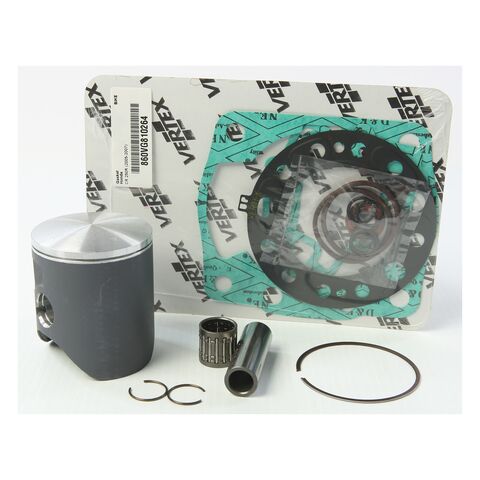
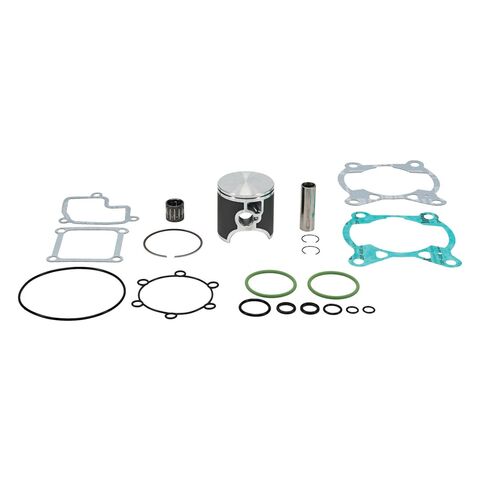
Two-stroke pistons are critical components in two-stroke engines, which complete a power cycle with every two strokes of the piston. They help compress the air-fuel mixture and transfer power to the crankshaft. The design of these pistons allows for efficient combustion and power delivery, making them popular in various applications, including motorcycles and small engines.
When selecting two-stroke pistons, consider factors such as the engine's specifications, intended use, and desired performance characteristics. It's important to look for materials that can withstand high temperatures and pressures, such as aluminum alloys. Additionally, ensure that the piston is compatible with your engine's bore size and stroke length.
Yes, there are various types of two-stroke pistons, including cast, forged, and coated options. Each type has its own advantages, such as weight, strength, and thermal conductivity. The choice of piston type often depends on the performance requirements and the specific application, whether for racing, recreational riding, or everyday use.
Two-stroke pistons are typically made from aluminum alloys due to their lightweight and strength properties. Some pistons may also feature coatings to enhance durability and reduce friction. The choice of material can significantly impact performance, heat dissipation, and longevity of the piston in high-stress environments.
Two-stroke pistons are often designed to fit specific engine brands and models, so compatibility is crucial. While some pistons may be interchangeable between brands, it is essential to verify the specifications and dimensions to ensure proper fit and function. Always refer to manufacturer guidelines for compatibility.
Two-stroke pistons significantly influence engine performance by affecting power output, throttle response, and overall efficiency. A well-designed piston can enhance combustion efficiency, leading to better acceleration and power delivery. Additionally, the weight and design of the piston can impact the engine's rev range and responsiveness.
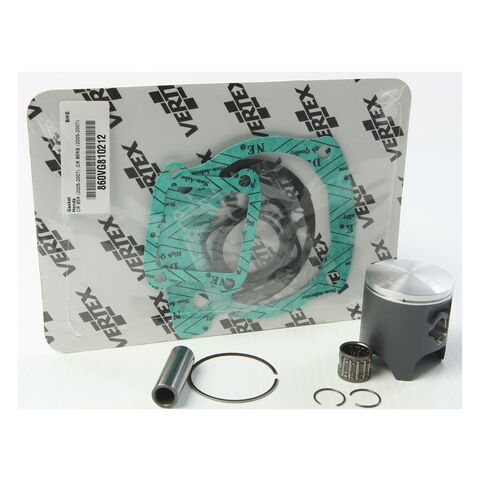
The condition of two-stroke pistons can greatly affect engine maintenance and longevity. Regular inspection for wear and damage is important, as worn pistons can lead to decreased performance and potential engine failure. Proper maintenance practices, including timely replacement of pistons, can help ensure optimal engine function and reliability.
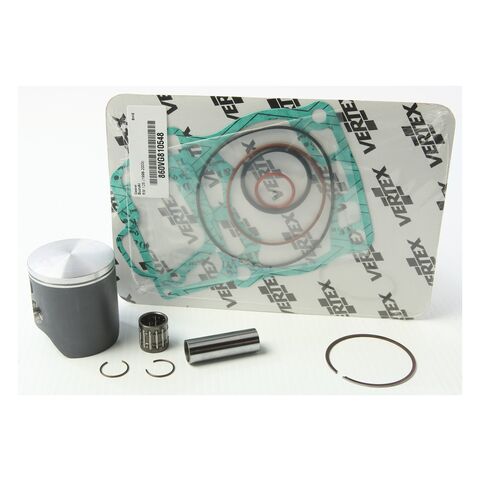
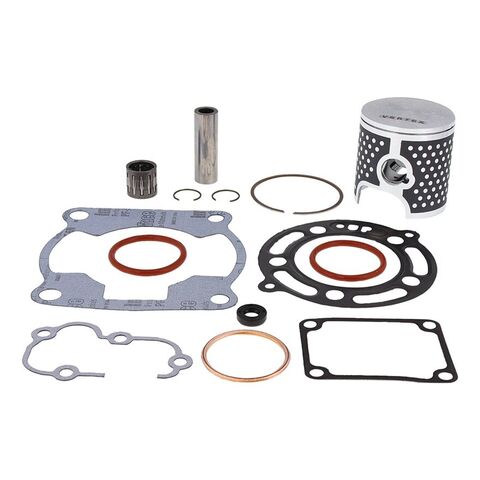
Signs that a two-stroke piston may need replacement include loss of power, excessive smoke, unusual engine noises, and poor throttle response. Additionally, visible wear, scoring, or damage during inspection can indicate that the piston is no longer functioning effectively. Addressing these issues promptly can prevent further engine damage.
Yes, two-stroke pistons can be modified for enhanced performance, such as changing the shape or weight to improve airflow and combustion efficiency. However, modifications should be approached with caution, as they can affect engine dynamics and reliability. It's advisable to consult with a professional or experienced mechanic before making any modifications.
Similar Categories
Two-Stroke Pistons
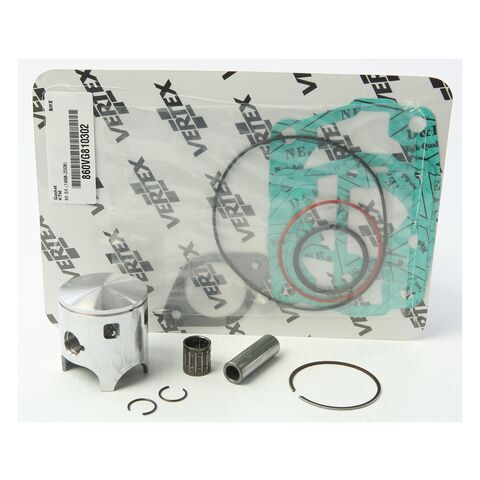
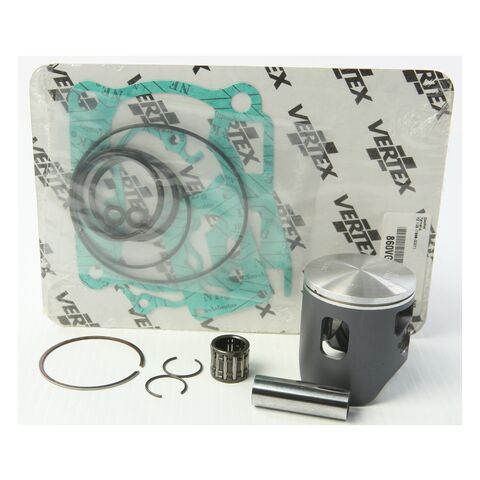
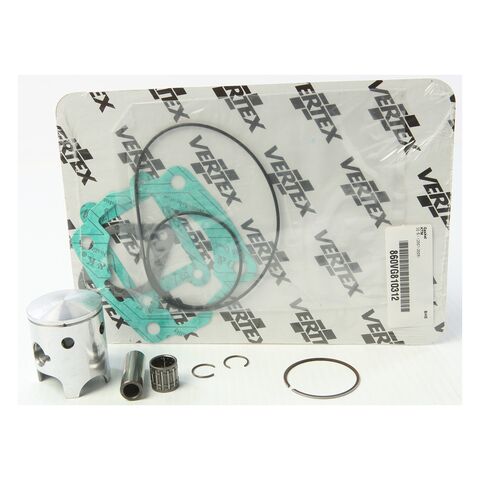
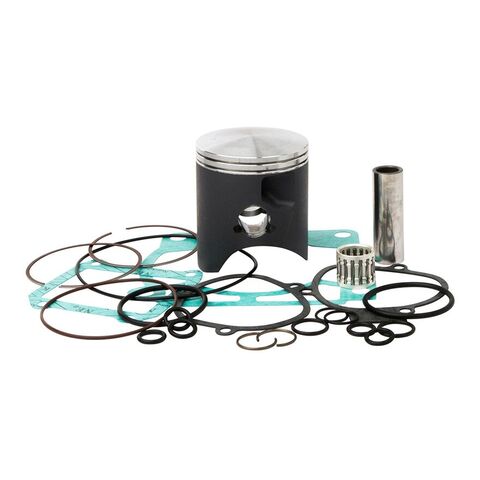
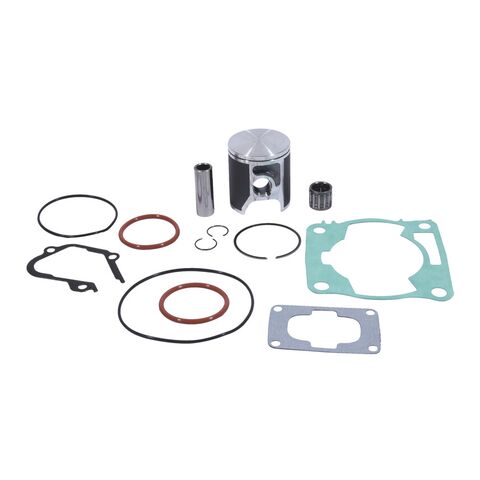
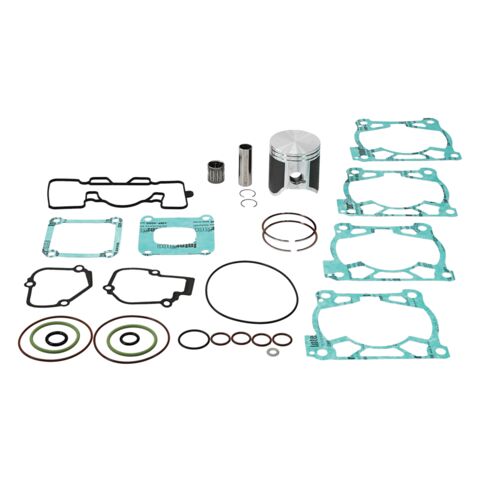
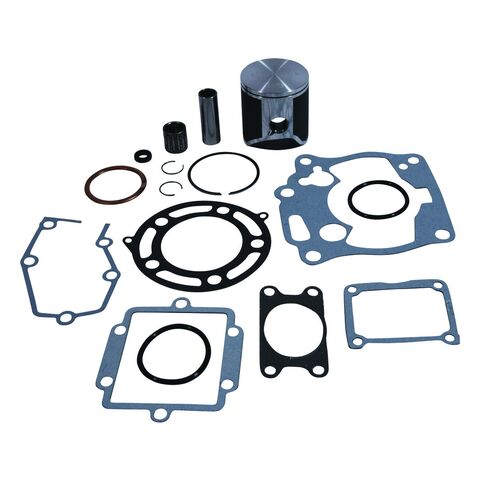
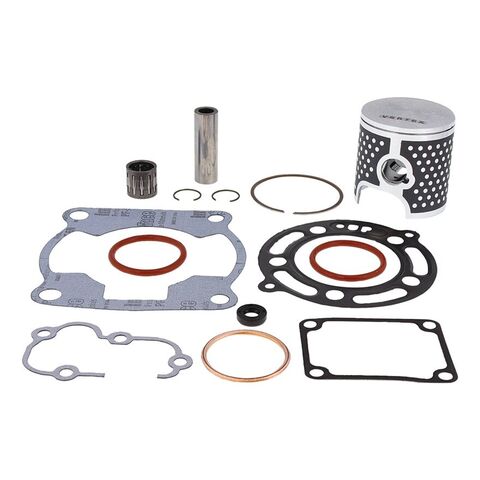
Two-stroke pistons are essential components for maximizing the performance of your two-stroke engine. Designed for durability and efficiency, these pistons ensure optimal combustion and power delivery. With precision engineering, they provide a perfect fit and reliable operation, allowing your engine to perform at its best under various conditions. Whether you're racing or enjoying a weekend ride, quality pistons can significantly enhance your engine's responsiveness and longevity.
Our selection of two-stroke pistons features lightweight materials and advanced designs that minimize friction and heat buildup. Each piston is crafted to withstand the rigors of high RPMs and demanding environments, ensuring consistent performance and reliability. Upgrade your engine with our high-performance two-stroke pistons and experience improved acceleration and throttle response, making every ride more exhilarating.