


 Riders Preferred Membership
 Shop by Vehicle
 Track Order
 Contact Us
Temperature Indicator Strips






On this page...
- What are temperature indicator strips used for?
- How do temperature indicator strips work?
- Are temperature indicator strips reusable?
- Can temperature indicator strips be used in extreme conditions?
- What should you look for when choosing temperature indicator strips?
- Can temperature indicator strips be used on different materials?
- Are there any safety certifications for temperature indicator strips?
- How accurate are temperature indicator strips?
- Can temperature indicator strips help with maintenance schedules?
Frequently Asked Questions For Temperature Indicator Strips
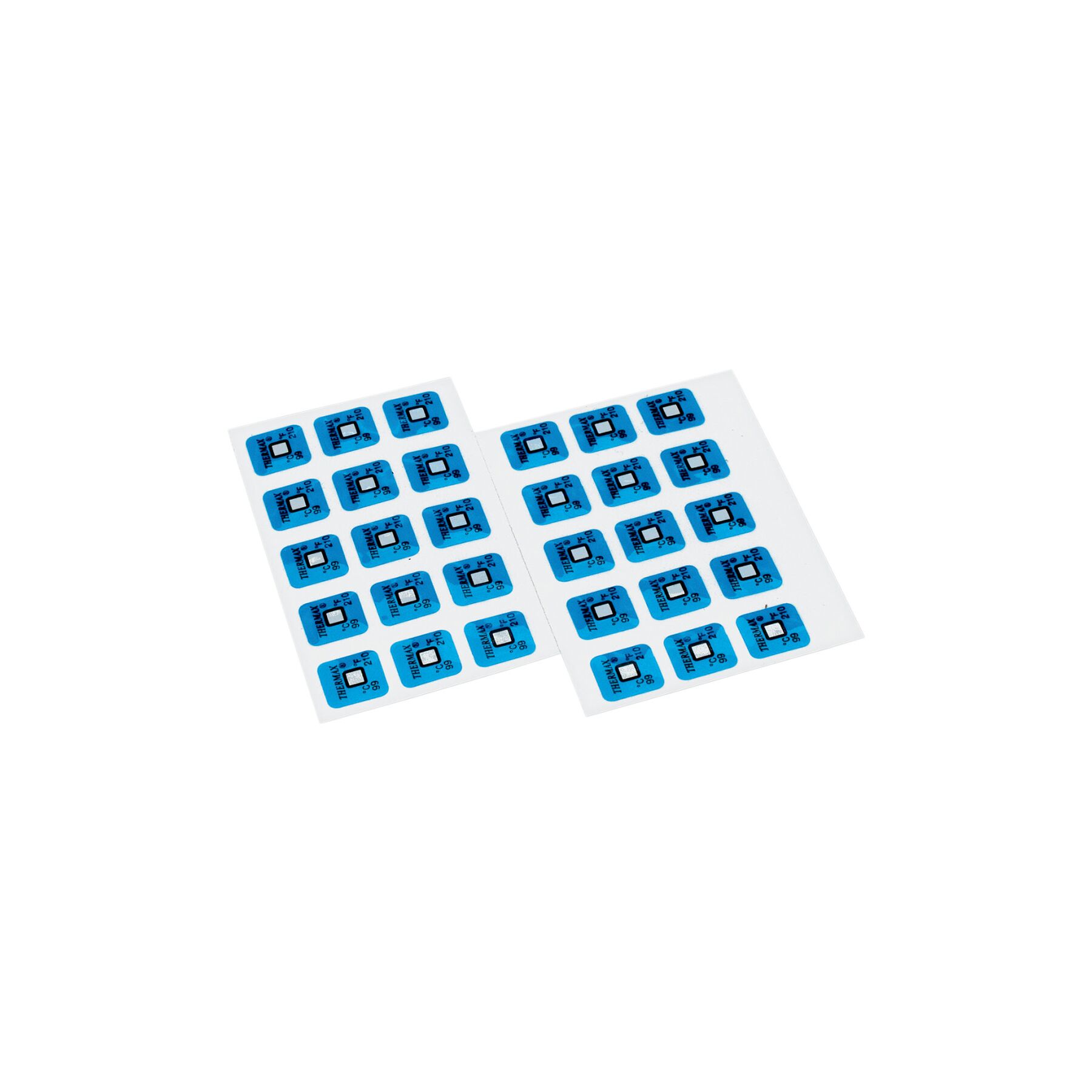
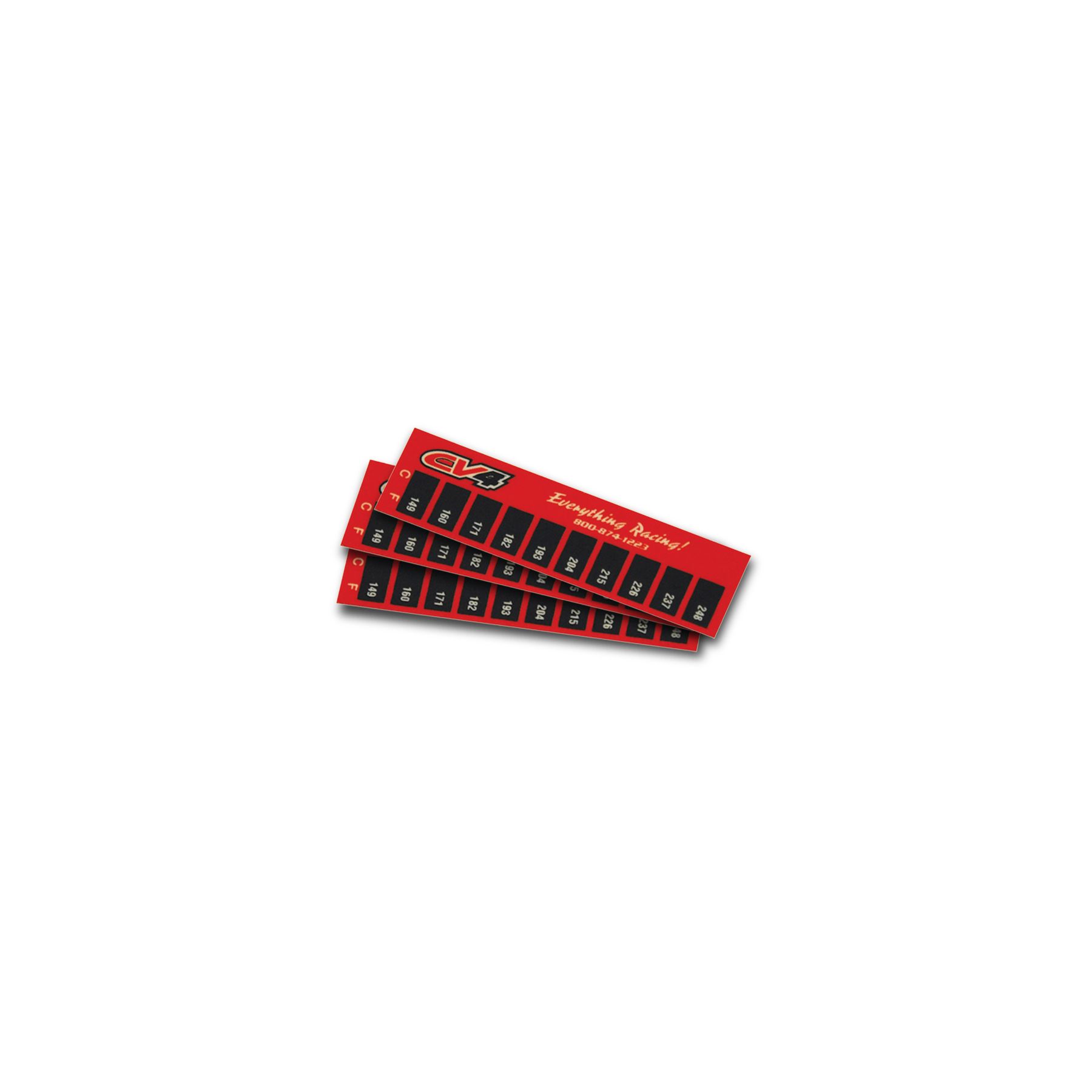
Temperature indicator strips are used to monitor and display the surface temperature of various components in engines and other machinery. They provide a visual indication of temperature changes, helping users assess whether components are operating within safe temperature ranges. This is particularly useful in high-performance applications where overheating can lead to damage.
Temperature indicator strips typically utilize thermochromic materials that change color at specific temperature thresholds. When the temperature rises or falls, the strip reacts by altering its color, allowing users to quickly gauge the temperature without the need for electronic devices. This makes them a convenient tool for monitoring temperature in real-time.
Most temperature indicator strips are designed for single-use applications, as their thermochromic properties can be permanently altered after exposure to high temperatures. However, some strips may allow for temporary monitoring and can be checked multiple times if they haven't reached their maximum temperature threshold. It's important to check the specifications of each strip for its intended use.
Temperature indicator strips can be effective in a range of conditions, but their performance may vary based on the specific temperature range they are designed for. Some strips are made to withstand high temperatures, making them suitable for racing or heavy-duty applications, while others may be better suited for lower temperature ranges. Always choose a strip that matches the expected temperature conditions.
When selecting temperature indicator strips, consider the temperature range they cover, their accuracy, and the type of application you need them for. Look for strips that provide clear and easy-to-read color changes, as well as those that are durable enough for your specific environment. Additionally, check if they are suitable for the materials and surfaces you will be monitoring.
Yes, temperature indicator strips can typically be used on a variety of materials, including metals and plastics. However, it's essential to ensure that the adhesive or mounting method is compatible with the surface to avoid damage or inaccurate readings. Always verify the manufacturer's recommendations for the best results.
While temperature indicator strips themselves may not have specific safety certifications, they should be used in conjunction with equipment that meets safety standards. It's important to ensure that the strips are made from non-toxic materials and are suitable for the intended application, especially in environments where safety is a concern.
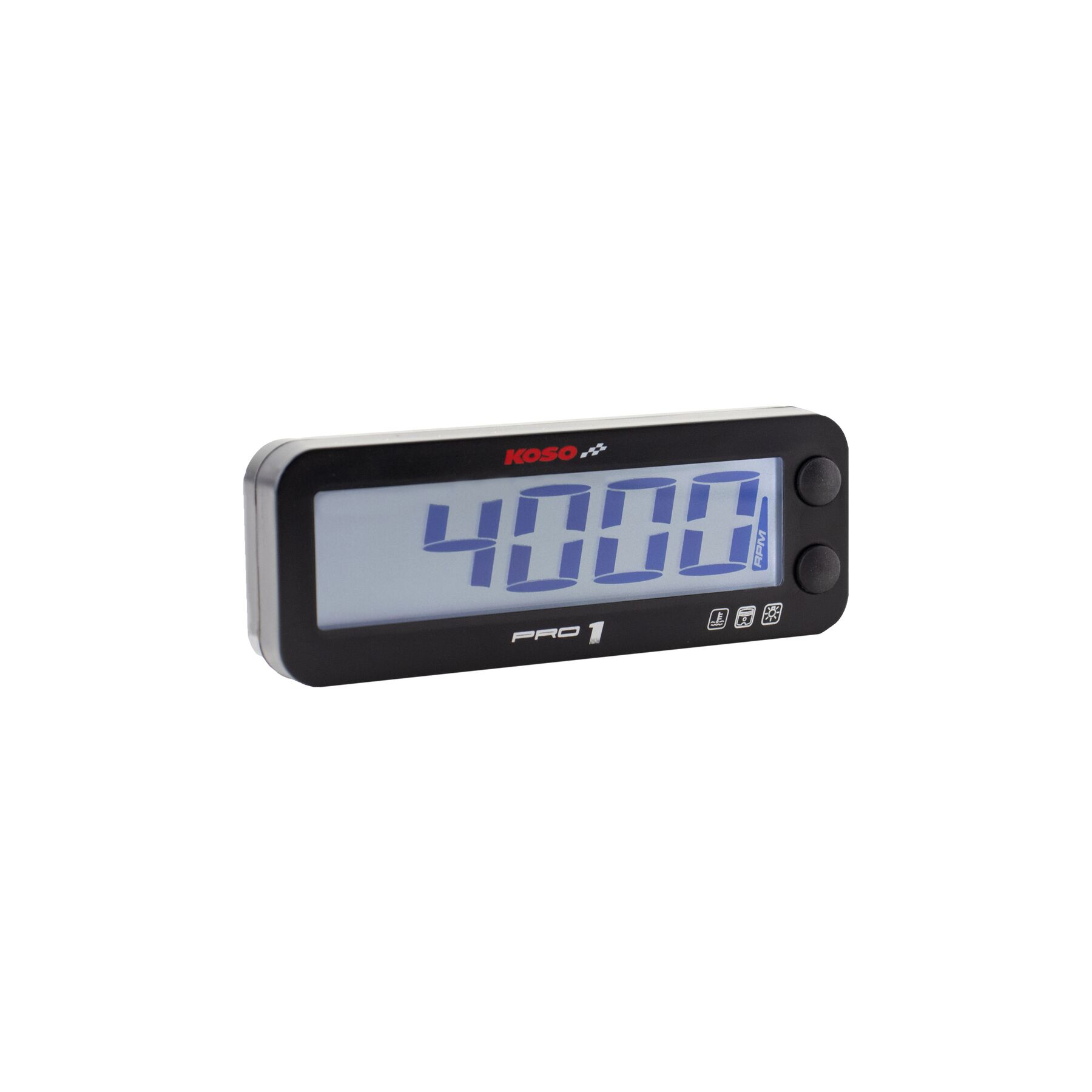
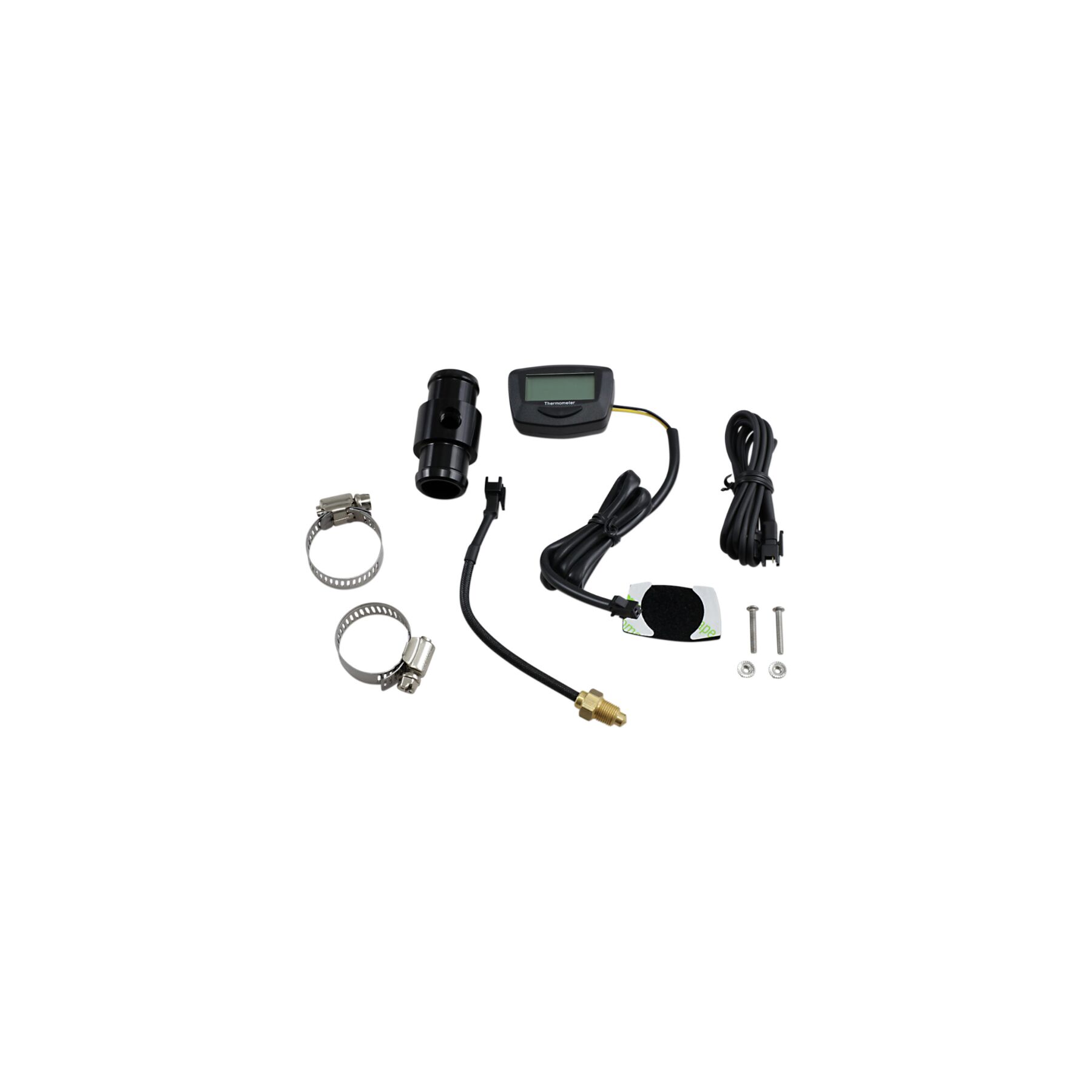
The accuracy of temperature indicator strips can vary based on the quality of the materials used and the specific design of the strip. Generally, they provide a good visual approximation of surface temperatures, but for precise measurements, electronic temperature sensors may be more appropriate. Always refer to the manufacturer's specifications for accuracy details.
Yes, temperature indicator strips can be a valuable tool for establishing maintenance schedules. By monitoring temperature changes, users can identify potential overheating issues before they lead to component failure. This proactive approach can help in planning maintenance and ensuring that machinery operates efficiently.
Similar Categories
Temperature Indicator Strips
Temperature indicator strips are essential tools for monitoring temperature changes in various applications. These easy-to-use, self-adhesive strips provide instant visual feedback, allowing you to quickly assess whether an object or environment is within the desired temperature range. Ideal for use in laboratories, medical settings, and industrial applications, these strips help ensure safety and efficiency.
Designed for accuracy and reliability, our temperature indicator strips feature a wide temperature range and clear, easy-to-read markings. They are durable and resistant to moisture, making them suitable for both indoor and outdoor use. With their quick response time and versatility, these strips are perfect for anyone needing precise temperature monitoring in real-time.