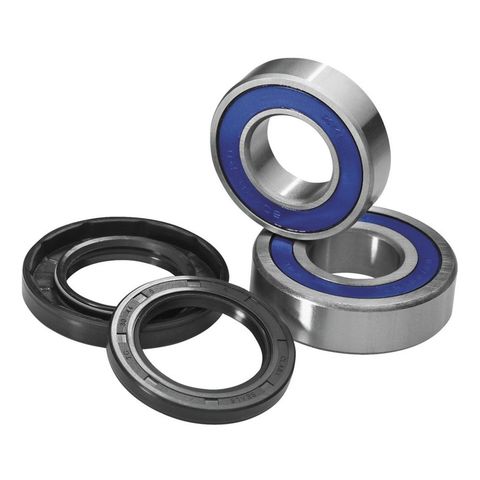
Replacement Wheel Bearing
On this page...
- What is a replacement wheel bearing?
- How do I know if I need to replace my wheel bearings?
- What materials are commonly used in replacement wheel bearings?
- Can I replace wheel bearings myself, or should I seek professional help?
- What should I look for when choosing replacement wheel bearings?
- Are there different types of wheel bearings for various riding conditions?
- How often should I check or replace my wheel bearings?
- Can worn wheel bearings affect my motorcycle's performance?
Frequently Asked Questions For Replacement Wheel Bearing
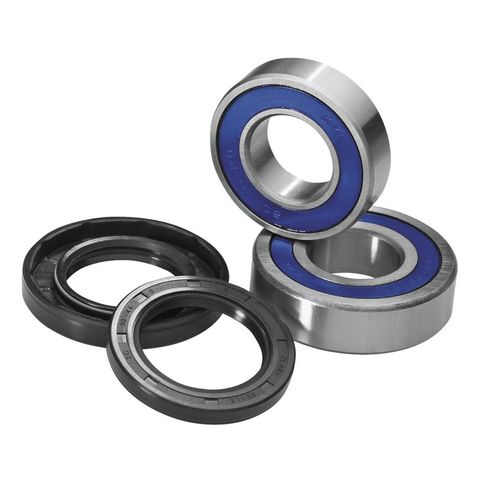
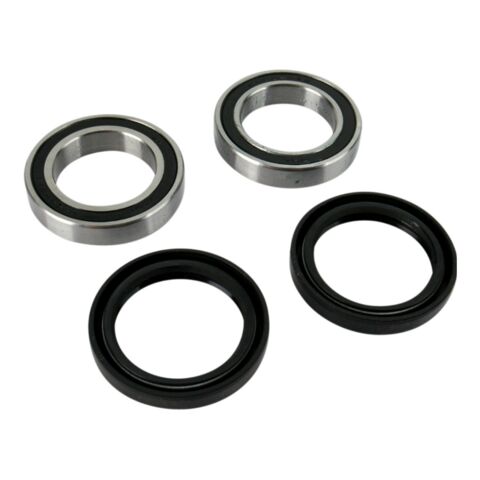
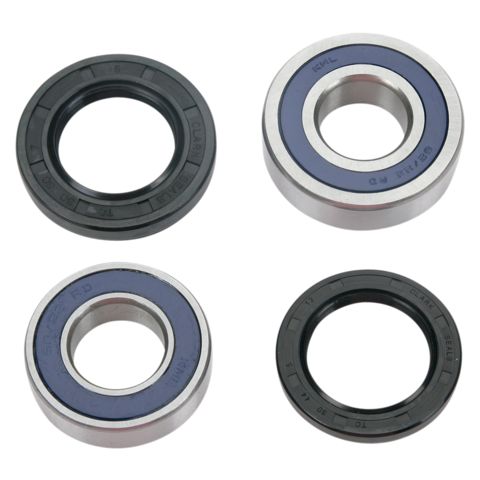
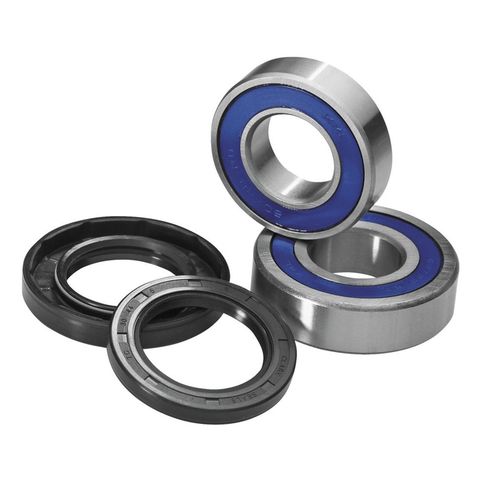
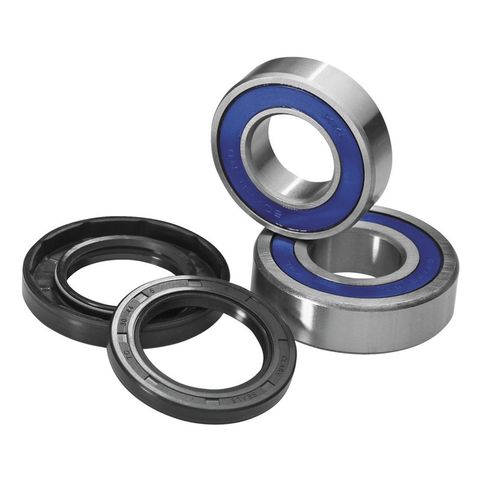
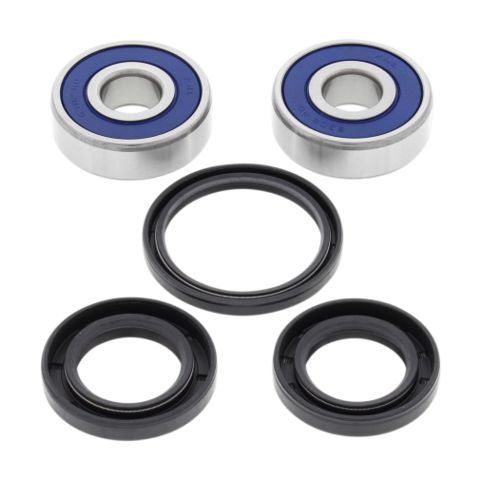
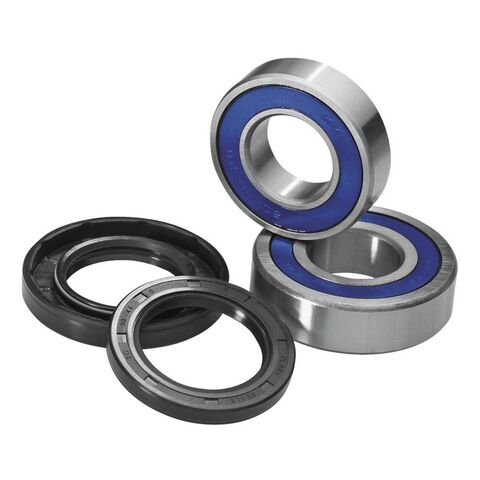
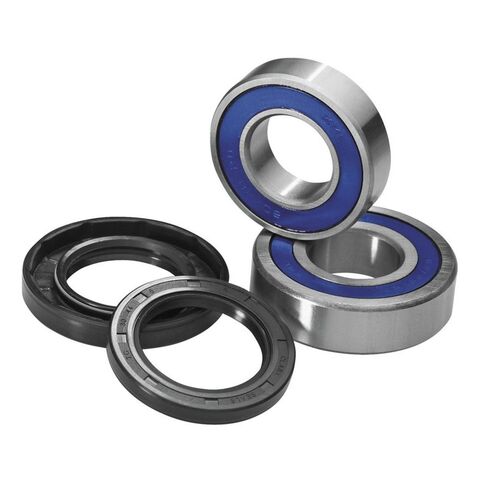
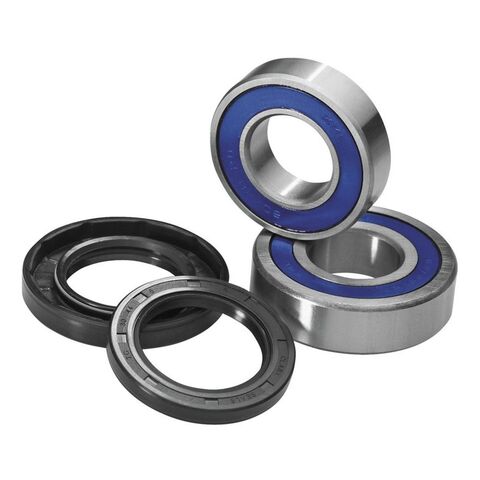
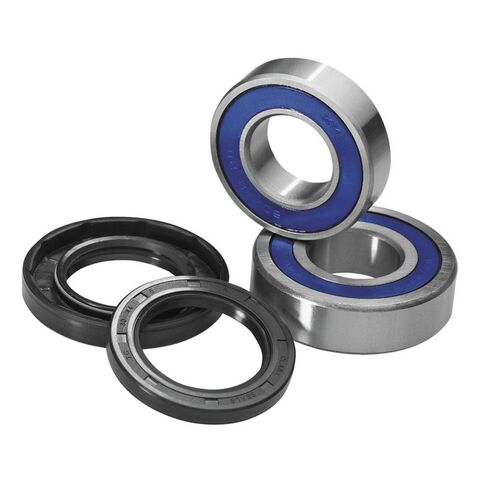
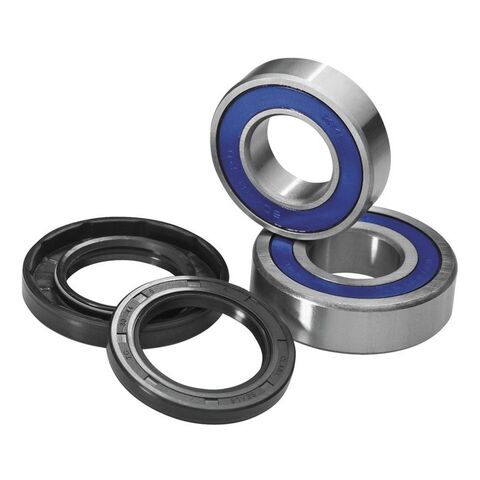
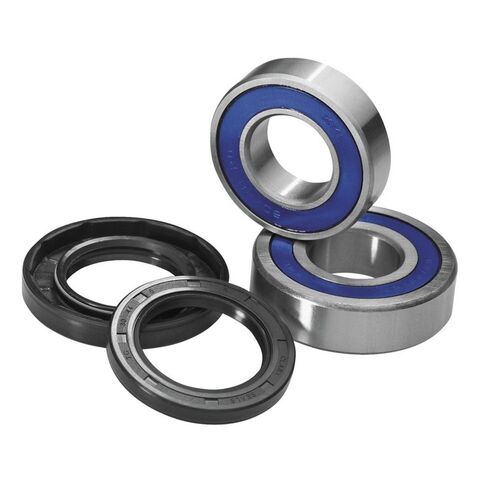
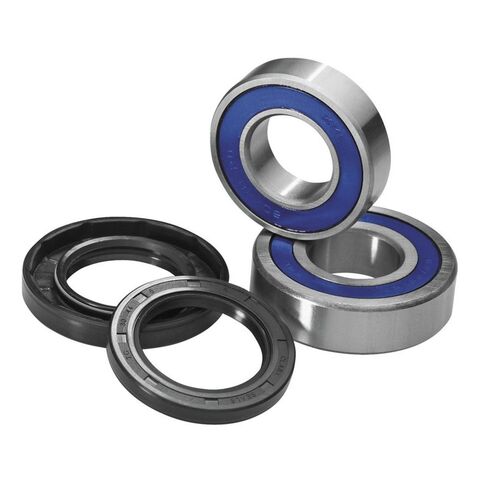
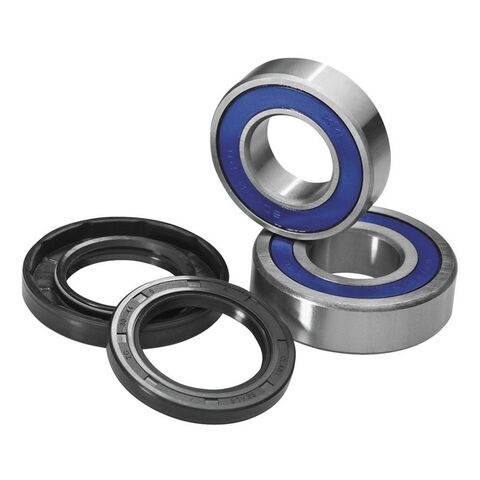
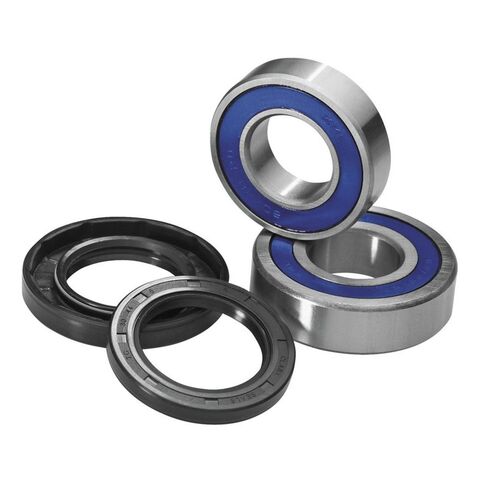
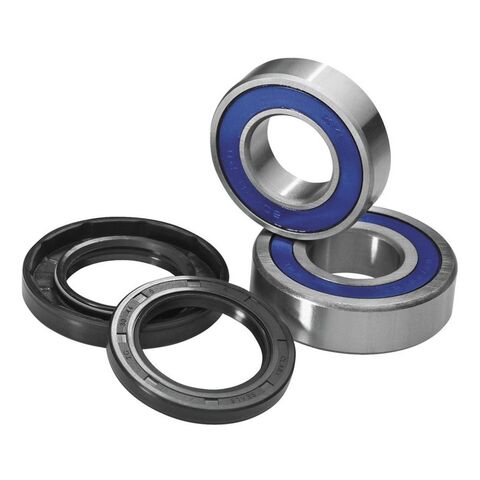
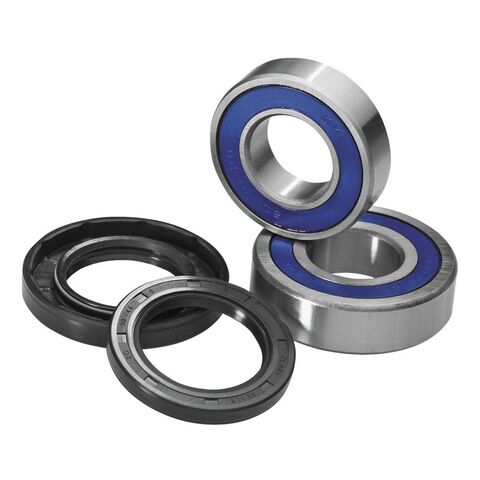
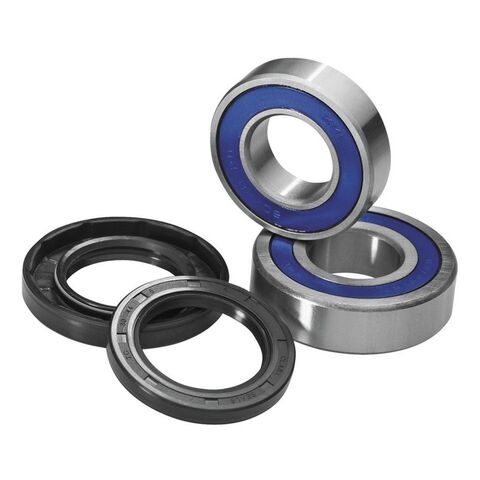
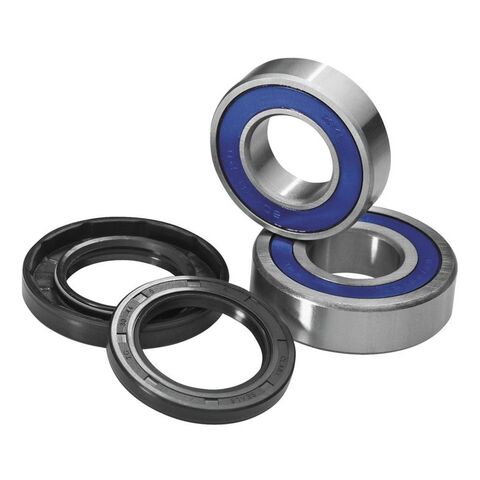
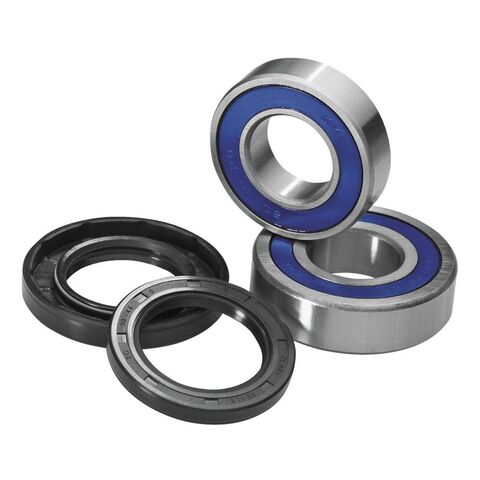
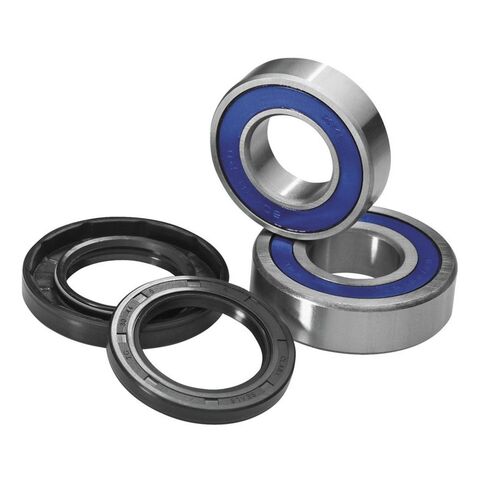
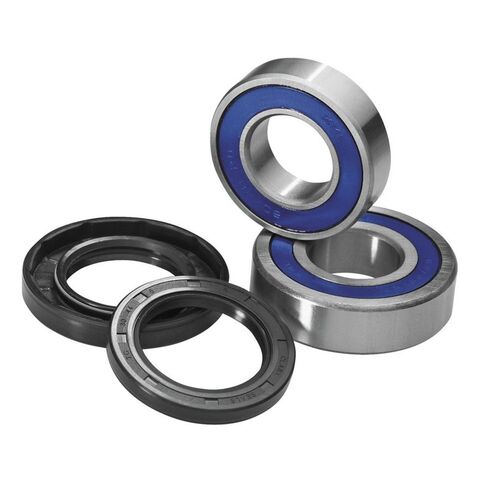
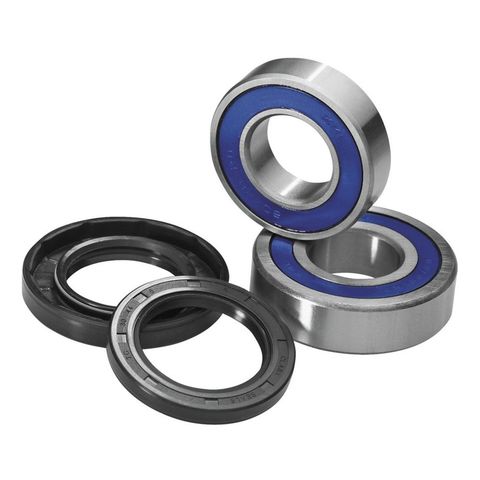
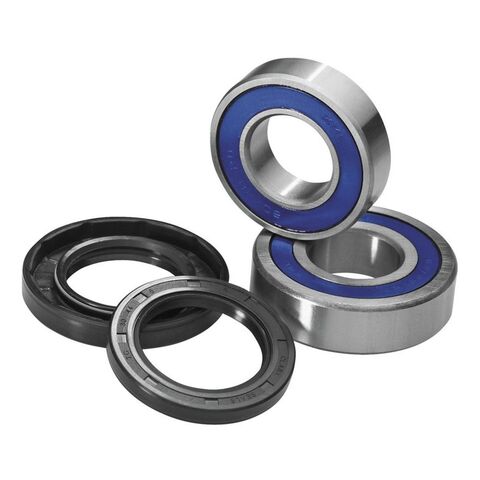
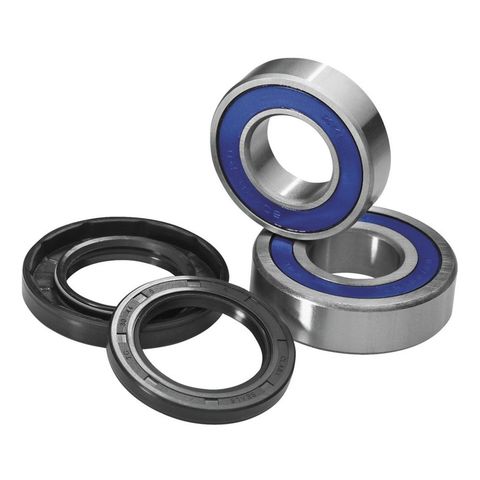
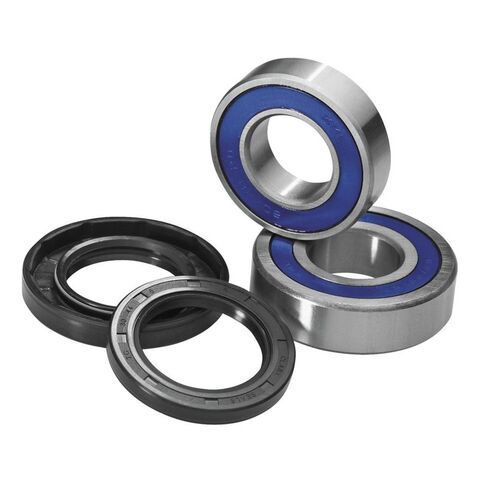
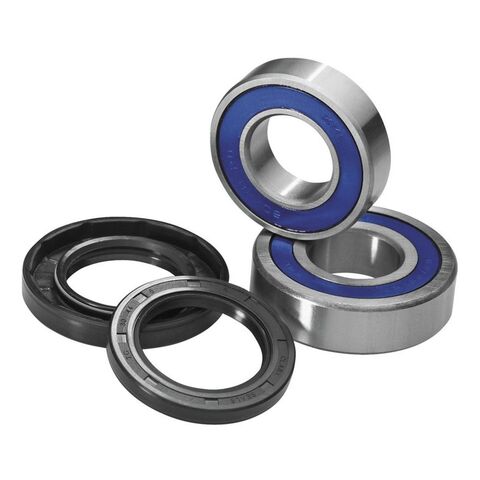
A replacement wheel bearing is a component that allows the wheel to rotate smoothly on the axle. It consists of steel balls or rollers encased in a metal housing, providing support and reducing friction. Over time, wheel bearings can wear out due to exposure to dirt, moisture, and heat, leading to noise or handling issues.
Signs that you may need to replace your wheel bearings include unusual noises such as grinding or humming sounds while riding, a noticeable decrease in handling stability, or uneven tire wear. Additionally, if you feel vibrations in the handlebars or hear clunking noises when turning, it's a good indication that your wheel bearings may be failing.
Replacement wheel bearings are typically made from high-quality steel for durability and strength. Some may also have seals made from rubber or synthetic materials to protect against dirt and moisture. The choice of materials can affect the bearing's performance and longevity, especially in harsh riding conditions.
Replacing wheel bearings can be a complex task that requires specific tools and mechanical knowledge. If you have experience with motorcycle maintenance and the right equipment, you may be able to do it yourself. However, if you're unsure or lack the necessary tools, it's advisable to seek professional help to ensure the job is done correctly.
When selecting replacement wheel bearings, consider factors such as compatibility with your motorcycle model, the quality of materials used, and whether they come with seals to protect against contaminants. Additionally, look for bearings that meet safety certifications to ensure they can withstand the demands of your riding style.
Yes, there are different types of wheel bearings designed for various riding conditions. Some bearings are specifically engineered for off-road use, featuring enhanced sealing and durability to handle dirt and mud. Others may be optimized for street riding, focusing on smooth operation and reduced friction.
It's a good practice to check your wheel bearings regularly, especially if you ride frequently or in challenging conditions. Depending on your riding style and environment, you may need to replace them every few years or sooner if you notice any signs of wear or damage.
Yes, worn wheel bearings can significantly impact your motorcycle's performance. They can lead to increased friction, which may cause handling issues, reduced stability, and even affect braking performance. Addressing any bearing wear promptly is essential for maintaining optimal riding conditions.
Similar Categories
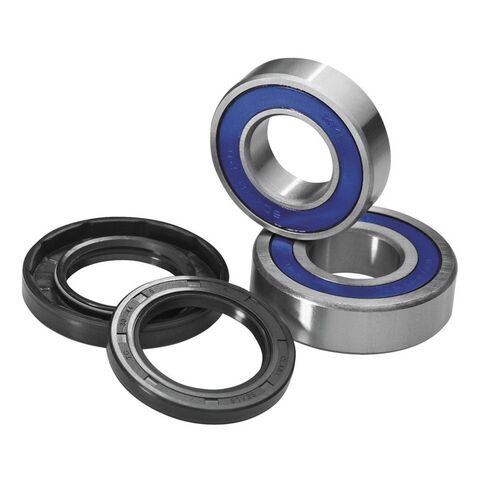
Replacement Wheel Bearings
Ensure your vehicle's wheels operate smoothly and safely with our premium selection of replacement wheel bearings. Designed to provide optimal performance, these bearings reduce friction and enhance the overall handling of your vehicle. With durable materials and precision engineering, our wheel bearings are built to withstand the demands of daily driving and various road conditions.
Our range of replacement wheel bearings offers compatibility with a wide variety of vehicles, ensuring a perfect fit and reliable performance. Easy to install and maintain, these bearings help extend the life of your wheel assembly while improving ride quality. Trust our selection to keep your vehicle running smoothly and efficiently on every journey.