Reduction Gear Oil Lubricant
Filters
On this page...
- What is reduction gear oil lubricant used for?
- What are the benefits of using synthetic reduction gear oil lubricant?
- How do you choose the right reduction gear oil lubricant?
- Are there specific viscosity grades for reduction gear oil lubricants?
- Can reduction gear oil lubricants be used in extreme weather conditions?
- What should you look for in a high-performance reduction gear oil lubricant?
- Are there any safety certifications to consider for reduction gear oil lubricants?
- How often should reduction gear oil lubricant be changed?
- Can reduction gear oil lubricants help with noise reduction in gear systems?
Frequently Asked Questions For Reduction Gear Oil Lubricant
Reduction gear oil lubricant is specifically designed to reduce friction and wear in gear systems, particularly in vehicles and machinery that require efficient power transmission. It helps maintain optimal performance by ensuring smooth operation of gears under various loads and speeds. This type of lubricant is essential for enhancing the longevity and reliability of gear components.
Synthetic reduction gear oil lubricants offer several advantages, including improved thermal stability and resistance to breakdown under high temperatures. They also provide better lubrication in extreme conditions, such as heavy loads and high speeds, which can enhance overall performance. Additionally, synthetic options often have superior flow characteristics, allowing for easier cold starts and better protection during initial operation.
Choosing the right reduction gear oil lubricant involves considering the specific requirements of your gear system, including the manufacturer's recommendations for viscosity and type. It's important to assess the operating conditions, such as temperature ranges and load levels, to ensure compatibility. Additionally, looking for lubricants that meet relevant industry standards can help ensure adequate protection and performance.
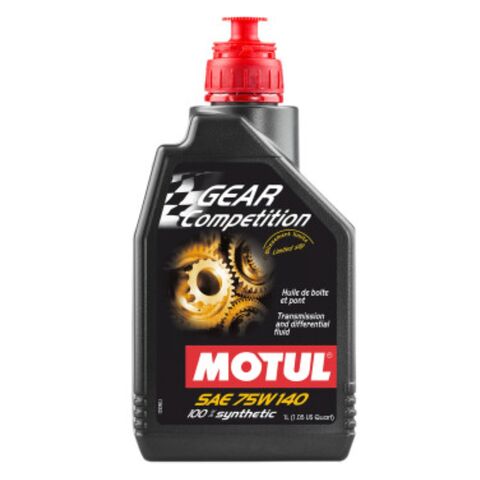
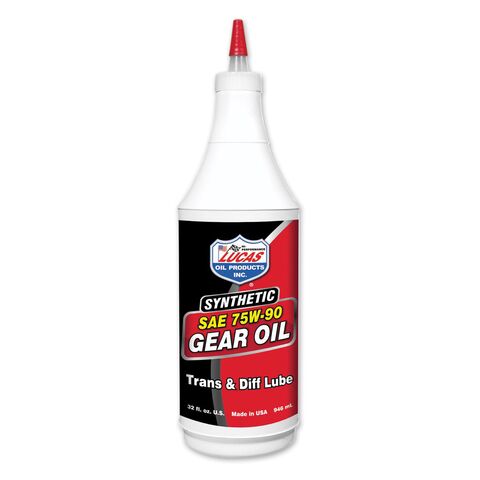
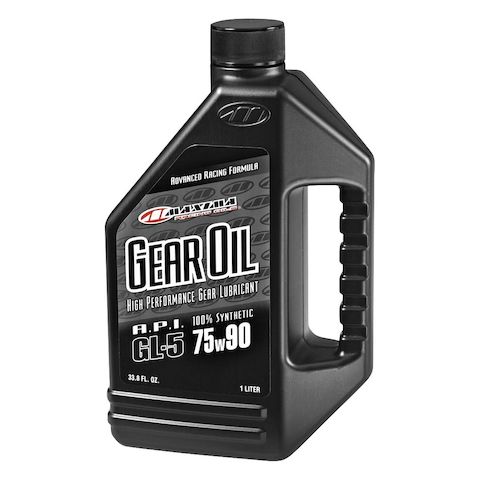
Yes, reduction gear oil lubricants come in various viscosity grades, which are crucial for ensuring proper lubrication under different operating conditions. Common viscosity ratings include 75W-90 and 75W-140, among others. The right viscosity grade depends on factors like ambient temperature and the specific demands of the gear system, so it's essential to consult the equipment's specifications.
Reduction gear oil lubricants are formulated to perform well in a range of weather conditions, including extreme heat and cold. Synthetic options, in particular, are designed to maintain their viscosity and protective properties across a wider temperature spectrum. However, it's important to select a lubricant that matches the specific temperature range and operating conditions of your application.
When selecting a high-performance reduction gear oil lubricant, look for features such as high thermal stability, excellent anti-wear properties, and resistance to oxidation. Additionally, consider lubricants that provide good shear stability and have additives that enhance performance, such as friction modifiers or extreme pressure agents. Certifications from recognized industry standards can also indicate quality and reliability.
Yes, many reduction gear oil lubricants are tested and certified to meet specific industry standards, such as API, SAE, or ISO certifications. These certifications ensure that the lubricant has undergone rigorous testing for performance and safety. It's advisable to check for these certifications to ensure that the lubricant meets the necessary requirements for your gear system.
The frequency of changing reduction gear oil lubricant can vary based on the specific application, operating conditions, and manufacturer recommendations. Generally, it's advisable to follow the maintenance schedule outlined in your equipment's manual, which may suggest changes every few thousand miles or after a certain number of operating hours. Regular monitoring of oil condition can also help determine the right change intervals.
Yes, using the right reduction gear oil lubricant can contribute to noise reduction in gear systems. Quality lubricants often contain additives that help dampen vibrations and reduce friction, which can lead to quieter operation. Proper lubrication also ensures that gears mesh smoothly, minimizing the chances of noise caused by wear or inadequate lubrication.
Similar Categories
Reduction Gear Oil Lubricant
Ensure optimal performance and longevity of your machinery with our premium reduction gear oil lubricants. Designed to provide superior protection against wear and tear, these lubricants help maintain smooth operation in various gear systems. With excellent thermal stability and resistance to oxidation, our selection is perfect for high-stress environments, ensuring your equipment runs efficiently and reliably.
Our reduction gear oil lubricants feature advanced formulations that reduce friction and minimize noise, enhancing the overall performance of your gear systems. Suitable for a wide range of applications, these oils are engineered to meet the demands of both recreational and industrial use. Trust in our quality lubricants to keep your gears functioning at their best, no matter the conditions.