Racing Brake Fluid
Filters
On this page...
- What is racing brake fluid and how does it differ from regular brake fluid?
- What should you look for when choosing racing brake fluid?
- Can racing brake fluid be used in regular street applications?
- What are the benefits of using high-performance racing brake fluid?
- How often should racing brake fluid be changed?
- What are the common types of racing brake fluid available?
- Are there specific certifications to look for in racing brake fluid?
- Can racing brake fluid be mixed with other types of brake fluid?
- What impact does moisture have on racing brake fluid performance?
Frequently Asked Questions For Racing Brake Fluid
Racing brake fluid is specifically formulated to withstand higher temperatures and provide better performance under extreme conditions compared to regular brake fluid. It typically has a higher boiling point, which helps prevent brake fade during intense racing situations. Additionally, racing brake fluids often have lower moisture absorption rates, maintaining their performance over time.
When selecting racing brake fluid, consider the boiling point, compatibility with your braking system, and moisture absorption properties. A higher dry boiling point is crucial for high-performance applications, as it reduces the risk of vapor lock. Also, ensure the fluid is compatible with your vehicle's brake components to avoid any damage.
While racing brake fluid can technically be used in street applications, it may not be ideal due to its properties. Racing fluids often have a shorter lifespan and can absorb moisture more quickly, which might lead to reduced performance over time in everyday driving conditions. It's generally better to use fluids designed for street use unless you're frequently pushing your vehicle to its limits.
High-performance racing brake fluid offers several benefits, including improved braking response, reduced brake fade, and enhanced overall performance during high-stress situations. These fluids are designed to maintain their viscosity and effectiveness even at elevated temperatures, ensuring consistent braking performance. Additionally, they often provide better protection against corrosion and wear in braking systems.
Racing brake fluid should be changed more frequently than standard brake fluid, especially after intense racing sessions. It's recommended to check the fluid's condition regularly and replace it at least once a season or after significant track days. This helps ensure optimal performance and safety by preventing moisture buildup and maintaining the fluid's effectiveness.
Common types of racing brake fluid include those based on DOT 3, DOT 4, and DOT 5.1 specifications, with each type having different boiling points and properties. DOT 4 and DOT 5.1 fluids are popular for their higher performance characteristics, while some racing fluids are specifically formulated for extreme conditions with even higher boiling points. Understanding these types can help you choose the right fluid for your racing needs.
Yes, racing brake fluids often carry certifications such as DOT (Department of Transportation) or SAE (Society of Automotive Engineers) ratings, which indicate their performance standards. Additionally, some racing fluids may meet specific racing organization requirements, ensuring they are suitable for competitive use. Checking for these certifications can help ensure you're using a reliable and effective product.
Mixing racing brake fluid with other types of brake fluid is generally not recommended, as it can compromise performance and safety. Different brake fluids have varying chemical compositions and boiling points, which can lead to reduced effectiveness and potential damage to the braking system. It's best to flush the system and use a single type of fluid for optimal performance.
Moisture can significantly impact the performance of racing brake fluid by lowering its boiling point and increasing the risk of brake fade. As brake fluid absorbs moisture over time, it can lead to vapor formation, which reduces braking efficiency. Therefore, using a fluid with low moisture absorption properties and regularly changing the fluid is essential to maintain optimal performance.
Similar Categories
Racing Brake Fluid
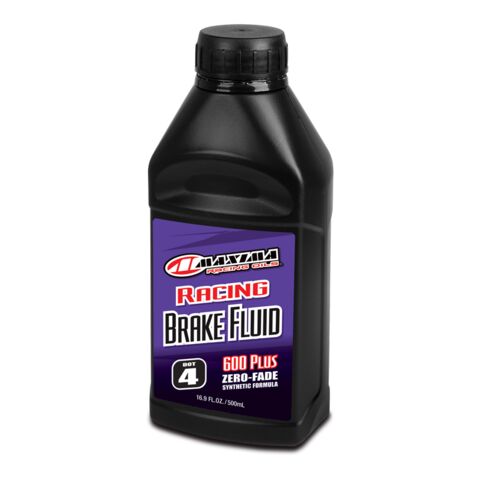
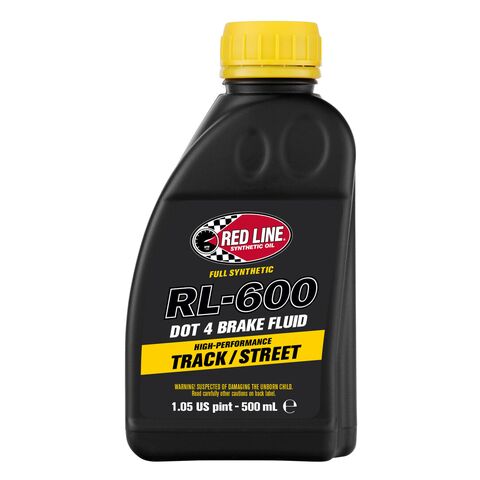
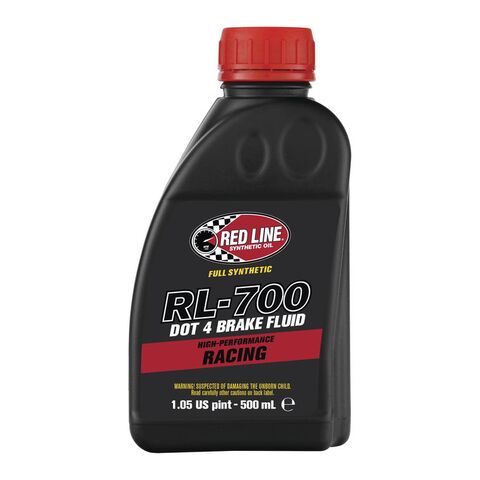
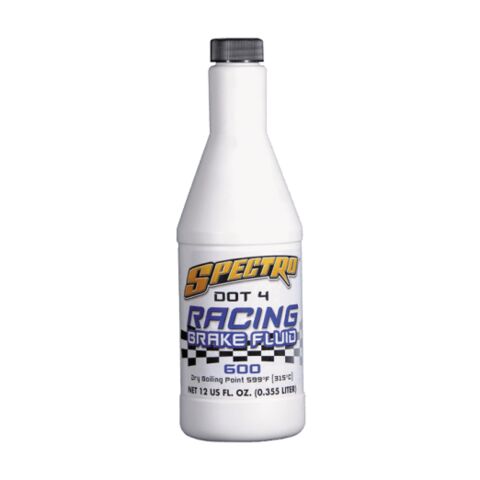
Racing brake fluid is essential for achieving optimal braking performance under extreme conditions. Formulated to withstand high temperatures and resist moisture absorption, our selection ensures consistent pedal feel and reliable stopping power during intense racing scenarios. With superior boiling points and enhanced viscosity, these fluids provide the confidence needed for high-speed maneuvers and sharp turns.
Designed for both track and street applications, our racing brake fluids offer excellent compatibility with various brake systems. They help prevent brake fade and maintain performance even in the most demanding environments. Upgrade your braking system with our premium racing brake fluid to experience improved responsiveness and safety on every ride.