Push-Pull Throttle Cable
Filters
On this page...
- What is a push-pull throttle cable?
- What are the benefits of using a push-pull throttle cable?
- How do you choose the right push-pull throttle cable for your motorcycle?
- Are push-pull throttle cables suitable for all types of motorcycles?
- Can push-pull throttle cables be used in different weather conditions?
- What should you look for in a quality push-pull throttle cable?
- How often should you inspect push-pull throttle cables?
- What are common issues associated with push-pull throttle cables?
Frequently Asked Questions For Push-Pull Throttle Cable
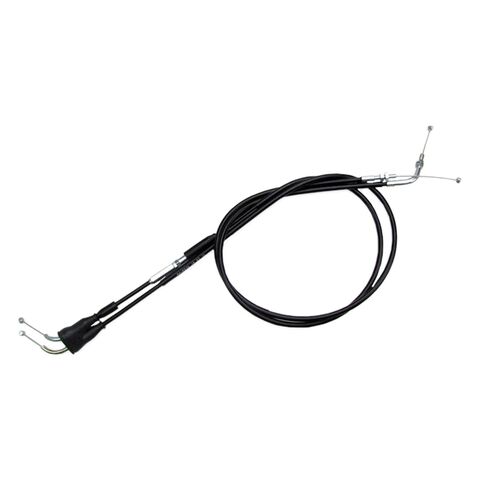
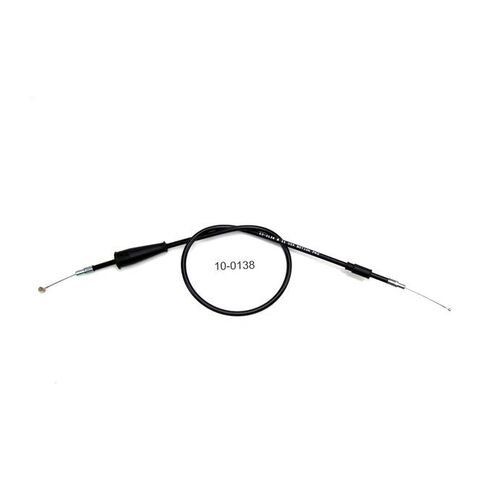
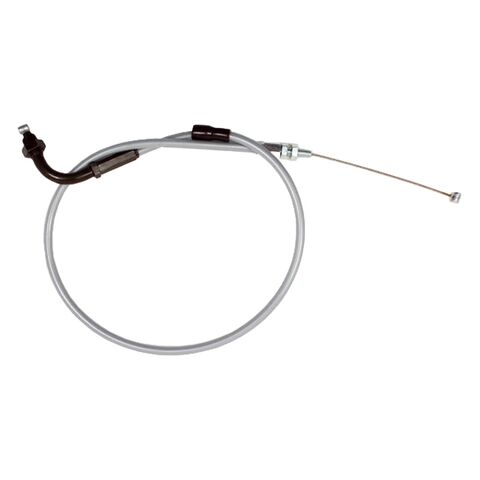
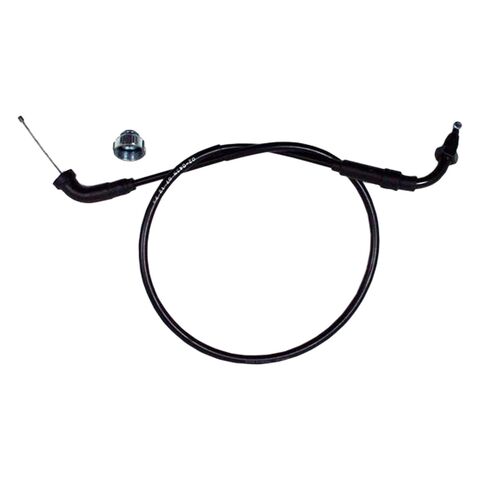
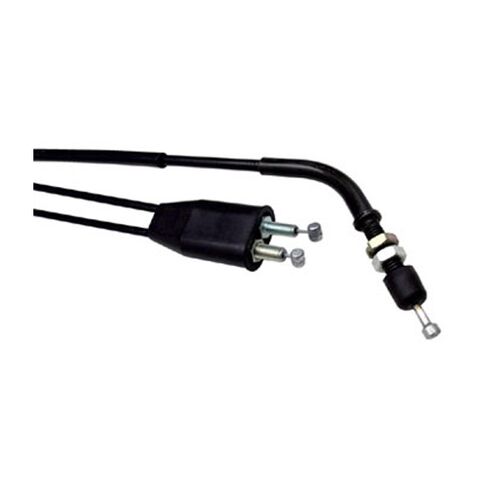
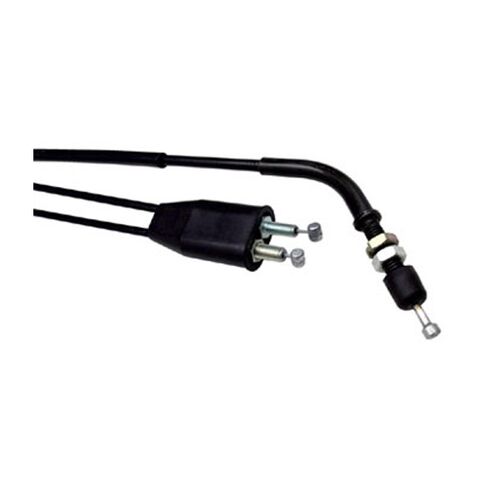
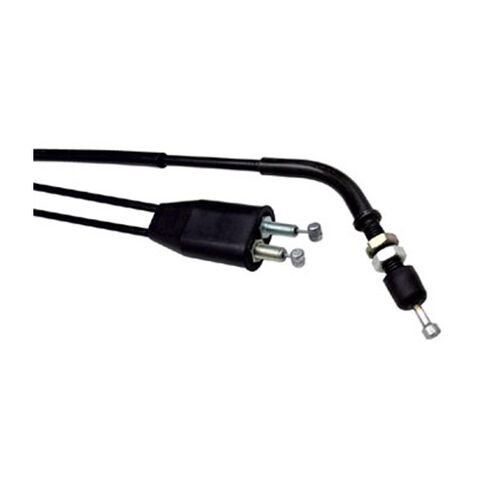
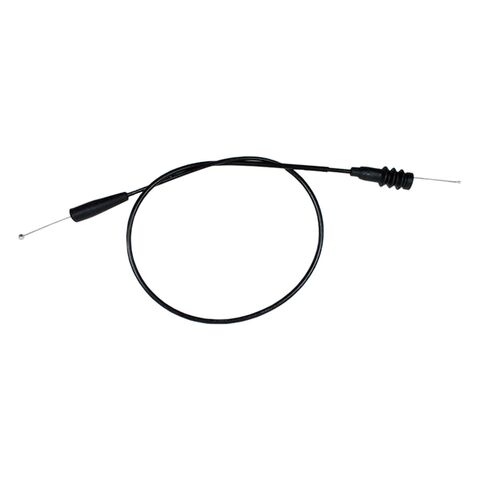
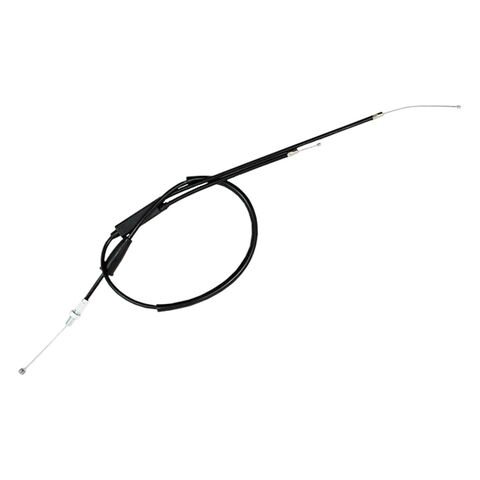
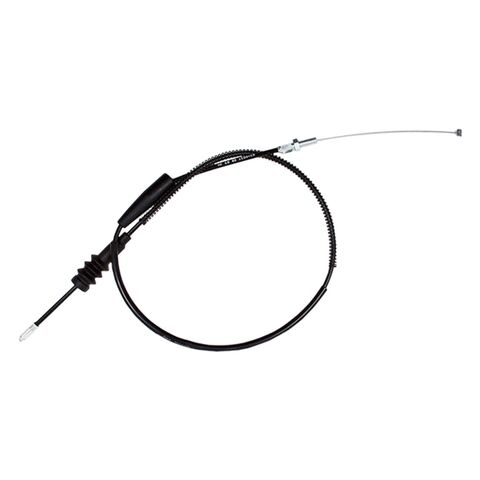
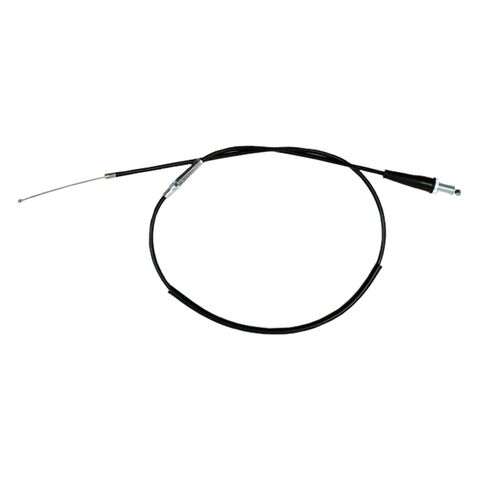
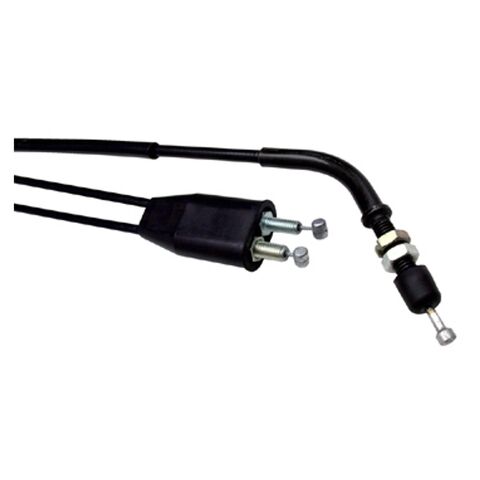
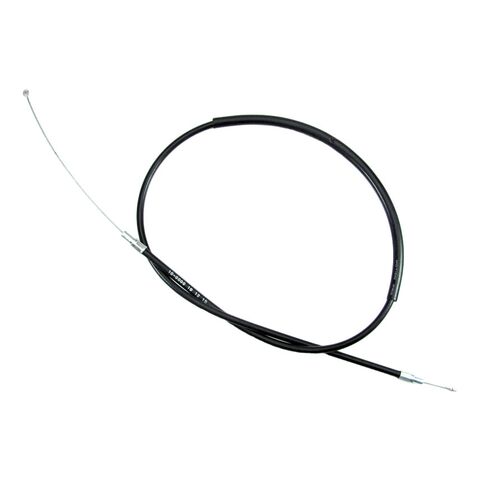
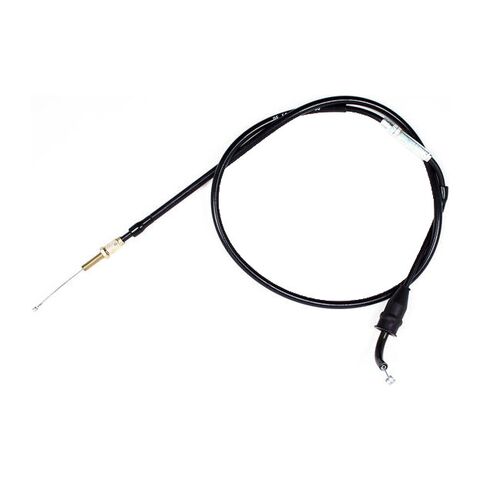
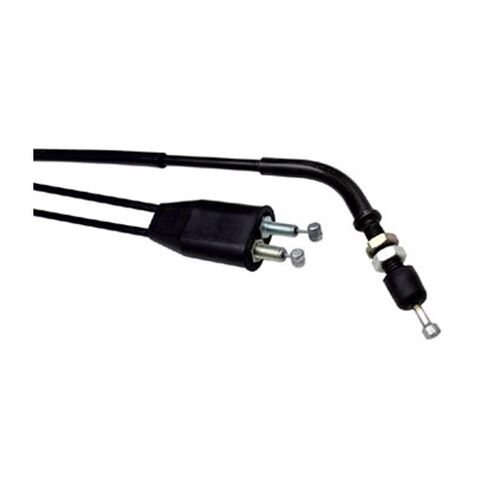
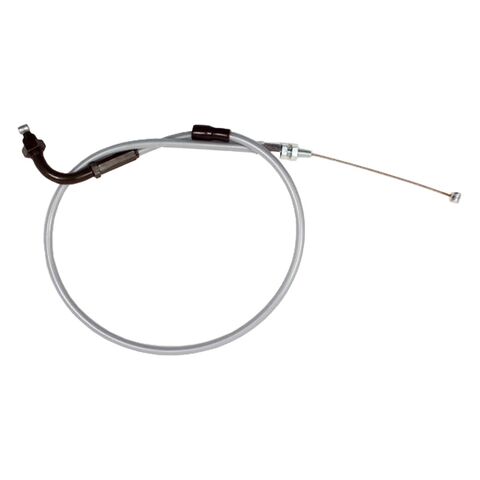
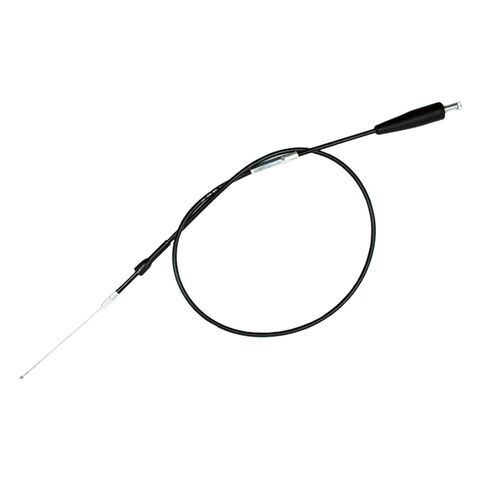
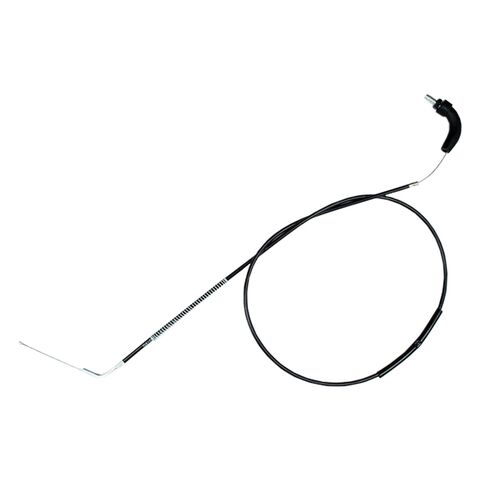
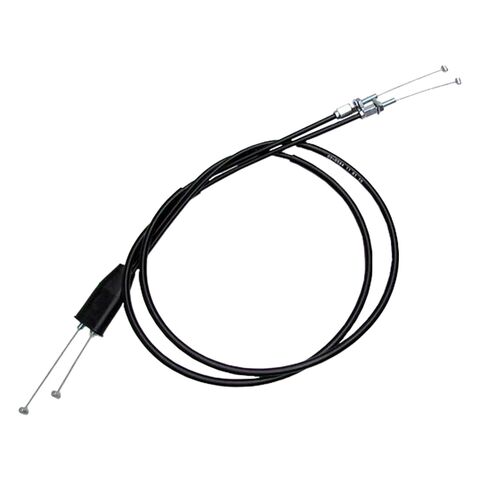
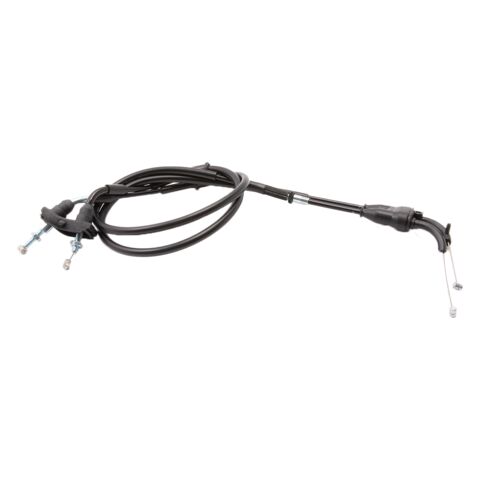
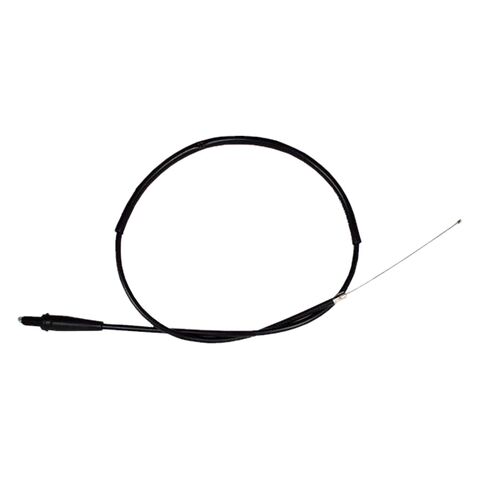
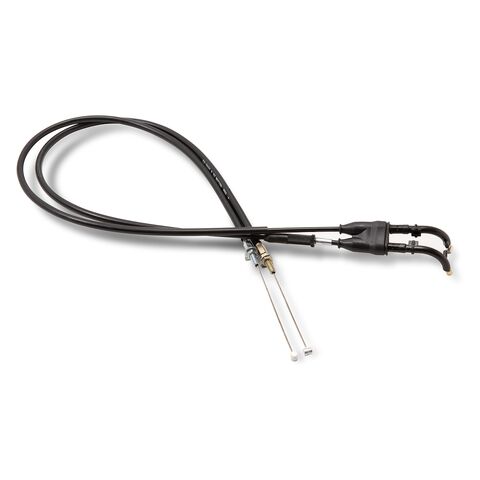
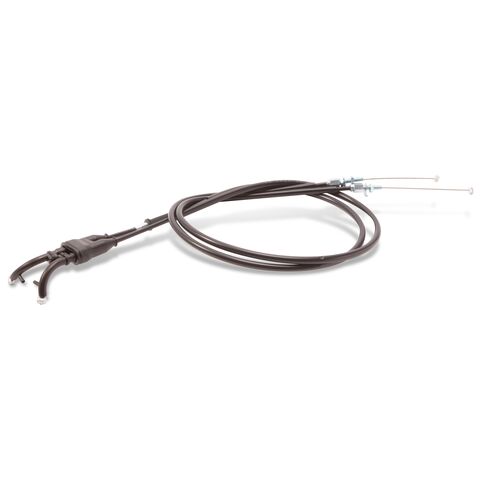
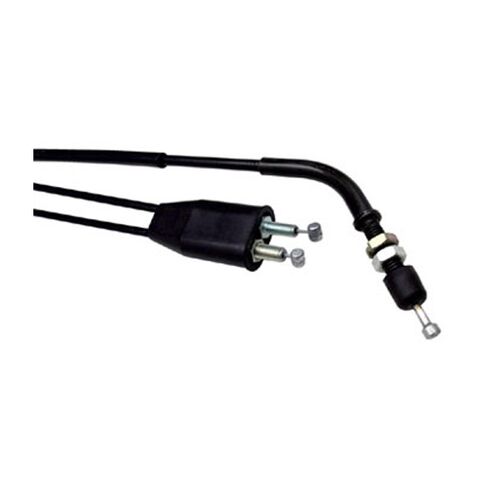
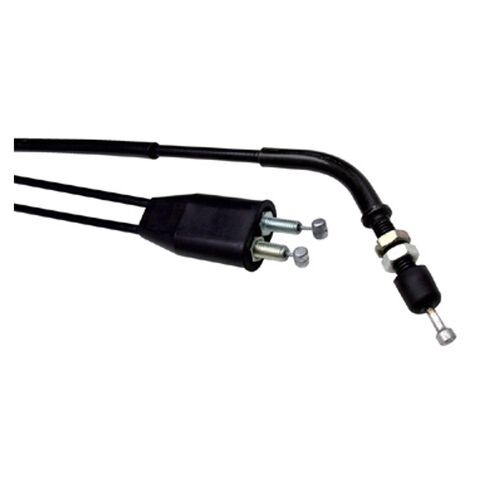
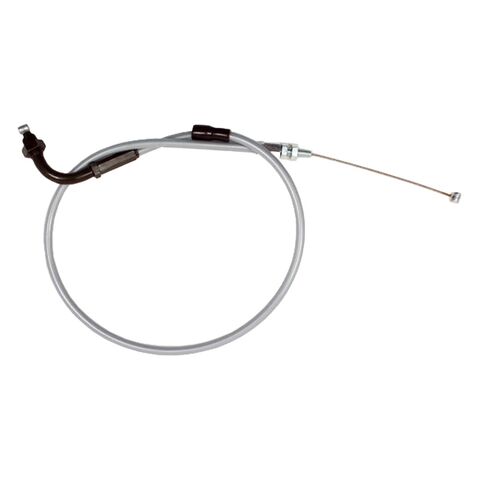
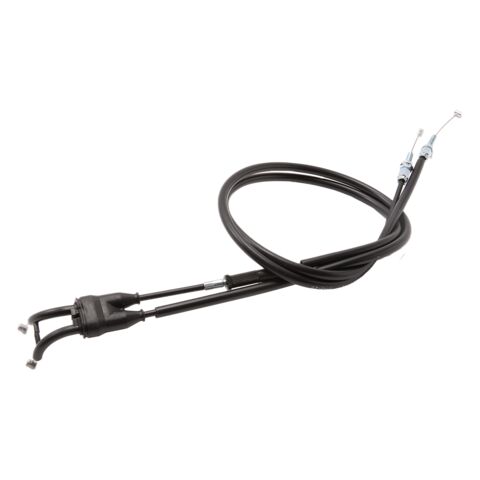
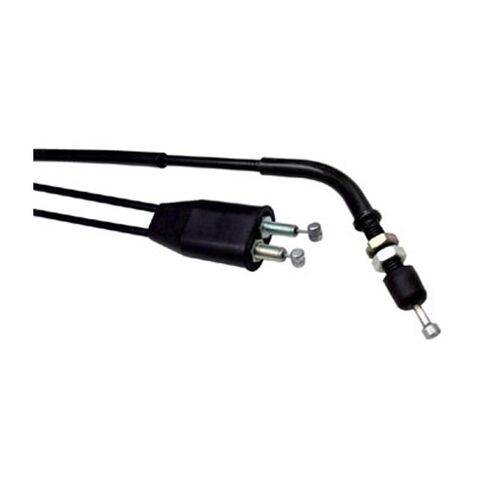
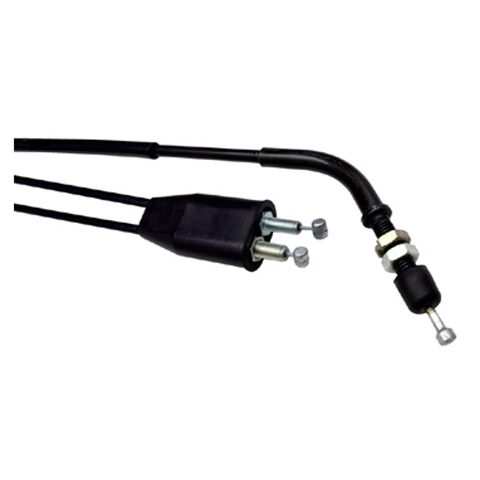
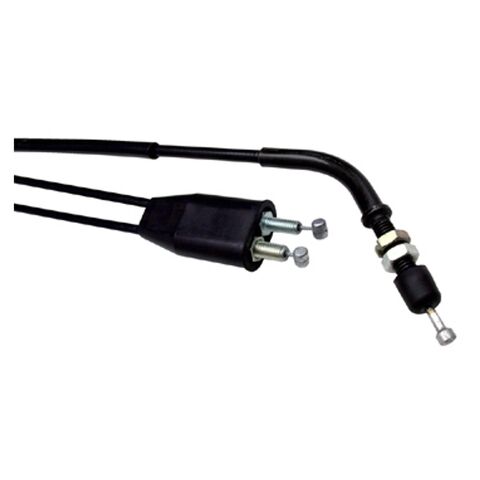
A push-pull throttle cable is a type of cable system used in motorcycles to control the throttle. It consists of two separate cables: one that pulls the throttle open and another that pushes it closed. This design allows for smoother operation and better responsiveness, making it a popular choice for various motorcycle applications.
Using a push-pull throttle cable can enhance throttle control and improve overall performance. The dual cable system provides redundancy, meaning if one cable fails, the other can still function, ensuring safer operation. Additionally, this setup can lead to a more precise throttle response, which is particularly beneficial during aggressive riding or racing.
When selecting a push-pull throttle cable, consider factors such as the make and model of your motorcycle, the length of the cable, and the type of throttle assembly you have. It's also important to ensure that the cable is compatible with your bike's engine size and intended use, whether for racing, commuting, or off-road riding.
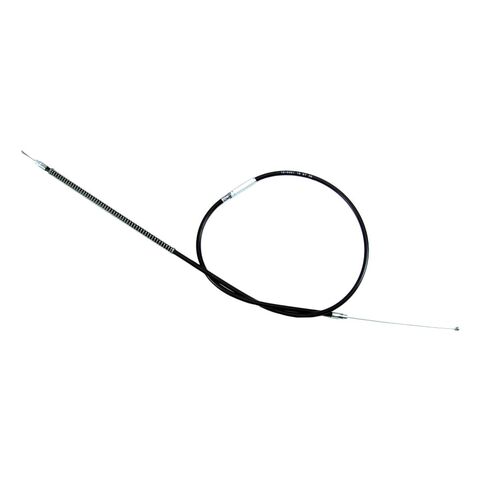
Push-pull throttle cables are commonly used in a variety of motorcycles, including dirt bikes, sport bikes, and cruisers. However, not all motorcycles are designed to accommodate this type of cable system. It's essential to check your motorcycle's specifications and throttle mechanism to determine compatibility.
Yes, push-pull throttle cables can be used in various weather conditions, but their performance may be affected by extreme temperatures or moisture. It's important to choose cables made from durable materials that can withstand the elements, such as vinyl or stainless steel, to ensure reliable operation in rain, mud, or cold weather.
When evaluating a push-pull throttle cable, look for features such as high-quality materials, smooth operation, and proper length for your motorcycle. Additionally, check for compatibility with safety certifications and ensure that the cable has a reliable construction to withstand wear and tear from regular use.
It's advisable to inspect push-pull throttle cables regularly, especially before long rides or after extensive use. Look for signs of wear, fraying, or damage, as these issues can affect throttle performance. Regular maintenance can help ensure that your throttle system operates smoothly and safely.
Common issues with push-pull throttle cables include binding, fraying, or complete failure of one of the cables. These problems can lead to throttle sticking or unresponsive acceleration, which can be dangerous while riding. Regular inspections and timely replacements can help mitigate these risks.
Similar Categories
Push-Pull Throttle Cable
Enhance your motorcycle's performance with our premium push-pull throttle cables, designed for smooth and responsive throttle control. These cables are engineered to provide precise movement, ensuring that your throttle responds instantly to your commands. With durable construction and reliable materials, our throttle cables are built to withstand the rigors of the road, offering longevity and consistent performance.
Our selection of push-pull throttle cables features various lengths and configurations to fit a wide range of motorcycle models. Each cable is designed for easy installation, allowing you to quickly replace worn or damaged cables and get back on the road. Experience improved throttle response and control with our high-quality push-pull throttle cables, perfect for any riding enthusiast looking to optimize their bike's performance.