


 Riders Preferred Membership
 Shop by Vehicle
 Track Order
 Contact Us
Oil Extractors
Filters



On this page...
- What are oil extractors used for?
- How do oil extractors work?
- What should you look for in an oil extractor?
- Can oil extractors be used for different types of fluids?
- Are oil extractors easy to store?
- What are the benefits of using an oil extractor over traditional methods?
- Can oil extractors be used in cold weather?
- What maintenance do oil extractors require?
Frequently Asked Questions For Oil Extractors
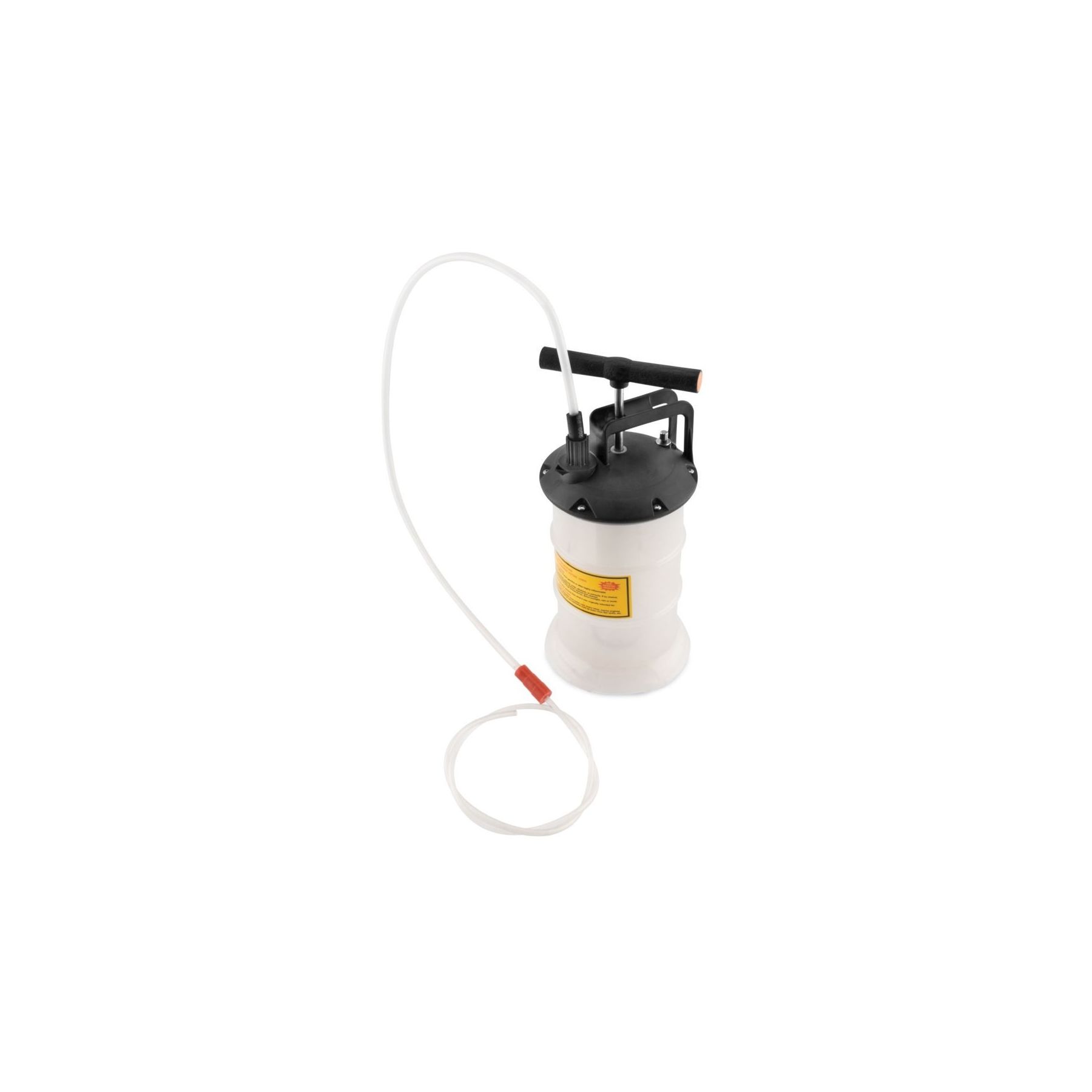
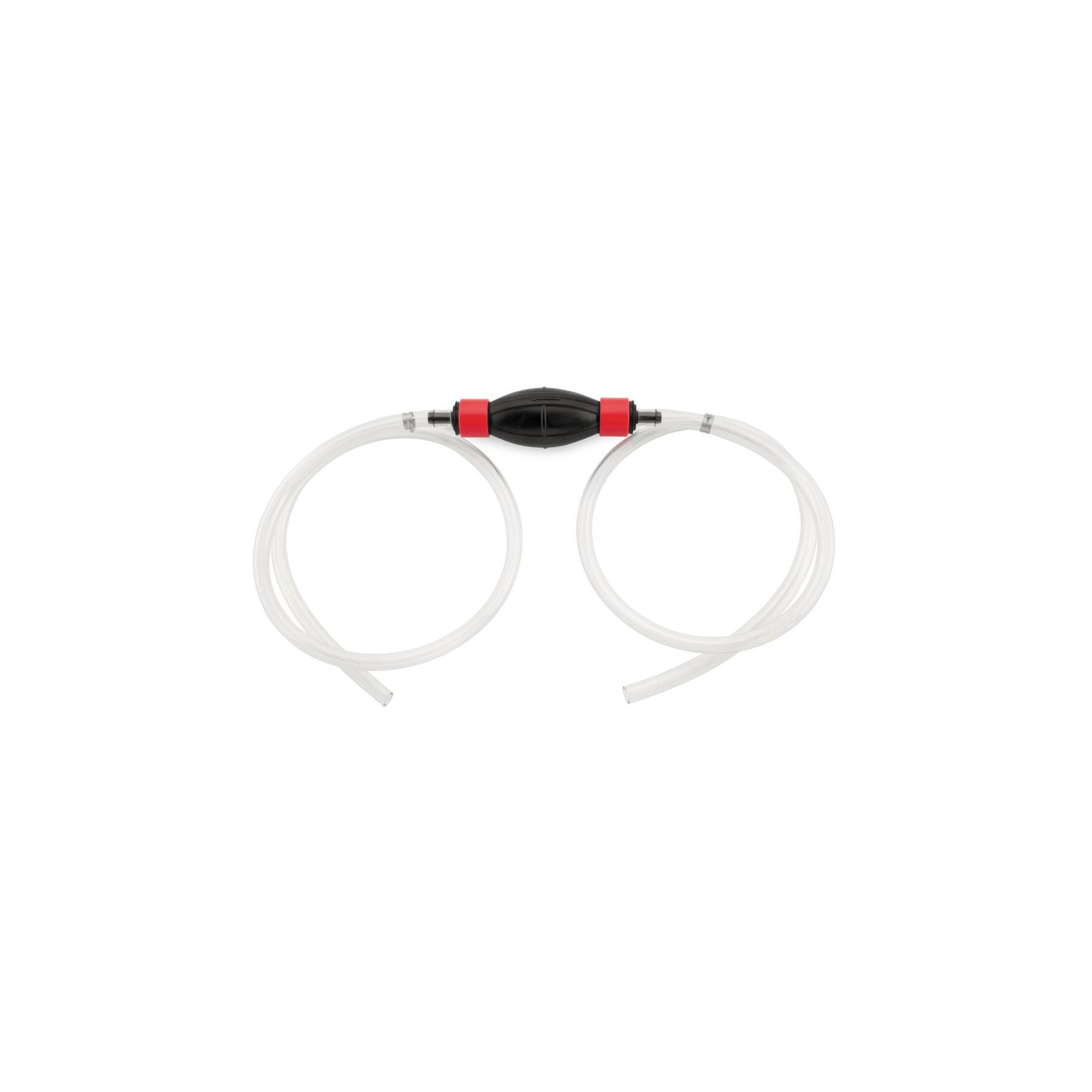
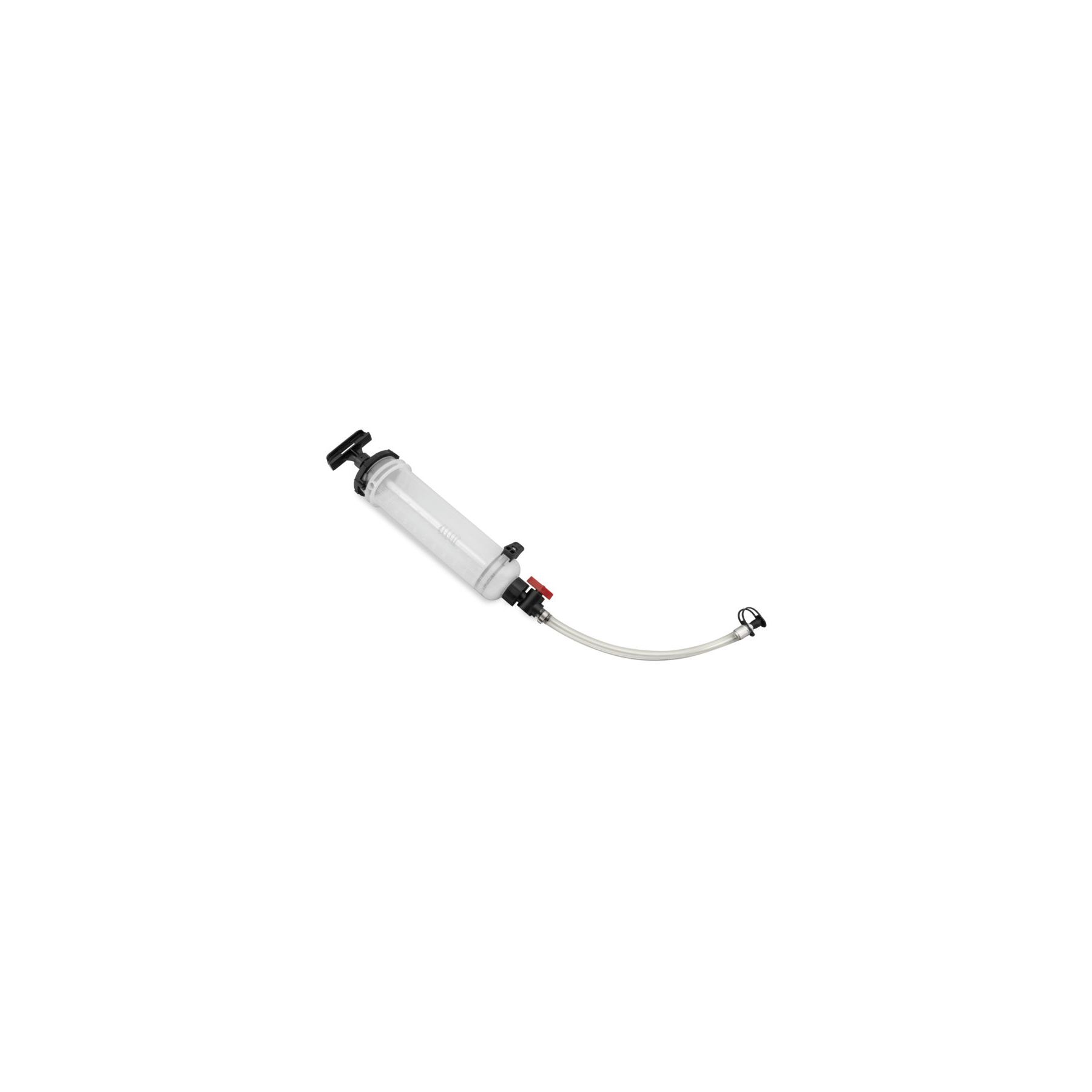
Oil extractors are tools designed to remove oil and other fluids from engines, gearboxes, and other machinery. They are particularly useful for routine maintenance, allowing for easy and clean fluid changes without the mess associated with traditional methods. By using an oil extractor, you can efficiently drain fluids while minimizing spills and contamination.
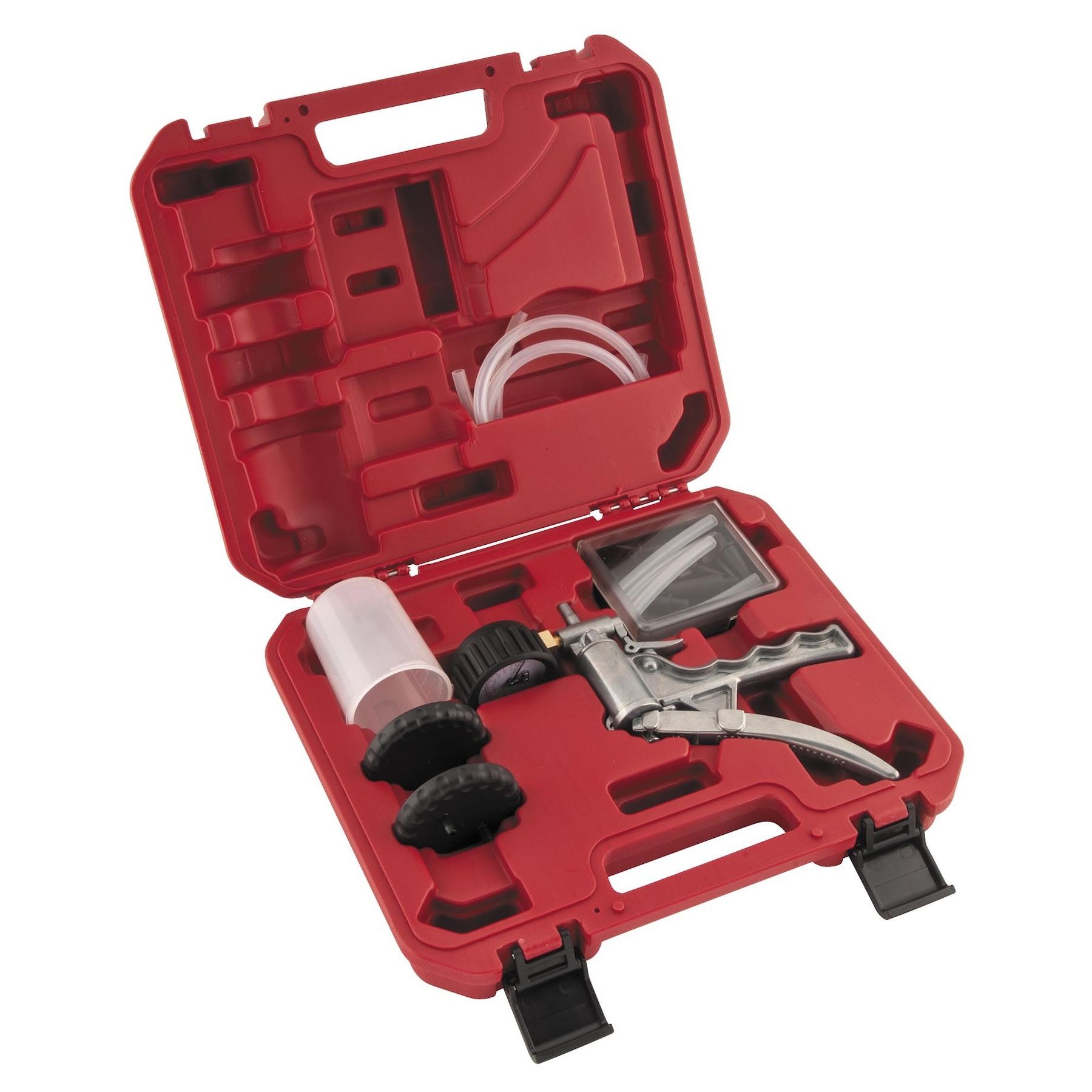
Oil extractors typically use a vacuum mechanism to draw fluids from a reservoir. The extractor is inserted into the dipstick tube or a designated opening, and the vacuum creates suction that pulls the oil or fluid into a collection chamber. This process is generally quicker and cleaner than manual draining methods.
When choosing an oil extractor, consider the capacity, material, and ease of use. Look for models made from durable materials that can withstand various fluids, and ensure the extractor has a suitable capacity for your needs. Additionally, features like a clear collection chamber and easy-to-use pump mechanisms can enhance the overall experience.
Yes, many oil extractors are versatile and can be used for various types of fluids, including engine oil, transmission fluid, and coolant. However, it's essential to check the manufacturer's specifications to ensure compatibility with the specific fluids you intend to extract. Some extractors may be designed for specific applications, while others can handle a wider range.
Most oil extractors are designed to be compact and easy to store, making them convenient for home mechanics and professional garages alike. Many models can be disassembled or have a slim profile, allowing them to fit in tight spaces. Consider the size and design when selecting an extractor to ensure it meets your storage needs.
Using an oil extractor offers several benefits, including reduced mess and quicker fluid changes. Unlike traditional methods that may require draining from the bottom, extractors can remove fluids from the top, minimizing spills. Additionally, they can often extract fluids more completely, ensuring that old oil is fully removed before adding new.
Oil extractors can be used in cold weather, but the viscosity of the oil may affect performance. In colder temperatures, oil can become thicker, making it more challenging to extract. It's advisable to warm the engine slightly before using an extractor in cold conditions to ensure smoother fluid removal.
Oil extractors require minimal maintenance, but it's essential to clean them after each use to prevent contamination and ensure longevity. Rinse the collection chamber and any hoses with a suitable solvent or water, depending on the fluids extracted. Regularly check for any wear or damage to the seals and hoses to maintain optimal performance.
Similar Categories
Oil Extractors
Efficiently removing oil and fluids from your motorcycle or vehicle is essential for maintenance, and our selection of oil extractors makes this task simple and effective. Designed for ease of use, these extractors allow you to quickly and cleanly remove unwanted fluids without the mess. Their lightweight and portable designs make them ideal for both home mechanics and professional garages.
Featuring durable construction and various capacities, our oil extractors are equipped with user-friendly features that enhance performance and reliability. Many models come with clear measurement markings for accurate fluid levels, ensuring you can monitor your extraction process. Invest in an oil extractor today to streamline your maintenance routine and keep your engine running smoothly.