Mountain Bike Tires
Filters
- Brand
- Size
- 29x2.S 60 TPI AGC (1)
- 29x2.60 120 TPI (1)
- 27.5x2.6 (3)
- 27.5x2.80 60 TPI (1)
- 27.5x2.80 (1)
- 29x2.S 60 TPI (3)
- 27.50x2.120 TPI (1)
- 29x2.6 (3)
- 27.5x2.20 60 TPI (1)
- 29x2.120 TPI ATC (1)
- 29x2.20 120 TPI (1)
- 27.50x2.60 120 TPI (1)
- 27.5x2.S 60 TPI (2)
- 27.5x2.8 (1)
- 29x2.60 60 TPI (2)
- 27.5x2.60 (2)
- 27.50x2.S 60 TPI AGC (1)
- 27.50x2.20 120 TPI (1)
- 27.5x2.60 60 TPI (1)
- 27.50x2.120 TPI ATC (1)
- 110/90-19 (2)
- 90/100-21 (2)
- 120/90-18 (2)
- 120/80-19 (2)
- 80/100-21 (2)
- 100/90-19 (2)
- 110/100-18 (2)
- Shop By
- Tire Type
- Price Range
On this page...
- What are the key features to consider when choosing mountain bike tires?
- How do different tread patterns affect mountain bike performance?
- Can mountain bike tires be used for different types of terrain?
- What is the importance of tire width in mountain biking?
- How do weather conditions affect the choice of mountain bike tires?
- What are the benefits of using tubeless mountain bike tires?
- What should you look for in mountain bike tires for e-MTBs?
- Are there specific mountain bike tires for downhill riding?
- How do I know when to replace my mountain bike tires?
Frequently Asked Questions For Mountain Bike Tires
When selecting mountain bike tires, consider the tread pattern, width, and rubber compound. Tread patterns affect traction and rolling resistance, while wider tires provide better stability and control. Additionally, the rubber compound can influence grip and durability, making it important to choose a tire that matches your riding style and terrain.
Tread patterns play a crucial role in mountain bike performance by influencing grip, traction, and rolling efficiency. Aggressive, knobby treads are ideal for loose or muddy conditions, providing better bite, while smoother treads are suited for hard-packed trails, allowing for faster rolling. Understanding the terrain you'll be riding on can help you select the right tread pattern.
Yes, mountain bike tires are designed for various terrains, including rocky trails, muddy paths, and hard-packed surfaces. Each tire type has specific features that enhance performance in certain conditions, such as wider tires for loose gravel or tires with more aggressive tread for wet and muddy trails. It's essential to choose a tire that matches the terrain you plan to ride.
Tire width significantly impacts stability, traction, and comfort while riding. Wider tires offer better grip and can absorb more shocks from rough terrain, making them ideal for technical trails. However, narrower tires can provide less rolling resistance on smoother surfaces, so it's important to select a width that aligns with your riding style and the conditions you'll encounter.
Weather conditions can greatly influence tire selection for mountain biking. For wet or muddy conditions, tires with deeper treads and softer rubber compounds provide better grip. Conversely, in dry and hard-packed conditions, tires with a smoother tread pattern can enhance speed and efficiency. Always consider the forecast and trail conditions when choosing your tires.
Tubeless mountain bike tires offer several advantages, including reduced weight, lower rolling resistance, and the ability to run lower air pressures for improved traction. They also minimize the risk of pinch flats since there is no inner tube to puncture. Additionally, tubeless setups allow for the use of sealant, which can automatically seal small punctures while riding.
When selecting tires for e-MTBs, consider durability and grip, as e-MTBs often carry more weight and have higher speeds. Look for tires designed specifically for electric mountain bikes that feature reinforced sidewalls and tread patterns optimized for traction on various terrains. Additionally, ensure that the tires are compatible with the bike's specifications and intended use.
Yes, there are mountain bike tires specifically designed for downhill riding, which typically feature aggressive tread patterns and reinforced sidewalls for added durability and grip. These tires are built to withstand the demands of steep descents and rough terrain, providing stability and control at high speeds. Choosing the right downhill tire can enhance performance and confidence on challenging trails.
It's time to replace your mountain bike tires when you notice significant wear on the tread, such as bald spots or reduced grip, which can affect performance and safety. Additionally, check for sidewall damage or punctures that cannot be repaired. Regularly inspecting your tires can help ensure optimal performance and a safer riding experience.
Similar Categories
Mountain Bike Tires
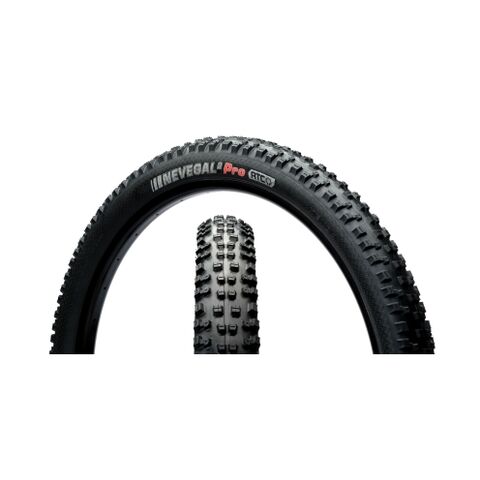
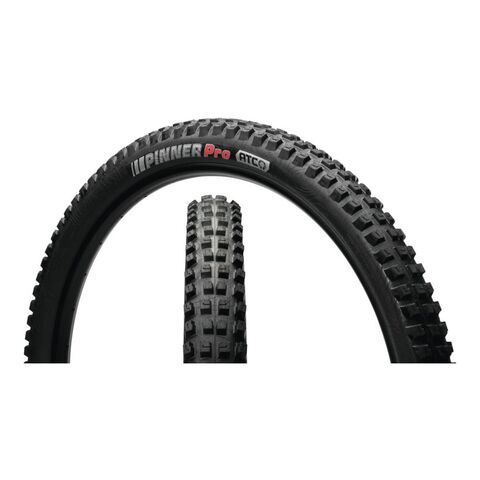
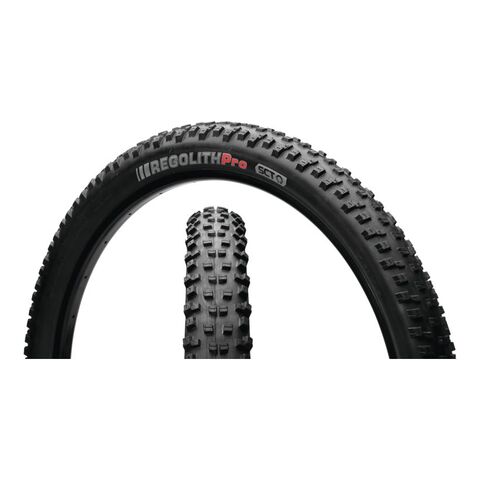
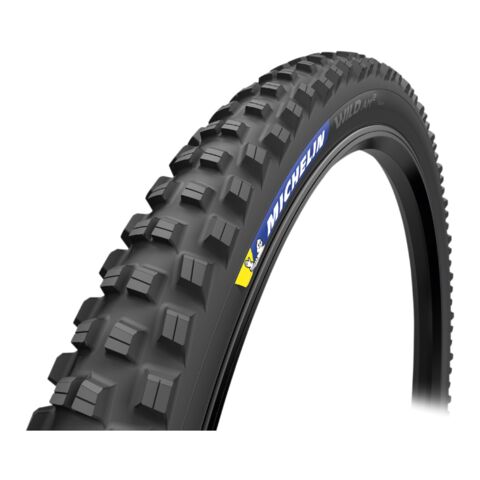
When it comes to tackling rugged trails and diverse terrains, choosing the right mountain bike tires is essential for optimal performance and safety. Our collection features tires designed for superior grip, durability, and puncture resistance, ensuring you can conquer any obstacle with confidence. Whether you prefer aggressive tread patterns for loose surfaces or smoother options for hard-packed trails, we have the perfect fit for your riding style.
Our mountain bike tires are engineered to enhance traction and control, providing stability on descents and responsiveness on climbs. With various widths and tread designs available, you can customize your ride for maximum efficiency and comfort. Upgrade your mountain biking experience with tires that deliver exceptional performance, allowing you to push your limits and explore new trails with ease.