Search Suggestions
Menu
Results for in

Motorcycle Slipper Clutches
6Products
Filter 0 Sort By
You may also like
Motorcycle Slipper Clutches

On this page...

  • What is a motorcycle slipper clutch and how does it work?
  • When should you consider installing a motorcycle slipper clutch on your bike?
  • What are the primary benefits of a motorcycle slipper clutch?
  • Are there any trade-offs or drawbacks to using a motorcycle slipper clutch?
  • How do you choose the correct motorcycle slipper clutch for your bike?
  • Can you install a motorcycle slipper clutch yourself, or should you go to a professional?
  • Does installing a motorcycle slipper clutch require additional tuning or setup changes?
  • Will installing a motorcycle slipper clutch improve my lap times or riding performance?
  • What maintenance or inspection should be done for a motorcycle slipper clutch?
  • Is the cost of a motorcycle slipper clutch justified for everyday street riders?

Frequently Asked Questions For Motorcycle Slipper Clutches
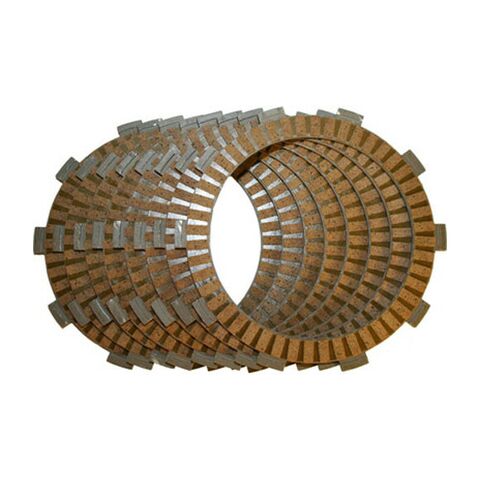
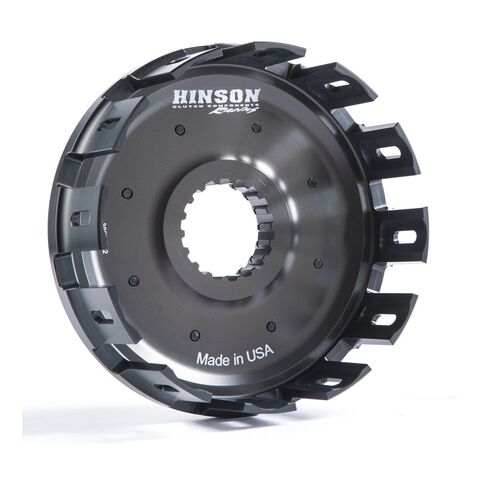
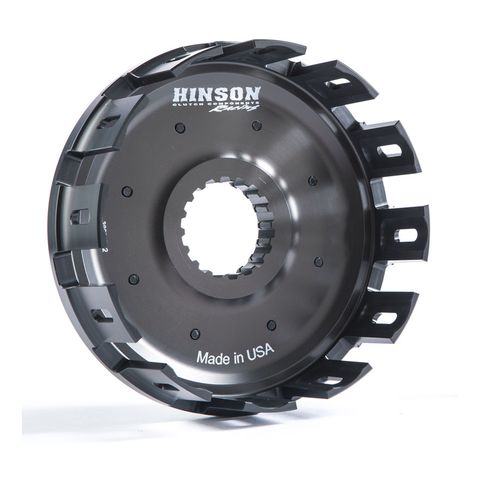
A motorcycle slipper clutch is a specialized clutch designed to partially disengage during aggressive downshifts, preventing the rear wheel from locking or skipping due to back-torque. It uses a ramp or cam mechanism inside the clutch basket that allows the pressure plate to lift slightly when the rear wheel drives the engine faster than its speed. This controlled slipping maintains stability, reduces rear-wheel chatter or hop, and helps protect drivetrain components.

You should consider a slipper clutch if your riding involves spirited downshifting, track use, or a high-performance engine where engine braking and rear-wheel hop are more likely. Even on street bikes, upgrading to a motorcycle slipper clutch can improve safety and smoothness during aggressive braking or when modifying your bike’s power output.

The main benefits include smoother downshifts, reduced rear-wheel hop or chatter, and better rear-end stability under braking or during aggressive riding. In addition, a well-implemented slipper clutch reduces stress on the transmission and clutch plates, potentially extending component life.

Yes, a slipper clutch may slightly reduce the amount of engine braking you feel, which some riders prefer for control, and it can cost more than a standard clutch setup. Maintenance can also be a bit more elaborate if the slipper mechanism adds complexity; however, for many riders the trade-offs are worth the improved control.

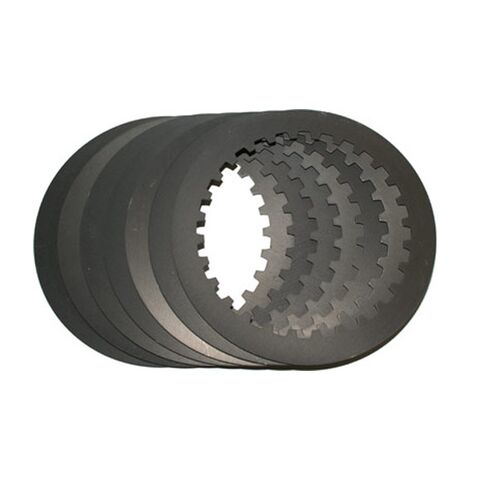
Choosing the right slipper clutch involves matching it to your bike’s engine displacement, transmission type, and riding style. Check that the clutch is compatible with your model year, number of plates, and if the mechanism is designed for street or track use; many manufacturers list fitment by model.

If you have solid mechanical skills and experience working with motorcycle clutches, you can install a slipper clutch yourself, but meticulous alignment, torque specs, and break-in procedures matter. For many riders, especially those without specialized tools, using a professional or experienced tech ensures the slipper clutch performs correctly and reliably.

Generally, installing a slipper clutch does not require electronic engine tuning, because its function relates to mechanical clutch engagement rather than fuel/ignition mapping. However, you should follow the manufacturer’s break-in guidelines, use correct friction plate materials, and ensure your clutch basket and plates are in proper condition to avoid compromising performance.

Yes, on aggressive or track-style riding, a motorcycle slipper clutch can lead to smoother corner entry, faster downshifts, and fewer disruptions from rear-wheel chatter, which helps maintain momentum and confidence. On casual street rides the benefit is more subtle, but you may notice more stable deceleration and less abruptness when shifting down under load.

You should regularly inspect the slipper clutch mechanism for wear and clearances, check clutch plate thickness and basket condition, and ensure the ramp surfaces or cams are clean and free of damage. Following the manufacturer’s service interval and using correct oil (if applicable) will help the slipper clutch continue to offer optimal performance.

It depends on your ride style. If you enjoy spirited rides, frequent downshifting, or ride in conditions where rear wheel stability matters (e.g., canyon roads, wet conditions), then the cost of a motorcycle slipper clutch can be well justified. If you’re mostly doing casual commuting without aggressive deceleration, then a standard clutch may suffice and the extra expense might not show as noticeable benefit.

Motorcycle Slipper Clutches
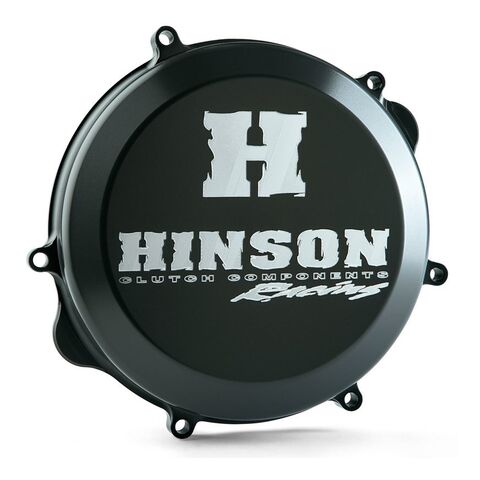
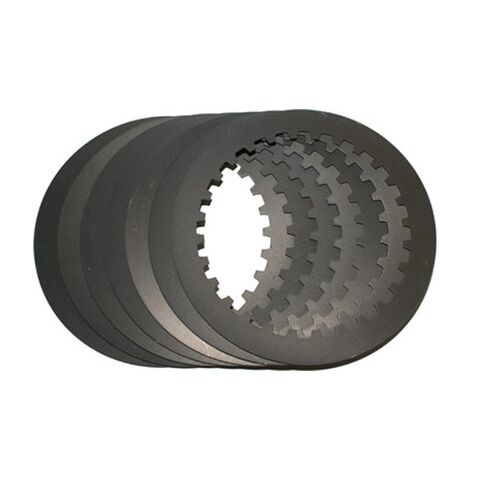
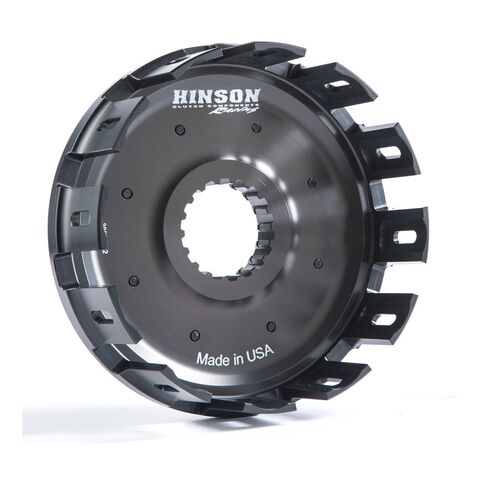
Enhance your motorcycle's performance with our premium selection of motorcycle slipper clutches. Designed to provide smoother downshifts and reduce rear wheel hop during aggressive braking, these clutches are essential for riders seeking improved control and stability. With advanced engineering, our slipper clutches ensure optimal engagement and disengagement, allowing for seamless power delivery and enhanced handling on the track or trail.

Our range of motorcycle slipper clutches is compatible with various models, offering easy installation and reliable performance. Built to withstand the rigors of high-performance riding, these clutches feature durable materials that ensure longevity and consistent operation. Upgrade your motorcycle's drivetrain with our top-quality slipper clutches and experience the difference in your ride.