


 Riders Preferred Membership
 Shop by Vehicle
 Track Order
 Contact Us
Motorcycle Rpm Gauge
Filters


















On this page...
- What is a motorcycle RPM gauge and how does it work?
- Why is it important to monitor RPM while riding?
- What features should I look for in a motorcycle RPM gauge?
- Can an RPM gauge be used on different types of motorcycles?
- Are there different types of RPM gauges available for motorcycles?
- How do I install a motorcycle RPM gauge?
- Can I use an RPM gauge in different weather conditions?
- What are the benefits of having an RPM gauge on my motorcycle?
Frequently Asked Questions For Motorcycle Rpm Gauge
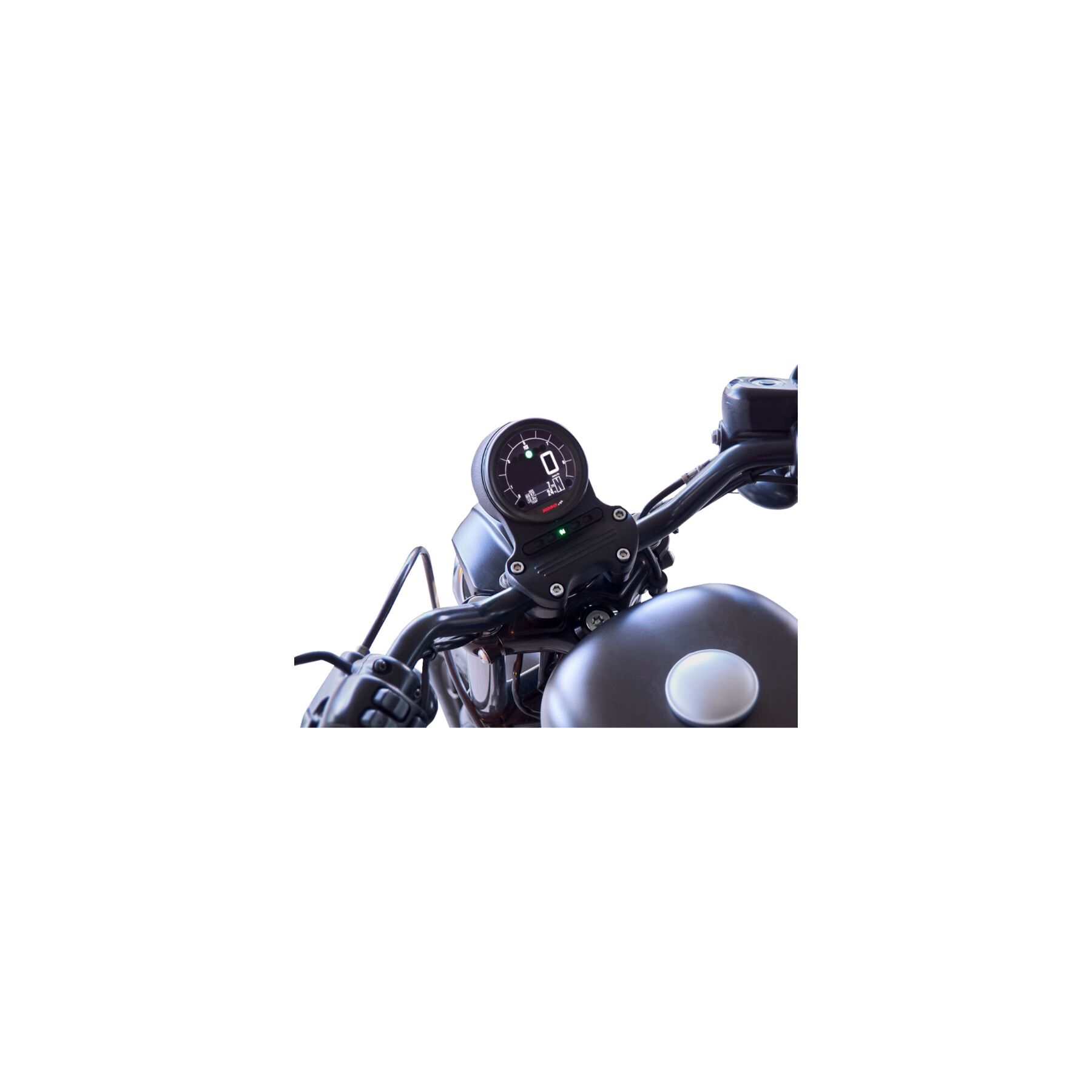
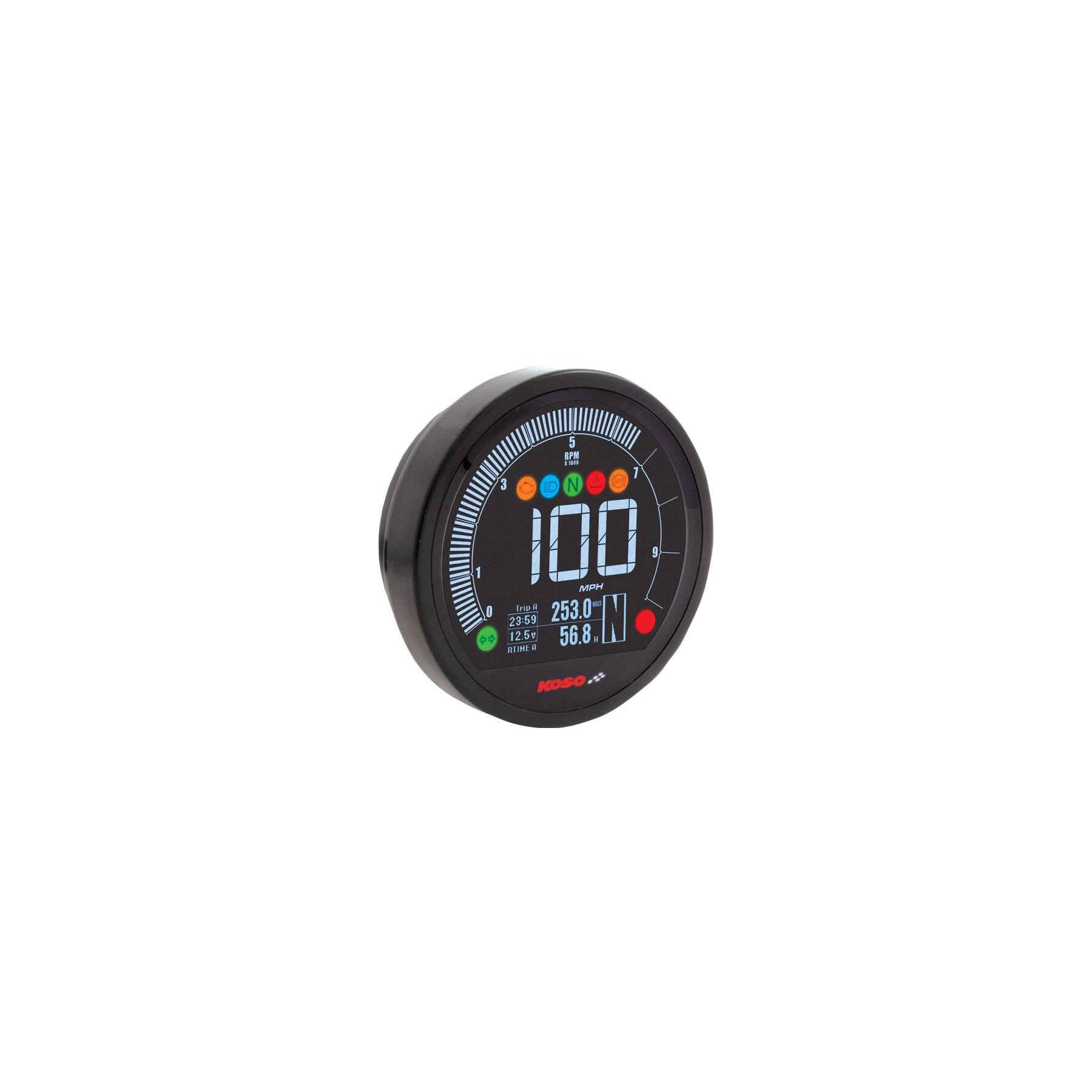
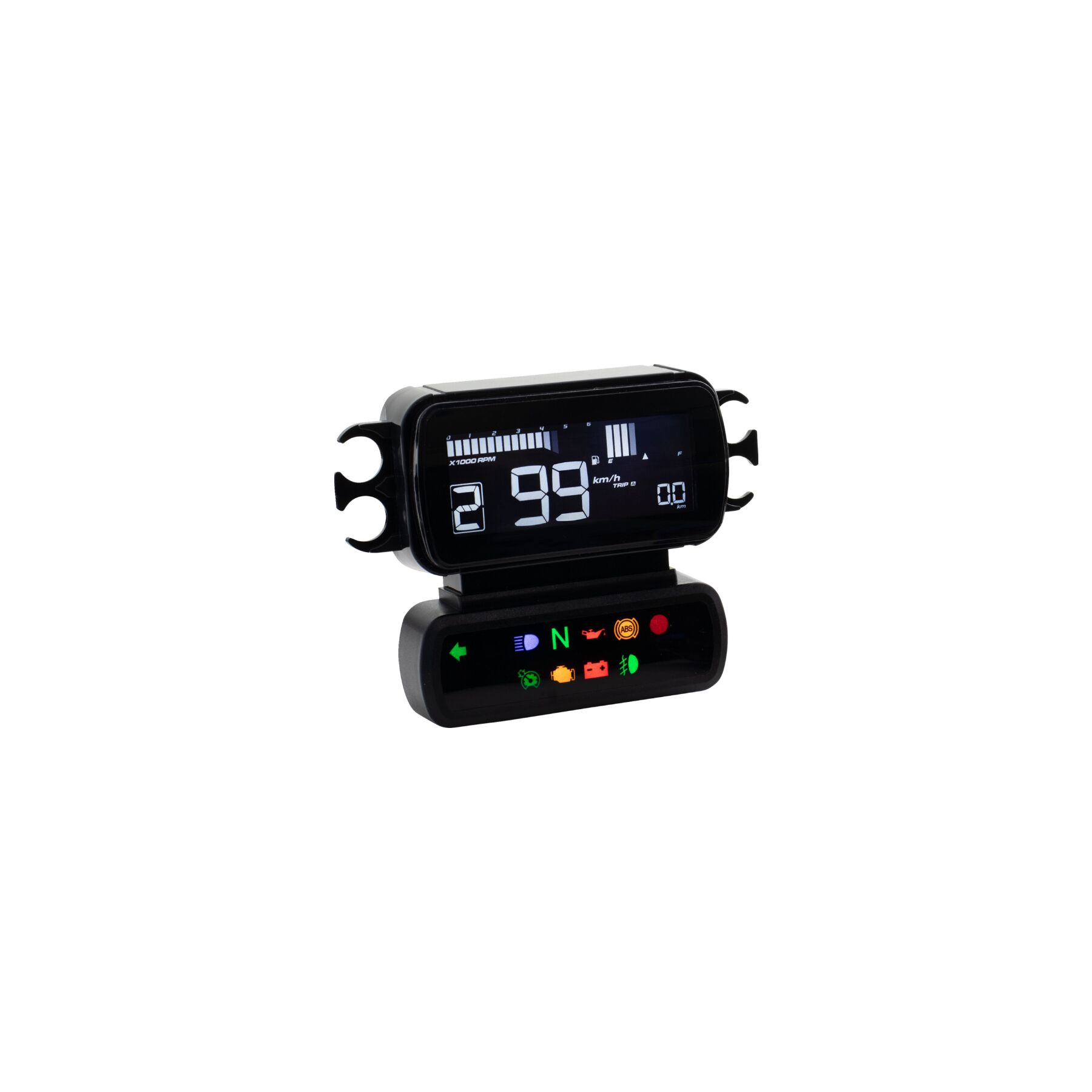
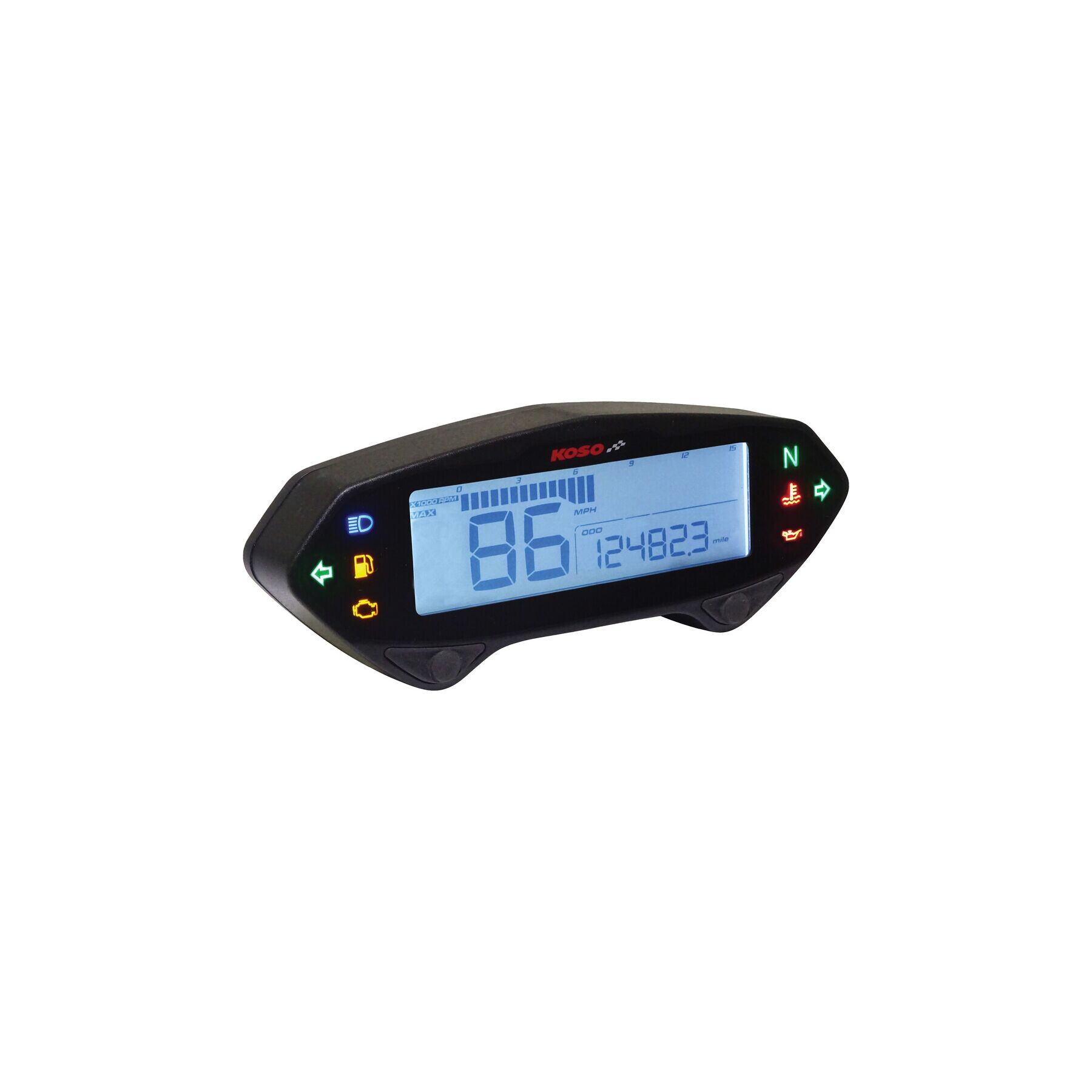
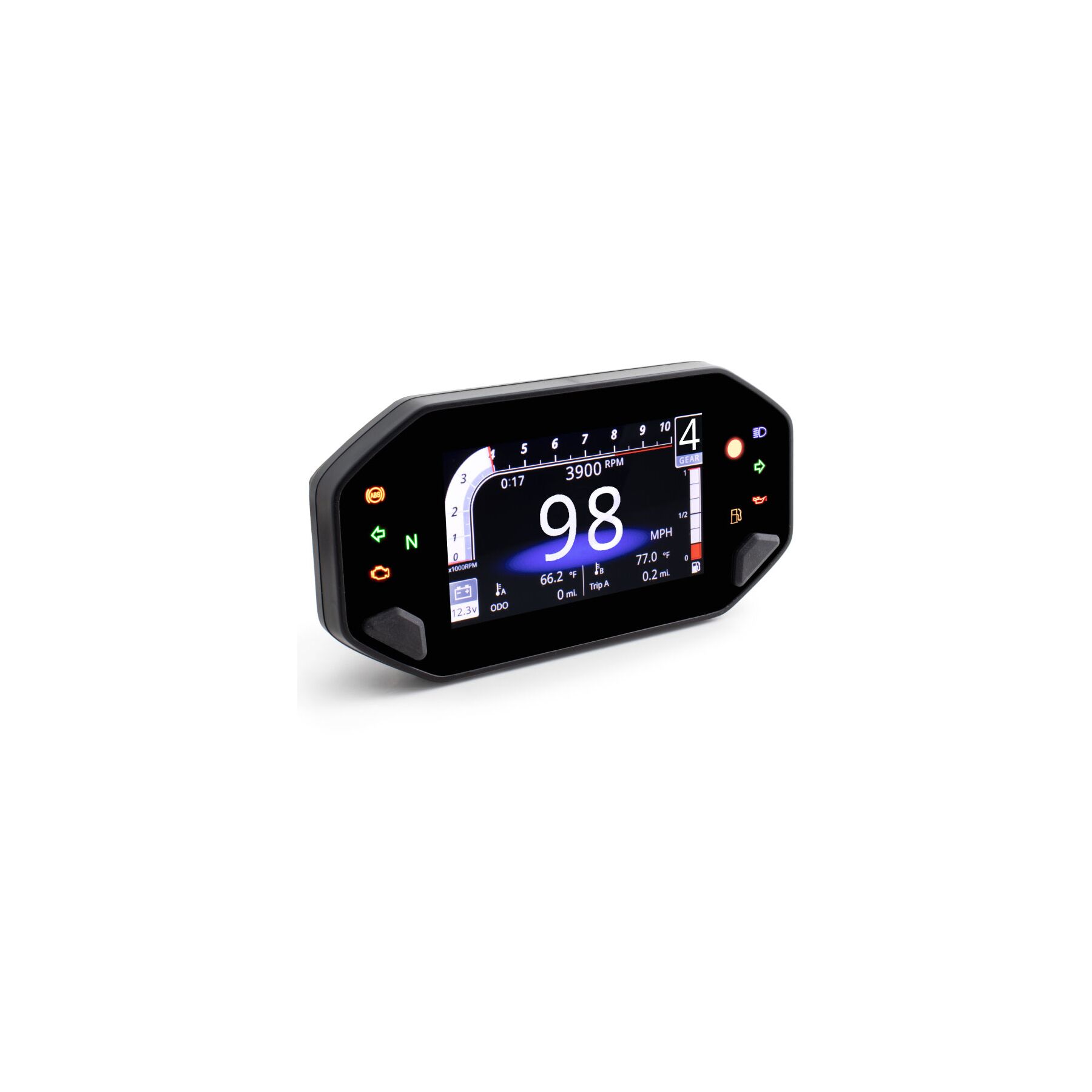
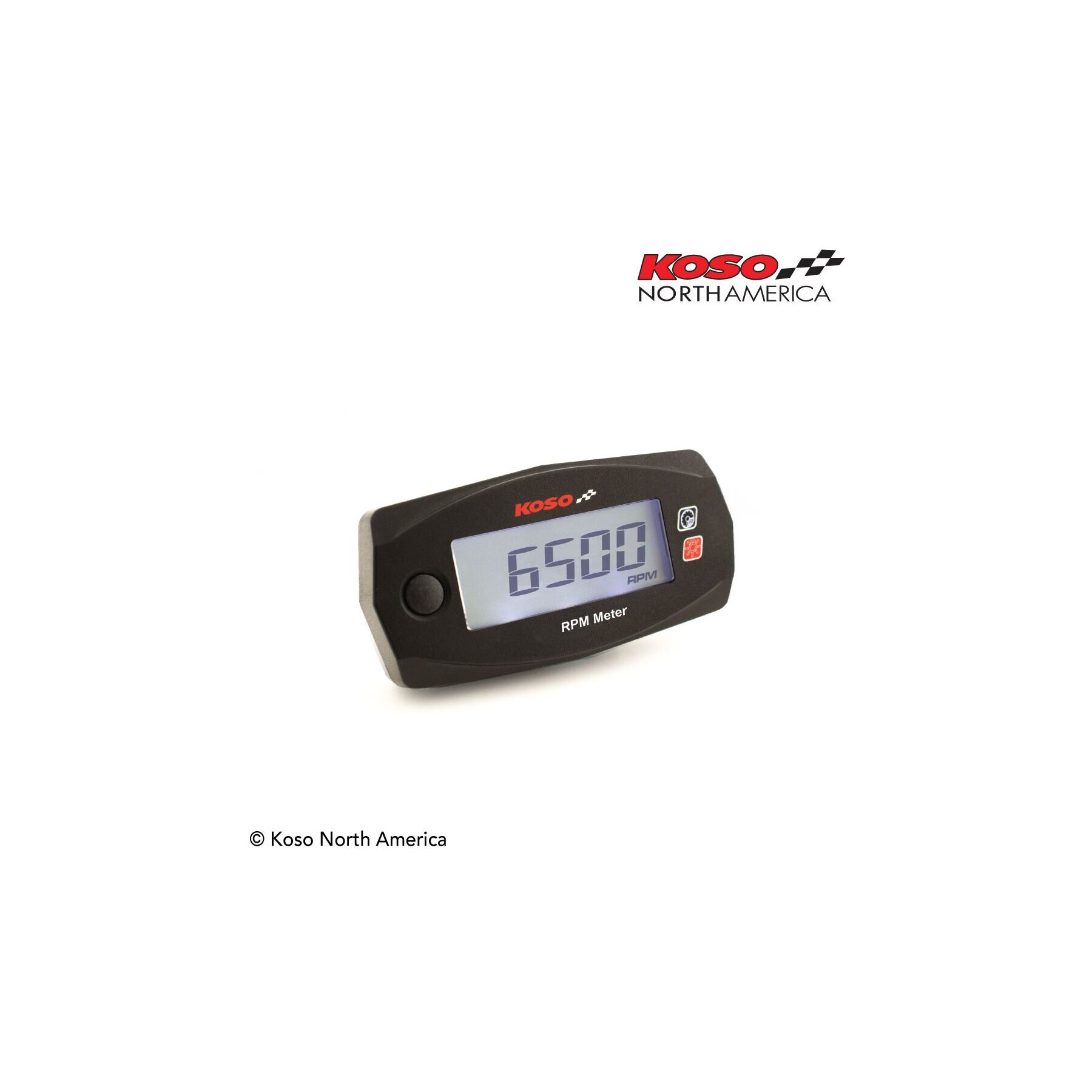
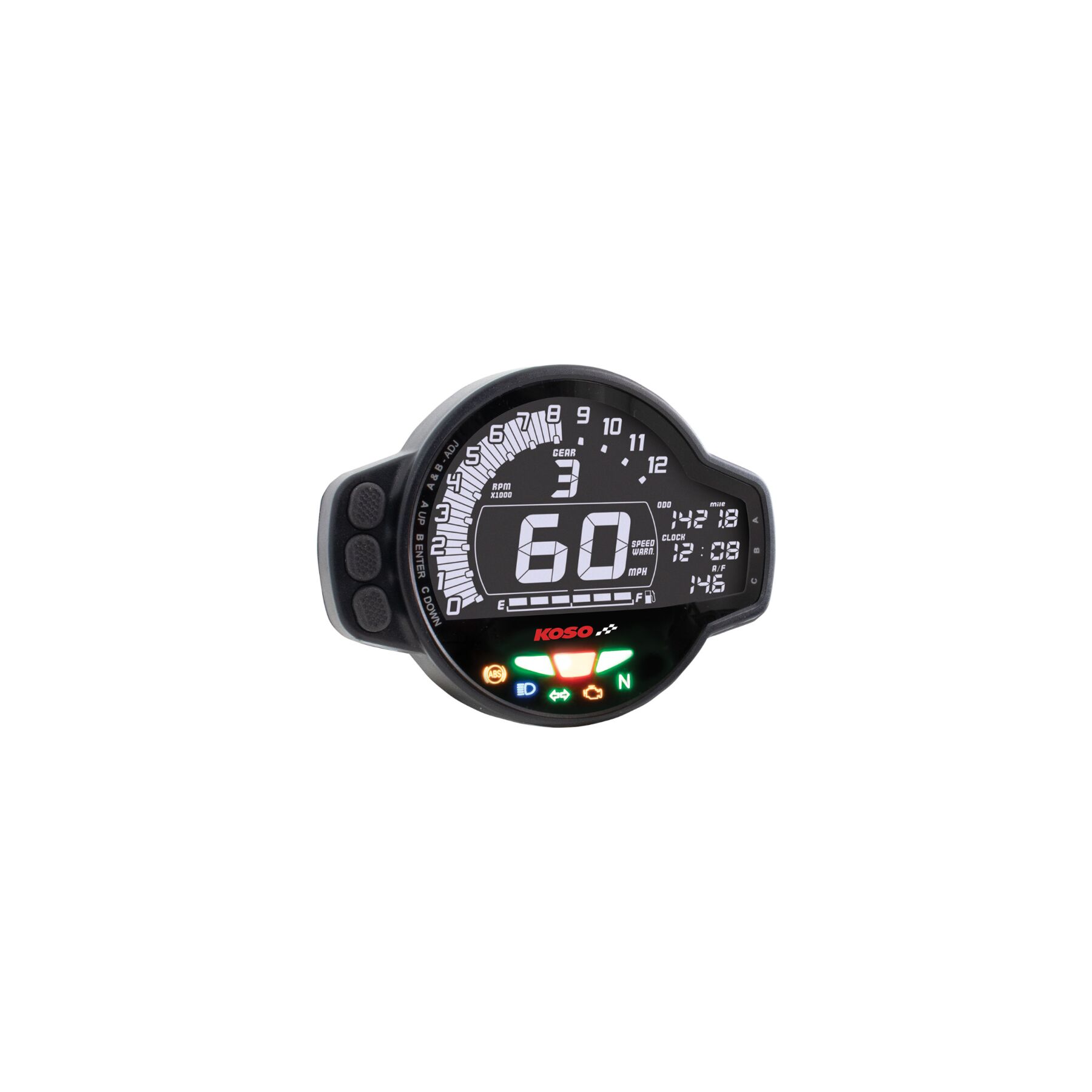
A motorcycle RPM gauge, also known as a tachometer, measures the engine's revolutions per minute (RPM). It provides real-time feedback on engine performance, helping riders understand how hard the engine is working. This information is crucial for optimizing gear shifts and ensuring the engine operates within its ideal RPM range.
Monitoring RPM is essential for maintaining optimal engine performance and efficiency. By keeping an eye on the RPM gauge, riders can make informed decisions about shifting gears, which can enhance acceleration and fuel efficiency. Additionally, it helps prevent engine over-revving, which can lead to mechanical issues.
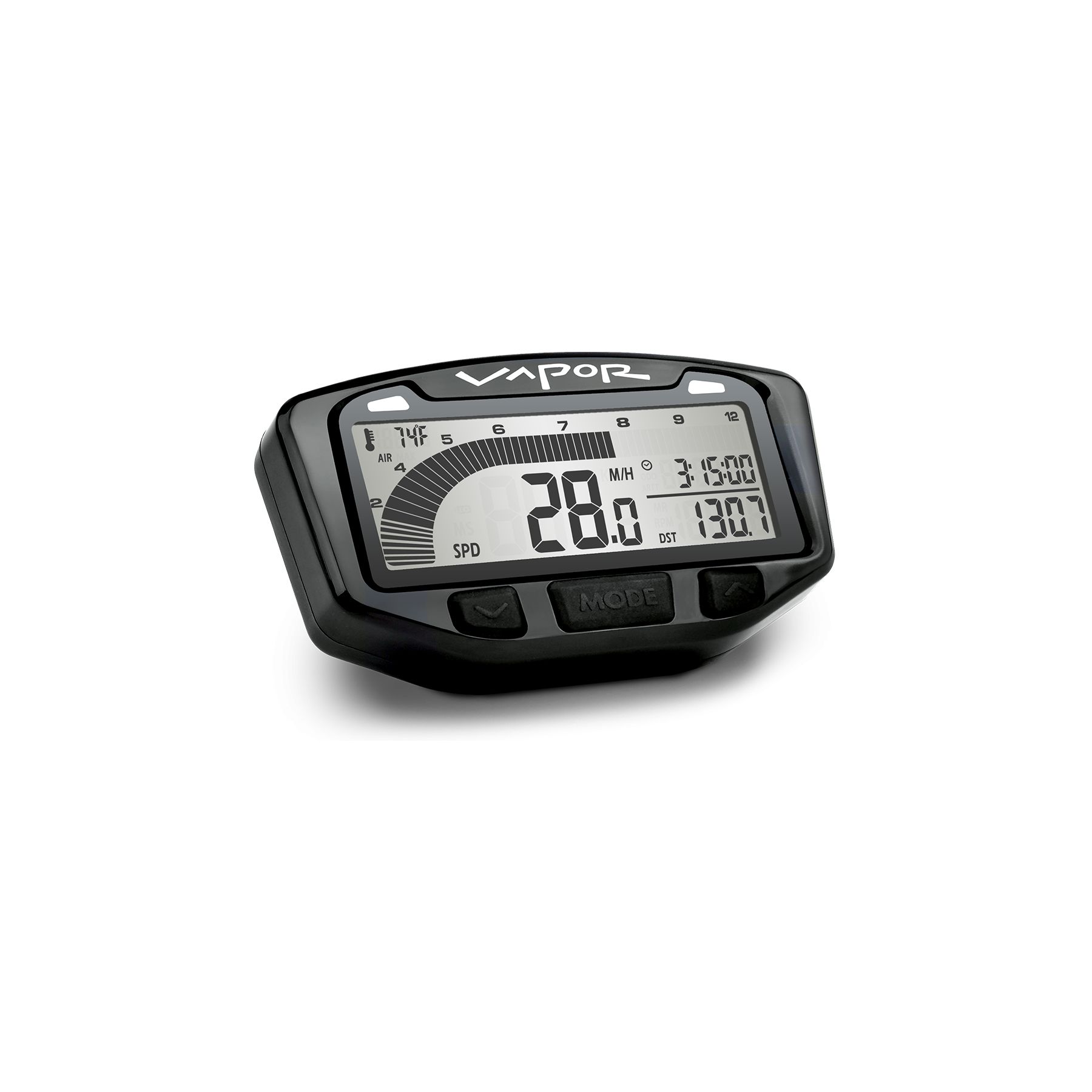
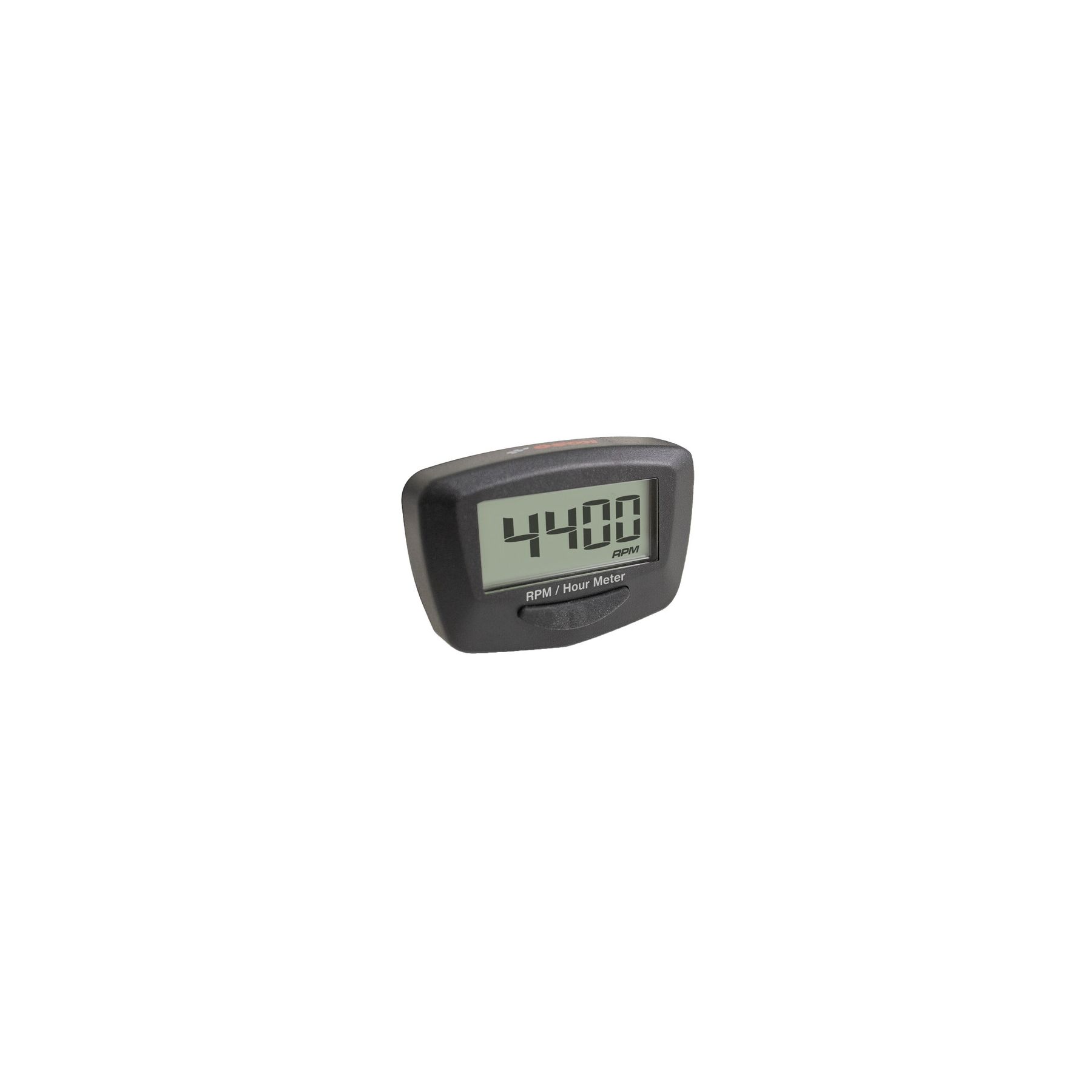
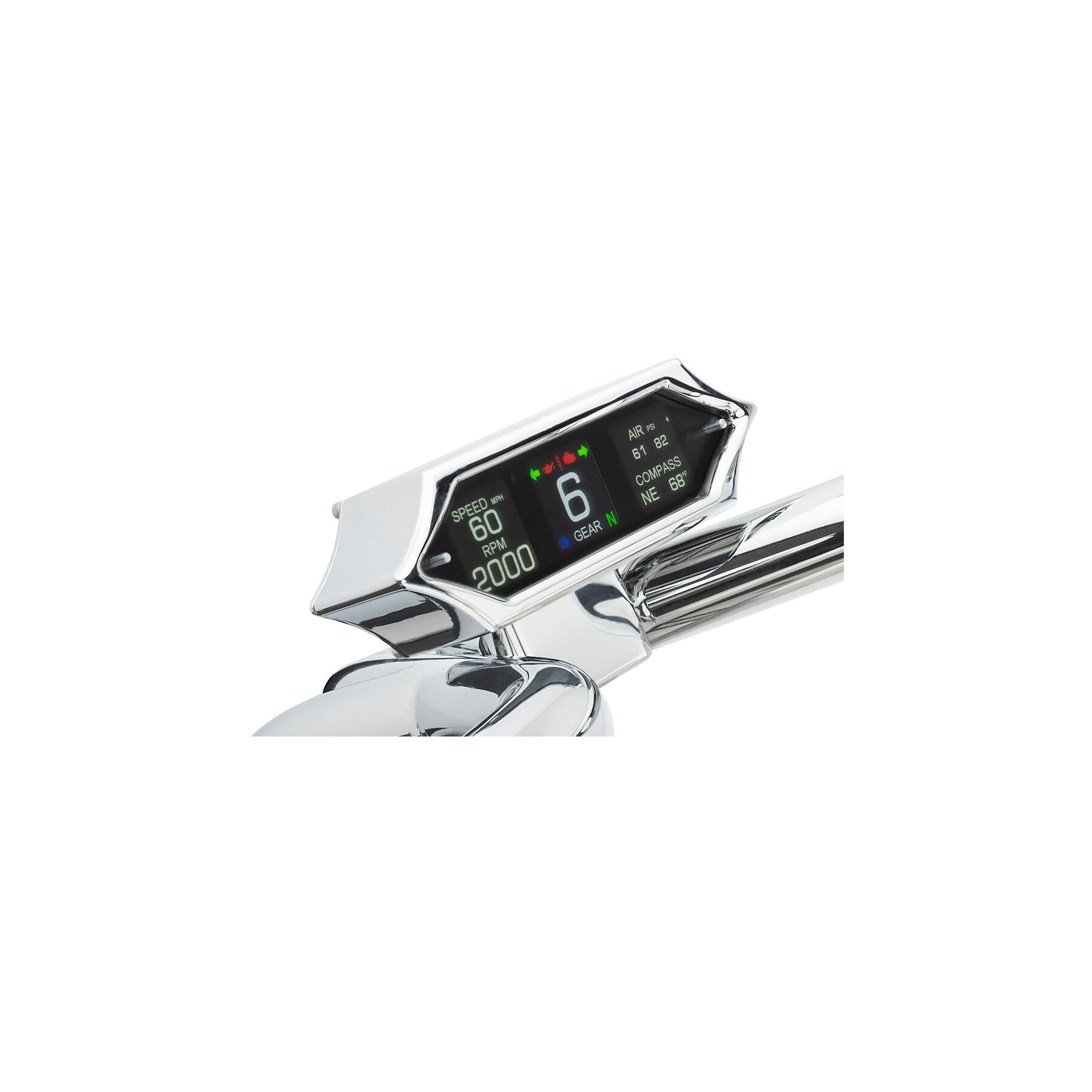
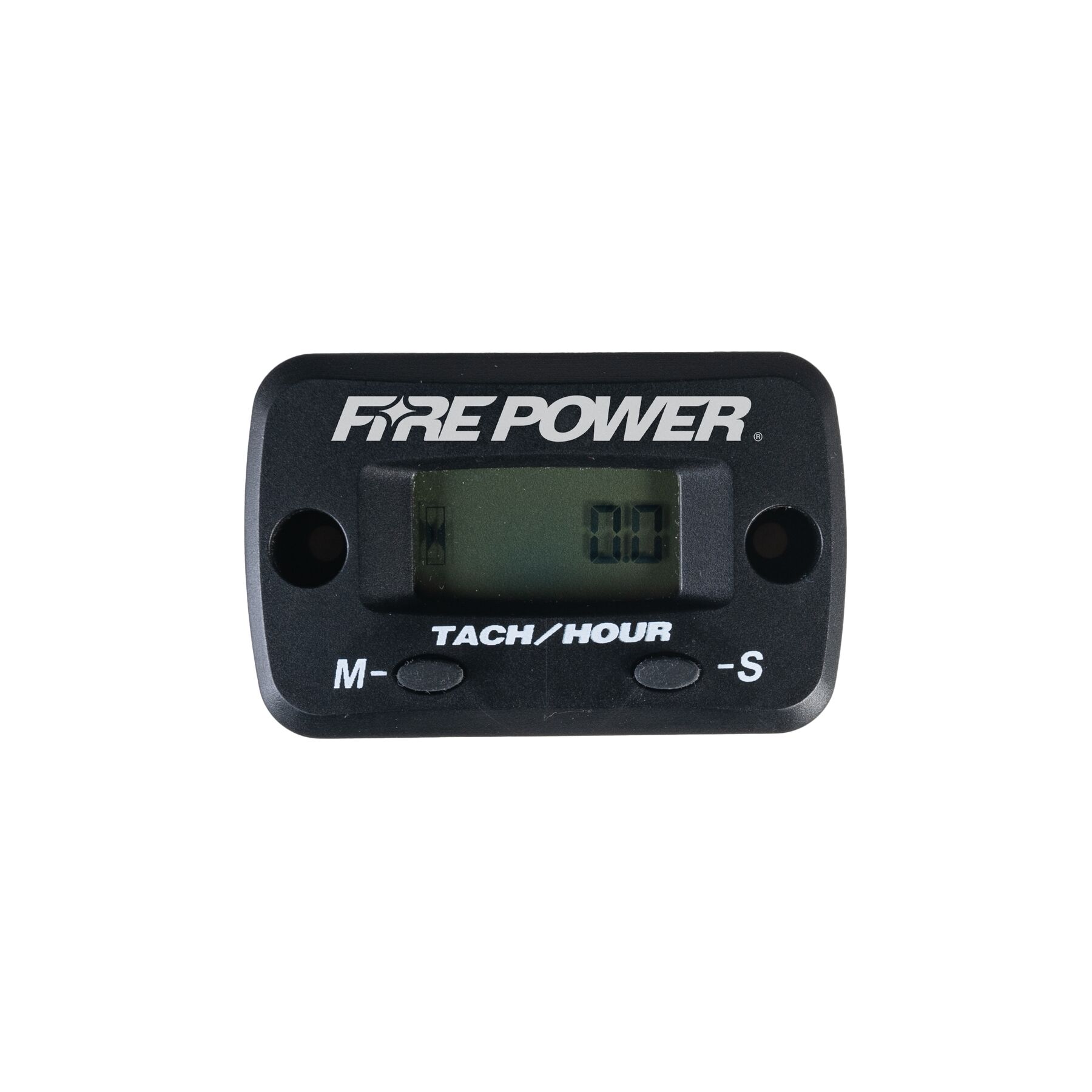
When choosing a motorcycle RPM gauge, consider features such as accuracy, display type, and ease of installation. Some gauges offer additional functionalities like hour meters, speedometers, or customizable settings. It's also important to check compatibility with your motorcycle's make and model.
Yes, RPM gauges can be used on various types of motorcycles, including cruisers, sport bikes, and touring models. However, it's crucial to select a gauge that is compatible with your specific motorcycle's engine type and electrical system to ensure accurate readings.
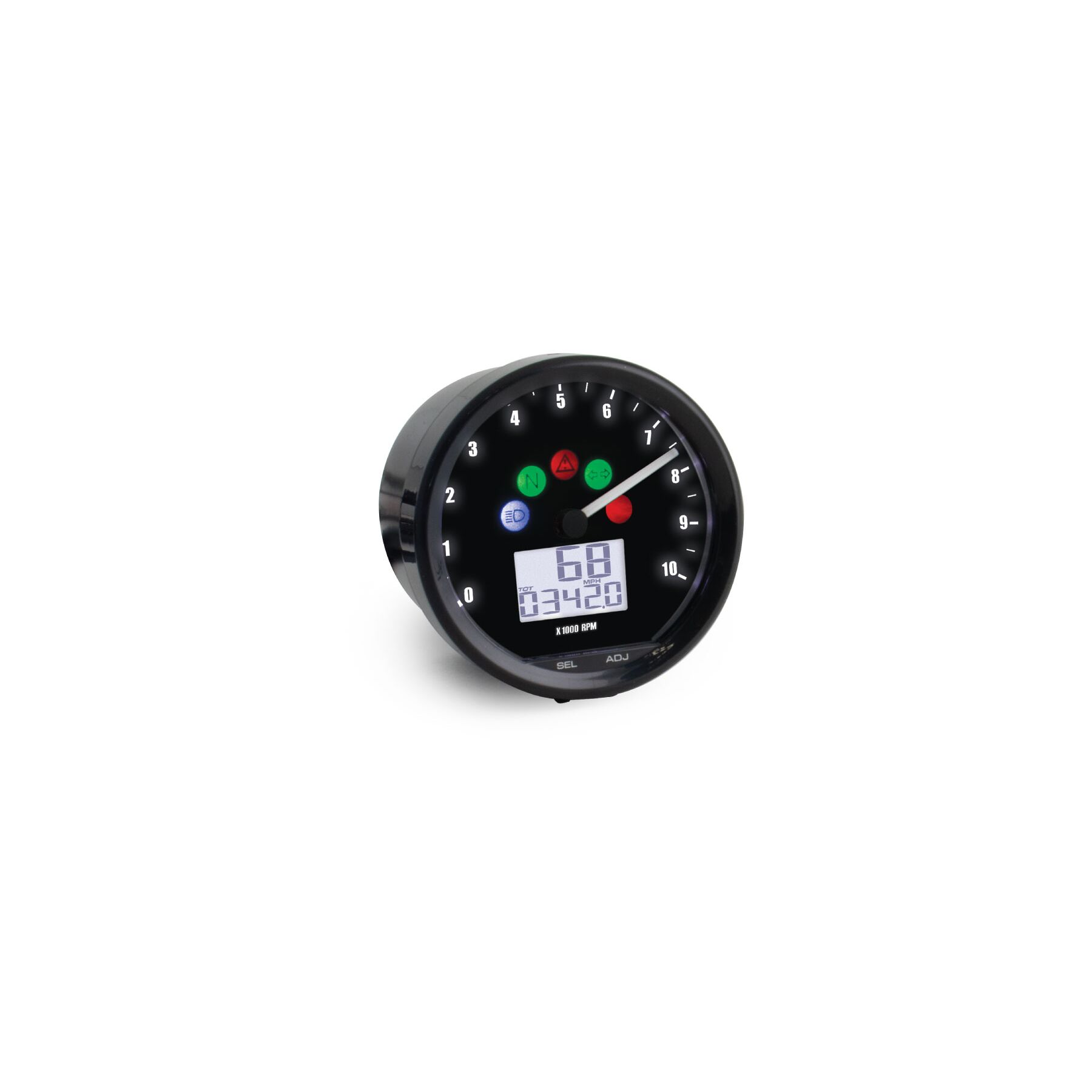
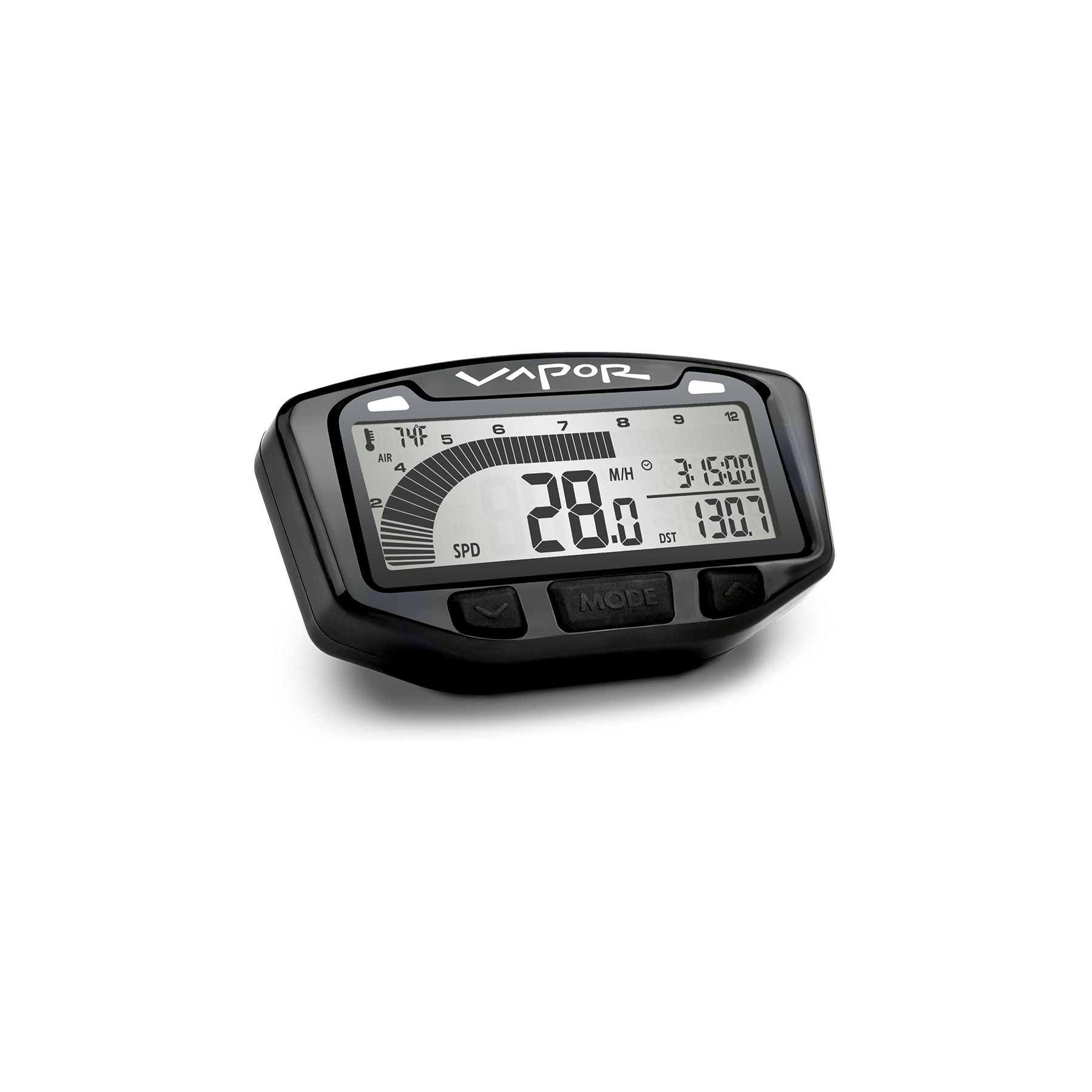
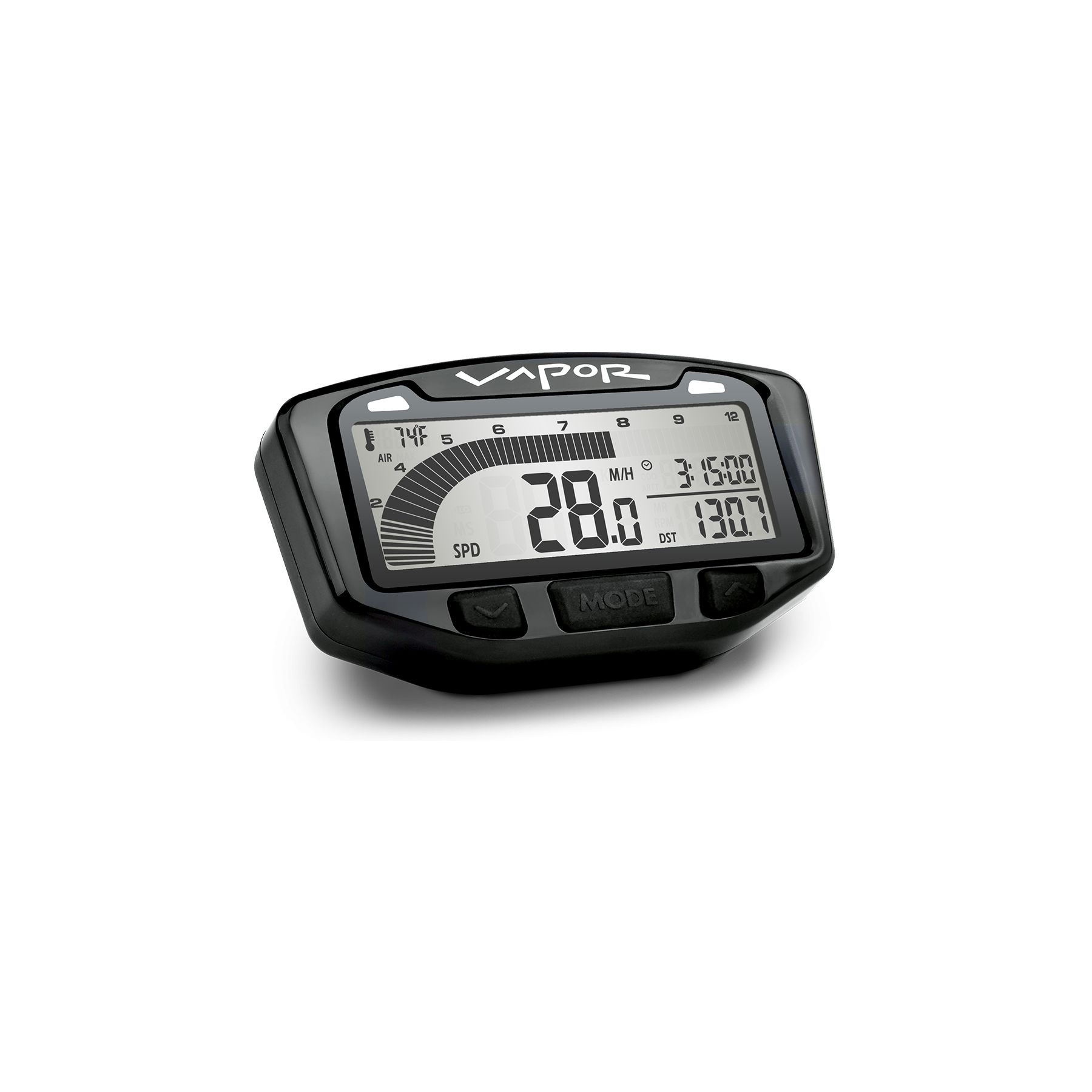
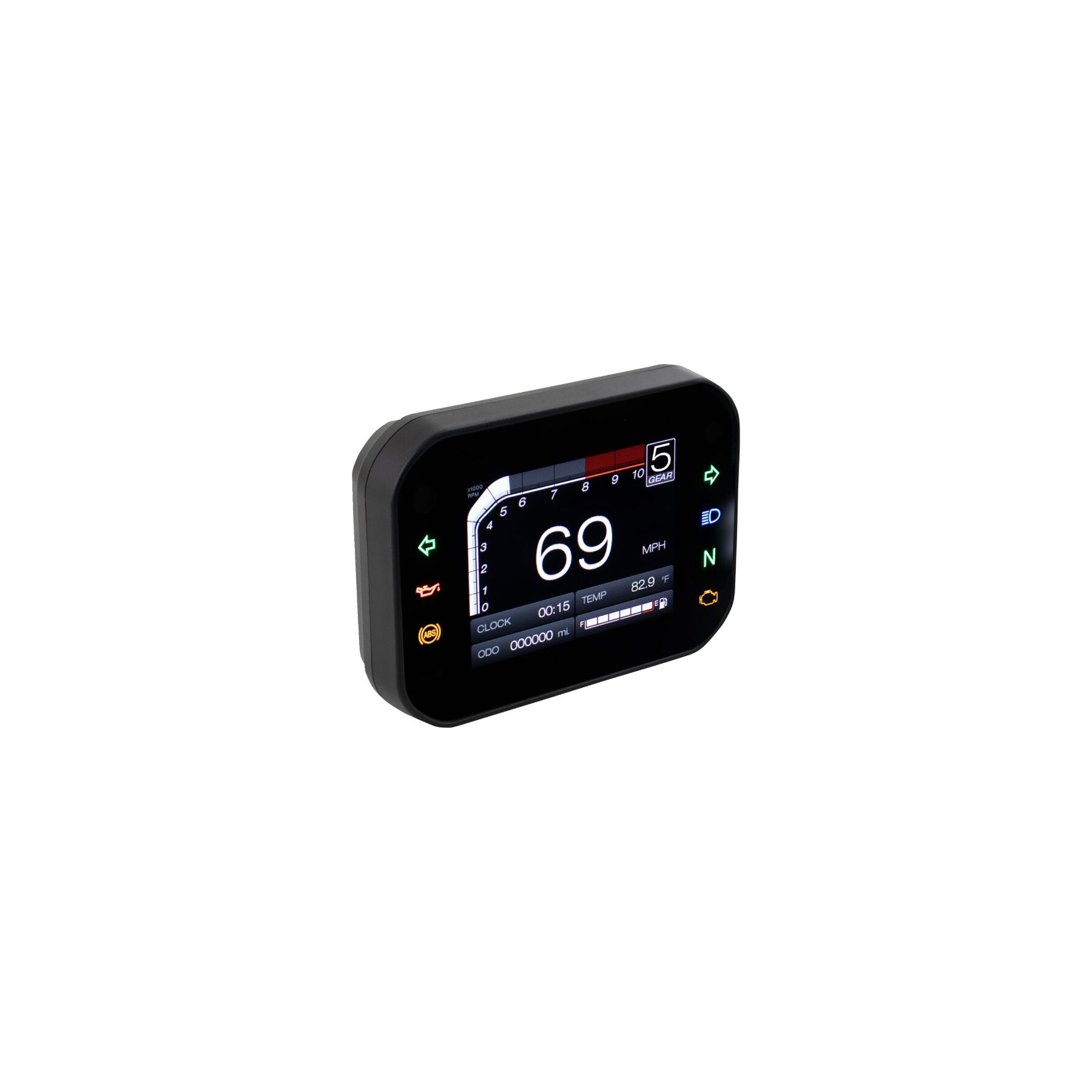
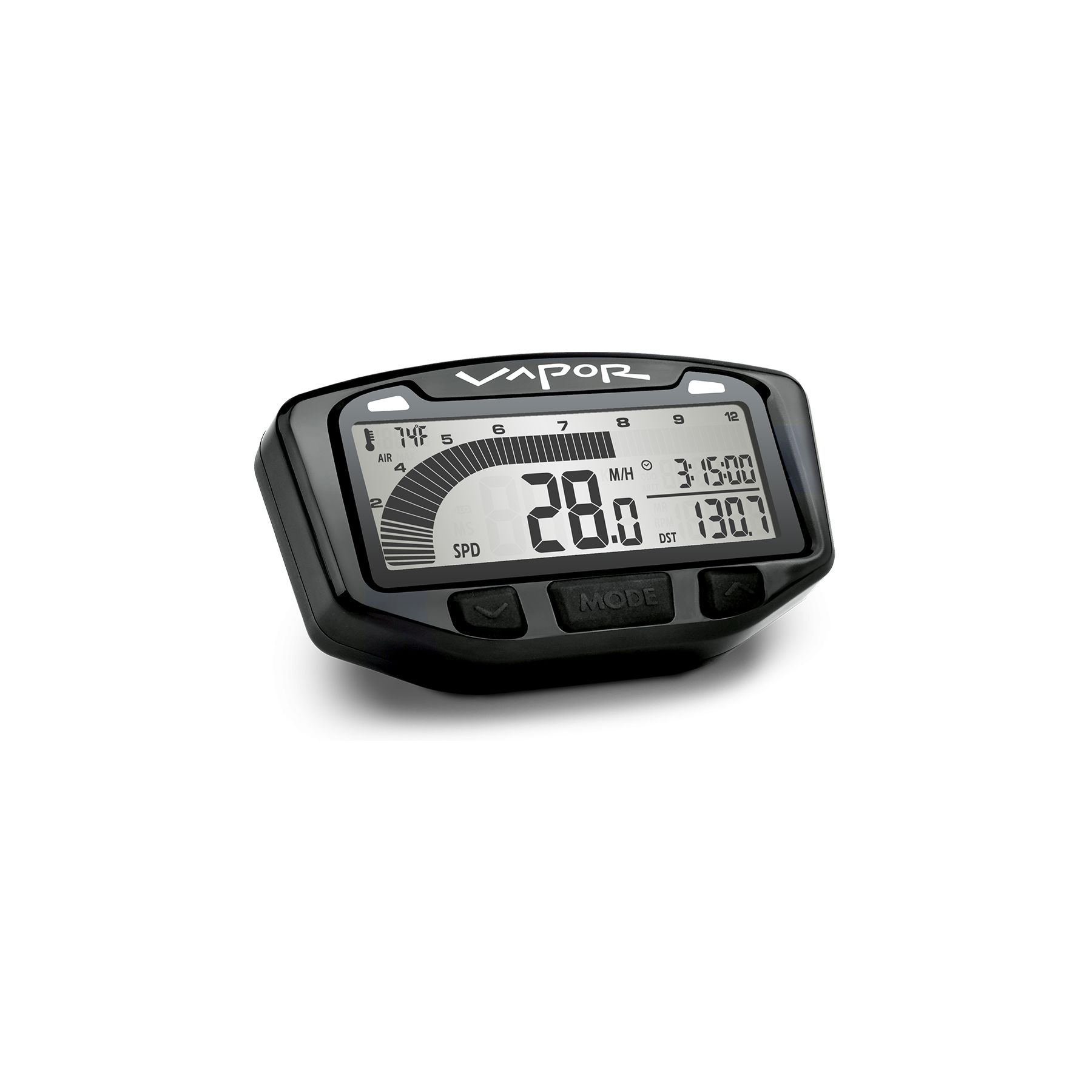
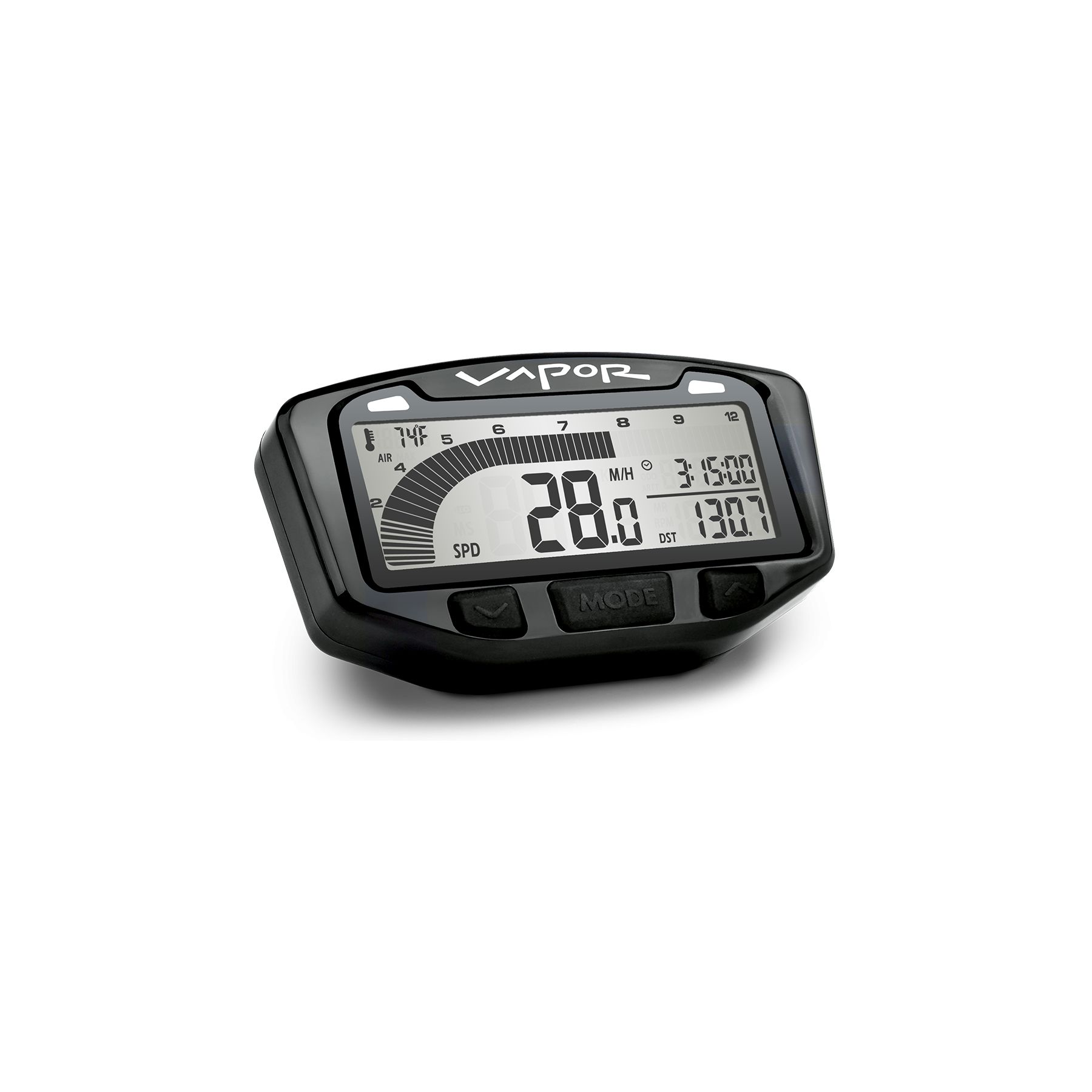
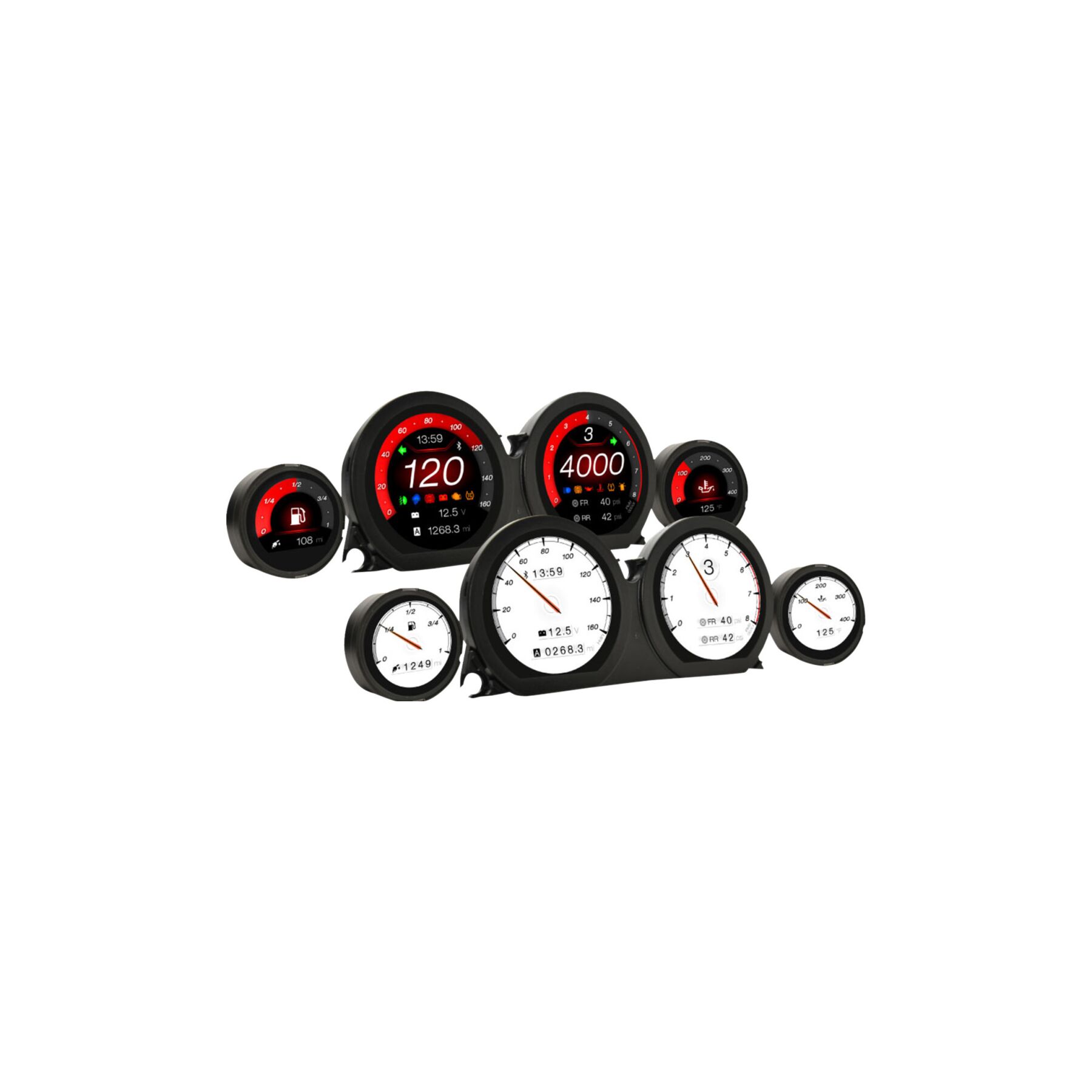
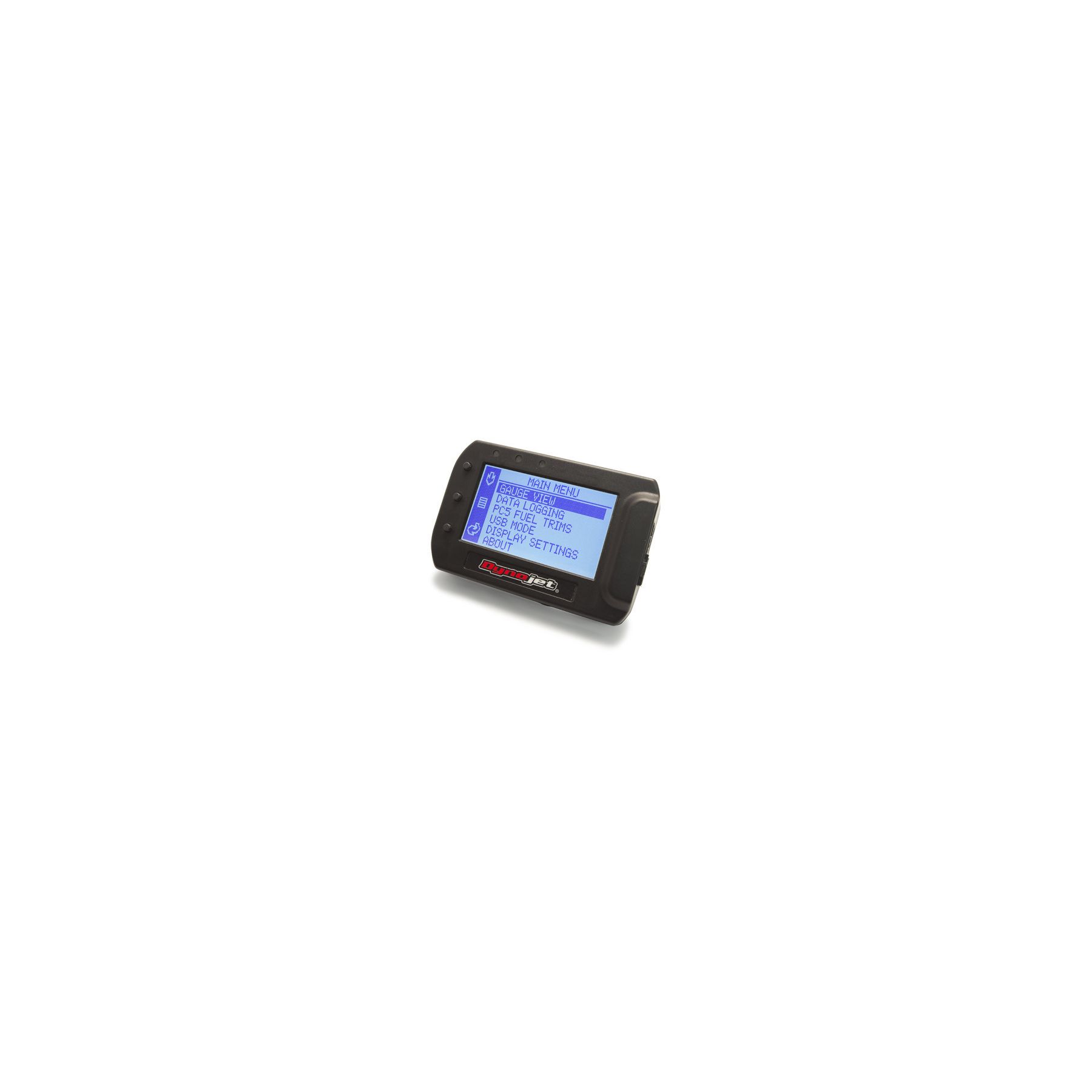
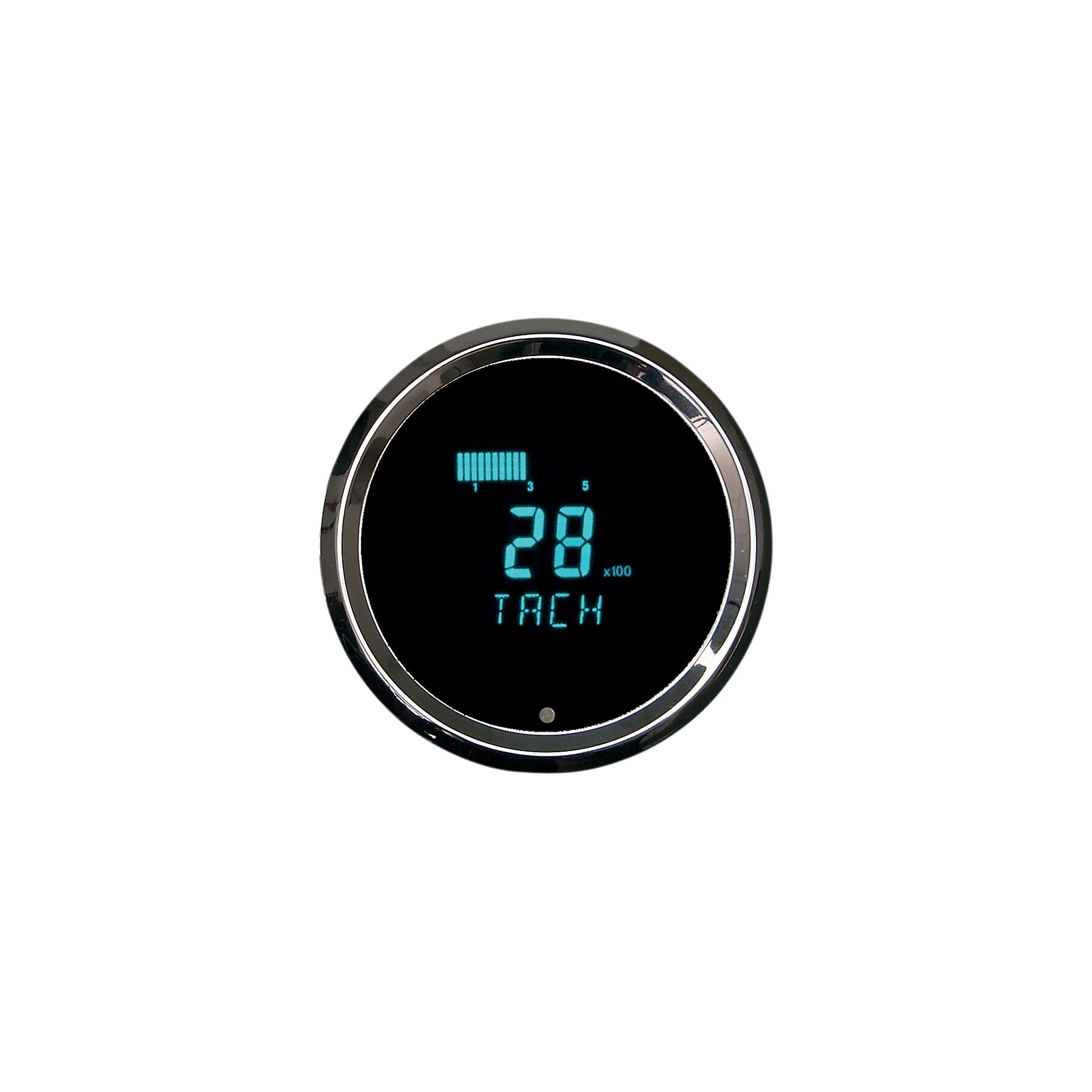
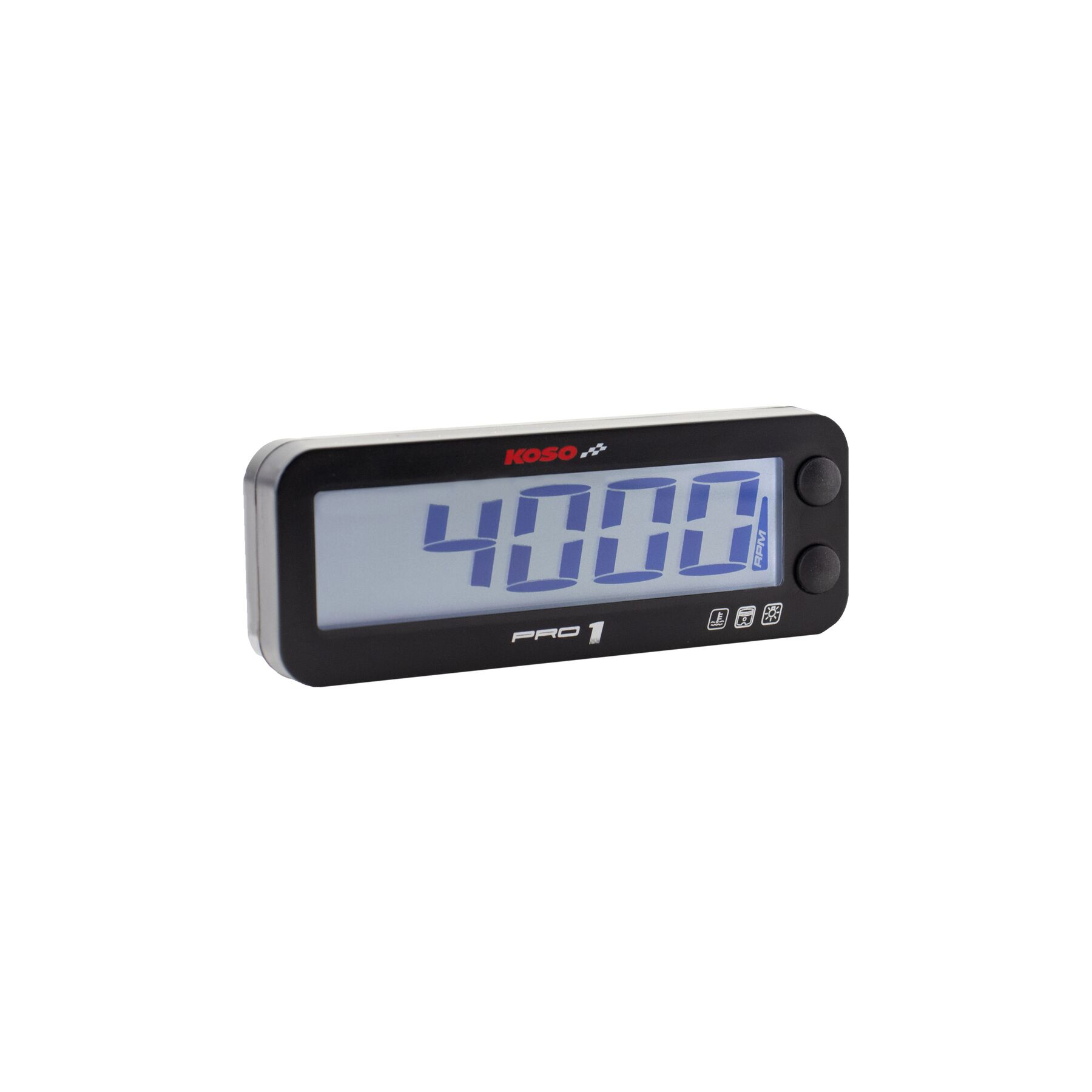
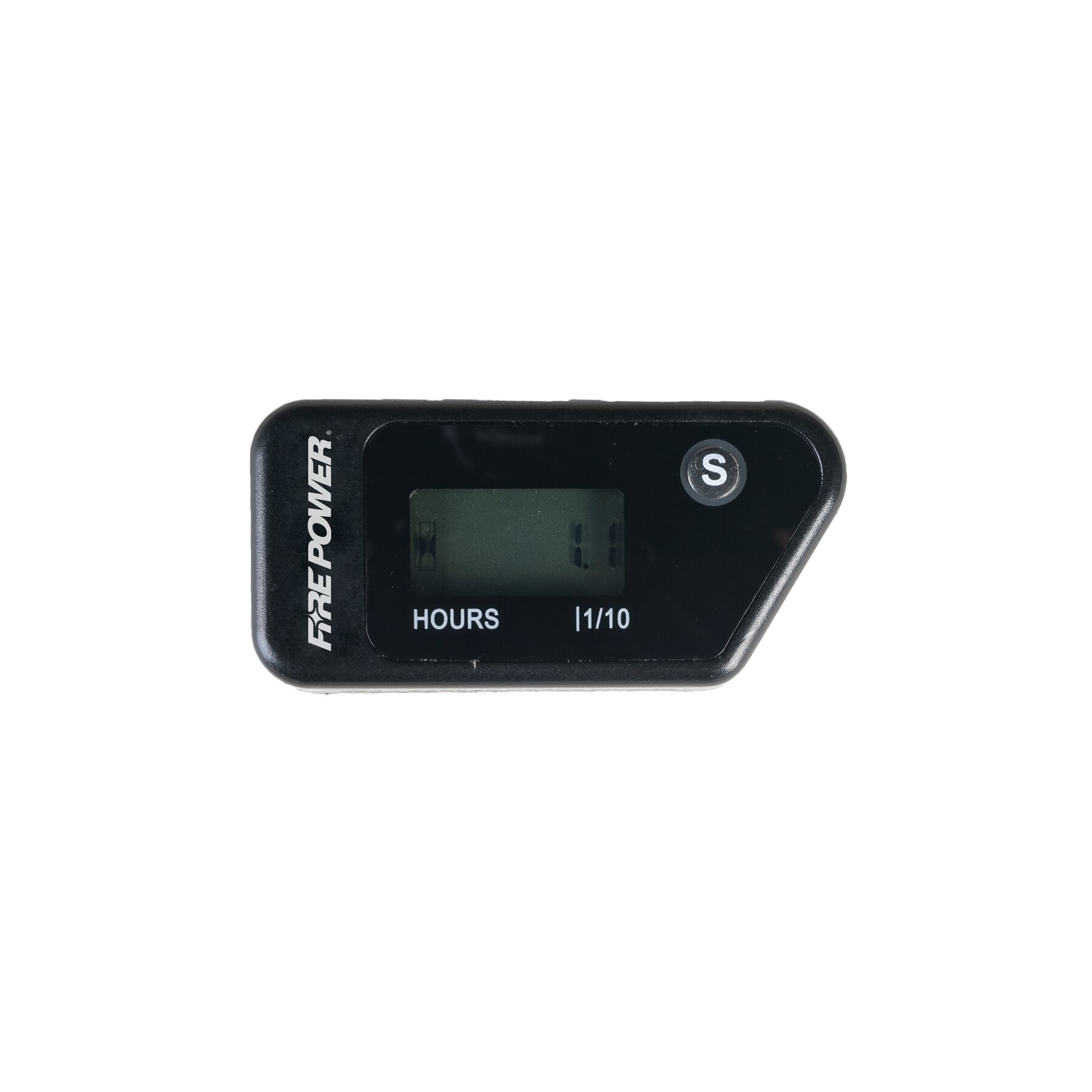
Yes, there are several types of RPM gauges, including analog and digital models. Analog gauges typically feature a needle that moves along a dial, while digital gauges provide a numerical readout. Some models may also include additional features like backlighting or customizable settings for enhanced visibility.
Installing a motorcycle RPM gauge typically involves connecting it to the engine's ignition system or wiring harness. Most gauges come with detailed installation instructions, and some may require basic tools. If you're unsure about the installation process, consulting a professional mechanic is recommended.
Most motorcycle RPM gauges are designed to withstand various weather conditions, including rain and humidity. However, it's important to check the specifications of the gauge for any weather resistance ratings. Proper installation and sealing can also help protect the gauge from environmental elements.
Having an RPM gauge on your motorcycle can enhance your riding experience by providing critical information about engine performance. It allows for better gear shifting, which can improve acceleration and fuel efficiency. Additionally, it helps riders monitor engine health and avoid potential damage from over-revving.
Similar Categories
Motorcycle RPM Gauge
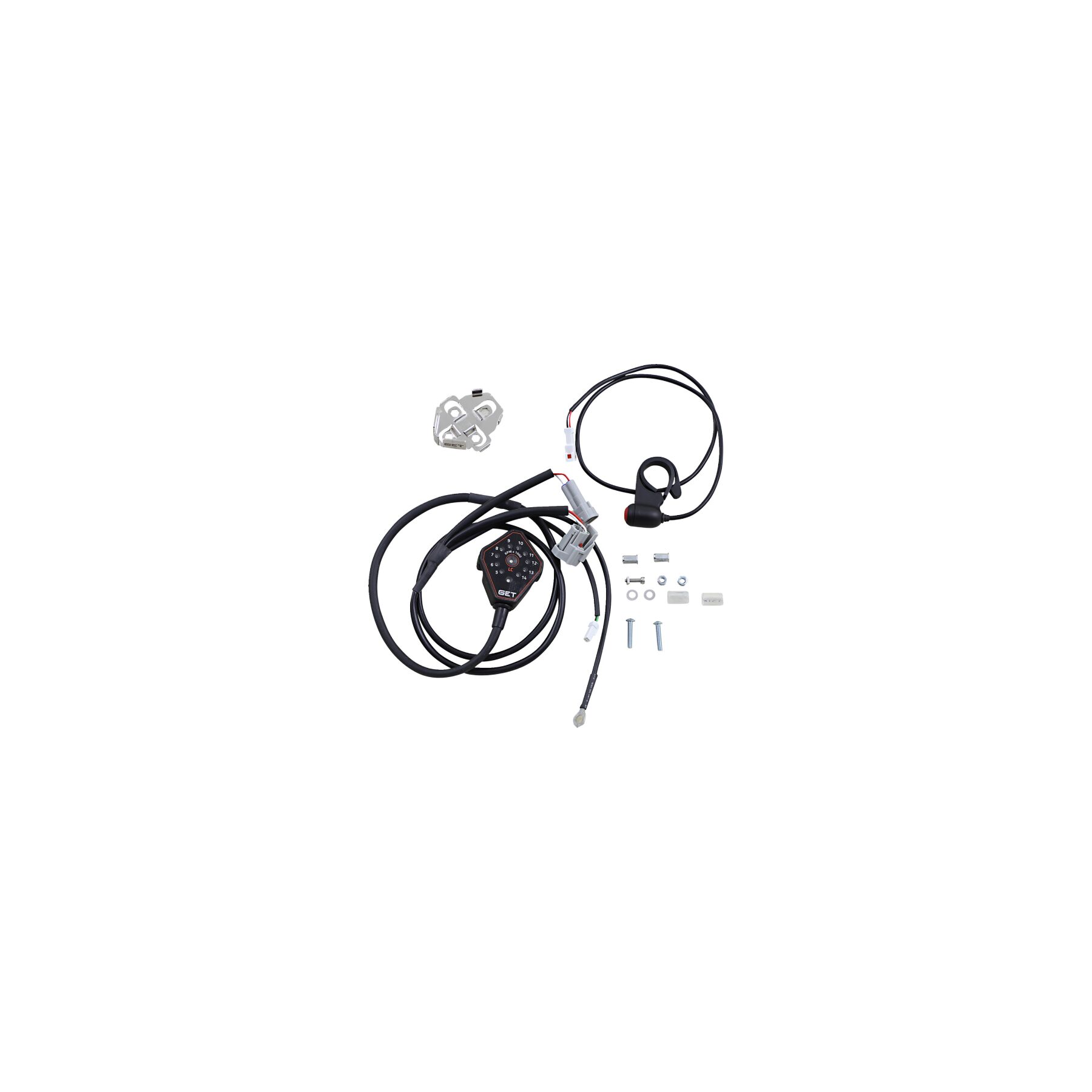
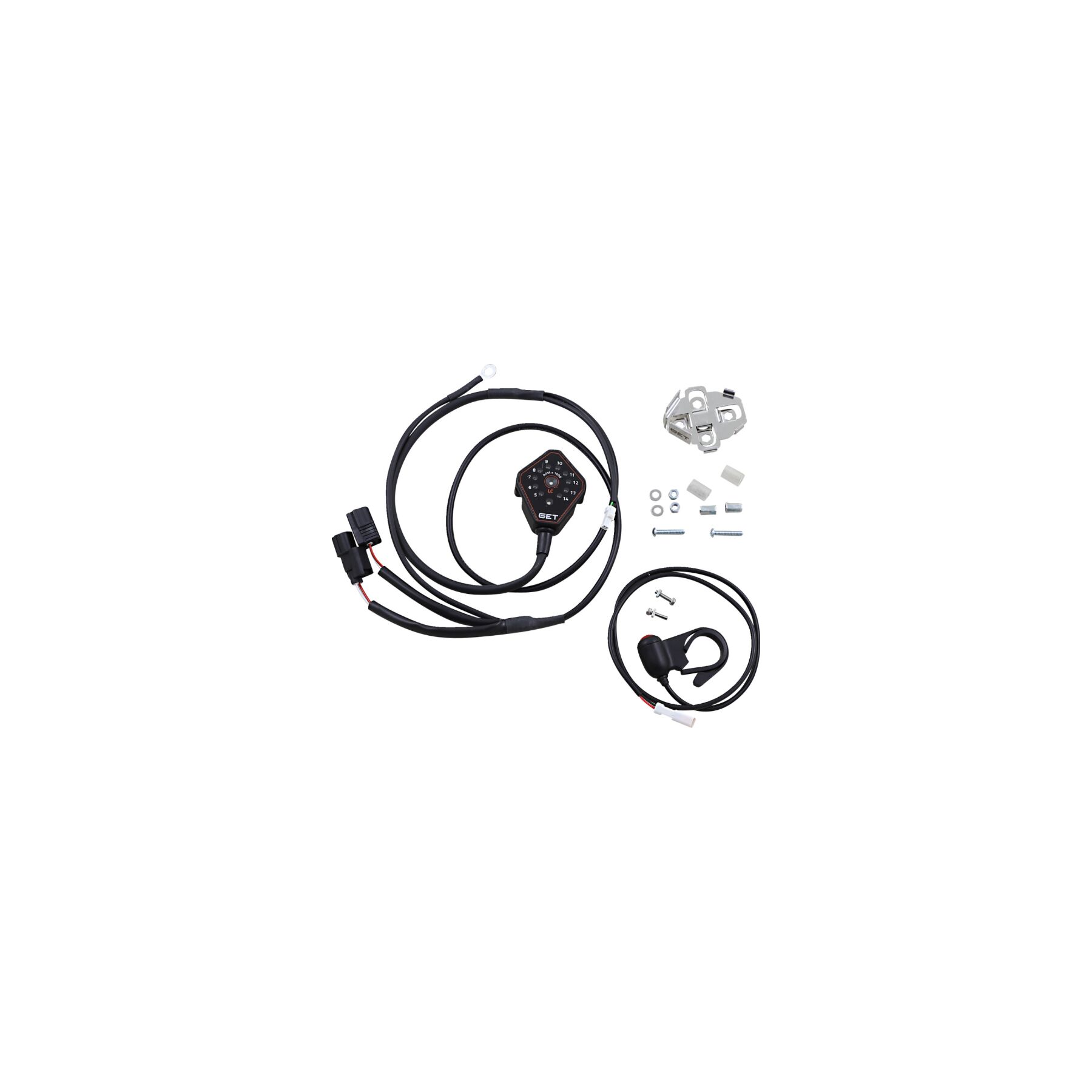
Enhance your riding experience with a reliable motorcycle RPM gauge, designed to provide accurate readings of your engine's revolutions per minute. These gauges are essential for monitoring engine performance, helping you shift gears at the optimal time for improved efficiency and power. With clear displays and easy-to-read dials, you can keep your focus on the road while staying informed about your bike's performance.
Our selection of motorcycle RPM gauges features durable construction and various mounting options to suit different bike models. Many gauges come with additional features such as shift lights and programmable settings, allowing you to customize your riding experience. Whether you're a casual rider or a performance enthusiast, a quality RPM gauge is an indispensable tool for maximizing your motorcycle's potential.