Search Suggestions
Menu
Results for in

Jumper Cables

4Products
Filter 0 Sort By
You may also like
Jumper Cables

On this page...

  • What are jumper cables used for?
  • How do you choose the right jumper cables?
  • Are there different types of jumper cables?
  • Can jumper cables be used in all weather conditions?
  • What safety precautions should be taken when using jumper cables?
  • How long should jumper cables be?
  • What should you look for in quality jumper cables?
  • Can jumper cables be used for vehicles with different battery voltages?

Frequently Asked Questions For Jumper Cables

Jumper cables are primarily used to connect a dead battery to a charged battery in order to jump-start a vehicle. They provide a temporary electrical connection that allows the dead battery to receive a boost of power, enabling the vehicle to start. This is particularly useful in situations where a battery has been drained due to leaving lights on or other electrical issues.

When selecting jumper cables, consider the gauge of the wire, as lower gauge numbers indicate thicker cables that can handle more current. Look for cables that are at least 16-gauge for regular vehicles, but 8-gauge or lower is recommended for larger engines or frequent use. Additionally, check the length of the cables; longer cables provide more flexibility in positioning vehicles during a jump.

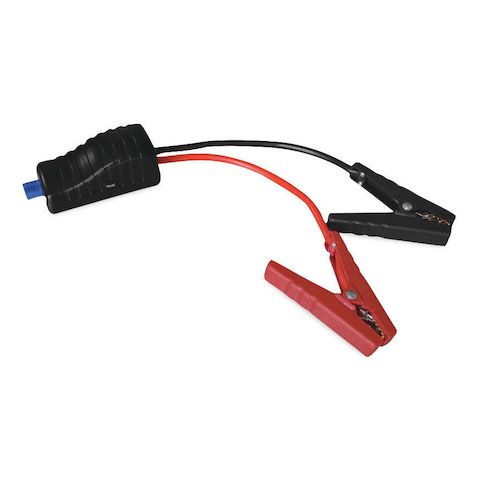
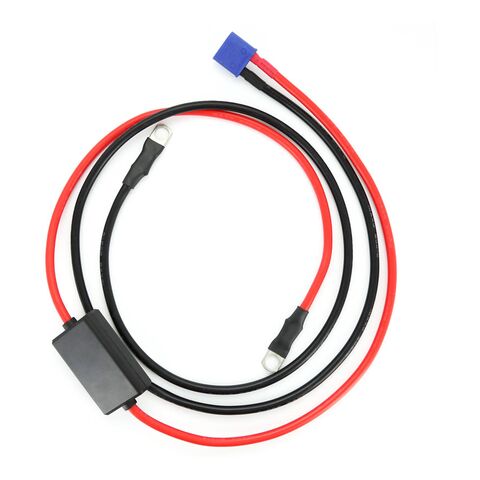
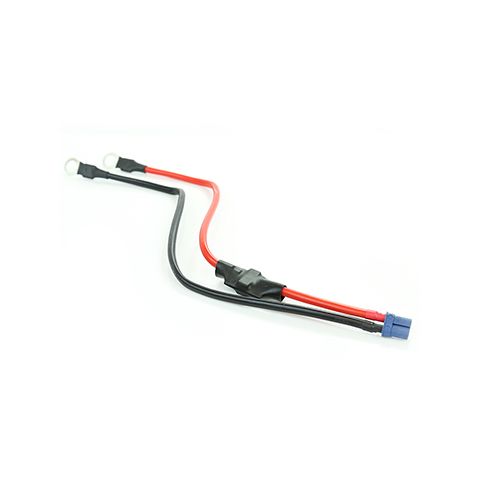
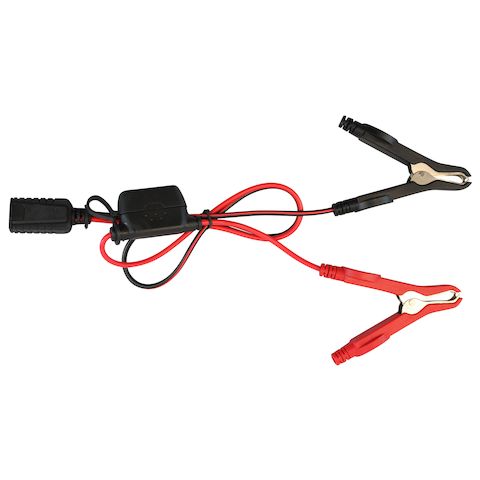
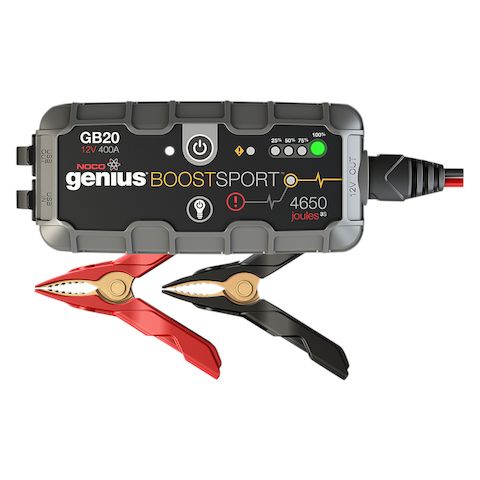
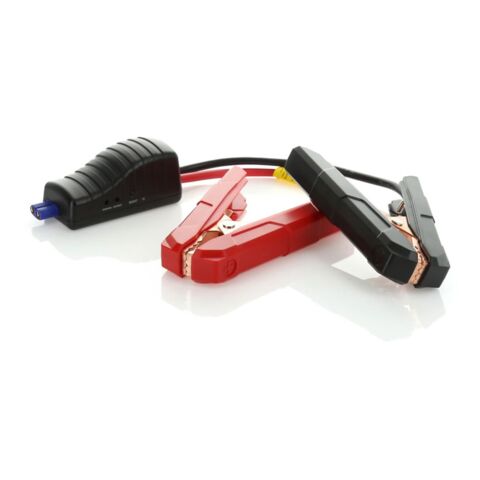
Yes, there are various types of jumper cables, including standard copper cables and those with additional features like built-in clamps or protective coatings. Some cables are designed for specific applications, such as heavy-duty use or compatibility with portable jump starters. It's important to choose a type that suits your vehicle and usage needs.

Jumper cables can generally be used in various weather conditions, but extreme temperatures can affect performance. Cold weather can reduce battery efficiency, making jump-starting more challenging, while wet conditions may pose safety risks. It's advisable to ensure that both vehicles are in a safe and stable environment when using jumper cables.

When using jumper cables, always ensure that the vehicles are turned off before connecting the cables. Follow the correct order of connection—positive to positive and negative to a grounded metal surface on the dead vehicle. Additionally, avoid touching the clamps together and ensure that the cables are in good condition to prevent any electrical hazards.

The ideal length for jumper cables is typically between 12 to 20 feet. Longer cables provide more flexibility in positioning vehicles, especially if they are parked far apart. However, excessively long cables can lead to voltage drop, so it's important to find a balance that suits your needs.

Quality jumper cables should have a thick gauge wire for better conductivity and a durable insulation material to prevent wear and tear. Look for cables with strong, secure clamps that can grip the battery terminals firmly. Additionally, features like color-coded cables can help prevent mistakes during connection.

Jumper cables are typically designed for 12-volt systems, which are standard in most cars and light trucks. Using them on vehicles with different battery voltages, such as 6-volt systems or hybrid/electric vehicles, may not be safe or effective. Always check the vehicle specifications before attempting to jump-start.

Jumper Cables

Jumper cables are essential tools for any vehicle owner, providing a reliable solution for jump-starting dead batteries. Our selection features heavy-duty cables designed to deliver maximum power and conductivity, ensuring a quick and efficient start when you need it most. With color-coded clamps for easy identification and durable insulation to withstand harsh conditions, these jumper cables are built for safety and convenience.

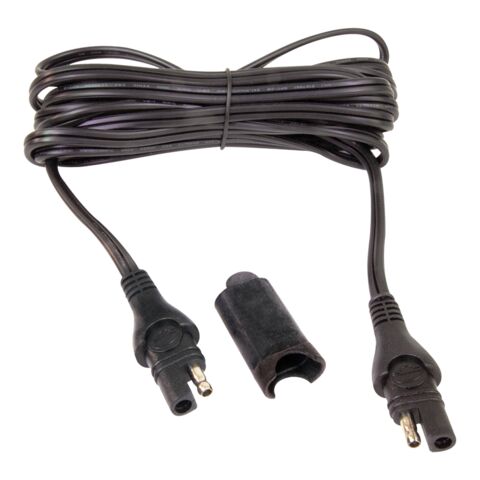
Available in various lengths, our jumper cables offer flexibility for different vehicle sizes and configurations. Lightweight yet robust, they are easy to store in your trunk or glove compartment, making them a must-have for emergencies. Invest in quality jumper cables to ensure you're always prepared for unexpected battery failures on the road.