


 Riders Preferred Membership
 Shop by Vehicle
 Track Order
 Contact Us
Hub For Mtb



On this page...
- What is a hub for MTB and why is it important?
- What should you look for when choosing a hub for MTB?
- Are there different types of hubs for MTB?
- Can a hub for MTB be used in different weather conditions?
- What role does a hub play in the overall performance of a mountain bike?
- How does the weight of a hub impact mountain biking?
- What materials are commonly used in MTB hubs?
- What maintenance is required for MTB hubs?
Frequently Asked Questions For Hub For Mtb
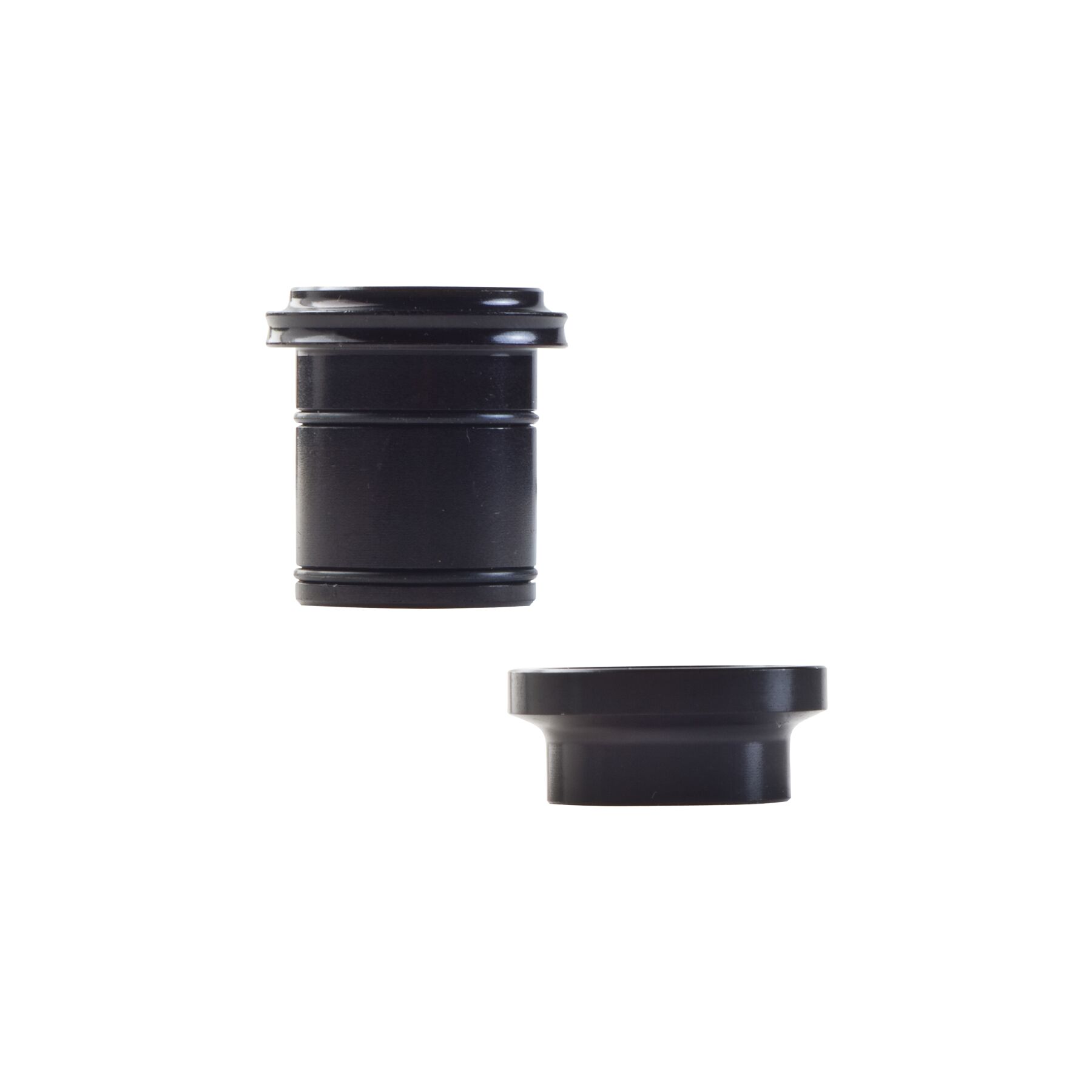
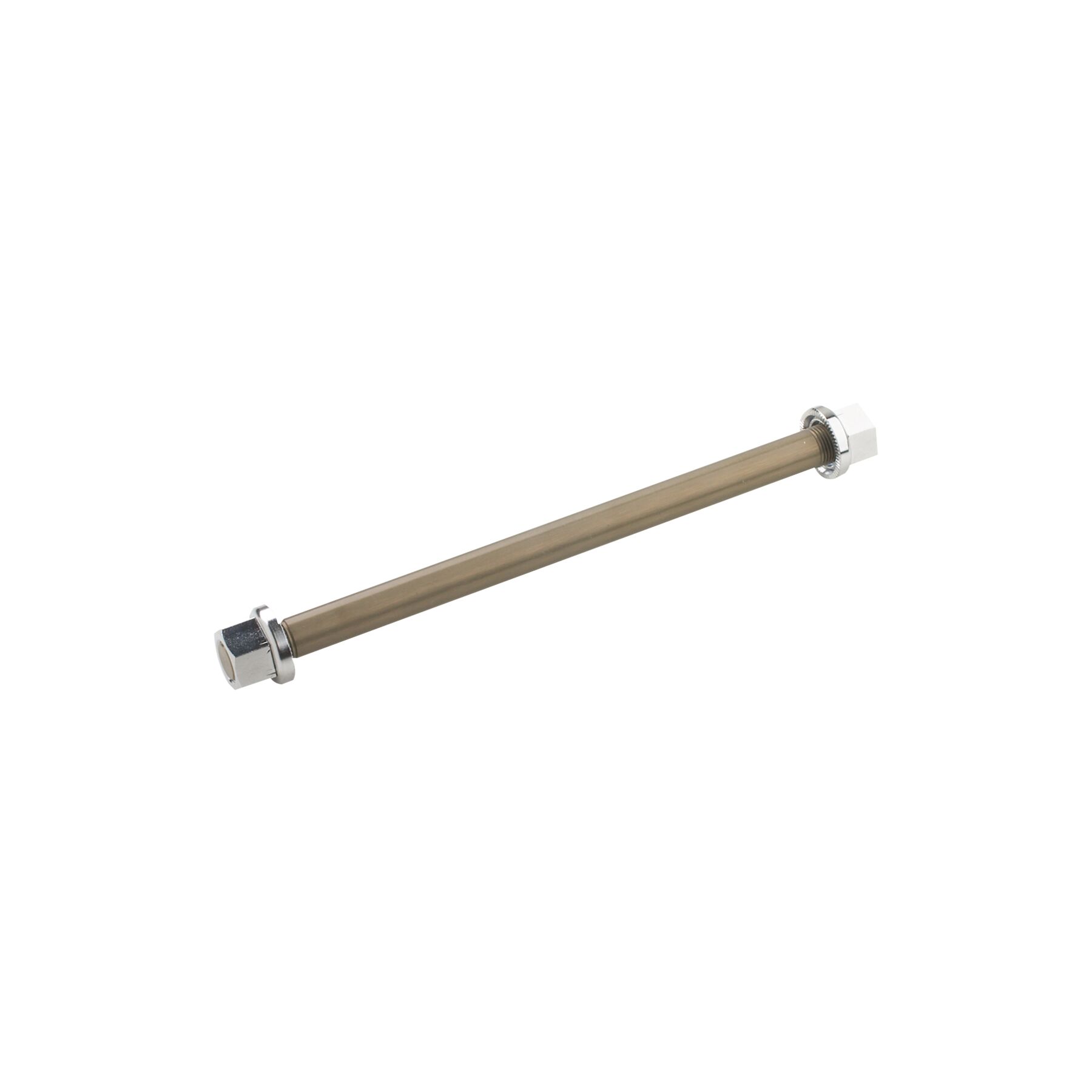
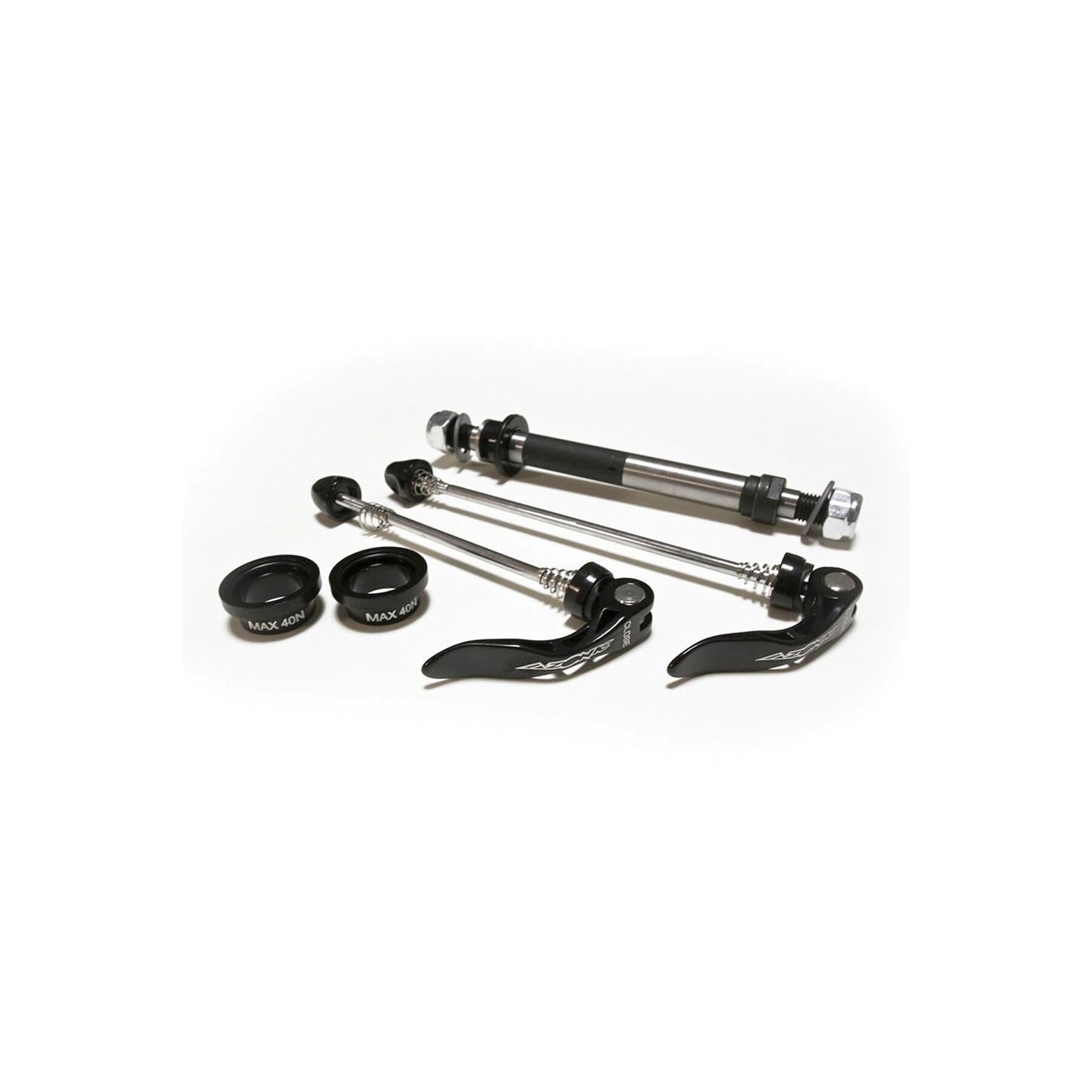
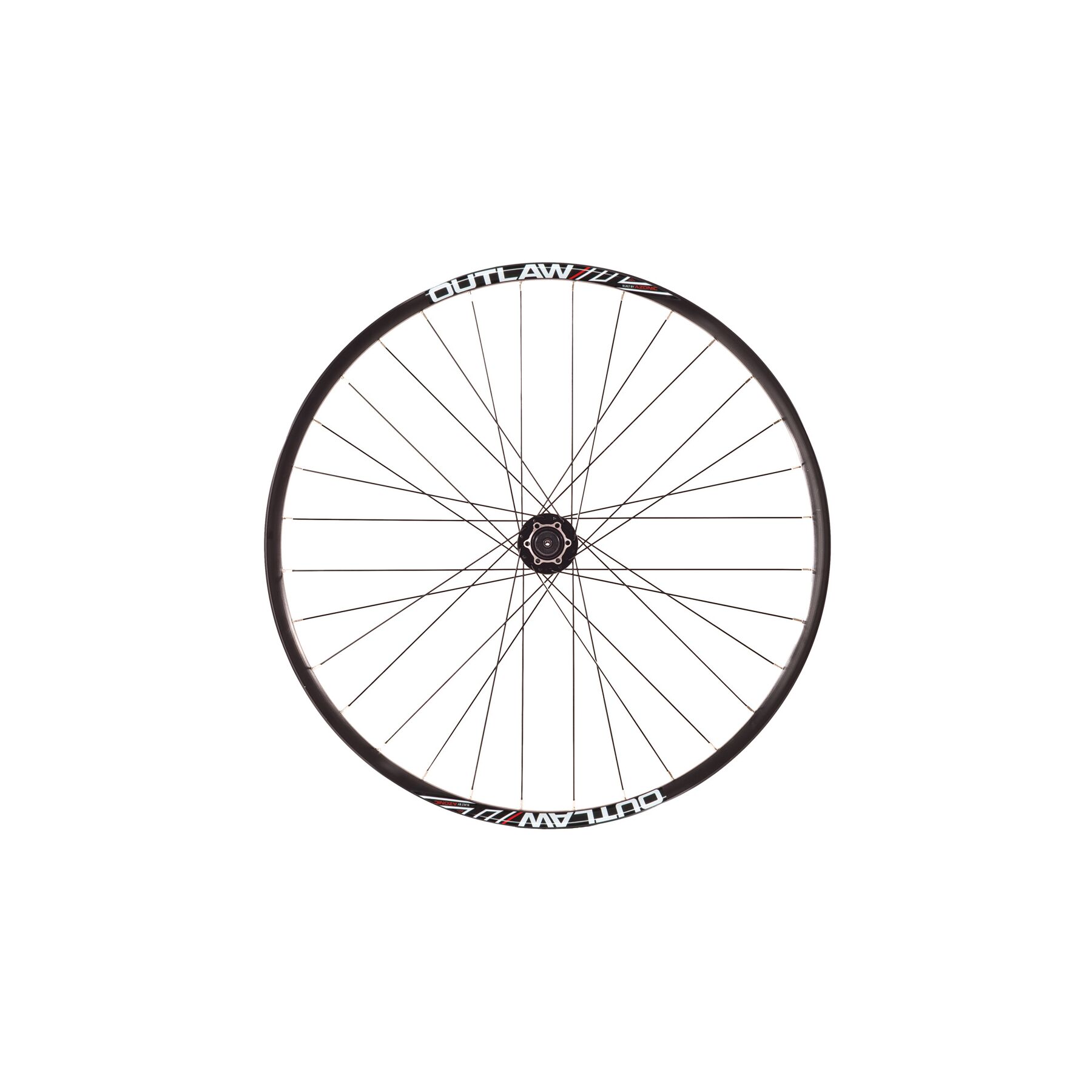
A hub for MTB is a crucial component of a mountain bike's wheel, serving as the central part where spokes connect and rotate. It houses the axle and allows the wheel to spin freely, which is essential for smooth riding. The quality and type of hub can significantly affect performance, durability, and the overall riding experience, especially in rugged terrains.
When selecting a hub for MTB, consider factors such as the hub's material, weight, and bearing type. Look for hubs made from durable materials like aluminum or steel for strength and longevity. Additionally, check the compatibility with your bike's axle size and the type of riding you plan to do, whether it's cross-country, downhill, or all-mountain.
Yes, there are various types of hubs for MTB, including front hubs, rear hubs, and boost hubs. Each type serves a specific purpose and is designed to accommodate different riding styles and wheel sizes. Additionally, some hubs come with features like adjustable engagement points or built-in freehub bodies for enhanced performance.
Most MTB hubs are designed to withstand various weather conditions, but their performance can vary based on materials and seals. For wet or muddy conditions, look for hubs with sealed bearings to prevent dirt and moisture from entering. In contrast, lighter hubs may be more suitable for dry, less abrasive environments.
The hub plays a vital role in the overall performance of a mountain bike by affecting wheel rotation, stability, and responsiveness. A high-quality hub can improve acceleration and handling, making it easier to navigate technical trails. Additionally, the hub's design can influence the bike's weight distribution and balance.
The weight of a hub can significantly impact mountain biking, especially in terms of acceleration and climbing efficiency. Lighter hubs can help reduce the overall weight of the bike, making it easier to maneuver and climb steep trails. However, it's essential to balance weight with durability, as heavier hubs may offer more strength for aggressive riding.
Common materials used in MTB hubs include aluminum, steel, and carbon fiber. Aluminum is popular for its lightweight and strength, while steel is known for its durability and resistance to wear. Carbon fiber hubs are less common but can offer significant weight savings for competitive riders.
MTB hubs require regular maintenance to ensure optimal performance, including checking and adjusting the bearings and ensuring the hub is free of dirt and debris. It's also essential to periodically lubricate the bearings and inspect the hub for any signs of wear or damage. Proper maintenance can extend the life of the hub and enhance the riding experience.
Similar Categories
Hub for MTB
Explore our extensive selection of hubs for mountain bikes, designed to enhance your riding experience and improve overall performance. These hubs are engineered for durability and reliability, ensuring smooth engagement and efficient power transfer on rugged trails. With options available for various axle standards and configurations, you can find the perfect fit for your MTB setup.
Our MTB hubs feature lightweight materials and precision engineering, providing the strength needed to withstand the demands of off-road riding. Whether you're tackling steep climbs or navigating technical descents, these hubs deliver exceptional responsiveness and stability. Upgrade your mountain bike with our high-performance hubs and enjoy a more efficient and enjoyable ride.