Search Suggestions
Menu
Results for in

Hour Meter For Dirt Bike

27Products
Filter 0 Sort By
Hour Meter For Dirt Bike
On this page...

  • What is a dirt-bike hour meter and why should I use one?
  • How does a dirt-bike hour meter work?
  • When is the right time to install an hour meter on my dirt bike?
  • What should I look for when choosing an hour meter for a dirt bike?
  • Is installing an hour meter on a dirt bike difficult?
  • Will an hour meter affect my bike’s performance or warranty?
  • How does tracking hours differ from tracking miles on a dirt bike?
  • How should I maintain or monitor an hour meter on my dirt bike?
  • Can I use the same hour meter if I switch bikes in the future?
  • Is an hour meter a good investment for a recreational dirt-bike rider?

Frequently Asked Questions For Hour Meter For Dirt Bike
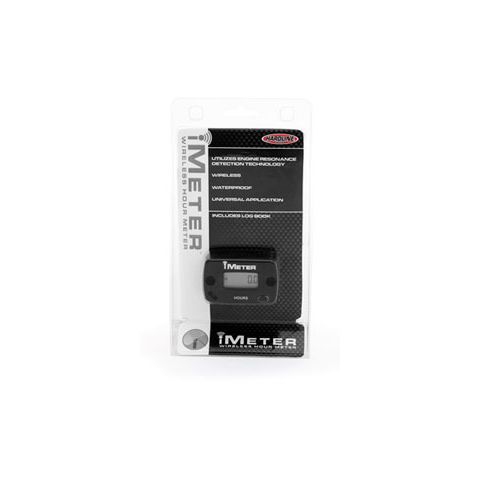
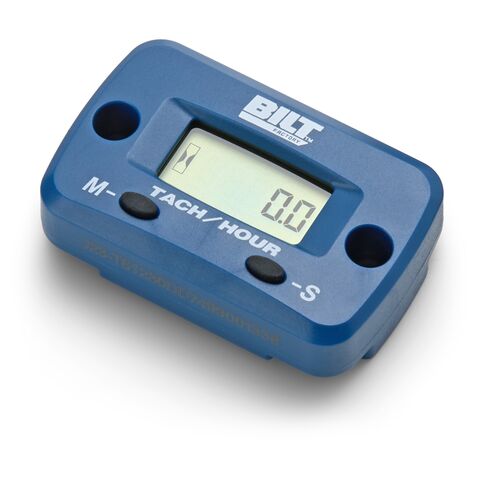
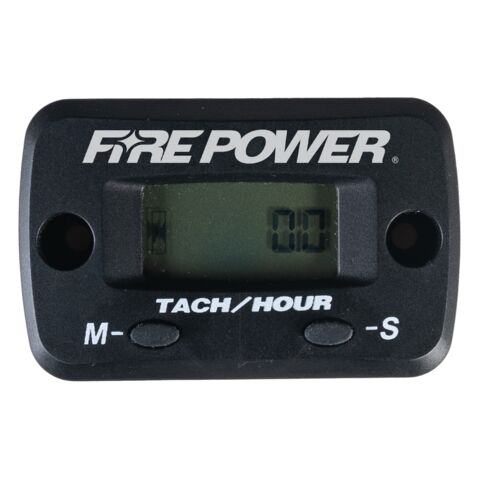
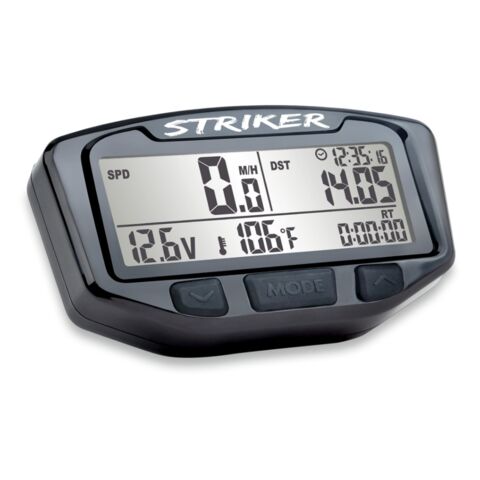
A dirt-bike hour meter tracks how many hours your engine has been running, which is especially important for maintenance scheduling on off-road machines. Because many dirt bikes wear more via usage than pure mileage (e.g., idling, high revs, hard terrain), an hour meter gives a more accurate picture of engine stress. Using one helps you know when to service things like oil, filters, and valves – potentially extending engine life.

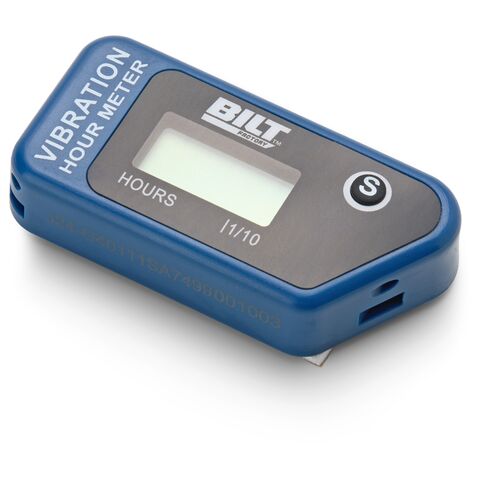
Some hour meters count based on engine RPM or ignition pulses, while others detect vibrations or electrical activity to know when the engine is running. They then accumulate total “hours in service” and often allow you to set a reminder or resettable timer for maintenance intervals. They typically mount to a wire, frame, or coil and start counting automatically when the engine runs.

It’s ideal to install an hour meter as soon as you get your bike or immediately after a major maintenance reset so you begin with a known baseline. If you’re buying a used bike without one, adding it now helps you track future usage reliably. Better earlier than later, having the meter early means you won’t lose tracking of hours and risk missing key service intervals.

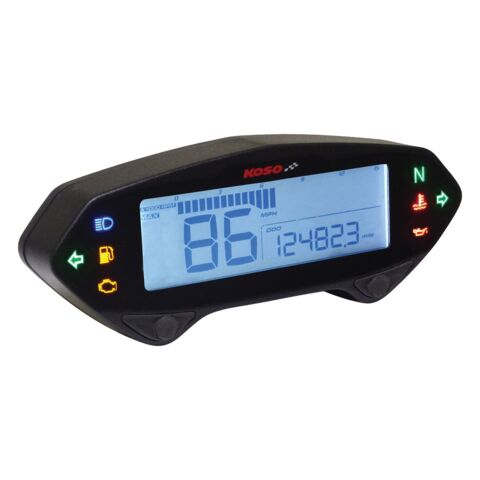
Key features include compatibility with 2-stroke or 4-stroke engines, waterproof or weather-resistant construction, ease of mounting, and a clear display (or readable logging). Also check whether it counts total hours only or has a resettable maintenance timer or second counter for service intervals. Durability is important because your dirt-bike will face vibration, mud, water, and rough mounting situations.

Not particularly, many hour meters are “universal” and mount via adhesive pad, zip-ties, or bracket and connect to a spark-plug wire or frame vibration sensor. The trick is selecting a stable mounting position, routing the wiring securely, and verifying the meter starts/stops appropriately. If you’re comfortable with basic wiring and mounting, you can do it easily; if not, a quick shop install is typically inexpensive.

Generally no, an hour meter is a passive device measuring engine run-time rather than modifying engine performance or emissions. It should not void warranty in most cases. However, if its installation requires removing major parts, altering wiring, or drilling into critical components, you should be cautious and check your warranty terms.

Miles are useful, but many off-road or motocross bikes may accumulate hours of operation (such as idle or low-speed riding) without moving far, making hour tracking more relevant to wear. Hours reflect engine usage regardless of distance, whereas mileage can underestimate real mechanical stress. For example, a bike idling or revving in the pits might log many hours but few miles, an hour meter captures that usage.

Periodically check the mounting bracket or adhesive for tightness, ensure the wiring is intact (no zapped wires or loose connections), and verify that the display is readable and counting. Also periodically sync your maintenance schedule with the hour-count: when you hit the service-interval hours, do the required tasks. If the hour meter fails or stops working, you risk losing track of your maintenance timeline.

Yes, many hour meters are portable and can be re-mounted to a new machine, provided the mounting and wiring are compatible. When transferring, reset or note the total hours so you maintain a clear log of usage per bike. Keep the device in good shape and clean so it remains viable for future installations.

Absolutely, even for casual riders, knowing engine-hours can help you do timely oil changes, inspections, and prevent surprise failures. While you might not ride every hour at full throttle, the meter gives you accurate tracking of usage instead of guessing. The cost is relatively small compared to major repairs, so it’s well worth adding one if you care about long-term reliability.

Hour Meter for Dirt Bike

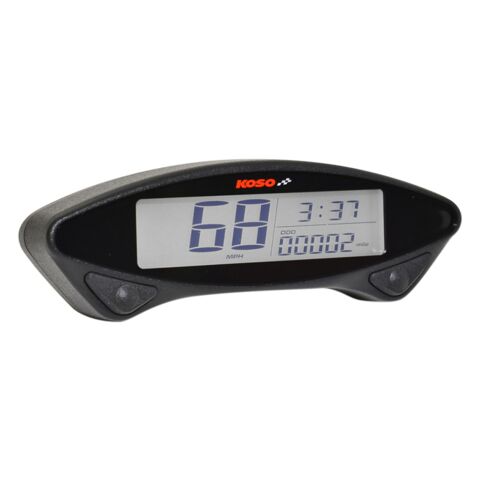
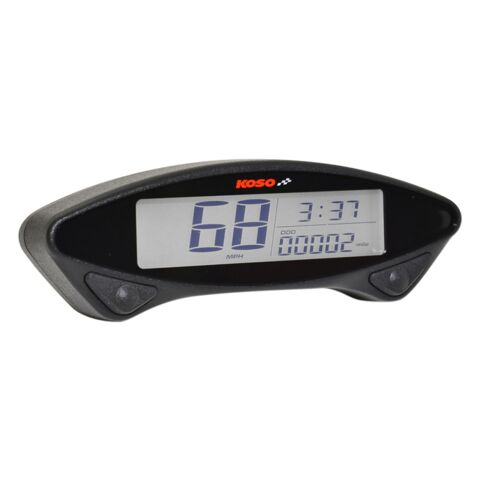
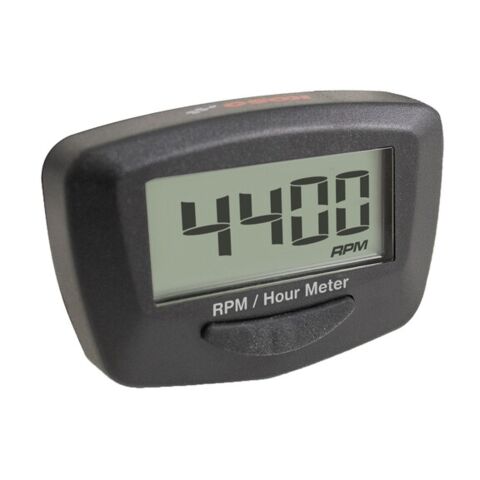
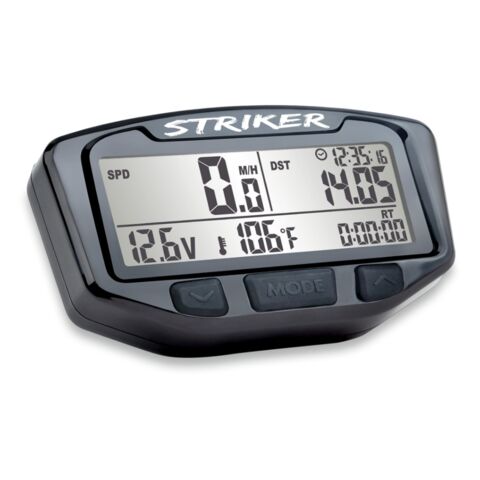
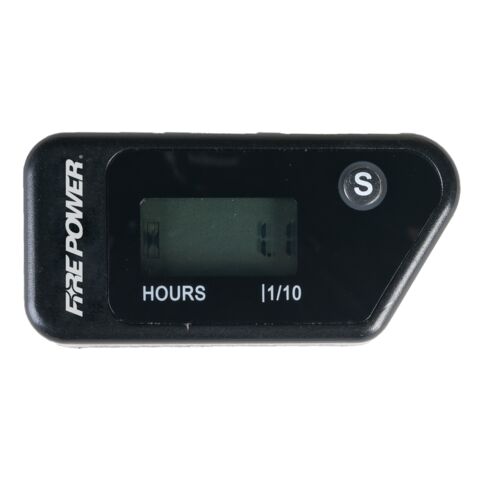
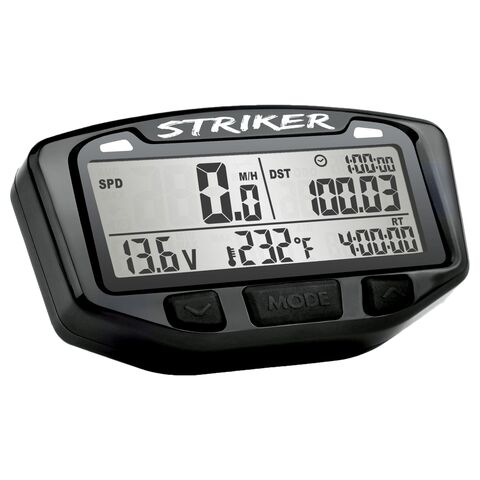
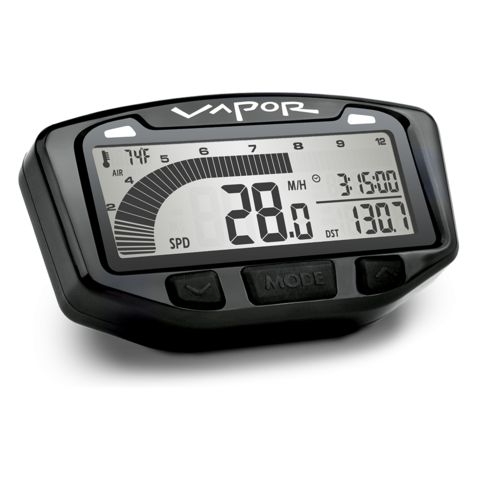
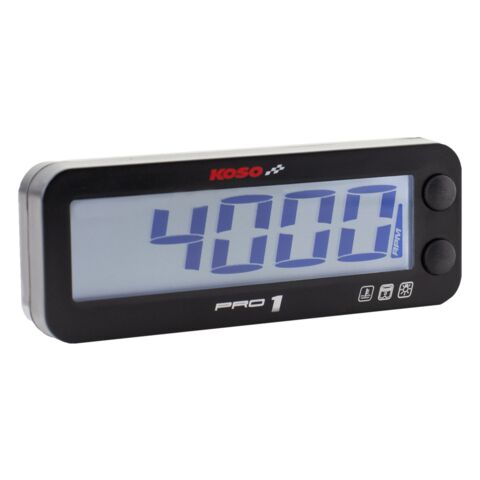
Keep track of your dirt bike's performance and maintenance needs with a reliable hour meter. Designed specifically for off-road enthusiasts, these hour meters accurately record engine run time, helping you stay on top of service intervals and ensuring your bike remains in peak condition. With easy installation and durable construction, they can withstand the rigors of dirt biking.

Our selection of hour meters features user-friendly displays that provide clear readings, allowing you to monitor your bike's usage effortlessly. Many models are equipped with additional features such as maintenance reminders and programmable settings, making it easier than ever to manage your dirt bike's upkeep. Invest in an hour meter to enhance your riding experience and prolong the life of your machine.