General Motor Parts
Filters
- Brand
- All Balls Racing (19)
- Big Gun (2)
- Bikeman Performance (1)
- Braking (2)
- Brembo (1)
- Cylinder Works (2)
- Demon Powersports (3)
- Dp Brakes (1)
- Dragonfire Racing (1)
- Dynojet (5)
- Ebc Brakes (54)
- Electronic Jet Kit (1)
- Epi Performance (10)
- Ferodo Brand (16)
- Fox Factory (4)
- Galfer Braking Systems (15)
- Gates (1)
- Gbrakes (8)
- High Lifter Products Inc (9)
- Hot Cams (1)
- Hot Rods (2)
- Moose Racing (10)
- Moto-master (5)
- Quad Boss (1)
- Ravek (3)
- Rick's Motorsport Electrics (1)
- Sbs (6)
- Seizmik (5)
- Terry Components (3)
- Trinity Racing (1)
- Twin Air (1)
- Ultimax (1)
- Uni Filter (1)
- Vertex (1)
- Xtc Power Products (3)
- Colors
- Size
- Shop By
- Price Range
On this page...
- What are general motor parts?
- How do I choose the right motor parts for my vehicle?
- What materials are commonly used in motor parts?
- Are there specific certifications I should look for in motor parts?
- Can I use aftermarket motor parts in my vehicle?
- What should I consider when replacing motor parts?
- How do weather conditions affect motor parts?
- What are the signs that motor parts need to be replaced?
- Can I install motor parts myself, or should I seek professional help?
Frequently Asked Questions For General Motor Parts
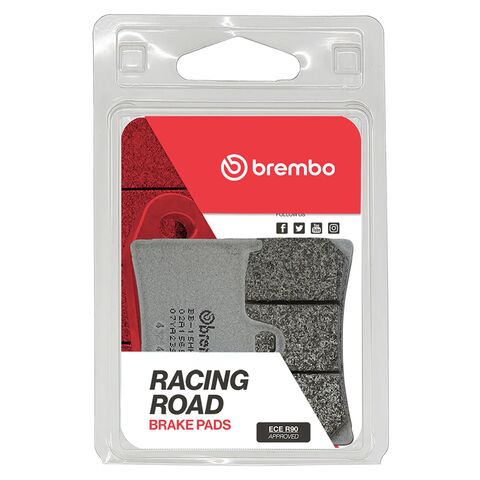
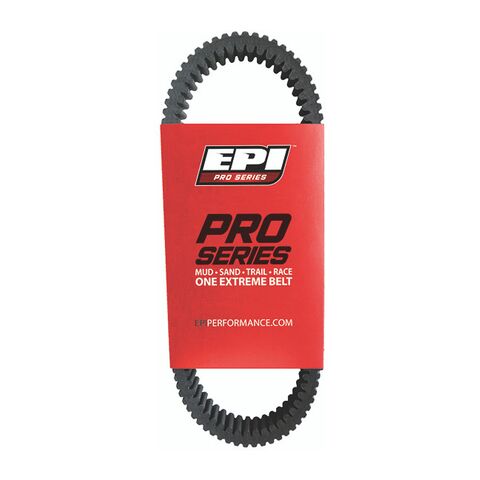
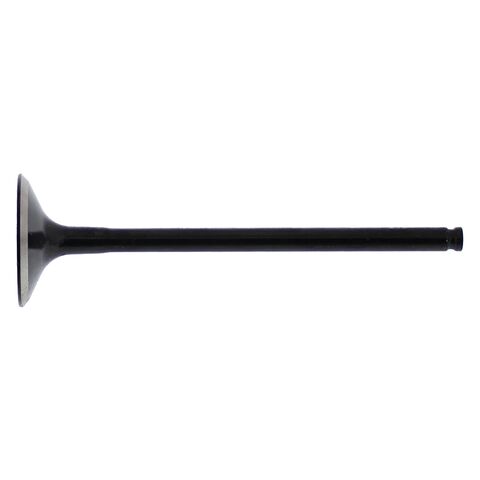
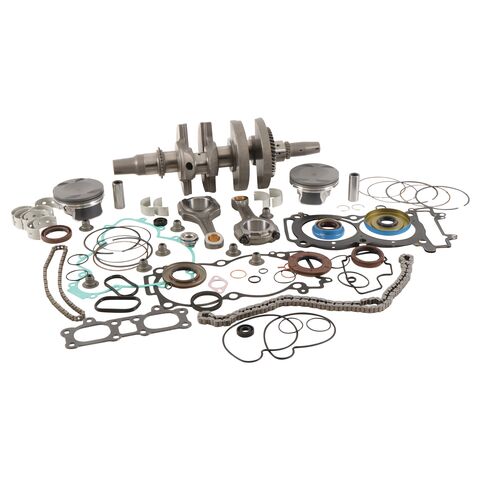
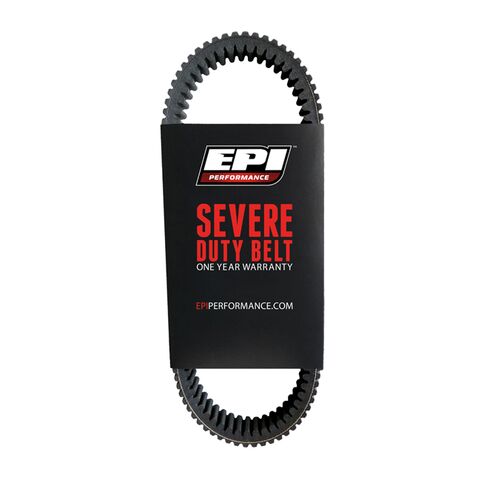
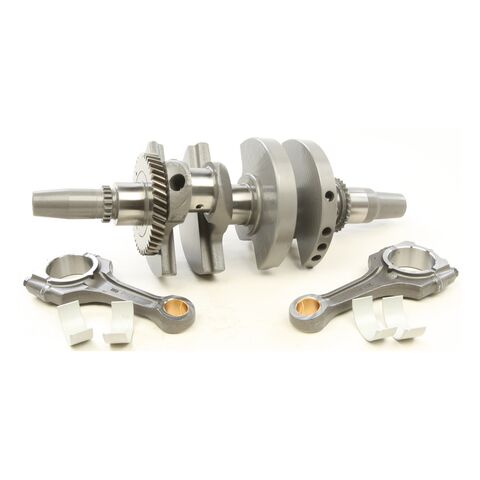
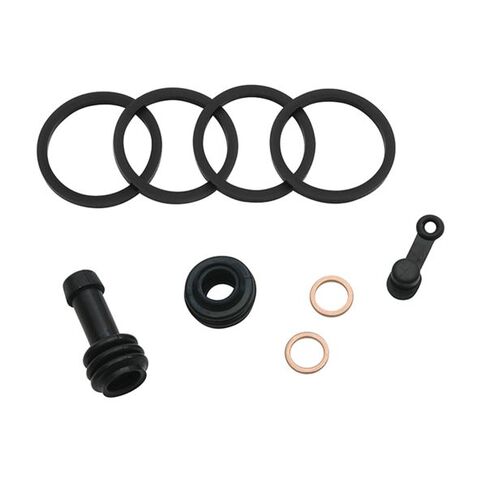
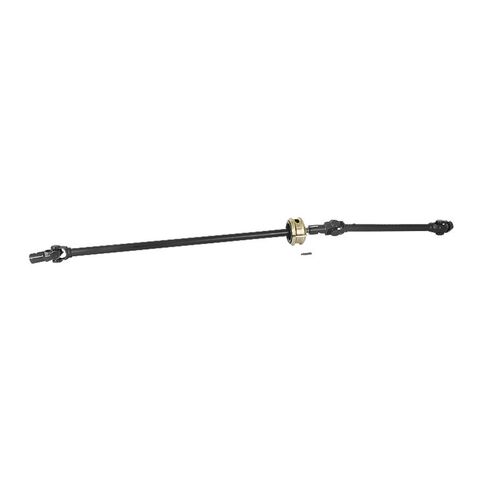
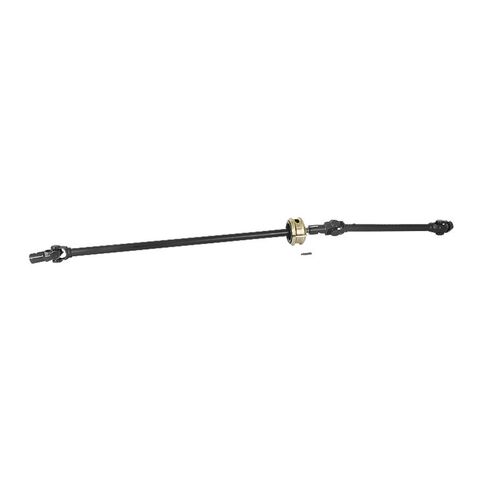
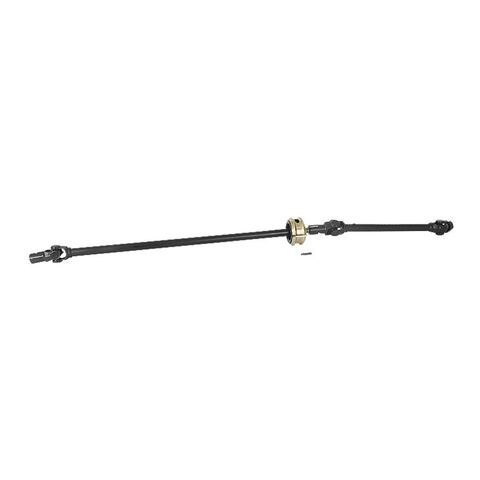
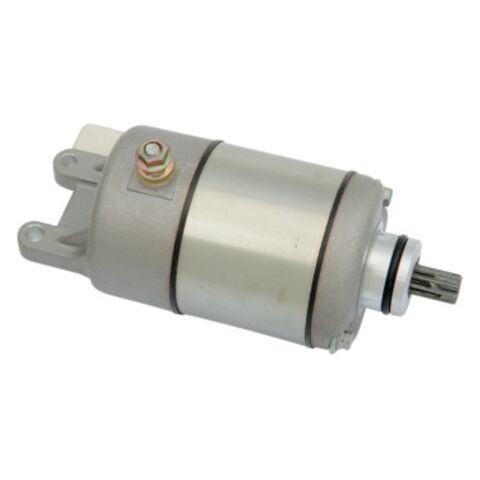
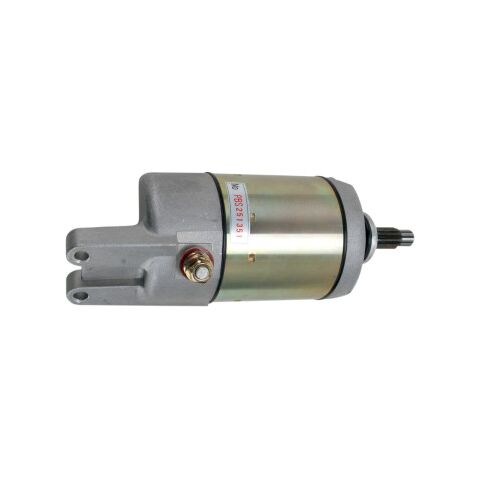
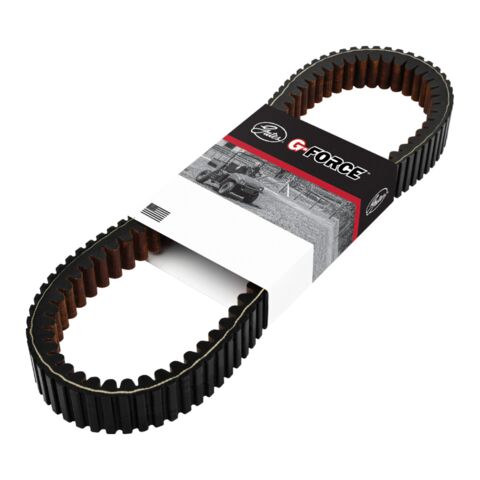
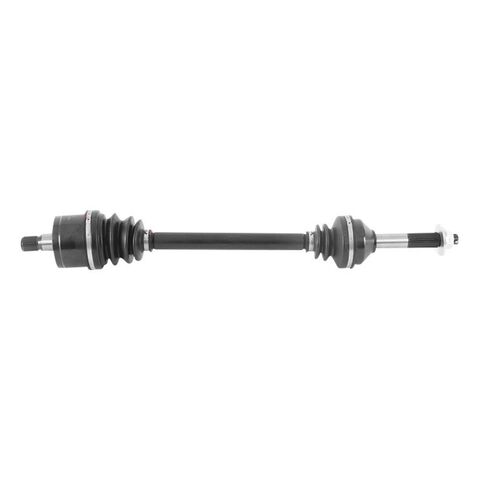
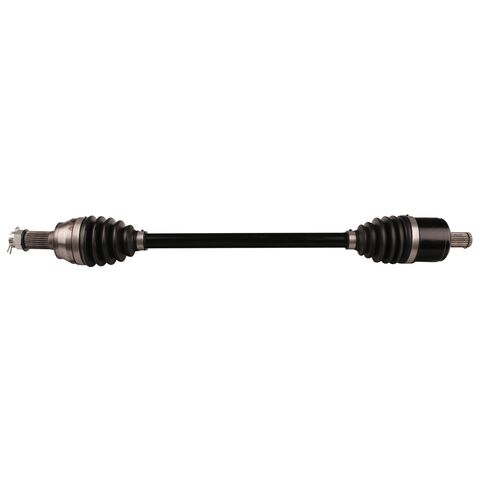
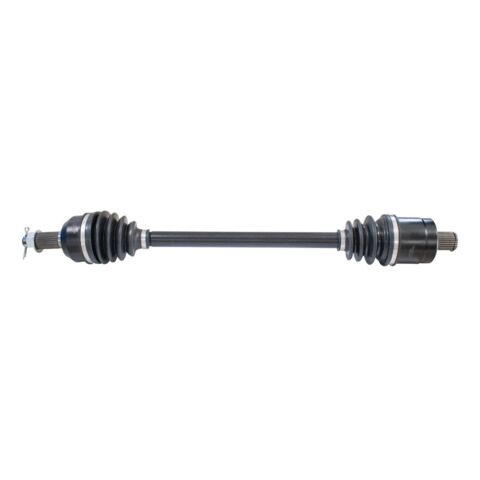
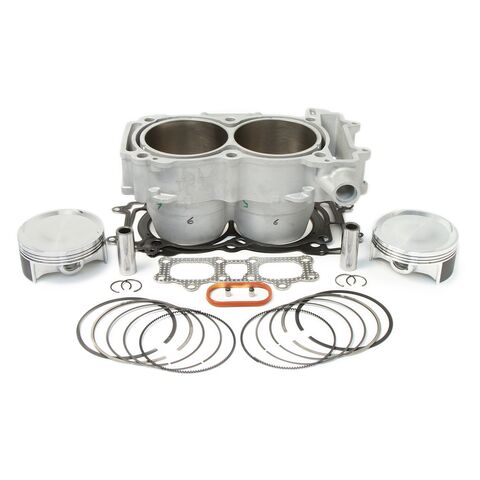
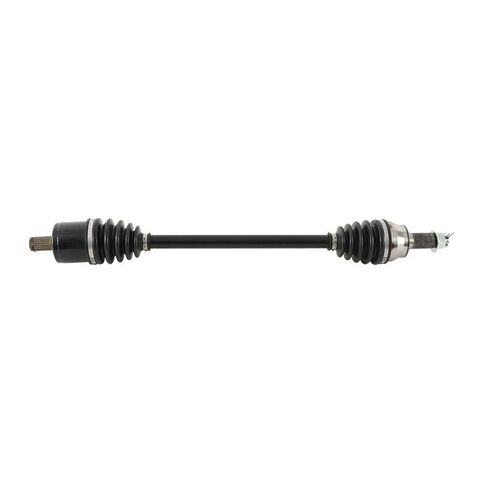
General motor parts refer to the various components used in the operation and maintenance of motor vehicles. These parts can include anything from engines and starters to drive shafts and electrical components. Understanding the role of each part is essential for ensuring optimal performance and reliability in your vehicle.
Choosing the right motor parts involves considering compatibility with your vehicle's make and model, as well as the specific requirements of your riding style. It's important to look for parts that meet safety and performance standards, and to consult your vehicle's manual for specifications. Additionally, researching the materials and construction of the parts can help ensure durability and reliability.
Motor parts are typically made from a variety of materials, including metals like steel and aluminum for strength and durability, as well as plastics and composites for lightweight applications. Some components may also feature specialized coatings or treatments to enhance resistance to wear and corrosion. Understanding these materials can help you make informed decisions about part selection.
Yes, many motor parts come with certifications that indicate they meet certain safety and performance standards. For example, parts may be certified by organizations such as DOT or ECE, which ensure they comply with regulatory requirements. Checking for these certifications can provide peace of mind regarding the quality and reliability of the parts you choose.
Aftermarket motor parts can often be used in place of original equipment manufacturer (OEM) parts, but it's important to ensure they are compatible with your vehicle. Aftermarket parts can offer advantages such as improved performance or cost savings, but quality can vary widely. Always research the manufacturer and read reviews to ensure you're selecting a reliable aftermarket option.
When replacing motor parts, consider factors such as the age and condition of your vehicle, the intended use, and the specific performance characteristics you desire. It's also crucial to evaluate the installation process, as some parts may require professional assistance. Lastly, ensure that the replacement parts are of high quality to maintain the longevity and performance of your vehicle.
Weather conditions can significantly impact the performance and longevity of motor parts. For instance, extreme temperatures can affect the viscosity of fluids, while moisture can lead to corrosion in metal components. It's important to choose parts that are designed to withstand the specific environmental conditions in which you will be operating your vehicle, such as rain, snow, or extreme heat.
Signs that motor parts may need replacement include unusual noises, decreased performance, fluid leaks, or visible wear and tear. Additionally, warning lights on your dashboard may indicate issues with specific components. Regular maintenance checks can help identify potential problems early, allowing for timely replacements and preventing further damage.
Whether you can install motor parts yourself depends on your level of mechanical skill and the complexity of the installation. Some parts may be straightforward to replace with basic tools, while others may require specialized knowledge or equipment. If you're unsure, it's often best to consult a professional to ensure the installation is done correctly and safely.
Similar Categories
General Motor Parts
Explore our extensive collection of general motor parts designed to enhance the performance and reliability of your vehicle. From essential components to specialized accessories, our parts are crafted to meet rigorous quality standards, ensuring a perfect fit and optimal functionality. Whether you're performing routine maintenance or tackling a major repair, our selection has everything you need to keep your vehicle running smoothly.
Our general motor parts are engineered for durability and longevity, providing you with peace of mind on the road. With a focus on performance and efficiency, these parts are designed to withstand the demands of everyday driving. Trust our range to deliver the reliability and quality you expect, helping you maintain your vehicle's performance for years to come.