


 Riders Preferred Membership
 Shop by Vehicle
 Track Order
 Contact Us
Gas-Resistant Sealants


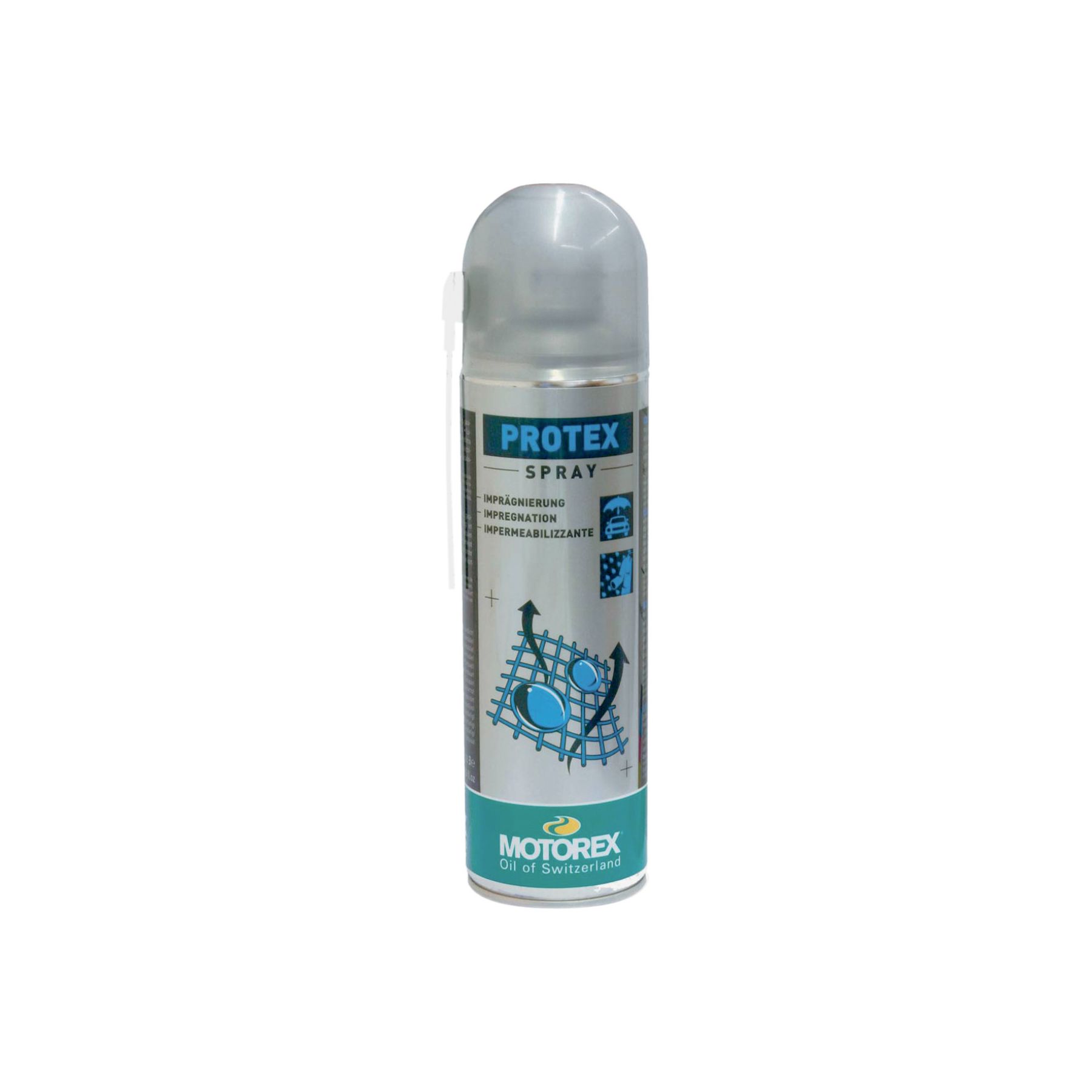
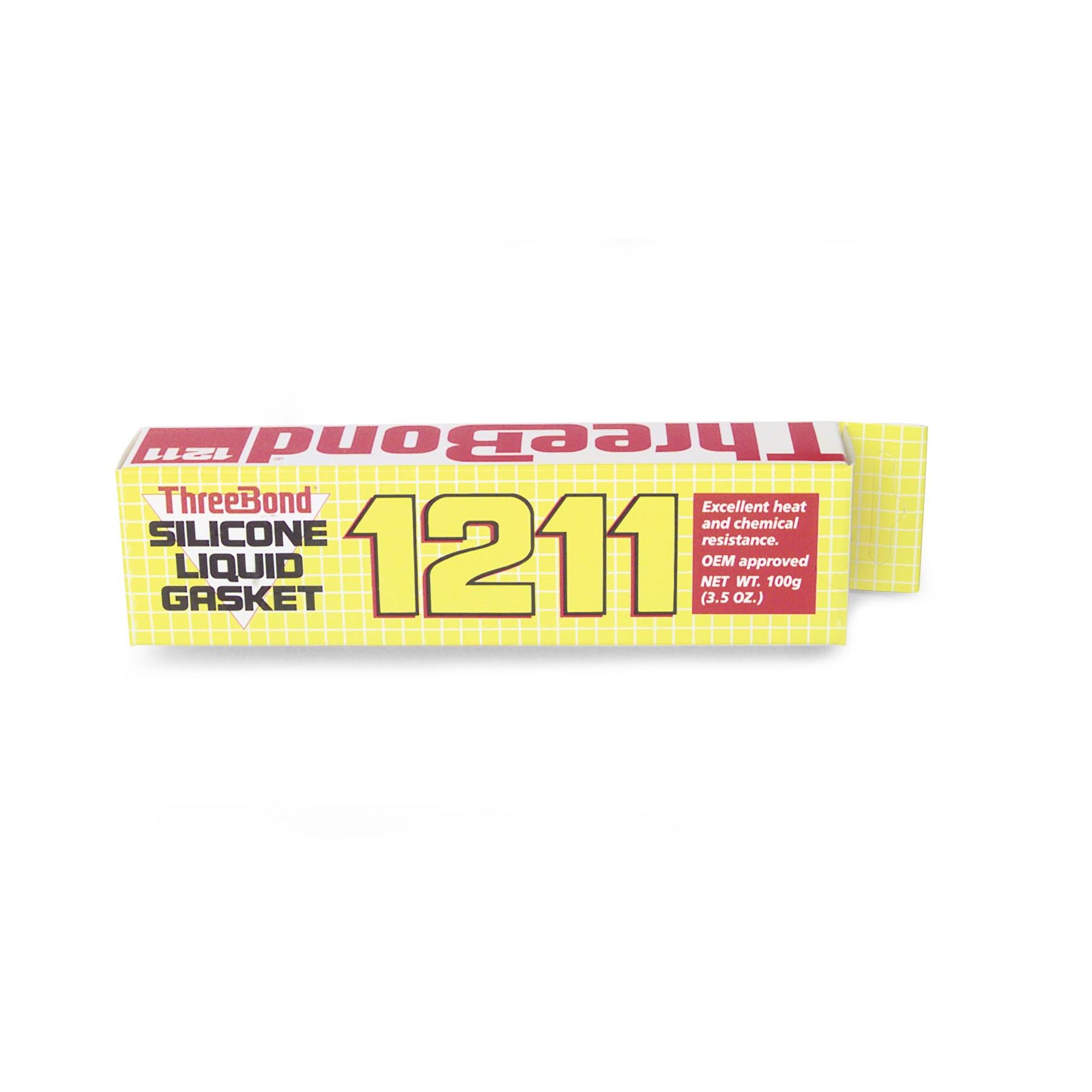
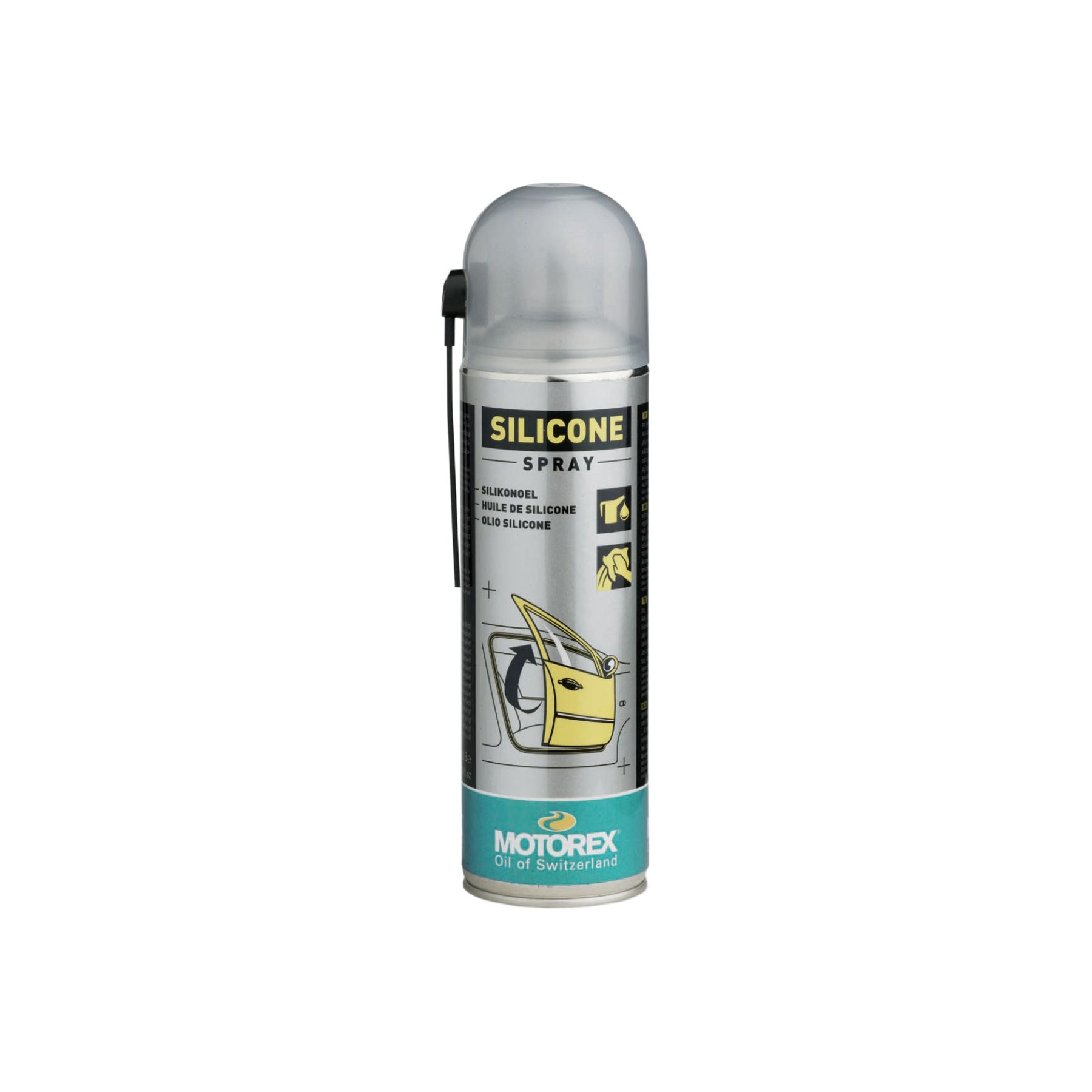
On this page...
- What are gas-resistant sealants used for?
- How do I choose the right gas-resistant sealant for my project?
- Are gas-resistant sealants safe for use in high-temperature environments?
- Can gas-resistant sealants be used on plastic or rubber components?
- What is the curing time for gas-resistant sealants?
- Can gas-resistant sealants be used in both automotive and marine applications?
- What should I look for in a gas-resistant sealant?
- Are there any environmental considerations when using gas-resistant sealants?
- Can gas-resistant sealants be removed once cured?
Frequently Asked Questions For Gas-Resistant Sealants
Gas-resistant sealants are specifically designed to create a durable, leak-proof seal in applications where exposure to gasoline or other fuels is common. They are often used in automotive, marine, and industrial settings to prevent leaks in fuel systems, gaskets, and threaded connections. Their resistance to fuel ensures that they maintain their integrity and performance over time.
When selecting a gas-resistant sealant, consider the specific application and the materials you are working with. Look for sealants that are compatible with the substances they will be exposed to, such as gasoline or oil. Additionally, evaluate factors like temperature resistance, curing time, and whether the sealant is designed for permanent or temporary applications.
Many gas-resistant sealants are formulated to withstand high temperatures, making them suitable for use in environments where heat exposure is a factor. It's important to check the specifications of the sealant to ensure it can handle the temperatures expected in your application. Using a sealant with high-temperature resistance can prevent degradation and maintain a reliable seal.
Yes, many gas-resistant sealants are designed to adhere to a variety of materials, including plastics and rubber. However, it's essential to verify the compatibility of the sealant with the specific type of plastic or rubber you are using, as some formulations may not bond well with certain materials. Always consult the manufacturer's guidelines for best results.
Curing time for gas-resistant sealants can vary significantly based on the product and environmental conditions. Some sealants may cure quickly, within a few hours, while others might take longer, especially in cooler temperatures or high humidity. It's crucial to follow the manufacturer's instructions regarding curing times to ensure optimal performance.
Yes, gas-resistant sealants are versatile and can be used in both automotive and marine applications. They are effective in sealing fuel systems, gaskets, and other components that may come into contact with gasoline or other fuels in both environments. Always ensure the sealant is rated for the specific conditions of your application.
When choosing a gas-resistant sealant, look for features such as fuel compatibility, temperature resistance, and curing time. Additionally, consider whether the sealant is designed for specific applications, such as gaskets or threaded connections. Safety certifications and user reviews can also provide insight into the sealant's effectiveness and reliability.
Yes, when using gas-resistant sealants, it's important to consider their environmental impact. Some sealants may contain volatile organic compounds (VOCs) that can be harmful to the environment. Look for low-VOC or environmentally friendly options if sustainability is a concern, and always follow proper disposal guidelines for any leftover materials.
Removing cured gas-resistant sealants can be challenging, as they are designed to create a strong bond. Depending on the type of sealant used, removal may require mechanical methods such as scraping or cutting. It's advisable to consult the manufacturer's recommendations for removal techniques to avoid damaging the underlying surfaces.
Similar Categories
Gas-Resistant Sealants
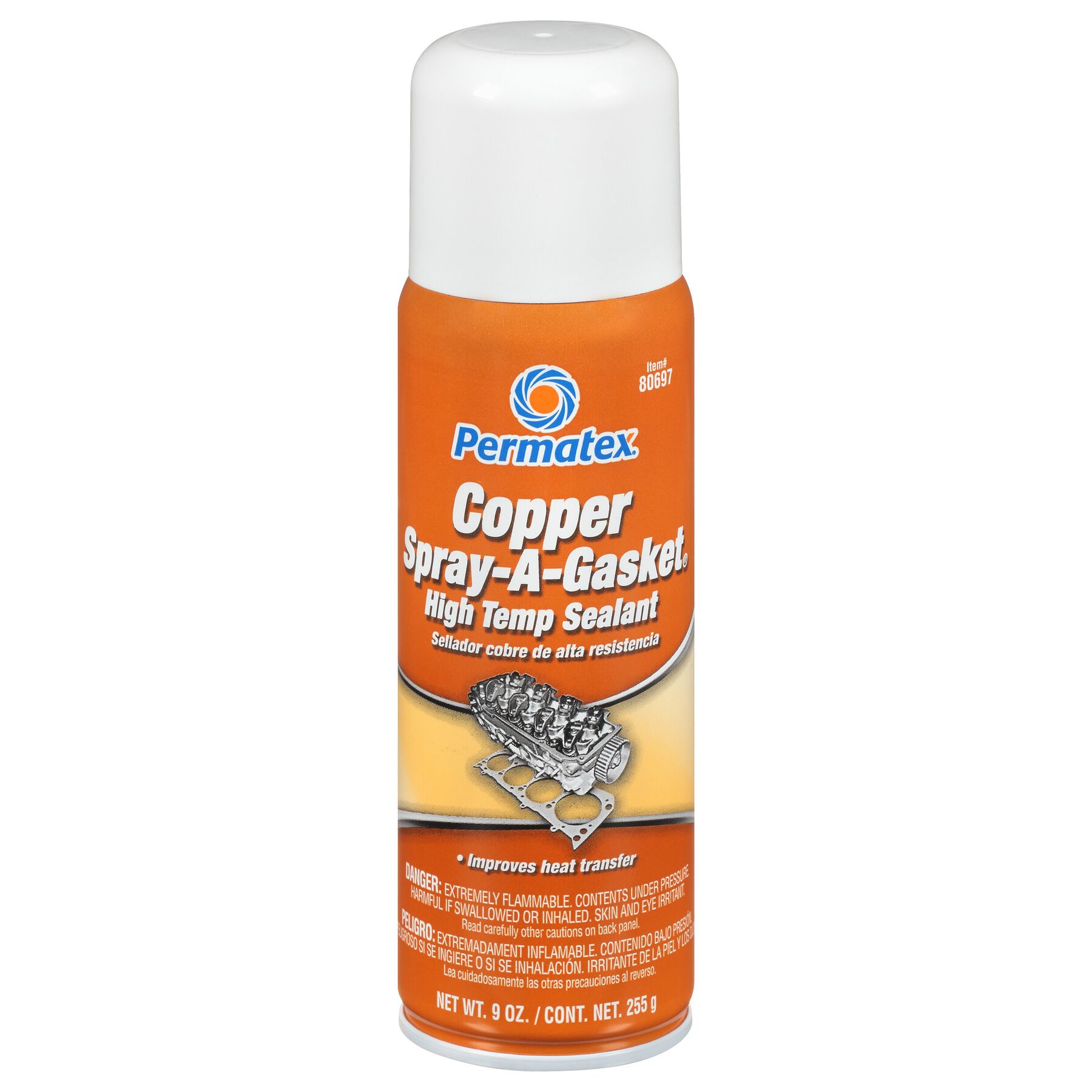
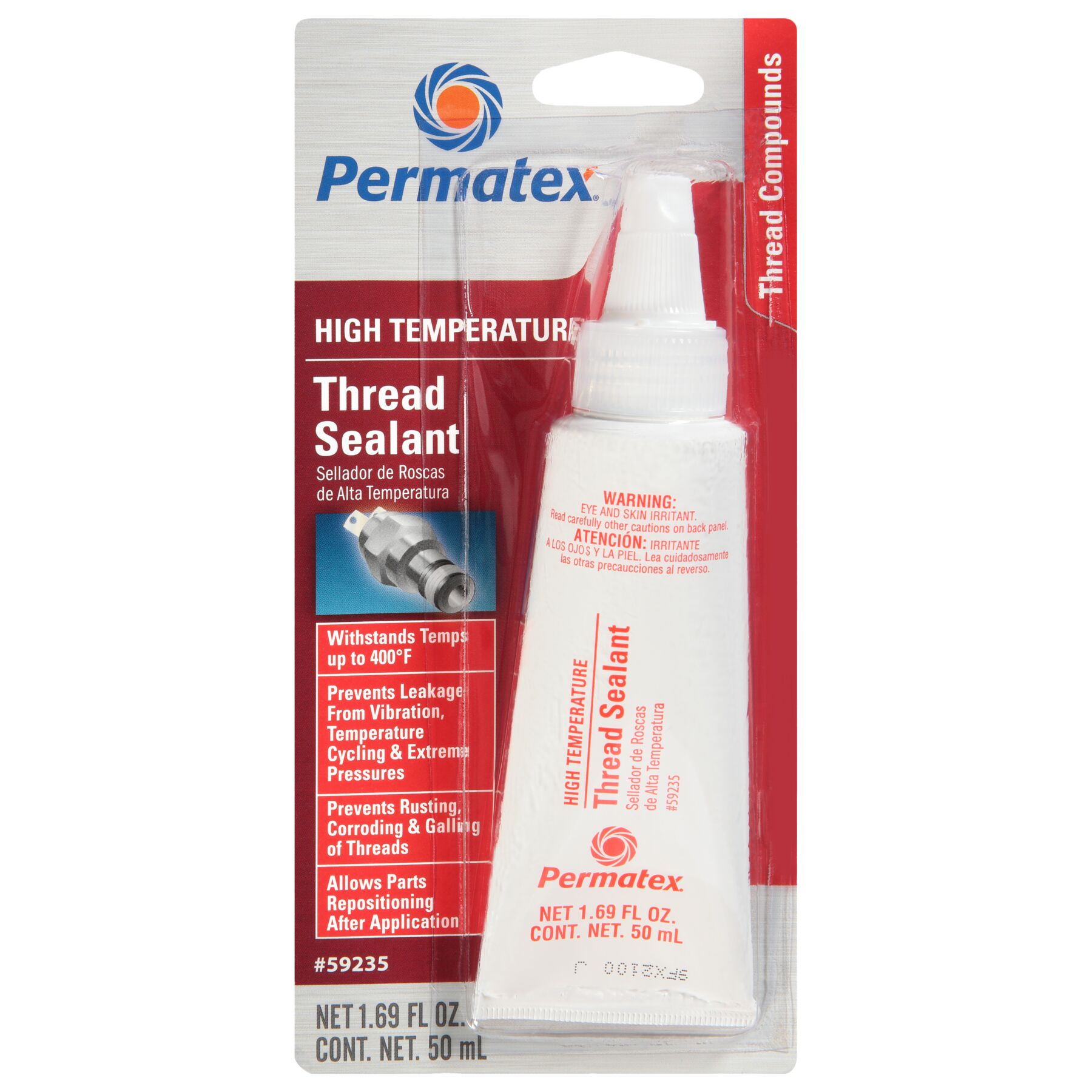
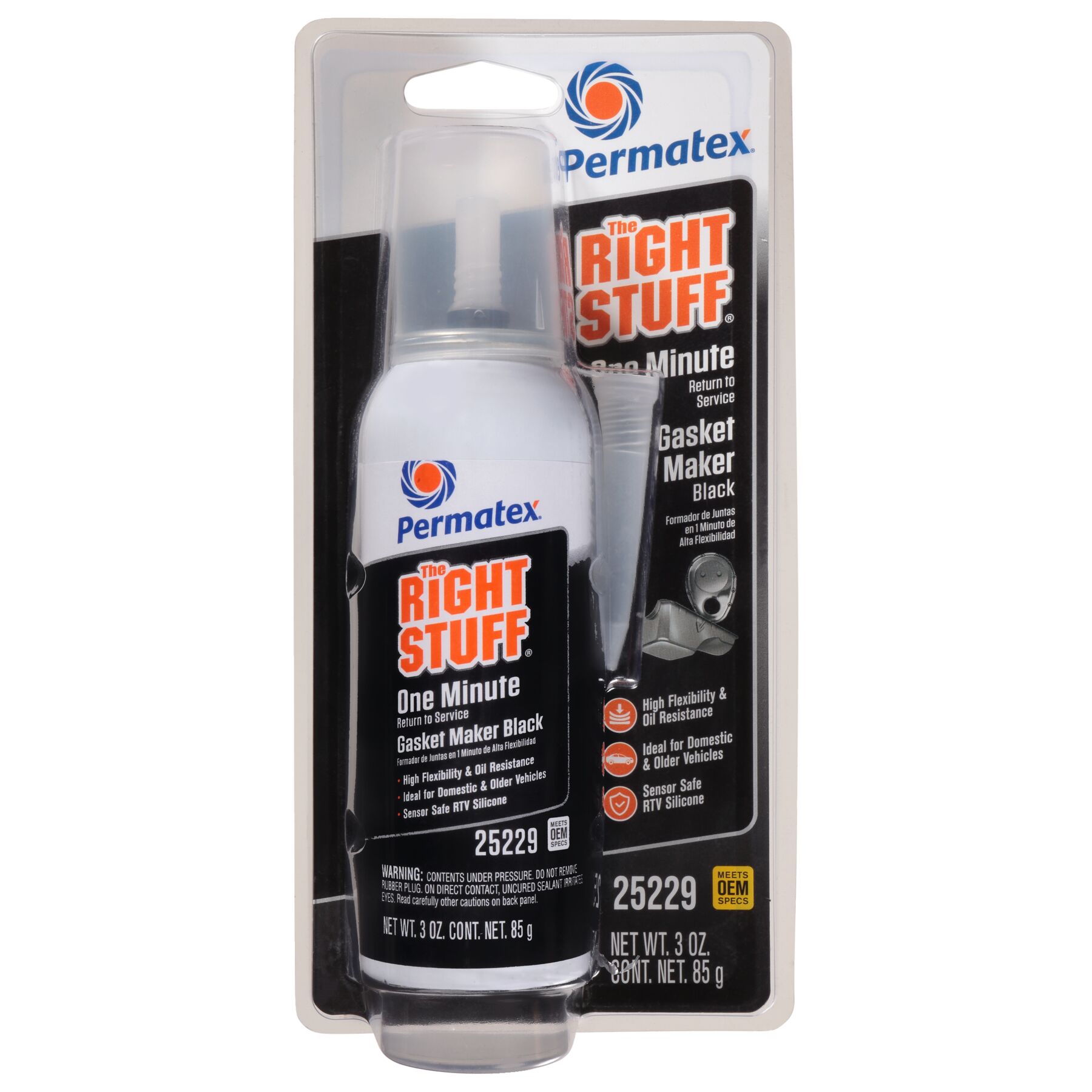
Gas-resistant sealants are essential for ensuring a secure and leak-free seal in various applications involving fuel and other volatile substances. Our selection features high-performance sealants designed to withstand harsh conditions, resist degradation from gasoline, and provide a durable bond. These products are ideal for automotive, marine, and industrial uses, ensuring that your projects remain safe and effective.
Engineered for easy application and quick curing, our gas-resistant sealants offer exceptional flexibility and adhesion. They are formulated to handle extreme temperatures and pressures, making them suitable for both routine maintenance and critical repairs. Trust our range of sealants to deliver reliable performance and peace of mind in any gas-related application.