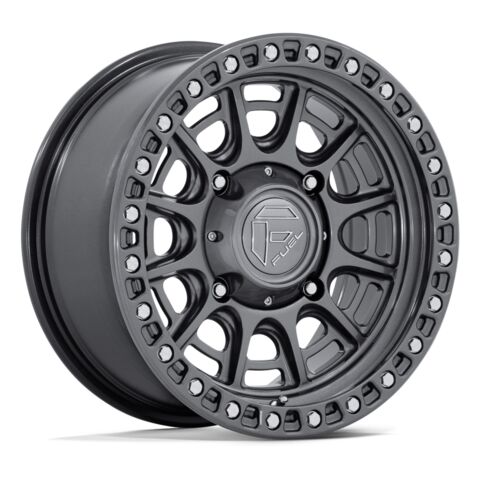
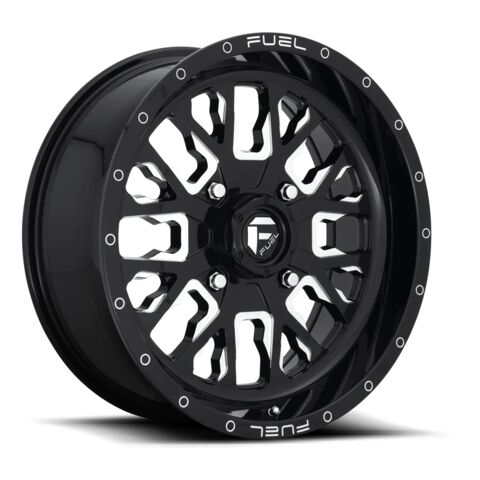
Fuel Off-Road Rims
Filters
- Colors
- Size
- 15x7 5.5+1.5 (+38mm) (10)
- 15x7 4.39+2.61 (10mm) (2)
- 15x7 (+10mm) (3)
- 15x7 (+10mm) (3)
- 15x7 5.5+1.5 (38mm) (6)
- 14x7 4.51+2.49 (13mm) (8)
- 24x7 4.51+2.49 (+13mm) (6)
- 15x10 5.5+4.5 (0mm) (6)
- 18x7 4.51+2.49 (13mm) (4)
- 15x7 I 5.5+1.5 (+38mm) (1)
- 20x7 4.51+2.49 (13mm) (3)
- 15x7 4.39+2.61 (+10mm) (6)
- 20x7 4.51+2.49 (+13mm) (8)
- 18x7 4.51+2.49 (+13mm) (7)
- 14x7 5.5+1.5 (38mm) (6)
- 15x7 I 4.5+2.5 (+13mm) (1)
- 15x10 5+5 (0mm) (1)
- 14x8 4.5+3.5 (0mm) (1)
- 15x6 3.5+2.5 (0mm) (2)
- 15x10 5.5 +4.5 (0mm) (1)
- 15x7 5.5 +1.5 (38mm) (1)
- 22x7 4.51+2.49 (+13mm) (3)
- 15x7 4.5+2.5 (+10mm) (4)
- 22x7 4.51+2.49 (13mm) (2)
- 16x7 4.51+2.49 (13mm) (5)
- 15x8 4.5 +3.5 (0mm) (1)
- 24x7 4.51+2.49 (13mm) (4)
- 15x7 4.51+2.49 (13mm) (7)
- 22x7 4+3 (0mm) (4)
- 15x10 6.5+3.5 (25mm) (2)
- Price Range
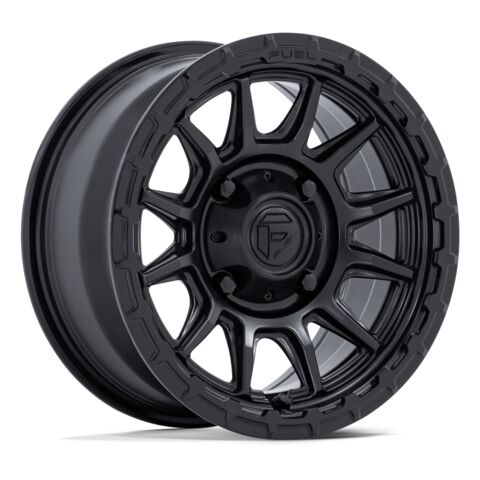
On this page...
- What should you consider when choosing fuel off-road rims?
- Are fuel off-road rims suitable for all types of terrain?
- What materials are commonly used in fuel off-road rims?
- How do fuel off-road rims affect vehicle performance?
- Can fuel off-road rims be used for everyday driving?
- What is the importance of the beadlock feature in off-road rims?
- How do I determine the right size of fuel off-road rims for my vehicle?
- What are the benefits of upgrading to fuel off-road rims?
- Are there specific safety certifications to look for in fuel off-road rims?
Frequently Asked Questions For Fuel Off-Road Rims
When selecting fuel off-road rims, consider the size and bolt pattern that matches your vehicle. Additionally, think about the material and construction, as these factors can affect durability and performance on rough terrains. It's also important to evaluate the rim's weight, as lighter rims can improve handling and acceleration.
Fuel off-road rims are designed to handle a variety of terrains, including mud, sand, and rocky surfaces. Their construction typically includes durable materials that can withstand harsh conditions. However, it's essential to choose the right rim type based on your specific off-road activities and vehicle requirements.
Fuel off-road rims are often made from materials like aluminum and steel, each offering distinct advantages. Aluminum rims are lighter and provide better performance, while steel rims are generally more robust and resistant to damage. The choice of material can impact the overall weight, strength, and aesthetic of the rims.
Fuel off-road rims can significantly influence vehicle performance by affecting handling, traction, and stability. Lighter rims can enhance acceleration and maneuverability, while wider rims may improve grip on uneven surfaces. It's crucial to select rims that complement your vehicle's design and intended use for optimal performance.
While fuel off-road rims are primarily designed for off-road use, many can also be suitable for everyday driving. However, consider the trade-offs in ride comfort and noise levels, as off-road rims may not provide the same smoothness as standard road rims. Ensure that the rims you choose are compatible with your vehicle's specifications.
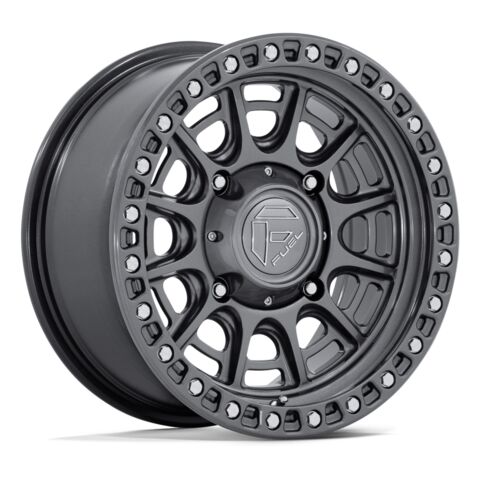
The beadlock feature in off-road rims is crucial for maintaining tire stability during extreme conditions. It helps prevent tire slippage on the rim, especially when running lower tire pressures for better traction on rough terrain. This feature is particularly beneficial for serious off-road enthusiasts who tackle challenging trails.
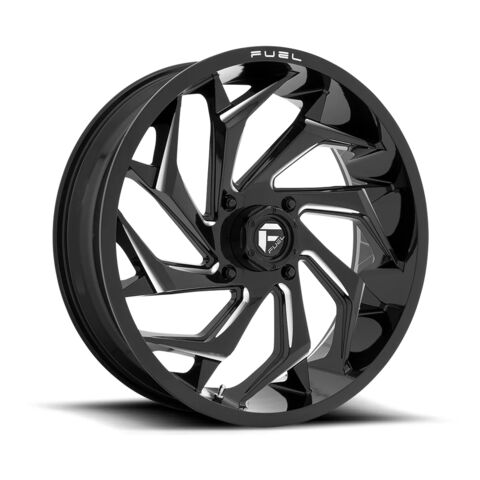
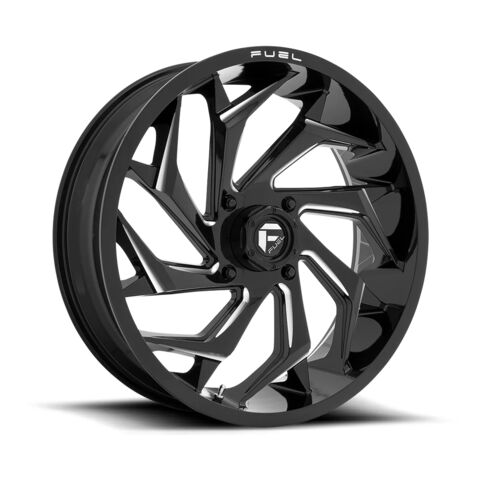
To determine the right size of fuel off-road rims, check your vehicle's specifications for the correct bolt pattern and diameter. It's also important to consider the width of the rim, as this can affect tire fitment and performance. Consulting with a professional or using a fitment guide can help ensure you select the appropriate size.
Upgrading to fuel off-road rims can enhance your vehicle's off-road capabilities, improve aesthetics, and potentially reduce weight. These rims are designed for durability and performance, allowing for better handling and traction on challenging terrains. Additionally, a stylish set of rims can elevate the overall look of your vehicle.
When selecting fuel off-road rims, look for safety certifications such as DOT or ECE, which indicate compliance with industry standards. These certifications ensure that the rims have undergone rigorous testing for strength and durability. Choosing certified rims can provide peace of mind regarding their performance and safety on the road and off.
Similar Categories
Fuel Off-Road Rims
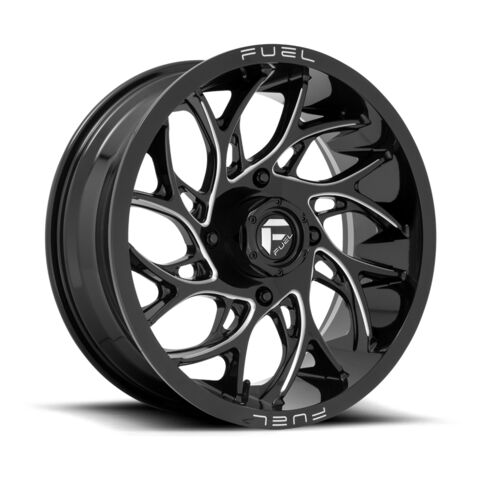
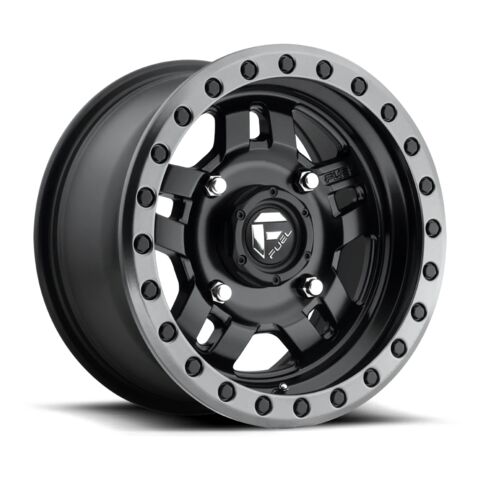
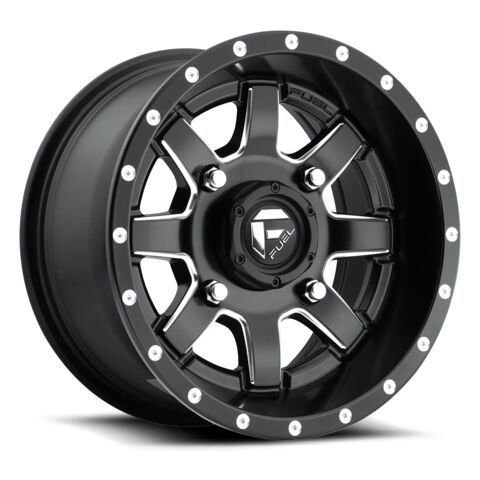
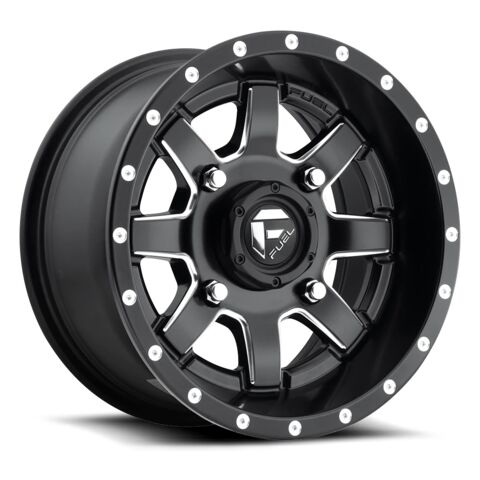
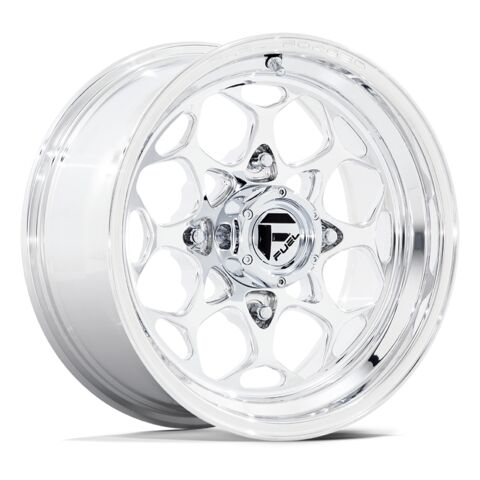
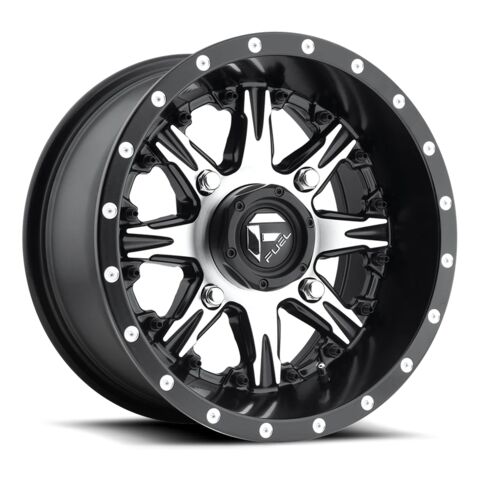
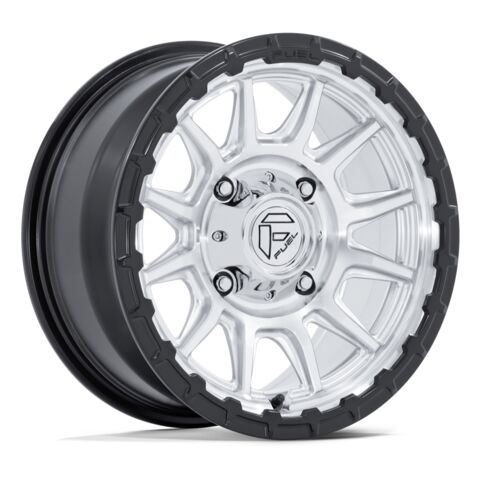
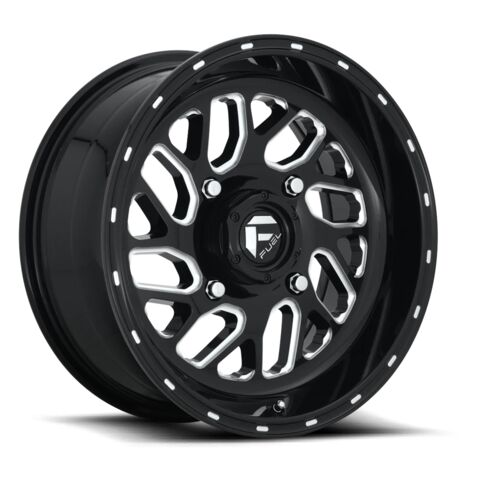
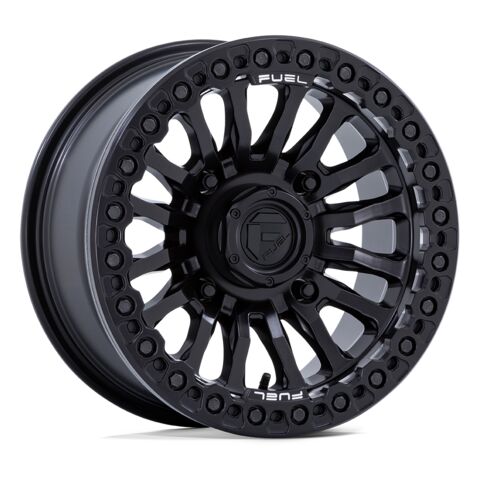
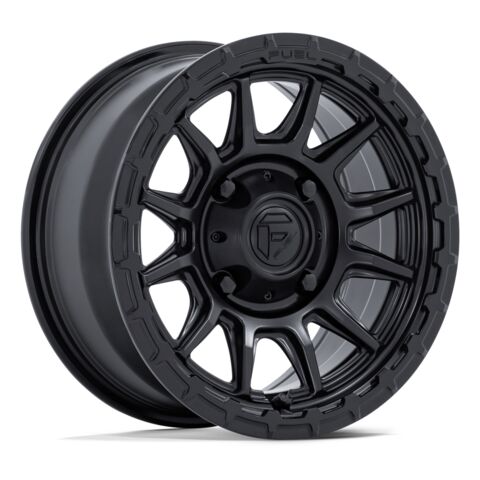
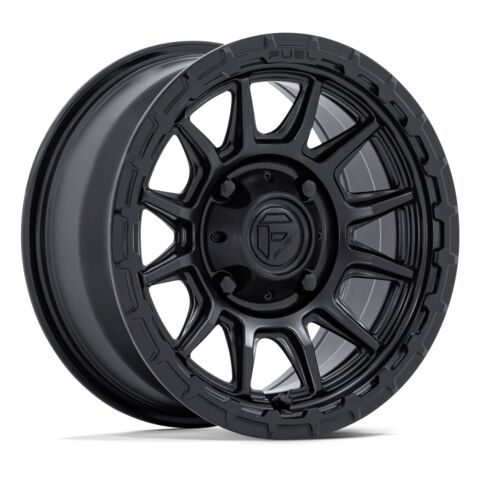
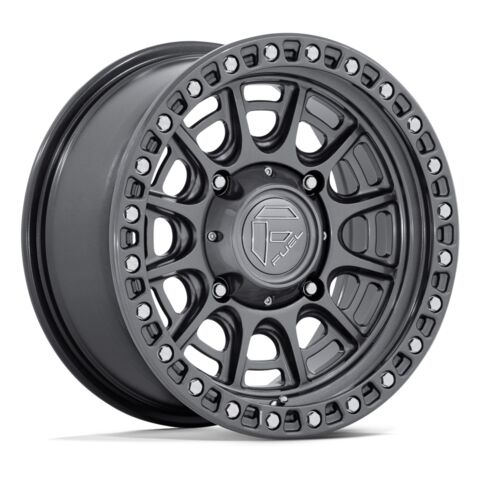
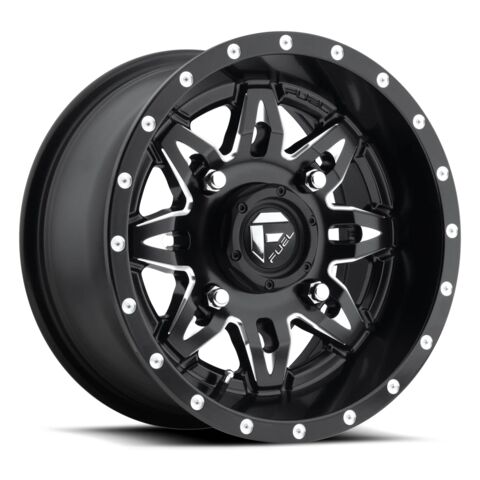
Elevate your off-road experience with our premium selection of fuel off-road rims, designed to withstand the toughest terrains. Crafted from durable materials, these rims offer exceptional strength and resilience, ensuring they can handle the rigors of off-road adventures. With a variety of styles and finishes available, you can customize your vehicle's look while enhancing its performance.
Our fuel off-road rims feature advanced engineering that promotes better traction and stability, allowing for a smoother ride on uneven surfaces. The lightweight design reduces unsprung weight, improving handling and responsiveness. Upgrade your vehicle with our fuel off-road rims and conquer any trail with confidence and style.