Fuel Line Tubing
Filters
- Brand
- Colors
- Size
- OS (16)
- 4 (1)
- 8 (1)
- 16 (2)
- 4 ID 3FT (1)
- 4 ID 25FT (1)
- 16 ID 3FT (1)
- 16 ID 25FT (1)
- 16 ID X 5 16 OD (1)
- 4 x 18 (1)
- 8 x 5' (1)
- 8 ID X 1 (1)
- 4 X 3' (5)
- 32 x 25' (1)
- 2 ID X 3' (1)
- 16 x 10' (5)
- 32 x 10' (1)
- 8 x 3' (3)
- 8 ID X 6' (1)
- 16 x 18 (1)
- 8 x 10' (2)
- 4 x 10' (4)
- 16 x 25' (2)
- 16 ID X 6' (1)
- 4 ID X 3 (1)
- 4 x 25' (4)
- 64 x 25' (1)
- 8 x 25' (2)
- 64 x 10' (1)
- 16 ID X 7 (1)
- 16 X 3' (5)
- 6 ID X 7 (1)
- Shop By
- Price Range
On this page...
- What is fuel line tubing and what is its purpose?
- What materials are commonly used for fuel line tubing?
- How do I choose the right fuel line tubing for my motorcycle?
- Can fuel line tubing be used in different weather conditions?
- What are the signs that fuel line tubing needs to be replaced?
- Are there different types of fuel line tubing for various applications?
- What should I consider regarding the length of fuel line tubing?
- Can I use fuel line tubing for oil applications as well?
- What safety certifications should I look for in fuel line tubing?
Frequently Asked Questions For Fuel Line Tubing
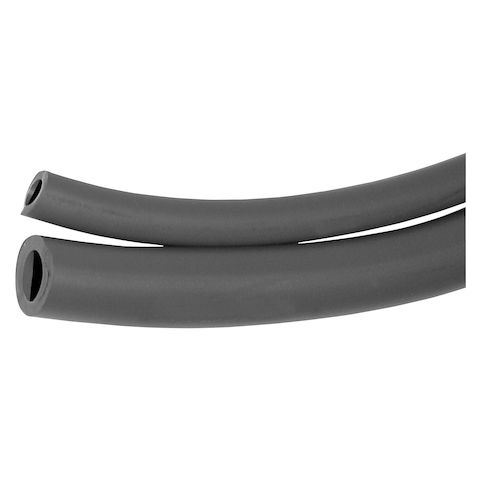
Fuel line tubing is a type of flexible hose designed to transport fuel from the tank to the engine in various vehicles, including motorcycles. It is essential for ensuring a reliable fuel supply while maintaining proper pressure and preventing leaks. The material and construction of the tubing can vary, affecting its durability and compatibility with different fuel types.
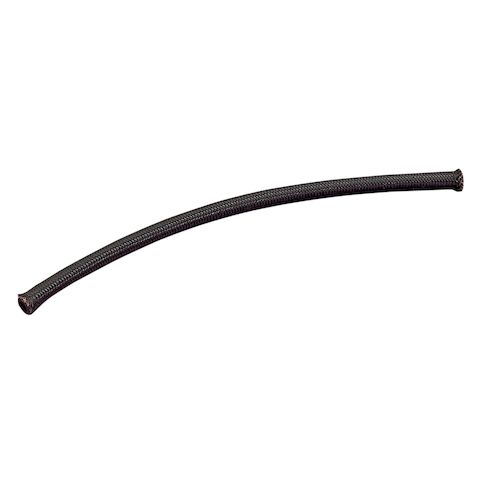
Fuel line tubing is typically made from materials such as rubber, vinyl, or specialized plastics like Tygon. Some options may also feature reinforced layers for added strength and resistance to high pressure. The choice of material can influence the tubing's flexibility, temperature tolerance, and resistance to fuel additives.
When selecting fuel line tubing, consider factors such as the type of fuel your motorcycle uses, the operating pressure, and the tubing's compatibility with your bike's fuel system. It's also important to check the diameter of the tubing to ensure a proper fit with your fuel lines. Additionally, look for tubing that meets relevant safety standards for fuel handling.
Yes, fuel line tubing can be designed to withstand various weather conditions, but it's important to choose the right type for your specific environment. For instance, some materials may be more resistant to UV rays and extreme temperatures, while others may be better suited for colder climates. Always check the specifications to ensure the tubing will perform well in your riding conditions.
Signs that fuel line tubing may need replacement include visible cracks, leaks, or a soft and mushy texture. Additionally, if you notice a decrease in engine performance or smell fuel while riding, it could indicate a problem with the fuel line. Regular inspections can help catch these issues early and maintain safe operation.
Yes, there are different types of fuel line tubing designed for specific applications, such as standard fuel lines, high-pressure lines, and submersible lines for use in fuel tanks. Each type is engineered to meet the demands of its intended use, including pressure ratings and chemical resistance. Understanding your motorcycle's requirements will help you select the appropriate tubing.
When determining the length of fuel line tubing, consider the routing from the fuel tank to the engine and any bends or curves that may require additional length. It's important to avoid excessive slack, which can lead to kinks or pinching, while also ensuring the line is long enough to accommodate movement of the engine and frame. Measure carefully to ensure a proper fit.
Some fuel line tubing is designed to be versatile and can be used for oil applications, but it's crucial to verify compatibility with the specific type of oil being used. Different fluids can have varying chemical properties, and using the wrong tubing may lead to degradation or failure. Always check the manufacturer's specifications to ensure the tubing is suitable for both fuel and oil.
When selecting fuel line tubing, look for safety certifications such as DOT (Department of Transportation) or SAE (Society of Automotive Engineers) standards, which indicate that the tubing has been tested for performance and safety. Additionally, certifications related to fuel compatibility and pressure ratings can provide assurance that the tubing will perform reliably in your motorcycle's fuel system.
Similar Categories
Fuel Line Tubing
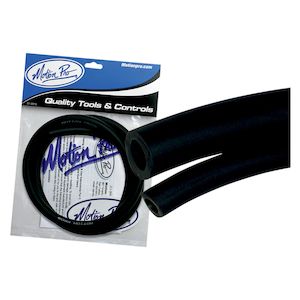
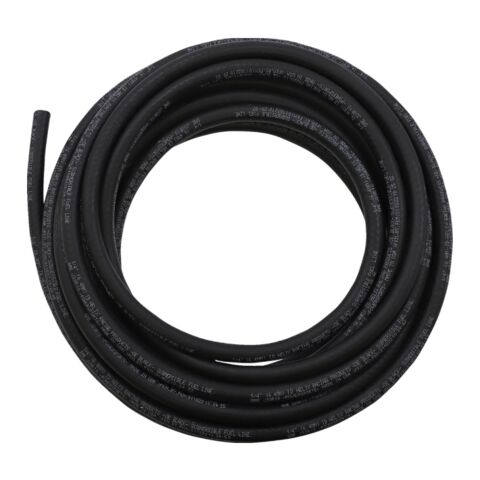
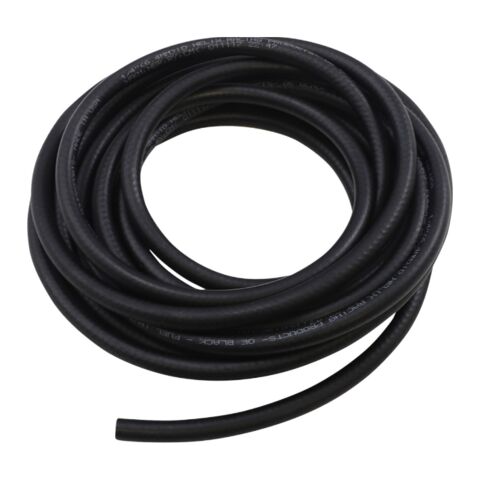
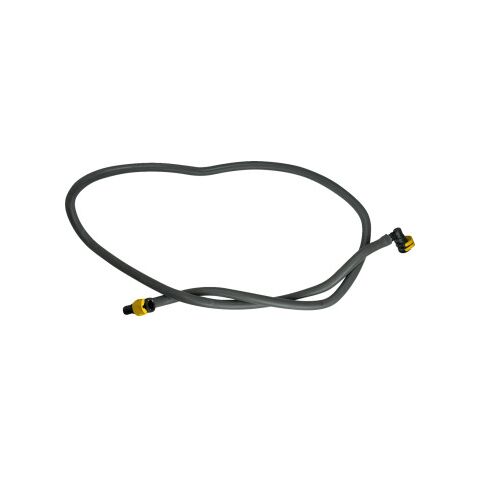
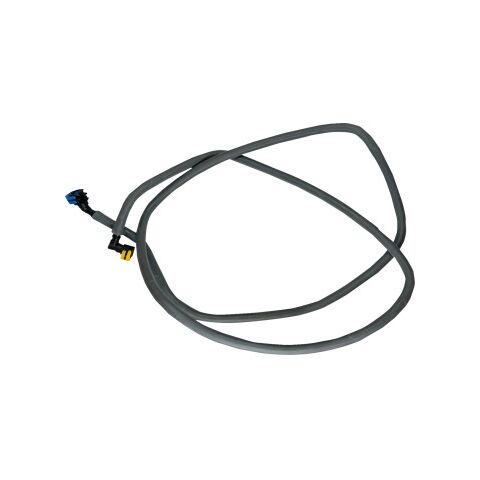
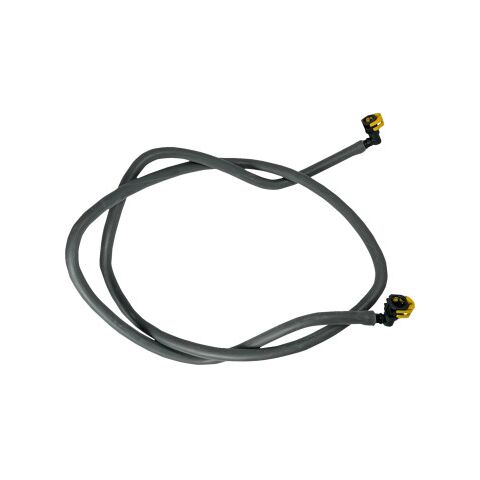
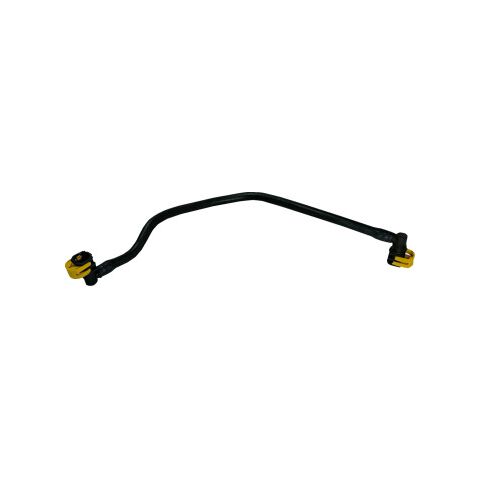
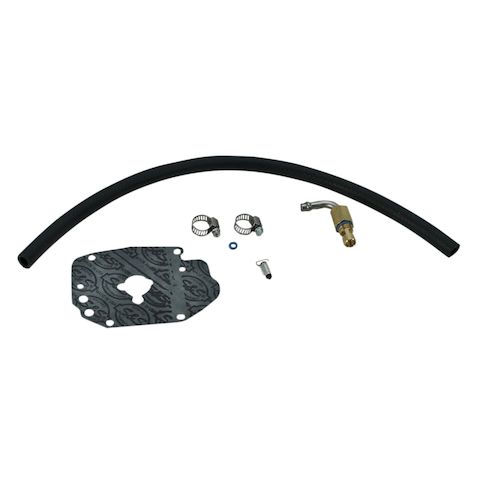
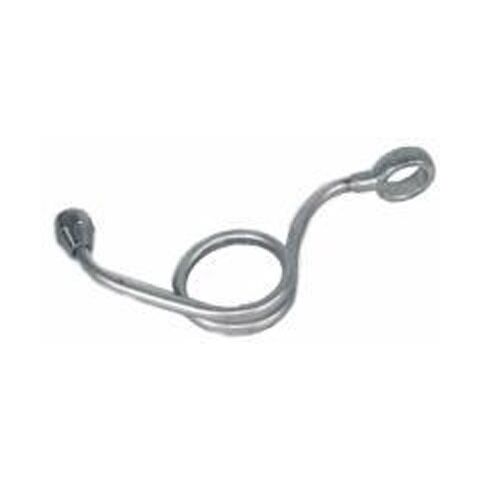
Fuel line tubing is essential for ensuring the safe and efficient transfer of fuel in your motorcycle or other vehicles. Our selection features high-quality tubing that is resistant to abrasion, heat, and chemicals, providing durability and reliability for your fuel system. Designed to withstand varying pressures, these tubes ensure a secure and leak-free connection, making them ideal for both performance and everyday riding needs.
Available in various sizes and materials, our fuel line tubing is engineered to meet the demands of different applications. Whether you're replacing old lines or customizing your setup, our tubing offers flexibility and ease of installation. With excellent compatibility and resistance to fuel additives, you can trust our products to keep your fuel system operating smoothly and efficiently.