Search Suggestions
Menu
Results for in

Fox Racing Speedframe Pro Mtb Helmet

2Products
Filter 0 Sort By
You may also like
Fox Racing Speedframe Pro Mtb Helmet

On this page...

  • What are the key features to look for in a mountain bike helmet?
  • How do I choose the right size for a mountain bike helmet?
  • Are mountain bike helmets suitable for different types of riding?
  • What materials are commonly used in mountain bike helmets?
  • Can mountain bike helmets be used in different weather conditions?
  • What safety certifications should I look for in a mountain bike helmet?
  • What is the importance of ventilation in a mountain bike helmet?
  • How often should I replace my mountain bike helmet?
  • What features enhance the comfort of a mountain bike helmet?

Frequently Asked Questions For Fox Racing Speedframe Pro Mtb Helmet

When choosing a mountain bike helmet, consider features such as ventilation, weight, fit, and safety certifications. Look for helmets that provide ample airflow to keep you cool during rides, and ensure they have a snug fit without being too tight. Safety certifications like CPSC or EN1078 indicate that the helmet meets specific safety standards. Additionally, consider the helmet's design for compatibility with goggles and other gear.

To choose the right size for a mountain bike helmet, measure the circumference of your head just above the eyebrows and refer to the manufacturer's sizing chart. A proper fit should feel snug but comfortable, with the helmet sitting level on your head without tilting. It's also important to adjust the straps and retention system to ensure it stays securely in place while riding.

Yes, mountain bike helmets are designed for various types of riding, including cross-country, trail, enduro, and downhill. Each style may have specific features tailored to the riding conditions, such as increased ventilation for climbing or added protection for downhill trails. It's important to choose a helmet that matches your riding style and the terrain you'll be tackling.

Mountain bike helmets are typically constructed from a combination of expanded polystyrene (EPS) foam for impact absorption and a hard outer shell made of polycarbonate or fiberglass for durability. Some helmets may also feature additional materials like MIPS (Multi-directional Impact Protection System) to enhance safety during rotational impacts. The choice of materials can affect the helmet's weight, ventilation, and overall protection.

Mountain bike helmets can be used in various weather conditions, but it's important to consider ventilation and insulation features. In hot weather, helmets with good airflow will help keep you cool, while those with removable liners may provide warmth in cooler conditions. However, extreme weather may require additional gear, such as a face shield or balaclava, to ensure comfort and protection.

When selecting a mountain bike helmet, look for safety certifications such as CPSC (Consumer Product Safety Commission) or EN1078, which indicate that the helmet meets specific safety standards for impact protection. Some helmets may also feature additional certifications like ASTM for downhill riding, which provide further assurance of safety during more extreme activities. Always check for these certifications to ensure the helmet offers adequate protection.

Ventilation is crucial in a mountain bike helmet as it helps regulate temperature and keeps you comfortable during rides. A well-ventilated helmet allows airflow to circulate around your head, reducing sweat buildup and overheating, especially during long climbs or hot weather. Additionally, proper ventilation can enhance overall comfort and focus, allowing you to concentrate on your ride.

It's generally recommended to replace your mountain bike helmet every 3 to 5 years, even if it hasn't been involved in a crash. Over time, the materials can degrade due to exposure to UV light, sweat, and general wear and tear. If you experience a significant impact or crash, you should replace the helmet immediately, as it may have sustained damage that compromises its safety.

Comfort features in a mountain bike helmet can include adjustable padding, moisture-wicking liners, and a customizable fit system. Look for helmets with removable and washable liners to maintain hygiene and comfort over time. Additionally, a lightweight design can reduce fatigue during long rides, while adjustable straps ensure a secure fit that minimizes movement during use.

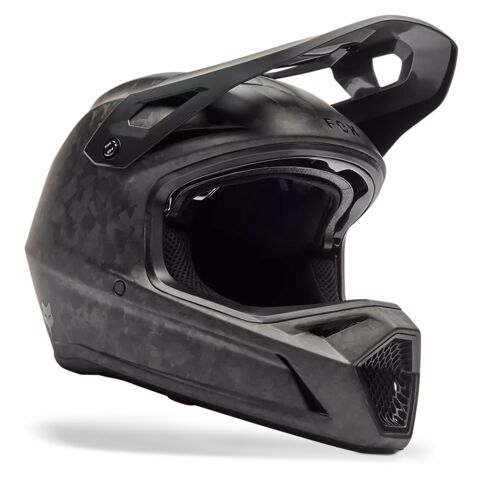
Fox Racing Speedframe Pro MTB Helmet

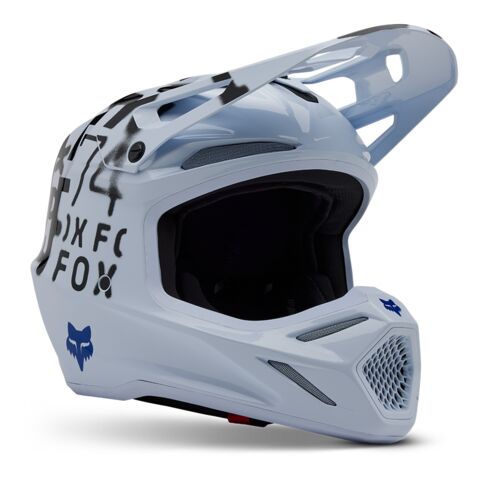
The Fox Racing Speedframe Pro MTB helmet is engineered for mountain bikers who demand both safety and performance. Featuring a lightweight design, this helmet offers exceptional ventilation to keep you cool during intense rides. The advanced impact protection system ensures that your head is safeguarded against potential injuries, while the adjustable visor provides optimal visibility on the trails.

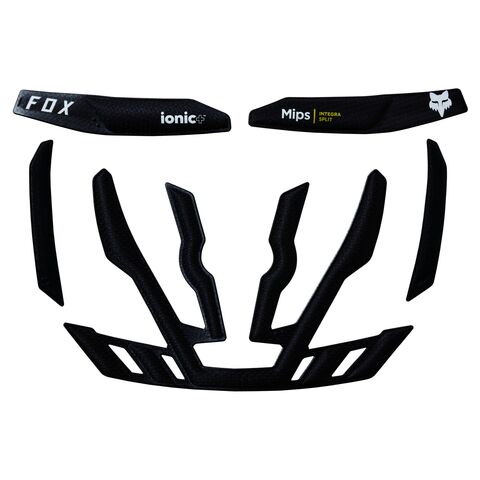
Designed with comfort in mind, the Speedframe Pro includes a customizable fit system that allows for easy adjustments, ensuring a secure and snug fit. The moisture-wicking liner helps manage sweat, enhancing your riding experience. With its sleek aesthetics and robust features, this helmet is the perfect companion for any mountain biking adventure.