Search Suggestions
Menu
Results for in

Foam Applicator Pads
6Products
Filter 0 Sort By
You may also like
Foam Applicator Pads
On this page...

  • What are foam applicator pads used for?
  • How do you choose the right foam applicator pad?
  • Can foam applicator pads be used on all vehicle surfaces?
  • What materials are foam applicator pads made from?
  • Are foam applicator pads reusable?
  • What should you look for in a quality foam applicator pad?
  • Can foam applicator pads be used with machine polishers?
  • What are the benefits of using foam applicator pads compared to other applicators?

Frequently Asked Questions For Foam Applicator Pads

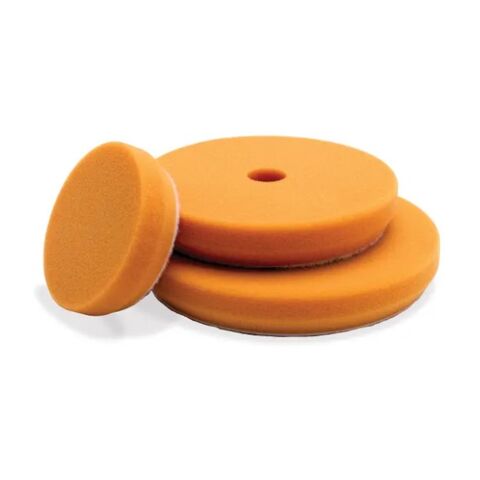
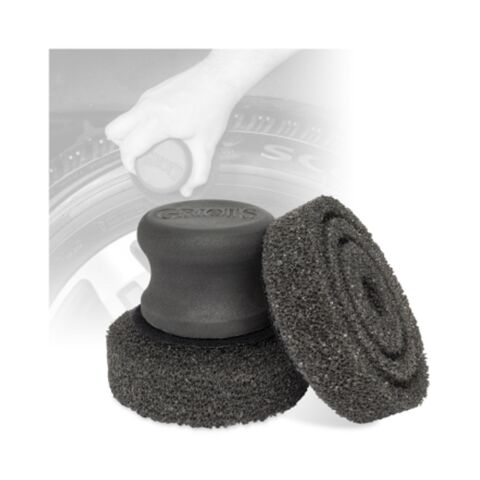
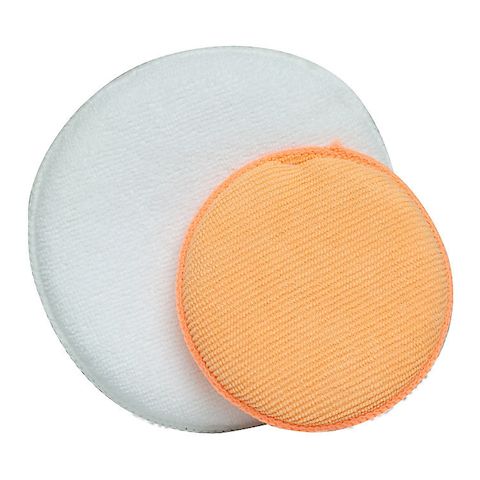
Foam applicator pads are primarily used for applying various automotive products, such as wax, polish, and sealants. They help achieve an even application and can enhance the finish of the vehicle's surface. Different types of foam pads can be used for different tasks, such as polishing or correcting paint imperfections.

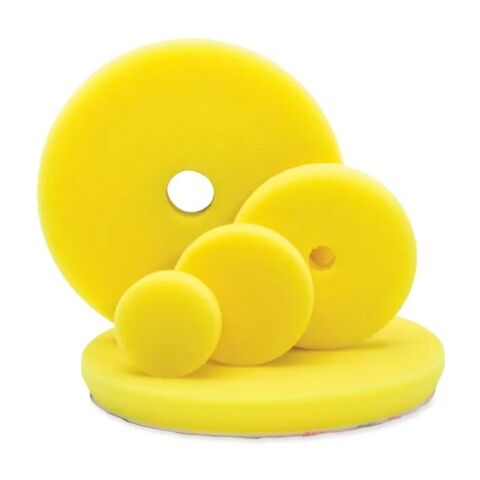
Choosing the right foam applicator pad depends on the task at hand and the type of product you are using. Consider the pad's firmness and texture, as softer pads are generally better for applying waxes and sealants, while firmer pads are suited for polishing and correcting paint. Additionally, the size of the pad should match the area you are working on for optimal results.

Foam applicator pads are versatile and can be used on most vehicle surfaces, including paint, glass, and plastic. However, it's important to ensure that the pad is appropriate for the specific surface and product being used to avoid damage. Always test on a small area first if you're unsure.

Foam applicator pads are typically made from various types of foam, which can vary in density and texture. Common materials include open-cell and closed-cell foam, each offering different levels of absorption and application characteristics. The choice of foam material can affect how well the pad applies products and how easily it can be cleaned.

Many foam applicator pads can be reused multiple times, provided they are properly cleaned and maintained after each use. Regular cleaning helps remove product residue and prevents buildup that can affect performance. However, over time, pads may wear out and need to be replaced depending on usage.

When selecting a quality foam applicator pad, consider factors such as the pad's density, durability, and compatibility with your products. A well-constructed pad will maintain its shape and performance over time. Additionally, look for pads that are easy to clean and maintain for long-term use.

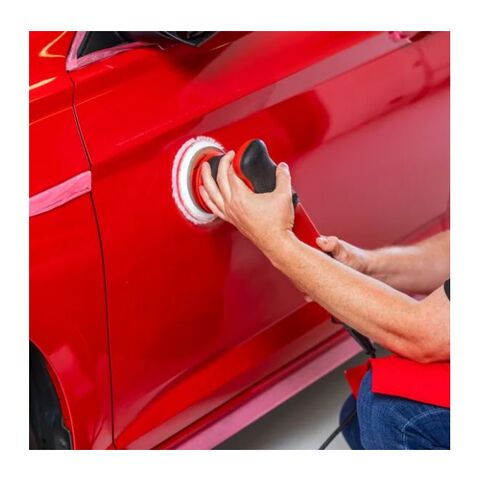
Yes, foam applicator pads are commonly used with machine polishers for more efficient application of products. Using a machine can help achieve a more uniform finish and save time, especially on larger surfaces. Ensure that the pad is compatible with your specific polisher and the products you are using.

Foam applicator pads offer several benefits over other types of applicators, such as cloths or sponges. They provide a more controlled application, reducing the risk of streaks or uneven coverage. Additionally, foam pads can be designed for specific tasks, allowing for better results in polishing, waxing, or applying sealants.

Foam Applicator Pads

Enhance your detailing experience with our premium foam applicator pads, designed for optimal performance and ease of use. These pads are perfect for applying wax, polish, and sealants, ensuring a smooth and even finish on your vehicle's surface. Made from high-quality foam, they provide excellent durability and are gentle on all paint types, making them ideal for both professional detailers and DIY enthusiasts.

Our selection of foam applicator pads features various densities and textures to suit different applications, from correcting imperfections to achieving a flawless shine. The ergonomic design allows for comfortable handling, while the easy-to-clean material ensures longevity and repeated use. Elevate your detailing routine with our versatile foam applicator pads, perfect for achieving that showroom-quality finish.