Engine Yamaha
Filters
- Brand
- Athena (11)
- Bolt Hardware (5)
- Cylinder Works (12)
- Driven Racing (3)
- Dynojet (3)
- Electronic Jet Kit (3)
- Factory Effex (1)
- Fi2000 (1)
- Gb Racing (12)
- Get (4)
- Givi (6)
- Graves Motorsports (1)
- Helix Racing Products (1)
- Hot Rods (4)
- Moose Racing (8)
- Motion Pro (2)
- Polisport (4)
- Pro Circuit (1)
- Pro X (5)
- Puig (15)
- R&g Racing (2)
- Rekluse (1)
- Rfx (2)
- Twin Air (1)
- Vertex (64)
- Wiseco (20)
- Woodcraft (3)
- Works Connection (1)
- Zeta (4)
- Colors
- Size
- Shop By
- Price Range
On this page...
- What are the common types of engines used in Yamaha motorcycles?
- What should you consider when maintaining a Yamaha engine?
- Are there specific performance upgrades available for Yamaha engines?
- What role does engine displacement play in Yamaha motorcycles?
- How does engine cooling work in Yamaha motorcycles?
- What are the benefits of using high-quality engine oil in Yamaha motorcycles?
- Can Yamaha engines be modified for racing purposes?
- What safety certifications should I look for in Yamaha engine components?
- How does the type of fuel affect Yamaha engine performance?
Frequently Asked Questions For Engine Yamaha
Yamaha motorcycles typically feature a variety of engine types, including single-cylinder, parallel-twin, and V-twin configurations. These engines can vary in displacement, power output, and design, catering to different riding styles and preferences. Understanding the engine type can help you choose the right motorcycle for your needs, whether for commuting, touring, or off-road riding.
When maintaining a Yamaha engine, it's important to regularly check the oil levels, replace the oil and filter as recommended, and inspect the air filter for cleanliness. Additionally, monitoring the cooling system and ensuring that all components are in good working order can help prolong engine life. Regular maintenance not only enhances performance but also ensures reliability during rides.
Yes, there are various performance upgrades available for Yamaha engines, including aftermarket exhaust systems, air filters, and engine tuning kits. These upgrades can improve horsepower, torque, and overall engine responsiveness. However, it's essential to ensure that any modifications comply with local regulations and do not compromise engine reliability.
Engine displacement refers to the total volume of all the cylinders in an engine and is a key factor in determining a motorcycle's power output and performance characteristics. Generally, larger displacement engines provide more power and torque, making them suitable for high-speed riding and long-distance touring. Conversely, smaller displacement engines are often lighter and more agile, ideal for city commuting and off-road use.
Yamaha motorcycles typically use either air cooling or liquid cooling systems to manage engine temperature. Air-cooled engines rely on airflow to dissipate heat, while liquid-cooled engines circulate coolant through the engine to maintain optimal operating temperatures. Understanding the cooling system can help riders anticipate maintenance needs and ensure the engine runs efficiently.
Using high-quality engine oil in Yamaha motorcycles helps to reduce friction, prevent wear, and maintain engine cleanliness. Quality oils also provide better thermal stability and protection against breakdown under high temperatures. Regularly changing the engine oil with a suitable grade can significantly enhance engine performance and longevity.
Yes, Yamaha engines can be modified for racing purposes, often involving upgrades to the intake and exhaust systems, engine tuning, and weight reduction strategies. These modifications can enhance performance and responsiveness, making the motorcycle more competitive on the track. However, it's crucial to ensure that any modifications comply with racing regulations and safety standards.
When selecting Yamaha engine components, look for safety certifications such as DOT for street-legal parts and ECE for European compliance. Additionally, components with CE armor ratings indicate they meet specific safety standards. These certifications ensure that the parts are tested for quality and reliability, contributing to overall engine safety and performance.
The type of fuel used can significantly impact Yamaha engine performance, with higher octane fuels often providing better combustion efficiency and power output. Using the recommended fuel type for your specific Yamaha engine can help prevent knocking and ensure optimal performance. It's important to consult the owner's manual for fuel recommendations to maintain engine health.
Similar Categories
Engine Yamaha
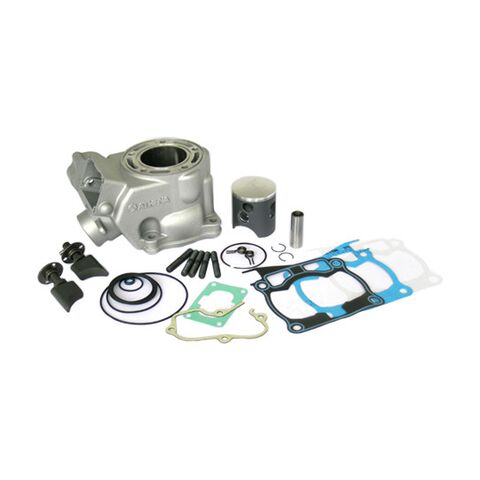
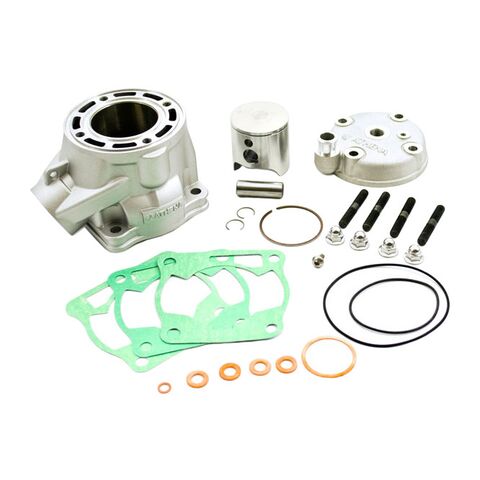
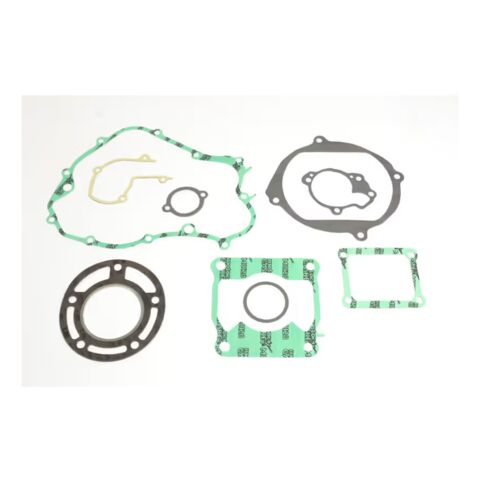
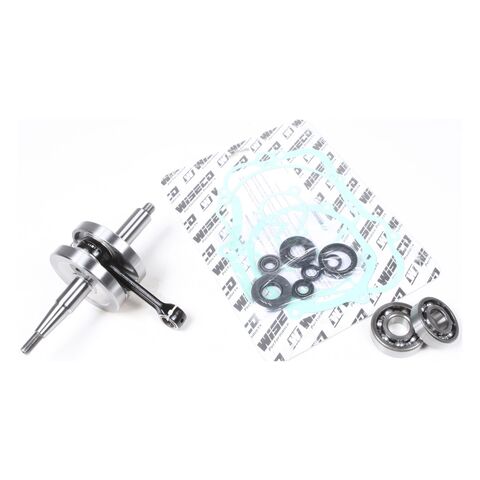
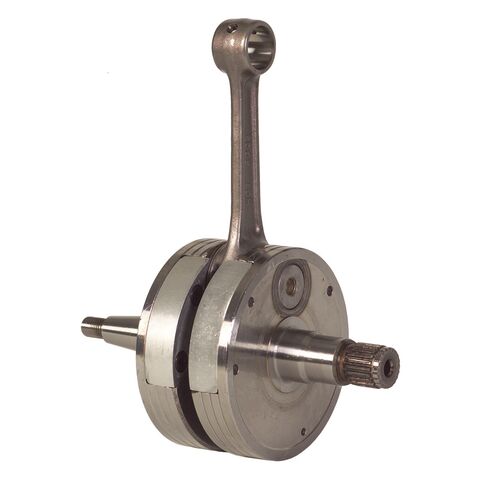
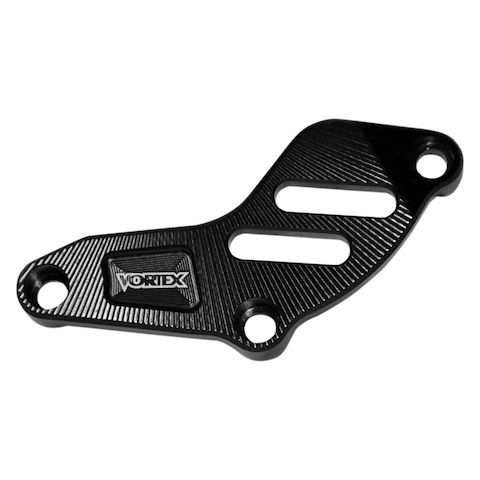
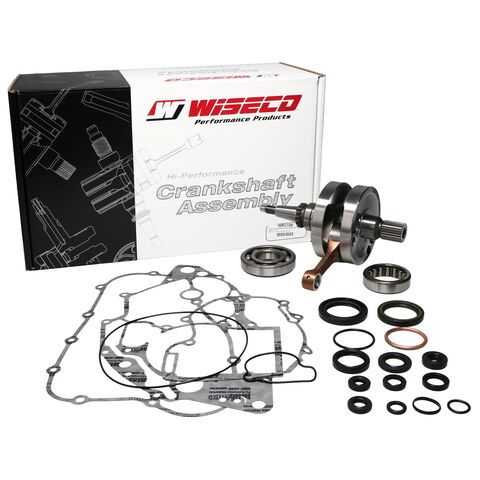
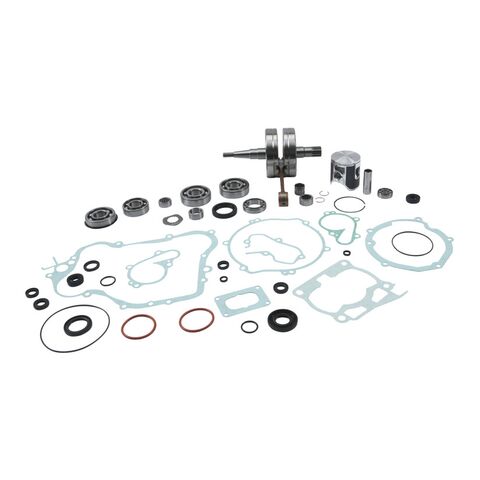
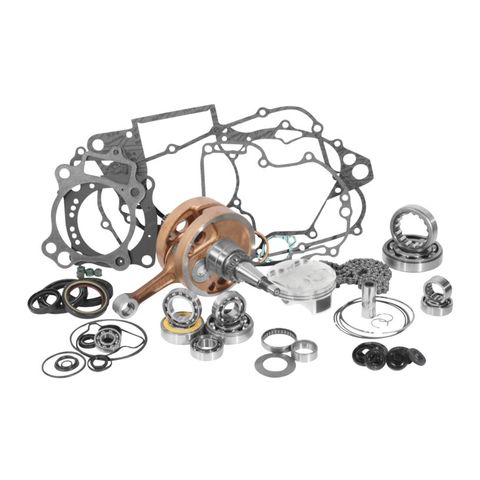
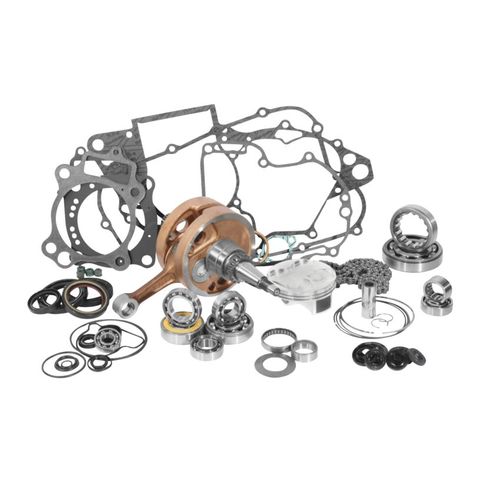
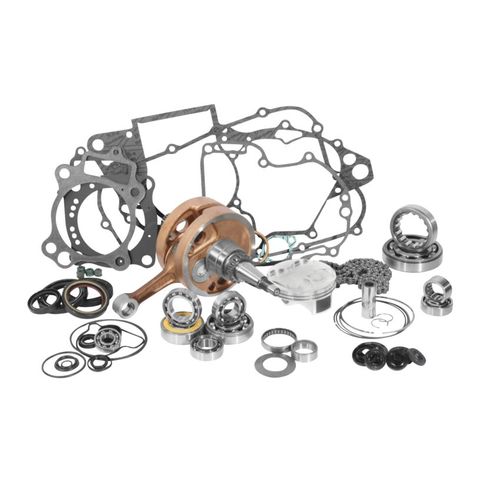
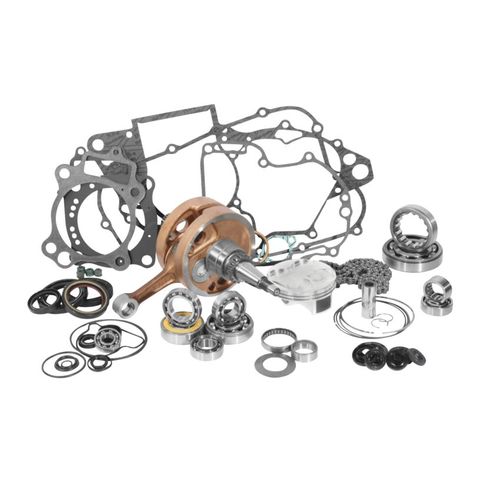
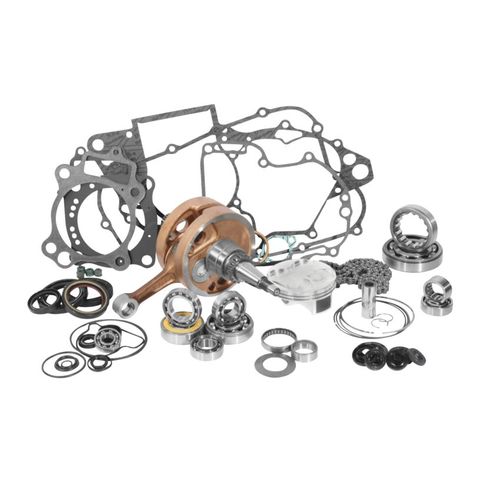
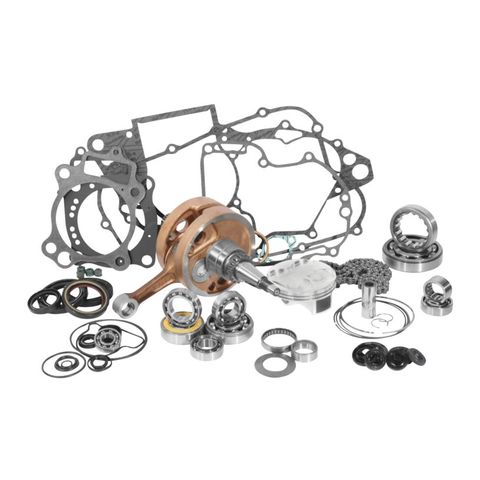
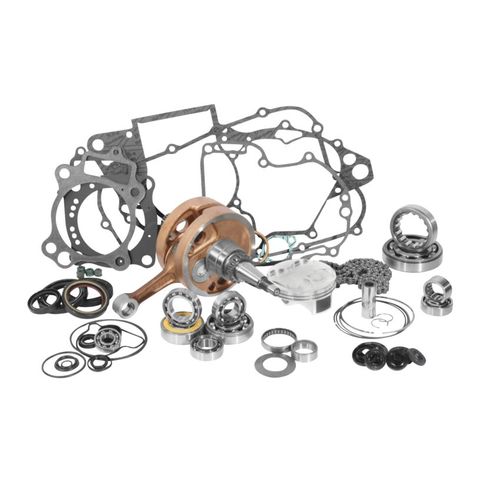
Explore our extensive range of Yamaha engines designed to deliver exceptional performance and reliability for your motorcycle. Each engine is engineered with precision to ensure optimal power delivery, fuel efficiency, and durability, making them ideal for both casual riders and serious enthusiasts. With advanced technology and robust construction, these engines are built to withstand the demands of various riding conditions.
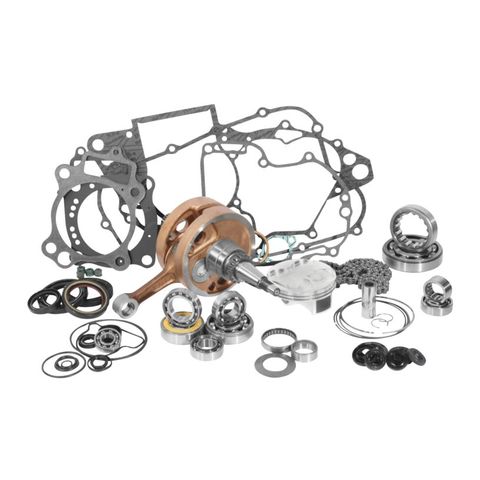
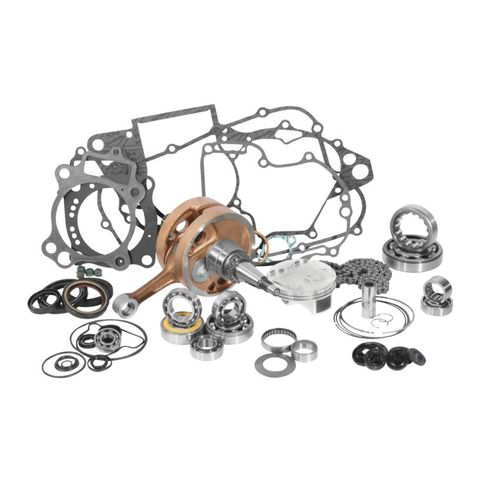
Our Yamaha engines feature innovative designs that enhance throttle response and provide smooth acceleration. Whether you're looking for a replacement engine or upgrading your current setup, you can trust that our selection meets the highest standards of quality and performance. Experience the thrill of riding with a Yamaha engine that combines power, efficiency, and longevity for an unmatched riding experience.