Search Suggestions
Menu
Results for in

Engine Core Plugs
25Products
Filter 0 Sort By
Engine Core Plugs
On this page...

  • What are engine core plugs and what purpose do they serve?
  • How do you know if you need to replace engine core plugs?
  • Are engine core plugs universal, or do they vary by engine type?
  • What materials are commonly used for engine core plugs?
  • Can engine core plugs be installed by a DIY mechanic?
  • What should you consider when choosing engine core plugs?
  • Can engine core plugs be reused after removal?
  • What are the consequences of a failing engine core plug?

Frequently Asked Questions For Engine Core Plugs

Engine core plugs, also known as freeze plugs, are designed to seal the engine block and prevent coolant leaks. They help protect the engine from damage caused by freezing temperatures, as they can pop out if the coolant freezes and expands. Additionally, they can prevent dirt and debris from entering the engine, contributing to its longevity.

Signs that you may need to replace engine core plugs include visible leaks around the plugs, coolant loss, or overheating issues. If you notice any corrosion or rust on the plugs, it may also indicate that they are failing. Regular inspection during maintenance can help identify these issues early.

Engine core plugs are not universal; they vary based on the engine design and manufacturer specifications. Different engines may require specific sizes and materials for their core plugs to ensure a proper fit and seal. It's essential to consult your vehicle's manual or a professional to determine the correct plugs for your engine.

Engine core plugs are typically made from materials like steel, brass, or aluminum. Steel plugs are durable and resistant to corrosion, while brass plugs offer good resistance to rust and wear. Aluminum plugs are lightweight and can be effective, but they may not be as durable as steel or brass in high-stress environments.

Yes, engine core plugs can often be installed by a DIY mechanic with the right tools and knowledge. However, it's important to ensure that the old plugs are removed properly and that the new plugs are installed securely to prevent leaks. If you're unsure about the process, consulting a professional mechanic is advisable.

When choosing engine core plugs, consider the material, size, and compatibility with your engine type. It's important to select plugs that match the specifications of your engine to ensure a proper fit. Additionally, look for plugs that offer good corrosion resistance to enhance durability.

In general, engine core plugs should not be reused after removal. Once they have been removed, they may become deformed or lose their sealing ability, which can lead to leaks. It's best practice to replace them with new plugs to ensure a proper seal and prevent future issues.

A failing engine core plug can lead to coolant leaks, which may cause the engine to overheat and result in significant damage. Additionally, if debris enters the engine through a compromised plug, it can lead to further mechanical issues. Regular maintenance and inspection can help catch these problems early.

Engine Core Plugs

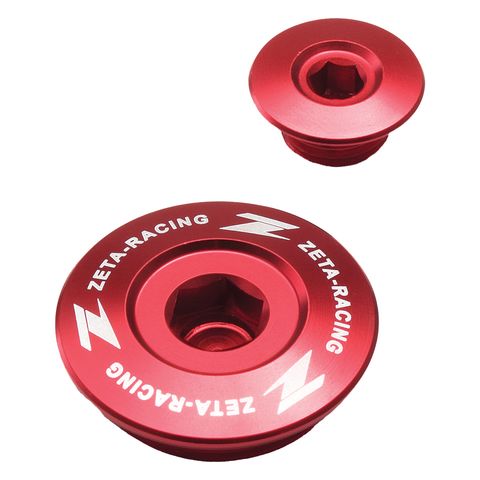
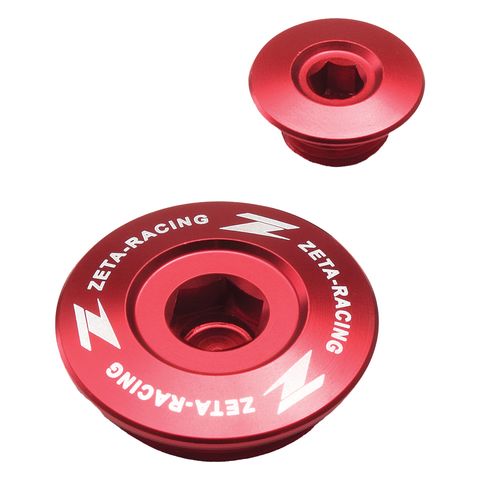
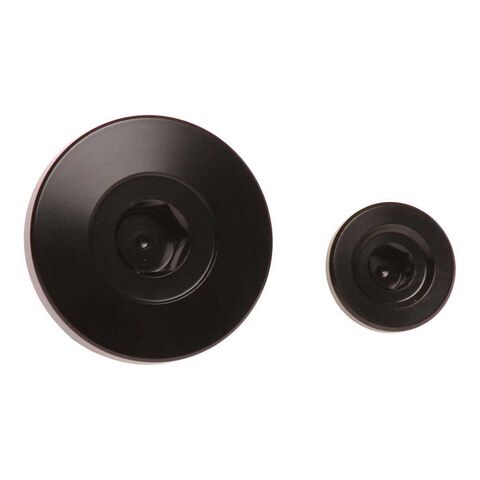
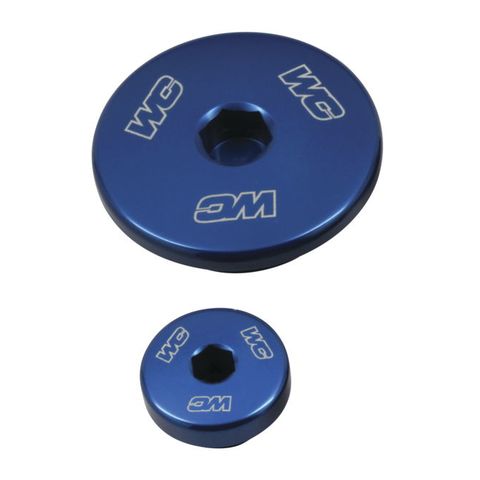
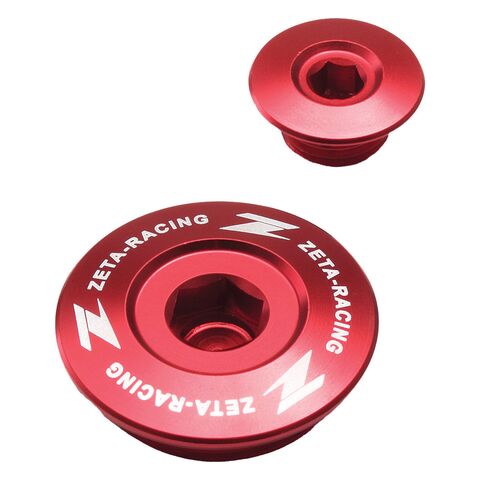
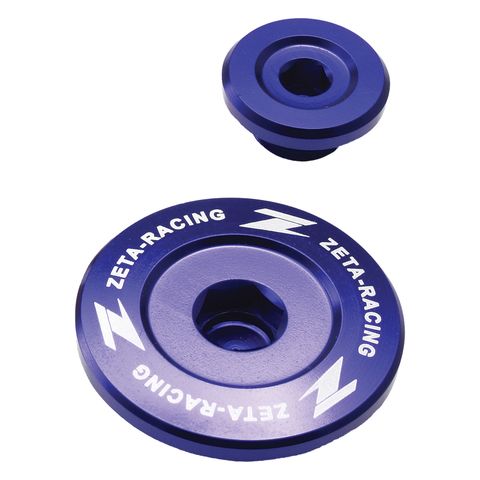
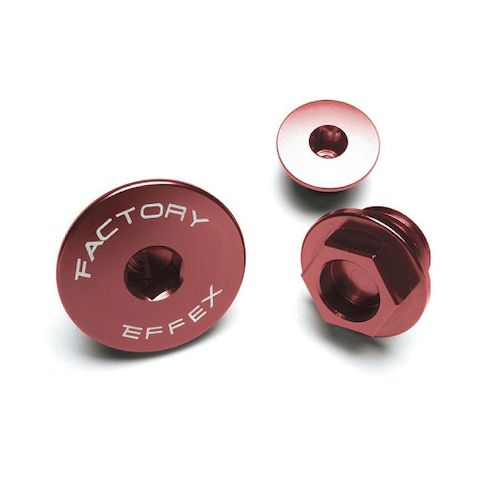
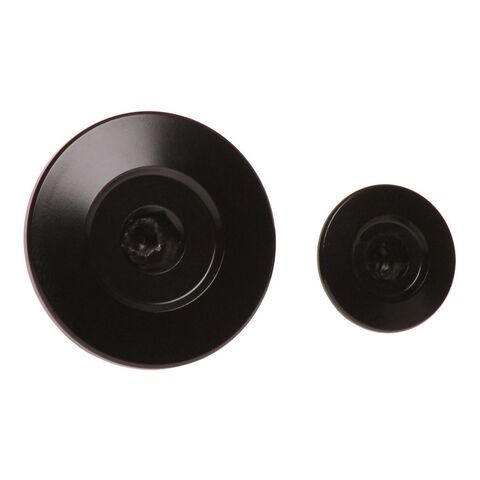
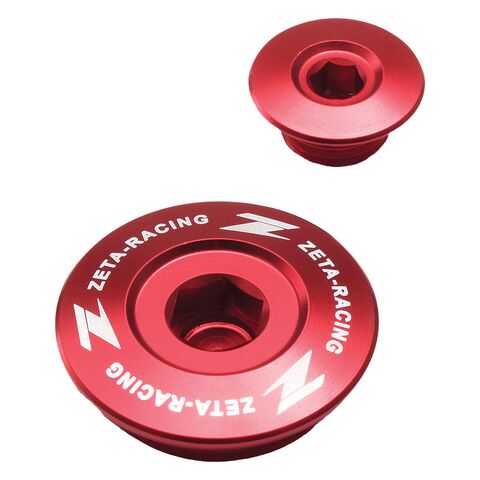
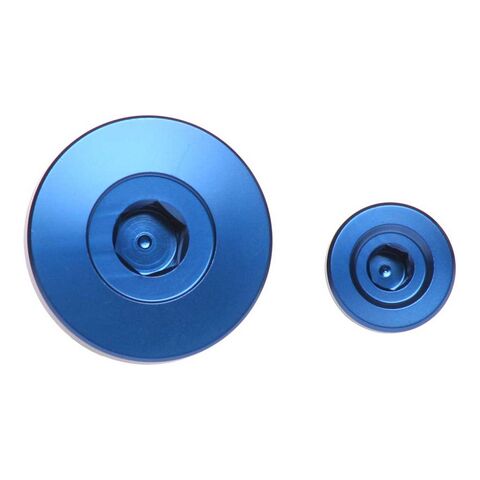
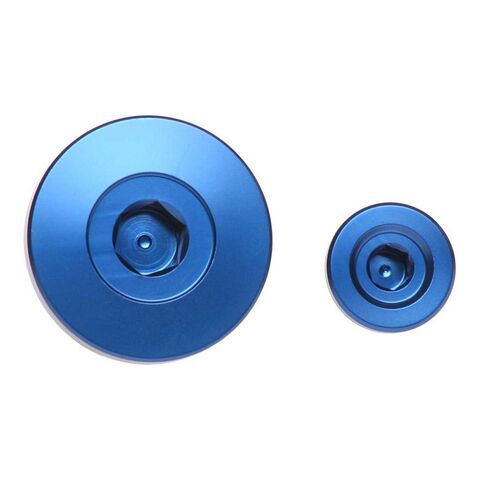
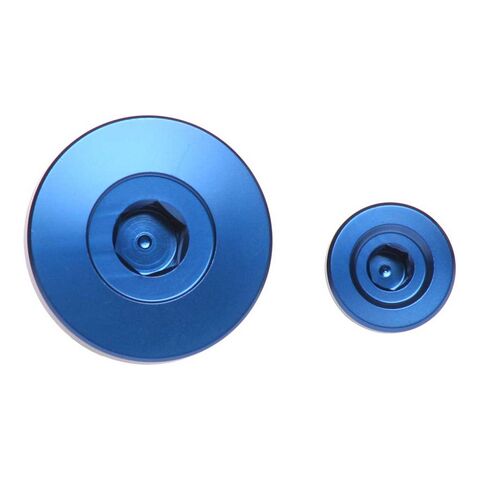
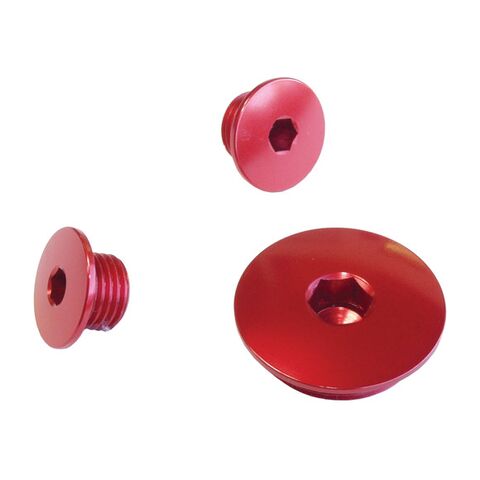
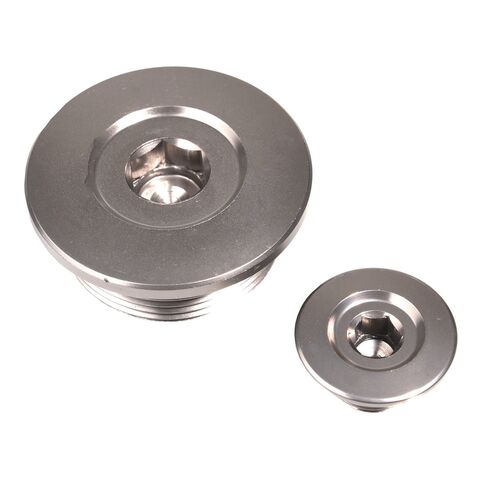
Engine core plugs are essential components designed to seal the engine block and prevent coolant leaks. Crafted from durable materials, these plugs ensure a tight fit, providing reliable protection against corrosion and wear. Whether you're performing routine maintenance or a complete engine overhaul, our selection of core plugs is engineered to meet the demands of various motorcycle models, ensuring optimal performance and longevity.

Available in various sizes and configurations, our engine core plugs are easy to install and designed for a secure seal. They help maintain the integrity of your engine by preventing contaminants from entering and ensuring that your cooling system operates efficiently. Trust our range of engine core plugs to keep your motorcycle running smoothly and to protect your investment for years to come.