Search Suggestions
Menu
Results for in

Engine Connecting Rod
93Products
Filter 0 Sort By
Engine Connecting Rod
On this page...

  • What is an engine connecting rod and what role does it play in an engine?
  • What should you consider when choosing an engine connecting rod?
  • Are there different types of engine connecting rods for various applications?
  • Can engine connecting rods be repaired or do they need to be replaced?
  • What are the signs of a failing engine connecting rod?
  • How does the material of an engine connecting rod affect its performance?
  • What is the typical lifespan of an engine connecting rod?
  • Can engine connecting rods be used in different engine models?
  • What are the benefits of upgrading to a high-performance engine connecting rod?

Frequently Asked Questions For Engine Connecting Rod

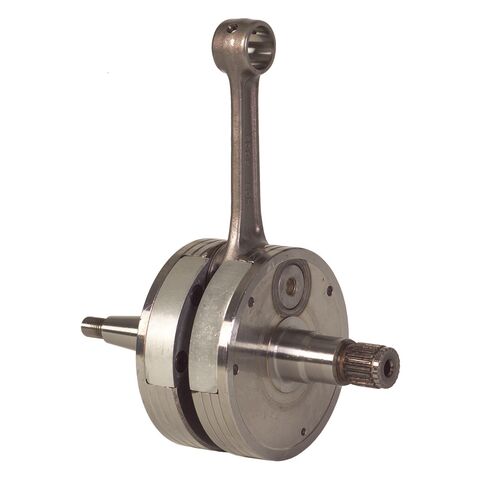
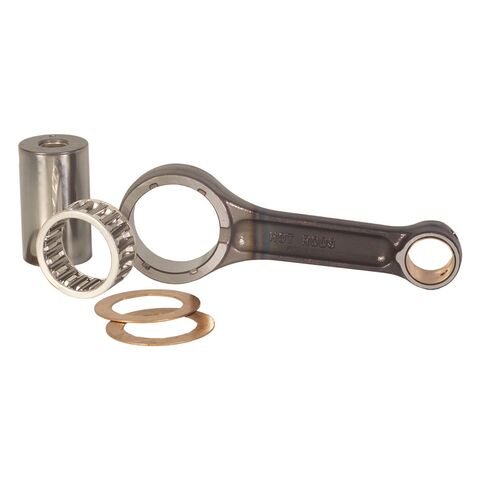
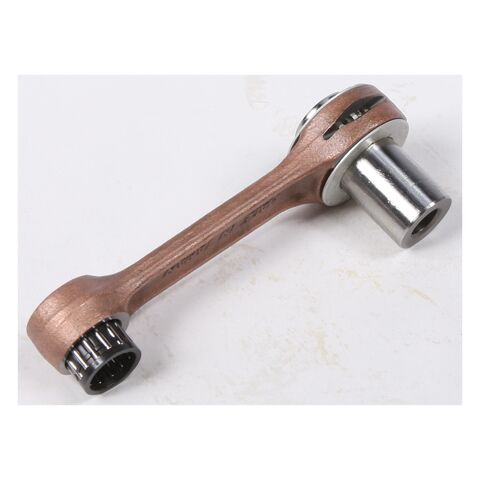
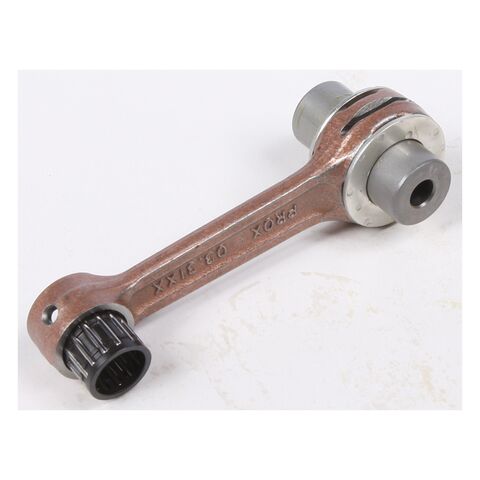
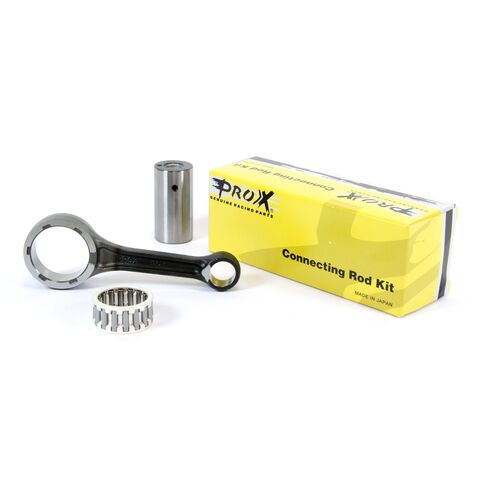
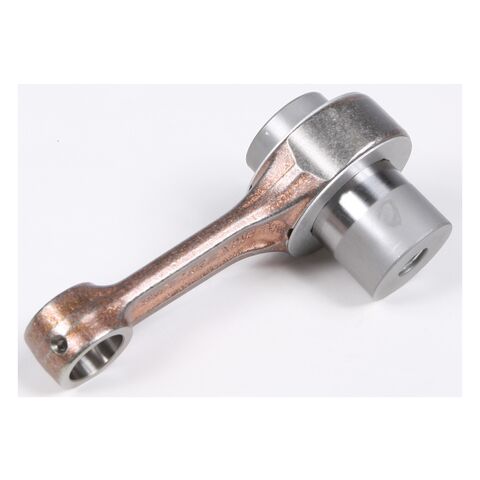
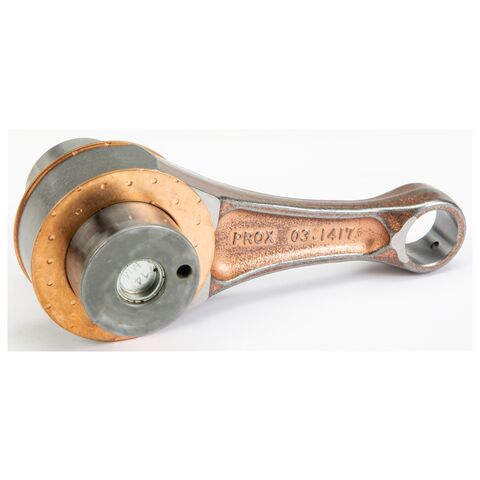
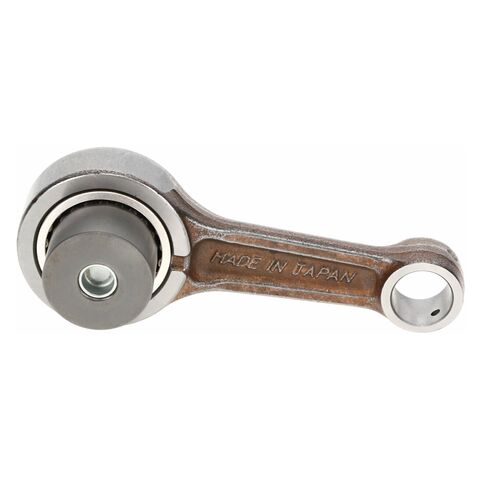
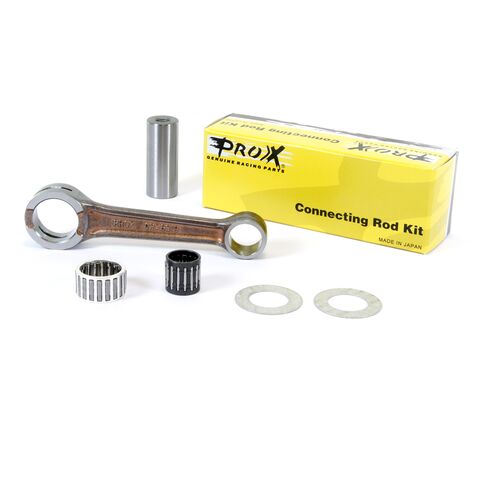
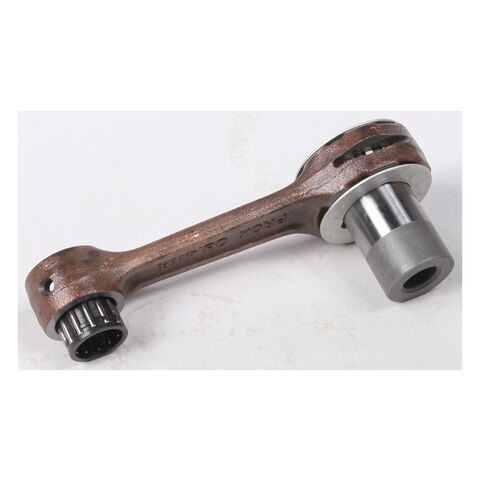
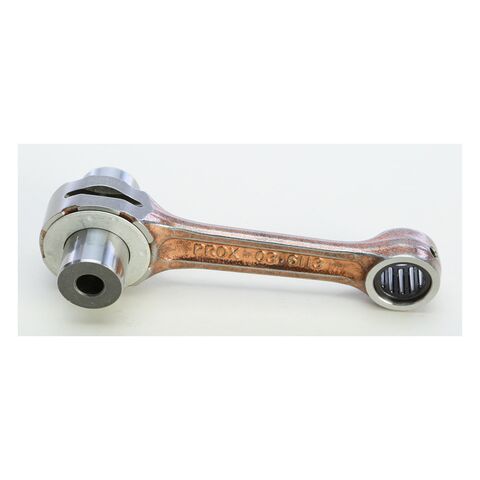
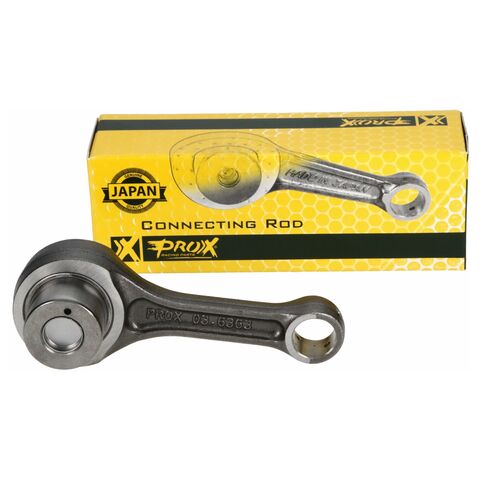
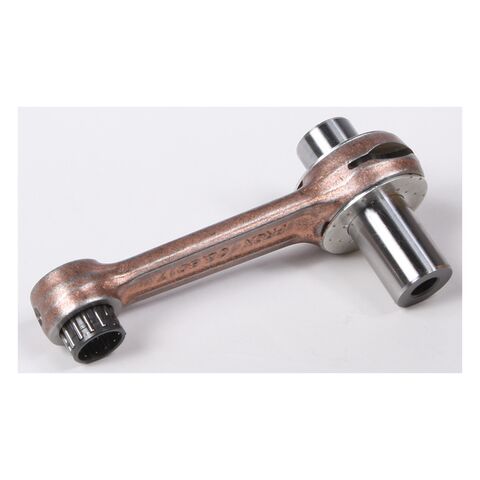
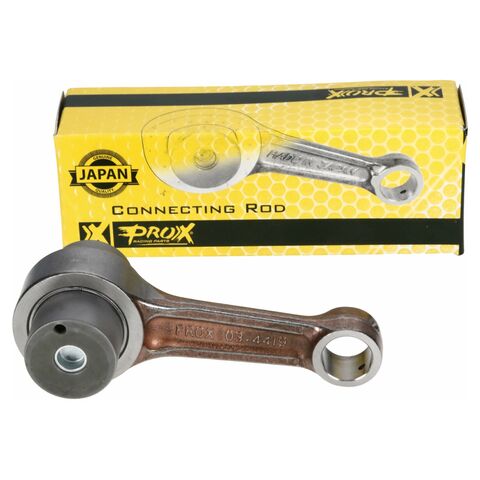
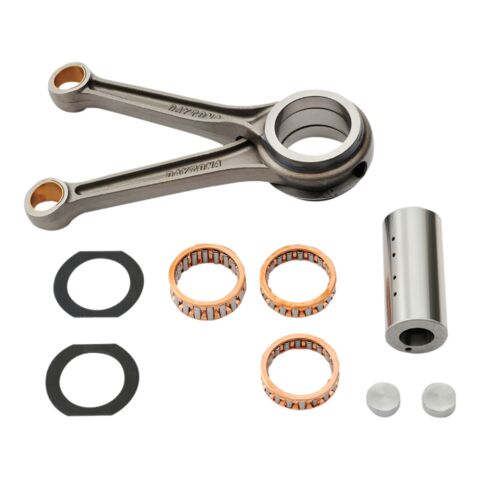
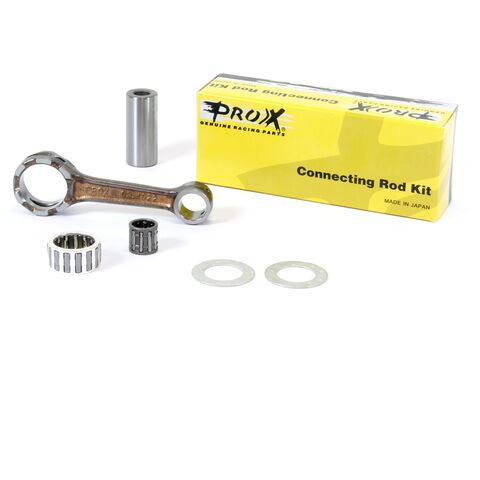
An engine connecting rod is a crucial component that connects the piston to the crankshaft in an internal combustion engine. It converts the linear motion of the piston into the rotational motion needed to turn the crankshaft. This process is essential for the engine's operation, as it allows for the transfer of power generated during combustion to the drivetrain.
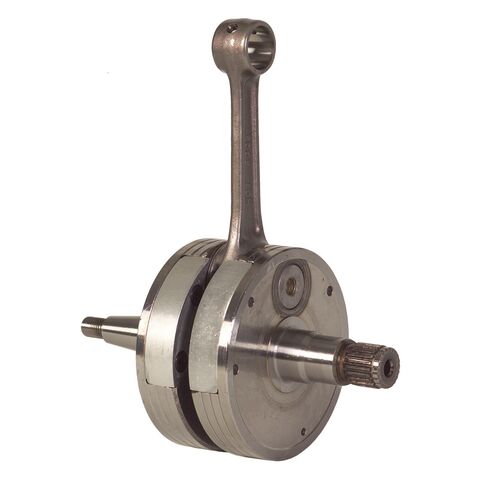
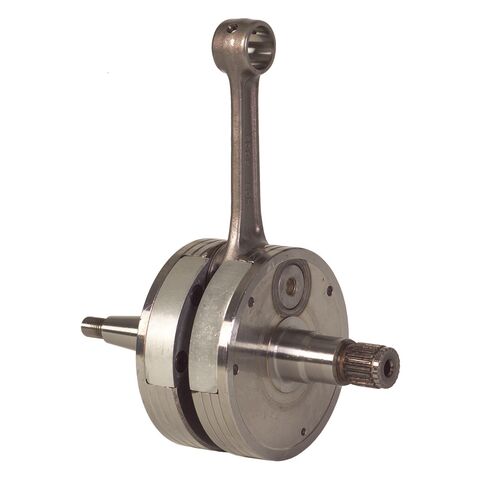
When selecting an engine connecting rod, consider factors such as the material, strength, and weight of the rod. Common materials include steel and aluminum, each offering different benefits in terms of durability and performance. Additionally, ensure that the connecting rod is compatible with your engine's specifications and intended use, whether for racing, off-road, or street applications.

Yes, engine connecting rods come in various types designed for specific applications. For instance, some rods are engineered for high-performance racing, while others are built for durability in off-road conditions. It's important to choose a connecting rod that matches the demands of your riding style and the engine's performance requirements.

In some cases, engine connecting rods can be repaired, especially if they are only slightly damaged. However, significant wear or damage typically necessitates replacement to ensure optimal engine performance and reliability. It's advisable to consult with a professional mechanic to assess the condition of the connecting rod before deciding on repair or replacement.

Signs of a failing engine connecting rod can include unusual noises from the engine, such as knocking or tapping sounds, as well as decreased engine performance. Additionally, you may notice increased oil consumption or metal shavings in the oil. If you suspect an issue with the connecting rod, it's crucial to have it inspected by a qualified technician as soon as possible.

The material of an engine connecting rod significantly impacts its performance, strength, and weight. Steel rods are known for their durability and resistance to bending, making them suitable for high-stress applications. On the other hand, aluminum rods are lighter, which can improve engine responsiveness but may not withstand the same level of stress as steel. The choice of material should align with your engine's intended use.

The lifespan of an engine connecting rod can vary widely based on factors such as engine type, usage, and maintenance. Generally, a well-maintained connecting rod can last for many thousands of miles, but extreme conditions such as racing or heavy off-road use can lead to earlier wear. Regular inspections and maintenance are key to ensuring the longevity of this component.

Engine connecting rods are typically designed for specific engine models and configurations, so using them in different engines can lead to compatibility issues. It's essential to select connecting rods that are specifically engineered for your engine's make and model to ensure proper fit and function. Always refer to manufacturer specifications when making a selection.

Upgrading to a high-performance engine connecting rod can provide several benefits, including increased strength, reduced weight, and improved engine responsiveness. These rods are often designed to withstand higher RPMs and greater stress, which can enhance overall engine performance. Additionally, a high-performance connecting rod can contribute to better power delivery and efficiency in demanding riding conditions.

Engine Connecting Rods

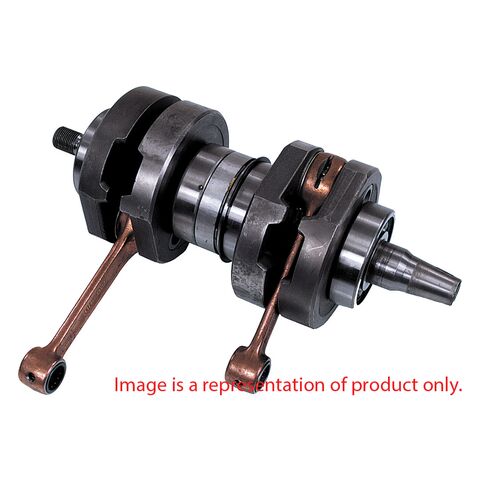
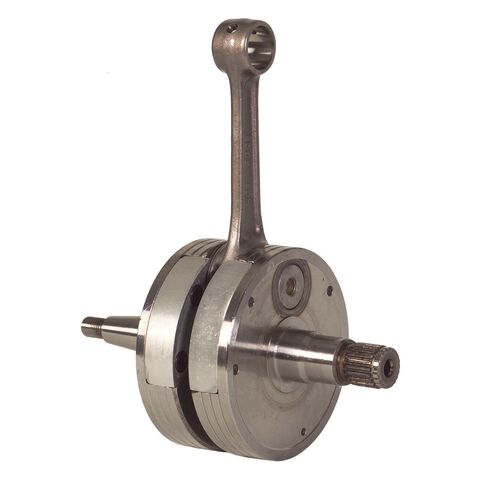
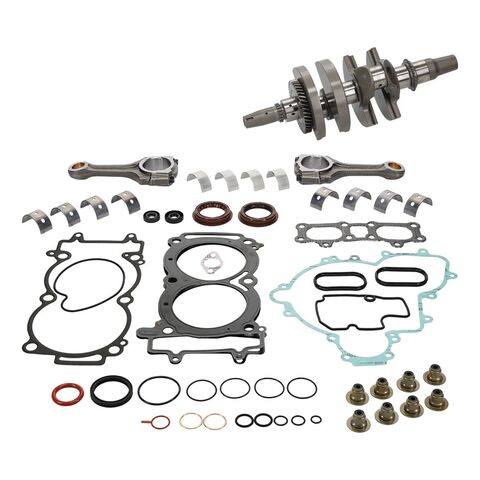
Engine connecting rods are essential components that link the piston to the crankshaft, converting linear motion into rotational power. Our selection of high-performance connecting rods is engineered for durability and strength, ensuring they can withstand the intense forces generated during engine operation. Designed with precision, these rods provide optimal alignment and reduce friction, contributing to improved engine efficiency and performance.

Available in various materials and designs, our engine connecting rods cater to a wide range of applications, from street bikes to racing machines. Each rod is rigorously tested to meet high standards of quality and reliability, ensuring they can handle the demands of both everyday riding and competitive racing. Upgrade your engine's performance with connecting rods that deliver exceptional strength and reliability for a smoother, more powerful ride.