Search Suggestions
Menu
Results for in

Diy Flywheel Puller

12Products
Filter 0 Sort By
Diy Flywheel Puller

On this page...

  • What is a DIY flywheel puller and why would I need one?
  • What materials are commonly used in flywheel pullers?
  • How do I choose the right flywheel puller for my engine?
  • Can I use a flywheel puller for different types of engines?
  • What should I look for in a quality flywheel puller?
  • Are there any safety considerations when using a flywheel puller?
  • Can I make my own flywheel puller, and what materials would I need?
  • What are the common applications for a flywheel puller?
  • How do I properly use a flywheel puller?

Frequently Asked Questions For Diy Flywheel Puller

A DIY flywheel puller is a tool designed to help remove the flywheel from an engine or motor without causing damage. It's essential for maintenance tasks such as replacing ignition components or performing engine repairs. Having a flywheel puller allows you to work on your engine more efficiently and effectively.

Flywheel pullers are typically made from durable materials like steel or high-strength aluminum. These materials provide the necessary strength and resistance to wear during the pulling process. A well-constructed puller ensures that it can withstand the forces involved in removing a flywheel without bending or breaking.

When selecting a flywheel puller, it's crucial to consider the specific make and model of your engine, as different engines may require different puller designs or sizes. Additionally, look for pullers that are compatible with the type of flywheel you are working with, whether it's for a motorcycle, ATV, or other small engine applications. Checking for compatibility with your engine's specifications will help ensure a successful removal process.

Yes, many flywheel pullers are designed to be versatile and can be used across various engine types, including motorcycles, ATVs, and even some small cars. However, it's important to verify that the puller is compatible with the specific engine you are working on, as different engines may have unique flywheel designs and attachment points.

When evaluating a flywheel puller, consider factors such as build quality, material strength, and ease of use. A good puller should have a solid construction to withstand the forces during removal and should come with clear instructions for use. Additionally, look for features like adjustable arms or multiple sizes to accommodate different flywheel configurations.

Yes, safety is paramount when using a flywheel puller. Always ensure that the puller is securely attached to the flywheel before applying force, and use appropriate personal protective equipment, such as safety glasses and gloves. Additionally, be cautious of any potential sharp edges or moving parts during the removal process to avoid injury.

Yes, it is possible to make your own flywheel puller if you have the right tools and materials. Common materials include steel rods or plates for the main body, along with bolts and nuts to create a secure attachment mechanism. However, it's important to have a good understanding of the mechanics involved to ensure that your DIY puller is effective and safe to use.

Flywheel pullers are commonly used in various applications, including motorcycle maintenance, small engine repairs, and automotive work. They are particularly useful for tasks such as replacing ignition coils, servicing the stator, or performing engine rebuilds. Understanding the specific needs of your engine will help you determine when a flywheel puller is necessary.

To use a flywheel puller, first ensure that the engine is securely mounted and stable. Attach the puller to the flywheel according to the manufacturer's instructions, making sure it is aligned correctly. Gradually apply force using a wrench or ratchet, ensuring that the puller remains stable and secure throughout the process until the flywheel is released.

DIY Flywheel Puller

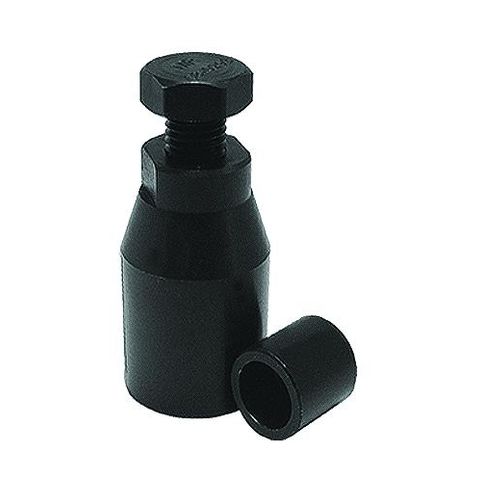
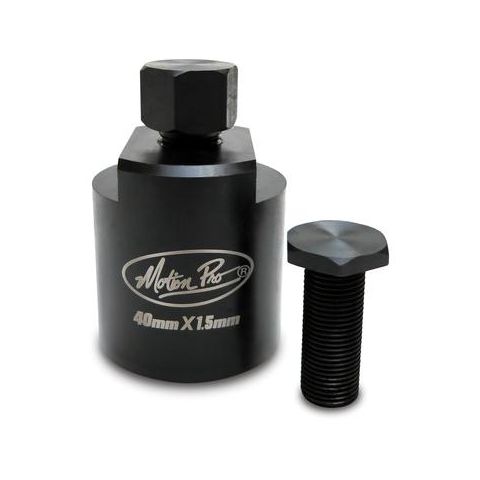
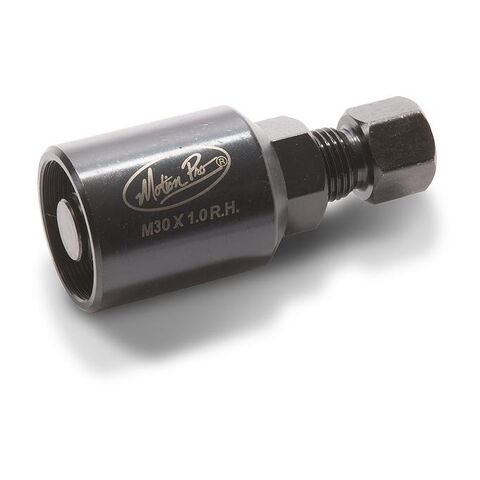
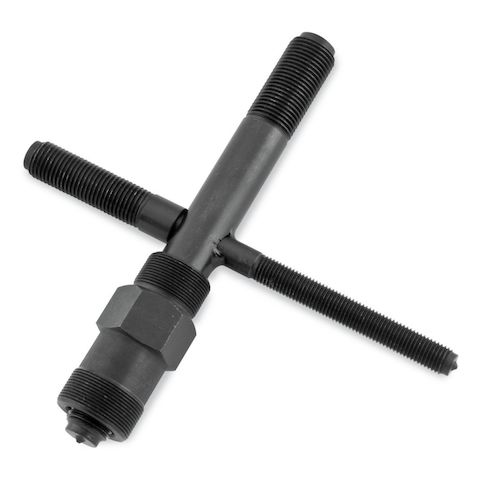
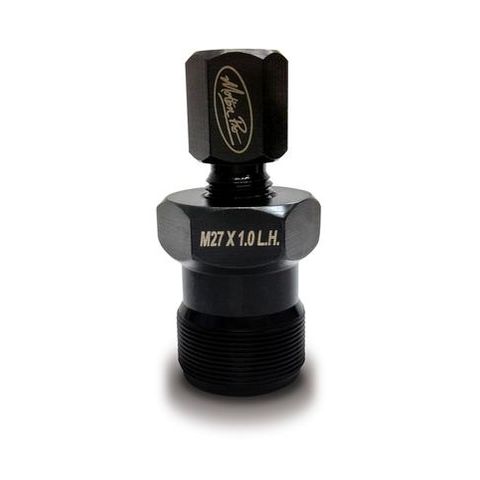
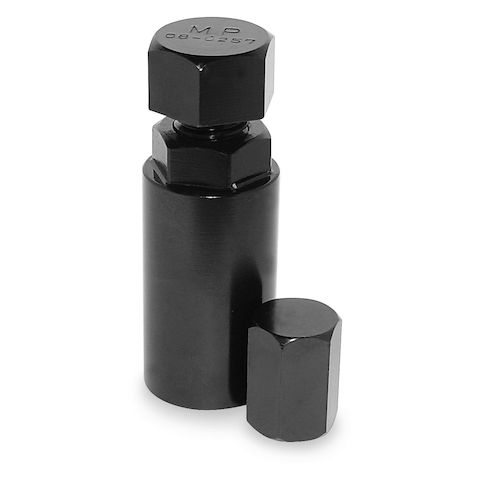
When it comes to engine maintenance, a reliable DIY flywheel puller is an essential tool for any mechanic or enthusiast. Designed to safely and efficiently remove flywheels from various engines, these pullers ensure minimal risk of damage during the extraction process. With durable construction and user-friendly designs, they provide the leverage needed to tackle even the most stubborn flywheels.

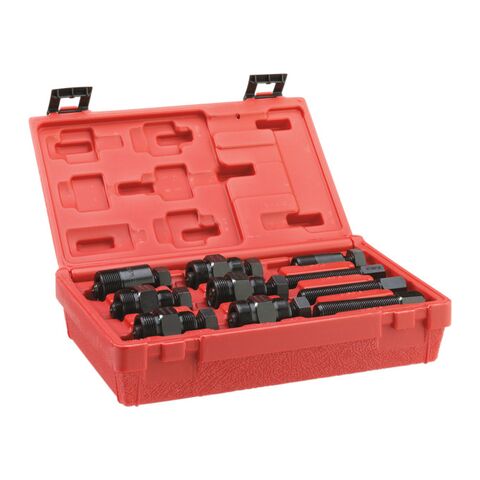
Our selection of DIY flywheel pullers features versatile options suitable for a range of applications, making them perfect for both professional and home garage use. Many models come with adjustable arms and multiple attachment points, allowing for a custom fit on different flywheel sizes. Invest in a quality flywheel puller to streamline your engine repairs and maintenance tasks with confidence.