Conventional Coolant Fluid
On this page...
- What is conventional coolant fluid used for?
- What are the main components of conventional coolant fluid?
- How do you choose the right conventional coolant fluid for your vehicle?
- Can conventional coolant fluid be used in all types of vehicles?
- What are the benefits of using conventional coolant fluid?
- How often should you change conventional coolant fluid?
- Are there any environmental concerns with conventional coolant fluid?
- Can conventional coolant fluid be mixed with other types of coolants?
- What should you look for in a high-quality conventional coolant fluid?
Frequently Asked Questions For Conventional Coolant Fluid
Conventional coolant fluid is primarily used to regulate the temperature of an engine, preventing it from overheating during operation. It circulates through the engine and radiator, absorbing heat and dissipating it, which is essential for maintaining optimal engine performance. Additionally, it helps protect engine components from corrosion and deposits.
Conventional coolant fluid typically consists of a mixture of water and antifreeze, which is often based on ethylene glycol or propylene glycol. These components work together to lower the freezing point and raise the boiling point of the fluid, ensuring it remains effective in various temperature conditions. Additives may also be included to prevent corrosion and enhance performance.
Choosing the right conventional coolant fluid involves considering your vehicle's specifications, including the manufacturer's recommendations for coolant type and formulation. It's important to select a coolant that meets the required performance standards and is compatible with your engine materials. Additionally, consider the climate you ride in, as different coolants may perform better in extreme temperatures.
While conventional coolant fluid is suitable for many vehicles, it may not be appropriate for all types, especially those requiring specialized formulations. Some vehicles, particularly high-performance or modern engines, may benefit from advanced coolants that offer better thermal stability and corrosion protection. Always check your owner's manual for specific coolant recommendations.
The benefits of using conventional coolant fluid include effective temperature regulation, protection against engine overheating, and prevention of corrosion within the cooling system. It also helps maintain engine efficiency by ensuring that components operate within their optimal temperature range. Additionally, conventional coolants are often more cost-effective compared to specialized alternatives.
The frequency of changing conventional coolant fluid can vary based on the vehicle and the type of coolant used. Generally, it's recommended to replace it every two to five years or as specified by the manufacturer. Regular checks for coolant levels and condition can help determine if a change is necessary sooner, especially if you notice any signs of contamination or reduced performance.
Yes, there are environmental concerns associated with conventional coolant fluid, particularly those based on ethylene glycol, which is toxic to humans and animals. Proper disposal and recycling of used coolant are essential to prevent contamination of water sources. Additionally, many manufacturers are now offering more environmentally friendly alternatives that are less harmful.
Mixing conventional coolant fluid with other types of coolants is generally not recommended, as it can lead to reduced performance and potential chemical reactions that may harm the cooling system. If you need to top off your coolant, it's best to use the same type as what is already in the system. Always consult your vehicle's manual for guidance on coolant compatibility.
When selecting a high-quality conventional coolant fluid, look for features such as a balanced formulation that provides optimal freeze and boil protection, as well as additives that prevent corrosion and scale buildup. Additionally, consider the coolant's compatibility with your engine materials and its performance in the specific climate conditions you encounter while riding.
Similar Categories
Conventional Coolant Fluid
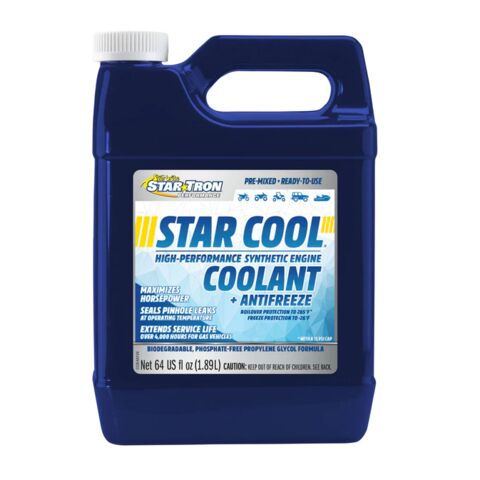
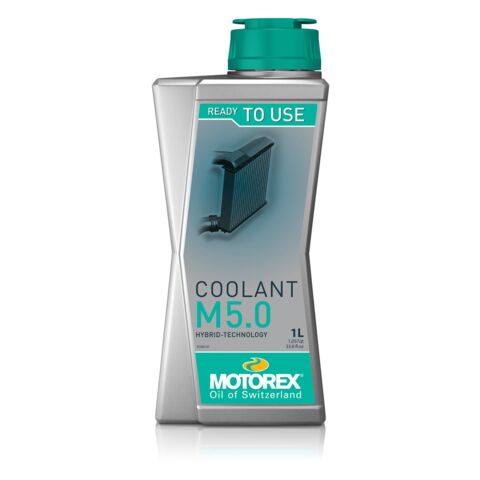
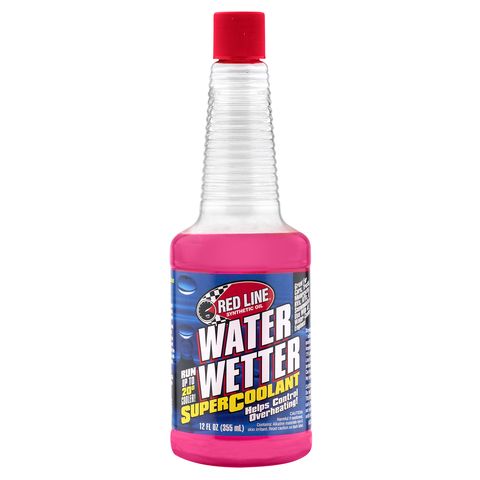
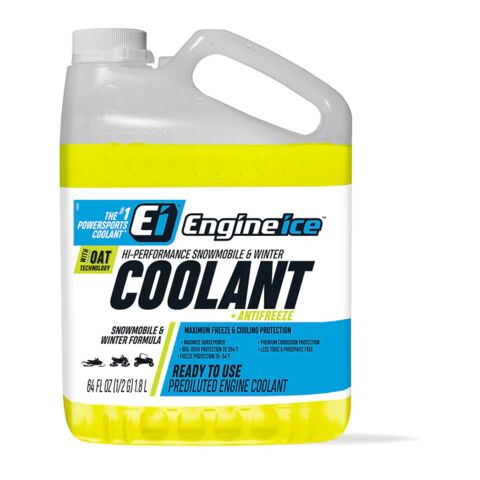
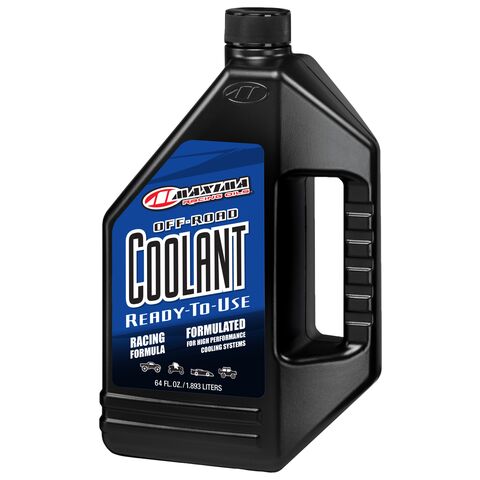
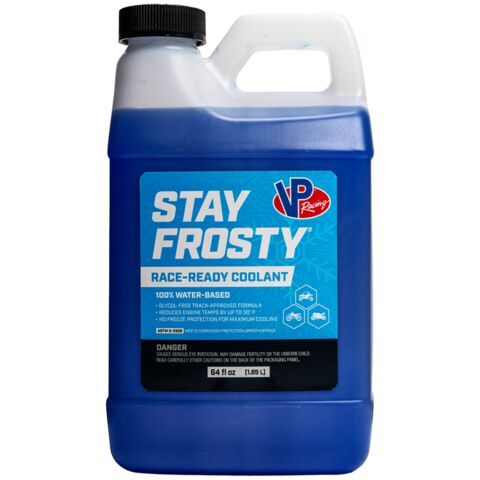
Ensure your engine runs efficiently with our premium selection of conventional coolant fluids. Designed to provide optimal thermal protection, these coolants help maintain the ideal operating temperature of your engine, preventing overheating and ensuring peak performance. With excellent heat transfer properties and corrosion inhibitors, our coolants safeguard your engine components from damage and extend their lifespan.
Our conventional coolant fluids are compatible with a wide range of vehicles, making them a versatile choice for any rider. Easy to use and formulated for maximum efficiency, these coolants deliver reliable performance under various conditions. Trust in our selection to keep your engine cool and performing at its best, no matter the ride.