


 Riders Preferred Membership
 Shop by Vehicle
 Track Order
 Contact Us
Compression Washers






On this page...
- What are compression washers used for?
- How do compression washers differ from regular washers?
- What materials are commonly used for compression washers?
- Can compression washers be used in high-pressure applications?
- What should you consider when choosing compression washers?
- Are compression washers suitable for use in automotive applications?
- Can compression washers be reused?
- What are the signs that a compression washer needs to be replaced?
Frequently Asked Questions For Compression Washers
Compression washers are used to create a tight seal between two surfaces, preventing leaks and ensuring a secure fit. They are commonly utilized in various mechanical applications, including automotive and motorcycle maintenance. By distributing the load evenly, they help to reduce the risk of damage to components.
Compression washers are designed specifically to compress under load, which allows them to fill gaps and create a more effective seal. Unlike regular flat washers, which primarily serve to distribute load, compression washers can adapt to the surfaces they are placed between, enhancing their sealing capabilities. This makes them ideal for applications where vibration or movement may occur.
Compression washers can be made from a variety of materials, including rubber, silicone, and metal. Each material offers different benefits; for example, rubber and silicone provide excellent sealing properties and flexibility, while metal compression washers are often used for high-temperature applications. The choice of material typically depends on the specific application and environmental conditions.
Yes, compression washers can be used in high-pressure applications, provided they are made from suitable materials that can withstand the pressure and environmental conditions. It's essential to select the right type of compression washer for the specific application to ensure reliability and safety. Always check the manufacturer's specifications for pressure ratings.
When selecting compression washers, consider factors such as the material, size, and thickness required for your application. It's also important to assess the environment in which they will be used, including temperature and exposure to chemicals. Additionally, ensure that the washer's design is compatible with the components it will be used with to achieve optimal performance.
Compression washers are commonly used in automotive applications due to their ability to create a reliable seal and withstand vibrations. They are often found in areas where fluid containment is critical, such as oil and coolant systems. Choosing the right compression washer can help prevent leaks and ensure the longevity of automotive components.
In general, compression washers are designed for single-use applications, especially if they are made from softer materials like rubber or silicone. Reusing them may compromise their sealing ability and lead to leaks. If you need to replace a compression washer, it's best to use a new one to ensure proper function and safety.
Signs that a compression washer may need replacement include visible wear, deformation, or cracking. If you notice leaks or a loss of pressure in the system where the washer is used, it could indicate that the washer is no longer providing an effective seal. Regular inspection can help identify these issues before they lead to more significant problems.
Similar Categories
Compression Washers
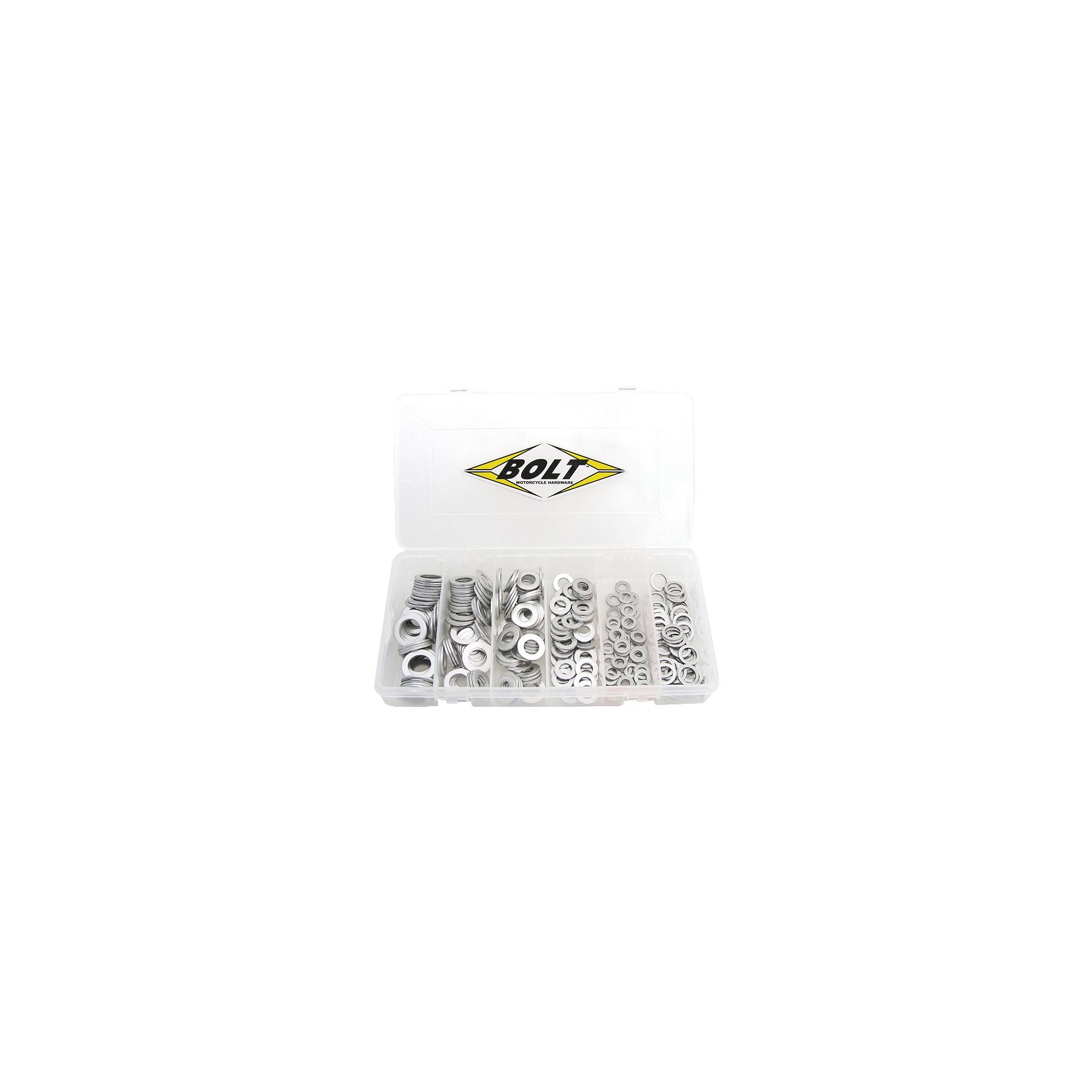
Compression washers are essential components designed to create a tight seal and prevent leaks in various applications. Made from durable materials, these washers provide excellent resistance to wear and tear, ensuring long-lasting performance. Their unique design allows for even distribution of pressure, making them ideal for use in plumbing, automotive, and industrial settings.
Available in a variety of sizes and thicknesses, our selection of compression washers caters to diverse needs and specifications. They are easy to install and compatible with a wide range of fittings and connections. By choosing the right compression washer, you can enhance the efficiency and reliability of your systems, minimizing the risk of leaks and ensuring optimal performance.